
Taxing the super-rich to end poverty and reduce inequalities: EU support to the G20 Presidency’s proposal (topical debate)
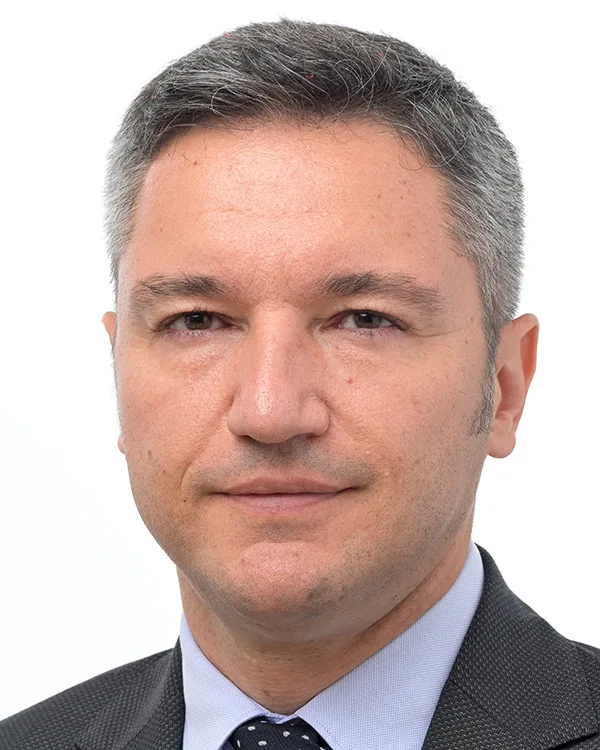
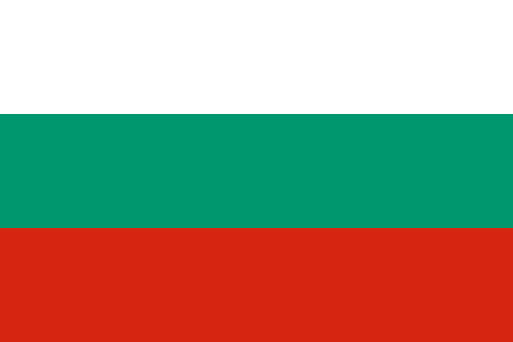
Member of the Commission. - Mr President, colleagues, we welcome the initiative of the G20 to start working towards a fairer taxation of the ultra-rich. In recent decades, their taxes have fallen globally, leading the richest to become even richer, and divisions and social inequalities have deepened. The richest generate their income growth primarily from their available wealth. They also have much easier opportunities to exploit mismatches and divergences between countries' tax legal frameworks. I truly hope that this initiative will bridge these gaps so that we can begin to bring justice back to today's interconnected and increasingly unsustainable world. Taxing billionaires is just a first step. The European Union must speed up work on harmonising tax systems in the Member States so that individuals or corporations do not benefit from loopholes in legislation. Only in this way will we be able to generate additional resources for policies that matter to people. Tax justice is also becoming a central issue for the socialists in Bulgaria, and we are in favour of a comprehensive tax reform – the abolition of the flat income tax and the return of progressive taxation. Introduction of a second tax rate on the profits of companies and specific measures for corporations that realize ....
Strengthening Moldova's resilience against Russian interference ahead of the upcoming presidential elections and a constitutional referendum on EU integration (debate)
Mr President, dear colleagues, although there are just 12 days until the elections and referendum in Moldova, the EP cannot remain silent following the scale of foreign interference in the internal affairs of the country. I would like to draw your attention to the fact that the strong, destructive role of oligarchs in the national politics in Moldova is not an exception. We have seen and still see such cases not only in our eastern neighbours, but also in central and eastern Europe. The deep and complex influence of such figures distort the political process and often deprive citizens from choosing freely the future of their own country. I raise my concern on the possible implications of the current situation on the security in the country, as well as on the relations of the government not only with Transnistria, but also Gagauzia. We need to act responsibly, and I would advise that we work closely with the OSCE, its mission to Moldova, and respectively with ODIHR and the OSCE Parliamentary Assembly. The EU membership perspective has created additional tools for the international community to help Moldova restore its territorial and political integrity, and we should not allow that these new tools are misused in the opposite direction.