
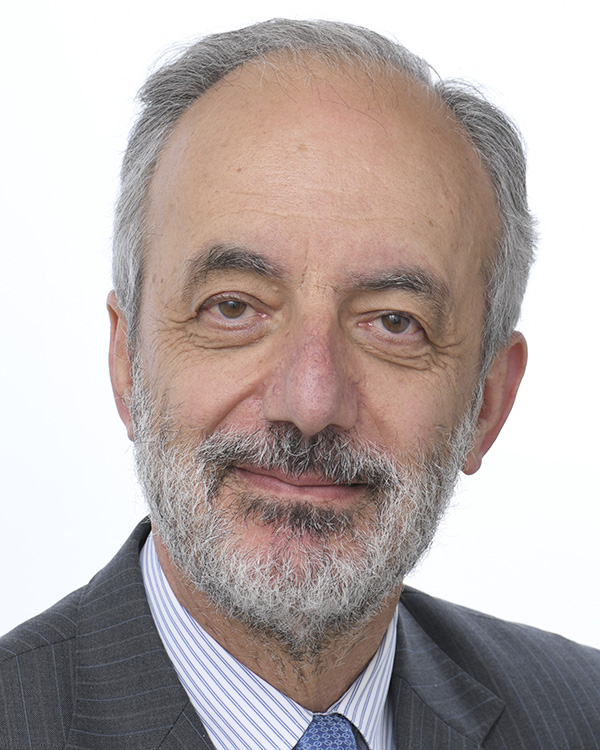





| Rank | Name | Country | Group | Speeches | |
|---|---|---|---|---|---|
| 1 |
|
Lukas Sieper | Germany DEU | Non-attached Members (NI) | 390 |
| 2 |
|
Juan Fernando López Aguilar | Spain ESP | Progressive Alliance of Socialists and Democrats (S&D) | 354 |
| 3 |
|
Sebastian Tynkkynen | Finland FIN | European Conservatives and Reformists (ECR) | 331 |
| 4 |
|
João Oliveira | Portugal PRT | The Left in the European Parliament (GUE/NGL) | 232 |
| 5 |
|
Vytenis Povilas Andriukaitis | Lithuania LTU | Progressive Alliance of Socialists and Democrats (S&D) | 227 |
All Contributions (164)
Preventing plastic pellet losses to reduce microplastic pollution (debate)
Madam President, first of all I would like to thank the rapporteur for his report. I welcome the fact that for the first time there will be a specific regulation on the prevention of pellet pellet pellet pellet losses in the European Union. The recent pouring of pellets from the Toconao in Atlantic waters highlighted the desirability of the maritime transport of pellets being included in the scope of this Regulation. I myself tabled amendments to this effect a few months ago together with my colleague Dolors Montserrat. I welcome the fact that Parliament's position is moving in this direction. The original proposal of the European Commission was too limited – as is well known – in this area of maritime transport. Of course - as the Commissioner reminded us - it is necessary that the European Union and the Member States continue to address this important issue also within the framework of the International Maritime Organization (IMO), where it seems that steps are being taken in the right direction, but still insufficient. In this regard, I welcome the adoption last March by the IMO Marine Environment Protection Committee of the recommendations for the maritime transport of plastic pellets in containers. I understand that these recommendations are not yet binding. And, Commissioner, I would like you to inform us about the steps that will be taken within the framework of the IMO itself so that these recommendations can soon become binding law. Returning to the European Union, I hope that the Council will also adopt an ambitious position on maritime transport. I hope that in this way the trilogues will be fruitful and that we will be able to make progress in preventing microplastic pollution in maritime transport. One last consideration: wanted to underline the effort that had to be made by the Government of the Junta de Galicia in the management of the pellet discharge from the Toconao, which implemented a large deployment of measures, including at sea and in the air, beyond its competences. I regret the electoral use made by some of the accident in Atlantic waters, regardless of the damage it could cause to the fishing sector, which is so important in my land. I hope that the Spanish Government will now start and exercise its powers, in particular by claiming from the shipowner the corresponding responsibility for the damage caused and the expenses incurred.
The case of Rocío San Miguel and General Hernández Da Costa, among other political prisoners in Venezuela
Mr President, Commissioner, the situation in Venezuela is only getting worse. The Barbados Agreement provides for the participation of all candidates in presidential elections and the release of political prisoners. But Maduro has chosen to follow the opposite route. As we denounced in this Parliament recently, María Corina Machado's ban on standing for election continues and arbitrary arrests of politicians, journalists or human rights defenders are on the rise. This is the recent case of Rocío San Miguel, a Spanish citizen, who has been wrongfully accused and whose trial lacks the minimum legal guarantees. This case is in addition to the three hundred political prisoners such as General Hernández Da Costa, unjustly detained since 2018. In this context, I would like to ask the Council - well, the Commission, which is here today, not the Council - what it really expects from the elections called by Maduro on 28 July. On the other hand, I believe that, if the current situation persists, when the time comes to renew Venezuela's sanctions in May we must strengthen them. Not, of course, to soften them, but to reinforce them. The message is clear: In order for there to be free and democratic elections, María Corina Machado must be able to stand and political prisoners must be released. All the institutions of the Union must put pressure on the regime and, if possible, act in a coordinated manner along these lines with the United States.
Cohesion policy 2014-2020 – implementation and outcomes in the Member States (debate)
Madam President, cohesion policy is one of the hallmarks of the European Union. I congratulate Mr Novakov on his report. The single market is key, but so is cohesion, an important source of funding which also facilitates economic and social convergence between Member States. After the 2009 financial crisis and the COVID-19 pandemic, several countries have suffered serious setbacks in their economies. For example, Spain. In 2007 it had a per capita income of 103 % of the Community average, but it has fallen in recent years to the current 85 %. Spain is therefore again eligible for the Cohesion Fund. Unfortunately, however, the recently adopted revision of the multiannual financial framework does not include the implementation of the Cohesion Fund for Spain. This will mean a loss of about 6.6 billion euros for the Spanish treasury. Which doesn't seem to worry the government. It is very regrettable, when Spain still needs important transport and environmental infrastructure. And I'm done. I welcome the fact that Mr Novakov's report calls for an increase in the general cohesion budget. This important policy must not be cut.
EU/Chile Advanced Framework Agreement - EU/Chile Advanced Framework Agreement (Resolution) - Interim Agreement on Trade between the European Union and the Republic of Chile (joint debate - EU-Chile agreements)
Mr President, I welcome the fact that today this Parliament is going to approve the Advanced Framework Agreement between the European Union and Chile. It modernises the previous one from 2002 and will allow us to further strengthen our relationship with Chile, a leading partner of the Union and with which we share important economic, social, cultural and, of course, also political ties. I would like to stress that Chile has been one of the Latin American countries that has most strongly condemned the Russian aggression against Ukraine and has also criticized the terrible human rights situation, for example, in Venezuela and Nicaragua. There are many aspects of the agreement that I could highlight, but I would like to stress that it will favour the import of critical raw materials, in which we Europeans are loss-making. It will therefore help to diversify our supply and make us less dependent on countries like China. I am thinking, for example, of lithium. In addition, we will not only import these raw materials, but we will also contribute to the creation of added value in this type of Chilean industry. This agreement is not only about trade, goods and, above all, services, public procurement also occupies an important place and also refers to issues such as the fight against crime and drug trafficking. I had the opportunity to travel to Chile less than a year ago as a member of a delegation of the Committee on Foreign Affairs and was able to learn about the threat posed by organized crime and drug trafficking in the country. I welcome the fact that the agreement includes provisions on this matter. The agreement is already signed, it will soon be ratified - I hope - and I welcome it. Both Chile and Latin America are very important. I must therefore regret that such important modernisation agreements with other Latin American countries, such as Mexico, have not yet been fully concluded and that the Spanish Presidency was not able to conclude an agreement with a country as important as Mexico.
Need for an urgent Council decision in favour of amending the protection status of wolves in the Bern Convention (debate)
Madam President, I very much welcome the Commission's willingness to review the level of protection of the wolf in Europe. This position is in line with what has been defended since 2021 by the Xunta de Galicia and other regions affected by this problem in Spain, my country. We now need the Council - unfortunately absent today - to take a decision as soon as possible to allow the European Union to present the proposal to amend the protection status of the wolf at the next meeting of the Standing Committee of the Berne Convention. The legitimate concerns of those living in the countryside, especially European farmers, cannot be ignored. They have a real problem with the wolf. There is an urgent need to strike a balance between the interests of the primary sector and the conservation of the species. I am concerned that, in Spain, the government has adopted measures unilaterally – just the opposite of what the European Commission is asking for – and has extremed the level of protection of the wolf without scientific backing. I hope you will now take note, listen to the European authorities and not oppose the Commission's proposal in the Council. This is a very important issue for communities such as Galicia, Cantabria, Asturias and Castilla y León. I hope that, given the information available on the status of the wolf, the Spanish Government will finally correct its decisions on this matter.
Deepening EU integration in view of future enlargement (debate)
Madam President, the war in Ukraine has brought to the table the debate on further integration of the Union and the future of enlargement. These are important and complex issues that we need to address with prudence and as much consensus as possible. The Treaties are the result of many years of integration, long and arduous negotiations, and reflect delicate balances between the different visions and interests of the Member States. On the other hand, further integration in some areas does not necessarily require an amendment of the Treaties; Let us not forget, moreover, that there are passerelle clauses. We must be cautious: it seems to me that there is currently no very broad consensus in this House, let alone in the Council, on the reform of the Treaties and, moreover, no Treaty amendment is essential for us to make progress – at least in part – in the enlargement process. We want enlargement to remain one of the Union's most successful policies. To this end, the accession criteria must be met, without any shortcuts. Enlargement will also require more budgetary resources, otherwise policies as important as accession or agriculture could be affected. These are not cuts in them, but more resources.
Strengthening European Defence in a volatile geopolitical landscape - Implementation of the common foreign and security policy – annual report 2023 - Implementation of the common security and defence policy – annual report 2023 (joint debate - European security and defence)
Madam President, the third year of war has already begun at a time when the military situation in Ukraine has deteriorated. The way forward seems clear: we need to strengthen and modernise our defence industry and provide ammunition to the Ukrainian army as soon as possible. The European Commission is already acting in this direction: I am thinking of the European Defence Fund, the Ammunition Production Support Regulation, the so-called EDIRPA Regulation and other proposals that have not been announced today. I see well a Commissioner for the defence industry, but I also hope that, within the Council formations, there will be a Council of Defence Ministers. The Russian threat is brutal, very serious, but we cannot forget other risks to our security. I am thinking of the crisis in the Middle East, which has not been given the necessary attention in recent years, or the serious situation in the Sahel, which has a direct impact on our borders. Finally, NATO is essential, but we Europeans must increasingly take responsibility for our own defence and increase our capabilities. It seems clear that we cannot depend exclusively on the United States if, in addition, we do not know who will occupy the White House in a few months.
Critical situation in Cuba (debate)
Madam President, this is surely the last debate on Cuba in this legislature. Looking back, we can ask ourselves if there has really been any progress in recent years. The Political Dialogue and Cooperation Agreement with Cuba was a change in legal-institutional relations with the EU, but it has failed to improve the situation on the island. There is a very serious deterioration of the economic and social situation. About 88% of families would be in extreme poverty and political repression is only increasing, as I was recently confirmed by representatives of the Cuban Observatory for Human Rights. There are already more than a thousand political prisoners in the country and the new Cuban Penal Code – last year – has not improved things either. Mr. Borrell traveled to Cuba in May. Mr. Gilmore did it in November. However, we are not aware that any political prisoners have been released since then. A few weeks ago, MEPs from different groups addressed a letter to the High Representative, joining the initiatives of relatives calling for the release of all political prisoners and concrete steps towards democratic change in the country. The legislature is over, but the situation in Cuba has not improved in the last six years. I do not think the balance of the agreement is positive. We must increase our pressure on the regime, including studying the imposition of sanctions on those responsible for persistent human rights violations against political prisoners. I would have liked Mr. Borrell to have accompanied us today. I'm sorry for your indisposition. I am surprised, on the other hand, that so far no Spanish socialist has taken the floor. I believe that the worrying situation in Cuba deserves the attention of all Spaniards.
Further repression against the democratic forces in Venezuela: attacks on presidential candidate Maria Corina Machado (debate)
Mr President, I would like to begin by expressing my condolences on the recent death in a helicopter accident of the former president of Chile, Sebastián Piñera. My condolences to the family and to all the Chilean people. Ladies and gentlemen, I am moving to Barbados. The Barbados accords generated some hope for change in the dire situation in Venezuela. But Maduro's actions in recent weeks are incompatible with these agreements: the primaries held by the democratic opposition are rejected; María Corina Machado is not allowed to participate in the presidential elections; attacks against the opposition are on the rise; there is no release of prisoners, on the contrary, there are new arrests. Let's pass a message loud and clear. The reliability of a democratic transition and the path opened by Barbados rests on two pillars: the full participation of all candidates, including Maria Corina, and the release of political prisoners. In the current context of non-compliance, it is inopportune to ask for the revision of the sanctions on Venezuela, as the Spanish Foreign Minister recklessly did. We need to be vigilant and demand full compliance with the Barbados agreements. They cannot be a ploy of the regime to buy time and concessions. Finally, is the European External Action Service coordinating with the United States? A country that, incidentally, has already announced that, if this situation continues, it will reinstate sanctions in April.
The need for unwavering EU support for Ukraine, after two years of Russia’s war of aggression against Ukraine (debate)
Mr President, it is already two long years of an illegal and cruel war waged by Russia against Ukraine. It is imperative to continue to support this courageous country. We are witnessing a war of attrition, where the supply of ammunition is essential. Russian troops are using projectiles far in excess of Ukrainian ones: five more times, apparently. This difference should not persist. Unfortunately, the Russian munitions production machinery is taking the lead, which is very worrying. As the United States did in the early years of World War II, the European Union must be the arsenal of democracies. All Member States should contribute to this military assistance. I am concerned about recent reports that military aid from countries such as France, Italy or Spain has not exceeded EUR 1 billion. Ladies and gentlemen, in addition to arming Ukraine, we must encourage the development of the European defence industry, all the more so since we do not know who will occupy the White House in ten months' time. On the other hand, I welcome the fact that last week's European Council gave the green light to the Ukraine Facility, which will allow us to increase our financial assistance to the country. I hope that in Washington they will do the same and soon unblock funding to Ukraine.
EU Action Plan: protecting and restoring marine ecosystems for sustainable and resilient fisheries (debate)
Mr President, Commissioner, I hope that Parliament will take a strong and critical position on the European Commission's Action Plan and I would like to congratulate the rapporteur, Mr Herbst. I agree with him that acting does not mean prohibiting. The Action Plan is open to criticism for a number of reasons. Among others, also for stigmatizing bottom trawling, a highly regulated activity thanks to which Europeans can consume fish species that are mainly fished with this art and are very important at the table of Europeans. If you want to reform trawling, go to the Regulation on the conservation of fisheries resources and the protection of marine ecosystems with technical measures. The report we are discussing also refers to the Implementing Regulation of September 2022 determining deep-sea fishing areas and prohibiting bottom fishing with all types of fishing gear in 87 areas of the Atlantic Ocean, without socio-economic impact assessment, without sufficient data, without a solid scientific basis and without distinguishing between the different fishing gears, which have completely different impacts on the bottom – trawling is different from longlines. And I take the opportunity to ask the Commissioner what the Commission is waiting for to reconsider its Plan, receive all the data and exclude longliners.
Implementation of the Common Fisheries Policy and future perspectives (debate)
Mr President, Commissioner, first of all I would like to congratulate my colleague Gabriel Mato on his excellent report, which was preceded by very extensive consultations. The successive crises resulting from COVID-19, the war in Ukraine, the impact of the Brexit, the increase in fuels, the challenges of climate change and the decarbonisation of the fleet, the problem of generational renewal, the need to make the landing obligation more flexible, the controversial concept of fishing capacity... These are matters of concern to the fisheries sector and deserve an appropriate response from the European Union. A response which, in my view, must be to reconsider a number of the rules in force and to address a reform of the common fisheries policy. We need – as the Gabriel Mato report calls for – a reform that takes into account economic and social considerations in a balanced way and does not predominantly reflect an environmentalist vision. The sea-chain industry is a key player in the European economy – and must remain so – and is a key player in the production of the highest quality animal protein. We need to design a CFP that will guarantee us a modern and competitive fisheries sector, especially in economic and social terms, and we also need an institutional rethink of fisheries in the European Commission's organisational chart.
Recent ecological catastrophe involving plastic pellet losses and its impact on micro plastic pollution in the maritime and coastal habitats (debate)
Mr President, Commissioner, as I feared, there have been many exaggerations, lies and falsehoods here. I am also convinced that this debate would not take place if there were no elections in Galicia in the near future, we are verifying this. Galicia is the victim of a double injustice on the part of the Government of Spain. Knowing the latter of the accident since December 8, he only informs the Xunta almost a month later, on January 3. In addition – second injustice – it does not fulfil its functions and does not activate the corresponding means or plans. I can assure you, Commissioner Sinkevičius, that the Xunta de Galicia will neither rest nor rest until the coasts and beaches are completely clean. It is carrying out a huge deployment of means, in addition, by sea and air, beyond its competences, in view of the total inaction of the Spanish Government. In recent weeks we have witnessed – today too – a machinery of disinformation, a veritable dumping of hoaxes by the Government of Spain and also by the Socialist Party and the Galician Nationalist Bloc, even posing as Galician photos of Sri Lanka and Texas. I call for common sense, for responsibility. Please abandon the electoral manoeuvres and falsehoods now. I am also afraid that they may damage the image of Galicia and our prestigious sea-industry chain. From the Popular Party, of course, we cannot allow it.
EU-China relations (debate)
Mr President, cooperation with China to address global challenges is essential. In addition, it is a very important trading partner. But it is also true that China is increasingly behaving like a competitor and a rival, as the report that we will vote on tomorrow points out. We therefore need to diversify and reduce risks in our trade relations with China. It's not about decoupling. It would also be impossible. It seems to me that the results of the recent bilateral summit – the first in person in recent years – are scarce. You were there, Mr. High Representative, and you would have several questions. Is there any serious commitment on the part of China to correct the very serious and growing trade deficit of the European Union with this country? Has our dependence on critical matters such as lithium or the situation of graphite, which has been the subject of recent obstacles to its export from China, been addressed? Have you addressed at the summit the necessary cooperation with China in the fight against so-called illegal, unreported and unregulated (IUU) fishing? This subject is included in this report and was the subject of a comprehensive resolution adopted very recently by this House. China must continue to be urged to influence Russia to end the war of aggression against Ukraine and not to cooperate in any way in this war of aggression.
EU-US relations (debate)
Mr President, thank you to the rapporteur for his comprehensive report and also to the shadow rapporteur, Mrs Zovco, for her work in particular. There are many challenges that the European Union must seek to address in coordination with the United States. I am thinking of Ukraine, the Middle East, relations with China, the Sahel, but also with regard to climate change, terrorism, the threat of new pandemics or illicit trafficking in the Atlantic basin. That is precisely why I am defending the idea of creating a transatlantic political council that this Parliament has been supporting for the last 15 years. I usually support summits with the United States, but I am afraid that the results of the last one have been scarce in terms of trade. We need an agreement on fundamental minerals as soon as possible, and we also need to solve the outstanding problem of steel and aluminium. If we had concluded TTIP, we would not be in this situation right now. My group has tabled an amendment to this effect: number one. I hope the House will support it. We do not know what will happen in the presidential elections in November, but we should take advantage of the last year of the Biden Administration to strengthen as much as possible the strategic partnership with the United States, our most important ally and an indispensable partner.
Situation in Venezuela (debate)
Mr. President, for me, our policy towards Venezuela today should be summarized in two words: prudence and demand. Prudence because, since the signing of the Barbados Agreements, the regime's response has been utterly disappointing. He ordered the suspension of the effects of the primaries and reiterated the disqualification of María Corina Machado, and the Attorney General issued arrest warrants against numerous political leaders. One of them, Roberto Abdul, has already been arrested. In this context, the European Union should not consider lifting sanctions on the regime. I believe, Mr Borrell, that both you and the Spanish Foreign Minister were quick to propose a review of European sanctions. Prudence, I insist. It is not the first time that the regime has used negotiations like those in Barbados as ploys to simply buy time and win concessions from the international community. On the other hand, demand, he said. The international community has to be demanding of the Maduro regime. We risk democracy, freedom and respect for human rights, not just oil concessions. The regime must take clear positive steps and must ensure that democratic presidential elections are held as soon as possible. That presupposes that the candidates have full freedom to participate in them, including María Corina Machado, and the release of political prisoners, some three hundred.
30 years of Copenhagen criteria - giving further impetus to EU enlargement policy (debate)
Mr President, Commissioner, President-in-Office of the Council, enlargement policy is one of the most successful in the European Union. Since the adoption of the Copenhagen criteria, 16 countries have joined the Union and have had to carry out extensive reforms. Now, the Russian aggression against Ukraine has brought back to the present the long-stalled enlargement process. In this context, I think it is important to make some considerations. Firstly, it is clear that Article 49 of the Treaty and the Copenhagen criteria have to be met. Enlargement is an individual process based on the merits of each country. The delay of a candidate cannot mean that the other countries have to delay their entry, and I find it inconvenient to set fixed dates. We cannot speed up deadlines or, as has been said, allow shortcuts, or create erroneous expectations. The Union also needs to be ready for enlargement: This is called enlarging or absorbing capacity. And this means, among other things, more budgetary resources. I am concerned that in this context there is talk of cuts and that these cuts may affect cohesion or agriculture. And I finish: enlargement to the east cannot make us forget the southern neighbourhood. The European Union must also pay the utmost attention to the serious problems facing our neighbours on the southern shore of the Mediterranean.
Proposals of the European Parliament for the amendment of the Treaties (debate)
Mr President, Commissioner, President-in-Office of the Council, the reform of the Treaties must be approached with prudence and as broad a consensus as possible. In a complex world, the European Union has to be an effective player capable of making decisions. But we must ensure that they rest on the broader consensus in order to have greater legitimacy and ensure its effective implementation. I know the difficulties that unanimity can pose, but I believe that we should not demonize it in certain areas of great importance and sensitivity. So far, it has allowed the Union to continue to function and ensured that decisions have the greatest support without creating divisions. The unanimity rule, for example, has not prevented eleven packages of sanctions against Russia from being adopted in the last eighteen months. Moreover, in my view, the thresholds for qualified majority voting proposed in this report, which we are debating today, are very low in terms of population. Many citizens may not be represented in decisions, even for the reinforced qualified majority of four-fifths of states, only 50% of the population is required. It seems to me a very insufficient threshold. The process of European integration is based on a union of citizens and states. It is necessary to ensure a broad representativeness of both. In any case, I welcome the fact that there is this debate and that we all participate from different groups and different nationalities, and we can give our vision. It is disappointing that a report on the reform of the European Union prepared only by French and German experts has recently been presented to the Council. I don't think that's reasonable. I remember the group of sages chaired by Felipe González in 2009, with such important personalities as Lech Wałęsa or Mario Monti, among others. I advocate a realistic and gradual approach to reform, step by step. Or, as Juncker said in 2017, patiently, floor to floor. We must continue to add new apartments to our European home.
Outcome of the EU-US summit (debate)
Mr President, I welcome the fact that the summit with the United States was finally taking place. I hope the next one doesn't wait another two years. We must return to the annual system of summits, already in place at the time of Clinton. The challenges we share with the United States are many: Ukraine, the Middle East, the complex relationship with China, the instability in the Sahel, the Indo-Pacific, etc. Cooperation and coordination with the US – our most important ally – are therefore imperative. At the bilateral level, unfortunately, the results of the summit are not outstanding. The agreement on fundamental minerals, necessary to avoid the problems that the US Inflation Reduction Act generates for European electric vehicles, remains unfinished. The European Council, a few days ago, had to insist on this point. It is indeed a pity - and I reiterate this - that we have not concluded TTIP: Now we wouldn't be in this situation. And we will have to find a solution soon to the problems of steel and aluminum. Not much time can be wasted: in less than a year we can have in Washington an administration that is indifferent or less committed, of course, to the European Union. Finally, I welcome the increase in funding for the Erasmus+ and Fulbright Schuman programmes.
A true geopolitical Europe now (topical debate)
Madam President, in this globalised and interconnected world in which rivalries and conflicts are growing, the European Union cannot limit itself to being an economic power, a regulatory power and a leader in development aid. We have to be a real global player, also at the political and security level. Europe is experiencing today – it has been said – an unusual and very serious situation in its neighbourhood. To the east, Russia’s terrible aggression against Ukraine. In the southern neighbourhood, the Hamas terror group's savage assault on Israel poses a serious risk of escalation. And I add the difficulties that several Mediterranean countries are going through, the worrying instability in the Sahel. Unfortunately, the area of prosperity and good neighbourliness of Article 8 of the Treaty is a long way off. We need more effective political action, not just reactive. The European Union cannot aspire to be a global actor if in its own neighbourhood it is not able to actively defend its interests and values, act in a unitary and cohesive way and contribute effectively to its stability. Speaking of cohesion and unity, what a spectacle that of the Spanish Government that, oh, surprise!, exercises the Presidency of the European Union.
Question Time with Commissioners - European measures to prevent and to fight the rise of organised crime
Mr Schinas, a further comment: I very much welcome this initiative on ports. I think it's very useful. A lot of this cocaine is coming out there. I have always spoken of the need for great cooperation of the Atlantic facades, including also the United States and even, why not, the countries of the Gulf of Guinea. A quadrangular alliance that would also involve African countries. And I think the issue of ports is vital, and I think we need to increase the number of containers. It cannot be that only 5% or 3% of containers are checked or checked. You have to check a lot more.
Question Time with Commissioners - European measures to prevent and to fight the rise of organised crime
Mr Vice-President, I am very pleased that you are with us today. Organised crime is a very serious security problem in the European Union. It is clear that it is transnational and that it also takes advantage of the single market and Schengen. Cooperation and exchange of information between Member States should be increased. I want to dwell on the threat of drug trafficking, which poses many security problems in Latin America. We regularly read in the press about important cocaine caches from Latin America that are intercepted in Algeciras, Hamburg, Antwerp or Rotterdam. That is why we Europeans and Latin Americans must make a joint qualitative leap in the fight against drug trafficking and increase, for example, controls at ports. It is also imperative to increase triangular cooperation with the United States on drugs. Unfortunately, it seems to me that the language of the joint communiqué of the EU-CELAC summit was very continuistic on organised crime. I see that a couple of weeks ago there was a meeting between interior ministers of the European Union and fourteen of their Latin American counterparts, the so-called Latin American Committee on Internal Security. What do you think, Mr Vice-President, of the need to increase cooperation between the two sides of the Atlantic in the fight against organised crime and, in particular, drug trafficking?
Effectiveness of the EU sanctions on Russia (debate)
Madam President, ladies and gentlemen, last year the Russian economy suffered the impact of sanctions with negative growth. But it appears to have rebounded by 4.9% in the second half of 2023 and could reach 2.3% growth by the end of the year. Next year the figures will also be positive according to all forecasts. The reality is that the Russian economy is not suffering as much as we expected. I think that in January, the High Representative told us in this Chamber that sanctions on Russia were a slow poison, but are they really achieving all their objectives? It's a more than legitimate question. I would like to touch on three issues briefly. Firstly, does the European Commission know whether the means to effectively monitor compliance with sanctions have been strengthened both at Member State level and even at the level of the Council and the Commission itself? Secondly, we are trying to reduce our energy dependence on Russia, but I am concerned that several Member States are maintaining high purchases of Russian liquefied gas. Termination: there is a need to continue to put pressure on third states so that, as far as possible, they join our sanctions or at least do not help Russia circumvent them. I welcome the fact that Mr. O'Sullivan's travels are producing some results.
Implications of Chinese fishing operations for EU fisheries and the way forward (short presentation)
Madam President, I welcome the comprehensiveness of this report, which touches on very important and topical issues. I am concerned, like everyone else, about the lack of transparency on the part of the Chinese authorities as regards the number of vessels making up their high-seas fleet and the activities of this fleet. Much of the Chinese fleet is accused of numerous illegal practices, including illegal fishing and even inhumane working conditions. Needless to say, all this prevents us from having the level playing field we want. The fishing industry complains about unfair competition from these practices by the Chinese fleet, which also exports a lot to Europe. It is necessary for China to take serious measures to combat illegal fishing, and one of the necessary steps is for it to ratify the FAO Agreement on Port State Measures as soon as possible. On the other hand, I am also confident that the new control regulation we have just discussed today will help prevent fraudulent imports. I welcome, Commissioner, the regular bilateral dialogue between the Commission and China in the framework of the so-called 'Blue Partnership'. Such cooperation with China in the multilateral framework is also necessary. This is without prejudice to our working with other countries such as the United States and Japan. (The Chair took the floor from the speaker)
Fisheries control (debate)
Madam President, it has been more than five years since the Commission tabled its proposal. Trilogues have lasted two years. A very complex dossier, therefore. Thank you for your efforts, Clara, as a speaker. The agreement reached in general seems to me to be balanced, realistic and gradual, although some aspects do not fully satisfy me. The text is much better than the one adopted by Parliament in 2021 and the unrealistic, inflexible and disproportionate Commission proposal. Thanks to the hard work of my group, we have managed to avoid excessive measures. I have made an effort to take into account the singularities of the artisanal fleet and, as a Galician, I celebrate the formula for shellfishing on foot. There are also specific formulas in toll and margin of tolerance that I hope will soon solve the problems, for example, of the tropical tuna fleet. The Regulation introduces novel and complex provisions. For all of them we have achieved temporary gradualness. For example, the use of on-board cameras only for certain fleet segments. There will also be long transitional periods in the control of engine power, geolocation and electronic fishing logbook. In traceability there will also be a five-year transition for the processing sector. I know of the reluctance about the cameras, but they will not be installed in principle on ships with less than eighteen meters in length and there will not be a big brother either. For the first time, all Member States will be obliged to have a system of recording recreational fisheries, an activity with increasing impact on fisheries resources. The Regulation will bring better European harmonisation on sanctions and better control of imports through the CATCH system. This is a very complex regulation that will require, first of all, very extensive legislative development through delegated and implementing acts. In this task, the Commission and the Member States should be in close dialogue with the industry and thus avoid placing an undue burden on operators. I end with a relevant issue. This regulation generalizes digitalization and will allow the improvement in data collection, so necessary for the good governance of the sector and the defense of its interests. We know what the absence of data means. We have seen in the fishing ban in 87 areas the severity of the lack of data. Finally, I welcome the fact that the Spanish Federation of Fishermen's Guilds will soon be launching a system of free training courses on digitalisation.