
| Rank | Name | Country | Group | Speeches | |
|---|---|---|---|---|---|
| 1 |
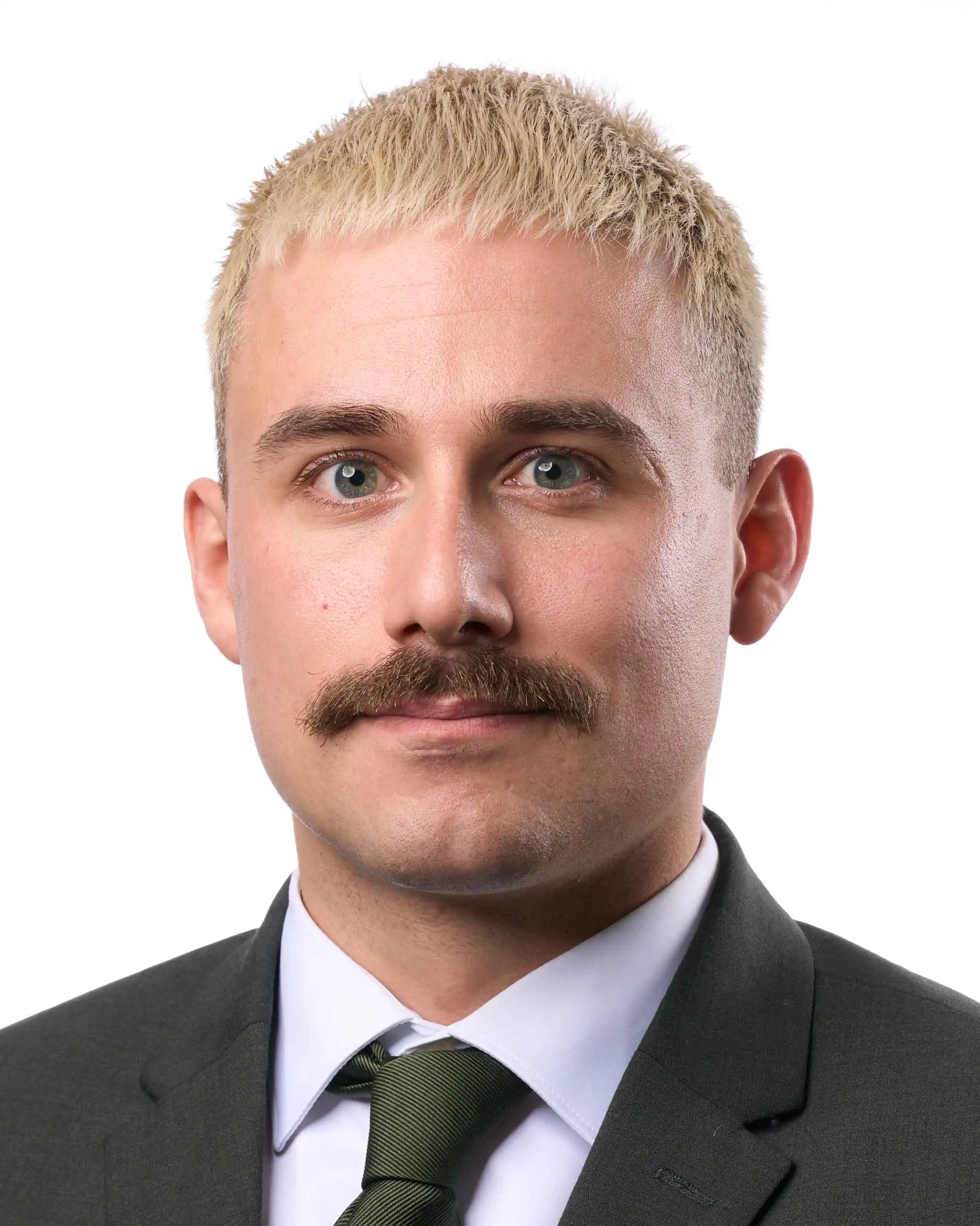
|
Lukas Sieper | Germany DE | Renew Europe (Renew) | 494 |
| 2 |
|
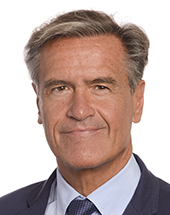
Juan Fernando López Aguilar | Spain ES | Progressive Alliance of Socialists and Democrats (S&D) | 463 |
| 3 |
|
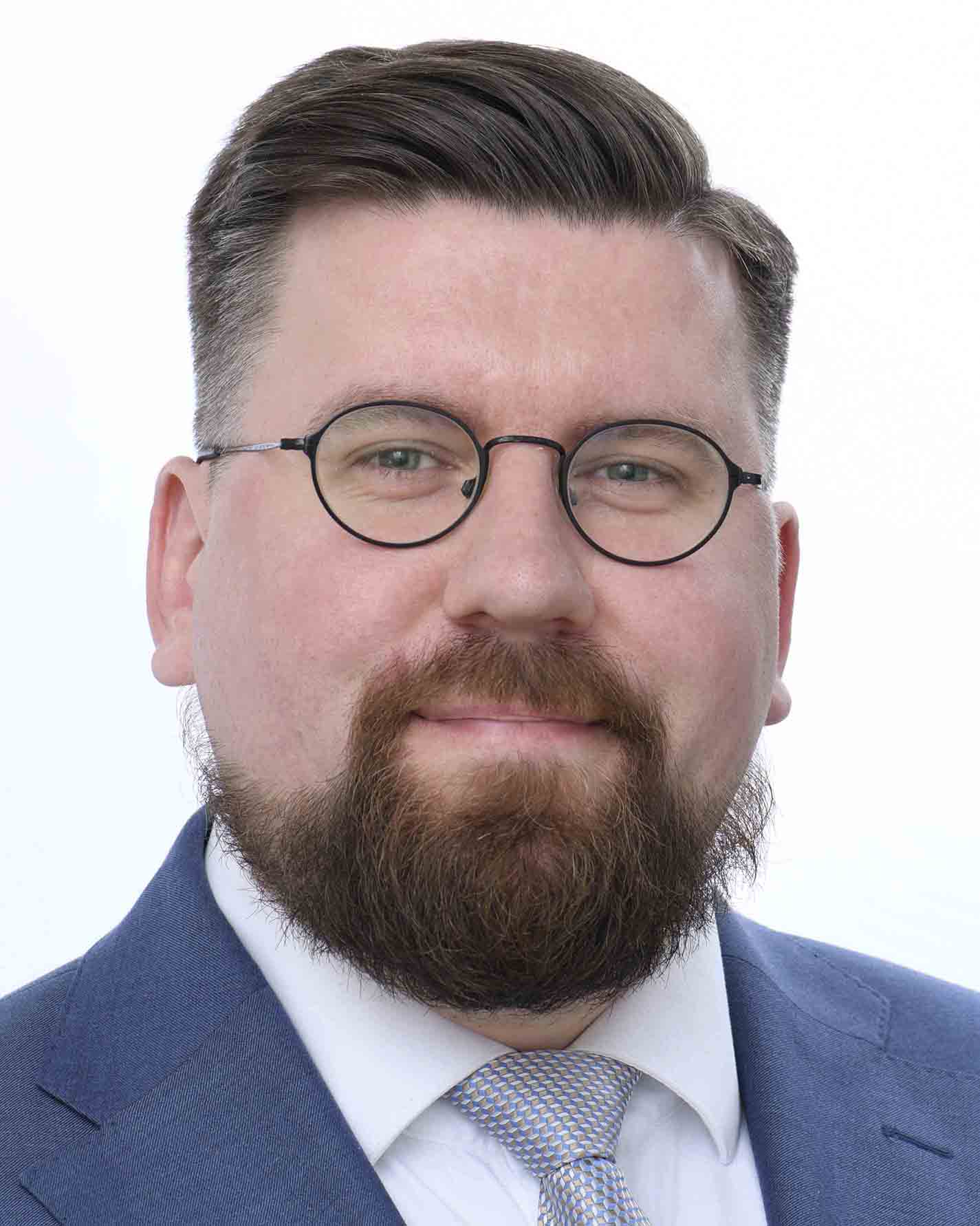
Sebastian Tynkkynen | Finland FI | European Conservatives and Reformists (ECR) | 460 |
| 4 |
|
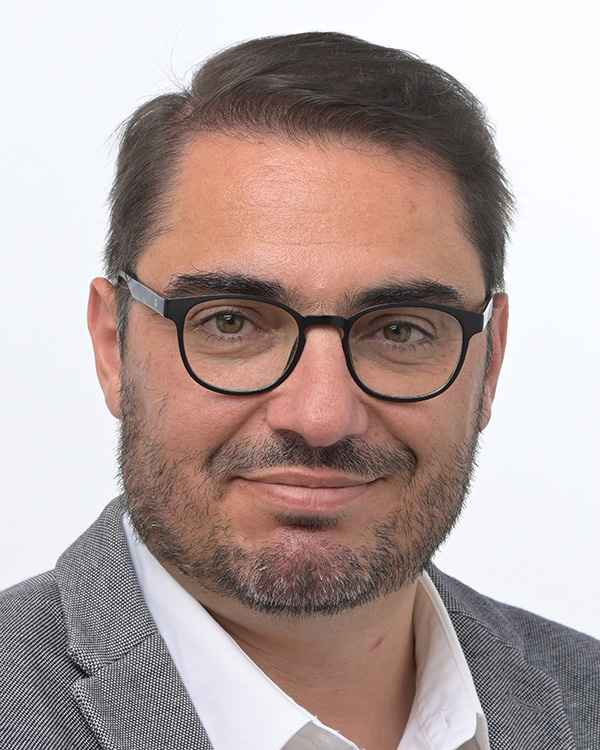
João Oliveira | Portugal PT | The Left in the European Parliament (GUE/NGL) | 288 |
| 5 |
|
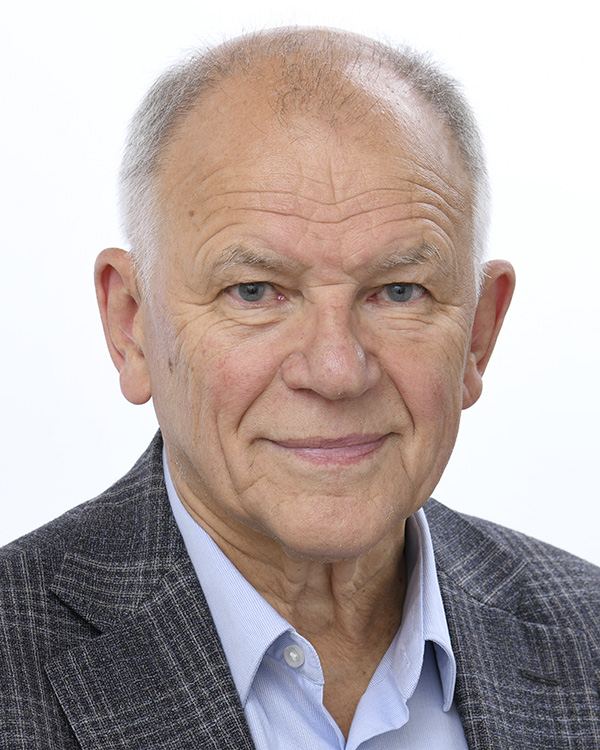
Vytenis Povilas Andriukaitis | Lithuania LT | Progressive Alliance of Socialists and Democrats (S&D) | 276 |
All Speeches (79)
Mr President, ladies and gentlemen. It has been said several times: Of course, digital platforms have now completely taken over our everyday lives. In many cases, they are also indispensable for some of our fellow citizens. But the problem cases, which actually have catastrophic effects, have piled up in recent years. And that is why it is late, ladies and gentlemen of the Commission, but not too late for the European Union now to come to a fundamental decision with the Digital Services Act, which once again ensures that only what is right is allowed in Europe. And the law in Europe is set by the European Parliament. That is why I would like to express my heartfelt thanks to the rapporteur, but also to our shadow rapporteur, Arba Kokalari. Because the fact that we are sitting here today after a few months of hard negotiations and have found a compromise that certainly does not make the EPP Group happy, but is a good basis for negotiations with the Council of Ministers, that is a big step, that is a great achievement of democracy. And that is why I would like to thank you very much for this. I believe that the key achievement of the DSA is to bring order back to the Digital Single Market. And this order has been destroyed in various places in recent months. I only recall the coverage, in part the live coverage, of terrorist attacks in New Zealand. There must be no such thing on the Internet. And with the Digital Services Act, we ensure that it can also be monitored and banned in the future, and as soon as possible. Secondly, ladies and gentlemen, we have fought on the part of the EPP Group to preserve the country of origin principle, not to hide behind it, but to ensure that innovative companies – and it has been pointed out – can quickly use the entire market in Europe and not be stopped at the old borders again. We want innovation and the entire single market to be available to all. Thirdly, I would, of course, also like to address the points in such compromises that do not satisfy us at all and where we believe that we still have to work on one or the other point. In the case of: Fake news It is certainly the case that the major media houses can make a significant contribution to Fake news to fight. Whether we have actually reached the best middle ground remains open. When it comes to algorithm transparency, there will still be a lot of work to be done to ensure that third parties actually get enough insight and that authorities don't always chase after them. And so there are other points, Mr President, which I cannot conclude by mentioning here. I would like to thank all my colleagues. I believe that with this cross-cutting legislation we are taking a big step towards ensuring that in Europe the right has the power again and not the right to vote. Gatekeeper Get it right.
Mr President, Commissioner, ladies and gentlemen! The free movement of persons within the European internal market is a core principle of economic activity and people's lives. That is why Mr Ansip rightly pointed out that the Committee on the Internal Market and Consumer Protection is concerned here with fundamental values in the European Union. Restrictions on the free movement of the internal market and on the free movement of services may be justified on a case-by-case basis, but only under strict conditions. Moving problems from one country to another really doesn't make sense. Commissioner, kilometre-long traffic jams of over 70 kilometres are not only dangerous when it comes to accidents, but they are, of course, also a major environmental problem from an environmental point of view. I do not believe that anyone can reasonably have an interest in having environmental problems exported from one Member State to another. That is why I ask you, Commissioner, to put the fundamental principle of proportionality and the fundamental principle of non-discrimination, which you have mentioned, really into practice here and to ensure that the connection from Italy to Germany is possible even without such stays. I think that it would also be urgent to address the problems we are discussing here in the forthcoming proposal on Single market emergency instrument to ensure that, at all borders within the European Union, people move easily from one side to the other, not only in the event of a crisis, but also outside the crisis, as this greatly simplifies people's lives.
Mr President! Dear colleagues! In accordance with Rule 59(4) of the Rules of Procedure, I would like to ask for the Digital Markets Act to be referred back to the Committee after a vote in order to start interinstitutional negotiations.
Madam President, Madam Vice-President, Commissioner, ladies and gentlemen! We are sending a strong signal today. With the Digital Markets Act, we ensure that the basic principles of the social market economy continue to apply throughout Europe, even in the digital age. Competition, the promotion of innovation, the entry of small enterprises into the market, the objective of winning the best and not the thickest in competition, will continue to be ensured by this law, effectively by pre-empting it. In the future, the European Commission will no longer chase big tech companies as it did in the past, but will have to give the green light in advance if the world's largest companies want to launch new business models. We can do this, ladies and gentlemen, because we can concentrate on the big ones and continue to tinker and invent the small ones without having to fear bureaucratic excesses. We want all citizens to benefit from developments in the digital sector. That's why we've included web browsers in the scope, as well as virtual assistants. We also ensure, dear colleagues, that so-called Killer acquisitions will be examined in the future, even if the existing thresholds are not met. We do not want companies to buy the market, as the Economic Committee has also proposed. We want companies to conquer the market with good ideas. In short, we say to the address of the very great: ‘Game over“. This is what we want, and we see it. Digital Markets Act explicitly require national authorities, together with the European Commission, to monitor the rules and their compliance. However, we want to enforce the rules uniformly in Europe, through the European Commission. And I say this very clearly: Dear Vice-President, dear Commissioner, the expectations that there will be more justice in the digital sector are immense. But you have the full support of this House for this and for courageous intervention. This is what the Digital Markets Act And the majority that approves it is clear evidence. I would therefore like to take this opportunity to thank all the colleagues who have contributed to the compromise: the shadow rapporteurs, the rapporteurs of the Committees on Economic and Industrial Affairs, the staff and the political groups and their MEPs. You and all your staff have helped us to be where we are today, with a law that came through the European Parliament faster than the Council of Ministers. And yes, it's true, we have a little more courage than the Council. We want to try to move forward in the field of interoperability, in messenger services and also in social media, without data protection and Cyber security to jeopardize. We want to strengthen compliance with the General Data Protection Regulation in the area of personalised advertising and also enforce it from a competitive point of view – uniformly across Europe, i.e. differently than before. For this purpose, we have gathered the best ideas from more than 1,000 requests from our colleagues here in the House and brought them to a unified whole. And we are confident that with the Council we will be able to implement what we have set out to do. We now need strength and energy again, because in January we will be discussing this with the French Presidency of the Council. But if we continue as we have done so far, ladies and gentlemen, we can do it in the interests of all the citizens of Europe. And I believe that the Digital Markets Act It will also be accepted far beyond Europe. And that would not only help European citizens. It would help ensure that fair competition is a concept that we export from Europe to the world with the aim of creating justice and fairness in digital markets. With this in mind, ladies and gentlemen, I wish you all a Merry Christmas and I hope that next year we will achieve together what we have set out to achieve.