
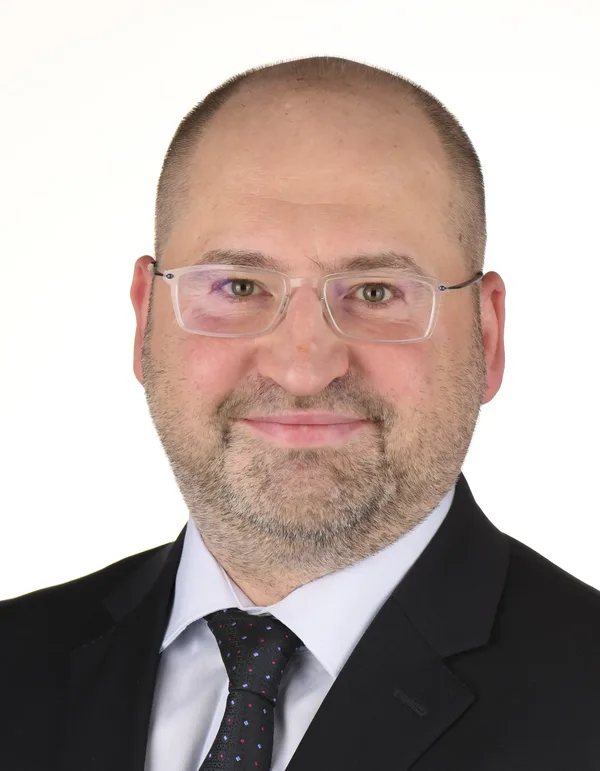






| Rank | Name | Country | Group | Speeches | |
|---|---|---|---|---|---|
| 1 |
|
Lukas Sieper | Germany DEU | Non-attached Members (NI) | 390 |
| 2 |
|
Juan Fernando López Aguilar | Spain ESP | Progressive Alliance of Socialists and Democrats (S&D) | 354 |
| 3 |
|
Sebastian Tynkkynen | Finland FIN | European Conservatives and Reformists (ECR) | 331 |
| 4 |
|
João Oliveira | Portugal PRT | The Left in the European Parliament (GUE/NGL) | 232 |
| 5 |
|
Vytenis Povilas Andriukaitis | Lithuania LTU | Progressive Alliance of Socialists and Democrats (S&D) | 227 |
All Contributions (144)
Artificial Intelligence Act (debate)
Madam President, dear Commissioner, artificial intelligence is transforming our world at an unprecedented pace. As it is increasingly becoming central to our daily lives, our economy and our democracy, it is clear that this technology holds immense potential, but also carries substantial risks. Our first horizontal legislation on AI introduces, among others, robust safeguards against high—risk AI systems and manipulative practices. My group has been vocal on ensuring a comprehensive framework in line with other existing EU laws such as GDPR and DSA, as well as on the regulatory sandboxes, supporting SMEs and start-ups in innovation—testing within every Member State. I welcome the fact that these two major improvements are part of the final compromise, thus showing that we are also committed to fostering innovation. I believe that the AI Act in its current form represents our strong commitment to protect the public interest while encouraging AI progress.
Situation in Sudan (debate)
Madam President, dear Commissioner, today we address the alarming situation in Sudan, where the ongoing conflict has resulted in the tragic loss of innumerable innocent civilians’ lives. The violence, which began on April 15th, has escalated rapidly across different parts of the country, leading to additional large-scale displacement and a dire humanitarian crisis. I deplore the fact that the parties involved have failed to engage in meaningful dialogue to resolve the crisis, leading to further destabilisation of the region. Today we urge them to implement an immediate and unconditional ceasefire and allow unhindered humanitarian access. To support these efforts, the EU institutions and the Member States should work with like-minded countries and organisations to access possible further steps. We must uphold our support for the aspiration of the Sudanese people who desire peace, stability and democracy.
Standardisation strategy for the single market (A9-0136/2023 - Adam Bielan) (vote)
Madam President, I understand it is the last vote, so I try to be as brief as possible. I stand before you as the rapporteur for the EU standardisation strategy in the IMCO Committee to present my report on standardisation, a critical component in achieving the goals of our internal market. I am pleased to observe that standardisation is increasingly at the core of the EU’s digital and industrial strategy, acknowledging its strategic importance in shaping our future. My report aims to shed light on the strengths and weaknesses of the EU standardisation system and on recommendations to enhance its effectiveness. One of the key issues highlighted in the report is the need to clarify the division of responsibilities between the European Commission and the standardisation organisations. Another critical aspect is the necessity for international cooperation in standardisation. As global trade dynamics shift and become more complex, we must advocate for inclusive, like-minded approaches to standardisation at the international level. Our commitment to a market-driven and voluntary process behind the standards is crucial in promoting a balanced global system. To conclude, I call upon all Members of the European Parliament to join me in promoting a more robust, forward-looking and inclusive standardisation strategy for the EU.
Establishing the Act in support of ammunition production (debate)
Mr President, dear Commissioner, the Act in Support of Ammunition Production is a timely proposal, especially at a time where our Ukrainian friends and our allies within NATO expect us to deliver the most. This is also a major opportunity for EU ammunition manufacturers, including from Poland, and supply chain partners. I support the regulatory measures designed to temporarily remove barriers for rapid ramp-up, including adjusted public procurement procedures and internal market transfers. Adjusting the priority order is essential to redirect current production to Ukraine’s urgent needs. Furthermore, I welcome the Commission’s suggestion to change the European Investment Bank’s lending policies for core defence products. It would address the European defence industry’s funding challenges and send a strong signal to financial actors. Last, let me remind that peacetime processes are not fit for wartime needs. Considering the pressing need to replenish Ukraine’s ammunition stocks, I support the fast track procedure request.
EU relations with Iraq (debate)
Madam President, dear Commissioner, I believe that last month's Cooperation Council meeting between the European Union and Iraq was a crucial opportunity to reactivate the highest level of bilateral engagement under the Partnership and Cooperation Agreement after a seven-year pause. It is important to acknowledge Iraq's efforts to foster regional dialogue and promote democracy, fundamental freedoms and human rights. As important trade partners, the EU and Iraq should work together to strengthen bilateral trade relations and investments, including the production of renewable energy, and facilitate Iraq's further integration into regional and global value chains. We should also welcome Iraq's ambition to become a gas exporter and support its efforts to invest in this field. I believe our relations are a powerful driver for Iraq's prosperity and that we share common approaches on many geopolitical issues, such as the fight against terrorism. Looking ahead, I am optimistic about the future of our cooperation. We must remain committed to working closely together to achieve our shared goals and promote a more prosperous and stable future for Iraq and the region.
Adoption of the Cyber package proposals (debate)
Madam President, dear Commissioners, tremendous cyber-security challenges have emerged in the last 30 years with the exponential growth of information and communication technologies and increasing digitalisation of European societies. The spread of the Internet of Things and increased interconnections between devices have led to multiplication of cyber-attacks and disinformation campaigns. In this context, I would like to thank Commissioner Breton for presenting the Commission’s strategy to combat cyber-attacks under the Cyber Solidarity Act. This initiative includes key measures that will allow better detection of attacks upstream, enhance information exchange and cooperation between Member States and improve the resilience of critical infrastructures such as hospitals and digital networks. One significant aspect of this initiative is the establishment of the European cyber reserve, inspired by Ukraine’s approach of partnering public institutions and private companies to ensure cyber-security. It will need enable to engage trusted private service providers in advance to support any defence effort in the face of an attack. It is essential that we keep seeing the European Union and its close allies, Ukraine in particular, as fighting similar threats, and that we share best practices. To combat the proliferation of hybrid warfare we must create a cyber-resilient Europe.
The need for a coherent strategy for EU-China Relations (debate)
Mr President, dear Commissioner, EU-China relations have deteriorated rapidly over the past years, leading to a more realist approach focusing on sharper economic competition and systemic rivalry. In view of the latest developments, including the COVID-19 pandemic, sanctions for human rights violations and China’s actions against selected Member States, the EU should enhance its resilience, diversify markets and secure supply chains. Moving forward, we should work towards a more balanced and sustainable approach to our relations with China based on strategic priorities. In this regard, I believe there is an opportunity to cooperate on a positive agenda, such as on cooperation on biodiversity, sustainable development and climate change. These engagements should be on equal terms and based on the principle of reciprocity. While China remains a competitor, partner and systemic rival, the EU must strive to reduce its dependency on China while simultaneously engaging in constructive dialogue.
Situation in Georgia (debate)
Mr President, Commissioner, 15 years after an attempted coup, Georgia still faces serious political security and economic interferences from the Kremlin. I welcome the withdrawal of the recent Kremlin-inspired law on foreign agents and the bravery of the Georgian people protesting against it. In parallel, during the last plenary session, this Parliament adopted with a large majority a resolution calling for the release of former Georgian President Saakashvili and his immediate transport abroad for specialist treatment. I welcome that this resolution, together with the calls from the Polish Government, have borne fruit and that Polish doctors will soon be able to examine the former Georgian president’s health. The EU and its Member States should keep supporting democratic aspirations of the Georgian people and maintain the high dynamic of the EU enlargement process.
Data Act (debate)
– Madam President, dear Commissioner, cloud services have become essential for the use of available data and for strengthening the competitiveness of the European services sector and industry, which relies heavily on accelerated uptake of cloud services. I believe we should always consider the digitisation of our economies as a holistic challenge, meaning that when introducing new legislation, we should always focus on both users’ and providers’ needs and create a predictable environment that allows the planning of long-term business decisions. This is why, as rapporteur for the IMCO opinion, with exclusive competences on the cloud services chapter, I welcome that our committee introduced efficient solutions to unlock the potential for cloud computing providers, data processing and portability services, and delivered strongly agile tools that enable customers to take fully informed business decisions. Lastly, I would like to thank all the shadow rapporteurs in the IMCO committee for their work. I believe the Data Act is a step in the right direction towards unlocking the full potential of data, and I look forward to defending our text during negotiations with the Council.
Transparency and targeting of political advertising (debate)
Madam President, dear colleagues, during today’s debate I’ve heard plenty about transparency and the need to better protect citizens from foreign actors that might interfere in elections. And I of course agree with these points. Citizens have the right to know who the sponsors of political advertising are. But while you portray a success story of the Parliament negotiations, I feel some key points are still missing. Transparency does not mean creating a framework which incentivises big online platforms to remove content out of a fear of liability. It does not mean, either, asking platforms to decide which ads are political or not, while complaining that they have too much power. And finally, protecting citizens is not equal to introducing a general monitoring obligation that introduces constant surveillance of the online content by online actors. I urge all Members to support our amendments that improve the Parliament’s position and defend fundamental freedoms in the EU.
The EU’s response to the appalling attack against civilians in Dnipro : strengthening sanctions against the Putin regime and military support to Ukraine (debate)
Madam President, dear Commissioner, Russia’s brutal actions since 2014 are an absolute violation of international law. Mr Putin’s inhuman disrespect for human lives requires more than strong declarations condemning his attacks in Ukraine. The EU and its Member States must coordinate faster and better on the objectives that we, as a Union, want to achieve: that is, free Ukraine from the Russian oppressor and support our ally with all the necessary means at our disposal. How many more attacks must Ukraine endure to allow some Member States to update their obsolete defence doctrines? Central and Eastern Europe, together with a few other Member States, the UK and the US, cannot support alone the heroic Ukrainian people and army against the Russian threat on behalf of our common values. We need a coordinated answer to put an end to Russia’s aggression. And this is why I call for the urgent delivery of the promised heavy weaponry, including armoured vehicles to Ukraine.
Consumer protection in online video games: a European Single Market approach (debate)
Mr President, thank you very much. Mr. Commissioner, I'm sorry. I welcome the fact that today we are discussing the online video game industry, as it is growing extremely fast and is of great economic and cultural importance around the world. The gaming industry is also extremely important for my country. Poland, as one of the few countries in the world, in 2020 has already become a net exporter of computer games. The online video game industry in the European market is mostly small and medium-sized enterprises with high growth potential. Therefore, we should be particularly careful not to impose too much burden on these companies so as not to hamper their innovation and creativity. In this context, I believe that the report on which we will be voting tomorrow contains many controversial provisions. Unfortunately, there is a lack of flexibility in this highly innovative sector. For example, I would be extremely cautious about the idea of forced age verification of players. This is because it affects the privacy of users.
30th Anniversary of the Single Market (debate)
Mr President, dear Commissioner, ladies and gentlemen, since its creation in 1993, the single market has been instrumental to European growth and prosperity. In the face of the 2008 financial crisis, it helped to ensure the resilience of our economies. Later, during the pandemic, it enabled Member States to respond in a coordinated manner, purchasing vaccines together. Now dealing with the energy crisis caused by dependence on Russian fossil fuel, it is again enabling Europe to stand united. We can proudly say today that the single market is the EU’s biggest achievement, promoting free movement of people, goods and capital. Sadly, the free movement of services has been left behind due to a lack of political will. Therefore, I would like to remind us all on this special day that the potential of the single market has not yet been reached for EU services, failing to deliver up to an additional EUR 450 billion per year to our economy. I believe we can do more and I am looking forward to working with you on this in the coming years.
ASEAN relations ahead of the EU-ASEAN summit in December 2022 (debate)
Madam President, dear Commissioner, tomorrow the EU will celebrate its 45—year—long relationship with ASEAN with the first ever EU—ASEAN Leaders Summit. As a member of the ASEAN Delegation, I am particularly pleased to see that the new Plan of Action for 2023—2027 includes stepping up cooperation between the parliaments of some Member States and our House. Since the upgrading of their relationship to a strategic partnership in 2020 and the strengthening of the EU’s Indo-Pacific strategy in the region, bilateral trade between the European Union and ASEAN countries has been consistently growing. As the second largest source of foreign direct investment for ASEAN, the EU plays a key role in the region’s development. In this context, I would like to call for a stronger and more critical stance from ASEAN leaders with regard to the Russian aggression in Ukraine. Additionally, the EU must ensure its core values, such as respect of international law and human rights, are upheld globally throughout its partnership.
Annual implementing report on the EU association agreement with Georgia (debate)
Madam President, dear Commissioner, in view of the Kremlin’s illegal war waged against Ukraine, the European Parliament’s involvement in and support to Georgia has become even more crucial to the stability of the region. Georgia is one of the founding members of the Eastern Partnership and remains a key partner of the European Union. However, I would like to highlight a few short- and long—term objectives of our work together, which still remain to be achieved. First, the inhumane detention of former President Mikheil Saakashvili must come to an end, as a sign of political appeasement. Mr Saakashvili’s release has been requested several times, and his worsening medical condition leads me to renew this call. His condition must be treated abroad as soon as possible. From this place, I would like to welcome Mr Saakashvili’s family, who are present today in the gallery. Second, Russian propaganda and disinformation campaigns are swiftly spreading in Georgia and are objects of political utilisation. These two issues are not acceptable for a candidate country, especially in the current context, and should be addressed immediately. If they are not resolved, Georgia should not be granted candidate status.
New EU strategy for enlargement (debate)
Madam President, Commissioner, I believe the enlargement process should be accelerated. This is crucial as the loss of credibility of the European Union in the Western Balkans threatens to increase foreign influence in Europe, notably given Russia’s and China’s interest in the region. In addition, our enlargement policy has become strategically crucial in the face of Russia’s aggression against Ukraine and destabilising actions of non-EU actors, including Russia, in candidate countries. In this context, I welcome the Commission’s annual enlargement package presented in October. I also welcome the acknowledgement in Mr Picula’s report of the need for the European Union to enhance credibility, effectiveness and predictability of its enlargement policy. Full alignment with the common foreign and security policy, including sanctions policy, should be considered a priority and should be applied to individual candidates on an equal basis. I believe that in a world of fragile alliances, this enlargement could be a further guarantee of proper development, stability and peace on our continent.
Promoting regional stability and security in the broader Middle East region (debate)
Madam President, Commissioner, the American withdrawal from the Middle East, the resurgence of Iran as a rogue state and the expansion of local terrorist groups must be addressed to prevent further destabilisation globally. The current lack of stability in the region has been leading to the involvement of Syrians, Afghans and Iranians in the war against Ukraine to the benefit of the terrorist state of Russia. Equally, Russia has been worryingly extending its power to harm the European Union and its neighbouring countries through the Wagner Group’s activities in the Middle East, as well as in Africa. This is something expected to increase with the potential agreement on the USD 17 billion arms contract with Algeria. For these reasons, the EU needs to find sustainable solutions, such as strengthening the EU’s role in assuring food supply in the broader MENA region during the unprecedented global food crisis.
Question Time (Commission) - Protecting critical infrastructure in the EU against attacks and countering hybrid attacks
Thank you, Commissioner, especially for your words regarding the situation on the Polish-Belarusian border. I would like to ask the Commissioner about the protection of critical infrastructure. The sabotage of Nord Stream demonstrates the need to take all available measures to increase the resilience of critical entities. Although the draft directive on the resilience of critical entities has not yet been formally adopted, does the European Commission intend to activate the cooperation mechanisms identified in the draft directive?
Question Time (Commission) - Protecting critical infrastructure in the EU against attacks and countering hybrid attacks
Mr President, thank you very much. Mr. Commissioner, I'm sorry. Over the past year, the eastern border of the European Union and NATO has been the subject of unprecedented aggression by Lukashenko and Putin. At the same time, during Russia’s brutal attack on Ukraine, the Kremlin stepped up its hybrid warfare tactics, including a large-scale disinformation campaign, of which my country, Poland, was already a victim in August last year. There is no doubt that the current Russian regime threatens stability and security not only in neighbouring regions, but also in Europe as a whole. For a long time, the European Union, complementing NATO, should take decisive action to increase the capabilities to prevent hybrid threats in areas such as state terrorism, cyber-attacks or energy security. What are the next steps to strengthen EU-NATO cooperation in the prevention of hybrid attacks? Is the EU minimizing unnecessary duplication of defence efforts and how? And is the Commission considering introducing a mandatory level of cybersecurity spending to strengthen national cybersecurity capabilities?
AccessibleEU Centre in support of accessibility policies in the EU internal market (debate)
Madam President, Madam Commissioner, the European Union has been building a progressive strategy to support the rights of European citizens with disabilities for several decades. However, people with disabilities are still facing significant barriers to access education, employment, healthcare and sport. Moreover, it is clear that the pandemic has disproportionately affected disabled people, both economically and with regard to social inclusion. More often than others, they have been cut off from health services and lost access to the labour market or education. This is why I support the creation of the AccessibleEU Centre, as well as the final report we will vote on today. It recognises the important work that has been done in recent years to support accessibility in the internal market. I welcome the approach taken whereby the centre can act as a hub to draw together expertise and share best practices for policy development between national authorities. Last, I believe that oversight of the centre’s activities should be carried out jointly by national competent bodies to ensure maximum efficiency of this essential piece of the EU’s disability rights strategy. Its role and responsibilities should also be limited to its core mission, as an expanded mandate in the form of an agency, notably, may prevent it from reaching its objectives.
Radio Equipment Directive: common charger for electronic devices (debate)
Madam President, Madam Vice-President of the Commission, today is a historic day for consumers in the European Union. We will no longer need to experience hassle whether we forget our charger or upgrade our phone. The introduction of a common charger will not only lower costs, but also improve the safety and interoperability of chargers and reduce electronic waste. I welcome the outcome of the negotiations, which focuses on a particular list of consumer devices such as mobile phones and portable gaming devices, whilst avoiding hampering innovation and the development of new solutions for consumers. While today we are celebrating the common wired charger, let us not forget about the future. I believe the Commission should only use its powers where market solutions cannot be delivered. It is key that we leave enough space for entrepreneurs to deliver new consumer technologies that will improve our digital experience beyond what is known today.
Deforestation Regulation (debate)
Mr President, thank you very much. Deforestation remains a major challenge in many regions of the world. According to the Food and Agriculture Organization of the United Nations, in the last three decades the world has lost about 178 million hectares of forest, an area more than 50 times larger than my region, Mazovia. It also estimates that Union consumption has led to around 10% of global deforestation. I hope that the new regulation will have a positive impact on reducing global deforestation and will guarantee EU citizens that the individual products they buy, consume and use do not contribute to global deforestation and forest degradation. However, I have some doubts and concerns about the reaction of global markets and the impact of new burdens on the small and medium-sized enterprises sector. That is why, in my role as shadow rapporteur for the opinion of the Committee on the Internal Market, I place great emphasis on supporting SMEs, especially in the first phase of the regulation. I therefore welcome the provisions on a transitional period for them. However, I believe that Parliament's mandate is too far-reaching.
Digital Services Act - Digital Markets Act (debate)
Mr President, today, we are discussing two flagship legislations of this mandate. The digital services act and the digital markets act are needed as rapidly evolving digital technologies transformed EU citizens’ and companies’ use of Internet, and required updated rights and obligations for all digital actors, from markets and service providers to users and customers. The digital markets act is a step forward, promoting greater competition and fairness online in markets dominated by big platforms. I believe it will lead to improvements for all businesses across Europe and will open new opportunities for small businesses, including access to data. And, under the digital services act, we have reached our purpose – the online environment is now set to become much more transparent and safer for users. In my capacity as shadow rapporteur for both legislations, I would also like to thank the rapporteurs, Ms Schaldemose and Mr Schwab, for their work, engagement in defending the European Parliament’s position and excellent cooperation. I believe all of these achievements not only defend fundamental rights online for Europeans, but also put us on the right track to set the global benchmark for regulating online platforms in the future, including cloud services and search engines, so that freedom of expression is always guaranteed.
The Commission's proposal for "Attracting skills and talent to the EU", particularly the Talent Partnerships with North African countries (topical debate)
Mr President, thank you very much. The economically active population is ageing and declining rapidly across the European Union. According to the Commission, the working-age population will decrease by up to 15% by 2070. In addition, there are already labour shortages on the labour market in various sectors, including healthcare and IT. In addition, the transition to a green and digitally advanced economy requires additional labour and new skills. Attracting talent is therefore essential in order to maintain the ambitious development path of the European Union. In this context, I welcome the new proposals of the European Commission; EU Talent Partnership and a pilot initiative EU Talent Pool for Ukraine. Facilitating access to integration into the EU labour market for people fleeing Russian aggression is crucial at this time and I am pleased that my country, Poland, is already making far-reaching facilitations for our neighbours. In view of the urgent needs of refugees, this pan-European platform, the Union Talent Pool, should enter into force as soon as possible to match the skills and qualifications of Ukrainians enjoying temporary protection with potential employers across the Union. Finally, I would like to express my satisfaction that next year my country will be the organiser of Europe’s largest professional development and skills event: Euro Skills 2023. I am convinced that these initiatives will strengthen the single market and the resilience of our economy.
Security in the Eastern Partnership area and the role of the common security and defence policy (debate)
Madam President, I'm sorry. Russia's brutal actions, which are an absolute violation of international law, pose new challenges and strategic choices for the Eastern Partnership. The future of Ukraine, Moldova and Georgia is in the European Union and I am pleased that this report highlights this. We cannot and will not accept the Kremlin's policy pursued under the barrels of guns. After the occupation of Abkhazia, South Ossetia and Crimea, the attack on Ukraine is, I hope, the last example of the occupying policy of the Russian authorities openly striving to restore the Soviet empire – which we, as Poles, have been warning about for years. Russia’s actions require strong opposition and a coherent and coordinated approach between the Member States and the Eastern Partnership. I am pleased that this report calls for the European Peace Fund to be used to coordinate the supply of defensive weapons to Ukraine and for a military mission to be established in the country once the state of emergency is lifted. Cooperation within the North Atlantic Alliance is also of great importance. Finally, I would like to congratulate Mr Waszczykowski on a very good report.