

| Rank | Name | Country | Group | Speeches | |
|---|---|---|---|---|---|
| 1 |
|
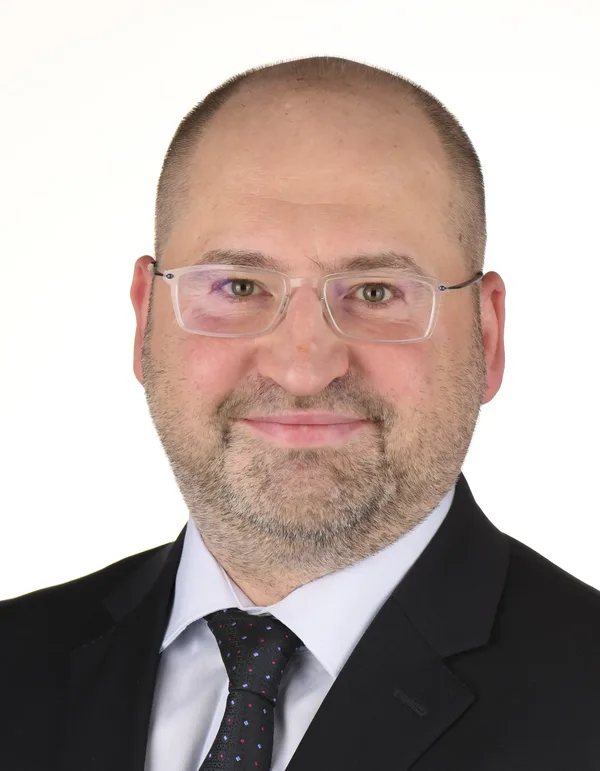
Lukas Sieper | Germany DEU | Non-attached Members (NI) | 390 |
| 2 |
|
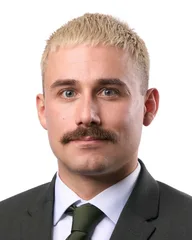
Juan Fernando López Aguilar | Spain ESP | Progressive Alliance of Socialists and Democrats (S&D) | 354 |
| 3 |
|
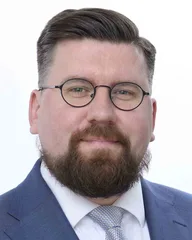
Sebastian Tynkkynen | Finland FIN | European Conservatives and Reformists (ECR) | 331 |
| 4 |
|
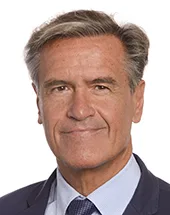
João Oliveira | Portugal PRT | The Left in the European Parliament (GUE/NGL) | 232 |
| 5 |
|
Vytenis Povilas Andriukaitis | Lithuania LTU | Progressive Alliance of Socialists and Democrats (S&D) | 227 |
All Contributions (144)
Facing fake news, populism and disinformation in the EU - the importance of public broadcasting, media pluralism and independent journalism (debate)
Madam President, Madam Commissioner, in view of the dramatic events occurring in my country, please allow me to switch to Polish. Ladies and Gentlemen, we cannot discuss seriously and responsibly the fight against disinformation, populism in the European Union, in a situation where in such a large Member State as Poland we are dealing with a systemic violation of freedom of speech and freedom of the media. Donald Tusk's current government has forcibly taken over Polish public media, turning them into a government propaganda tube. At the same time, those private media that have the courage to look at the hands of an increasingly authoritarian authority, such as the Television Republic, face difficulties in accessing information and asking questions against the law, and their journalists are excluded from official government conferences. It is this type of action in my country that raises our serious concerns. They threaten the standards of media pluralism and free public debate.
Continued financial and military support to Ukraine by EU Member States (debate)
Mr President, dear Commissioners, colleagues, first and foremost, on behalf of the ECR Group, I would like to reiterate and emphasise our unwavering support for Ukraine in its fight against Russia, a nation whose path has too often been marked by aggression, oppression and neglect for its own people. Today, I wish to share our group's resolute perspective on the path forward. The European Union, its Member States and our partners, with NATO continuing to lead the way, must renew and strengthen their commitment to support the Ukrainian war effort and stand with the aggressed over the aggressor. To date, the EU has provided approximately EUR 43.5 billion in military aid, along with essential humanitarian and civil assistance, without which past and upcoming winters would have an even greater toll on the proudly resisting Ukrainian population. The war exhaustion Western countries feel cannot be compared to what our Ukrainian allies are currently facing. Let me be clear: Russia will not stop in Ukraine. The cyberattacks and other security threats will expand to other countries. Ukraine is a European state whose place is alongside like-minded partners and friends. We urge EU member states not only to renew but also to strengthen their commitment to this just case, across political preferences, as President Zelenskyy is working towards peace. Let us uphold our values and alliances and give the means to Ukraine to do the same.
Order of business
Madam President, the ECR Group indeed supports the motion for this debate and we agree on the compromise title on this debate. But given the seriousness of the situation and the profound devastation it has caused, not only in my country, Poland, but also in several other countries in Europe, it is imperative that the European Parliament responds promptly and effectively. Therefore, on behalf of my group, I would like to propose to wind up the debate with a resolution. It is essential that we send a strong message of solidarity and unity in the face of these difficult times. We request that this proposal be put to a roll-call vote.
Amending Regulation (EU) 2019/1009 as regards the digital labelling of EU fertilising products (short presentation)
Mr President, I would like to thank you. As our world becomes increasingly digital, initiatives such as the introduction of voluntary digital labelling schemes for fertilising products in the European Union, tailored to the needs of different users and packaging modes, are becoming a key element in the transformation of the European market towards innovation. Celem tej zmiany jest uczynienie etykiet bardziej zrozumiałymi, prostymi, dostępnymi cyfrowo, zwłaszcza w kontekście sprzedaży hurtowej. W tym kontekście nie możemy zapominać o rolnikach, którzy są bezpośrednimi użytkownikami produktów nawozowych. To ich potrzeby i wyzwania muszą być przede wszystkim uwzględnione w procesie wprowadzania nowych regulacji. I believe that the revision of the Directive will bring numerous benefits: from improving the usability of products for consumers through simplifying processes for suppliers to reducing costs for the entire industry. Digital labels will also make it easier to update content, which is crucial in the face of the increasing complexity and amount of information required on physical labels. Finally, I would like to thank the lead rapporteur, Mrs Grapini, for her excellent cooperation and for taking into account the amendments of my faction.
Liability for defective products (short presentation)
Mr President, thank you very much. Today, we are facing an important challenge to update the Product Liability Directive in the face of the digital age. The 1985 Directive, which has not changed for more than three decades, has long since stopped keeping pace with the dynamic development of the market, including the emergence of digital products and services. However, the introduction of software into product categories and the revision of the rules on the burden of proof raise serious concerns. This fundamental change for the IT sector could create significant barriers to the entry of new software developers into the market and lead to an outflow of investments and start-ups beyond the borders of the European Union, especially towards the United States. Moreover, risks to legal certainty can lead to disproportionate cost increases for businesses and consumers, hampering growth and productivity in the European Union. On behalf of my group of European Conservatives and Reformists, I call for an approach that protects consumers without stifling innovation.
Energy performance of buildings (recast) (debate)
Mr President, thank you very much. This morning, the Polish media published a shocking news. According to the document sent by the current Polish government to Brussels, in the coming years almost one and a half million Polish families will be affected by energy poverty. In other words, one and a half million Polish families will not be able to pay basic energy or gas bills. And today we are discussing the draft directive, which, according to last year's calculations in liberal Newsweek, is supposed to cost Poles – I quote – "thickly over a trillion zlotys". A trillion dollars. The Astronomical Quantity. At the same time, in practice, no new financial instruments are being created to help residents cope with these horrendous costs. This is absolute madness. We can't agree to that. Therefore, I appeal from this place to all Polish MEPs, and in particular to those who represent the so-called coalition on December 13th: Stop being hypocrites and say something different in the country, and vote differently in this room. Have enough courage to throw this harmful project in the trash tomorrow.
Substantiation and communication of explicit environmental claims (Green Claims Directive) (debate)
Mr President, thank you very much. In the face of growing environmental awareness, more and more companies declare that their products are eco-friendly or green. However, according to recent studies, more than half of such claims were vague, unfounded or misleading. This is a problem that not only misinforms consumers, but also harms trust in brands that actually engage in sustainability. While this initiative is a step in the right direction and introduces clear rules that will allow for the verification of claims, there are concerns about new bureaucratic burdens for traders. Now, any company wishing to label its product as organic will have to go through a rigorous evaluation process, taking into account the entire life cycle of the product, from production to disposal. Smaller companies may face difficulties in meeting all requirements. While we appreciate the Commission's efforts to make the credibility of green claims more transparent, it is also necessary to ensure that the new regulations do not place an excessive burden on the entrepreneurs who are the backbone of our economy.
Transparency and targeting of political advertising (debate)
Mr President, thank you very much. Commissioner, I'm sorry. Attempts by foreign actors to interfere in democratic electoral processes in European countries, as we have seen in recent years, have shown numerous systemic weaknesses and have shown the need to strengthen safeguards against unclear funding and external influence. At a time when digital platforms play a key role in the circulation of information, the integrity and transparency of political advertising that appears on them is important. But we can't throw the baby out with the bath. As ECR shadow rapporteur, I have sought a regulation that does not in any way restrict freedom of expression in response to these threats. Although the final text of the regulation introduces positive changes compared to the Commission's original proposal, I believe that a deeper reflection on its long-term consequences is necessary, especially in the context of the creation of mechanisms that may harm freedom and freedom of expression online. New rules requiring platforms to remove non-compliant content very quickly, in just 48 hours, especially during the pre-election campaign period, could open the door to censorship. Unfortunately, this solution may limit the free debate.
The fight against hate speech and disinformation: responsibility of social platforms within the Digital Services Act (topical debate)
Mr President, thank you very much. Ladies and Gentlemen, We live in an era of extremely rapid development of digital technology, above all the Internet, from which most citizens, and certainly the vast majority of young people, today mainly draw information. This means the big challenges we face, especially disinformation in the online space. I appreciate the dangers. Exactly one year ago, on 9 February, in this House, I organized a large conference on Putin's Russian disinformation, together with the ministers for digitalisation from Poland and Ukraine. But fighting pathologies, we can not pour out the baby with a bath. I urge you to remember that the foundation of democracy is, after all, freedom of speech. Freedom of speech must be accompanied by responsibility. Hence the great need for the education of our citizens. But we cannot lead to unjustified censorship or restrictions on freedom of expression. I am in favour of clear and consistent standards for speech moderation. As co-rapporteur of the Digital Services Act, the so-called Digital Services Act (DSA), the Commission adopted a proposal for a regulation on the DSA, I fought to create a safer, more transparent internet, so as not to give online platforms, large online platforms, social media, pretexts to remove content. I urge you not to use what is good in the DSA against freedom of speech. I am concerned about some of the ideas about taking away the anonymity of Internet users. Some political factions are considering such ideas. I think this could lead to very dangerous censorship. And freedom of speech, I repeat, is a great value on the internet and a great value in democracy.
Empowering consumers for the green transition (debate)
Mr President, Mr Commissioner, today we discuss a proposal pivotal to empowering consumers in the European Union and the fight against unfair commercial practices. This initiative significantly enhances transparency around product sustainability, guiding consumers toward choices with detailed information on durability and reparability. It balances regulatory measures with market dynamism, fostering innovation for our European companies. Importantly, the proposal embraces a voluntary guarantee mechanism promoting legal frameworks that strengthen market operations without imposing obligations. We are not enforcing the Green Deal – instead, we are making it attractive and beneficial for companies and consumers. Lastly, the inclusion of a review clause, proposed by my political group, reflects our foresight. It’s crucial to assess digital service and software regulations, ensuring they are neither overly burdensome nor unnecessary. I believe this clause will safeguard the digital development from being stifled, fostering a balance between environmental goals and technological progress.
Recognition of professional qualifications: nurses responsible for general care trained in Romania (A9-0381/2023 - Adam Bielan) (vote)
Madam President, the report we are about to vote on touches upon a key issue for the implementation of one of the fundamental principles of the European Union: the free movement of workers between Member States. Today, this specific freedom remains dependent on the fair and effective recognition of professional qualifications. In response to the challenges faced by Romanian nurses in meeting the required training standards, the Romanian Government introduced an in-service training allowing Romanian nurses to achieve the minimum requirements stemming from the 2005 directive. My report aims to clarify the language and to ensure legal clarity, so that the directive’s provisions are interpreted consistently and unambiguously. Today, we are not only voting on the technical amendment to the directive, but reaffirming our commitment to ensuring that every qualified professional in the European Union – regardless of their country of training – can practise their profession outside their own country. To conclude, I call upon all Members of this House to join me in taking a necessary step towards strengthening our internal market and reaffirming our commitment to professional mobility within the Union.
Framework for ensuring a secure and sustainable supply of critical raw materials (debate)
Mr President, dear Commissioner, today we address the Critical Raw Materials Act, a vital initiative for Europe’s industry and economic prosperity. Our innovation-led continent has up to now been overly reliant on external sources for materials essential to technologies like chips, electric vehicle batteries or renewable energy systems. I believe this Act will create a new dynamic, reducing our dependency on imports that pose risks to our economic security, and increasing European ambitions, especially in the digital sphere. From the internal market perspective, I welcome the new provisions regarding large companies that will now assess risks in their supply of key raw materials, aiming to prevent any disruptions in supply chains that could affect consumers. I am confident that by making rules clearer for companies and reducing existing burdens, we can significantly boost business growth, particularly in sectors crucial to our technological and economic development.
Common rules promoting the repair of goods
Madam President, I'm sorry. Mr. Commissioner, I'm sorry. Tomorrow we will vote on the directive on the right to repair. This directive is very important for several reasons. First, the new law will ensure that the equipment we buy will be more durable and easier to repair. This means that our washing machines, refrigerators or mobile phones will serve us longer. This is good news for our portfolios and also for the environment. Another benefit is the development of local repair services. In my region, in Mazovia, we have many talented entrepreneurs who will be able to expand their business now, offering repairs. This means more jobs in the region and more support for the local economy. Thirdly, thanks to the efforts of our group of European Conservatives and Reformists, we have succeeded in simplifying the rules and cutting red tape. Now repairs will be faster and less complicated, and access to spare parts will be easier. I believe that the Directive will give people in the European Union greater control over their purchases and longer product lifetimes, as well as better legal guarantees.
Fighting disinformation and dissemination of illegal content in the context of the Digital Services Act and in times of conflict (debate)
Mr President, dear Commissioners, over the past three decades communication and information technology has rapidly evolved, notably thanks to an increasing digitalisation of European societies, bringing undeniable benefits, but also significant challenges in cybersecurity and disinformation. Disinformation campaigns, often organised by foreign state and non-state actors have been seeking to influence our societal debates, create divisions, and interfere in our democratic decision-making. AI, deepfakes, Internet of Things expansion, and device interconnectivity have only exacerbated this threat with more cyber-attacks and disinformation across our Union. In this context, the Digital Services Act equips us with powerful tools to combat these dangers. Among other tools, it includes provisions on mandatory risk assessments, mitigation measures, independent audits, and transparency of algorithms determining user content. However, let’s recall that the DSA is focused on illegal content. Terrorist propaganda is the illegal content. But I have a feeling that some of the colleagues confuse illegal content with one they don’t agree with. During final negotiations on the DSA, I am proud to say that my group kept at heart the protection of users’ rights, and while we supported combating illegal content, preserving freedom of expression always remained as a number one priority for us. While the DSA provides robust a legal framework to address these challenges, we can consider additional, non-legal efforts to educate all citizens in digital literacy, critical thinking and raise awareness about the omnipresence of disinformation and its harmful repercussions. Disinformation is a constantly evolving threat, especially in times of conflict, requiring continuous, coordinated efforts with our allies, and the DSA is the essential first tool to achieve our objectives.
The new European strategy for a better internet for kids (BIK+) (debate)
Madam President, I'm sorry. Mr. Commissioner, I'm sorry. The internet is ubiquitous today. According to statistics, the vast majority of young people use it, but also younger and younger children. This has many benefits, mainly educational benefits, but as shown by the various scandals in the various Member States, it also carries many risks. We are discussing a few days after the revelation in Poland, in my country, of a gigantic scandal, when it turned out that for years a group of very influential online influencers used the Internet to tempt and later sexually abuse minors. Around this scandal, around this affair for many years there was a collusion of silence and as I said it was revealed only a few days ago. This scandal shows that very often the law does not keep up with the development of new technologies. The institutions of the state and the EU institutions must also adapt to this. But social change is also needed for this. There can be no tolerance for this kind of behavior on the part of well-known and influential people. This also requires a greater awareness of the parents. I hope that the new EU strategy we are discussing will take into account the need for changes in this area, so that the Internet becomes as safe and child-friendly as possible.
Need to complete new trade agreements for sustainable growth, competitiveness and the EU’s strategic autonomy (debate)
Madam President, dear Commissioner, in the dynamic landscape of today’s global trade, it is imperative for the EU to actively forge new and strategic trade agreements. The push towards future-proofing our economies and detaching them from Russia’s oppressive regime are prime examples of the positive ongoing work. But beyond just economic growth and competitiveness, this is about ensuring our economy remains resilient and unlocks new opportunities. Our mission should be clear: to champion a vibrant market free from undue regulations, to foster innovation, employment, and promote the prosperity of our citizens. In this context, it is essential to accelerate our dialogue, especially with pivotal regions like the Americas, Indo-Pacific and Latin America. Deepening these relations will not only strengthen our ties, but also promote fair and prosperous trade. While negotiating, we should keep in mind that these agreements, notably Mercosur, cannot be signed to the detriment of Member States.
Taking stock of Moldova's path to the EU (debate)
Mr President, Mr Commissioner, the authorities and institutions of Moldova have recently been conducting a highly ambitious reform programme, driving the country towards greater transparency, democracy and political stability. We must applaud the resilience and efforts of the people of Moldova, especially in the shadow of Russia’s war against Ukraine. We also emphasised today the importance of Moldova’s integration within the EU. We must continue supporting its people and grant the country access to vital EU programmes and instruments. In this spirit, and as a member of the Internal Market Committee, I am calling for the abolition of roaming charges, bringing our citizens even closer. The story of Moldova is one of resilience in turbulent times. Let us truly acknowledge this and continue the work to welcome Moldova in the EU, where it belongs.
The case of Dr Gubad Ibadoghlu, imprisoned in Azerbaijan
Madam President, dear Commissioner, the double case of Dr Ibadoghlu, unjustly imprisoned in Azerbaijan, and his wife, injured during the arrest, is a clear example of multiple violations of the Human Rights Charter. The deteriorating health of Dr Ibadoghlu, coupled with the appalling detention conditions he faces, is highly concerning. We call on the Azerbaijani Government to grant Dr Ibadoghlu a fair process and the medical attention he needs. We also remind the Azerbaijani authorities that hampering access to a lawyer to Dr Ibadoghlu amounts to political oppression. More broadly, we believe that EU involvement in the region should account for these events and remain resolutely practical and result-oriented, as this notably differentiates us from authoritarian oppressors, such as Russia, which for decades has fuelled conflicts and used the region for its own political gains.
SME Relief Package (debate)
Mr President, dear Commissioner, SMEs are the backbone of the European economy, yet they suffered the most from the pandemic and the shocks of the Russian invasion of Ukraine. If the Commission is working towards helping SMEs, they remain victims of an excessive bureaucracy and regulation, hindering their growth, preventing them from thriving. Recent burdensome measures under the Cyber Resilience Act, AI Act or eco-design regulations further compound the challenges they face. And now, they require help. Perhaps if we were more judicious in our regulatory approach, we wouldn’t find ourselves in a position to rescue them so often. My group has long called for such an approach, but our calls remain unheard. Nevertheless, I welcome the revision of the Late Payments Directive – a vital tool to tackle payment delays amid high inflation and rising energy costs.
Opening of negotiations of an agreement with the United States of America on strengthening international supply chains of critical minerals (debate)
Mr President, dear Commissioner, today companies are struggling globally with supply chain challenges, exorbitant energy costs and skyrocketing expenses linked to transport and raw materials. The impact of distortive non-market policies and practices in the field of critical minerals is evident not only hampering growth, but also weakening our supply chains. It is therefore crucial to ensure now a continued dialogue with our strategic partners. Cooperation with the United States will not only foster supply chain diversification, but significantly reduce dependencies, vulnerabilities and uncertainty for key players in these sectors. I welcome negotiations on the agreement that aims to foster a shared understanding and coordinated action to diversify our supply chains and eliminate these vulnerabilities. Finally, in line with the resolution of the Committee of on Internal Trade, I support efforts to exploit the Trade and Technology Council in this area.
Single market emergency instrument (debate)
Madam President, Commissioner, the lessons from the COVID-19 pandemic are clear: we need robust mechanisms to ensure a consistent supply of essential goods and services, especially in times of crisis. In this context, our group sees merit in creating a cohesive platform for Member States to share information and coordinate actions. But this should not lead to excessive centralisation or introduce legal uncertainties. As currently proposed, the single market emergency instrument, IMERA, tips the scales towards an excessive centralisation of power in the hands of the Commission. Specific provisions like those related to priority orders, sensitive data access and fast lanes raise legitimate concerns. More specifically, it is vital that any mechanism respects the legal boundaries and Member State competences guaranteed by the Treaties. Our group believes as well that the envisioned strategic reserves risk interfering with national solutions on strategic reserves. In parallel, we must ensure that cooperation, which is of course essential, does not come at the cost of exerting undue control over businesses. Forcing economic operators to bear a disproportionate burden or imposing significant financial penalties on them does not align with our vision of effective crisis management. Given our concerns, we won’t be able to support the current proposition during tomorrow’s vote.
Global Convergence on Generative AI (debate)
Mr President, late last year, generative AI have taken us by surprise. And while the technologies, capabilities and applications will soon become difficult to overestimate, prevention is key to frame the future developments in a way that is both satisfactory in terms of safety and reliability, while allowing the quickening of economic applications for European-based solutions. Generative AI comes in a diverse set of flowers. On the negative side, our biggest worries are disinformation that can be produced and on a bigger scale than ever before, but that also can be countered and filtered against by using AI assistant tools, and the lack of accountability and possible abuses of intellectual property that are omnipresent in the context of AI. On the positive one, generative AI have the potential to bridge gaps between public administrations and the wider public by means of specialised chatbots, as well as all the trade and capability applications that derive from such a technology. As such, we would be in favour of developing and applying shared standards in accord with our global partners at the highest possible level and wherever possible, in order to create a level playing field for businesses and to prevent the establishment of unfair advantages between companies or countries. We are in favour of defining standards along the lines of those established previously within the framework of the OECD for practical applications and to further comparability between regions and business sectors. Finally, I would like to remind that you that shared standards are the best possible guarantee for consumers and producers alike.
India, the situation in Manipur
Mr President, the situation in Manipur is deeply concerning. Since May, tensions between the mainly Hindu Meitei and mainly Christian Kuki communities have escalated to the most violent clashes in decades. Over 140 people have lost their lives, tens of thousands are displaced and private and public property has been destroyed. Despite the gravity of the situation, authorities are not taking sufficient action and fostering peace dialogues. While the Manipur tribal forums plea for protection of the Kuki tribe, by the Indian army, this has been rejected by the Supreme Court. We therefore urge all parties to cease hostilities and resolve the underlying regional and religious issues. The EU and its Member States should collaborate with like-minded countries and organisations to assess possible further steps and continue to raise human-rights and, especially, religious-freedom concerns with the Indian authorities.
State of the SME Union (debate)
Madam President, dear Commissioner, small- and medium-sized enterprises, the very backbone of our economy, continue to play a vital role in driving robust economic growth and fostering job creation throughout the EU. However, excessive regulation and bureaucracy hinder SMEs’ potential. Recent burdensome specific measures in the Cyber Resilience Act, Product Liability Directive, AI Act and ecodesign regulations further compound the challenges they face. To mitigate this, we must prioritise simplified legislative requirements for SMEs’ compliance. In this regard, we welcome the upcoming SME Relief Package, designed to alleviate their burdens. In this context, a revised Late Payments Directive will be crucial, providing SMEs with a predictable legal framework to tackle payment delays: a significant threat, especially amidst high inflation and rising energy costs. Together, we should ensure SMEs’ continued growth, sustainability and resilience, relying on them to foster growth in the EU.
Situation in Lebanon (debate)
Mr President, today, we address the alarming situation in Lebanon, where the ongoing conflict has led to an alarming surge in poverty, now affecting approximately 74% of its population. This crisis is not limited to Lebanese citizens alone. Lebanon is currently home to approximately 1.5 million Syrian refugees, with an astounding 90% of them living in extreme poverty. The nation’s political landscape is also a cause for concern, as foreign involvement, especially Iran’s support for Hezbollah, exacerbates the political impasse and deepens the crisis. In light of these circumstances, we must aid Lebanon in seeking durable solutions for refugees and encouraging structural reforms. The EU and Member States, in collaboration with like-minded countries, should assess further steps to support efforts to restore stability and reduce poverty. We remain committed to supporting the people of Lebanon, who desire peace, stability and democratic governance.