
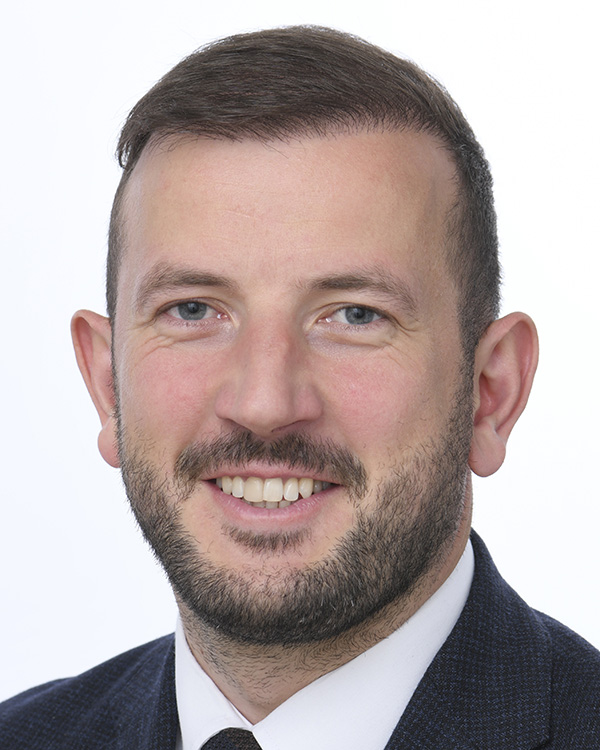

| Rank | Name | Country | Group | Speeches | |
|---|---|---|---|---|---|
| 1 |

|
Lukas Sieper | Germany DEU | Non-attached Members (NI) | 390 |
| 2 |
|
Juan Fernando López Aguilar | Spain ESP | Progressive Alliance of Socialists and Democrats (S&D) | 354 |
| 3 |
|
Sebastian Tynkkynen | Finland FIN | European Conservatives and Reformists (ECR) | 331 |
| 4 |
|
João Oliveira | Portugal PRT | The Left in the European Parliament (GUE/NGL) | 232 |
| 5 |
|
Vytenis Povilas Andriukaitis | Lithuania LTU | Progressive Alliance of Socialists and Democrats (S&D) | 227 |
All Contributions (206)
Question Time (Commission) Increasing EU ambitions on biodiversity ahead of COP 15
– Absolutely, pollinators are a crucial part of our ecosystem, and we are seeing a steep decline in pollinators, especially wild pollinators, in our nature. Therefore, in nature restoration legislation, as a specific target, we actually have a target on pollinators, ensuring that they do not decline and instead reach a positive status. Secondly, when we speak about pollination and so on, I think it must be addressed not only from an environmental point of view, but also from our CAP and agriculture. I think we know that it is not only forest fires, which destroys forests, destroys pollinators, but there are other pressing chemical uses and so on that also do harm to the population of pollinators, which also have to be addressed. So I truly hope that, with the implementation of nature restoration legislation, Member States will have two years to prepare their plans, and within those plans, we will see a prominent role for protecting and ensuring the protection of pollinators.
Question Time (Commission) Increasing EU ambitions on biodiversity ahead of COP 15
– Thank you very much for your question. So you’re absolutely right. We already see that this summer, the beginning of the summer is very hot. We had heat waves in the regions and of course, early forest fires in some parts of Europe, particularly in Greece. I would say that we were prepared as much as possible and rescue deployed its capacities around Europe, especially around those regions where the forest fires are most likely. I think, you know, Greece and I visited myself places which were severely impacted by the forest fires have huge experience in managing the forests and then restoring it’s, of course, unique ecosystems. I think what’s extremely important, I’m sure, and we always find the capacities to rebuild. But of course we have to realise that for ecosystems the investment and our efforts to rebuild is relevant. But most importantly that it takes years to replenish. So, therefore, we have to deploy all possible efforts to prevent forest fires from happening as much as it’s possible, deploying all the possibilities of monitoring and so on, ensuring that the least possible amount of land is affected. And therefore, I think that's where we should put all the possible effort. And it’s not only in regards to the COP15, I think we as Europeans and citizens of Europe, we value every piece of our land, and especially forests which bring so much into our lives, which are our lungs and our support system. So, of course, we have to be prepared and ensure that we do not lose them in the first place.
Question Time (Commission) Increasing EU ambitions on biodiversity ahead of COP 15
– I always say that in order to fight issues like climate change or biodiversity loss or pollution, they respect no borders. Of course we have to cooperate transboundary, but also at the regional level because, at the end of the day, implementation comes to the regional level. Especially when we speak about our sea basins, about our seas, we know how our regions are heavily dependent on activities. COVID, unfortunately, very clearly exposed that our coastal regions are mainly dependent on two activities: fisheries and tourism. We know that with ecosystem decline at the rate that we have, the places where eutrophication is taking place and dead zones are forming there will be neither fisheries or tourism. So of course we have to deploy all the possible efforts. We are already working very closely as regards the fisheries management with the regional fisheries management organisations, which helps us to get the specifics and, of course, successfully address them. I am sure that also with the deployment of funds as regards the cohesion funds or fisheries fund, we can also engage even closer with the regions, with the coastal communities, because at the end of the day we are speaking here about their social and economic well-being, which is unfortunately with the declining of our ocean ecosystems might be severely impacted as well.
Question Time (Commission) Increasing EU ambitions on biodiversity ahead of COP 15
– First of all, there is no chance that we can succeed in the fight against climate change or halting biodiversity loss without the oceans playing a vital role, oceans, of course, including the sea basins that we all know best. And here, I think, speaking against the background of the Ocean Conference in Lisbon, we can clearly say that this year we need to use, as much as is possible, to actually put the ocean nexus into the final documents of COP15. It must be also a clear visibility at COP in Sharm el-Sheikh, too, because without healthy oceans, without their mitigation functions, without absorption of CO2, we won’t be able to fight climate change. And you are absolutely right. Climate change is already putting huge pressure on our oceans and we see this with very quickly changing ecosystems, biodiversity, within our oceans. Another thing which I think is going to be an important step on the way to Montreal is negotiations on so-called BBNJ – beyond national jurisdictions – on the protection of the high seas. That can give a great booster towards the meeting in Montreal in finding an agreement on protection of the high seas and having clear rules there. So I hope that we will be able in August to have a final meeting in New York to close these negotiations. That would be a big step further as regards our oceans’ protection. The final thing is, of course, we also have to look and protect marine resources better in our seas. I think what’s very important is to step up the implementation of marine protected areas. So far we’ve seen significant steps done by some Member States and we just had a huge announcement of the largest marine protected area, but still, it’s not enough. We need to do more. We need to be aiming at and reaching our 30% goal that we have in our biodiversity strategy. And of course, the Member States will have to step up their efforts.
Question Time (Commission) Increasing EU ambitions on biodiversity ahead of COP 15
– Absolutely. I think when we speak about any agreement, funding we know is going to be a complicated part, especially when we talk about biodiversity. Remember the Paris Agreement? For Paris to become a reality there was a Copenhagen before, where actually the number on funding was finally met and then it sort of started a true dialogue towards an ambition. We don’t have that time for COP15. We all have to become a bit more, let’s say, pragmatic and realistic about what can be put on the table. Because when I also hear calls for a EUR 100 billion per year from the current EUR 6 billion, we understand that it’s unrealistic – although, you know, creating additional funding, additional funds and so on, we are ready to explore those opportunities. We are ready to have a look how they’re going to work. We as the EU, and President von der Leyen, have very clearly showed our leadership already in doubling our funding for biodiversity from EUR 3.5 billion to EUR 7 billion. I hope – and I’m working together with colleagues especially in the high ambition coalition – that others will follow. But I think here, in order to really have as much as possible funding available, we also need to look at other sources, at private funds, where we can get additional support to increase that number as much as possible. That will require lots of creativity. That will require additional solutions. As I said, we are ready to explore those options, but nevertheless we have to be realistic as to what it is possible to allocate. Now I fully agree with you as regards the harmful subsidies. I think some progress has been reached and the question is becoming a centre of attention. Here within the EU we also need to fully implement the ‘do no significant harm’ principle – and especially now when we are in the middle of a transition where Member States are going to be using funds as regards the post—COVID restoration, as regards the war in Ukraine and so on. So it is extremely important that those funds would be used without doing harm to our environment, to our climate targets.
Question Time (Commission) Increasing EU ambitions on biodiversity ahead of COP 15
– Thank you very much for your question and for the very clearly expressed ambition, but I think we have to be realistic on the ambitious targets that we set. There’s nothing wrong with being realistic, because, looking back, we have failed to implement the targets before. And every time we return, we return with new targets. And of course, I’m happy to do so. But I think there is a clock ticking and asking for urgent implementation. So I think the 30x30 target which is proposed, which is there, is enough. Because if you look back at the Aichi targets, they are still relevant and they are not implemented. Secondly, what we have to have, in order to successfully implement it, is a monitoring framework review clause, which would allow us a successful implementation. Last but not least, when we speak about the Paris moment for biodiversity and the environment, what we want to do with the COP, and when you mentioned at the beginning that the rounds in Geneva and Nairobi didn’t bring the result that we expected, you’re absolutely right. I think there are many reasons for that. But one of the key reasons was, of course, that COP15 was constantly postponed and, of course, it didn’t get the political momentum that it should have. So hopefully now, when we have clarity, that will pick up pace. I think if you compare the Nairobi round and the Geneva round, there was already progress. Yes, that progress is still in brackets. And we will have to do a lot of work to take it from brackets and make it an agreement, because we have to be also, you know, very clear here that there is no broad agreement between countries, and that will require a huge effort negotiating even 30x30 targets, and then, at the end of the day, it’s implementation. But I am optimistic. I think the EU has the credibility to talk and to lead. We managed not only to already have a significant increase on biodiversity funding, but also we have very ambitious domestic legislation, which has been proven to be working.
Question Time (Commission) Increasing EU ambitions on biodiversity ahead of COP 15
– At the moment, it does not have a mention, and of course, knowing the dynamic of the COP and the UN, that might be challenging. But I think what’s extremely important is that we keep it in mind and we know what is the issue. As I said, you know, the issue as regards the Odessa port blocking is, first of all, a war crime. Secondly, it is a logistical issue. But then, when we see the situation also here in the EU, our farmers already lose every year more than EUR 1 billion in crop yields just because of biodiversity loss. The same applies to other parts of the world. I think that’s inevitably going to be underpinning and therefore I think it’s going to be inevitably applied. And I think, you know, when we look at developing countries, we see that there is an urgent need to help them, but to help them not only with development funding, but also ensuring that they have the environment which can produce.
Question Time (Commission) Increasing EU ambitions on biodiversity ahead of COP 15
– Thank you very much for your question and of course, thank you very much to all Members of this Parliament for putting this question, this important question, on the agenda as we are heading towards COP15. Finally, the date and the place is clear. So of course, for us to have an ambitious outcome, we need to be united and also lead by example. So the first part of my answer to you is that we have strong legislation here in the EU with the biodiversity strategy, now also with the nature restoration legislation and other pieces of legislation, which allows us to lead the way. Secondly, I think what’s extremely important is to seek an agreement which would be a landing zone for all regions around the globe, finding a perfect match between an ambition but also realistically what can be implemented and also, of course, funded. Last but not least, I’m very thankful that you have mentioned the food security issue there, because exactly due to biodiversity loss, exactly due to ecosystem degradation, this is the biggest threat to our food security and I think this has to be addressed immediately. One of the steps forward is, of course, nature restoration legislation, which on one hand does not maybe directly produce the crops and yields, but on the other hand plays a vital role to ensure food security in the long term for our people. The same goes for other regions. So I think this food insecurity which is now very much at the centre of attention, caused by Russian war crimes and even a bigger war crime is committed when the Port of Odessa is blocked, must be also one of the topics that should be mentioned in COP15 and especially the biodiversity’s and ecosystem’s importance for food production.
Protection of the rights of the child in civil, administrative and family law proceedings (short presentation)
– Madam President, honourable Members, first of all I would like to thank the rapporteur, Mr Vázquez Lázara, the Committee on Legal Affairs, and all of those who contributed to this report. The Commission notes with great satisfaction that the report aims to ensure that the best interests of the child are the primary consideration in judicial proceedings, regardless of whether they are civil, criminal or administrative, and regardless of the reason why a child comes in contact with the justice system. This highlights that the Commission and the Parliament share the same objectives that the rights of the child are protected. The EU has a very strong acquis on child—friendly justice. In the criminal law domain we have the 2016 Procedural Safeguards Directive as regards children accused, or the Victims’ Rights Directive, along with the legislation on child sexual abuse and trafficking in human beings. In the family law area, in the Brussels IIa Regulation, its recast, and the maintenance regulations are contributing to the creation of child—friendly settings. These are complemented by several strategies, including the EU strategy on the rights of the child adopted in March last year, where child—friendly justice is one of the thematic areas. The strategy sets out concrete actions that the Commission will implement by the end of its mandate to make justice more child friendly. The Commission will notably contribute to the training of justice professionals on the rights of the child and child—friendly justice; strengthen the implementation of the 2010 Guidelines on Child—Friendly Justice with the Council of Europe; propose in 2022 a horizontal legislative initiative to support the mutual recognition of parenthood between Member States. But let me come back to our existing family—law instruments to address and ensure a child—friendly justice. I would like to highlight, for example, the Brussels IIb Regulation, which enters into application on 1 August. This regulation covers many of the important elements highlighted in your report, including new obligations for the Member States to provide children who are capable of forming their own views with a genuine and effective opportunity to express their views, either directly or through a representative or an appropriate body. This obligation extends to all proceedings concerning parental responsibility. It will offer better protection for children and will facilitate cross-border procedures for families, which in turn reduces time and costs and increases efficiency. Mediation is also encouraged in the new regulation. As from 1 August this year, courts deciding on parental child abduction will be called upon to invite the parties to consider engaging in mediation or other means of alternative dispute resolution unless it is contrary to the best interests of the child or it’s otherwise not appropriate. Overall, these new rules reinforce the rights of children by ensuring that their perspectives are heard in the legal proceedings concerning them. We therefore welcome that the European Parliament report calls for proper implementation of these rules. The Commission will be intensifying its efforts to ensure that the new regulation is effectively applied by all Member States. To ensure this, we have already started working on the update of the practice guide on the application of the Brussels IIb Regulation. It should be available before the regulation starts to apply. As to the new legislative initiative on parenthood, the proposal will aim to ensure that parenthood established in one Member State is recognised in the other Member States so that the legal links between children and their parents are not compromised when the family moves to another Member State or returns to its Member State of origin. This will further protect the rights of children such as their right to an identity, the right to be raised by and to maintain a relationship with both of their parents, the right to a family life and other rights derived from parenthood, such as the right to maintenance or succession rights. We are grateful for the Parliament’s support for this, including its parliamentary resolution on this matter in September last year. The Parliament’s earlier resolution on the cross-border aspects of adoption will also be taken into account in the preparation of this legislation. As regards the acceptance of accessions to the 1980 Hague Convention on Child Abduction, I would like to recall that in the period of 2015-2021, 20 Council decisions have been adopted concerning no less than 27 third countries, and three Commission proposals are currently still pending at the Council. The assessment of the level of implementation by third countries is a common endeavour of the Commission and Member States. The problems regarding the enforcement of return and decisions and visiting rights in Japan is a matter of great concern for the Commission, which worked closely with the EEAS and the EU delegation in Japan to establish a continuous dialogue with Japan on these matters, notwithstanding the difficulties linked to different social and legal concepts. Finally, besides the measures taken at the EU level, we also note that this report calls on Member States to implement several actions in order to better protect the rights of the child in civil, administrative and family law proceedings. Many of these are in line with the recommendations to Member States outlined in the EU strategy on the rights of the child, such as support to judicial training providers. We have also recommended Member States to develop robust alternatives to judicial action, including alternatives to detention, the use of restorative justice and mediation in the context of civil justice, and to enhance cooperation in cases with cross-border implications to ensure full respect of the rights of the child. As you can see, there is strong and significant EU action in the area of the protection of the rights of the child, with a wide range of legislative and policy instruments. I would like to once again thank the Parliament for this report and its support.
Future of fisheries in the Channel, North Sea, Irish Sea and Atlantic Ocean (debate)
– Madam President, honourable Members, thank you very much again for this good debate tonight and for the important work that has gone into this initiative report. Yes, fisheries in the north-east Atlantic may be structured differently following the departure of the United Kingdom, but allow me to once again stress that the fundamental principles of the EU’s engagement in the north—east Atlantic remain unchanged. The Commission will continue to engage for fisheries that are economically, socially and environmentally sustainable, both for fish stocks managed by the EU alone and for those shared with our international partners. Let me briefly comment on a couple of points you raised tonight. You stressed the need to be vigilant that the United Kingdom complies with the conditions of the TCA and that it should strongly respond if the United Kingdom were to act in a discriminatory manner. The United Kingdom is now a third country, and as such it can take autonomous decisions that diverge from the common fisheries policy. However, the Trade and Cooperation Agreement requires that measures that are likely to affect the vessels of the other party are notified before they are applied. They must comply with the objectives and principles of the agreement and be non-discriminatory, proportionate and based on the best available scientific advice. We have already agreed with the United Kingdom that we will work together in the specialised committee on fisheries to set up a joint notification protocol. Dear members of the Parliament, you also mentioned the need to ensure that reciprocal access to waters and fisheries resources is maintained after 30 June 2026, and that there are no further reductions of quotas for EU fishers after the end of the transition period. The Trade and Cooperation Agreement sets out quota shares for the EU and the United Kingdom that are adjusted over a five—year period until 2026. After 2026, these quota shares for the total allowable catches managed bilaterally remain stable. There is absolutely no intention of renegotiating this. Reciprocal access to waters is a separate issue. In line with the TCA this access will need to be renegotiated every year from 2026 onwards as part of the annual consultations on fishing opportunities. We believe there is an interest on both sides to grant such reciprocal access and we count on both parties to continue negotiating fishing opportunities after 2026 in good faith and ensuring a mutually satisfactory balance. We will not hesitate to defend an interest of the EU’s fleets or enforce compensatory measures in line with the provisions of the Trade and Cooperation Agreement, should the need arise. Honourable Members, dear colleagues, in conclusion, let me underline that we will fully live up to the commitments we have made under the common fisheries policy, under the Trade and Cooperation Agreement, and in our annual consultations with our partners around the Atlantic. And we fully expect our partners to do the same. Thank you once again for your attention.
Future of fisheries in the Channel, North Sea, Irish Sea and Atlantic Ocean (debate)
– Madam President, Honourable Members, I would like first of all to thank the rapporteur, Mr Pizarro, as well as the shadow rapporteurs, for this important report. I cannot agree more that the impact of Brexit on the EU fishing sector goes well beyond the geographical area of the United Kingdom and affects our fisheries relations with other coastal states in the North-East Atlantic. I also agree that the relationship between the EU and the UK remains a cornerstone for fisheries governance in the North-East Atlantic. Looking at our relations with the UK, we knew from the start, that this first year of implementation of the Trade and Cooperation Agreement (TCA) was going to be challenging. However, I am pleased to highlight the successes that we have achieved in 2021. In this exceptional year, we have successfully concluded two rounds of consultations on fishing opportunities, first for 2021 and, in December, for 2022. We have set up the Specialised Committee on Fisheries and we have already started working with the UK on the many substantial issues which need to be addressed. Furthermore, despite the numerous challenges we have made substantial progress in addressing concerns relating to licensing. Seamless access was ensured for the majority of the EU fleet and we will continue to work extremely hard to ensure that all fishermen who are entitled to a licence shall obtain one in full respect of the TCA, and notably the stability of access enshrined in our agreement with the UK. We have channelled EU funds to the fisheries sector by adopting the Brexit Adjustment Reserve for the short-term adaptation and the European Maritime, Fisheries and Aquaculture Fund for long-term structural adjustment. Your motion for a resolution strongly calls on the UK to act in line with the letter and the spirit of the TCA. You are particularly concerned in this regard about those measures which the UK takes in its own waters, and that might diverge from the conditions in EU waters. Important examples here are technical measures or marine-protected areas. Let me reassure you that the Commission carefully scrutinises each notification that we receive on UK measures. The TCA sets out clear principles and conditions to be followed by both parties, and the Commission will not accept any breaches of this international agreement. At the same time, we should also take care that we do not needlessly and prematurely escalate situations. Yes, we have not always seen eye-to-eye on everything and for some issues this continues to be the case. But we have, nevertheless, been able to work together constructively and pragmatically on various issues in the interests of sustainable fisheries management on both sides of the channel. And this is very important to set the tone for our close cooperation in the years to come. And it is one important contributing factor to the overall relationship we have with the UK. Therefore, I fully endorse your resolution’s call for an implementation of the TCA based on good faith. This will also help pave the way for a constructive and cooperative relationship after 2026, when the transition period ends. I also note your call to get the Specialised Committee on Fisheries up and running. I can now announce that we will hold the third meeting of the Specialised Committee on Fisheries, the first meeting of substance, later this month. Work is already underway to prepare this meeting with the working group that took place just last week. I can assure you that the European Parliament will be kept informed of this very important work in line with the provisions of TCA. Honourable Members, Brexit has impacted the existing structures in the North-East Atlantic and we will need to adapt accordingly. That said, the principle behind our international engagement remains the same. We remain committed to cooperation on shared stocks, whether these are shared with the UK or with the other third countries. Our ultimate aim remains the same: good cooperation with the UK and Norway for shared stocks, as well as good cooperation with coastal states on widely distributed stocks in the interest of sustainable fisheries management across the whole North-East Atlantic. In the North-East Atlantic Fisheries Commission, we will work closely with the like-minded contracting parties to achieve sustainability goals and to ensure the fair competition for our operators. The EU will also continue promoting ambitious control measures in order to close any loophole for illegal, unreported and unregulated fishing activities. On our cod fisheries in Svalbard, we have been working intensively to find a solution with Norway. Such a solution should ensure that our fishers can fish their full historic quota, as in the decades before 2021, and it should not cause prejudice to our rights in international waters. Norway is hopeful that a diplomatic solution could be found soon, and I am firmly convinced that this would be in the interest of both parties. We will continue to deploy all necessary efforts both on a technical and political level to make this happen.
Use of vehicles hired without drivers for the carriage of goods by road (debate)
– Madam President, honourable Members, thank you for this debate and for your worries and orations, and I am pleased to hear that most of you are in favour of the agreement. Honourable Members, the Commission very much counts on the support of the European Parliament to finally adopt the long overdue revision of the Hired Vehicles Directive. Most importantly, this revision will result in meaningful change on the ground and thus contribute to a more flexible and efficient road transport. The Commission welcomes the agreement as it will significantly increase the flexibility for undertakings to use the hired vehicles registered in other Member States or for own-account purposes. It is thus an important step in the implementation of the first mobility package. This agreement will increase the use of hired vehicles, which will also benefit the achievement of the EU climate goals, since such vehicles are ever more environment-friendly. The revised directive will therefore also have an important environmental impact. We can be proud of the results achieved. Once again, I would like to express the Commission’s thanks to the Parliament and of course also to the Presidencies who have worked on this file and made the political agreement last year possible.
Use of vehicles hired without drivers for the carriage of goods by road (debate)
– Madam President, the Commission made its proposal to revise the EU rules on hired vehicles in June 2017. Almost five years ago. It is the last piece of legislation from the mobility package. The objective of this revision was to achieve greater flexibility for companies in the use of hired vehicles by removing some of the possibilities to restrict the use of such vehicles which exist for Member States under the current Directive. This is exactly what the final agreement is about. Although the initial positions of the European Parliament and of Member States diverged in some parts, a carefully balanced political agreement was found last year. I think we can all be proud of the result achieved. The Commission is in favour of the agreement for a number of reasons. First of all, limitations can now only be introduced by Member States for their own undertakings, while the existing Directive allowed restrictions on the hiring of vehicles also for foreign undertakings. This is a huge step for more flexibility of the whole sector. Secondly, Member States must grant at least 30 days to their own undertakings for the hire of vehicles with foreign number plates, without the need for a national registration of the vehicles. And this will allow, in particular, taking into account seasonal needs, which was one of the main purposes of the revision. Member States which would like to grant longer periods of complete freedom for the use of hired vehicles with foreign number plates can of course continue to do so. And thirdly, any possibilities for restrictions for undertakings performing on account of relations with domestic hired vehicles have been taken out of the Directive. Such restrictions will, in the future, only be allowed for vehicles that are registered in another Member State. This remaining restriction can be justified since Member States could otherwise not exert any control over such vehicles as they are not registered in the national registers of road haulage undertakings. Furthermore, since the revised legislation will likely increase the use of hired vehicles, as such vehicles are often newer and more environmentally friendly, the solution is also beneficial for the achievement of the objectives of the European Green Deal. Honourable Members, thank you for your attention and I look forward to your comments.
The need for an ambitious EU Strategy for sustainable textiles (debate)
– Madam President, honourable Members, thank you again for putting the EU strategy for sustainable and circular textiles on today’s agenda. Addressing the impacts of this sector is a key part of our response to the environment and climate challenges of our times, and thank you for recalling the various challenges and also opportunities involved. I can assure you that we are on the same line as regards our ambition to protect the environment and to give our citizens long-lasting and quality textiles. And I fully share your sense of urgency too, and I can assure you we have a good plan. Our vision is that all textile products placed on the EU market should be durable, repairable and recyclable to a great extent made of recycled fibres and free of hazardous substances, that consumers benefit longer from high quality textiles, that fast fashion is out of fashion and economically profitable reuse and repair services are widely available. In a competitive, resilient and innovative textile sector, producers should take responsibility for their products along the value chain, including when they become waste. In this way, the circular textile ecosystem can thrive with growing capacities for innovative fibre-to-fibre recycling. The incineration and landfilling of textiles has to be reduced to the minimum. With these goals in view, we expect the upcoming strategy to initiate the transformation of the sector, to foster concerted action across the sectors and across policies, and with everyone on board, policymakers, local authorities, citizens, businesses and entrepreneurs, scientists and researchers, we are intensively working on finalising the strategy. And you will see it very soon as part of the package of the circular economy initiatives. Now, let me briefly address some of the key points you raised in today’s debate. First of all, I’m aware that some of you are very engaged with the textile sector and thus you know your contribution is crucial. The green and digital transition of the textile ecosystem is a key priority for us. The twin transitions will demand the textile industry to reshape their business models, integrate the proper technologies, ensuring a more efficient production process and more sustainable products, and develop the right skills to manage this transition. And to support the textiles ecosystems in its greening and digitalisation efforts, the Commission is preparing the ground for a transition pathway. The transition pathway aims to identify with stakeholders what specific actions and commitments are needed to accompany the green and digital transitions. The co-creation of the transition pathway will kick-off during the second quarter of 2022. Speaking about the concrete programmes, there are a number of projects in the textile sectors that the EU has funded and will continue to do so. Under Horizon Europe, there was programme from 2021 to 2022, which set out calls focusing on reality of textile value chains. There is an example of a project to develop nanomaterials, so really going into innovative areas. I cannot list all the projects that we have supported under Horizon Europe, under LIFE, also under PULSE. But I can assure you that this is a priority, and I think with our strategy it will continue to do so and more and more projects will be launched. Continuing, the Commission will continue to support, of course, research and investments and innovation through a series of EU initiatives aiming at strengthening also digital and sustainable technologies. And moreover, Member States have a key role to play in supporting research and innovation, including by using loans and grants of the Recovery and Resilience Facility, and I am happy to see that some countries are already going in this direction. The skills aspects is important for textile ecosystems and up- and re-skilling is yet another tool to empower women who represent two-thirds of the workforce. Our collective efforts need to result in making the ecosystem attractive to skilled and young entrepreneurs, and the ecosystem employees. The textile industry needs to take advantage of the employment opportunities brought by the digital and green transitions. A strong alliance has been built under the EU Pact for Skills with commitments that now need to be implemented through the national and regional skills partnerships. Let me also mention a very important part. The life of a product starts with design. Textiles are indeed a key product to be addressed under the broader ecodesign framework, and we are going to propose this together with the strategy. Binding product specific eco design requirements can increase textiles’ performance in terms of durability, reusability, fibre-to-fibre recyclability and mandatory recycled fibre content. And we can strive to minimise and track the presence of substances of concern and reduce adverse impacts on climate and environment. We also can take measures to stop the destruction of unsold or returned textiles. We can have better transparency on the number of textile products big companies discard and destroy. Citizens should also know how these products are treated in terms of preparing for re-use, recycling, incineration or landfill. We can also do much more in terms of information to consumers through a digital product passport and labelling. All these aspects have a place in a future-oriented textile strategy. You also spoke about sustainable sourcing, both in social and environmental terms, human rights’ worsening condition. The European Commission has presented a legislative proposal on sustainable corporate governance. It is part of the implementation of the European Green Deal. It’s a corporate sustainability due diligence obligation – a duty to identify, prevent, mitigate and account for actual and potential adverse sustainability impacts in companies’ own operations and their supply or value chains. Let me also highlight a very important and powerful tool – extend the product’s responsibility. It can be a really effective instrument to improve waste management and work well together with other measures such as separate collection, pay-as-you-throw schemes and targets. EPR (Extended Producer Responsibility) schemes can also improve design and support waste prevention objectives. We are aware of Member States planning to set up EPR schemes for textiles and France already has it in place for several years. We will consider the role of EPR as a tool to improve textile waste prevention and waste management in the context of the waste legislation review foreseen in 2023. Microplastic pollution. It is indeed a source of serious and growing concern. It has become widespread in the environment, and one of the main sources of the unintentional release of microplastics are textiles made of synthetic fibres. About 60% of fibres used in clothing are synthetic, of which polyester is predominant and this amount is growing. Synthetic fibres shed into the environment at different stages of the textile lifecycle. Reduction measures can therefore target the design of products, improve manufacturing processes and pre-washing in industrial manufacturing plants, labelling and the promotion of innovative materials. Further options include washing machine filters, which can reduce release from laundering by up to 80%, development of mild detergents, caretaking and washing guidelines, end-of-life textile waste treatment and regulations for improved wastewater and sewage sludge treatment. The proposal introduces corporate sustainability due diligence obligations, a horizontal cross-sectoral duty to identify, prevent, mitigate and account for actual and potential adverse sustainability impacts in companies’ operations. So, the textile sector was identified as a priority sector for its implementation. Sustainability and circularity of the textile sector in Europe and the world is critical to address current environmental challenges, and this needs to become a joint endeavour, together with business, public authorities and consumers. And I’m glad to count on the European Parliament’s support to this goal, and it will be essential to mobilise, first of all, our citizens, in particular, our young generation. So with this, let me conclude and really thank you for today’s exchange, for your work and for such a passionate approach to this topic.
The need for an ambitious EU Strategy for sustainable textiles (debate)
– Mr President, the textiles sector has major effects on our climate and our environment and, in fact, textiles consumption is one of the top four supply-chain pressures on resource use, land use, water and greenhouse gas emissions. As a value chain, it places huge pressure on biodiversity. Many hazardous chemicals are still used in textile products and a considerable share of the microplastics released into the environment can be traced back to the source. The sector also plays a crucial role to ensure the labour rights of workers in Europe and abroad. Worst of all, the trends are moving in the wrong direction. We throw away clothes faster than ever before, and we use them for ever shorter periods of time. Most of them end up in landfill or incineration. Around the world, less than one percent of all textiles are now recycled into new textiles. We need to encourage and support the sector to do better. In the EU, it employs 1.5 million people in more than 160 000 companies, most of which are SMEs. In 2019, the annual turnover was EUR 162 billion. When we talk about textiles, we are talking about everything from the automotive and agriculture sectors to home furnishings, clothing and medical equipment. The largest share of our textiles consumption is fashion. We are a major destination for textiles and garments. In 2019, the EU was the second largest global importer of clothing and, in the first 15 years of this century, world production of textiles more or less doubled. The consumption of clothing, footwear and household textiles happening in Europe creates the most impact in other regions of the world, where the majority of production takes place. For textile supply chains, the pandemic brought considerable disruption and many citizens realize that the sector needs radical change. As all other sectors, textiles needs to build back better. We need to help the sector to do that. We need to build in more circularity and sustainability, and that’s vital to address climate change, to help win the fight against pollution and to reduce the pressure on nature and reverse biodiversity loss. We need to do it while preserving and creating growth and decent jobs, respecting human rights. At the end of this month, as announced in the circular economy action plan, the Commission will adopt an EU strategy for sustainable and circular textiles. It will be a strategy to strengthen innovation and reduce the environmental footprint, a strategy to boost the market for sustainable and circular textiles, a strategy for increasing textile reuse and repair, boosting circular business models and addressing fast fashion, and a strategy that can also boost the competitiveness of sustainable textiles industries. Social aspects, including working conditions, will also be considered. The strategy builds on extensive consultations and input from stakeholders, who supported its development through thematic workshops and online public consultation. At its heart is a new approach to design. We want textiles to be more durable, recyclable and easier to reuse, repair and upgrade. That way, we reduce the consumption of resources, we extend the lifespan of textile products and we boost the recovery of valuable materials and components at the end-of-life stage. It means better material efficiency, a reduced environmental footprint and a longer textile-usage life. Acting at the design phase makes it easier to choose materials free of hazardous substances and made of recycled fibres. It also means that microplastics can be designed out of the process. For all these reasons, textiles will also be a key value chain in the upcoming sustainable product initiative. As promised in the European Green Deal, we are acting to ensure that sustainable products become the norm. It is part of our drive for a climate-neutral Europe by 2050, but more sustainable and circular design alone will not be enough. We need to reduce consumption altogether, in particular in the fashion sector. That’s why we find it especially important to boost the uptake of new business models. These include, for example, more circular models like reuse, resale, repair on demand, manufacturing and product as service. In our sustainable product initiative, we will propose another powerful tool, which will be useful for textiles, the digital product passport, which will improve access to information about product characteristics. That way, all economic actors can make decisions that are better informed. It will enable better transparency and traceability for the value chain, which is particularly important for textiles. Action on the supply chain needs to be coupled with initiatives to empower consumers, and that’s why the Commission is also preparing a legislative proposal on green claims in order to fight greenwashing and to ensure that claims are based on reliable, verifiable and comparable information. We aim to present that later this year. We also need to take into account the international dimension. What we do internally also has an impact on operators in partner countries, and that’s why our strategy ambition is, together with our partner countries, to tie sustainable and circular textile value chains globally. Also important for the textile value chain is the legislative proposal on corporate sustainability due diligence recently adopted by the Commission. It comes with a corporate sustainability due diligence obligation to prevent and mitigate actual adverse impacts for sustainability. When it comes to achieving our social, environmental and climate goals, the textile sector plays a pivotal role. But to play that pivotal role, the sector needs to change. The strategy we are presenting will help drive that change. It means new ways of doing business, different patterns of production and consumption, products that are durable and repairable, and citizens who care, refashioning and sharing the textiles they wear. It’s time to redefine the textile economy in Europe and with our partner countries. We are counting on the support of the European Parliament and we look forward to your views on the strategy we propose. With citizens, youth and stakeholders working together, it’s time to rethink the structure of textiles. It’s time to refashion fashion.
General Union Environment Action Programme to 2030 (debate)
– Madam President, honourable Members, I am grateful for the opportunity we had today to discuss once more the eighth environmental action programme (EAP), and I would like to thank all of you for your interventions. Our citizens, in particular the youngest, expect us to address the climate and environmental crisis. Yes, in the meantime, tragically, we are facing a new crisis caused by Russia’s war on Ukraine, which is threatening peace and stability in Europe and beyond. It focuses our energy and attention, and rightly so. But the immense threat caused by climate change and by the destruction of our ecosystems remain and the war and its impact make our fight against this crisis even more relevant and more urgent than before. With the eighth EAP, we have a joint strategy to 2030 and for the green transition. Its strong narrative will focus minds and get everyone on board. It’s a plan for regional and local authorities, for citizens and businesses, for entrepreneurs, scientists and researchers. And thank you for recalling today the key challenges ahead. The need to review our tax system, the commitment to move to a well-being economy and environmental governance are all extremely important. Let me briefly address some of the key points raised in today’s debate. Concerning the next steps on environmentally harmful subsidies. I can say that we have a good plan, but very challenging circumstances. The eighth EAP supports the Commission’s effort to take ambitious action on phasing out environmentally harmful subsidies as soon as possible. We have to be clear that more subsidies for fossil fuels means less funds for other priorities – social policies, job creation, improving quality of life, including by better environment and less pollution. It is a fallacy that fossil fuel subsidies benefit the most vulnerable members of our society. There are other ways to help them. At the same time, those people are most exposed to environmental degradation and pollution. For fossil fuel subsidies, we will continue on the path set out in the governance regulation and the climate law. The Commission is preparing an implementing act for the integrated national energy and climate progress report, which Member States will have to submit every two years starting from 15 March 2023. The EAP plan for adoption this year will also include a methodology for reporting on the phase out of energy subsidies, in particular for fossil fuels. For non-fossil fuel subsidies, there will be a sequencing of steps, notably on monitoring, reporting and a toolbox for phasing them out. Let me now say just a few words on the focus on well-being. The beyond GDP narrative is very important to me. We need to ensure that we have a comprehensive approach to people, planet and prosperity. Beyond GDP does not mean we do not care about people’s income, about energy or other forms of poverty. It’s just the opposite. The beyond GDP narrative and the Commission has developed many new indicators in recent years to measure progress, especially on well-being and planetary boundaries, and the sustainable development goals are now being mainstreamed in all policy cycles, including the upcoming European Semester Spring Package. Now we are working also on finalising the monitoring framework for the eighth EAP. Once this is done, I will further pursue the EAP call for measuring economic performance and societal progress beyond GDP and moving towards using well-being as a compass for policy. Honourable Members, dear colleagues, thank you once again for your support, for your relentless work and for your commitment to achieve this very good result.
General Union Environment Action Programme to 2030 (debate)
– Madam President, I’m very happy that we reached a political agreement just before the end of last year. We have avoided a big gap between the seventh and eighth environmental action programme (EAP) and this is great news. With this agreement, I believe we have reached our common goal together. Our agreement on the way, we see the future is essential for our unity and resilience. And here we have laid down ambitious and inspiring common ground. Our determination to strive for a well-being economy where growth is regenerative and nothing is wasted, our ambition for climate neutrality and for reducing inequalities, our resolution to pursue a system where a healthy environment underpins the well-being of all people. Where biodiversity is concerned, ecosystems thrive and nature is protected and restored, thus increasing resilience to climate-related disasters and other environmental risks. And where our Union sets the pace for ensuring the prosperity of present and future generations globally, guided by intergenerational responsibility. These are words from the vision of the eighth EAP, words that are important to remember and repeat, words that inspire actions and make us even more committed to do our job as good as we can. The action programme we are adopting comes not only with a long-term vision, but also defines priority objectives and enables us to help shape environmental policy until the end of this decade. We have also taken the first steps towards the monitoring framework. Work can now conclude on a headline indicator set that will guide us towards our objectives for the environment and for climate for 2030 and for 2050. We are working intensely to finalise these indicators and I hope to present them to you shortly. The targeted stakeholder consultations confirmed a broad agreement on most indicators, and we want to further improve our tools to measure progress and close indicator gaps. This is very useful, for example, for showing the links between environmental degradation and social inequalities. You can expect an initial progress report in late 2022 or early 2023, and a more comprehensive report in the mid-term review in early 2024. We have a joint interest in this guidance, and I am convinced that the eighth EAP will help improve tracking progress towards our common goals and show us where more effort is needed. Finally, a word of sincere thanks to all who contributed and helped us reach this agreement, and especially to the rapporteur, Grace O’Sullivan, and all the European Parliament shadow rapporteurs and their teams, our constructive and close cooperation with the Council Presidencies of Germany, Portugal and Slovenia, who have all contributed very much from their side to this very good outcome, which resulted in an ambitious programme towards living well within the planetary boundaries. Thank you very much for your attention.
Batteries and waste batteries (debate)
– Madam President, I have listened very carefully to the different interventions and taken good note of the honourable Members’ ambitions and also their ideas. I think we are here to ensure that the green transition in the EU is powered by truly sustainable batteries. Setting up the new legal framework for batteries in Europe is a top priority for us and even more so in the current context after Russia’s attack on Ukraine. We must overcome our dependency on fossil fuels, and batteries are a key part of the solution. The same goes for the security of supply of critical raw materials, and that’s why circular economy solutions are key building blocks of the proposal. I’m very pleased to see the constructive proposals regarding light means of transport and separate waste collection targets. With regard to the level of ambition and timetable for the implementation of the regulation, I would like to note that the Commission’s initial proposal has already set the bar high and struck the right balance between ambition and realism. Talking about shorter timelines or the extension of requirements to other batteries, I would call on you to work towards focusing efforts on other matters and considering what the additional burden on economic operators, the extra cost, would be. In addition, some caution is required when considering increasing recycling efficiency rates. This may not deliver real environmental gains as expected, and for instance, a doubling of recovery levels of lithium may lead to disproportionate amounts of energy required in the process, and we should carefully analyse and discuss the related amendments. Regarding the calendar for the adoption of the secondary legislation, I understand that you would prefer a faster calendar, and so would I. However, the Commission needs to develop quality secondary legislation. Advancing deadlines could result in legal uncertainty, with a risk of litigation and damage claims, and this would be the opposite of what we all want to achieve. Many of you talked about sustainable sourcing of the raw materials in our batteries, and due diligence is important. The Commission has just made a proposal on corporate sustainable due diligence that will apply across sectors. For batteries, we have the concern that the substantial changes to the Commission proposal go beyond the risks related to the mining of minerals that we identified. So we need to discuss this also in light of the new proposal on corporate sustainable due diligence. You also highlighted reparability – ‘the right to repair’ – and this is very important for me personally. I am sure that we will be able to find the right balance between reuse, repair and safety concerns. So, in the upcoming trialogues, we stand ready to work with you very closely and the Council, as an honest broker, to find compromises that are mutually agreeable. Together, I am sure that we can put in place as soon as possible a new regulatory framework for the new battery value chain that is both ambitious and implementable. Thank you once again for your work and for the good discussion today.
Batteries and waste batteries (debate)
– Madam President, let me start by sincerely thanking the European Parliament for all the work that went into preparing the report that we are discussing this afternoon and on which you will vote later this evening. I will not be able to name all of you, but representing the lead Committee on the Environment, Public Health and Food Safety (ENVI), as well as the associated committees, the Committee on the Internal Market and Consumer Protection (IMCO), the Committee on Industry, Research and Energy (ITRE) and the Committee on Transport and Tourism (TRAN), I would address my thanks in particular to the rapporteur, Simona Bonafè, as well as to Antonius Manders, Patrizia Toia and Ismail Ertug. Thanks to your relentless work on this important file over the last years and months and to your commitment to proceeding as fast as possible to build up a large support for your mandate, we are here today close to starting trilogues once the Council has adopted its position next week at the Environment Council. In the light of Russia’s unprecedented attack on Ukraine and the imperative of making Europe independent from fossil fuels, a new regulatory framework for the EU battery value chain is more needed and urgent than ever before. The fact that no less than four of your committees were involved in examining our proposal is testimony to its strategic importance for the EU. The proposal for a new batteries regulation was our first legislative proposal implementing the European Green Deal and, in some respects, it constitutes a blueprint for other legislation to come on sustainable product policy. When we adopted it in December 2020, we did not anticipate the level of support it generated among the co-legislators and the enthusiasm that it developed. When preparing the proposal we tried to strike a careful balance between the level of ambition, the burden on economic operators and the feasibility of implementing the requirements and provisions proposed. Looking at the amendments you proposed today, I can see that you clearly considered our proposals a good starting point. But I also know that you would like to go further and faster with many of the sustainability requirements and end—of—life aspects. In the coming weeks and months, we will engage as an honest broker in the political negotiations over the final text. Changes will need to be assessed with care. The regulation should be ambitious and, at the same time, its implementation should be realistic. We need to keep the balance. But what matters most is that, in the end, we will have a forward-looking predictable regulatory framework which ensures the sustainability and the competitiveness of the emerging battery value chain in the EU. You can count entirely on our active and constructive support to ensure a successful and satisfactory outcome of those negotiations. Many business decisions and investments are already being made in the light of the changes this new regulatory framework will bring when progressively rolled out over time. We need to deliver on these expectations with ambition and credibility. Thank you very much for your attention, and I am looking forward to today’s debate.
UN Climate Change Conference in Glasgow, the UK (COP26) (continuation of debate)
– Mr President, I would like once again to thank the honourable Members for raising this important issue in this House. Today’s debate has clearly provided additional political momentum. I have listened carefully to your interventions and I am encouraged by your support and by your commitment to maintain the European Union’s role as a leader in the field of international climate action. Strong and united European Union messaging will be instrumental to deliver on our leadership during COP26 in Glasgow and beyond. Let me briefly address just a few of the many issues you raised today. Many of you have mentioned the fact that we need to better mainstream climate into all policies, and I could not agree more. I also highlighted this in my introductory remarks. You mentioned transport, agriculture, trade and many more. This is a collective responsibility, a collective task for us all: the Commission, the Member States and the European Parliament. You have also pointed to the fact that others need to follow our ambition – and yes, this will be our ambition in Glasgow, and this is what we are working for at full speed. The EU accounts for only an 8% – and decreasing – share of global emissions. We need all countries to join the global race to zero emissions. If they do, we will all win. This is what my colleague, Frans Timmermans, is doing right now: reaching out to our partner countries all over the world and encouraging them to join this global race. And here I have to comment on what Ms Bentele said. She thinks that the EU needs a climate envoy like John Kerry. Well, let me be very clear: I could not imagine a better climate envoy than Frans Timmermans already is. He is a respected, efficient and passionate fighter for our common cause, and he’s well supported by the Green Deal team in the Commission, of which I am proud to be part. So yes, we will need to hear from other parties – but also from the private sector – how quickly we can expect the phasing out of coal and the internal combustion engine and how quickly we can expect the phasing in of technologies and energy sources, such as the scaling up of renewables and the production of the use of green hydrogen. Finally, many of you have made it very clear today that we have had enough words and we now need action. As far as our EU goals are concerned, our Fit for 55 package is our proposal for action. It’s exactly the action we need to translate our noble objectives into concrete steps. So I count on this House and on the Council to proceed as efficiently as possible with your legislative work on this very complex package, and I can only reassure you that the Commission will assist and support you in this work where necessary. I am convinced that the European Commission and the Council, under the leadership of the Slovenian Presidency, will contribute to the adoption of a comprehensive and balanced Glasgow outcome, which will ensure an ambitious global response to climate change and which will keep the 1.5°C goal within reach, in line with the Paris Agreement and in light of science. After Glasgow, our work must continue, both domestically and internationally. With our domestic experience and external policy instruments and dialogues, we are in a position to help our partners to advance their transition to a low—carbon, climate—resilient economy. Thank you again for the opportunity to have this debate. I look forward to continuing our dialogue in the future.
UN Climate Change Conference in Glasgow, the UK (COP26) (debate)
– Madam President, I would like to thank honourable Members for the opportunity to have this important debate as we look ahead to preparations for the upcoming 26th Conference of the Parties to the United Nations Framework Convention on Climate Change in Glasgow. Science demonstrates that global average temperatures will exceed 1.5 degrees within the next 20 years in all scenarios. The United Nations report on the parties’ nationally determined contributions revealed that we are well off the Paris consistent pathways necessary to respond. However, limiting global warming to 1.5 degrees by the end of the century, with the temperature overshoot, is still possible. It is still possible if parties achieve drastic cuts in emissions in the coming decade and net zero emissions around 2050. Significantly increased global mitigation efforts will reduce the risks and impacts of climate change, but we will also need to collectively and urgently scale up our efforts to adapt to the many unprecedented and irreversible changes in the climate systems in all regions of the world. As if all this was not enough, the latest report from the OECD shows that the donor community is off track from reaching the goal of mobilising USD 100 billion annually from 2020 to 2025. Against this background, the COP26 Council conclusions, adopted two weeks ago, set out the EU’s main political objectives for Glasgow: raising global ambition, enhancing resilience and scaling up climate finance. We have a strong responsibility to those societies most vulnerable and existentially threatened by climate change. These are exactly the messages Executive Vice-President Timmermans is bringing to the many countries he is visiting and to the many meetings he is holding, also this week and today, to prepare for COP26. The EU has been consistently calling upon all parties, particularly the world’s largest economies and biggest emitters, to step up their game before Glasgow. The nationally determined contributions and net zero strategies of all parties should set each of us on a path to net zero emissions, in line with the principles of progression and the highest possible ambitions, as set out in the Paris Agreement. In particular, parties in G20 countries that haven’t enhanced their nationally determined contributions (NDCs) or have not submitted net zero strategies need to come forward as soon as possible. Furthermore, we can only ensure the effective implementation of the Paris Agreement by all parties if we have a robust and ambitious framework of rules. Therefore, COP26 should address the single element of the rule book left outstanding from the previous two conferences – the guidance on voluntary cooperation and market-based mechanisms under Article 6 of the Paris Agreement – as well as conclude arrangements under the enhanced transparency framework, which is the backbone of a well—functioning Paris Agreement. Securing a meaningful outcome for market measures under Article 6 of the Paris Agreement is a key priority for the EU. Compromises that put environmental integrity at risk are not acceptable to us. Fostering global ambition, ensuring environmental integrity and avoiding double counting are at the core of the Paris Agreement and of the EU position on market mechanisms. Ambition is not only mitigation action. COP26 should deliver a signal that priority must be given to adaptation. The EU will contribute fully to achieving the Paris Agreement global goal on adaptation by enhancing resilience both at home and in vulnerable communities around the world. This is why we adopted an adaptation strategy for the EU, which was submitted to the United Nations Framework Convention on Climate Change (UNFCCC) ahead of Glasgow and calls for the other parties also to communicate how they are stepping up their respective adaptation actions. The COP outcome should also provide a sense of balance in the treatment of mitigation and adaptation, which is a key concern for our developing country partners. The EU remains fully committed to a sustained and increased investment in enhancing resilience and adaptation in the most disaster—prone countries and regions. International cooperation on adaptation is a highlight of the new strategy, with a priority for Africa, least developed countries and small island developing states. Furthermore, the EU and its Member States support many activities to avert, minimise and address loss and damage through development cooperation, disaster risk reduction and humanitarian aid, as well as dedicated climate funds, organisations and initiatives inside and outside the climate process. However, we must be mindful that all actors must step up their efforts to face the challenges of climate change. We need to advocate for mainstreaming the climate issue in other relevant policy areas so that we can better consider the risks and needs of the most vulnerable in all our support efforts and in international processes. We have to do this in the same way that the EU supports mainstreaming of climate action across all financial flows, including development institutions. Action demands resources and we should continue showing our solidarity to the most vulnerable countries. The EU and its 27 Member States remain the largest contributor of public climate finance to developing countries, including to the multilateral climate funds, and contributed EUR 21.9 billion in climate finance for 2019. This is double the level in 2013. As you know, President von der Leyen, just last month, committed an additional EUR 4 billion until 2027. As part of a global effort, the EU will continue to take the lead in mobilising climate finance from a wide variety of sources, instruments and channels. These include instruments to unlock the huge potential of private finance through the targeted use of public climate finance. Therefore, it is crucial to make swift and ambitious progress on making all finance flows consistent with the Paris Agreement. To this end, following the Commission’s action plan on financing sustainable growth and the follow—up strategy for financing the transition to a sustainable economy, progress is being made on various fronts: on an EU taxonomy for environmentally sustainable economic activities, on sustainability—related disclosures for issuers and for financial market participants, on the European Green Bond Standard, and on corporate sustainability reporting. That is encouraging, but we must continue to catalyse and accelerate action from all economic actors to reach the objectives of the Paris Agreement. We see leaders from the private sector, civil society, youth and other stakeholders coming together to show determination to accelerate transformative change on a scale that has not been seen before. All this demonstrates increasing awareness of the need for global climate action. Finally, climate change, the biodiversity crisis and desertification, as well as land, water and ocean degradation, are strongly interconnected and reinforce each other. Climate change and the nature crisis can only be successfully addressed in a coherent approach that comprises mutually beneficial strategies, including nature—based solutions with safeguards. We cannot solve one crisis without solving the other. This was very clearly highlighted by the recent joint report by the UN, the IPCC and the Intergovernmental Science-Policy Platform on Biodiversity and Ecosystem Services, and this must also be reflected in the upcoming two COPs. We saw a positive first part of the biodiversity COP15 in Kunming last week, and we will pursue our efforts in this regard, also in view of the second part of COP15, which will reconvene in face—to—face mode in Kunming next spring. Therefore, the EU will continue pursuing closer cooperation and synergies between the UN, the UNFCCC and the UN Convention on Biological Diversity, including the alignment with the post—2020 Global Biodiversity Framework, and we will further advance measures for mutually reinforcing co-benefits for climate mitigation and adaptation and halting biodiversity loss. We should all offer our strong support to the UK COP26 Presidency with a view to a successful outcome in Glasgow.
Review of the macroeconomic legislative framework (debate)
– Madam President, honourable Members, let me thank you, first of all, for the very interesting remarks on the report by the Committee on Economic and Monetary Affairs (ECON) and the review of the economic governance framework. The emphasis put on elements of the debate might be different, but I see a broad convergence around the following points: support should not be withdrawn prematurely, and we have to ensure continued investment in our policy objectives to meet the targets we have collectively set ourselves. At the same time, fiscal sustainability is an important objective and we therefore have to seek a framework that allows for both – growth-enhancing investments and debt reduction in a credible and effective way. We have taken good note of these elements and they will be considered when we are reviewing the framework. Of course, we cannot complete our internal reflection before we have heard the views of all stakeholders, which is why it’s so important that we launch the public consultation. We’ll look forward to continuing this discussion with the Parliament during the consultation exercise and thereafter when we will draw the conclusions from it.
Review of the macroeconomic legislative framework (debate)
– Madam President, honourable Members, let me start by warmly congratulating honourable Member Marques on this excellent report, which is a timely contribution to the review of the EU economic governance framework. As you know, we had originally launched a public consultation in February 2020, but had to put it on hold due to the onset of the pandemic. We have stated that we will relaunch the consultation when the economic recovery takes hold. We welcome the large support that this report has received in the Committee on Economic and Monetary Affairs (ECON). This shows the cross-party support that exists on the importance of reviewing the economic governance framework, not least our common fiscal rules. It is also comforting that you succeeded to achieve broad convergence on this complex issue. The ECON Committee has produced a very rich report, and in the interest of time I will limit myself to a few key remarks. First, I am glad to note that the Commission and the ECON Committee entirely agree on the near-term priorities for fiscal policy, namely to continue an expansionary fiscal stance for as long as is needed to support the recovery as well as the necessary transition of our economies, followed by a reorientation of fiscal policies aimed at fiscal sustainability in the medium term. This is entirely in line with the recent guidance that we provided to Member States on 2 June. Second, on the fiscal rules, the report correctly highlights the sharp increase in public debt in the EU since the start of the pandemic and the need to ensure country-specific pace of debt reduction that safeguards both fiscal sustainability and sustainable inclusive growth. We are not there yet, but once the health situation is fully under control and the economic recovery has taken hold, Member States will indeed need to achieve a gradual and credible reduction of high public debt pressures, creating buffers for future needs and challenges. However, and turning to my third point, when the time comes for this gradual fiscal consolidation, we will need to avoid a mistake from the last crisis, which was to allow the burden of fiscal consolidation to fall on public investment. The Recovery and Resilience Facility (RRF) will play a key role in this regard but Member States must also seek to protect nationally financed public investment without jeopardising debt sustainability. The fiscal guidance that we recently provided to Member States contains elements that go in this direction. The report rightly stresses that further efforts are needed to improve the quality of public finances so as to improve the country’s long-term debt sustainability and enhance the long-term growth potential. It is highly relevant to reflect how the EU’s economic governance framework could contribute to that. Let me turn to the macroeconomic imbalance procedure (MIP), which is another major element of our economic governance framework. The MIP widened the scope of our surveillance beyond fiscal policies to cover other potential sources of macroeconomic imbalances such as large current account imbalances, deteriorating competitiveness, high private debt housing bubbles or fragile banking sectors. The COVID-19 crisis has made some of those aspects even more relevant. There are indeed some challenges around MIP implementation, on which we are collecting views. For instance, as highlighted also in our review, the policy traction of the MIP has declined over time and some imbalances are only gradually being reduced. The report rightfully puts a specific emphasis on the euro area dimension. In recent years the Commission already paid more attention to this such that all countries contribute to the rebalancing and their efforts are mutually reinforcing for the benefit of the area as a whole. In addition, the COVID—19 crisis has called for a stronger forward-looking perspective in our MIP surveillance, which we have pursued for this past year given the very unusual economic circumstances and exceptional uncertainty. To conclude, let me once again thank honourable Member Marques for this excellent and thought-provoking report. I look forward to hearing your views.
Establishment of Antarctic Marine Protected Areas (MPAs) and the conservation of Southern Ocean biodiversity (debate)
– Madam President, honourable Members, Minister, thank you for this inspiring debate and for your encouraging support. I’m very pleased to see that there seems to be a broad agreement amongst most Members and groups of this House that we need to urgently step up our efforts to tackle climate change and the loss of biodiversity in one of the most vulnerable regions, which is the Southern Ocean. Your voices clearly reflect the calls of our citizens for more and decisive action on climate change and biodiversity loss. Let me briefly reply to Mr Ruissen, who asked: what about the economic impact of closing fishing grounds and marine protected areas (MPAs) to fishing, including for our EU fisheries? I can be very clear on this. The actual impact on those MPAs on fishing activities is estimated to be very limited because the most productive fishing grounds are located somewhere else in the Southern Ocean, and large parts of this sea are covered by ice most of the year. Be reassured in any case that our fishers active in the Southern Ocean are fully behind us in our objective to establish new marine protected areas. All EU goals that are established in the biodiversity strategy are driven by the best available scientific advice. I can only reiterate what Commission President von der Leyen has said in her first State of the Union address when she committed the EU to use all its diplomatic strength and economic clout to broker an agreement on marine protected areas in the Southern Ocean. I sincerely hope that I will be able to report on progress in this regard to the European Parliament after the 40th annual meeting of the Convention for the Conservation of Antarctic Marine Living Resources, in October. I am confident that I can count on your full and continuing support for our common goal to establish new marine protected areas in Antarctica. The past has shown that if we join forces in the EU and between EU institutions, we can achieve a lot.
Establishment of Antarctic Marine Protected Areas (MPAs) and the conservation of Southern Ocean biodiversity (debate)
– Madam President, Antarctica is not only one of the harshest and most inhospitable places on Earth, it’s also one of the most vulnerable. It is, therefore, a place where the two biggest crises of our time are coming to a head: climate change and biodiversity loss. Over the past 30 years, Antarctica has warmed by 1.8°C, which is three times more than the global average and, only last week, the United Nations recognised a new record high temperature for the Antarctic, confirming a reading of 18.3°C reported last year. As for the West Antarctic Peninsula, this is one of the fastest warming areas on Earth, where record temperatures above 20°C were recorded during the summer of 2019—2020. Climate change is already having profound and potentially irreversible impacts on the Southern Ocean. Retreating glaciers, ice-sheet instability, sea-level rise and ocean acidification are just some of the changes we are seeing. These impacts are real and they are accelerating. This is particularly alarming because the Southern Ocean plays a major role in regulating the global climate system. Climate change is also one of the major drivers of the second global crisis, that of the loss of biodiversity. The Southern Ocean is home to a rich range of marine life, including different species of penguins, seals, whales and seabirds. The rapid warming of the Southern Ocean is leading to a habitat loss, as well as to changes in the range of marine species and their interactions. These changes affect every level of the marine food chain in the Antarctic. But habitat loss is not only dangerous for marine species. It can also increase the risk of global pandemics, as the COVID-19 pandemic has painfully shown. It is the responsibility of the entire international community to address this dual crisis of biodiversity loss and climate change. The European Union, as a member of the Commission for the Conservation of Antarctic Marine Living Resources (CCAMLR), has a particular responsibility to conserve and protect the biodiversity of the Southern Ocean. We know that large-scale marine protected areas (MPAs) can help conserve marine biodiversity, maintain ecosystems, absorb large amounts of global carbon emissions and build ocean resilience against the impacts of climate change. That is the reason why the international community has agreed to a United Nations Sustainable Development Goal, under which we should conserve at least 10% of coastal and marine areas through marine protected areas by 2020. Currently, marine protected areas only cover 7.6% of seas and oceans globally. The European Union advocates the more ambitious target of protecting at least 30% of the world’s seas, as called for by science. This is the EU position within the High Ambition Coalition for Nature and People as a major element of the global biodiversity framework to be adopted at the 15th Conference of the Parties to the Convention on Biological Diversity. New marine protected areas in the Southern Ocean would importantly contribute towards achieving this goal. To that effect, the EU and its Member States have proposed to establish two new large-scale marine protected areas in the Southern Ocean, one in East Antarctica and another in the Weddell Sea. If approved, they would make an essential contribution to achieving a representative system of Antarctic marine protected areas by protecting an area of over 3 million km2. The designation of these new protected areas is a key deliverable of the EU’s biodiversity strategy for 2030 and a key priority for this Commission. There is also a third proposal from Argentina and Chile to create a marine protected area in the Antarctic Peninsula, which would cover around 0.65 million km2. Together, the three proposals would protect as much as around one percent of the world’s oceans. This would constitute a historic act of environmental protection. Unfortunately, as you know, China and Russia continue to block the adoption of our proposals over various concerns. In view of these disappointing positions, I am even more encouraged by the support I received from the European Parliament in the resolution discussed today. I want to thank all of those who have helped to prepare the resolution that this House will adopt tomorrow and to include tonight’s important debate on the agenda of this plenary session, and in particular, Catherine Chabaud and Grace O’Sullivan. Your support is extremely important. Your voice will send a powerful signal to the world about the EU’s determination to have these marine protected areas designated in the Southern Ocean, and your resolution will also help raise awareness of this crucial topic. Turning to the Council, I also want to take this opportunity to thank the EU Member States for their unwavering support. Without their continuous and unanimous backing, we would not have come this far. You can count on the Commission’s, and my personal, full commitment to push for the adoption of these proposals by CCAMLR. There is no time to lose and I have been focusing on broadening support among CCAMLR membership for our proposals. I’m happy to see that this strategy is already bearing fruit. At the ministerial meeting that I hosted on 28 April, the USA and New Zealand announced their decision to join as core proponents of our two proposals. I intend to build on this success to convince even more CCAMLR members to join as co-sponsors. I have recently reached out to India, South Africa, South Korea, Brazil, Ukraine, Namibia, Argentina, Chile and Japan to that effect. In order to keep momentum and to take stock, I intend to organise a follow—up ministerial meeting on 29 September. I hope that, by then, we will have more co-sponsors for our proposals. But we must also turn our focus to convincing Russia and China to support these proposals. After all, without their agreement, there will be no new marine protected areas. We will therefore continue to systematically raise our proposals with China and Russia at the highest possible level and on every occasion. I have invited our Member States and international partners to do the same. If we join forces and we speak with one voice, we will have a better chance of convincing others of our cause. We must also use all the opportunities offered by multilateral events and fora to further our agenda. I am particularly pleased with the strong support expressed in the recent G7 Leaders’ communiqué for the designation of marine protected areas in Antarctica. I hope that the upcoming G20 will be equally ambitious. The Commission will also continue to play an active role in the negotiations on an ambitious, legally binding agreement on Marine Biodiversity of Areas beyond National Jurisdiction (BBNJ), where we are advocating for a clear global mechanism to identify, designate and effectively manage ecologically representative marine protected areas in the high seas. The BBNJ Treaty should be ratified and implemented as quickly as possible once the final discussions resume after the pandemic. I have already mentioned that the EU will be pushing for the adoption of an ambitious post—2020 global biodiversity framework at the 15th Conference of the Parties to the Convention on Biological Diversity in Kunming. We will also invite our international partners to join the global ‘30 by 30’ goal of protecting 30% planet’s lands and oceans by 2030. We will continue to lead international negotiations to increase the ambition of our major emitters ahead of the United Nations climate change COP in Glasgow this year. Finally, I am hopeful that we will achieve progress at the 40th annual meeting of CCAMLR in October. We must keep up all efforts and continue to engage at all levels to drive forward the adoption of our MPAs proposal this year. What is at stake is too important.



