
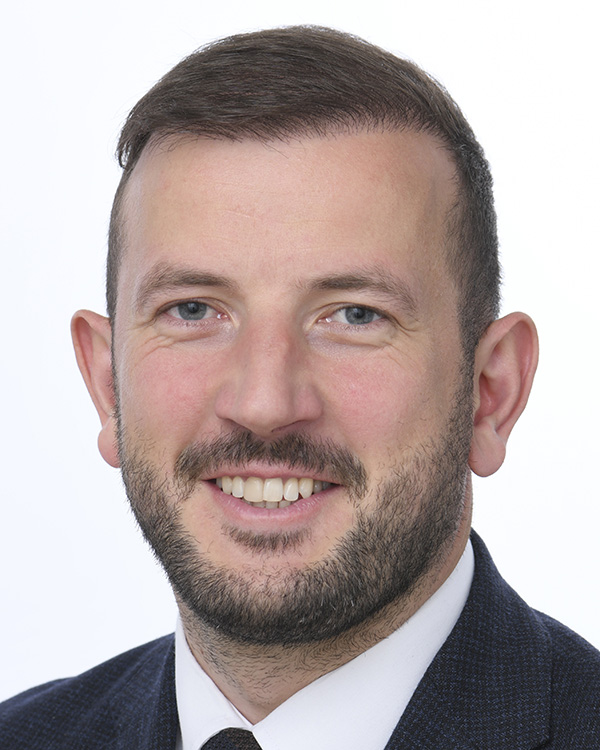






| Rank | Name | Country | Group | Speeches | |
|---|---|---|---|---|---|
| 1 |
|
Lukas Sieper | Germany DEU | Non-attached Members (NI) | 390 |
| 2 |
|
Juan Fernando López Aguilar | Spain ESP | Progressive Alliance of Socialists and Democrats (S&D) | 354 |
| 3 |
|
Sebastian Tynkkynen | Finland FIN | European Conservatives and Reformists (ECR) | 331 |
| 4 |
|
João Oliveira | Portugal PRT | The Left in the European Parliament (GUE/NGL) | 232 |
| 5 |
|
Vytenis Povilas Andriukaitis | Lithuania LTU | Progressive Alliance of Socialists and Democrats (S&D) | 227 |
All Contributions (206)
Pre-enlargement reforms and policy reviews (debate)
– Madam President, honourable Members, I want to thank you for having added a debate on the Commission’s communication on pre-enlargement reforms and policy reviews. This represents our contribution to the ongoing discussions that should lead to the endorsement by EU leaders of a roadmap for future work on enlargement and reforms by the summer. This is also the first stepping stone towards the reforms necessary to make the EU ready for a larger Union, with a series of in-depth policy reviews to begin in early 2025. Enlargement is in the Union’s own strategic interest. While there are challenges, the benefits of a well-managed enlargement process span across a number of areas: geopolitical, economic, environmental, social and democratic. For these benefits to materialise, both the EU and aspiring Member States must be well prepared, and this requires full and sustained political commitment and engagement – first and foremost from the enlargement countries, but also from the EU itself. With this understanding, the Commission’s communication looks at the implications of a larger EU in four main areas: values, policies, budget and governance, laying the ground for the pre-enlargement policy reviews. The EU must deepen as it widens. We must start preparing today for the Union of tomorrow and use enlargement as a catalyst for progress. While reforms were already necessary, with enlargement they become indispensable – and it is true that there will be challenging discussions ahead, reconciling the opportunities of a larger Union with the challenges it possesses will not be easy. It will require us to be bold in shaping the Europe of the future. But we are not starting from scratch. This is a key message from our communication. First, we have drawn important lessons from previous enlargements. We have redefined our enlargement toolbox, including through our policy of gradual integration. By frontloading certain benefits and obligations of EU membership, enlargement countries can be better prepared for a smoother accession process. Second, let us not forget that enlargement is only one factor determining the future of the EU and its capacity to act. In the last years, the EU has successfully dealt with the COVID pandemic, agreed on Next Generation EU, shown unprecedented unity in the face of Russia’s war of aggression against Ukraine, and effectively addressed the energy crisis. As we improve our policies at 27, we also become better prepared for a larger Union. Third, we must make full use of the untapped possibilities already offered by the Treaties, so the Commission is ready to support those who want to reform the Treaty to make it work better for citizens. And these are the main messages we want to pass through this communication. More will come when we present our in-depth policy reviews.
Interinstitutional Body for Ethical Standards (debate)
– Madam President, dear Members of the Parliament, thank you very much. This debate has shown the importance of the issue, and has shown how seriously this House takes its own mandate and the issue of the ethical conduct of Members representing European citizens. I have attentively listened to those advocating for and those opposing the establishment of the interinstitutional ethics body. I want to clarify that no institution can be outvoted. No institution can be forced to do anything that it does not want. It is a common body which fully respects the autonomy and independence of each institution and its members. And it is also a departure point: we are now starting at eight institutions and bodies, but I count on the European Council joining soon in the next mandate, and the scope and functioning of the body may also evolve with time. Also, the European Investment Bank has expressed interest in joining. The EU ethics body will play a pivotal role in collectively upholding the high standards expected by European citizens and ourselves. Once again, I thank you for your attention and for this interesting debate.
Interinstitutional Body for Ethical Standards (debate)
– Madam President, honourable Members, for all of us, upholding integrity and independence within all European institutions is crucial for maintaining public trust and impartial decision-making. Based on extensive work and contacts with the other institutions, the Commission tabled in June 2023 a proposal for a joint agreement between the institutions to establish an interinstitutional ethics body. To be truly interinstitutional, this body is common and open to all institutions and both advisory bodies mentioned in Article 13 of the Treaty on European Union. The Commission believes that the interinstitutional body will ensure that we have a clear and high standards of integrity and independence for the members of all European institutions, that we all have appropriate compliance mechanisms in all institutions, and that differences between the institutions and the institutional balance established by the founding treaties is respected. Areas where these standards are needed referred to such things like declarations of interest, acceptance of gifts, hospitality or travel offered by third parties, meetings with the interest representatives and their publication or post mandate activities of former members. The negotiating parties have conducted 13 technical meetings and six political meetings, culminating in the provisional agreement presented to you today for endorsement through the vote in the plenary. The Commission approved the agreement during its college meeting on 17 April, and we hope that all other parties to the agreement will finalise their procedures in time for the agreement to enter into force before the European elections in June. While I deeply regret that the European Council is not a party to the agreement at the moment, I am optimistic about their future involvement. The doors remain open and I am confident that the benefits demonstrated by the agreement will encourage the European Council to reconsider its position in the nearest future. Today, Parliament has to decide if it approves the agreement. The Commission hopes that the Parliament will join the agreement and that together we seize the opportunity to send a strong message to Europe that all EU institutions attach great importance to the ethical conduct of members when they exercise their mandate in the interest of the European Union.
Advance passenger information: enhancing and facilitating external border controls - Advance passenger information: prevention, detection, investigation and prosecution of terrorist offences and serious crime (joint debate - Advance passenger information)
– Mr President, honourable Members, I thank you for your contribution this evening. Let me reiterate that this is a good compromise that improves the current situation significantly. The new regulation on advanced passenger information will facilitate the work of border guards and police officers, and will make travelling smoother for passengers. The Court of Justice has set strict data protection requirements that will guide all the process. Once again, I thank the rapporteurs, all MEPs involved and the Council for reaching this political agreement, for prioritising the discussions on the text and carrying out constructive negotiations. It’s time to support these improvements. We are ready to ensure their timely implementation.
Advance passenger information: enhancing and facilitating external border controls - Advance passenger information: prevention, detection, investigation and prosecution of terrorist offences and serious crime (joint debate - Advance passenger information)
– Mr President, honourable Members, also on behalf of the Commissioner Johansson, whom I’m replacing today, I want to thank rapporteurs for their excellent work on the two proposals on advanced passenger information. These new measures will make our Union safer and our borders smarter – objectives that most of us share with conviction. Air carriers will have to collect and transfer API data in a uniform way to all Member States of departure and destination of a flight. Member States will receive consistent API data, ensuring better border management in line with the Schengen Borders Code. When receiving API data before the arrival of air passengers, border guards will be able to pre-check this information against the Schengen Information System and other relevant databases. Pre-checks will allow border authorities to identify passengers not allowed to enter the EU, or passengers using false travel documents. Border guards will be able to focus on those passengers that require further attention, while facilitating the travel flow for the others. Therefore, border guards will be better prepared for the high-risk cases and travellers will save time. This is a clear win-win solution. By adopting the new regulations, we will be upgrading the 20-year-old API Directive, one of the priorities of the 2020 Security Union strategy. This upgrade has an important security dimension: it will allow border guards and police officers to close any loopholes that criminals exploit to date. The combined use of advanced passenger information data and passenger name record data will step up the fight against serious crime and terrorism. By analysing these two sets of data together, so-called false positives are usually reduced by half, which allows the police to better target their investigations on persons causing concern. At the same time, the work of air carriers will be facilitated by means of creating a single window – the router that EU agency eu-LISA will provide, to which all API and PNR data will have to be sent. Indeed, the establishment of a central router managed at the Union level is a major game-changer. It will replace the multiple connections between air carriers and the national authorities. It will bring significant efficiencies for air carriers on transfer cost and compliance with reporting obligations. Improved security for everyone, facilitated reporting obligations for air carriers: another win-win situation. In conclusion. I very much welcome the political agreement reached by the Parliament and Council because it is a very good one. It further reinforces the Commission’s initial proposals. It is a good example of productive and effective interinstitutional discussion. You have extended the router to passenger name record data in full compliance with data protection requirements set by the Court of Justice, and enhanced security in full compliance with fundamental rights. I call on you to support this political agreement for a safer Union and for smarter borders. Thank you for your attention.
The anti-LGBTIQ bill passed by the Ghanaian parliament with implications for human rights, freedom of expression and democratic principles (debate)
– Mr President, our debate today illustrates the EU’s commitment to defending human rights as universal values. Ghana has shown a strong commitment to shared interests in a rules-based multilateral order, notably in the context of the Russian aggression in Ukraine, and to values dear to the EU, such as the abolition of the death penalty – an important milestone in Ghana’s support for human rights. Therefore, we cannot but partner Ghana in this commitment and regional leadership and in this respect for human rights, and continue to follow the country on this promising path.
The anti-LGBTIQ bill passed by the Ghanaian parliament with implications for human rights, freedom of expression and democratic principles (debate)
– Mr President, honourable Members, Ghana is a solid democracy, an anchor of regional stability, and has a strong record in terms of protecting human rights throughout its laws and through its practice. Significant steps have been taken in this area. See, for example, Ghana’s decision of last year to take steps towards abolishing the death penalty. However, challenges remain, notably in the area of the protection of sexual minorities. The recent passing in parliament of the Human Sexual Rights and Family Values Act, more commonly referred to as the anti LGBTIQ Bill, is an issue of concern in Ghana, as is the case in any other country on the continent and in the world. In its current form, the bill requires close review in light of Ghana’s international and constitutional human-rights commitments. The constitutionality of the bill has been challenged and it is currently scrutinised by the Supreme Court. It is also to be noted that the bill also still requires presidential assent to enter into force. The president has publicly reiterated his commitment on the respect of human rights, and has expressed his concern to seeing a backsliding on human rights in the event of adoption of the bill. Senior members of the Ghanaian Government have also highlighted the bill’s potential financial consequences and losses for the 2024 budget. We are therefore confident that Ghana will stand firm in the commitments it has made on national and international human rights. The EU, together with Member States, have followed the matter closely since its introduction in 2021. Our position and concerns on the matter are well known and regularly communicated. Ghana has a pivotal role in ensuring regional stability and an increasingly volatile region, marked by spill-over of insecurity from the Sahel to the Gulf of Guinea countries. The European Union has succeeded in further deepening its partnership with Ghana, as it evolved from a strictly developmental partnership to a more political one that is fit to face regional political and security challenges. It is therefore of utmost importance that we remain close and build upon Ghana and use already strong partnership to defend our common values.
The new security law in Hong Kong and the cases of Andy Li and Joseph John
– Mr President, before I begin my speech, let me applaud Members of the Parliament – Reinhard Bütikofer, Mr Castaldo for their constant fight for the human rights and being the champions of defending what is the base of our Union. Thank you very much for that. President, honourable Members, the EU has repeatedly expressed its grave concerns about the national security law that Beijing imposed on Hong Kong in June 2020. Since then, hundreds of opposition politicians, journalists, civil society activists have been arrested. Independent media outlets were forced to close, many civil society organisations disbanded. This has seriously undermined the rights and freedoms of the people of Hong Kong. The new national security legislation that was adopted on 19 March threatens to further accelerate the erosion of fundamental freedoms and political pluralism in Hong Kong. The definition of state secrets found in the new legislation is exceedingly broad, and imports the definitions prevailing in mainland China to Hong Kong. The law features sweeping stipulations on external interference that are likely to affect engagement with international organisations. Other troubling aspects are significantly increased penalties and expanded powers for the police and Chief Executive. A bill including such far-reaching changes would have required ample time to allow for thorough scrutiny. However, the law was adopted hastily, only 20 days after the end of a one-month public consultation process. The High Representative issued a statement on behalf of the European Union on the new legislation on 19 March. All EU Member States supported the statement. This underlines the EU’s serious concerns about this law. The EU will closely monitor the application of national security legislation and the impact on the exercise of rights and freedoms by the people of Hong Kong. The EU office in Hong Kong is closely following the trial against Jimmy Lai and regularly attending court hearings. Andy Li is a key prosecution witness in this case. The EU shares concerns highlighted by the UN Special Rapporteur on Torture that evidence against Jimmy Lai may have been obtained by torture. These allegations should be investigated thoroughly and transparently. The EU office in Hong Kong also regularly attended the trial against Joseph John, including the sentencing two weeks ago. Joseph John is a holder of a Portuguese passport and Hong Kong identity documents. He was arrested by the Hong Kong National Security Police on 1 November 2022 and sentenced to five years under the national security law for incitement to secession on 11 April. This case is another example of the harsh restrictions of freedom of expression in Hong Kong.
The proposed repeal of the law banning female genital mutilation in The Gambia
– Mr President, honourable Members, following nearly two decades of dictatorship, The Gambia has presented a positive story since it returned to democracy in 2017. It has demonstrated a commitment to defending human rights and multilateralism, with the UN at its core. It has voted in solidarity with Ukraine. It has been at the forefront of many human rights battles, including the Rohingyas in Myanmar. It is a respected member of the United Nations Human Rights Council. In this positive context, the bill to repeal the ban on female genital mutilation, suggested by an independent National Assembly member, casts a shadow over the reputation of The Gambia. However, it should be made clear that this initiative does not come from the government. The EU has already taken steps to discuss with the Gambian authorities in quiet diplomacy. We have shared our concerns and passed strong messages through our EU Ambassador, as well as through the EU Special Representative for Human Rights. While respecting alternative cultures and traditions, the EU is against all gender-based violence. The EU has convened the view that legal protection of young women provided for by this 2015 law should not disappear. If it did, it would represent a substantial setback for the status of women in the country. The Gambian Government, from all our contacts, shares our concerns, and there is much hope that the National Assembly would vote against this initiative. The matter needs to be approached in a way that is sensitive to local politics. Much needs to be done to avoid reinforcing the position and arguments of the bill sponsors, who often present themselves as defenders of The Gambia’s traditions and culture against the influence and interference of foreign actors. We need to move forward in a way that bases our approach firmly on the commitments already made by The Gambia and its leaders. Of course, we will continue to broaden our outreach to key political actors in the National Assembly, which is currently examining the proposal at the committee level. We will continue to encourage The Gambia based on its commitments to reject these proposals.
Azerbaijan, notably the repression of civil society and the cases of Dr Gubad Ibadoghlu and Ilhamiz Guliyev
– Mr President, the rule of law and human rights are at the core of the EU’s relations with Azerbaijan, and it will continue to be an important part of our dialogue. We have repeatedly raised our concerns about the intensification of persecution against civil society and independent media in Azerbaijan, which we see as an attempt to intimidate and silence dissenting voices and suppress freedom of expression. Today, we are focusing on two cases of detention on politically motivated charges, but repression against many dissident voices in Azerbaijan continues. Dr Gubad Ibadoghlu is a well-known Azerbaijani economist, political opponent and vocal critic of the government, who has been held in pre-trial detention since July 2023. Mr Guliyev is a political activist who has been in pre-trial detention since December 2023. Since November 2023, we have seen several waves of arrests of independent journalists and political activists affiliated with a number of media outlets and non-governmental organisations. At least 16 people have been detained, among them Ilhamiz Guliyev. Since the last debate in this Chamber and the resolution adopted on Dr Ibadoghlu, we have repeatedly raised our concerns on the rights of detained persons, including their access to medical assistance, independent doctors and the International Committee of the Red Cross, both in direct contact with the authorities and in public statements. We continue to call on Azerbaijan to uphold its obligations under international law. The EU delegation in Baku also regularly conducts trial-monitoring in politically motivated cases like those of Dr Gubad Ibadoghlu, political activist Ilhamiz Guliyev, seriously ill journalist Alasgar Mammadli, public activist Baxtiyar Haciyev, and others. It has also repeatedly requested to visit Dr Ibadoghlu and other prisoners. Civil society organisations in Azerbaijan are operating under difficult circumstances. Support for these organisations is and will remain a key priority for the European Union, with currently more than EUR 12 million in assistance. We also continue to call on the authorities to allow civil society organisations to operate freely in the country. Human rights, the rule of law and civil society remain a priority in EU-Azerbaijan bilateral relations. So, therefore, we will continue to call on Azerbaijan to adhere to its obligations under international law, including international human rights law.
Recent attempts to deny dictatorships and the risk of Europe returning to totalitarianism (debate)
– Mr President, when confronting totalitarianism, we must combine vigilance with mindfulness. The rejection of the totalitarianism in our past and the evils that it led to inspire our Union and the values which bind us. So we must recall these truths of history to brace ourselves for the challenges of the present and future. As politicians preparing for elections, we need to embody our values and show they work for citizens. We need to stand for the values of democracy, fundamental rights, and the rule of law – not only through our words, but through our conduct in these coming elections. This month, the Commission welcomed the commitment of European political parties to adhere to the code of conduct to support transparent and fair campaigning in the 2024 European elections. We urge all political parties and candidates to adhere to this and to work to ensure that, irrespective of the election result, Europe will continue to stand true to its fundamental values: democracy, rule of law, equality and fundamental rights.
Recent attempts to deny dictatorships and the risk of Europe returning to totalitarianism (debate)
– Mr President, honourable Members, the values set out in the EU treaties are neither theoretical nor optional. They are the essential condition upon which our democratic and pluralist societies are founded. The EU was built on the ashes of World War Two, and it was designed also to counter totalitarian tendencies. According to Hannah Arendt, the features of a totalitarian regime include a government characterised by a single-party dictatorship that seeks total control over every aspect of society and the individual, including politics, economy, culture, education and even thought. She highlighted the use of terror, propaganda, mass surveillance and ideological indoctrination as key mechanisms through which totalitarian regimes maintain power and suppress dissent. The EU and its Member States are strong democracies with laws and freedoms, but democracy needs nurturing. The enemies of democracy try to undermine it, weaken it, or even destroy it, and they use a variety of methods, traditional and modern, including foreign interference, disinformation, corruption, or hybrid threats. The Commission has worked with the European Parliament and the Council to develop a set of legal instruments and policy initiatives to promote and protect the EU common values and fundamental rights. The Russian war against Ukraine and the Middle East crisis remind us that peace cannot be taken for granted. It reminds us of the evils that result from politics built on aggressive, expansionist extremism and ideologies of intolerance and hatred. When our values are placed in doubt, fear becomes the driving motive. We should not respond to this fear by lecturing citizens or ignoring their concerns. We have to try to understand the reasons, address challenges and propose better alternatives. Countries like Russia have increasingly sought to undermine our democracies and promote fear. But we are not defenceless. On the contrary, the European Democracy Action Plan set out a comprehensive list of concrete measures to harden our democracies to these attacks and challenges. The Commission put forward initiatives that range from regulation on political advertising to measures to protect journalists and prevent strategic lawsuits against public participation. Our new digital and media regulation, including the Digital Services Act and the European Media Freedom Act, aim to support a resilient and diverse media landscape that strengthens our democratic space and public trust. I would like to thank this House for your support for these files. Supporting the work of the civil society organisations and independent experts is essential to democracy and for remembrance of our totalitarian past. Civil society deserves the role it gained in the Anti Disinformation Code, along with the online platforms and other digital companies. In December 2023, the Commission presented the Defence of Democracy package. It includes a directive for transparency standards for interest representation activities on behalf of third countries that will shed more light against hidden foreign interference, and a recommendation on inclusive and resilient elections. In the joint communication on ‘No place for hate: a Europe united against hatred’, the Commission reiterated our commitment to step up EU efforts to fight hatred in all its forms, and this includes remembrance of our totalitarian and authoritarian past and its victims. The core EU framework for a strong common response to racist and xenophobic hate speech and hate crime is the 2008 Framework Decision on combating racism and xenophobia. Under this, Member States are obliged to penalise public incitement to violence or hatred. Knowledge of the crimes committed by totalitarian regimes is also key to a healthy debate based on facts. That is why every year we mark 23 August, our Europe-wide day of remembrance for the victims of all totalitarian and authoritarian regimes. To support awareness and debate, the Commission has introduced European Citizens’ Panels on tackling hatred in society. We also have a programme which supports remembrance actions on the causes of totalitarian regimes, in particular Nazism, but also fascism, Stalinism and totalitarian communist regimes. Young people should also become aware of their common history and values as the foundation for a common future. Through Erasmus+ and the European Solidarity Corps, we promote activities aiming at promoting European values and combating all forms of discrimination and intolerance. European heritage dates can also raise awareness on totalitarian regimes. The Commission is co-financing these open calls with the Council of Europe and providing grants to inspiring projects promoting historic literacy. Ladies and gentlemen, protecting European values and rejecting authoritarianism and totalitarianism require a concerted effort by everyone.
The attack on climate and nature: far right and conservative attempts to destroy the Green Deal and prevent investment in our future (topical debate)
– Mr President, honourable Members, thank you very much for this debate, which is very timely ahead of the European elections. Let me use this opportunity and address at least some of the more concrete issues you raised during this debate. First of all, as regards Ms Bentele, Mr Canfin, Mr Liese, you all said, and it is absolutely true, that the most of the Green Deal legislation was approved in this House by a large majority. The Green Deal achievements of this mandate are our joint achievements, and we should say this loudly and clearly. But the reality is that there are also important pieces in this puzzle still missing, and without these pieces, like the Nature Restoration Law, we will miss crucial tools to meet the binding targets we have jointly agreed and subscribed in the EU Climate Law. We would discard an indispensable instrument that can help us becoming more resilient towards the devastating effects of climate change. So I therefore urge Member States to now fully take their responsibility and get this law over the finishing line. Unfortunately, many interventions today show that we still tend to overlook the value of nature. Let me recall some additional figures and facts. In 2019, the economic value provided by the wider set of ecosystem services in the EU amounted to EUR 243 billion. The UN calculated that losing the benefits provided by the healthy ecosystems could cause a decline in global GDP of USD 2.7 trillion annually by 2030. And finally, the European Central Bank points out that nearly 75% of all bank loans in the euro area go to companies that are highly dependent on at least one ecosystem service, and severe losses of functionality in those ecosystems would cause critical problems for those companies. No, climate and biodiversity policies are not a threat to our economies, but quite on the contrary, the cost of clean-up, for example, of the Slovenian floods, stands at over 16% of Slovenian GDP: 16%! So more than a tenth of what Slovenians earn altogether had to go to clean up damages of the event that may well be repeated. These are concrete reminders of the costs at stake. These are real figures, and behind these figures there are these are real people whose lives are affected. Let me also say a few words on farming because this is also extremely important. But listening to claims that farmers were protesting against the Green Deal means not listening to farmers demands, because if you look concretely at what farmers asked, there were demands concretely going as regards the common agricultural policy and Gaia-X implementation and trade measures, which if we implement the Green Deal and if we ensure that the Green Deal is implemented outside the EU, the farmers will have a level playing field. When it comes to CAP, let’s not forget that the CAP, which was finalised in this mandate, was proposed by the previous Commission, so it is way behind the Green Deal was actually introduced. Let’s be clear. Let’s listen to our farmers demands, and try to implement the exact steps needed so that they would be competitive, that they would receive a fair price for their hard work. That’s the core of the Green Deal. The Green Deal does not go against the farmers’ interest. On the contrary, if there is no clean water, if the ecosystem is degraded and the soil is not fertile, we won’t have any farmers, and that would be the biggest disaster. Dear Members of the Parliament, once again, thank you very much for this encouraging debate. The last European Council adopted extremely important points on supporting Europe’s competitiveness. Nevertheless, the Green Deal is recognised that it ensures competitiveness of EU industry and increases Europe’s energy independence and resilience. So the Commission looks forward to continuing cooperation with the European Parliament and all its Members, both in this mandate and the new one to come, because we are committed to finding the best solution for European citizens and European businesses.
The attack on climate and nature: far right and conservative attempts to destroy the Green Deal and prevent investment in our future (topical debate)
– Mr President, State Secretary, honourable Members, the European Green Deal was originally designed as a growth and innovation strategy from the start and it continues to be an essential driver for securing lasting prosperity. We remain committed to our climate and environmental objectives, because becoming more resource-efficient and energy-independent makes Europe stronger in the face of geopolitical tensions and challenges, such as energy market volatility, while preserving the results of decades of social development. Individual citizens and communities are increasingly exposed to natural disasters and health risks and energy prices have soared because we were too dependent on energy from important fossil fuels. Therefore, slowing down our efforts is not an option, as the cost of inaction would be disproportionately high compared to the investments needed to act. The figures prove this: the EU reduced its greenhouse gas emissions by 32.5 % in 2022 compared with 1990, while its gross domestic product grew by 67 % over the same period. Environmental policies have been wrongly portrayed as exacerbating social divisions and leading to decreased EU competitiveness. However, the transition to sustainability and trying in the European Green Deal remains the only viable response to the undeniable reality – and this reality is that extreme weather events resulting from intensifying climate change, critical changes in Earth systems, pollution and degradation of natural ecosystems pose significant risks to our well-being. This assessment comes straight from the business community and it is supported by the annual risk report of the World Economic Forum. We also have strong support from citizens. According to the 2023 Eurobarometer, 93 % of Europeans believe climate change is a serious problem facing the world and over half think that the transition to a green economy should be sped up. Doing nothing and waiting is not an option. The cost of inaction would be simply too high. And according to the climate risk assessment, a conservative estimate is that climate change-related impacts could reduce EU GDP by about 7 % by the end of the century. What about biodiversity? Biodiversity loss is one of the biggest threats to agricultural production and food security and it also affects climate, our health and water security. Nature is our first ally and nature-based solutions are the most efficient way to face the increasing risk from climate change. And they are very cost-efficient solutions. From the beginning of this mandate, the European Green Deal has tackled the interlinked risks of climate change, biodiversity loss and pollution. It has set in motion the transformation of our society and economy to make it more modern, resource-efficient, climate neutral, resilient, prosperous and competitive. Honourable Members, the handprint and contribution of the European Parliament to the vision and concrete legislation of the European Green Deal has been of utmost importance. The set of policies and regulation adopted over the last four and a half years provide clarity on the direction of travel for the EU’s green transition. We hear prominent European industries and companies are making strong calls to strengthen the industrial dimension of the European Green Deal and better promote industrial competitiveness. The Commission agrees. Climate neutrality by 2050, increased competitiveness and resilience of our industry and a transition that is socially fair and inclusive go hand in hand. The economy and the environment cannot be disconnected one from the other and we need robust productivity to ensure public services can be financed. Competitiveness, sustainability and social support go together. We are fully committed to supporting citizens and businesses in this transition. The recent simplification proposal in implementing the Common Agricultural Policy, or the ongoing work to reduce the administrative burden of companies, are examples of how we support the implementation in light of evolving circumstances. We also work together with Member States to support them in addressing skills gaps, ensuring people have the skills required for the new technologies. Implementation is the key word for the next years. The first fruits of EU actions are already visible, for example, the value of the EU’s net-zero start-ups ecosystem in 2021 is over EUR 100 billion, doubling since 2020. Renewables provide 45 % of our power in 2023. Over 1.5 million electric vehicles were sold in the EU in 2023. The EU budget 2021-2027, including both the Multiannual Financial Framework and the NextGenerationEU instrument, are currently projected to contribute almost EUR 600 billion to climate action and 7.5 % of the EU budget in 2024 and 10 % in 2026 and 2027. They are also dedicated to biodiversity objectives. At the same time, we will continue to develop strong partnership with like-minded partners while ensuring security of our energy systems and supply chains and reducing external dependencies. We need to listen. We need to talk to each other. We need to avoid polarisation that creates divisions amongst us. We may not convince each other on all points, but we need to cooperate sincerely and find compromises that take us forward. European citizens, they ask that their politicians take a longer-term perspective, while ensuring the competitiveness of European economy and supporting the vulnerable groups within society. This is what the European Green Deal is about.
Packaging and packaging waste (A9-0319/2023 - Frédérique Ries) (vote)
– Madam President, honourable Members, let me begin by sincerely thanking everyone involved and in particular the lead rapporteur, Ms Ries, with her shadow rapporteurs, as well as the rapporteurs in the three associated committees. The text of the new packaging and packaging waste regulations represents a balanced package of measures. This outcome of negotiations will contribute significantly to reducing packaging waste and promoting the transition to a circular economy in the European Union. It will also largely harmonise the conditions for placing packaging on the EU market. Naturally, in view of the broad scope of application of this legal act, there will be a need for follow up work to ensure its smooth and pragmatic implementation in the interests of the public authorities, operators and citizens. Let me be very clear that the Commission stands ready to make every effort to support the implementation of the rules agreed by the co-legislators and ensure that they deliver economic and environmental benefits on the ground. In the past weeks, specific concerns about the economic constraints and environmental issues were brought to our attention regarding the reuse targets for transport packaging. These concerns are related to the feasibility of achieving a 100 % reuse of pallet wrappings and straps – and indeed, based on the impact assessment carried out, the Commission did not include such a requirement in its proposal. In the light of the concerns and calls for action, I confirm that the Commission will launch an assessment of this issue by the end of this year, and address it as a matter of priority upon the entry into force of the regulation. To this aim, the Commission will adopt, without any delay, a delegated act to exempt plastic pallet wrapping and straps from the scope of paragraph 2 and paragraph 3 of Article 29, provided the assessment concludes that the conditions laid down in paragraph 18 thereof are fulfilled. So, to conclude, the replacement of the old directive by a modern regulation with predictable, meaningful and harmonised rules is urgently needed in the interest of the environment, but also for the EU economy and internal market.
Industrial Emissions Directive (A9-0216/2023 - Radan Kanev) (vote)
– Madam President, honourable Members, the Commission is acutely sensitive to the importance of this law for livestock farming communities. So, the revision represents a major simplification and burden reduction opportunities for farmers. Only the 30% of the largest industrial-scale pig and poultry farms would be in the scope of the revised directive, with the 70% smaller pig and poultry farms, all cattle farms, as well as all organic pig farms out of the scope. The standards for pig- and poultry-rearing will defined in direct cooperation with the sector and farmers will have a long time to adapt, as the requirements will only become applicable between 2030 and 2032. The Commission will report by the end of 2026 to the European Parliament and the Council, including regarding potential measures and imported products. Honourable Members, let me be very clear: farms differ in their size, origins of their emissions, and means and resources to reduce such emissions in comparison to industrial installations. Due to the disparities between the industrial and the agricultural sector, and in light of the report, the Commission will evaluate the interplay with other agricultural legislation and will endeavour to separate the directive into two respective legal instruments. Turning now to the industrial side of the directive, this revision is key to support the green and digital transition of industry, ass the trilogue agreement provides for key flexibilities to test and deploy innovative techniques and for incentives to deploy net-zero technologies. It establishes an electronic permitting system, promotes hydrogen production, and provides a clear governance for key metals, mining and giga battery factories. So the trilogue agreement also includes a new derogation possibility for cases of big crisis, such as COVID or war in Ukraine. To conclude the revision, it’s urgently needed to build a predictable and simplified regulatory environment, favourable to investments, contributing to use clean and circular economy objectives.
Protection of journalists and human rights defenders from manifestly unfounded or abusive court proceedings (A9-0223/2023 - Tiemo Wölken) (vote)
– Mr President, Members of the Parliament, the Commission takes note of the rules on international jurisdiction and applicable law the European Parliament proposed in its mandate for the negotiations on the proposal for a directive on protecting persons who engage in public participation from manifestly unfounded or abusive court proceedings. The Commission agrees on the importance of rules on jurisdiction and applicable law in the context of a comprehensive protection against abusive litigation in SLAPP cases. For this reason, in its recent legal studies on the Brussels Ia and Rome II Regulations, the Commission has specifically addressed these SLAPP-related matters. However, such changes should be made in the horizontal Regulations covering international jurisdiction and applicable law to avoid a fragmentation of these rules across various instruments, and they should be proposed with a careful assessment of the impact of such changes. Consequently, the Commission will continue the already-ongoing review process concerning the Brussels Ia and Rome II Regulations. It’s the firm intention of the Commission to issue application reports on both these instruments with a particular focus on SLAPP in the near future in order to facilitate the political decisions on their revision.
Water crisis and droughts in the EU as a consequence of the global climate crisis and the need for a sustainable, resilient water strategy for Europe (debate)
– Mr President, honourable Members, first of all thank you very much for this lively debate, which shows once again the importance of this topic. It also reflects the complexity – and there are no easy solutions – but thank you very much for a very clear call for a new EU Blue Deal. Let me just reiterate that the initiative that we will put forward will, first of all, focus on a number of immediate actions that can be taken by the current Commission, while also mapping the key issues and launching a public debate. However, this will not prejudge the political choices that will have to be made by the new college as from the autumn of 2024. The aim of the Water Resilience Initiative is, first of all, to take stock of the main water challenges and opportunities faced by the EU and outline a series of immediate actions, as well as to include the stakeholders, involving EU institutions, Member States, relevant stakeholders, local and regional authorities, private sectors, NGOs and academia but also, most importantly, keeping the political momentum. So the debate in this House is extremely important to keep that momentum going. The initiative now is being developed around the three key objectives: protect and restore the water cycle; towards an EU water-smart economy; and clean water and sanitation for all. This is with three enablers: governance, finance and investment; research and innovation; and an international section. For each we are in the process of identifying concrete, immediate actions that can be taken by the current Commission, as I have said. Now, there was also an important question as regards the data. So, absolutely, the Commission of course uses the data and we base our recommendations, our further work, on the data that the Member States feed to the Commission, and then that data, of course, is used by the Environment Agency. Our planet is the engine of the water cycle, and we have to look after this engine. If we want adequate supplies of clean water, we need to nurture and restore the ecosystems that purify water and hold it in store – not just our soils and our forests, our rivers and wetlands, but our marine waters too, where coastal communities depend on non-polluted water for fisheries, aquaculture and tourism. Success will depend on scaling up action and funding to create a water-smart economy which optimises the use of scarce resources, meeting the needs of current and future generations. In agriculture, this means a more efficient use of water, wastewater reuse, soil management and vegetation cover, drought resistant crops and restoration of damaged areas. In energy and transport, it means preparing for disruptions to hydropower, plant cooling and waterborne transport. For drinking water, it means promoting leakage reductions with additional supply infrastructure as a last resort. Adaptation solutions will be required in every aspect of life, in every sector, on every time scale. Nature-based solutions are particularly well-suited for climate resilience to water impacts, and where that’s not feasible, let’s opt for hybrid green-grey solutions. Lastly, we need wider recognition of the fact that water is a public good, so more must be done to deliver on the human right to safe drinking water and sanitation in the EU and globally. To achieve it, we need strengthened governance of water resources, increase awareness, to promote research and innovation, including digital solutions, and, of course, mobilising increased public and private funding. These investments must be part of the comprehensive strategic vision and hence the need for a water resilience agenda. The support of this House is going to be essential and crucial for delivering this agenda.
Water crisis and droughts in the EU as a consequence of the global climate crisis and the need for a sustainable, resilient water strategy for Europe (debate)
– Mr President, honourable Members, let me welcome the strong involvement and frequent debates of the Parliament on the topic of water. It is a vital issue because five of the last six years in Europe have been exceptionally dry, and this has caused significant economic damage to agriculture, energy and inland navigation worth some EUR 9 billion every year, and the latest climate projections suggest that, in the extreme scenario of 3°C of warming, the resulting damage could cost up to EUR 40 billion per year. The water emergency in parts of Spain and other parts of the EU is a particular cause of concern, but water scarcity is no longer confined to the Mediterranean region. More and more regions of Europe, including even rainy regions like Flanders, now face similar problems, and this new normal includes prolonged droughts followed by devastating floods, sometimes in the same region. In the face of these changes, we need a different approach. We need to work towards a water-resilient Europe, a Europe better equipped to adapt to the water challenges of today and tomorrow, leaving no one behind. This entails a systemic transformation of the way water is managed, used and valued, while always bearing in mind the need to protect nature and ecosystems. This is also a precondition for the Union’s strategic autonomy and its green transition in relation to affordable energy, food security, industrial production and intergenerational fairness. This is one reason why, as announced by President von der Leyen, the Commission is putting forward a water resilience initiative in March. The initiative will combine a series of immediate actions with the launch of a broad, transparent public debate that will involve EU institutions, Member States and all relevant stakeholders such as local and regional authorities, the private sector, NGOs, academia and citizens at large. We know where additional action is needed: the EU has already delivered robust water legislation. If it were respected in full, many elements of the current crisis would be far less pressing. Better implementation of the EU acquis is therefore a top priority. A lot has been done under this mandate to spur further action, improving water quality and water ecosystems, and in particular throughout the biodiversity strategy and the zero pollution action plan. Today, too often we tend to address water scarcity and drought through ad-hoc emergency measures. We need to move to more systemic advanced planning of drought risk reduction. Currently, only 14 Member States have drawn up proper drought management plans, while droughts occur in every EU Member State. In addition to better planning, we also need more accurate data. That is why the Commission founded the European Drought Observatory in 2009 to systematically collect data on water scarcity. Last November, the Observatory published a pan-European drought risk atlas and a pan-European drought impact database, and these new databases map future drought risk and make predictions region by region. However, we need to do more: we need to realise that water quantity and water quality are two sides of the same coin. Success will depend on tackling head on all the pressures faced by our vulnerable water resources, and that means tackling pollution at source, it means reducing the over-abstraction and over-allocation of water. It means safeguarding minimum ecological flows in our rivers, allowing them to provide the ecosystem services that we rely on. It also means combating illegal abstraction with full deployment of technological solutions. We also need to ensure that heavy water users, like the digital and energy sectors, internalise water efficiency and water protection. It also requires more rigorous application of the ‘cost recovery’ principle with water pricing policies based on the ‘polluter pays’ principle. This will incentivise water savings and pollution prevention measures while ensuring it remains affordable to all. In all cases, we should start with efforts to reduce demand. Before looking for fresh supplies, we should start with water efficiency, mirroring the ‘efficiency first’ principle for energy, which now guides business decisions and investments. This is fully in line with the circular economy approach: our collective focus should begin with stimulating water efficiency and water reuse across the lifecycle of processes and products. Leakages and drinking water supply systems must also be addressed. Across the EU, an average of 23 % of treated water is now lost during distribution, and with the new obligations in the recast Drinking Water Directive, Member States have the tools they need to assess leakage rates and develop targeted actions to reduce the losses. The proposal for a recast Urban Wastewater Treatment Directive encourages the reuse of treated wastewater in agriculture, and that should receive an additional boost from the recent entry into application of the Water Reuse Regulation, helping limit freshwater abstraction from surface and groundwater bodies. But legislation alone will not solve these problems, and exit from the crisis will require firm action on many sides, and for that we also need to scale up and upgrade our investment in water. In the current financial period, the European Union has significantly increased its support to help co-fund water-related infrastructure through instruments like the ERDF and RRF. Adapting to the likely scenario of future water scarcity is the smartest economic move, and if we fail to act today, the cost of inaction will be far higher in the future. Adaptation is essential, but we must remain equally committed to climate mitigation. You just had a debate, so today the Commission launched the dialogue to establish an interim 2040 climate target, setting the EU firmly on a path towards climate neutrality by 2050. Honourable Members, let me conclude by highlighting once again the importance of sustainable, resilient water management and of protecting the quality and quantity of fresh water. By increasing the resilience of our water system and the sectors that rely on it, we move away from crisis management and we move towards the proactive management of risks, and that’s the best way to help our citizens today, that’s the best way to help our farmers, and that’s the best way to minimise the risk for the water-stressed citizens for tomorrow.
Implementation of the Common Market Organisation (CMO) Regulation in fisheries and aquaculture - Regulation (EU) 1379/2013 (debate)
– Mr President, dear colleagues, I’ll be very brief. First of all, let me thank Ms Bilbao and the PECH Committee for an excellent report, where we, I think, fundamentally agree on the things that need to be done and need to be improved. So we commit ourselves to further work with all stakeholders along the supply chain to ensure that things are swiftly improved.
Implementation of the Common Market Organisation (CMO) Regulation in fisheries and aquaculture - Regulation (EU) 1379/2013 (debate)
– Mr President, honourable Members, let me start by thanking Ms Bilbao, the shadow rapporteurs and the entire PECH Committee for the work done on this own initiative report, which the Commission welcomes. I’m happy to see that most of your findings concur with the Commission’s own report that we adopted in February 2023. In particular, we both conclude that the Common Market Organisation Regulation generally remains fit for purpose. Allow me to share the Commission’s views. I also agree that the producer organisations play a key role, and that more efforts are necessary to support the implementation and financing of their production and marketing plans, and these remain, of course, a responsibility of the Member States. Nevertheless, the Commission works closely with concerned parties to facilitate the implementation of the plans and provide guidance. I know how important the recognition of producer organisations such as cofradías and Prud’homies is for you. Cofradías and Prud’homies are welcome to adapt their structures in line with the rules. And in all my meetings with fishing communities where this issue was raised, I have always reiterated the Commission readiness to assess in that process. Regarding the difficulties for small-scale producers to set up producer organisations. I can reassure you that the national programmes under the EMFAF address these challenges, and the Commission continues to provide guidance here. On your call to improve marketing standards and consumer information, I fully agree that proper labelling is essential for the trust of consumers. A better consumer information relies on three elements. First of all, full traceability. Here, the timely implementation of the new Fisheries Control Regulation is crucial. Secondly, compliance by Member States with the regulation on the Common Market Organisation. And this is an area which we will prioritise in 2024. And third, consumer rights to an informed choice. Here we will work in 2024 towards a methodology to score some sustainability aspects for fisheries and aquaculture products. The report also mentions the need to include marketing standards in measures adopted in regional fisheries management organisations. Unfortunately, marketing standards are not covered by these organisations, but conservation and other control measures are in place to ensure sustainable fisheries. The report highlights the need to increase the use of quality schemes and to have a greater variety of quality schemes. The Commission, however, thinks that there is no need for more quality schemes, as the existing types seem to be wide enough to promote the specificities of European fishery and aquaculture products, and the best example is in the context of the quality scheme of the geographical indications, which increased by 240% over the last decade in the EU. However, I can agree with you that the producer to obtain a quality scheme needs to be improved. So therefore, the Commission adopted a proposal in March 2022 to revise the Geographical Indications Regulations. The report also includes a call to forbid the use of the word fish, or the name of fish species for plant-based products. The current EU rules already provide a solid framework to ensure that consumers are not misled. Regarding the mechanism to trigger financial aid under the Regulation on the Common Market Organisation in the event of a crisis, let me recall that crisis support already exists under the EMFAF. The Commission closely monitors market development and the continuing conditions to trigger it. So thank you for your attention and thank you for this excellent report.
EU Action Plan: protecting and restoring marine ecosystems for sustainable and resilient fisheries (debate)
– Mr President, Members of the Parliament, thank you very much for this enriching debate, which has helped us to clarify and share our views regarding the action plan, but also reaffirm once more that we all want to remedy the negative environmental impacts, because the future of our fisheries will depend on our ability to react and adapt. And let me now come to some points that you have raised. First of all, on impact assessment, the action plan is not a legal proposal. In addition, it is based on existing legislation, which impact assessments have been done and they were being adopted. Finally, the design and implementation of the measures is left to Member States, so they are best placed to judge what is needed and what the impact will be, and on that basis, ensure a balanced approach. It also has been explained on multiple occasions that the action plan does not intend to impose any legal measure. The action plan simply calls for a renewed political commitment to make the measures work involving the Commission, Parliament, the Council and Member States. It presents the CFP regionalisation process as the right framework for the measures proposed to be implemented. In addition, the Technical Measures Regulation also places the regionalisation in a privileged position. On bottom-trawling, again, we had a multiple exchanges on that, we’ve heard it quite a few times today. Dear Members of the Parliament, we need a transition to better protection of the seabed, including through the less damaging gears, but also to gears to ensure less fuel consumption. Because when the Russia attacked Ukraine, our fishers were left without income. Why? Because of their dependence on fossil fuels. And the fishing techniques that they are using today are unfortunately heavily dependent on fossil fuels, and we cannot keep them in this position where the whole livelihood, the income of their families, would be busted due to events happening in the world. We need to protect them and this is essential. The last thing on dialogue, you know, I myself, throughout this mandate, have visited all sea basins. I’ve talked with different communities in different parts of Europe, talked with the fishers from the Mediterranean to Baltic, Bay of Biscay even, a few times. We’ve been constantly involving fishers in this dialogue. I have accepted them on multiple occasions in Brussels. We had challenging times, starting the mandate with the Brexit issue and going through the COVID-19 crisis, and also, as I’ve said, Russia’s war against Ukraine. On all these occasions, I always had the privilege to meet the fishers and answer the questions about their future, and I will do so, same as you, Members of Parliament. So, you know, to say that there was a lack of dialogue is absolutely not true. We have been always involved and they were part of the dialogue as regards the action plan. The last thing, on the Bay of Biscay, as I see Mr Bellamy is still in the room, the very important thing to take from the Bay of Biscay, I think we don’t need to wait for national courts’ decisions to implement EU legislation, because when the national court decisions are announced, unfortunately it’s too late. I think we can prevent such things from happening and then ensure the livelihood of the fishers in different sea basins across Europe. Dear colleagues, in conclusion, the principle of regionalisation is the right framework to implement measures proposed in the action plan, so therefore it should be fully used to implement necessary measures to protect habitats and species. If we want the EU to continue being a leading actor on global marine conservation, we need to lead the transition to sustainability. So the benefits that ocean provides will be enjoyed also by the future generations, including future fishers. I count on the commitment of this House to work jointly with the Commission in the pursuit of the biodiversity goal, so we can offer our citizens the highest standards of marine conservation and supply of high-quality seafood, while ensuring the livelihoods of European fishing communities also in the future.
EU Action Plan: protecting and restoring marine ecosystems for sustainable and resilient fisheries (debate)
– Mr President, honourable Members, first of all let me thank the rapporteur, Mr Herbst, the shadow rapporteurs and, of course, the European Parliament, for this report and for their contributions to the discussions on the Marine Action Plan. It is important that these discussions are taking place publicly as they touch upon fundamental questions on how we see the future of our fisheries sector and of the natural resources on which this sector fully depends. Thanks to our common fisheries policy, we have already seen good results regarding the sustainable exploitation of commercial fisheries species. Fishing at a sustainable level clearly pays off economically, and this is a collective achievement. First of all, due to the hard efforts of our fisheries across Europe – of which, of course, we can all be proud and which should encourage us to continue our efforts so that we can achieve such positive developments in all situations. But fishing at sustainable levels will not be enough to keep fisheries economically viable. We must go beyond, and also look at how we can better preserve the ecosystems that allow fish stocks to thrive. Of course – let me be very clear about this – the degradation of the marine ecosystem is not provoked by fishing alone. This is why we are always looking at the ocean in a coherent and comprehensive manner, asking all sectors, all stakeholders, to step up and do their part. We know that our fishers cherish the sea. They are the guardians of the sea and we respect the role. The Marine Action Plan is a part of the Fisheries and Ocean Package, which, as you know, looks at all challenges affecting Europe’s fisheries today. The state of the marine ecosystem depends on the need to ensure a level playing field within and outside the European Union, the dependency on fossil fuels and generational renewal. It is all about increasing resilience, and restoring biodiversity is one of the ways to make the fisheries sector more resilient, so that our fishermen and women can continue providing high-quality seafood. This requires actions not only at EU level but also globally to enhance environmental standards at international level. In the Marine Action Plan, the Commission focuses on marine protected areas. When successfully implemented, marine protected areas offer large socio-economic benefits, especially for coastal communities and sectors like fisheries and tourism. Your report calls for scientific studies regarding the establishment of marine protected areas. When preparing this action plan, the Commission based itself on scientific data, which is why we proposed a targeted regional approach adapted to the specific needs, realities and challenges in each region. We do not want a one-size-fits-all approach. We want regionalisation to work, and it starts to work – not as effectively as we, of course, have hoped for, but we have continued to firmly believe that this is the right way to go. That’s why our Marine Action Plan calls on Member States to step up their efforts. Let me come back to the importance of science. Scientific studies show that increasing mesh sizes and minimum landing sizes enable the youngest fish to remain in the water, therefore increasing the chances for fish populations to reproduce. The action plan includes specific measures in that regard. We want to encourage and finance more work and studies to design the most suitable management options, which can lead to healthier fish populations that will bring higher yields per fishing trip and allow reducing fuel consumption. Again, the action plans include specific measures in that regard. Concerning eel protection, we are on the same line and continue to count on your support. The Eel Regulation needs to be fully implemented to ensure an effective protection of this iconic species. Finally, let me also say a few words on bottom trawling, which we have discussed extensively over the last year and which is only one area we address in our action plan. We do not propose a blanket ban on bottom fishing or any other technique, but we remain convinced that we need to move to less-damaging fishing techniques where possible and encourage massive innovation in this regard, funded for our fishers. Some of those techniques, they are already available and they are ready to be deployed more widely. Honourable Members, I would like to thank you once again for the open and frank discussions we have had over the last year. A lot of follow-ups remain to be done, but I am convinced that with a constructive approach and close cooperation among all institutions and stakeholders, we will manage to make progress. The biggest winners of that are going to be our fishers and coastal communities across Europe. Thank you for your attention.
Implementation of the Common Fisheries Policy and future perspectives (debate)
– Mr President, honourable Members, it was a truly rich debate, and, of course, thank you for the variety of views that you have expressed. Let me react to some which I found most important, which were repeated by a few Members of Parliament. First of all, on the reform of common fisheries policy, the existing legislative framework provides the stability the fisheries sector needs. Several challenges have been identified to the successful implementation of the common fisheries policy, and initiatives announced in the fisheries and oceans package address these challenges. So the focus should be now, of course, on implementation and having, ensuring, stability to our fishers. As regards the MSY, where MSY has been implemented, stocks have increased. Catches and incomes are improving and impacts on the marine environment have decreased. Dear colleagues, these are real, tangible achievements which we have set out in our annual communications on the common fisheries policy. Returning back to landing obligation, which I already addressed in my introductory remarks, we need improved control and enforcement at all levels, as now also reflected in the recently revised EU Fisheries Control System, as well as the further use of more selective fishing techniques. The Commission will evaluate the landing obligation. Prior to that, throughout 2024, a study will be carried out to feed into the evaluation, so the Commission agrees that the objective to be reached should be to fish more selectively. Now social pillar, which has been mentioned a lot, and we had constant exchanges, which is absolutely critical for our fishers. The social pillar is crucial. It’s crucial for the fisheries and aquaculture sectors within the context of the common fisheries policy, but also for policymaking and implementation regarding the other blue sectors. So this overarching social objective is key to ensure generational renewal in fisheries. It is also essential for strong and resilient coastal communities. So we of course want to ensure that no one is left behind. And social pillar is a strong key part of the CFP. Very shortly, the Commission launched a new EU-wide participatory foresight project to forecast the role of fishers in the society called ‘Fishers of the Future’. Fishers are facing a multitude of new challenges – climate change, more and more competition for marine space, rising costs and the need to transition to greener energies, amongst others. And this project wants to look ahead and understand how fishers, including the small-scale operators, envisage their future. On small-scale fisheries, which was also mentioned, and Article 17 of the CFP, the Commission is working with Member States and the Scientific and Technical Economic Committee for Fisheries to assess the approach in Member States for allocating their fishing opportunities to ensure the transparency of criteria applied and their conformity with the CFP provisions, and encourages, of course, the use of criteria that can foster sustainable fishing practices and support small-scale and coastal fisheries. The last thing: level playing field. I know this is important, and I can reassure you that this is as equally important to the Commission. Commission is fully committed to further promote a level playing field for EU fishers, where they operate with the third countries’ operators. So the fight against illegal, unreported and unregulated fishing will also continue to be a key priority for us. Dear Members of the Parliament, dear colleagues, trust and engagement between all stakeholders from producers to policymakers is key to achieving our sustainability objectives and to strengthening our open strategic autonomy in the areas of fisheries. This is why we have called on Member States, fisheries stakeholders and the scientific community to join us in a Fisheries and Oceans Pact to reconfirm our joint commitment to fully implement the current policy and to contribute to necessary reflections and assessment of certain elements of the common fisheries policy. And this will then contribute to a discussion between fisheries managers and stakeholders on future-proofing the policy in terms of both social and environmental resilience. So today’s debate has been an important moment in this regard. Thank you for that.
Implementation of the Common Fisheries Policy and future perspectives (debate)
– Mr President, honourable Members, given the cumulative crisis we have been or are still faced with, be it climate change or the loss of natural resources, COVID-19 or the energy crisis, it is our collective responsibility to help the EU fisheries and aquaculture sectors to become more resilient so that they can continue to provide citizens with high-quality food. I would like to, first of all, start by thanking the rapporteur, Mr Mato, and all shadow rapporteurs for the work they have put into this report, and I truly welcome that it acknowledges the importance and the merits of the common fisheries policy and of its main objective to achieve environmental, economic and social sustainability. I agree with you that the compliance and implementation of the landing obligations remain challenging. Your report asked for a socio-economic impact analysis, which the Commission has already carried out in 2022 and which has shown that the landing obligation so far has not had a big impact, including socio-economically, as unfortunately, it is not consistently complied with. Regarding the call to assess alternative ways to minimise unwanted catches, we would first need to know what the upcoming evaluation of the landing obligation bring and, as you know well, the European Maritime, Fisheries and Aquaculture Fund already provides effective support to more selective and less impacting fishing techniques. One point on which the Commission cannot agree is that to decarbonise our fishing fleet, to ensure generational renewal or to increase safety on board, we need to necessarily increase the fishing capacity limits. It is crucial that the size of the fleet remains in balance with the available fishing opportunities if we want to ensure sustainable fisheries management. Besides, several member states have a non-negligible margin between the active capacity of their fleets and their fishing capacity ceiling, and they can – and should – allocate this margin where needed to facilitate the modernisation of the fleet. I have called on those Member States on several occasions to look into this, and I reiterate this call today. Supporting the fishing fleet in its energy transition will remain one of our big joint responsibilities for the years to come. To facilitate this transition, the Commission has already proposed a number of concrete measures under its energy transition initiative, and we have also issued a guide on funding opportunities to support stakeholders in navigating the different types of funding that can be used. The ‘fishers of the future’ project, which we launched last February, will also look at the generational renewal and safety on board. I fully agree with you that the promotion of low-impact aquaculture practices, such as mussel or oyster farming, needs more support. In line with your report, the strategic guidelines on EU aquaculture recognise that future research and innovation is required, in particular on species-specific welfare parameters. The Commission is therefore committed to support such research in the current programming period of EU funds, and will certainly support effective implementation of these strategic guidelines. A number of funding opportunities are available to achieve the energy transition and other objectives under the European Green Deal, including under Horizon Europe and REPower EU, and for that purpose, we also revised the state aid guidelines and ensured the necessary synergies with the European Maritime Fisheries and Aquaculture Fund. Let me also be very clear that the Commission is fully committed to ensure equal treatment of women in the fisheries sector and their improved representation. We have launched a specific call for proposals under the European Maritime Fisheries and Aquaculture Fund to support projects promoting the role of women in the blue economy, the so-called WINBLUE and WIN-BIG. I am grateful to you, Mr Mato, that in your report, you also addressed climate change, and in that context, more specifically, the changes we see in the oceans’ chemistry and temperature. This is a key challenge, and we need to continue to carefully monitor any future developments and take them into account when taking policy decisions. The European Maritime, Fisheries and Aquaculture Fund already helps the fisheries and aquaculture sector to adapt to the consequences of climate change. However, the uptake of the available funds by Member States has, unfortunately, been relatively limited until now. So this needs to change and I count on your support in this regard. Your report also sets out very concrete ideas regarding regional fisheries management organisations, and I can only reiterate the reassurance I have given to you on previous occasions: that the rights of the European Parliament regarding the negotiations within these organisations are – and will always be – fully respected in line with the framework agreement that governs the relations between our two institutions. So, the Commission supports the creation of new regional fisheries management organisations. However, this comes with its own set of political challenges. Of course, the Commission remains fully committed to involve the European Parliament in all future policy developments, in line with our treaty obligations and in line with our agreed better regulations principles, and it will continue to conduct evaluations or impact assessments when preparing new initiatives involving all stakeholders, including our fishers.