

| Rank | Name | Country | Group | Speeches | |
|---|---|---|---|---|---|
| 1 |
|
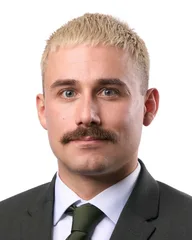
Lukas Sieper | Germany DEU | Non-attached Members (NI) | 390 |
| 2 |
|
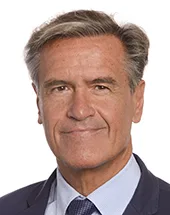
Juan Fernando López Aguilar | Spain ESP | Progressive Alliance of Socialists and Democrats (S&D) | 354 |
| 3 |
|
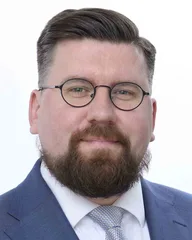
Sebastian Tynkkynen | Finland FIN | European Conservatives and Reformists (ECR) | 331 |
| 4 |
|
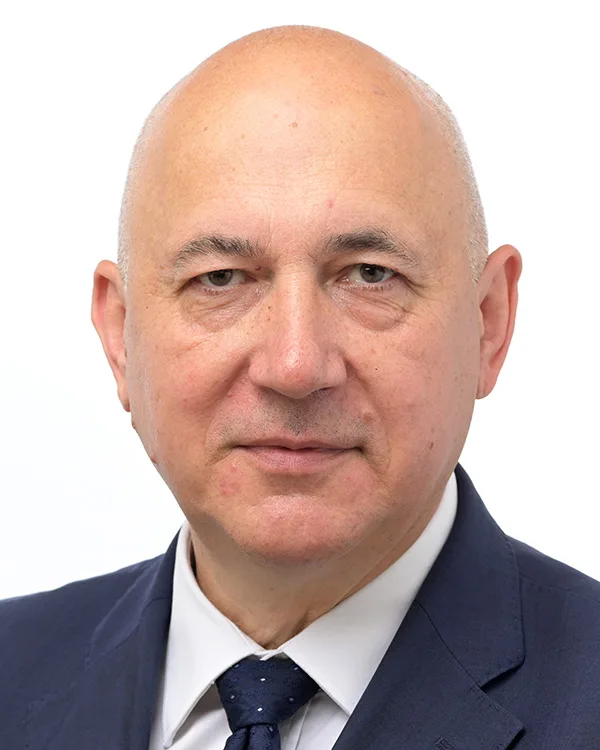
João Oliveira | Portugal PRT | The Left in the European Parliament (GUE/NGL) | 232 |
| 5 |
|
Vytenis Povilas Andriukaitis | Lithuania LTU | Progressive Alliance of Socialists and Democrats (S&D) | 227 |
All Contributions (214)
Presentation of the programme of activities of the Hungarian Presidency (debate)
In what condition the Union is, everyone can see. Its economy is being systematically degraded as a result of the follies of the climate ideology. The Green Deal, migration policy and anti-democratic, treaty-contradictory centralisation pressure are reducing the standard and quality of life of ordinary EU citizens. This state of affairs requires a fundamental change, and it is very good that the Hungarian Presidency has put the recovery of the competitiveness of the EU economy at the forefront of its priorities. A rational revision of climate policy, including emissions trading, deregulation and other actions aimed at increasing productivity and innovation and unlocking the potential of EU citizens, is the right recipe for the crisis in which the EU is plunging. The soteriological fantasies of climatism must be replaced by meticulous calculations and a loss-and-profit account. We want to live closer to nature, we want to breathe cleaner air, we want to protect the environment and the climate, but the way to fulfill these desires cannot be by committing economic suicide. It is high time to step away from the ideological ferocity and return to the common sense that underlies the European Union. Indeed, all the areas identified by the Hungarian Presidency as priorities await this return to common sense. EU agriculture must be seen as a guarantor of food security and not as a carbon-producing force. Cohesion policy must remain first and foremost an instrument for bridging the gap between the richer and poorer regions of the EU.