
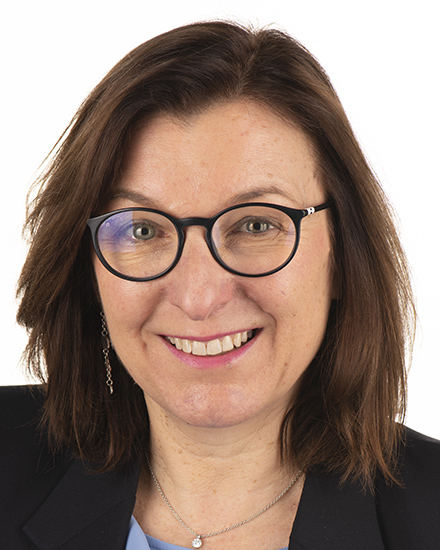


| Rank | Name | Country | Group | Speeches | |
|---|---|---|---|---|---|
| 1 |

|
Lukas Sieper | Germany DE | Renew Europe (Renew) | 487 |
| 2 |

|
Juan Fernando López Aguilar | Spain ES | Progressive Alliance of Socialists and Democrats (S&D) | 454 |
| 3 |

|
Sebastian Tynkkynen | Finland FI | European Conservatives and Reformists (ECR) | 451 |
| 4 |

|
João Oliveira | Portugal PT | The Left in the European Parliament (GUE/NGL) | 284 |
| 5 |

|
Vytenis Povilas Andriukaitis | Lithuania LT | Progressive Alliance of Socialists and Democrats (S&D) | 273 |
All Speeches (111)
Prevention, management and better care of diabetes in the EU on the occasion of World Diabetes Day (debate)
Date:
21.11.2022 18:54
| Language: FR
Speeches
Madam President, World Diabetes Day was last Monday and unfortunately it was an opportunity to highlight the growing number of people suffering from this disease. Despite different initiatives at European level, coordination for prevention and access to care remains limited. This needs to change and that is the purpose of this resolution. But even more so, this resolution contains three important changes. The first is the end of discrimination against people with diabetes. No, a person with diabetes should not be excluded from a profession or course at school because of their illness. The second is access to care and innovation. For this, transparency in the prices of medicines as well as in the use of funds for research is key. The third change called for by this resolution is the transition to a healthy environment and diet. Europe has a major role to play in coordinating Member States’ efforts, for example through the Green Deal and the CAP. Once again, I would like to conclude by pointing out that environmental and health issues are extremely interrelated and need to be addressed together.
AccessibleEU Centre in support of accessibility policies in the EU internal market (debate)
Date:
04.10.2022 10:48
| Language: DE
Speeches
Madam President, Commissioner! To my colleague Katrin Langensiepen: Our group can be proud of the work you do every day in the fight for more inclusion and accessibility in Europe. An EU Accessibility Centre, that was long overdue, because unfortunately I don't know of any country, not even an EU institution, where there are no more barriers for people with disabilities that make their lives more difficult or even exclude them. Indeed, concrete and radical changes must be made quickly if we are to live up to the promise of a more inclusive EU. And we want to! Good words and good sounding strategies are not enough.
European Centre for Disease Prevention and Control - Serious cross-border threats to health (debate)
Date:
03.10.2022 18:01
| Language: FR
Speeches
Madam President, I would like to begin by congratulating my colleagues on their work on these two files, which are the essential prerequisite for strengthening European coordination on health. However, I am divided: For me, the Europe of Health should register in a straight line with citizens, for Europe. They are calling for a social Europe. Yet, once again, the Council and the Commission acted to limit Parliament’s call for more transparency and systematic scrutiny of public money spent. Transparency should not be a battle but an agreed process, and I am annoyed by the fact that our Heads of State, after many requests, do not recognise it. Changing and strengthening Europe is above all about building a Europe we trust, and transparency is essential for that.
Facilitating export of Ukrainian agricultural products: key for Ukrainian economy and global food security (debate)
Date:
06.07.2022 14:04
| Language: EN
Speeches
Madam President, Commissioner, I had also the opportunity to join the mission of the Agricultural Committee to the Polish—Ukrainian border also two weeks ago, and I was impressed by how smoothly things were running. But to be honest, not much was running – almost no grain makes it to the EU borders. But also no one had yet heard of the so-called ‘solidarity lanes’ announced by the Commission; idem for the matchmaking platform supposed to facilitate the export. The cost of transporting the food via new routes and transport modes, in a country under attack, are sky high, and the prices Ukrainian farmers are getting are too low. This complicated issue needs a holistic, strategic approach. If we really want to help save the harvest – which we should focus on right now – the EU needs to think bigger. The solidarity lanes should go from inside Ukraine to their final destination, especially to the countries outside the EU which really depend on these imports.
Objection pursuant to Rule 111(3): Amending the Taxonomy Climate Delegated Act and the Taxonomy Disclosures Delegated Act (debate)
Date:
05.07.2022 17:23
| Language: FR
Speeches
Thank you for that question. First, that instrument, that taxonomy, does not prohibit nuclear power. Secondly, we all agree that nuclear energy is not green and increases our dependence on uranium imports. I do not think there is uranium in France, so it brings massive imports. It is well known that the construction of nuclear reactors takes many years, so will not meet climate objectives at all. By the time they are operational, the deadlines for meeting climate targets will have passed anyway. And thirdly, you know very well that nuclear waste, for which there is still no solution, needs to be cooled for 80 years. So it is not sustainable or ecological either. Indeed, how do you cool waste if not with cold water, which in addition harms biodiversity?
Objection pursuant to Rule 111(3): Amending the Taxonomy Climate Delegated Act and the Taxonomy Disclosures Delegated Act (debate)
Date:
05.07.2022 17:21
| Language: FR
Speeches
Mr President, Commissioner, ladies and gentlemen, we cannot accept the diversion of green investments into unsustainable energies that also benefit Putin’s war. Every euro that flows into the costly construction or endless maintenance of a nuclear reactor will not be invested in renewable energy. Austria and Luxembourg have already announced legal action against this delegated act in case it passes. These governments denounce an inconsistency with several European texts in the taxonomy regulation itself and a clear overstepping of the Commission's powers. The legal arguments are strong and may well succeed. The energy transition is urgent. Why then prolong this debate for years before the Court of Justice if tomorrow we can bring down this delegated act? Colleagues, it is clear that the vote will be tight, and every vote counts. The credibility of our institutions is also at stake. So, support this objection. (The speaker agreed to respond to a blue card intervention)
Mr President, Commissioner, ladies and gentlemen, At first glance, home office seems to be a practical alternative. On the second, however, the many from-home work during the COVID-19 pandemic has had a major impact on the mental health of many. These months have shown the importance of social contacts, work-life balance and the right to disconnect. The digital world of work also includes the group of platform workers, whose work is governed by algorithms and remote management. The result: precarious work orders that lead to performance pressures and financial fears, and a sense of permanent surveillance. All of this can lead to depression or mental illness. It is therefore high time for the European Commission to propose a European mental health strategy that meets the many facets of mental health and takes into account the challenges of the digital world of work.
Revision of the EU Emissions Trading System - Social Climate Fund - Carbon border adjustment mechanism - Revision of the EU Emissions Trading System for aviation - Notification under the Carbon Offsetting and Reduction Scheme for International Aviation (CORSIA) (joint debate – Fit for 55 (part 1))
Date:
07.06.2022 12:19
| Language: EN
Speeches
Madam President, this week will vote on key legislation to reduce emissions and to build a just transition. But let’s be frank, with us and with the citizens: all in all, this package will not allow us to reach our climate targets committed under the Paris Agreement. The Social Climate Fund is a glimmer of hope in this package. In the light of war-driven energy prices, it is more important than ever to share the cost and to make this transition fair. I am therefore pleased that, for the first time, we propose clear EU wide definitions of energy and mobility poverty. This fund will give direct financial support to those who need it the most. And what's more, it will allow Member States to make structural investment in public transport and building renovations to effectively lift households out of poverty and build a more green future. But let me add to this fund should be social, not business-oriented. For SMEs, there are other programmes available, so let's invest here directly in the people and not for the companies!
The impact of the war against Ukraine on women (debate)
Date:
05.05.2022 11:21
| Language: FR
Speeches
Madam President, the situation of women affected by the war in Ukraine must attract our particular attention. Beyond material support, we need to provide them with psychological support to help them cope with the hardships of war. Many women have had to leave their partners, most of them forced to stay on the territory of Ukraine. They left with their children, their parents and sometimes their grandparents. Others find themselves alone in a country that is not their own. It is essential that we give them strong moral support. So we learn every day that some of them, as well as children, have been victims of sexual violence. These war crimes lead to deep traumas that urgently require psychological and medical care.
Madam President, Commissioner! I would like to mention here the so-called new genetic techniques. For organic farmers, the push for deregulation is particularly worrying: They need to remain 100% GMO-free, and so do customers. What is the future for organic farming if GMOs are allowed to flood the market undetected? This should have been addressed in the report. Another aspect that is particularly close to my heart is animal welfare. I hope for broad support for the amendment, which recognises that organic farming is a leader in animal welfare. Of course, animal welfare can also be improved in many organic farms and during transport. However, in the revision of EU animal welfare legislation planned for 2023, organic standards should serve as a compass. And I know, I know the counter-argument, that's always: That's too expensive! Well, in the last two years, we've all experienced for ourselves how much a bad treatment of animals can actually cost us as a society.
Mr President, Commissioner, ladies and gentlemen, the mental health of many citizens has been and still is under severe strain due to the COVID-19 pandemic, followed by the war in Ukraine and the ensuing socio-economic crisis. Health systems face high and varied levels of stress, anxiety and depression. Socio-economically disadvantaged young people are particularly at risk. Radical upheaval and rapid social change, including sudden exposure to poverty, abuse of power or existential fears, can trigger psychological distress, especially as these young people often have neither the opportunities nor the means to find support tailored to their needs, and mental health problems are much more common in the poorest people in all countries. In order to address these problems, we need to put in place a European strategy on mental health, which highlights, in particular, the mental health problems faced by children and young adults. It is also urgent that we offer low-threshold psychological support services, services that are accessible and affordable. Access to these services must be easy and unconstrained. There is a need to analyse and remove barriers to access to emergency care and psychological support. In these extremely difficult times, we must propose social and financial measures for young immigrants, those belonging to minority groups and people living in situations of economic insecurity. It is also essential to promote prevention, early diagnosis and direct access to individualised psychosocial support to ensure prompt recovery. Commissioner, it is time to propose a European strategy for mental health. I call on the Commission to also take into account Parliament’s resolution of July 2020 calling for a European Mental Health Action Plan to address the multiple facets of mental health, especially among young people and children.
The situation of the rule of law and human rights in the Republic of Guatemala
Date:
06.04.2022 20:22
| Language: EN
Speeches
Mr President, since the closing down of the International Commission against Impunity (CICIG), Guatemala suffers from a dismantling of rule of law and institutional co-optation. We are deeply concerned over the legal action initiated by authorities in Guatemala against independent judges, lawyers and prosecutors, who have been involved in investigating anti—corruption cases. More than 20 of them have already left the country out of fear for their safety. We urge the Guatemalan authorities to put an end to the criminalisation of justice operators, to ensure the independence of the justice system and to guarantee a transparent process when selecting the new Attorney General. We also see that the attacks and the criminalisation of land and environmental defenders are increasing. We Greens defend the rights of the citizens, and not of a corrupted elite who sacrifices people and natural resources for their own profit. I remember Lolita Chavez, our Sakharov Prize finalist in 2017, she warned us that ‘various EU companies are violating rights of the people in Guatemala’. Therefore, we must call on the EU companies to apply strict due diligence to ensure human rights compliance. We should continue the constructive dialogue that we have built with Guatemala and its embassy in Brussels. In this dialogue, the EU has to promote democracy, respect for human rights and fundamental freedoms, and the rule of law.
Transparency and administrative standards - the treatment of public access requests based on Regulation (EC) No 1049/2001 (debate)
Date:
10.03.2022 09:40
| Language: FR
Speeches
Mr President, Commissioner, it has been more than 20 years since the Transparency Regulation came into force. Two decades later, the practice of ensuring public access to documents is now, admittedly, a priori established, but this regulation must be revised and adapted to today’s reality, where communication takes place through multiple channels, without necessarily leaving a trace. Thus, the European administration should be made responsible for these new media, in order to ensure transparent practices and procedures, a key element of democracy. This Regulation should apply without exception to all bodies of the European Union. A new, much broader definition of a ‘document’ will therefore be needed to adapt to the times. This is a matter of governance and trust, especially when taxpayers’ money is at stake. And this practice must not be neglected in times of crisis, when the Commission signs contracts with pharmaceutical companies where the best interests of citizens must prevail over purely commercial interests.
Strengthening Europe in the fight against cancer(debate)
Date:
15.02.2022 09:14
| Language: EN
Speeches
Madam President, we have here a report, toughly negotiated for the Greens by my colleague, Michèle Rivasi, that puts prevention at the core of this report and echoes the Commission’s Beating Cancer Plan. This part not only addresses tobacco, e-cigarettes, alcohol and food policies, but also environmental aspects, such as air quality and exposure to cancerogenic substances. We are also pleased that the report acknowledges unaffordability throughout Europe as one of the key obstacles for patient access. On the other hand, we regret that the report fails to address the elephant in the room: the system of patents which creates monopoly markets for companies and enables them to keep prices at a very high level. But please let’s not undermine the efforts of the report. We have the inclusion of ‘no safe level of alcohol consumption’ in the report. However, I see that some colleagues still do not recognise scientific studies or even reformulate studies to align them with industry demands. The WHO clearly states that there is no safe level of alcohol consumption, therefore, now stating that only harmful consumption is cancerogenic is misleading. After how many glasses of wine can we talk about harmful consumption? One, two, three? About 1 in every 20 deaths worldwide is the result of an alcohol-related disease. Let’s stick to the science and keep the report as it is. We also clearly need better information about the risk factors for many different cancers and need to stick to health warning levels. I also want to remind everyone that we are calling for the prohibition of alcohol advertising at sports events when those events are mainly attended by minors, as well as the prohibition of alcohol sponsorship of sports. Now, concerning e-cigarettes: the current report calls on the Commission to evaluate which flavours in e-cigarettes are particularly attractive to minors and non-smokers, and to propose to ban these. There are thousands of flavours in e-cigarettes that are trying to make them unduly attractive, and it is overdue that regulatory action has to be taken against them.
Protection of animals during transport - Protection of animals during transport (Recommendation) (debate)
Date:
20.01.2022 11:48
| Language: EN
Speeches
Madam President, it has been a great honour for me to chair the first committee here dedicated exclusively to animal welfare. I would like to thank all Members, advisors and experts for their hard work, and I call upon all Members to vote for the most ambitious recommendations possible. Here, time is a crucial concept. How much time will animals have to spend on trucks, on ships, on planes in the future, knowing that every extra hour leads to more suffering? Time is also an important issue when it comes to the date of the revision of the rules because there is no time to waste. It is because of the pressure of concerned citizens that we had this committee, and they want to see a change now, or at least as soon as possible. If the revision is delayed, it will be nearly impossible to complete it before the elections in May 2024, and this will be a big disappointment for all those citizens. It’s the Members of this term who are unequivocally the most qualified to work on this revision, having spent so much time analysing the issues of animal transport. So will the Commission consider this important time issue and advance the date of the proposal to the first half of 2023 so that we can deliver a revision before the end of this mandate? Time is running for millions of animals.
An EU ban on the use of wild animals in circuses (debate)
Date:
16.12.2021 10:25
| Language: DE
Speeches
Mr President! Imagine that you live most of your life in a cage. You were probably born in captivity, but you still feel the wilderness inside you. You long to walk freely, swim and sleep in the open air. But that's not what your everyday life looks like. Your daily routine is at the mercy of the people who keep you in captivity. You were raised in fear of punishment. You had to learn what to do to avoid pain. In the evening, in the bright spotlight, you are forced to perform, under the cries, under the laughter of the crowd around you. How can this still happen in 2021? It has nothing cultural, it has nothing educational to haul wildlife across the continent and abuse it for entertainment. This practice should be a thing of the past in all countries.
Preparation of the European Council meeting of 16-17 December 2021 - The EU's response to the global resurgence of Covid-19 and the new emerging Covid variants (debate)
Date:
15.12.2021 10:23
| Language: EN
Speeches
Mr President, in the light of tomorrow's European Council, I have two major request. Firstly, we need to urgently support the TRIPS waiver, a TRIPS waiver on all COVID-19 medical tools, not only vaccines. I am very disappointed about the cancellation of the last WTO ministerial conference and dissatisfied with the EU's counterproposal, a counterproposal which is a diversion manoeuvre and which by no means addresses inequality. I am calling on all Member States to finally make the choice in favour of solidarity, public health and equality. Secondly, we have to tackle vaccine hesitancy and disinformation. Life expectancy in the EU overall decreased by more than eight months between 2019 and 2020. Some countries have not seen such a big decrease since World War II. Let’s be clear: vaccines prevent deaths. We need more effective vaccine campaigns and information actions. Vaccine campaigns which target the right person and that establish a community dialogue to generate better understanding about COVID-19 vaccines.
Mr President, the last year we have seen arbitrary arrests of opposition leaders, presidential candidates and human rights defenders. By eliminating all possible options for the main opposition groups, the elections on 7 November were rigged for only one possible outcome. It is clear that the elections were neither fair, transparent nor free. With the resolution we will adopt this week, the European Parliament will unite in the condemnation of these illegitimate elections. We call on the Government of Nicaragua to guarantee civil and political rights for all Nicaraguans, to cease the persecution of the opposition, the press, civil society and to immediately and unconditionally release all those arbitrarily detained. We also condemn the increasing criminalisation and persecution of environmental defenders and the continued attacks and acts of aggression against the indigenous people of Nicaragua. In 2020, 12 environmental leaders were killed in Nicaragua, making it the most deadly country per capita for environmental defenders. On 23 August, at least nine people from the Miskitu and Mayangna indigenous community were murdered by settlers, and two women were raped. These crimes remain unpunished, as the Nicaraguan Government fails to enforce legal protections of indigenous land. Therefore, it’s crucial that the EU increases its support to civil society and human rights defenders. We also need – and it was already said several times – more targeted sanctions, and we should ask the Commission to trigger the democratic clause of the association agreement, while ensuring that no sanction or any other measure could harm the Nicaraguan people. They need our support, so that they can ensure their right to freely choose their government and live freely without repression and human rights abuses.
Madam President, after years of difficult negotiations, I am glad to finally see a deal on this file, as it will guarantee more equal access to quality medicines and medical devices throughout the Union. So congratulations to the rapporteur and to all the shadow rapporteurs. Too often, expensive medicines, which do not really make a difference to what already exists on the market, still get approved. With HTA we will avoid duplication of clinical assessment – and hence of human and financial resources. I am happy to see that we have managed to integrate enhanced transparency and public access to HTA documents into the text, safeguards in case Member States still carry out national clinical assessments, as well as the establishment of a stakeholder network to guarantee civil society involvement. All in all, I am delighted to see that governments are now given every means to reimburse only medicines that truly work so that patients only access and pay for effective treatments.
A European Action Plan Against Rare Diseases (debate)
Date:
24.11.2021 20:45
| Language: EN
Speeches
Madam President, I think that the European Health Union is ready for an action plan on rare diseases. And as you know, I’m a strong advocate for rare diseases patients, especially the youngest concerned by them. About 75% of rare diseases affect children, and today paediatric cancers are unfortunately still the leading cause of death in children aged above one year, in Europe. Rare cancer patients often face numerous challenges, like the difficulty in accessing timely diagnosis and specialised health care services, adequate treatments or social services. In order to tackle this issue, we should have a more holistic approach to rare diseases and should take into account the social aspects of a patient’s life. Rare disease patients often feel alone, and their quality of life is greatly reduced. People living with rare diseases should have the right to live a normal life, and we need to create equal opportunities, as well as social protection and inclusion for patients and their families. As a former teacher, I am particularly attached to the educational aspect of children. Schoolkids with rare diseases still face inaccessibility to facilities, non-adapted teaching methods and are often behind in their education programme due to the frequency of medical appointments and their special needs. So a new action plan would therefore address areas such as research, diagnosis, treatment, social care, education, inclusion, as well as data collection compliant with the GDPR. Data is crucial and we should leverage European reference networks in the area of rare diseases to optimise data for patients and social benefit. As a shadow for the upcoming European health status-based file, I am calling for a data space that is seamlessly connected to the European reference networks so that we can create better health care passwords and clinical research, because unfortunately, data on rare disease patients are still scattered amongst different healthcare systems. Collecting this data could help us better understand the specific diseases and develop appropriate treatment. Ultimately, data can help us increase the quality of life of millions of people suffering from rare diseases.
The EU's role in combating the COVID-19 pandemic: how to vaccinate the world (topical debate)
Date:
24.11.2021 15:48
| Language: FR
Speeches
Madam President, as the prospect of a third dose for adults in Europe becomes clearer, I note with despair that we are sorely lacking vaccines in low-income countries. Thus, only 1.1% of the population received at least one dose of vaccine in these countries. While I welcome the recent delivery of nearly 100 million doses of vaccine to COVAX, it is imperative that we accelerate cooperation and deliver on our commitments. Until the day before yesterday, COVAX had distributed only 250 million vaccines out of the initial target of 2 billion doses. Again, I am outraged by the power conferred on the pharmaceutical industry. A letter sent to the Commission by the German Secretary of State indicates that the surplus of vaccines in many Member States is increasing without the possibility for the Member States to redistribute them. Why are unbalanced contracts signed with vaccine producers? These contracts contain minimum selling prices, onerous compensatory payments or restrictions on vaccine donation. It is time to put an end to these abusive practices and counterbalance the power of pharmaceutical giants.
Common agricultural policy - support for strategic plans to be drawn up by Member States and financed by the EAGF and by the EAFRD - Common agricultural policy: financing, management and monitoring - Common agricultural policy – amendment of the CMO and other regulations (debate)
Date:
23.11.2021 10:13
| Language: EN
Speeches
Madam President, for three years, we have been saying that the proposal for the next CAP is fundamentally flawed, that it is inadequate to fight climate and biodiversity crisis and the loss of small farmers all over Europe. The text on the table today is still flawed. The Commission, the Council and the negotiators from this House have failed to fix it. This is not a reform, or even a stepping-stone for reform, it’s indeed a mess. Since the negotiations ended, we have seen the strategic plans that Member States are drafting. Most of them confirm our fear that the environmental ambition will be set as low as possible. What also happened in between, in October, a big majority of you adopted a report in support to the Farm to Fork Strategy. That report explicitly supported almost all of the targets of the strategy. How can you then support a text which makes it easy for Member States to refuse the alignment of their strategic plan with the Green Deal? It would be completely absurd to support both the Farm to Fork strategy, the biodiversity strategy, and this CAP. Regarding the ‘new delivery model’, it will fail to tell us if the CAP is actually delivering on the ground what taxpayers expect: they want more sustainable practices and more support for small farmers. The ‘performance model’ will at best be able to tell the Commission if Member States are sticking to their plans. This is purely an accounting exercise and there will be no consequences if the plans are terrible. So, if this CAP is adopted, we are giving Member States a blank check, with no guarantees of good results on the ground. As I said before, the existing draft plans show that Member States will use the new flexibility to change exactly nothing about the status quo. So, it is our responsibility, as representatives of the people, to vote this CAP down.
Madam President, Commissioner, I am delighted to see some key points for my group in this report. Thus, we have finally established conditions of transparency, accessibility and affordability for pharmaceutical companies when their products are developed with public funds – funds that come from taxpayers. It is time to put an end to the exorbitant prices set by the pharmaceutical companies, which have also received significant public aid. It is also time to put an end to this system that puts patients at risk. And I demand that the price of medicines finally reflect the real costs of developing them. At the same time, the shortage of medicines is ravaging some countries in Europe and I am delighted to see that the report refers to preventing delays in market entry for generics and biosimilars. A subject that is also very close to my heart: Finally, we have stricter obligations in terms of environmental protection and a call for the use of alternatives to animal testing. The drug responds above all to a fundamental need: health. It should not only serve the interests of the pharmaceutical industry. So I am still a little disappointed to see references to regulatory flexibility in this report. Instead, we need a strong regulatory system to ensure the safety and effectiveness of our pharmaceuticals. I am also a little disappointed that this report gives preference to voluntary licences in the context of a global pandemic, which should allow governments to use compulsory licences to meet public health needs. That is why we have introduced an amendment to this paragraph, to put voluntary and compulsory licences at least on an equal footing. Ladies and gentlemen, I therefore call on you to take responsibility as representatives of European citizens and to vote in favour of this amendment.
Coordination of Member States’ measures in light of increasing cases of COVID-19 in the EU (debate)
Date:
22.11.2021 18:15
| Language: FR
Speeches
Mr President, ladies and gentlemen, in the face of an upsurge in cases of COVID-19 contamination, it is essential that we pool all our efforts for better coordination within the Member States of the European Union. It is important that we put in place common and well-thought-out measures. As highlighted by the European Council of 21-22 October, vaccination campaigns across Europe have made significant progress. But we need to step up efforts to overcome vaccine mistrust, including by tackling disinformation. While vaccination is an effective way to fight the pandemic, it should not be made mandatory. Getting vaccinated must be done with conviction. I am therefore outraged by Austria’s coercive measures. By making vaccination compulsory from next February, the Austrian State is only increasing the social tensions that are already present on its territory and risk dividing society. Some 35,000 protesters in Vienna this weekend demonstrated this. Riots also broke out in the Netherlands and Belgium, where protesters protested health restrictions and the government’s plan to restrict access to certain facilities for unvaccinated people. Vaccination must be a smart and thoughtful choice. Building trust presupposes individual freedom and an absence of coercion. These drastic measures only increase the distrust of part of the population towards vaccines. So let's be consistent and clear in our communication in order to persuade and not force.
Madam President, as Greens, we of course fully support the farm to fork strategy, even though it is not perfect. The report on which we have worked this past year even goes beyond the strategy, and we applaud this. But, as is clear today, the report is under attack. This really is a shame, especially considering the current context – the CAP reform. Many Member States are currently protesting behind closed doors. They don’t want the targets of the farm to fork strategy to be considered for the national strategic plans of the CAP. So, as Parliament, we should be fully backing this strategy, instead of questioning its targets. Because as Members of the Parliament we have a responsibility towards small producers, who would like to have perspectives and support in becoming more resilient and sustainable. We also have a responsibility towards citizens, who deserve healthy and sustainable food and transparency. We should be the ones following the science, which clearly says that our food system needs an ecological transition. So, dear colleagues, support this text as it stands. Don’t sabotage this ambitious report. Let’s show the Commission, the Council and the citizens that we stand behind this Green Deal.