
| Rank | Name | Country | Group | Speeches | |
|---|---|---|---|---|---|
| 1 |
|
Lukas Sieper | Germany DEU | Non-attached Members (NI) | 390 |
| 2 |
|
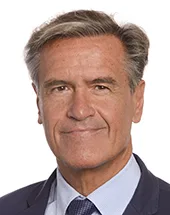
Juan Fernando López Aguilar | Spain ESP | Progressive Alliance of Socialists and Democrats (S&D) | 354 |
| 3 |
|
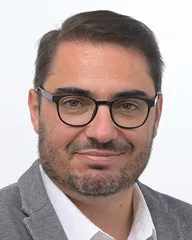
Sebastian Tynkkynen | Finland FIN | European Conservatives and Reformists (ECR) | 331 |
| 4 |
|
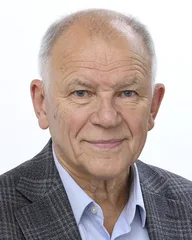
João Oliveira | Portugal PRT | The Left in the European Parliament (GUE/NGL) | 232 |
| 5 |
|
Vytenis Povilas Andriukaitis | Lithuania LTU | Progressive Alliance of Socialists and Democrats (S&D) | 227 |
All Contributions (120)
Prevention and treatment of obesity (debate)
Madam President, dear CommissionerIn Luxembourg, almost one in five adults is obese. This figure has increased in recent years and continues to increase. It is often said that willpower is enough to fight obesity. Well, no, that's not the case. This is a real public health challenge. Obesity is linked to diabetes, cardiovascular disease and social inequalities. And we need to focus on what really makes the difference: access to healthy diets, balanced diets, physical activity and prevention policies that reach everyone. We can't wait for drugs like Ozempic to solve the problem for everyone. Access to obesity medicines should be reserved for people who really need them for medical reasons. The solution is to create environments where healthy choices are the easiest to access and affordable for all. It also means ensuring that food is at the service of health. It also prevents aggressive marketing of unhealthy products and offers healthy options in schools. Obesity and related diseases must become issues that we prevent, not just that we treat.
Guidelines for the 2027 budget - Section III (debate)
Mr President, dear Commissioner, on behalf of the Committee on Public Health, I would like to remind you that Europe's health objectives can only be achieved if we provide the necessary budget. The Commission must by no means lower the level of appropriations for health budget lines in the 2027 budget. The challenges for public health are enormous. We agree this across committees and across this House. Citizens want Europe to do more in health. Strengthening our health system benefits everyone. Resilient healthcare systems are the cornerstone of social cohesion, democracy and economic stability. We need resources to deliver on preparedness, critical medicines, deliver on the Beating Cancer and the Safe Hearts plans, and healthcare workforce crisis. Civil society is a good partner in that work. It is wrong that the Commission decided to stop operating grants for health civil society organisations. The cuts to EU4Health threaten the EU's ability to answer these challenges. So we urge you – Parliament is ready to deliver on EU-level action to support our Member State healthcare systems. Please provide the means to do so. Do not cut them.
Cooperation among enforcement authorities regarding unfair trading practices in the agri-food supply chain (debate)
No text available
Recommendation to the Council on EU priorities for the 70th session of the UN Commission on the Status of Women (debate)
Mr President, we must be serious about gender equality. It is a fundamental principle of the European Union, and I want to believe it is a principle we all share. Being serious about gender equality also means being serious about the health of half of the population. Universal access to sexual and reproductive healthcare, access to safe abortion without discrimination and without exceptions is key. Yet today's healthcare and medicine are not delivering for women. Lesbian and trans women face discrimination in care. Refugee women struggle to access even basic services. Health research excluded pregnant women. This means delayed diagnosis, worse health and preventable deaths. Our European and global commitments must include all women in all their diversity. Only then can we ensure social justice for all.
A new action plan to implement the European Pillar of Social Rights (debate)
Madam President, Commissioner, only social Europe is a strong Europe. Europe's strength and competitive advantage lie in strong social policies. It's about quality employment. It's about social protection. It's about health. Today, we cannot lose what we have achieved over decades. There is a growing attempt from the right and far right to dismantle social protection and social progress, often because they compare Europe to the US, often because they listen only to big corporations. But we must not change our course, and we have to renew our Action Plan. Because all is not rosy. We still struggle with poverty, with housing and with inclusion of people with disabilities. We need to ensure equal and timely access to healthcare for all. Today, we cannot lose progress. We must do better. Making Europe strong means less poverty and more inclusion. Making Europe strong means also showing that Europe truly cares.
Framework for strengthening the availability and security of supply of critical medicinal products as well as the availability of, and accessibility of, medicinal products of common interest (debate)
Madam President, dear Commissioner, the Critical Medicines Act means more independence, more security and more European cooperation. It will make generic medicines available and it will make innovative medicines cheaper. We will produce more medicines in Europe, we will avoid dependency and we will do this together. The Critical Medicines Act is about more Europe exactly where people need it the most. In a world full of instability and geopolitical tensions, we decided to step up and to make a clear choice – the choice of independence, of security, of solidarity. Dear colleagues, today we show that Europe cares. Europe cares about its people. Medicines must be available quickly when we need them. And medicines must be affordable for all. I am proud to say that with the Critical Medicines Act, we are protecting the most precious thing we all have: our health.
Presentation of the EU Cardiovascular Health Plan (debate)
Madam President, Commissioner, European citizens care about their health – their own health and that of their loved ones. That is why I am particularly pleased that we have the ambition to tackle cardiovascular disease head-on. The fight against cardiovascular disease is increasingly effective when we focus on prevention. Today, we know what the risk factors are and what makes us sick. What we need is courage. The courage to commit ourselves, to finally fight against commercial factors. In particular, as you said, with regard to ultra-processed foods, which are high in fat, sugar and salt. Cheap alcohol without proper warning also goes against health. Tobacco, e-cigarettes, heated tobacco products and even snus run counter to any plan for heart health. Water, air and soil pollution also run counter to our ambition to improve the health of Europeans. This plan must also take into account health inequalities between women and men, as women are often under-diagnosed, under-treated and under-represented in research. All this must be at the heart of our plan for cardiovascular health.
Impact of the geopolitical situation on European patients and their access to medicines (debate)
Mr President, dear Commissioner, dear colleagues, the world around us is changing, often rapidly and often not for better. While Europe is fighting its big economic battles and is facing challenges arising from other world powers, often those overlooked or sacrificed are patients. From the risk of tariffs through global dependency in supply chains to devastating climate change impact, global changes mean very tangible impact for patients. Europe must be strong, Europe must be prepared and resilient, and at the same time, showing solidarity with those most vulnerable, in and outside of Europe. Last week we achieved a landmark deal on the revision of the general pharmaceutical legislation. Soon we will have a critical medicines act. We have to further strengthen the European healthcare system. But let's be honest, relying almost exclusively on private pharma companies has limits. This very Parliament commissioned a study which showed a way to build public medicine infrastructure. Instead the EU's only solution remains relying on big pharma, who will always decide based on who can pay more and on the size of the market. Europe needs a different model of innovation and medicine production, one that puts public health needs and patients first.
Fur farming and the placing of farmed fur products on the market (debate)
Madam President, dear colleagues, dear Commissioner, even one animal killed for fur is one too many. But today's debate is not only about animal welfare: it's about public health; it's about the environment; it's about economy. This industry is already collapsing. Citizens are asking for urgent action – and 22 Member States have already taken action through bans or phasing-out. Meanwhile, the industry employs only 2 048 full-time workers across the entire EU – an average of 1.8 per farm – often seasonal, low-paid, precarious. EFSA's most recent scientific opinion could not be clearer. The behavioural needs of mink, foxes, raccoon dogs and chinchilla simply cannot be met in wire cage systems – not with enrichment, not with larger cages. These animals live in conditions that lead to chronic fear, stereotypic behaviour and severe stress disorders. Even if stricter standards were introduced, this industry is fundamentally incompatible with animal welfare. Fur farms have also been linked to major outbreaks of COVID, leading to millions of animals culled – at enormous public cost – for a completely non-essential sector. They are high-risk hotspots for zoonotic diseases. The environmental impacts are equally severe: heavy ammonia pollution, large volumes of waste and the escape of invasive species – like raccoon dogs – that then require expensive, long-term control, while damaging biodiversity. The pollution and resource use alone cost society EUR 143 million each year, so how can there still be any hesitation from the Commission's side? Colleagues, the fur sector is outdated, unprofitable and socially unjustifiable. I urge the Commission to finally ban farming in Europe. Let's end this cruelty and all the misery it causes, once and for all!
EU strategy for the rights of persons with disabilities post-2024 (debate)
Madam President, dear Commissioner, what does it say of our society when 1 in 4 Europeans lives with a disability, yet millions still face discrimination – when fundamental rights like independent living, voting, equal access to healthcare or simply moving freely are still not guaranteed? They are our family members, they are our friends, our colleagues, our neighbours, or just us. Yet, too often they remain excluded from the society they help to build. But in 2025, we have no excuses left. We know what needs to be done. We have the UN convention and we must finally implement it fully: the right to personal assistance, the right to self-determination, the right to family and social life, the right to accessible information and political participation, and mobility and social rights that apply immediately and everywhere in Europe. Let's fight for a Europe where accessibility is universal, where schools really include, where workplaces open opportunities, where decision-making bodies include persons with disabilities at every stage, and where violence and discrimination are met with zero tolerance.
Breast cancer: the importance of screening (debate)
Madam President, Commissioner, one in eight women in Europe will face breast cancer in her lifetime, but early detection can save lives. Screening must be accessible and affordable for all women – not only for those living in cities, but also in rural areas; not only for those who can pay for it, but also for those living in vulnerable conditions. While screening should be available for everyone, regardless of income, over-screening is not the solution either. Reason must lead testing, not fear. And let's be clear: no woman should ever have to make the choice between her wallet and her health. Universal, well distributed and responsible screening is a matter of equity and also of public health. Finally, let us also remember that the best prevention we can get is lowering the risk at the source. We know that pollution directly affects women's health, so acting for the planet is also acting for human health – especially for women.
Key objectives for the CITES COP20 meeting in Uzbekistan (debate)
Mr President, dear colleagues, dear Commissioner, almost 300 000 hunting trophies of wild animals listed under the Convention of International Trade in Endangered Species of wild fauna and flora (CITES) were imported globally between 2013 and 2023, with hunters killing animals simply for personal glory and the sale of their remains. Let me remind you that in 2022, this Parliament clearly demanded a ban on the import of hunting trophies. I therefore urge all my colleagues to support tomorrow strong wording against this practice. The use and trade of wildlife is not only a matter of animal welfare and biodiversity preservation, but also a major threat to public health, due to the risk of future zoonotic diseases. So a One Health approach must be a priority at the upcoming CoP20 meeting in Uzbekistan. This is closely linked to the urgent need for the EU-wide positive list. Last but not least, let me say that I am deeply concerned about EU exports of wild animals, including certain species, to the Vantara zoological complex in India. And yet, I call on the Commission to suspend exports to Vantara and push for stricter CITES enforcement at the CoP20.
World Mental Health Day - addressing the socio-economic factors (debate)
Mr President, dear Commissioner, mental health is one of Europe's greatest public health challenges today, and it needs urgent action. Mental health is also extremely political, and it needs courageous political solutions. Seventy-five per cent of young people believe that the future is frightening. Just imagine you are a young person in the world today. Your future is full of uncertainty. You struggle to find affordable housing. Your professional future, even if you try your best, is one big question mark. And you see more and more natural disasters. You see armed conflicts and genocide are close reality. Every day you are exposed to harmful social media algorithms full of standards and self-harm content. So it is very difficult to keep your mental health in check. It is very difficult to stay resilient. Our youth deserve more than resilience. They deserve justice. They deserve protection. They deserve care, and they will get it if we act together. So let us stop asking them to adapt to a broken world. Let's fix the world instead.
This is Europe - Debate with the Prime Minister of Luxembourg, Luc Frieden (debate)
Madam President, Prime Minister, Commissioner, it is a pleasure to welcome you here to the European Parliament. Today, there has been much talk of competitiveness and administrative simplification for businesses. Yes, let's talk about competitiveness, but in the context of a socially just and environmentally responsible transition. This is essential for the well-being of citizens and fundamental for future generations. Let's take the accommodation: To lower energy bills, we need well-insulated housing for everyone, not just the wealthiest. Without social justice, without equity and, I insist, without empathy, our societies are collapsing. For this, we need courageous, humane and wise leaders who defend a European model based on solidarity and benevolence. The news in France reminds us: You don't govern a country like you run a private company. It doesn't work. Demonstrating true leadership is not about serving shareholders, banks or lobbies; It's listening to people. This is what makes a good leader in Luxembourg and Europe. Yes to simplification, but no to deregulation that harms the citizen and the planet. So my question is simple: How will you strengthen the state and public services to better protect the most vulnerable, workers and the climate? You come from the private sector and you know that inaction is much more expensive. As prime minister, you are responsible not only for what you do, but also for what you decide not to do.
European strategy for addressing Alzheimer’s and other types of dementia (debate)
Mr President, dear Commissioner, when we speak of dementia, we often hear the numbers – 9.1 million people in Europe living with the condition, projected to rise to more than 14 million by 2040. It is the third leading cause of mortality in Europe. But dementia is not just about statistics, it's about people. It's a grandfather forgetting the faces of his grandchildren, someone who no longer recognises the partner he or she loved for decades. A daughter forced to give up her career to care for a parent. It is families stretched emotionally and financially, and carers who are often left without support. We cannot look away; Europe cannot look away. Despite our promises, the targets of the WHO Global Action Plan have not been met. People with dementia and their carers are still waiting. And with the ageing population, the need will only grow. This is why I call for action – not tomorrow, not in ten years, but now. We must recognise Alzheimer's and other dementias as a priority. EU-funded research missions on dementia must go beyond what is done in laboratories and also look into care, prevention and quality of life. More and more evidence also shows the links between air pollution, heavy metals and other toxic exposures and dementia. Reducing pollution and exposure can lower the risk of dementia. The EU must ensure that every person with dementia – no matter where they live in Europe – has access to timely diagnosis, affordable treatment and dignified care. This brings me to one of the key issues: the next EU health budget, not as part of the competitiveness agenda, but as part of a strong vision of a social and caring Europe. We have to listen to the voices of those living with dementia and their carers because they are the real experts. I believe Europe can and must rise to the challenge of Alzheimer's and dementia. The EU can bring hope and can make a change.
Summer of heatwaves in the EU: addressing the causes and providing adequate housing and health policies to address record-breaking temperatures (debate)
Mr President, Commissioner, heatwaves are caused by climate change. They disturb our lives, our sleep, they are dangerous and often deadly. Among floods, droughts and fires, it is heatwaves that are the most dangerous. I am thinking of many people here: of children, of elderly people, of people with chronic diseases, of people living in overheated apartments. They cannot escape from the heatwaves. Heatwaves do not heat equally, but policies must protect equally. When the wealthy buy air conditioning and pay high energy bills, the most vulnerable suffer and end up in hospitals. Health policies and climate policies go hand in hand. You might say, 'yeah, but now the heat is over.' But it will come back again next year and it will cause suffering, it will cause closing of schools, it will slow down our economy and it will affect people's health. But we can do something: we can act. If we have the courage to act, we must do it. Climate change denial costs lives. Protecting and investing in nature is the only solution.
Endometriosis: Europe’s wake-up call on the gender health gap (debate)
Mr President, Madam Commissioner, dear colleagues, today I'm here to speak for millions of women across Europe. Women who have been ignored, misdiagnosed and dismissed for far too long. They are called hypochondriacs, pill poppers, hysterics or attention seekers simply because they are in pain. Real, chronic, paralysing pain. Women with endometriosis are told, that's just the way you are. They are told pain is part of being a woman. They are told to keep on going because suffering has been normalised as feminine, but endometriosis is not an issue to endure. It is a disease, a disease that affects one out of ten women in the EU, a disease that can take up to a decade to diagnose, a disease that has destroyed organs, careers, relationships and lives. We face a gender‑health gap that is killing trust, delaying treatment, and violating the rights of women. The pain of women has been underestimated, pathologised and ignored simply because it is felt by women. There is not enough attention for endometriosis. Not enough research funding goes to women's health research in general. For far too long, research has concentrated on male bodies. We must change that. It is changing already, but not fast enough. We call for investment in research both on diagnosis and treatment, but also on awareness raising about women's health.
From institution to inclusion: an EU action plan for deinstitutionalisation, family- and community-based care (debate)
Madam President, dear Commissioner, dear colleagues, across the EU, children, persons with disabilities and persons with mental health problems are still in large‑scale institutions, isolated from family, community and their rights. Because in institutions, it is often not possible to respect the simple right to decide how to spend your day, where to live or even how to decorate your room. This is not what human dignity looks like. The Convention on the Rights of Persons with Disabilities, which the EU has ratified, affirms the right to live independently and be included in society. Yet, EU funds are still being used to renovate or build new institutions. Instead of dismantling harmful systems, we are making it stronger. Let me be clear: deinstitutionalisation is not about closing doors. It is about opening up more respectful possibilities and supporting personal assistance, inclusive education and family‑based care. We need an EU plan that supports rights and gives hope. Let's be brave enough to build communities, not institutions.
Protecting bees: advancing the EU's New Deal for Pollinators (debate)
Madam President, The protection of bees and other pollinators must be a priority for the EU. 78% of native plant species and 84% of crops rely either partially or fully on insects for pollination, but if we continue as we have done so far, we are massively promoting the dramatic decline of pollinating wild insects. Public opinion is clear. The successful European Citizens' Initiative Save bees and farmers citizens are calling for bee-friendly agriculture, free of toxic pesticides, not just because of bees, but because of the future of farmers who depend on a functioning ecosystem. Climate change, the loss and deterioration of habitats, the massive impact of pesticides on the environment, on our health – these are all phenomena that can not be addressed with conservative policies and unwillingness to act. We need a forward-looking EU Pact for pollinators, a common agricultural policy that works for farmers and the environment, and clear rules on pesticide reduction.
Improving mental health at work (debate)
Mr President, Commissioner, the current situation is dramatic. The new and increasingly common forms of employment in Europe also pose new risks to the mental health of citizens. That's why we can't just rely on the right to disconnect to protect mental health. Of course, this is an important step that I fully support, but it is not enough. Health professionals, teachers, all are overburdened due to lack of human resources. Platform workers and the self-employed see their rights far too poorly protected. People with disabilities, whether physical or cognitive, need truly adapted working conditions. All workers must be fairly protected. We need stronger protection against psychosocial risks and more ambitious EU legislation on health and safety at work.
EU action on treating and preventing diseases such as cancer, cardiovascular neurological diseases and measles (debate)
Madam President, dear Commissioner, when we speak about diseases like cancer, heart conditions, neurological disorders or measles, we don't speak in abstract terms – we are speaking about our neighbours, our parents, our children. Every one of us has a story. Every one of us knows someone affected. That's why our response must be human, bold and forward-looking. Let's start with the obvious: prevention works, and yet it's still the most neglected part of our health system. We spend billions on treatment, but far too little on stopping disease before it begins. We need to invest in the conditions that keep people healthy: clean air, clean water, affordable and healthy food, decent housing. That is why policies like the European Green Deal and the common agricultural policy play a crucial role. Those are not environmental luxuries; they are essential tools for protecting public health. We need also to address one of the elephants in the room: tobacco. It's still one of the leading causes of preventable deaths in Europe. It's time to stop dancing around this issue. We urgently need to revise the EU's tobacco legislation, including tax rules. Recently, 16 Member States called for a revision – higher taxes, plain packaging, a total ban on advertising, including for newer products like heated tobacco or e-cigarettes. Our legislation must catch up with reality. Dear colleagues, prevention alone is not enough. We must guarantee affordable and timely access to effective treatment for all, regardless of income or geography. That means making pharmaceutical legislation and innovation conditional on affordability. It means demanding transparency on pricing and research and development costs. Yes, it also means redesigning the way we reward medical innovation so that public investment leads to public benefit. Finally, we need to stop only reacting to crises and start planning ahead. So Europe needs a comprehensive strategy on non-communicable diseases – we need to stop thinking in silos – that looks across health systems, environment, agriculture and education and social policy. Prevention and treatment must include protection also for women's health. That is another aspect; a gender-sensitive approach is needed. So let's act with courage, let's act with care and let's act now, because lives depend on it.
The European Water Resilience Strategy (debate)
Madam President, dear Commissioner, the state of Europe's water is a wake-up call for urgent action because, yes, water is life, water is health, water is food. Without water, there is no economy, no stability, no future. Let's not be naïve. Our current approach has led us to a point where one in three people globally lack access to clean drinking water, and nearly 40 % of the EU faces permanent water scarcity. Our water is being poisoned by chemicals, pesticides, microplastics, PFAS. It's becoming unusable, it's making us ill. It's time to take a different path, to make more space for nature and restoration, because nature cannot be tricked. More concrete, more pipes, more artificial solutions will not protect us from the impacts of climate change, from droughts and floods. Instead of nature-based solutions – they are already proven to work – improving water availability, buffering climate shocks and strengthening resilience for our food systems, our health and our economies. We must act now. Let's protect the water we have and prevent further damage.
European Action Plan on Rare Diseases (debate)
Mr President, Commissioner, for me, there are around 30 million reasons why we need to take bold action now: 30 million children and adults across Europe every day have to fight. The fight is mostly very unequal as diagnosis takes years, patients have limited treatment options, specialists may not be anywhere close and treatments are very expensive. They have to fight because they live with rare diseases, which are mostly genetic and concern children. Rare diseases are not rare if we look at them all together. That is exactly where the EU added value is. This is why a European action plan on rare diseases is needed and is needed now. A plan including adequate funding, coordinated research and a shared European vision for national actions. An ambitious plan that also addresses the shortcomings of current pharmaceutical monopolies making treatments unaffordable. The story of Caplacizumab – a medicine for a blood disorder – clearly shows that the current monopolistic model is not fit for purpose. A Belgian public university funded research for Caplacizumab. Now Belgium pays EUR 5 000 per dose because the medicine was monopolised by Sanofi. From a purely business perspective, governments only de-risking early research and giving up control makes sense. But from a public health perspective, it is a failure. That is why it is time for the public to take bold action on medicines along the whole life cycle, and bring joint procurement to life. Otherwise, the lack of treatment options will always be a fight for patients.
European Steel and Metals Action Plan (debate)
Madam President, Commissioner, the history of Luxembourg is marked by the steel and metallurgical industry, and since 1997 the production of crude steel has been 100% electric. It is to her that the country owes its prosperity, and she has strongly influenced Luxembourg’s economy, society and landscape. With ArcelorMittal's global headquarters in Luxembourg, this sector remains a central part of the country and for Europe. Indeed, this sector is crucial for Europe’s economic stability, security and strategic independence, and it is also essential for the development of renewable energy, for the construction of sustainable infrastructure as well as for the production of electric vehicles and defence-related technologies. However, the sector has two drawbacks: its carbon footprint and energy costs. The development of renewable energy for electrification is therefore essential to reduce energy costs and make the steel industry sustainable while preserving hundreds of thousands of jobs. So yes, we have to act. A coherent policy at all levels is needed to achieve climate objectives and for the competitiveness of the sector.
A Vision for Agriculture and Food (debate)
Mr President! Good morning, Commissioner! The vision for the future of agriculture is a promising approach. However, it has some contradictions: How can we speak of healthy soils, clean air, pure water and species protection, without a reduction in intensive animal husbandry, without a gradual elimination of toxic pesticides and without clear incentives for more organic farming? It also announces – finally – the revision of the current animal welfare legislation, which is important and correct. But where is the crucial commitment to reducing animal products and promoting more plant-based diets? In order to make the agricultural sector fit for the future, a fundamental change is now needed: moving away from flat-rate land premiums towards agriculture that pays farmers fairly, protects the environment and takes animal welfare into account. Commissioner, we Greens are constructively supporting you in this regard.