
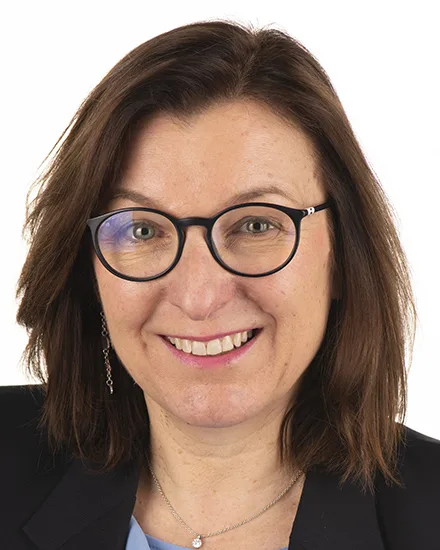
| Rank | Name | Country | Group | Speeches | |
|---|---|---|---|---|---|
| 1 |
|
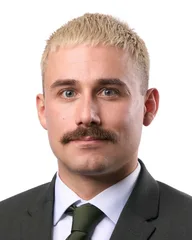
Lukas Sieper | Germany DEU | Non-attached Members (NI) | 390 |
| 2 |
|
Juan Fernando López Aguilar | Spain ESP | Progressive Alliance of Socialists and Democrats (S&D) | 354 |
| 3 |
|
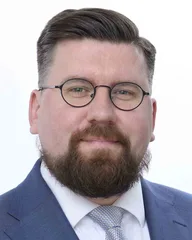
Sebastian Tynkkynen | Finland FIN | European Conservatives and Reformists (ECR) | 331 |
| 4 |
|
João Oliveira | Portugal PRT | The Left in the European Parliament (GUE/NGL) | 232 |
| 5 |
|
Vytenis Povilas Andriukaitis | Lithuania LTU | Progressive Alliance of Socialists and Democrats (S&D) | 227 |
All Contributions (120)
Summer of heatwaves in the EU: addressing the causes and providing adequate housing and health policies to address record-breaking temperatures (debate)
Mr President, Commissioner, heatwaves are caused by climate change. They disturb our lives, our sleep, they are dangerous and often deadly. Among floods, droughts and fires, it is heatwaves that are the most dangerous. I am thinking of many people here: of children, of elderly people, of people with chronic diseases, of people living in overheated apartments. They cannot escape from the heatwaves. Heatwaves do not heat equally, but policies must protect equally. When the wealthy buy air conditioning and pay high energy bills, the most vulnerable suffer and end up in hospitals. Health policies and climate policies go hand in hand. You might say, 'yeah, but now the heat is over.' But it will come back again next year and it will cause suffering, it will cause closing of schools, it will slow down our economy and it will affect people's health. But we can do something: we can act. If we have the courage to act, we must do it. Climate change denial costs lives. Protecting and investing in nature is the only solution.
Endometriosis: Europe’s wake-up call on the gender health gap (debate)
Mr President, Madam Commissioner, dear colleagues, today I'm here to speak for millions of women across Europe. Women who have been ignored, misdiagnosed and dismissed for far too long. They are called hypochondriacs, pill poppers, hysterics or attention seekers simply because they are in pain. Real, chronic, paralysing pain. Women with endometriosis are told, that's just the way you are. They are told pain is part of being a woman. They are told to keep on going because suffering has been normalised as feminine, but endometriosis is not an issue to endure. It is a disease, a disease that affects one out of ten women in the EU, a disease that can take up to a decade to diagnose, a disease that has destroyed organs, careers, relationships and lives. We face a gender‑health gap that is killing trust, delaying treatment, and violating the rights of women. The pain of women has been underestimated, pathologised and ignored simply because it is felt by women. There is not enough attention for endometriosis. Not enough research funding goes to women's health research in general. For far too long, research has concentrated on male bodies. We must change that. It is changing already, but not fast enough. We call for investment in research both on diagnosis and treatment, but also on awareness raising about women's health.
From institution to inclusion: an EU action plan for deinstitutionalisation, family- and community-based care (debate)
Madam President, dear Commissioner, dear colleagues, across the EU, children, persons with disabilities and persons with mental health problems are still in large‑scale institutions, isolated from family, community and their rights. Because in institutions, it is often not possible to respect the simple right to decide how to spend your day, where to live or even how to decorate your room. This is not what human dignity looks like. The Convention on the Rights of Persons with Disabilities, which the EU has ratified, affirms the right to live independently and be included in society. Yet, EU funds are still being used to renovate or build new institutions. Instead of dismantling harmful systems, we are making it stronger. Let me be clear: deinstitutionalisation is not about closing doors. It is about opening up more respectful possibilities and supporting personal assistance, inclusive education and family‑based care. We need an EU plan that supports rights and gives hope. Let's be brave enough to build communities, not institutions.
Protecting bees: advancing the EU's New Deal for Pollinators (debate)
Madam President, The protection of bees and other pollinators must be a priority for the EU. 78% of native plant species and 84% of crops rely either partially or fully on insects for pollination, but if we continue as we have done so far, we are massively promoting the dramatic decline of pollinating wild insects. Public opinion is clear. The successful European Citizens' Initiative Save bees and farmers citizens are calling for bee-friendly agriculture, free of toxic pesticides, not just because of bees, but because of the future of farmers who depend on a functioning ecosystem. Climate change, the loss and deterioration of habitats, the massive impact of pesticides on the environment, on our health – these are all phenomena that can not be addressed with conservative policies and unwillingness to act. We need a forward-looking EU Pact for pollinators, a common agricultural policy that works for farmers and the environment, and clear rules on pesticide reduction.
Improving mental health at work (debate)
Mr President, Commissioner, the current situation is dramatic. The new and increasingly common forms of employment in Europe also pose new risks to the mental health of citizens. That's why we can't just rely on the right to disconnect to protect mental health. Of course, this is an important step that I fully support, but it is not enough. Health professionals, teachers, all are overburdened due to lack of human resources. Platform workers and the self-employed see their rights far too poorly protected. People with disabilities, whether physical or cognitive, need truly adapted working conditions. All workers must be fairly protected. We need stronger protection against psychosocial risks and more ambitious EU legislation on health and safety at work.
EU action on treating and preventing diseases such as cancer, cardiovascular neurological diseases and measles (debate)
Madam President, dear Commissioner, when we speak about diseases like cancer, heart conditions, neurological disorders or measles, we don't speak in abstract terms – we are speaking about our neighbours, our parents, our children. Every one of us has a story. Every one of us knows someone affected. That's why our response must be human, bold and forward-looking. Let's start with the obvious: prevention works, and yet it's still the most neglected part of our health system. We spend billions on treatment, but far too little on stopping disease before it begins. We need to invest in the conditions that keep people healthy: clean air, clean water, affordable and healthy food, decent housing. That is why policies like the European Green Deal and the common agricultural policy play a crucial role. Those are not environmental luxuries; they are essential tools for protecting public health. We need also to address one of the elephants in the room: tobacco. It's still one of the leading causes of preventable deaths in Europe. It's time to stop dancing around this issue. We urgently need to revise the EU's tobacco legislation, including tax rules. Recently, 16 Member States called for a revision – higher taxes, plain packaging, a total ban on advertising, including for newer products like heated tobacco or e-cigarettes. Our legislation must catch up with reality. Dear colleagues, prevention alone is not enough. We must guarantee affordable and timely access to effective treatment for all, regardless of income or geography. That means making pharmaceutical legislation and innovation conditional on affordability. It means demanding transparency on pricing and research and development costs. Yes, it also means redesigning the way we reward medical innovation so that public investment leads to public benefit. Finally, we need to stop only reacting to crises and start planning ahead. So Europe needs a comprehensive strategy on non-communicable diseases – we need to stop thinking in silos – that looks across health systems, environment, agriculture and education and social policy. Prevention and treatment must include protection also for women's health. That is another aspect; a gender-sensitive approach is needed. So let's act with courage, let's act with care and let's act now, because lives depend on it.
The European Water Resilience Strategy (debate)
Madam President, dear Commissioner, the state of Europe's water is a wake-up call for urgent action because, yes, water is life, water is health, water is food. Without water, there is no economy, no stability, no future. Let's not be naïve. Our current approach has led us to a point where one in three people globally lack access to clean drinking water, and nearly 40 % of the EU faces permanent water scarcity. Our water is being poisoned by chemicals, pesticides, microplastics, PFAS. It's becoming unusable, it's making us ill. It's time to take a different path, to make more space for nature and restoration, because nature cannot be tricked. More concrete, more pipes, more artificial solutions will not protect us from the impacts of climate change, from droughts and floods. Instead of nature-based solutions – they are already proven to work – improving water availability, buffering climate shocks and strengthening resilience for our food systems, our health and our economies. We must act now. Let's protect the water we have and prevent further damage.
European Action Plan on Rare Diseases (debate)
Mr President, Commissioner, for me, there are around 30 million reasons why we need to take bold action now: 30 million children and adults across Europe every day have to fight. The fight is mostly very unequal as diagnosis takes years, patients have limited treatment options, specialists may not be anywhere close and treatments are very expensive. They have to fight because they live with rare diseases, which are mostly genetic and concern children. Rare diseases are not rare if we look at them all together. That is exactly where the EU added value is. This is why a European action plan on rare diseases is needed and is needed now. A plan including adequate funding, coordinated research and a shared European vision for national actions. An ambitious plan that also addresses the shortcomings of current pharmaceutical monopolies making treatments unaffordable. The story of Caplacizumab – a medicine for a blood disorder – clearly shows that the current monopolistic model is not fit for purpose. A Belgian public university funded research for Caplacizumab. Now Belgium pays EUR 5 000 per dose because the medicine was monopolised by Sanofi. From a purely business perspective, governments only de-risking early research and giving up control makes sense. But from a public health perspective, it is a failure. That is why it is time for the public to take bold action on medicines along the whole life cycle, and bring joint procurement to life. Otherwise, the lack of treatment options will always be a fight for patients.
European Steel and Metals Action Plan (debate)
Madam President, Commissioner, the history of Luxembourg is marked by the steel and metallurgical industry, and since 1997 the production of crude steel has been 100% electric. It is to her that the country owes its prosperity, and she has strongly influenced Luxembourg’s economy, society and landscape. With ArcelorMittal's global headquarters in Luxembourg, this sector remains a central part of the country and for Europe. Indeed, this sector is crucial for Europe’s economic stability, security and strategic independence, and it is also essential for the development of renewable energy, for the construction of sustainable infrastructure as well as for the production of electric vehicles and defence-related technologies. However, the sector has two drawbacks: its carbon footprint and energy costs. The development of renewable energy for electrification is therefore essential to reduce energy costs and make the steel industry sustainable while preserving hundreds of thousands of jobs. So yes, we have to act. A coherent policy at all levels is needed to achieve climate objectives and for the competitiveness of the sector.
A Vision for Agriculture and Food (debate)
Mr President! Good morning, Commissioner! The vision for the future of agriculture is a promising approach. However, it has some contradictions: How can we speak of healthy soils, clean air, pure water and species protection, without a reduction in intensive animal husbandry, without a gradual elimination of toxic pesticides and without clear incentives for more organic farming? It also announces – finally – the revision of the current animal welfare legislation, which is important and correct. But where is the crucial commitment to reducing animal products and promoting more plant-based diets? In order to make the agricultural sector fit for the future, a fundamental change is now needed: moving away from flat-rate land premiums towards agriculture that pays farmers fairly, protects the environment and takes animal welfare into account. Commissioner, we Greens are constructively supporting you in this regard.
Presentation of the proposal on Critical Medicines Act (CMA) (debate)
Madam President, this project is a perfect example of what you get when one writes legislation on the fly and in a hurry. Exactly what I fear has happened. The challenges for availability of critical medicines are enormous in Europe, the expectations of both patient and the pharmaceutical industry regarding effective solutions proposed by the European Union are as great as the challenges. Unfortunately, what has been presented today falls far short from the expectations. The measures proposed are too weak. There is nothing on EU stockpiling, nothing on the public medicine infrastructure, nothing to ensure transparency for the public, nothing innovative in terms of announcing. Nothing that would ensure public support actually translate into the availability of medicines. Only joint procurement and fast-tracking of administrative procedures will not solve the problem. The Critical Medicines Act must become an ambitious legislation to meet citizens' expectations.
Commission Work Programme 2025 (debate)
Madam President, I am speaking on behalf of millions that don't have a voice and about three remaining legislative files that are ready to be tabled and were foreseen for the end of 2023, but because of the pressure of the lobbyists, they are retained. I am speaking about legislation improving animal welfare for millions of animals. It is about slaughtering, it is about clear labelling on animal welfare, and it is about 'End the Cage Age', where a successful ECI was asking for that. The Eurobarometer is also very clear: nine out of ten citizens demand stronger protection for animals. So: keep your promises Commission. This is also a question about the credibility of the EU institutions.
The need to address urgent labour shortages and ensure quality jobs in the health care sector (debate)
Mr President, there are challenges that are better solved at European level. There are even challenges that can only be solved at European level. The lack of healthcare staff is a very real problem throughout the European Union, without exception. All countries face it, rich and poor. In fact, Luxembourg is the richest country and the one with the biggest problem of doctors in the whole European Union. But the central issue is not that of a particular country. This is a crucial issue for citizens, for patients. We are all beginning to feel that the European Union and the Member States are no longer able to take care of us. Thus, the sense of security fades away. To address the shortage of caregivers, we need more cooperation, rather than competition. We need to make careers in the health sector more attractive by improving wages, but especially working conditions and mental health support. Investing in public infrastructure and healthcare workers is a matter of health security and quality of care for patients and a key element of the social pillar of the European Union.
Stepping up international action to protect whales following Iceland’s decision to extend commercial whaling until 2029 (debate)
Madam President, Commissioner! Imagine an explosive harpoon hitting you, and you have to go through an agonizing death struggle that can last for over ten minutes and up to hours – this is the reality of whales in Iceland every year. These atrocities seemed to be coming to an end, but we were disappointed. By 2029, two whaling companies will be given the license to kill again by the unelected government. Up to 209 of the endangered fin whales and 217 minke whales are allowed. With this license, more than 2,000 more whales risk dying within five years. In 1986 there was a global ban on commercial whaling. Since then, more than 1,800 whales have died in Iceland. To date, a total of 915 000 fin whales have been slaughtered worldwide, which is more than Luxembourg’s current human population. This rate must not continue to rise. Whales play a vital role in conserving the oceans, maintaining the nutrient cycle that supports the marine ecosystem and biodiversity, and contributing to CO2absorption. Who benefits from whaling? Iceland’s population does not need whaling – 51 per cent of Icelanders oppose this activity and few eat the meat. That's why I'm calling on Iceland's new government to keep its election promise and better protect whales.
Commission’s plans to include the revision of the outstanding proposals on animal welfare in its work plan for 2025 (debate)
Madam President, Good day, Commissioner Várhelyi! How is this House supposed to work efficiently and coherently on the Animal Transport Ordinance when, at the same time, complementary proposals on slaughter, husbandry and animal welfare labelling have still not been published? 1.4 million citizens have the European Citizens' Initiative End the Cage Age Signed to get animals out of the cage. More than 1.5 million citizens have taken part in the European Citizens' Initiative. Fur Free Europe signed to put an end to fur farms and the sale of fur products in Europe. The Eurobarometer also shows quite clearly that animal welfare is very important to citizens. It is not only a question of the European Commission meeting the objectives of the Farm to Fork to comply. It is also about the credibility of the European institutions. The Commission should keep its promise. I have moved into this house to stand up against any form of abuse of power, and that is what I stand for. Commissioner, can you promise me today that, as Commissioner for Animal Welfare, you will also stand up for this title and ensure that all three proposals are finally published? No more cruel farming methods in Europe, no more unworthy slaughter methods and no more misinformation to consumers. It is time for a democratic, humane and respectful Europe.
Challenges facing EU farmers and agricultural workers: improving working conditions, including their mental well-being (debate)
That's not true! We are exactly on the side of the farmers that we want them to have more say in the price and that you just get away from the logic of quantity to quality. This would also benefit farmers. We did not agree with this common agricultural policy, which is now pushing the farmers to the wall, because we wanted the farmers to be recognised for their work and the quality of their work right from the start. That would bring more to the farmers than what you do now – now we are in the logic of ‘get bigger or die’!
Challenges facing EU farmers and agricultural workers: improving working conditions, including their mental well-being (debate)
Mr President! Dear Commissioner, Currently, 80% of the financial support under the Common Agricultural Policy goes to 20% of the largest farms in Europe. This disproportionate promotion of larger landowners leads to environmental damage, social inequality, and not just that: Burnout can also get farmers and other agricultural workers. Another problem is the regular suspension of pesticides. It leads to occupational diseases, many of which are not even recognised by the social security system, i.e. a vicious circle. The suicide rate in this profession is a good 20% higher in some countries than in other professions. So: Stop the per-hectare payments. We need more support for smaller farms, a fair distribution of funds, farmers' say, support for mental and physical health. Léiwer Christophe - dear Commissioner Hansen – it is time for a common agricultural policy that focuses on the well-being of farmers, animals and the environment!
Strengthening children’s rights in the EU - 35th anniversary of the adoption of the United Nations Convention on the Rights of the Child (debate)
Madam President, Europe’s children are often afraid – of war, of violence, of climate change. They are afraid of insecurity and poverty. Yes, and poverty also has an impact on a child’s success in school – whether he has something to eat in the morning, whether he has warm clothes in the winter, whether he feels accepted. Violence against children is underestimated. They take place everywhere, including at home, on the streets, in schools. Too often we close our eyes. That is why we will not allow children to be exploited by the extreme right in order to impose an ideology, yes, there is the ideology. It is our task to look and protect the children from loneliness, from psychological stress, and to protect them from negative influence even from social media, to strengthen them, to train them to be responsible, critical and self-confident people. We must meet them on an equal footing, listen to their concerns and take their voices seriously.
Recent legislation targeting LGBTQI persons and the need for protecting the rule of law and a discrimination-free Union (debate)
Madam President, ladies and gentlemen, dear LGBTQI+ friends, today's debates are about people, they are about lives, they are about freedom, they are about our future. In different countries of the European Union, national laws targeting LGBTQI people undermine our common values: dignity, equality, the rule of law and human rights for all. The far right is looking forward to passing laws that literally cost lives by encouraging discrimination, fuelling violence. History does not always move in the right direction: She can back off if we don't resist. Progressive forces in Europe have a duty: a duty to speak out, a duty to act, a duty to defend the rights of all people in Europe, without exception. The far right feeds on fear, on difference. We are here to say it again and again that love and diversity will always be stronger than hate. So I urge you to choose action, to choose solidarity, to choose the values that make our Union stronger and more beautiful.
2025 budgetary procedure: Joint text (debate)
Thank you very much for that question, but I think you are mixing up things there. Of course, I'm in favour that at the European level we have to fight poverty, of course. In Luxembourg, just to say, one child out of five is at risk of poverty. But that's another issue, I mean, we have to fight that. Here is a fundamental question that every country in the European Union has a coefficient correcteur, has this corrector coefficient, except Brussels and Luxembourg. And I just want that Luxembourg, the people working there, mainly they are coming from all the countries, have the same rights that in the other European countries, so that they look at the real cost of living that exists in Luxembourg – that is what this is about.
2025 budgetary procedure: Joint text (debate)
Madam President, dear colleagues, Luxembourg, as one of the EU capitals, is home to key EU institutions. There are strong reasons for why 12 European institutions, agencies and bodies are based in Luxembourg, such as the Court of Justice and the European Court of Auditors. Their location ensures independence away from the political centres of Brussels and Strasbourg. However, the cost of living in Luxembourg is the highest in Europe, affecting not only residents but also 14 000 EU staff working there. Ensuring proper staffing and functionality of these institutions is vital for the good functioning of the European Union. So, negotiating a housing allowance is a welcome step. But more is needed. A correction coefficient reflecting Luxembourg's high cost would ensure fairness and protect the attractiveness of these institutions. Colleagues, supporting staff working in our institution in Luxembourg is not just operational, it is about upholding our shared European values, such as justice and the rule of law.
Need to strengthen rail travel and the railway sector in Europe (debate)
Mr President, Commissioner, the European Union aims to increase the share of rail transport in its mobility strategy. But achieving our climate goals and a successful transition to rail requires developing a coherent transport policy and prioritising increased investment in rail transport. It is therefore incomprehensible that the Commission should encourage this modal shift while at the same time proposing to allow mega-trucks on roads and allowing fossil fuel subsidies for airports. Sufficient funds must be allocated to rail, and especially to infrastructure and digitalisation, through appropriate taxation of emissions from other transport modes and CO pricing.2. A change of framework is necessary in order to get us back on track in the true sense of the word.
World Mental Health Day - need for a comprehensive EU strategy on mental health (debate)
Dear Mr President, Dear Commissioner! Every year we welcome the statement by the Commission and leaders across Europe on the importance of mental health. The figures, however, show us once again that the reality for many people in Europe is still very bleak. For the most vulnerable people, it's only getting worse: for young people, for people with disabilities, for people in precarious employment, for the LGBTIQ community and also for refugees and migrants. In Europe, suicide is the second leading cause of death among young people. If we want to take serious care of the mental health and well-being of people in Europe, we cannot continue as before. Europe must now make a clear choice: Either we respond to the concerns of the population or we continue to contribute to the dangerous status quo. It is time to foresee a European mental health strategy with clear objectives, a timetable and a budget – a strategy that will mobilise the Commission and the Member States to take serious action on all relevant fronts: in the world of work, in public health, in education, in the environment, in research, yes, also in anti-discrimination. Far too often, people living with mental health problems are isolated and rejected. They are hopelessly left behind. My message to you all today: There is hope, you are not alone, you can count on me and on this house!
Urgent need to revise the Medical Devices Regulation (debate)
Mr President, Commissioner, medical devices such as implants, surgical tools or inhalers are vital for patients throughout Europe. After several scandals related to defective devices, the EU regulatory framework was adopted to improve the safety and quality of healthcare. To date, we have still not achieved compliance with the rules and have extended the deadlines for the industry four times. Today, we urgently need to address the problems related to the implementation of this regulation. Compliance with the rules is not an impossible task, contrary to what the industry claims. Under no circumstances should we rush the revision of such important legislation. We must not allow patient safety and transparency to be compromised in the name of competitiveness or deregulation. It is up to the European Commission to carry out the independent evaluation of EU legislation, not the industry alone. In addition, ensuring patient safety is also a competitive advantage, especially compared to the United States.
EU response to the Mpox outbreak and the need for continuous action (debate)
Mr President, Commissioner, let us not panic, but let us be realistic. Let's talk about facts and science to build trust. The mpox is not new. In Africa, the Centre for Disease Control and Prevention declared mpox a public health emergency as early as 2014. The World Health Organization recognized mpox as a public health emergency of international concern in 2022, and again in August 2024. As the mpox epidemic in Africa accelerates, the world has a new opportunity to demonstrate its collective commitment to fighting an international health crisis. Today, the epicentre of the epidemic is the Democratic Republic of the Congo. About 80% of the more than 700 mpox-related deaths have occurred in children, particularly in the most disadvantaged communities. As the mpox epidemic becomes increasingly worrying and deadly, Member States are taking too long to act. Why? Some would say that this is not our problem, because it does not yet affect Europeans or simply because it is far away. Some governments even prefer to stockpile and then throw away their vaccines that are about to expire rather than give them to children in Africa. What Europe is currently giving through Team Europe and Hera is laudable, but vaccines alone are not enough. Europe must show solidarity and genuine partnership with Africa, not pity. Cooperating with Africa to contain the mpox epidemic is also in Europe's interest. But are we once again in a kind of collective amnesia? Is everything we've learned from COVID-19 already forgotten? Because there is no real progress on the pandemic agreement and the European Union has even blocked progress on access to medicines in developing countries. The vaccines offered are again at very high prices, making African states dependent on donations, and there is no transfer of know-how. Once again, we are trying to build like a fictitious wall between Europe and the rest of the world. But this wall doesn't exist, so let's act, now, consistently and together.