

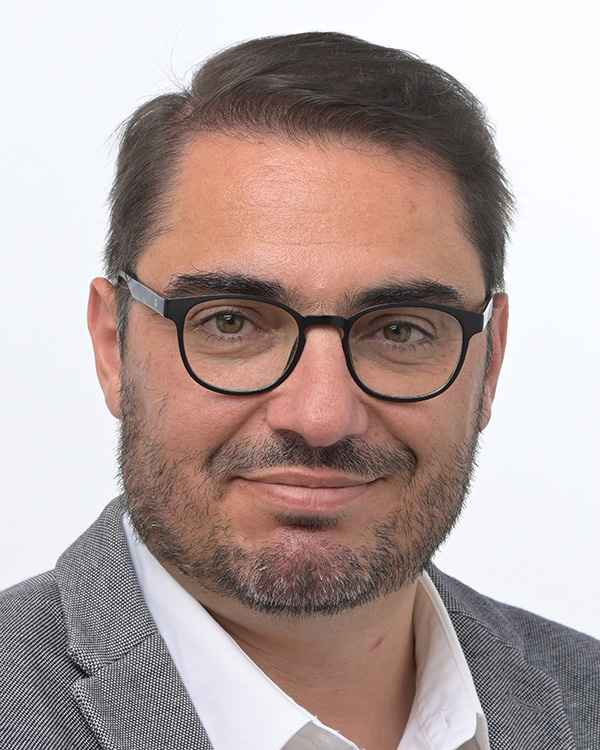
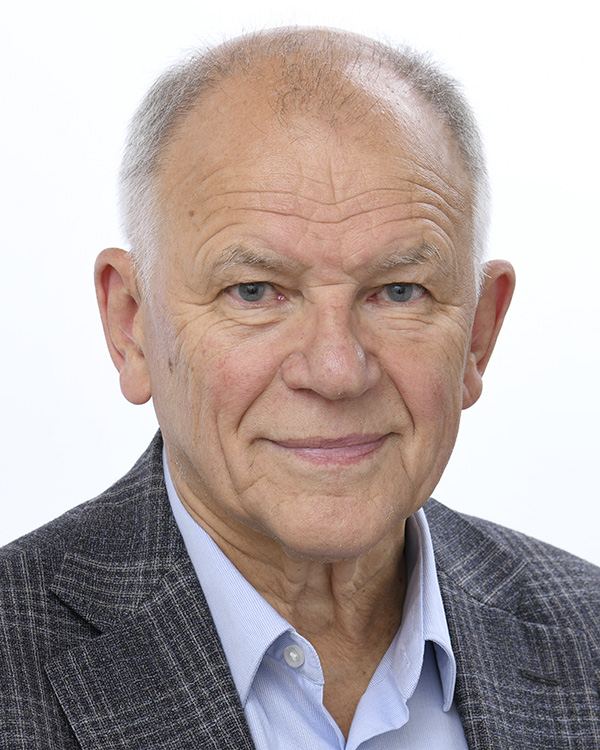
| Rank | Name | Country | Group | Speeches | |
|---|---|---|---|---|---|
| 1 |
|
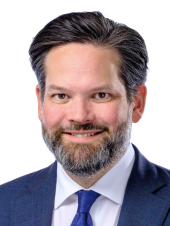
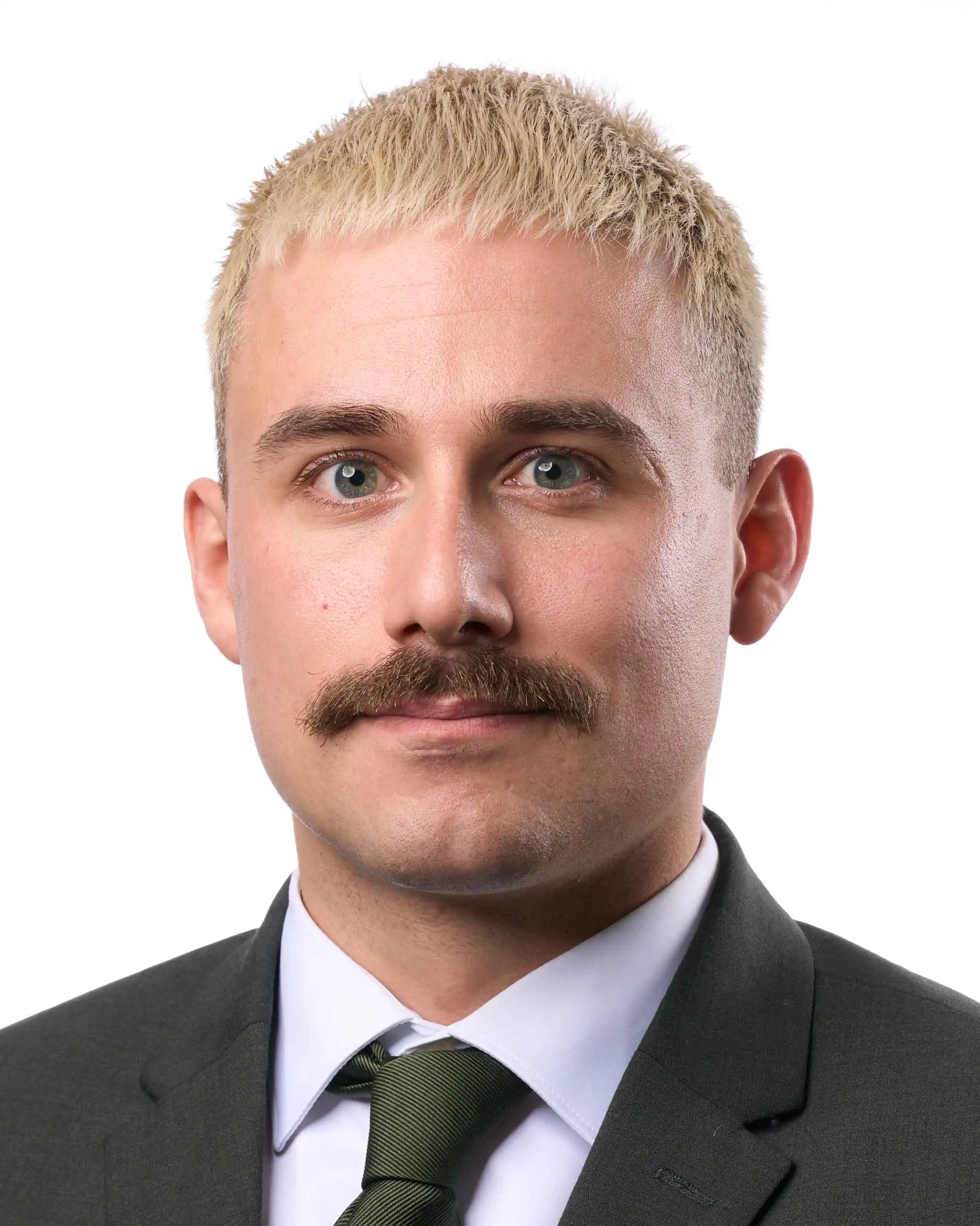
Lukas Sieper | Germany DEU | Non-attached Members (NI) | 390 |
| 2 |
|
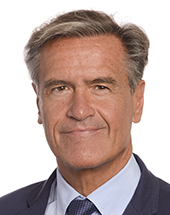
Juan Fernando López Aguilar | Spain ESP | Progressive Alliance of Socialists and Democrats (S&D) | 354 |
| 3 |
|
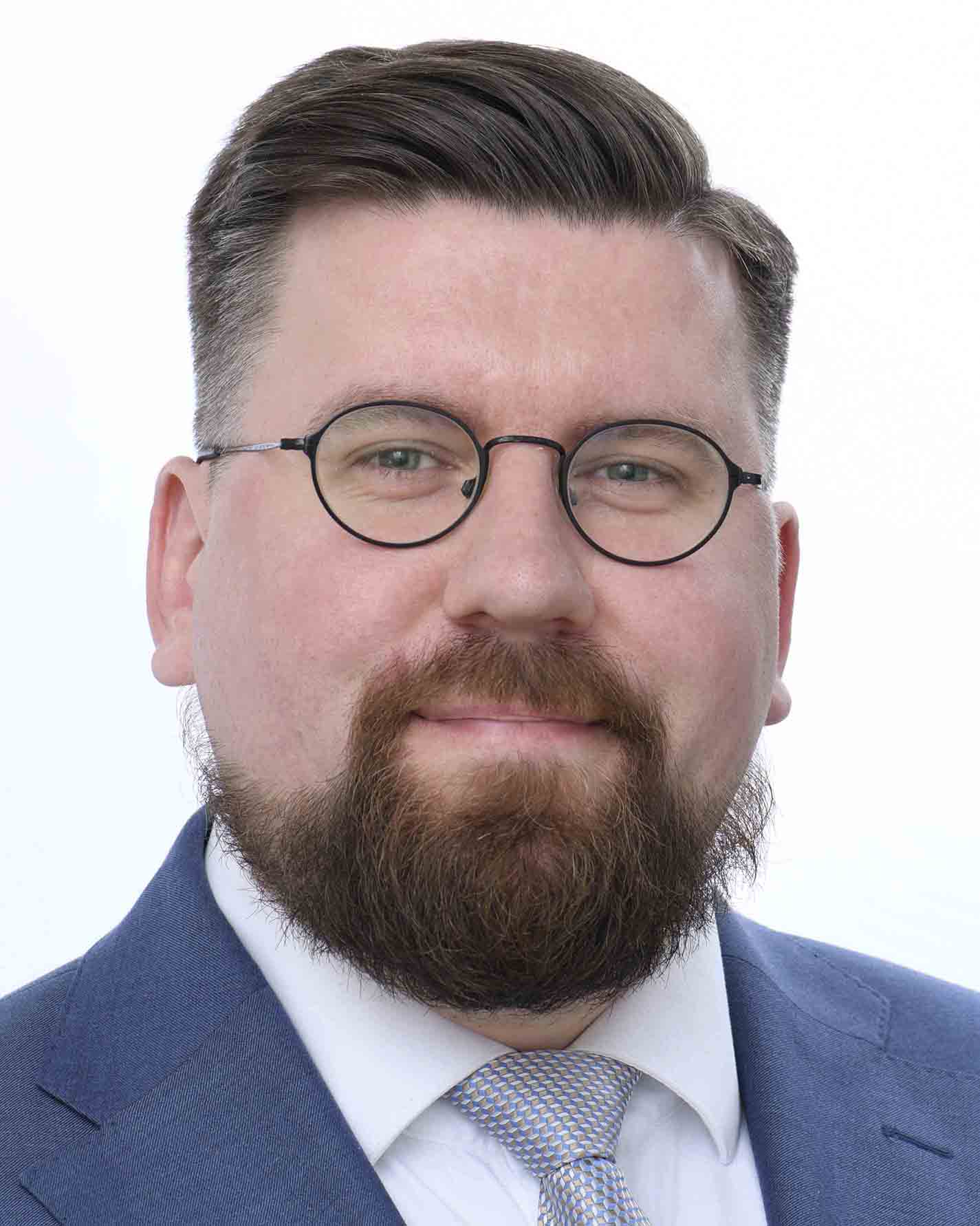
Sebastian Tynkkynen | Finland FIN | European Conservatives and Reformists (ECR) | 331 |
| 4 |
|
João Oliveira | Portugal PRT | The Left in the European Parliament (GUE/NGL) | 232 |
| 5 |
|
Vytenis Povilas Andriukaitis | Lithuania LTU | Progressive Alliance of Socialists and Democrats (S&D) | 227 |
All Contributions (189)
The rise of religious intolerance in Europe (continuation of debate)
Madam President, ladies and gentlemen! We are discussing the rise of religious intolerance in Europe, and it must be stressed that freedom is always the freedom of others, as Rosa Luxemburg put it. This is particularly true of a characteristic of today's Europe that must be defended, namely tolerance towards others. What we also have to keep in mind in Europe is that for the vast majority of people in the world, religion and faith are much more important in everyday life than is currently the case for most people in Europe. It is therefore all the more important that we approach other cultures and religions with this respect and also with the knowledge that the identity of Europe is firmly based on the Jewish, on the Christian roots, that the Enlightenment is based only on human dignity and the freedoms that come from these religions, and that we can best help the world in this way – also in terms of tolerance – if we exemplify it ourselves. I recently recommended a young Jewish student to attend a course, and she wrote back to me, she can't, but she recommends that Muslim student for this course. This is the next generation, because even in these times we live in, a Jewish young woman can propose a Muslim young woman for such a thing.
Protecting the EU budget and ensuring that EU funds do not benefit entities or individuals linked to terrorist or Islamist movement (debate)
Madam President, Dear Commissioner Johannes Hahn, who faces up to this debate late at night, but is not solely responsible for what happened in the old Commission – which is not to be expected from the new Commission; We are sending him a leap of faith – namely that development aid money is being misused. The European Union is the largest aid worker in the world. This means that we help where people are in need, because this corresponds to European values, and that through this help we also transport European values as an example. But if people are not in need or if people in need do not benefit from the money from the European Union and if this money is traded exactly against European values, then this must be stopped, especially if bloody, bloodthirsty, brutally against these values is traded, and this is so in the case of terrorism. Today, I asked colleagues a parliamentary question on the case of a so-called university in Türkiye, where the professor spreads Islamist, anti-Semitic, anti-Israeli propaganda and, in addition, calls the assassins, the terrorists of 7 October 2023, whose atrocities we recalled this week, martyrs. This university was supported with Erasmus money, EU money, and students were even invited to join the European Union Voluntary Corps. There must be no more.
Strengthening the security of Europe’s external borders: need for a comprehensive approach and enhanced Frontex support (debate)
Mr President, Mr Vice-President, ladies and gentlemen! For three and a half years, during the previous period, we negotiated the Asylum and Migration Pact in the European Parliament's Committee on Internal Affairs. The most important part was then adopted by 16 votes here in the plenary of the European Parliament, at that time with a total of 705 Members. If these 16 votes had been voted differently, these three and a half years of negotiations would have been in vain. But they will also have been in vain if implementation does not come now. This means that returns work, that fast asylum procedures must work, that those who come irregularly to Europe quickly gain clarity and that as few people as possible set out because no one should be uprooted, that no one should feel compelled by food insecurity and the like to leave their region and possibly risk their lives – which is the worst – to lose a large fortune. Our task is to ensure integration and security in Europe. If today the Hungarian head of government was applauded, it is laughable by those who did not co-negotiate, who voted against the asylum and migration pact, just as leftists voted against it and torpedoed it for a long time, which is why it took three and a half years; The same, by the way, who criticized Margaritis Schinas at the beginning of the past period for the portfolio of the European Way of Life, our European way of life. The five years have shown how important it was to defend the European way of life.
Situation in Sudan (debate)
Mr President, Commissioner, ladies and gentlemen! The fact that the European Parliament is discussing the crisis in Sudan in order to contribute to solutions shows the geopolitical nature of this Parliament and indeed the geopolitical aspirations of the European Union. When we talk about a Europe with more strength externally and more freedom internally, it ultimately means that we are a reliable partner in this world for all those who want to contribute to solving crises, for all those who put human dignity and freedoms at the forefront. And the emphasis here is on the reliability of the European Union. You should be able to count on us to contribute. The European Union is by far the largest aid worker in the world, as the technical terminology often says. We are strong in the soft power, in development aid. We are still weak in the hard powerBut we've been working on it for a few years, and we're getting better here. In Sudan, however, it is not about development aid in the strict sense. It is about humanitarian aid, from now on, in the second where people suffer, where people suffer from hunger, where there is a food crisis – but man-made by conflict and war, man-made – where women and children in particular suffer and where we have to look in particular. And that is the second reason why it has a strong message that the European Parliament is dealing with this crisis: because it threatens to be forgotten in the media and in public perception, because attention is focused on the immediate crisis in Europe, in Ukraine, because the media attention is daily in the Middle East. But in Sudan, people are suffering, and that is bad for these people, but it is relevant for Europe when it comes to irregular migration, when it comes to destabilisation. It is in everyone's interest to end the conflict and help people.
Outcome of the Summit of the Future: transforming global governance for building peace, promoting human rights and achieving the sustainable development goals (debate)
Madam President, Commissioner, ladies and gentlemen! Hand on heart – many call political Brussels a Bubble, a bubble, and active parliamentarians from this House from all directions and Member States are trying every day to pierce this bubble and to advance this Europe together with the citizens. This is also the task of a parliament. Perhaps even more than that, of course, the United Nations – especially at its headquarters – is a bubble, and that is why it was so important for parliamentarians to participate there that we could be present there as a delegation on behalf of the citizens, under the leadership of the head of the delegation Barry Andrews, who also chairs our Committee on Development, and with the presence of the President of the European Parliament herself, Roberta Metsola, who, as one of the highest-ranking representatives of the world, even attended this summit. I would like to address two special events, namely our exchange with the experts from the World Food Programme. They do not form BubbleThey are where humanitarian aid is needed and they have clearly and repeatedly pointed out that the link between food security, food security on the one hand and irregular migration on the other is very, very close and that we cannot work on one without leaving the other. That's what we have to work on. Another date that seemed particularly important to me was the one with UN Women, especially when it comes to the HeForShe initiative, which has the content that equality is not a topic for women alone, but for everyone. I am pleased that our President, Roberta Metsola, has immediately taken up the fact that there can be ongoing cooperation between HeForShe and the European Parliament and that Chairman Barry Andrews and also Udo Bullmann from the Socialists and Democrats have agreed to this right away on the spot. So there are concrete results and we need to continue parliamentary cooperation on behalf of the citizens.
Escalation of violence in the Middle East and the situation in Lebanon (debate)
Madam President, Commissioner, colleagues, yesterday, the plenary of this European Parliament in its entirety was standing and applauding the relatives of hostages. Even more, I'm surprised today that so many speakers here criticise the State of Israel, the only rule-of-law-based democratic state in the Middle East, a partner state of the European Union. Don't they see the connection between the cruelty on the one side and the defence of Israel on the other side? I planned for my speaking time today to commend Mr Borrell for being at least present in the European Parliament's plenary, which he often missed during the mandate, and now he left again. He's again not present here in the plenary. He dared to criticise the Commission President, who, of course, immediately after the attack on 7 October last year visited Israel, as well as our President of the European Parliament, Roberta Metsola, which was true leadership, women leadership also, and which clearly shows what to do. It will be the Abraham Accords after the war which will be developed and which will provide a positive future for the Middle East and a connection with the European Union.
One year after the 7 October terrorist attacks by Hamas (debate)
Madam President, High Representative Borrell, dear colleagues, this very day, 7 October, is a day to drop clear policy points and political remarks, but it is even more a day of issues far beyond politics. First, it's about dignity, and it's about our civilisation. We commemorate the largest massacre against Jewish people since the Shoah, the Holocaust. Secondly, it's about individuals who were killed, whose lives were taken from one second to the other by terrorists. It's also about individuals who are still taken hostage today, and it is a day where we have to commit to the very values we represent here in the European Parliament. That's why I want to emphasise what President Roberta Metsola already said today. We ask for the immediate release of the hostages, we contribute to de-escalation and we stand on the side of Israel because, as it was said during other terrorist attacks in Paris, we are all Israel. Je suis Israel. As my colleague in the Austrian Parliament, Martin Engelberg, stated it, I state it today time and again.
Organised crime, a major threat to the internal security of the European Union and European citizens (topical debate)
Madam President, Commissioner, ladies and gentlemen! First of all, allow me to thank my Austrian compatriot Johannes Hahn for his long-standing achievements in terms of Europe, the European Union, European integration, the cooperation of the Member States of the European Union and beyond in terms of strengthening Europe externally, as this may be the last debate here in the plenary of the European Parliament in which we are present together. Johannes Hahn, you are ex aequo with Commissioner Maroš Šefčovič, whom I also value, the longest-serving Commissioner in the European Commission and the longest-serving Austrian in this role. You're leaving big footprints, but I have no doubt that Magnus Brunner will fill those footprints, especially on the issue we're discussing today, which is organized crime when it comes to internal security. We must not forget that this is not just a collection of crimes, this is the lowering of the groundwater level, of trust in a society that happens through organized crime. This opens up opportunities for forces in the world who want to harm Europe, for example when the North Korean regime uses organised crime to finance itself, when human trafficking is being sought, for example by the Belarus regime or by the Putin-Russia regime to bring irregular migration to Europe's borders, or when our financial markets are to be damaged by cyberattacks, by cryptoassets; They are not currencies, because a currency cannot be privatized. A currency is something that needs a trustworthy, democratic, rule-of-law state, and cryptoassets are a gateway. Let us fight organised crime mainly through cooperation between Member States, European cooperation with partners around the world and maximum support for law enforcement and police forces!
The devastating floods in Central and Eastern Europe, the loss of lives and the EU’s preparedness to act on such disasters exacerbated by climate change (debate)
Mr President, Commissioner, ladies and gentlemen! I speak in my native language today because so many people in my home state of Lower Austria, throughout Austria and in many parts of Central Europe are massively affected by this flood disaster, partly facing the ruins of their existence. I just spoke on the phone with the fire brigade commander of my hometown of Seyring, Gerald Schmid. He says he has only slept a few hours since Thursday; It's been six days now. The same applies to his deputy Manfred Jiras. The same applies to the volunteer fire brigade of my hometown Gerasdorf with commander Alfred Kiesling, his command, his crew. Why am I saying this? Firstly, because we have to thank, on behalf of the citizens, all operational organisations, but especially the volunteer fire brigades, because they work voluntarily, because they do so on a voluntary basis. This is an example of how to act in a crisis: Keeping together – also an example for us in politics – and tackling when it comes to alleviating hardship.
War in the Gaza Strip and the situation in the Middle-East (debate)
Madam President, Commissioner, colleagues, it's good that we keep the attention up for the situation in the Middle East. And I just want to clarify time and again what's really ongoing. The Iranian Mullah regime has been attacking via its proxies Hamas, Hizbollah, Islamic Revolutionary Guards and others. Many parts of the world, especially the state of Israel, a democratic rule-of-law based state, a partner state of the European Union, of the Member States of the European Union. The massacre on 7 October was an extreme, outrageous event of these attacks by the Iranian Mullah regime. The Israeli Defence Forces consists of people who have trained all their lives to defend their country, who have thought all their lives of how to do it, to defend their people against terrorism. And they do it with military tactics and military strategies, as a regular army of this very partner state of the European Union and many Member States. I want peace, I want stability, I want democracy and rule of law. I want a situation of human dignity and freedom for each and everybody. That means for the future, the deweaponisation and demilitarisation of the Palestinian territories, a path forward to self-capable economic structures, education, fight against antisemitism and anti-Zionism in these regions, and then a security guarantee of Israel and, then, maybe one day, a two-state-solution. And it means that the EU has to support the Abraham Accords and the EU has to reconvene the EU-Israel Association Council and create a new EU-Israel Association Agreement to strengthen the positive powers which fight for rule of law, for democracy and against terrorism. The very same terrorism that's also threatening us, the citizens of the European Union.
Persistent problems of anti-Semitism in Europe and of other forms of hate speech and hate crimes (debate)
Mr President, you might remember we have named the building of the European Parliament in Brussels after Stefan Zweig, Jewish-Austrian novelist of the last century, and one of his famous novels would be The World of Yesterday. A recent contemporary Austrian novelist named Robert Menasse has just presented and released his new novel named The World of Tomorrow. And what Robert Menasse mentions in a longer elaboration – and they are translating this German language book now into English – is a very clear message. After the Holocaust, meaning after the Shoah, Europe probably can never become what it was meant to become. We must never forget this matter of fact that it can't be undone, what was committed as crimes during the Holocaust, during the Shoah. But what we can do is not only fighting anti-Semitism today, but is rather to foster Jewish life in Europe because it's part of Europe's identity, is part of Europe's history, culture, intellectual basis and much, much more. And if we talk today about anti-Semitism in this plenary of the European Parliament, it's important to keep the attention up for this topic since, as it was mentioned in the conference in the Austrian parliament conducted by the Austrian Parliament's president, Wolfgang Sobotka, last week, our colleague Assita Kanko was also speaking there in Vienna, by Oskar Deutsch, president of the Jewish community in Austria, said cases of anti-Semitic attacks are exploding. Slogans written on shops of Jews, children being mobbed, monuments destroyed or with graffiti. There is not enough time to talk about everything regarding to this topic today, but education is the key. Education is the key in each kind and form of education.
The need for the EU's continuous support for Ukraine (debate)
Madam President, we must not be distracted from various powers in the world who try to distract us from what is really important: to defend our very civilisation against this Russian attack. That means to stand by Ukraine more than ever, even due to the developments in the United States; that means for Europe to become more self-responsible. This is what we need. And this is most important when we talk during a week when there is a 10-year anniversary of the attack against a plane with EU citizens, when there was an attack against a children’s hospital last week. Let’s not get distracted from that, especially during this new mandate in the European Parliament. This will be the period of time when things will be decided for our civilisation.
Pre-enlargement reforms and policy reviews (debate)
Madam President, dear representatives of the European Commission, dear colleagues! This very last speech of the current mandate and possibly the very last speech for me in this plenary of the European Parliament, I allow myself to speak in my native language, in Austrian. The topic today is the future European Union in its territory. After all, that's what it's all about, and hand on heart: Generations before us had much greater challenges than we had to unite Europe, to let it breathe with both lungs, Western and Eastern Europe, and even to create an agreement between states and peoples, which in history had met with violence many times and far too often bloody. That's different. Now the challenge of this generation and future generations is that one day the European Union will of course cover the entire European territory. For this, reforms are needed, first inwardly, much more freedom inwardly, away from overregulation and prohibition policy, and stronger outwardly then means, yes, that Switzerland and Norway, also one day the United Kingdom, of course, again belong to the European Union. We are talking about the Eastern Partnership: Georgia, Moldova and Ukraine. In the case of Ukraine, it is important to say that people there must not be misconceived about how quickly this will happen. The danger is, as we have seen in the Western Balkans, because many people there are frustrated because they have been misconceptions for decades. Work diligently forward, work hard to unite Europe – that is what it will be about. It has been a pleasure and an honour for me to be able to serve my home country Austria, country and people and Europe in this way in this European Parliament.
Iran’s unprecedented attack against Israel, the need for de-escalation and an EU response (debate)
Mr President, Commissioner, High Representative, colleagues, now it’s revealed to the world that the Iranian regime is threatening Israel, the only Jewish State on earth, directly, not only via its proxies, like in the past, Hamas, Hezbollah, Houthi in Yemen and other parts of the world. The Iranian regime is also threatening us via financing terrorism and Islamism on our continent, in our cities, in our rural areas. I’m questioning why we have not earlier designated Revolutionary Guards as what they are, a terrorist organisation. I have requested that for many years. This very parliament has voted for it with a huge majority in January last year. But the High Representative and Foreign Affairs Commissioner didn’t act as nearly always. So, Mr Borrell, as I have thanked you for holding the role for some years during a different debate in this very last plenary week of this mandate, I really hope for the next Foreign Affairs Commission and High Representative not to follow your path, not to continue with these policies. We have to defend our security, that our Europeans, meaning also ally with our allies.
Establishing the Reform and Growth Facility for the Western Balkans (debate)
Mr President, Commissioner, ladies and gentlemen! When we talk about the Western Balkans Facility today, we should recall that in all six countries of the Western Balkans, the European Union is the largest donor, the largest donor. This is especially true for the citizens of Serbia, who sometimes get a different picture from their own government. No, it's not China, it's certainly not Russia, it's no other source in the world, it's the European Union that supports Serbia the most, as well as Bosnia and Herzegovina, Kosovo, Montenegro, North Macedonia and Albania. And it is the European Union that has now passed the longest time in its history without joining, since 2013. And it is the European Union that has even experienced a withdrawal during this time: the United Kingdom of Great Britain and Northern Ireland. And it is the European Union that, since 2008, has managed the longest time in history, now almost 16 years, no new treaty, no EU reform, even though the world has changed. One is related to the other. If we want security for Europeans, if we want a strong Europe in this world and if we want prosperity, prosperity, social security systems, including for future generations, then we need a reform of the European Union so that it becomes receptive at all. And, of course, we need the absorption capacity of the Western Balkan states and all other states of European territory at their various stages. Giving money is one thing, that's in our own interest, that's not gifts. But advancing political reforms in the interests of this generation and future generations is the other.
The use of Russian frozen assets to support Ukraine’s victory and reconstruction (debate)
Madam President, ladies and gentlemen, High Representative and Commissioner for Foreign Affairs! I am glad that you are there so much in this final plenary week and that you hear the position of the citizens, who are represented in Parliament with democratic legitimacy. We are talking about frozen Russian assets today, and it is important to stress that this continent, this European Union, in particular, is the zone of the rule of law on this planet. Everyone should be able to rely on it, everyone and everyone, that in Europe law applies and law is spoken. All citizens and also all the world. I am sending this forward because Europe will not give itself the nakedness to be accused of not confiscating Russian assets under the rule of law. We defend the rule of law by making sanctions, a bloodless defense against the bloody war of aggression. And we hold the rule of law high in the imposition of sanctions, including in the confiscation of Russian assets, in line with what the Commission President said at the start of the war on 1 March 2022: We have to extend our hand to the other Russia. And it will stay that way. In the spirit of this, it should be said: Not all people in Russia need to be concerned about the confiscation of assets, but where crimes occur – crimes against humanity, war crimes – and where such crimes are supported, assets are to be confiscated there. And of course, like the other aid, they should be used both for national defence and for the reconstruction of Ukraine to help the people of Ukraine. Together we defend our civilization.
EU’s response to the repeated killing of humanitarian aid workers, journalists and civilians by the Israel Defence Forces in the Gaza Strip (debate)
Madam President, dear colleagues, dear Commissioner, High Representative Josep Borrell, first of all, let me say, while I disagree nearly in each policy area with you and your policies, no matter whether it was Russia in the past, the Middle East, the Western Balkans, whatever, and since this is the final plenary setting of this mandate, I thank you for your contribution to this European project, and I encourage you to listen to the Parliament and to the people more, so that we can go forward. For the region, the Middle East, we had a positive period of time when the Abraham Accords were spread. It was a time where peace was available, I would say, and we have to go back there. Israel will go back there. I have no doubt on that. And I’m sure that it’s revealed now to the world that the Iranian regime has been behind this for many years, behind Islamism, terrorism, anti-Semitism all over the world via its different proxies. What is the future perspective for the region? High representative, it’s demilitarisation, or better to say, the de-weaponisation of all Palestinian territories, because it’s not a regular State structure, it’s de-weaponisation, then creating a civil society, then make sure that not the whole world for decades have to pour money in like it was in the past, then creating economic strength for the region itself, and then a security guarantee for Israel, the only democracy in the region, our partner state, and then the two-state solution in more than ten years or beyond could be possible. But for the time being, there is no bothsideism. Correct, if I listen to some speakers in this Parliament, what we need is a strong alliance with Israel.
Madam President, Dear Members of the European Commission - there are several here, which marks a special day; Dear colleagues! It can be a special day for the European Union. Under the motto ‘And yet it moves’, citizens of the European Union can be said today: Yes, we manage to deal with asylum and irregular migration in the European Union – something that people have been waiting for years. In autumn 2020, there was the European Commission’s proposal, and as someone who criticises the European Commission often and much – for good reasons – I think it was a good proposal. Negotiations have taken a long time; they would not have come to an end without Austria’s wake-up call – I should like to say that. Today, this asylum and migration package needs a majority here in the European Parliament. The fact that the extreme right and the extreme left are against it shows that it is a good package that will succeed in combating irregular migration in a humane and appropriate way, especially in the interests of those embarking on a dangerous and expensive journey and in the interests of all citizens.
The immediate risk of mass starvation in Gaza and the attacks on humanitarian aid deliveries
Madam President, Commissioner, colleagues, I can hardly stand the pictures of starvation and humanitarian crisis of suffering children, women, men in the Gaza Strip. And it’s important that this European Parliament addresses this crisis. And it’s also important to tell the truth about the reasons for this crisis, because there’s an old saying that claims: it’s always the truth, the first victim in each war. And that’s why we have to tell to the people there, and to the people all around the world, who is responsible for that crisis. And this is Hamas, Hamas, Hamas, and additionally, the Iranian regime triggering all of this, and global Islamist terrorism generally. We have to say the truth this time for different reasons. First, Hamas is responsible because it has not undertaken only many, many attacks against its neighbour state – which is not a neighbour state since Hamas is not representing a state – against its neighbour, Israel. But also this incredible terrorist attack, the largest of all times, on 7 October last year. And Hamas is stealing goods, food, aid, stealing it every day for its own purposes, and to put it on the market, not even to put the rest of it to starving people, but to put it on a so-called market. Hamas is responsible, and we have to tell the truth, because otherwise, after this war, we will again have conspiracy theories against Israel, we will again have antisemitism, and we will again have terrorism. The same terrorism that’s threatening us in our cities, in our rural areas, in our urban areas within Europe, threatening Europeans. It’s the same terrorism, Israel is fighting against; it’s also threatening us. So, I can only claim time and again, what we need is demilitarisation of all Palestinian territories. What we need is the creation of a civil society of education, of fighting antisemitism, of economic self-responsibility; not that money must be poured in from all the world all the time, for decades, in that region. Then, maybe one day, a two-state solution can appear if there is a security guarantee for Israel. So let’s blame Hamas, and let’s help the suffering people.
Need to impose sanctions on the import of Russian and Belarusian food and agricultural products to the EU and to ensure stability of EU agricultural production (debate)
Mr President, Commissioner, ladies and gentlemen, Hand on heart: The former government of Poland was voted out, among other things, because it could not deal with the fact that so many agricultural products came into the country due to the Putin-Russia war of aggression against Ukraine and hybrid warfare against all of us. Although this former government has always played a big role, has known much better than the rest of the world – or at least has done so – but has not been able to provide a solution to the concrete situation and has been presented with the bill in democratic elections. Why am I saying this? Because it is quite obvious that the other effects that do not necessarily have to do with the military and hybrid course of the war, namely the economic effects and especially the agricultural effects, are very relevant for citizens – not only in Poland, but throughout Europe. And who is responsible for the fact that the agricultural market has also come into trouble? It is Putin-Russia, it is the war of aggression, it is the blockade of the sea routes that have so far carried the great Ukrainian agricultural production all over the world, especially to Africa. It leads to famines there, and it leads to the market being, to a certain extent, head-to-head across Europe. So it goes without saying that today we are primarily discussing whether we should even import agricultural products from Putin-Russia and also from Belarus, because Belarus is with the ruler there – Lukashenko – indeed part of the Putin empire, which threatens Europe so much and also threatens its own citizens so much. That is why it is important to bring into the meeting that agriculture cannot be excluded from the bloodless defence of our civilization through sanctions, but must be taken into it, because we do not allow European agriculture to be destroyed by Putin-Russia and his accomplices.
Definition of criminal offences and penalties for the violation of Union restrictive measures (debate)
Mr President, Commissioner, ladies and gentlemen! With regard to sanctions, three aspects seem to me to be important. The first is that this bloodless defense is often against bloody attacks, as is the case in the case of Putin-Russia war, but also bloodless through hybrid warfare against the whole of Europe, that in this case sanctions are always adopted on the basis of the rule of law, because ultimately the rule of law is one of those values that we defend with sanctions. And we defend what the rule of law defends for people: that they can have a dignified life in human dignity and freedom. Secondly, it is important that sanctions are not circumvented and, if they are circumvented, that there are harsh penalties for circumventing sanctions. After all, sanctions based on the rule of law are in the interest of the general public, of the common good. And anyone who wants to circumvent sanctions, including from the European Union and the free world, is in breach of the common good and harms the general public. Therefore, the circumvention of sanctions must also be severely punished and absolutely prevented. And, of course, it is important that sanctions are targeted in what they are meant to do and that they are limited in time until they have taken effect – this applies to all parts of the world. But sanctions remain – the bloodless remedy, often against bloodthirsty violence.
Report on the Commission’s 2023 Rule of Law report (debate)
Mr President, Commissioner, ladies and gentlemen, I thank the rapporteur for the good cooperation in the negotiations. I keep stressing: The rule of law is one of the great promises of the European Union both internally and externally. Every person, every company in this world should be able to rely on the fact that in Europe, in the European Union, law applies and law is spoken, that legal certainty prevails. Citizens of the European Union should be able to rely on the same. It was important to me that in this report we should also emphasise the special role of the police in upholding the rule of law, and that we should pay particular attention to the fact that there is an economic dimension to the rule of law that concerns one of the cornerstones of the European Union, namely the internal market, which makes us strong, which gives us prosperity, which makes social security systems possible for us in the first place. If companies from Member States do not find fairness in other Member States, are treated unfairly, cannot rely on legal certainty, then the internal market is at risk. For the first time, there is also a chapter in this Parliament Rule of Law Report as a recommendation for the next Commission report. For the first time, it addresses what is extreme within the European Union. Spanish citizens cannot rely on the rule of law. If their government pardons more than 1 000 convicted persons for buying votes to form this government, some of whom have been guilty of the worst crimes, including terrorist activities, which have frightened Spanish citizens, then this is unacceptable in the European Union and should be addressed accordingly.
The murder of Alexei Navalny and the need for EU action in support of political prisoners and oppressed civil society in Russia (debate)
If I may respond, I highly appreciate parliamentarism – the fact that we have the opportunity to do an exercise like a debate. That’s what distinguishes democracy from the Putin Russia state with its totalitarianism and its dictatorship.
The murder of Alexei Navalny and the need for EU action in support of political prisoners and oppressed civil society in Russia (debate)
Mr President, dear colleagues, our Commission President, Ursula von der Leyen, has stated on 1 March 2022, in our special plenary sitting on the occasion of the beginning of Putin Russia’s war of aggression, that, among other things, we have to keep our hand outreached to the other Russia. Well, now, one of the possible faces of this other Russia is passed away. But it’s a tragedy that Alexei Navalny died, but he died for a reason he conveyed to us before his death. He said, ‘If I will die, if they will murder me, that means they are weak and we have to continue the fight.’ And Yulia Navalnaya has visited us in the European Parliament today, which is in itself already meaningful this visit, and she continues to fight. I want to say to those who claim this or that, what Alexei Navalny would have stated would be wrong, who are we to judge somebody who gave his life for freedom? Who paid the ultimate price for the people of Russia, for freedom, for Europe and the world?
Recommendation to the Council, the Commission and the EEAS on the situation in Syria (debate)
Mr President, Commissioner, dear colleagues, I want to explicitly thank Nathalie Loiseau for her excellent work as a rapporteur on this Syria report, which is crucial and important for the security also of the Europeans, the security of the world and, of course, the future of the people of Syria. I have visited Damascus and the greater Damascus region two years ago. Immediately after that, I have talked to Nathalie Loiseau in order to implement especially the recommendations of international organisations active on the ground in Syria, especially United Nations organisations such as FAO or the Red Cross and others. I had the privilege to talk to – on site – those who had a clear impression on how humanitarian aid works and how it would not work. It works locally, it works regionally, it works when it addresses small and middle-sized enterprises and entities. It works when it addresses civil society and especially the education sector. This is also something we have implemented into this very report of the European Parliament on Syria. Secondly, I want to emphasise that the vast majority of refugees around the world are today Syrian refugees and the vast majority of them – around 80%, as experts tell us – want to go home. They would wish to go home and to have proper dwelling in their very home country, Syria, again, but they are reluctant to do so because they are afraid of violence due to the various tensions within society. Of course, on top of these threats is the Assad regime itself. It’s a threat to the world, it’s a threat to the region, it’s aligning with the ones who are threatening Europe such as Russia and others. This is also what the report obviously addresses, including, among final remarks of the report, also, the Aramaic language, which is a minority language – it’s about to disappear on this planet. We want to preserve the Aramaic language, and we want to have a proper, stable Syria for the future.