

| Rank | Name | Country | Group | Speeches | |
|---|---|---|---|---|---|
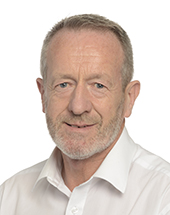
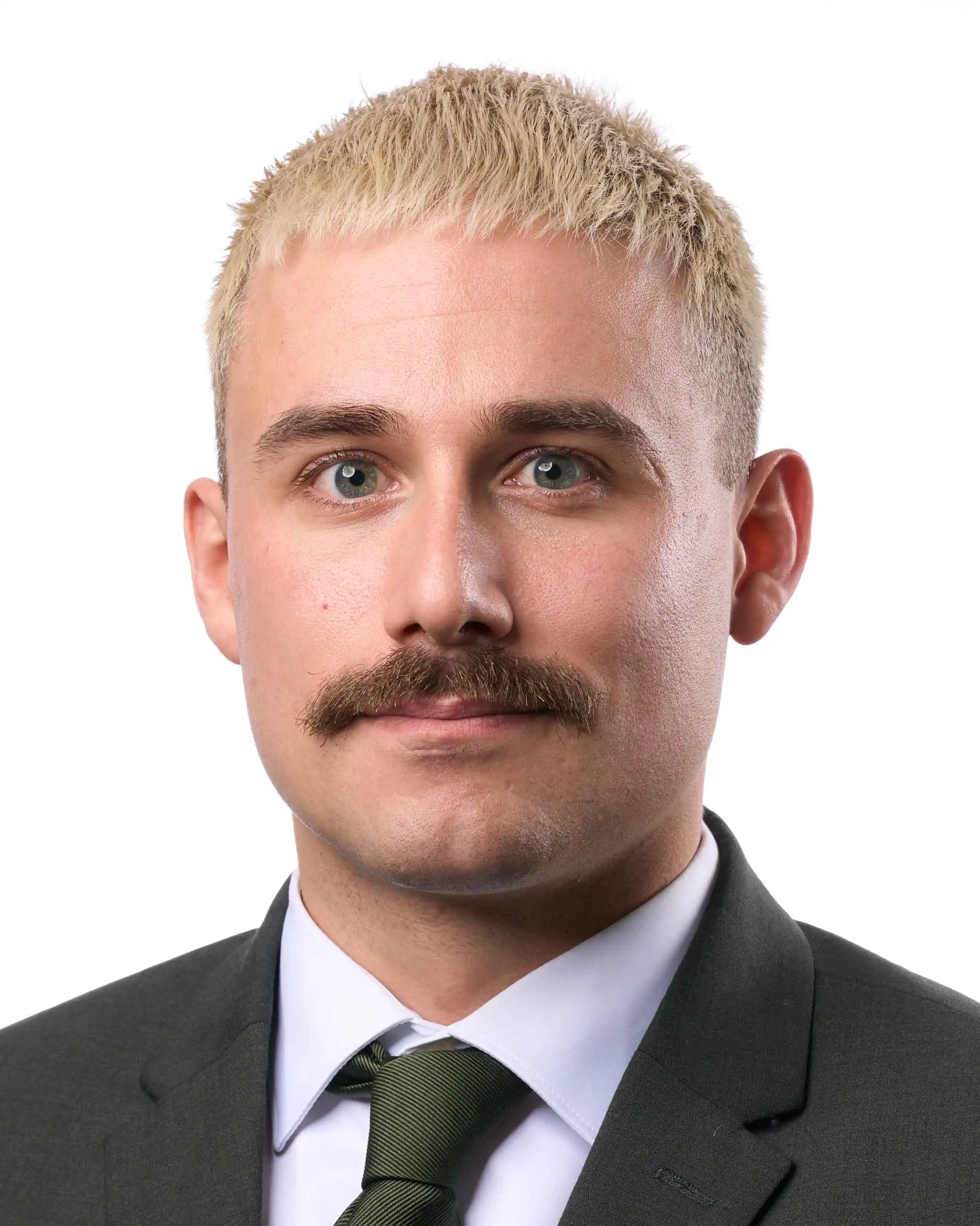
| 1 |
|
Lukas Sieper | Germany DEU | Non-attached Members (NI) | 390 |
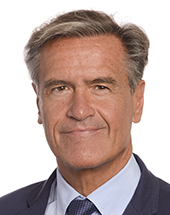
| 2 |
|
Juan Fernando López Aguilar | Spain ESP | Progressive Alliance of Socialists and Democrats (S&D) | 354 |
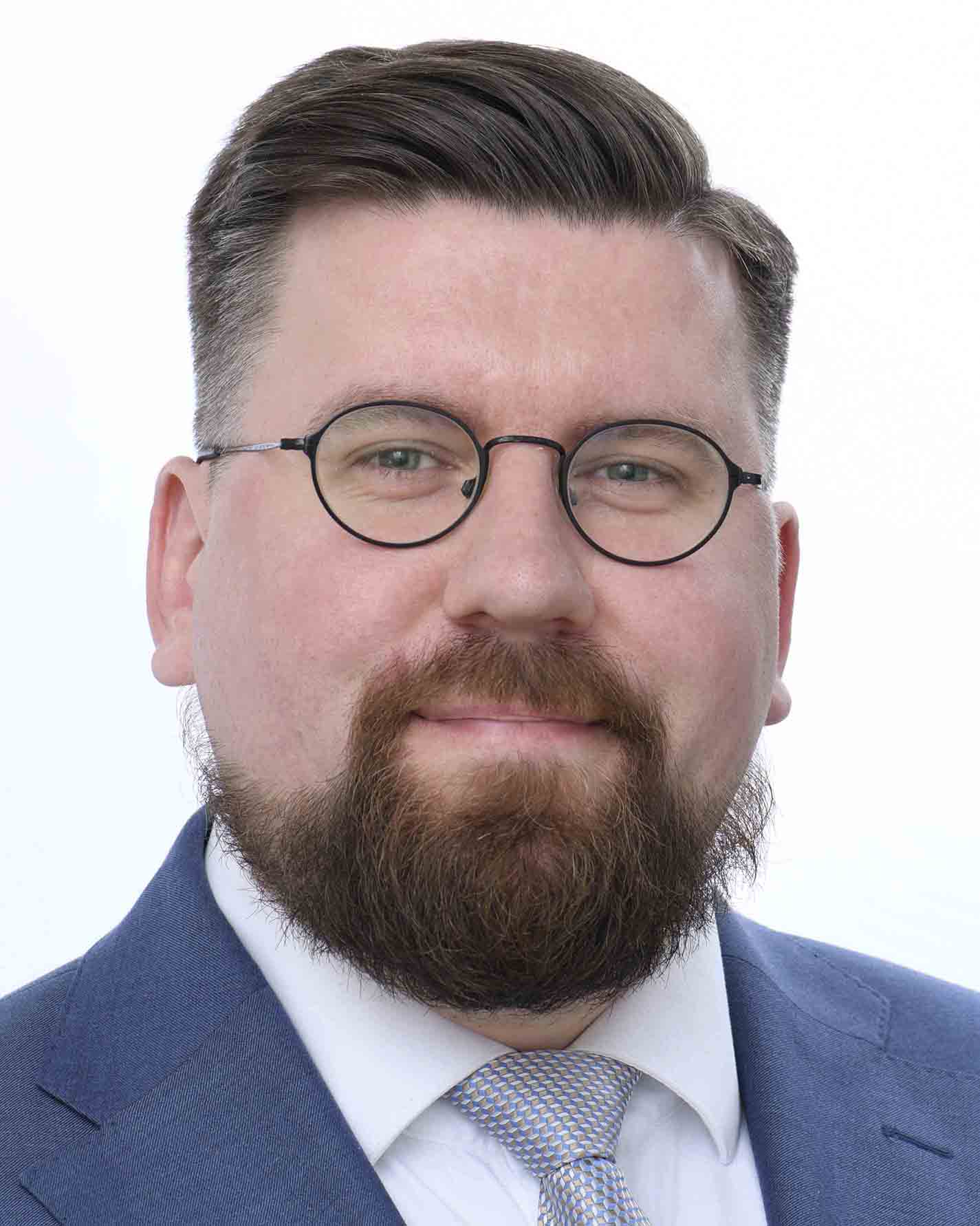
| 3 |
|
Sebastian Tynkkynen | Finland FIN | European Conservatives and Reformists (ECR) | 331 |
| 4 |
|
João Oliveira | Portugal PRT | The Left in the European Parliament (GUE/NGL) | 232 |
| 5 |
|
Vytenis Povilas Andriukaitis | Lithuania LTU | Progressive Alliance of Socialists and Democrats (S&D) | 227 |
All Contributions (454)
Plans and actions to accelerate a transition to innovation without the use of animals in research, regulatory testing and education (debate)
Mr President, animal welfare can often be overlooked, but I am pleased to say that this is not the case in the European Parliament. Last month, we passed a resolution calling for a ban on the use of cages in animal agriculture by 2027. This was in response to ‘End the cage age’, a European Citizens’ Initiative. Some 1.4 million citizens signed it and we responded in kind. For nearly 30 years, the EU has been committed to reducing the use of and improving the welfare of animals in science. Since 2009, the marketing of any cosmetic products containing animal-tested ingredients have been banned in the EU. Considering that Europe’s cosmetic products market is the biggest in the world, it’s clear that this was a significant step in the promotion of animal welfare. The 2010 EU directive on the protection of animals used for scientific purposes promotes the three Rs: (1) replacing animal experiments wherever possible; (2) reducing the number of animals used and (3) refining experiments to minimise the impact on animals. This directive also notes that the final goal is full replacement for procedures on live animals for scientific and educational purposes as soon as it is scientifically possible to do so. While the progress made on the three Rs is most welcome, unfortunately, we are not yet close to reaching the final goal and the number of animals being used in research, regulatory testing and education remains high. Thankfully, new developments have been made, the advancement in animal models and these are very relevant because they are human-relevant and therefore present an opportunity for more accurate data. A comprehensive approach will accelerate the transition away from animal testing.
Hong Kong, notably the case of Apple Daily
Mr President, when Hong Kong’s largest pro-democracy paper, Apple Daily, was forced to announce its closure, a chilling message was sent to the people regarding the freedom of expression, as well as a blow to media freedom in the city. Let us not forget the valuable role played by the media. Freedom of the press is vital for informing citizens about public affairs and monitoring the actions of governments at all levels. Yes, we all may get frustrated by the opinions and actions of some journalists at times, but as a whole, they’re a necessity for a free and just society, and they should be protected. I would therefore like to join the calls for the Hong Kong authorities to release all detained journalists, as well as all peaceful protesters, activists and political representatives, the charges against whom appear to be purely political. Several months ago, we spoke in this Chamber about the unilateral introduction of national security legislation by the government in Beijing and what that would mean for the city of Hong Kong’s autonomy, rule of law and the integrity of one country, two systems. Unfortunately, since then we’ve continued to see a deterioration in the situation of human rights in Hong Kong. The strict application of the national security legislation, the erosion of rights and the increased crackdown on any dissent prevents a relationship of trust between China and the EU, undermines future cooperation and leads to further erosion of Beijing’s credibility on the international stage. I would also like to take this opportunity to once again mention the case of Richard O'Halloran, whose case has been spearheaded here by my colleague Barry Andrews. Richard is an Irish citizen and father of four from Dublin, who has been refused permission to exit China since March 2019. I sincerely hope that there can be a resolution to this case as soon as possible. We stand with Hong Kong.
The case of Ahmadreza Djalali in Iran
The death penalty is imposed on more people per capita in Iran than in any other country in the world. This is true and the truth is very true. Doctor Djalali, who is from Sweden and Iran, is currently in prison until his execution – although he did not have a fair trial and there is evidence that he was tortured to acknowledgment. I urge the Iranian authorities to abolish the death penalty, release the Djalali Doctrine, and stop the death threats they are making towards his family. Last December, we called here in Parliament on the Iranian authorities to release Sakharov Prize laureate Nasrin Sotoudeh from prison. Unfortunately, the situation has not improved so far. It is time for Iran to find a positive and fair solution through the doctor’s case – freeing him and Nasrin. Let Djalali soar. Let Djalali be free.
Breaches of EU law and of the rights of LGBTIQ citizens in Hungary as a result of the adopted legal changes in the Hungarian Parliament - The outcome of 22 June hearings under Article 7(1) of the TEU regarding Poland and Hungary (debate)
Mr President, ponder this: Poland and Hungary are the biggest beneficiaries of European funding. In 2018, Poland paid in EUR 3.98 billion and, in return, received EUR 16.35 billion, four times more than they paid in. Hungary paid in EUR 1.076 billion and received six times more than that, EUR 6.298 billion. At least the Portuguese Presidency moved forward on the Article 7 suspension procedure by organising hearings on Hungary and Poland. It is my hope that this will provide a sufficient basis to stop the rule of law backsliding in these and, potentially, other Member States. Without respect for the rule of law, we cannot have a fair and just society. With regard to Poland, we see major issues with the Constitutional Tribunal, the disciplinary regime against judges and a muzzle law against judges who criticise the Government’s judicial overhaul and the dismissal of judges. In bullyboy Viktor Orbán’s Hungary, attacks against LGBTI people, judges, journalists, academics and activists have increased since the beginning of the pandemic. Hungary’s new law will have devastating effects. It means that vulnerable young people will be deprived of important support. It is essential that young people especially be ensured access to comprehensive sexuality and relationship education, which is non—judgmental and objective. The adopted law is a direct contradiction of the values and respect for human dignity on which the Union is founded. There are conditionality clauses in relation to European funding. We should use them.