

| Rank | Name | Country | Group | Speeches | |
|---|---|---|---|---|---|
| 1 |
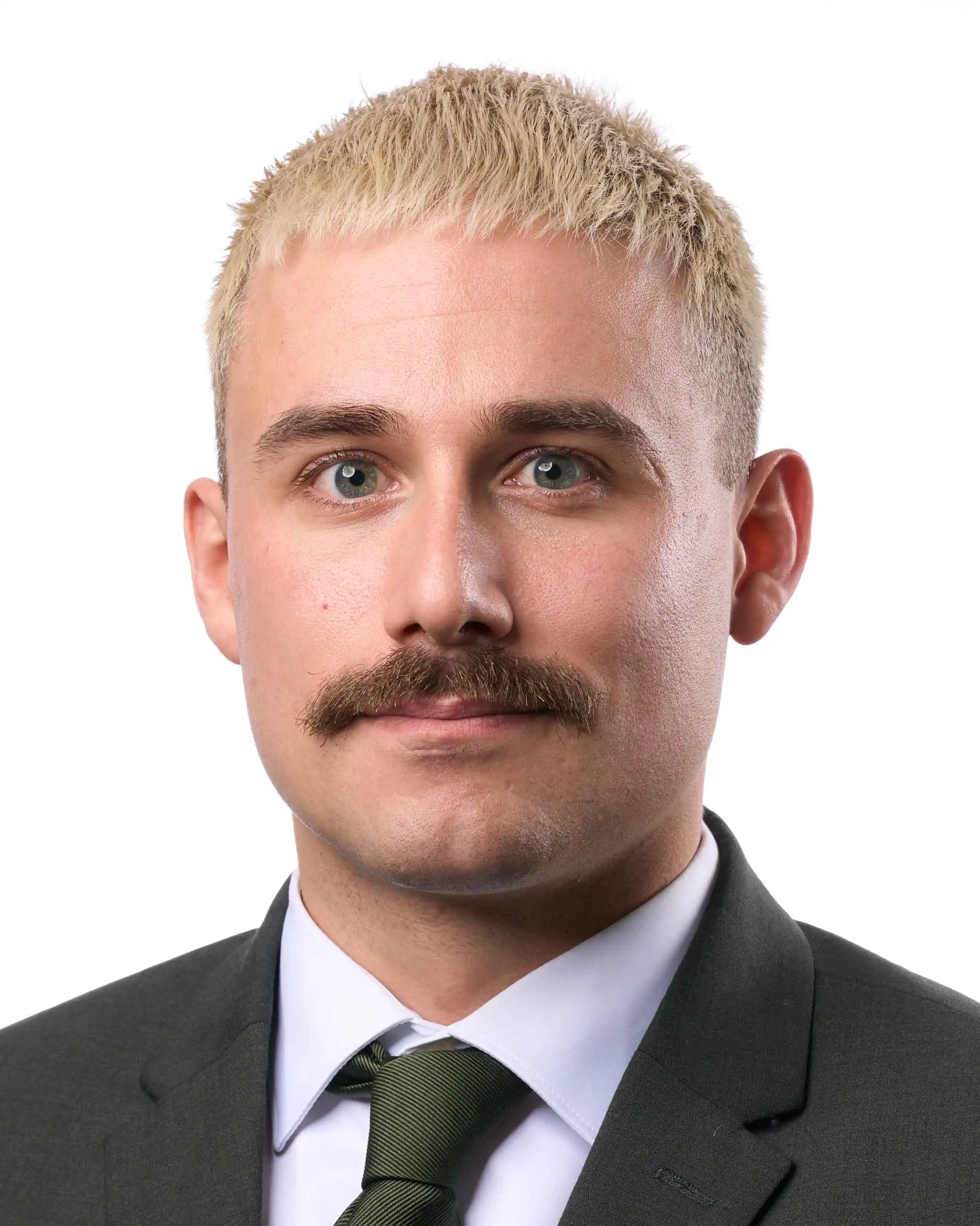
|
Lukas Sieper | Germany DEU | Non-attached Members (NI) | 390 |
| 2 |
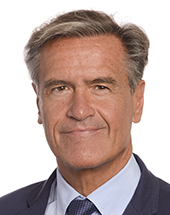
|
Juan Fernando López Aguilar | Spain ESP | Progressive Alliance of Socialists and Democrats (S&D) | 354 |
| 3 |
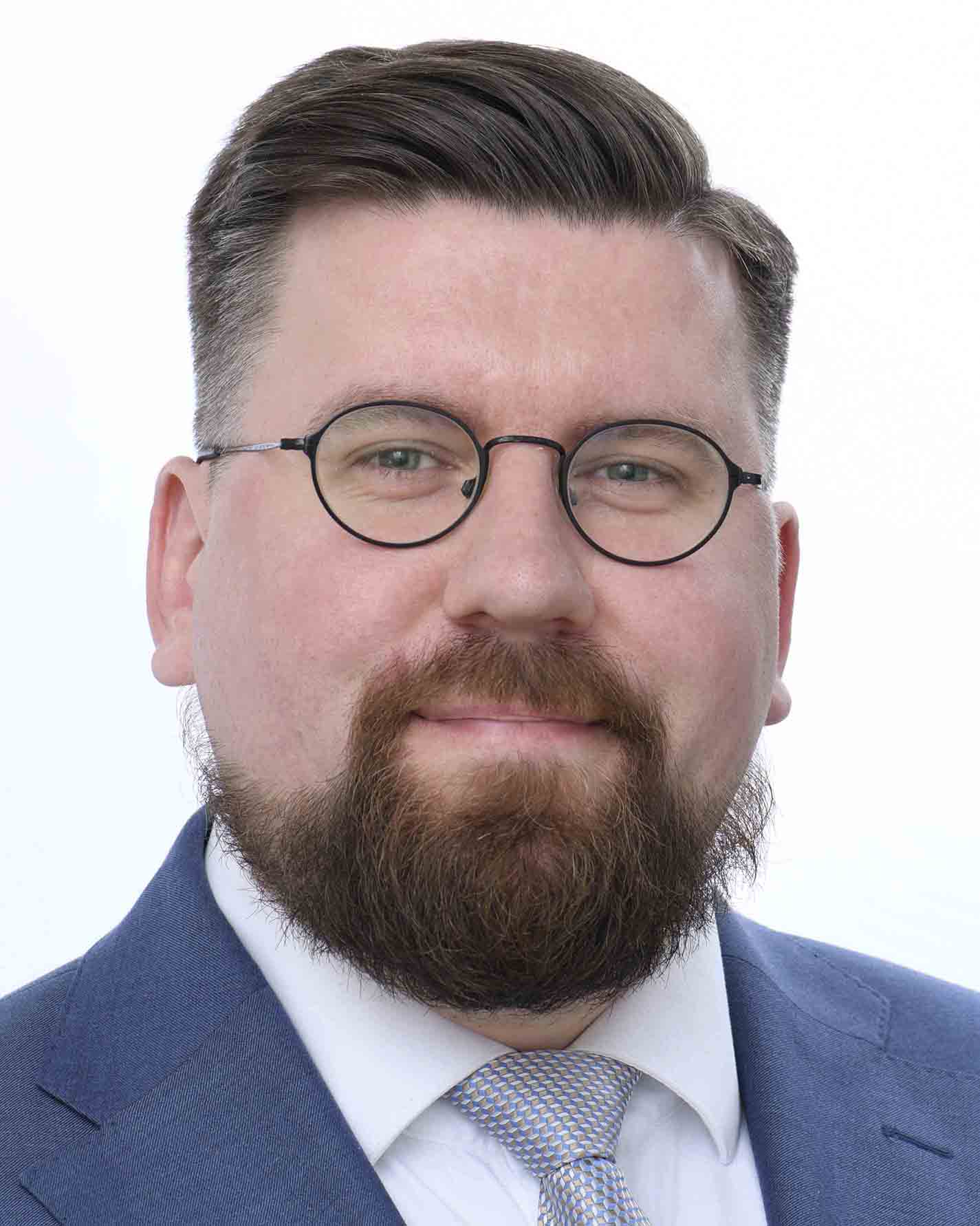
|
Sebastian Tynkkynen | Finland FIN | European Conservatives and Reformists (ECR) | 331 |
| 4 |
|
João Oliveira | Portugal PRT | The Left in the European Parliament (GUE/NGL) | 232 |
| 5 |
|
Vytenis Povilas Andriukaitis | Lithuania LTU | Progressive Alliance of Socialists and Democrats (S&D) | 227 |
All Contributions (138)
Dieselgate: suspected widespread use of defeat devices in cars to reduce effectiveness of pollution control systems (debate)
Madam President, in 2015 the experts described the Dieselgate case as groundbreaking and they were right. The case sparked mistrust of diesel engines and put a sharp strain on the transition to electric vehicles. All this must be added to the increased traffic and operating price of the vehicles, because every new diesel car has to refuel AdBlue, the price of which is constantly rising. Compared to last year, when it was 20 cents, today it is 70 cents and more, because it is produced from natural gas. In addition, a new study shows that emissions manipulation is still a reality. Three quarters of European diesel cars are likely to have equipment installed that influences emission test results and artificially shows lower emission values. It's a huge number of vehicles. These are the tens of millions of cars that are still in circulation. We clearly see this as a betrayal of consumer and public confidence, and the authorities cannot continue to let car manufacturers slip away with impunity. In many cases, in the context of this case, car manufacturers in Europe were neither punished nor held accountable. Something similar can happen with the introduction of the new Euro 7 emissions standard under discussion and with electric vehicles, where the environmental impact is artificially reduced, and ultimately only consumers will pay for it.
Digital euro (debate)
Madam President, Commissioner McGuinness, first of all I would like to thank you for presenting today the Commission's proposal, or what you think should be a digital euro. It is also important to stress to the citizens of the European Union that this is actually the first debate we have in the European Parliament on the digital euro, and it certainly does not mean its introduction, nor that we agree or disagree with it, but it is really a debate. We are really seeing the growth of cryptocurrencies around the world, and this is actually our answer to that. But is it really enough for us that it's because everyone does it, will we do it too? I think it has been said many times in today's debate that we need a clear definition of what makes the digital euro better than the euro we use, so that we can actually explain it to the citizens of the European Union. It is also very clearly important for our political group that the digital euro is safe, easy to use, deposit protection and the protection of users of this currency, as well as the protection of buyers, and especially their privacy, when they use this euro. So I see positively that we are discussing it, but we should definitely define what the added value really is and why we are going to use it, why we are going to use it and whether our citizens will really perceive it positively. This is certainly important, because we as politicians can have an opinion, but citizens are the ones who will use it.
One-minute speeches on matters of political importance
Mr President, this week in Slovakia we are celebrating the so-called Day of Daffodils, which is a symbol of the fight against cancer. Cancer is not just one, it has different forms and affects different parts of a person's body. It is an insidious disease, which in the beginning does not need to hurt at all, and therefore it is often revealed only at an advanced stage. According to the latest findings, there are up to 40,000 cancer cases per year in Slovakia, which is a huge number. It is still one of the most common causes of death in the world, but also in Europe. Therefore, it is important to appeal to preventive examinations and not to neglect them. Early diagnosis can prevent the development of the disease in many cases. Prevention has been neglected in recent years due to coronary measures and overburdening of the health system. I think it is necessary to appeal to the Member States to support and encourage people to visit, including by supporting the campaigns of organisations working with cancer patients and their families. Each of us has a person close to us who fights, fights or overcomes cancer. Let's support each other and we in Slovakia will attach a flower of daffodil as a symbol of support.
Deforestation Regulation (debate)
Mr President, none of us supports deforestation. Trees and forests are the lungs of the planet and we all need to breathe. We must support revitalisation, restoring forests and preserving diversity and improving the climate. But not only by the foolish proclamation of, for example, national parks, but also by the proper management of the forest. And people live in and with the forest, and we have to think of them first and foremost when adopting any legislation. For example, when we legislate on the energy efficiency of buildings and ban the use of energy from fossil fuels, we are de facto banning gas heating, and people who are poorer and live in such forest areas need to deal with their heating, and so often they are curing wood. Also, the current pressure to limit nuclear power will result in a lack of electricity and people will again heat more with wood. We must therefore be aware that, when adopting any legislation, it is necessary to think sensitively, to look at all the impacts, and above all to think of the people who will use it.
Strengthening the application of the principle of equal pay for equal work or work of equal value between men and women (debate)
Mr President, I consider the adoption of this directive on pay transparency to be historic. Finally, we will have legislation in the European Union that will genuinely support the reduction of the pay gap between men and women. Defining what equal work actually means is important so that we can compare, so that we do not encounter the notion that women still do less, easier, easier work and therefore do not deserve equal pay. I am pleased that we have succeeded in promoting greater transparency in pay and also improving the position of trade unions in collective bargaining. The obligation to publish the level of pay not only for the positions offered, but also the mandatory publication and comparison of the level of pay for men and women will make it clear what the real situation is in the European Union. We'll see who's really trying and who's just looking at equality. Unfortunately, this will only apply to large companies and I believe that this is the way for the future so that we can move on. Countries have anti-discrimination laws, but practice shows us that this can be circumvented by various surcharges and the like. In this way, we will be able to effectively apply the existing laws, which are not used enough today, and we will see who is really trying and who is just looking at equality.
Strengthening the EU Defence in the context of the war in Ukraine: speeding up production and deliveries to Ukraine of weapons and ammunitions (debate)
Madam President, I totally disagree with what everyone is saying here that we should procure weapons together. We can see how it went with the joint procurement of vaccines. But first and foremost, I think that we are not an institution to deal with military and defence matters at all. After all, we ourselves have written in our treaties that our defence policy is peacekeeping, conflict prevention, military advice, disarmament and humanitarian aid. We're going against something we shouldn't even do. How do we explain this to the public? I agree that there is a need to help Ukraine, but I do not think that by now jointly starting to procure weapons, the European Union is doing something that is a solution to this conflict that is currently taking place in Ukraine. I don't agree with that. I think the military institution is NATO. The countries of the European Union that wanted to be in NATO are there, those that wanted to cooperate militarily, they cooperate, and it is not our place and our right to deal with such issues at all. That's not what the citizens gave us.
Question Time (VPC/HR) - Strengthening the Trans-Atlantic ties in an ever challenging multilateral world
Mr President, I would like to ask you about transatlantic relations, Mr Borrell. We have always had very good cooperation with the Americans in terms of humanitarian aid and support to the countries that were most vulnerable, which had various problems. Today, for example, we are discussing critical raw materials that are needed for both us and Americans, and for other countries, such as China, to produce and develop various products. I would like to ask, where is the current discussion with the United States on this issue? Which regions do we consider to be so important to us? But also in relation not only to what humanitarian aid we are supporting and how we are supporting people in these regions, but also to how we are protecting these people? And since we are friends, but also competitors, how do we actually help these countries to fight climate change? Because very often these exploited resources, which we use and extract, cause various environmental problems.
Question Time (Commission) - How to ensure energy security in the EU in 2023
Mr President. Commissioner. Today, for example, we have approved a document here that talks about how we should have energy-efficient buildings. It mentions, for example, that we want fossil fuel to no longer be used for heating, which only implies that we can use either solid fuel or more electricity. I come from a country that has more than fifty percent of its energy mix of nuclear electricity or electricity from nuclear sources. So we have Russian reactors and we use fuel from the Russian Federation. I would like to ask, since there is currently a debate on the eleventh package of sanctions against Russia, which also mentions the possibility of banning the import of fuel from the Russian Federation, how the Commission intends to deal with assistance to these Member States, which will then have to source these resources for nuclear power plants from other countries, which will be more energy-intensive, but also more financially demanding, because it is not a completely simple matter. And it will also potentially increase the price of this electricity for people. And yet it is really about the self-sufficiency of the countries that we can talk about renewables, which are beautiful, but they are not always usable, and of course it takes some time to start them.
One-minute speeches on matters of political importance
Mr President. In the current economic and energy crisis, our citizens are suffering the most. The Commission undertook to present at the end of the year a proposal for a ban on caged animal husbandry and how it will be phased out. I don't think it's right for us to deal with this right now. The prices of basic food are rising, we have a shortage of vegetables and proteins, and this is when the huge inflation is bringing all the prices to the stratosphere. While I may find it sympathetic to think of the citizens who signed the citizens' initiative to end cage farming, we must think first of all about people and their well-being and not about the psychological survival of hens or pigs. In litter farming hens die three times and in free breeding up to five times the animals, which is a really high number. However, our people need to eat, they need access to healthy food and have enough. Now is not the time for such fantasies. However, if we finally approach the ban, we need to have a sufficiently long transition period, enough funding to help farmers and, above all, to think that we also need enough people to implement these much more demanding farms, because there are really few of them today.
The functioning of the EEAS and a stronger EU in the world (debate)
Mr President, I am very sorry that there are so few of us here on such an important subject, and that it would be much better if he were really here, that full house and everyone would sit here and listen, because it is very important how we look at the European Union. And when we talk about the future, I have great respect and I want to say that I appreciate the European External Service and all our colleagues who work in European diplomacy, as well as in the diplomacy of each country. But I think we need to think about whether we really want a majority vote in the Council, which we are talking about tonight, because I, coming from a smaller member country, is something that is unacceptable to us and we cannot support it, because we feel that we are omitting small Member States. Today, the European Union has the problem that its support is steadily declining, that people feel that someone else is deciding somewhere else in Brussels, that it is not about them. Perhaps this is one of the reasons that contributes to it. If we really suppress that slightly different view, because that consensus is what brought us together, what makes the European Union better, and therefore the consensus on these issues, where it is, is very much preserved.
Availability of fertilisers in the EU (debate)
Madam President, the situation has taught us, unfortunately, that we need to look for alternatives and other resources so that we can support our farmers and use fertilisers. It is therefore important to promote the use of more organic and organic fertilisers and the use of nutrients from recycled waste. I think that it is necessary to support domestic producers in the European Union and also to include them among the strategic sectors. I think that we need to encourage livestock farming, because this natural fertiliser that they produce is very appropriate and natural and we should allow it to be used more widely. If we can allocate and reallocate the European Union's resources in the current crisis to other issues, I think we can reallocate them to our farmers and growers as well. We must not destroy our soil, because healthy soil means healthy food, and healthy food means healthier people. Fertilizers are costly and therefore these natural ones are much better, and indeed, because of this scarcity, we should really seize the opportunity to make more use of them.
One year of Russia’s invasion and war of aggression against Ukraine (debate)
Mr President, I am fascinated at the outset by the fact that on a subject such as the year of the war in Ukraine, colleagues from the EPP are using it embarrassingly to attack us as their political opponents. But I think it is also necessary to talk about things such as the victim of European Union citizens living on the border with Ukraine, namely, for example, citizens of the Slovak Republic, Poland, but also Romania, who opened their homes and helped as volunteers and helped refugees coming from Ukraine, women and children. And indeed, often they were people who didn't have much of their own, and they gave the last one to help these refugees when the government couldn't. So I want to thank them very much and also mention them in this discussion, because it is very important to see that really what people think. And I think these people don't want to talk about guns, they want to talk about peace. That is why I think that we, too, as politicians, should also talk about the fact that a peace project such as the European Union should also offer peace in the fight in Ukraine and help to end this war. Because the death and suffering of those women and children who die every day in Ukraine is terrible.
One-minute speeches on matters of political importance
Mr President, on 1 January 2023, we celebrated the thirtieth anniversary of the peaceful division of Czechoslovakia and thus the establishment of an independent Slovak Republic. I consider this an important milestone that deserves not only a celebration, but also a look back and appreciate what we have achieved in the era of independence. Slovakia gradually became a member of all important international organizations and in 2004, almost twenty years ago, also of the European Union. Thanks to the work and commitment of the left-wing government, we joined Schengen in 2009 and have been using the euro since that year. We have thus significantly protected our citizens from economic fluctuations, and even today we are benefiting more from this common currency than the countries that have retained their currencies. I am delighted that this year Croatia has joined us in Schengen and the euro area, allowing our citizens to travel freely without borders to all the seas in Europe. The Slovak Presidency of the European Union in 2016 is still perceived as very successful, which is also positive. We may not always have the same opinion and attitude on the issues we face, but we have always been a constructive partner in the discussion as a country.