
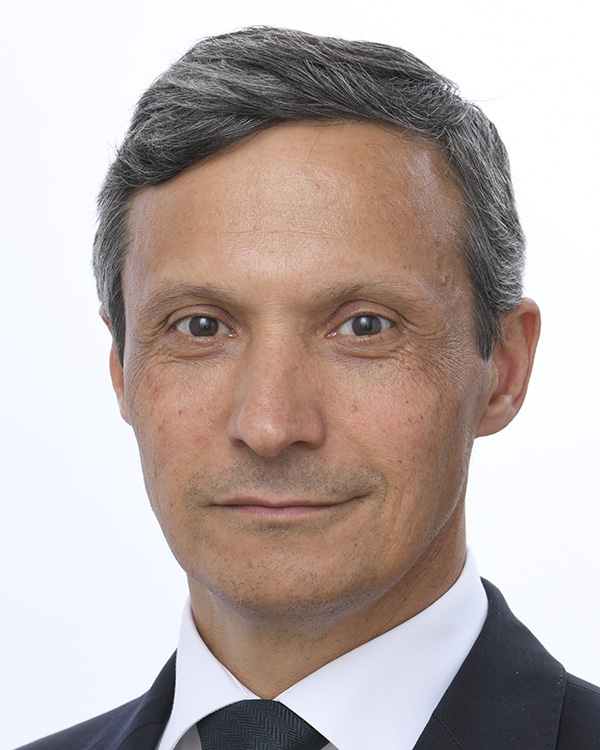

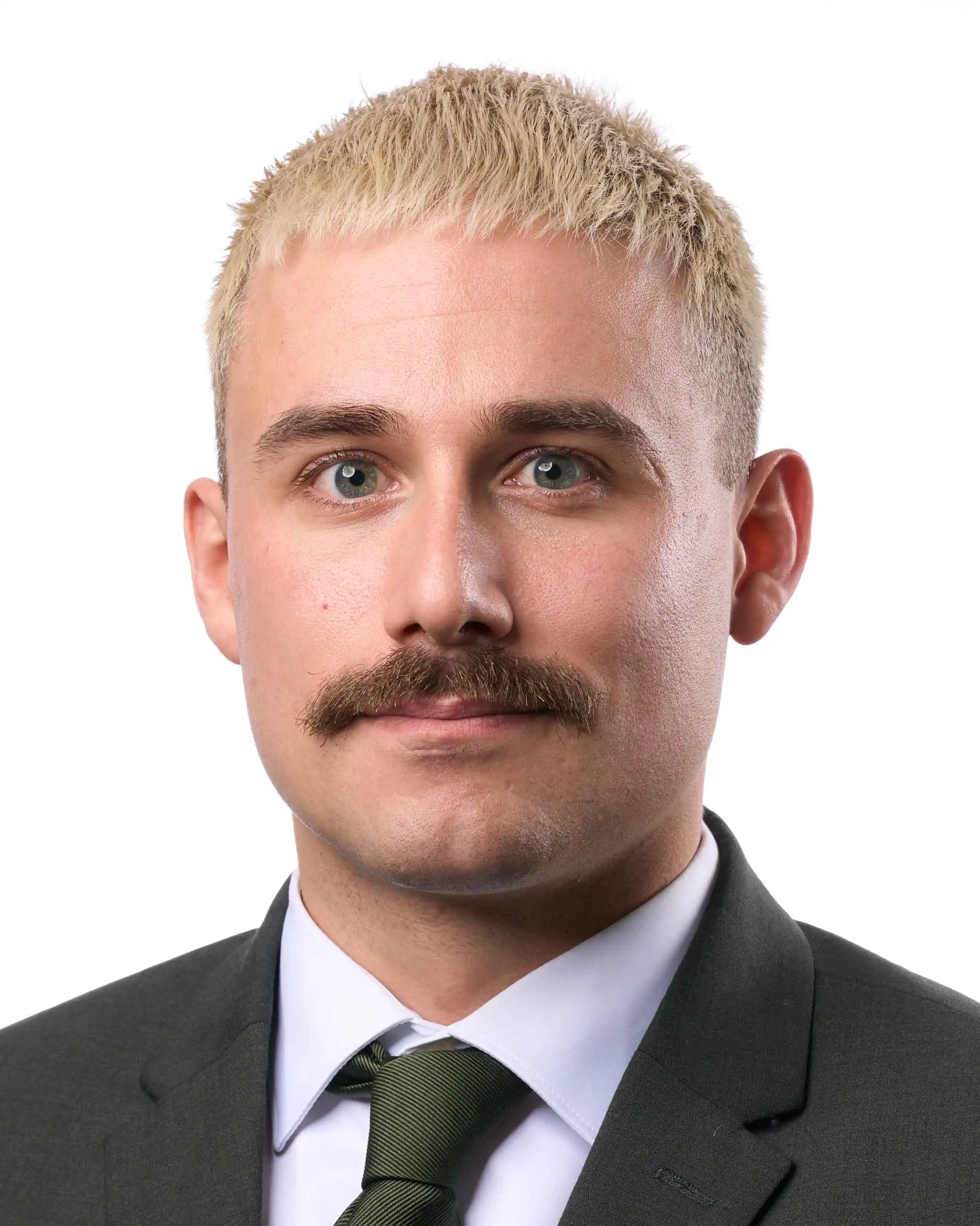
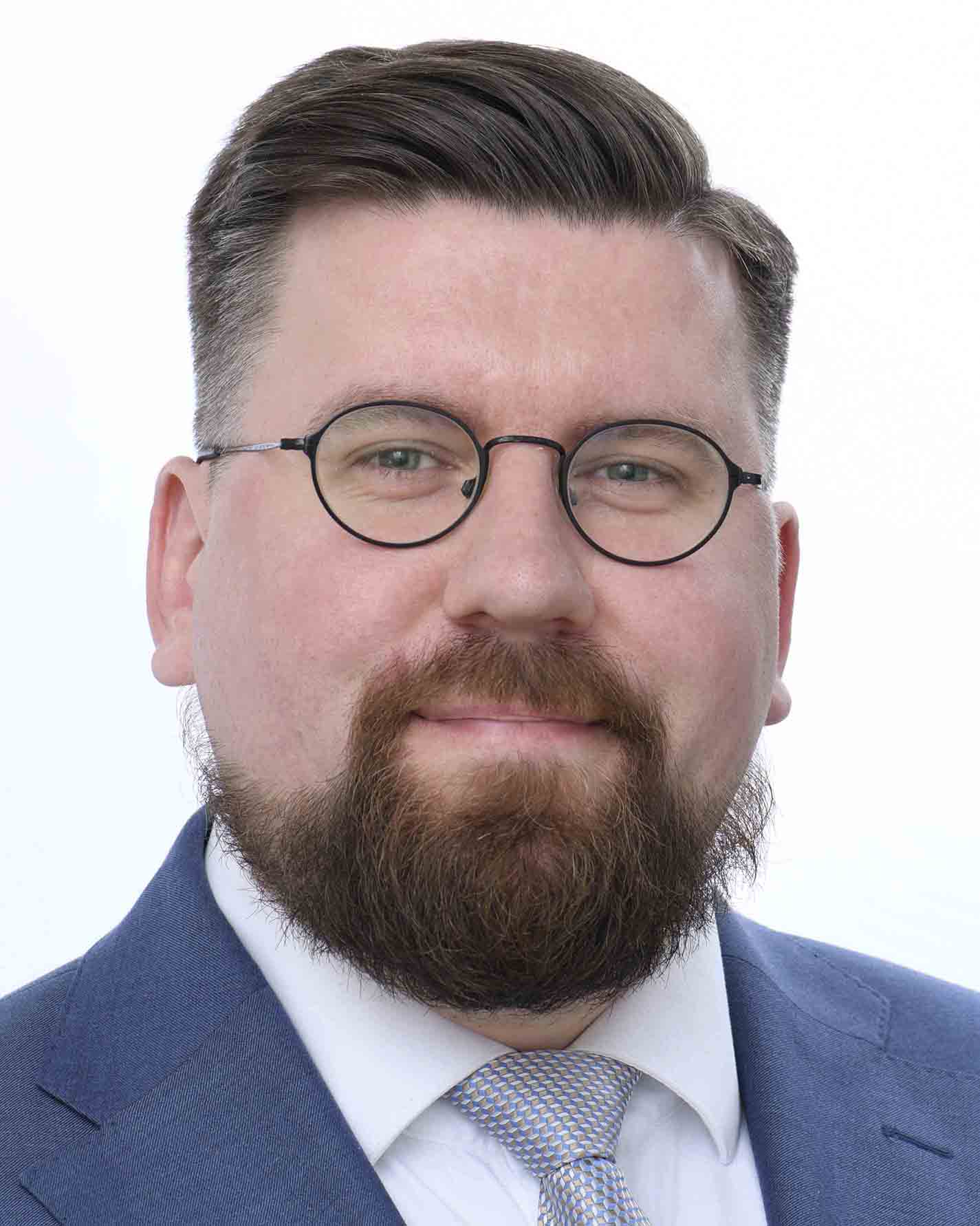
| Rank | Name | Country | Group | Speeches | |
|---|---|---|---|---|---|
| 1 |
|
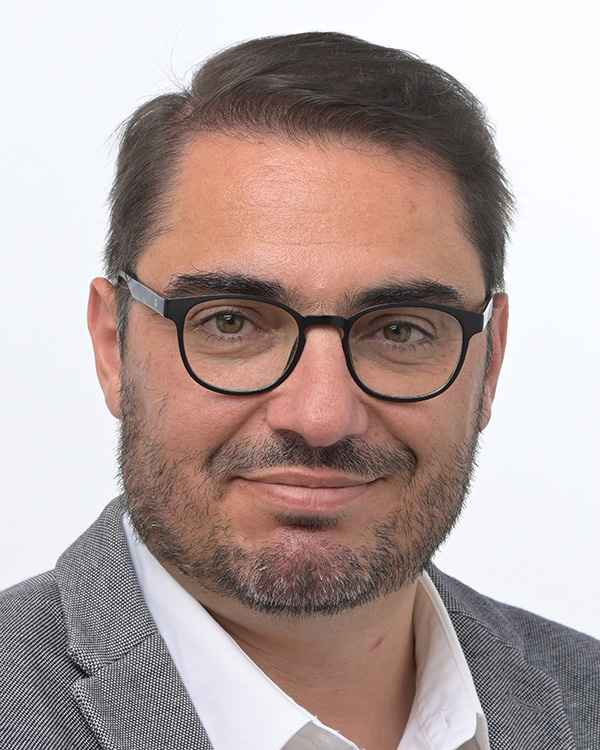
Lukas Sieper | Germany DEU | Non-attached Members (NI) | 390 |
| 2 |
|
Juan Fernando López Aguilar | Spain ESP | Progressive Alliance of Socialists and Democrats (S&D) | 354 |
| 3 |
|
Sebastian Tynkkynen | Finland FIN | European Conservatives and Reformists (ECR) | 331 |
| 4 |
|
João Oliveira | Portugal PRT | The Left in the European Parliament (GUE/NGL) | 232 |
| 5 |
|
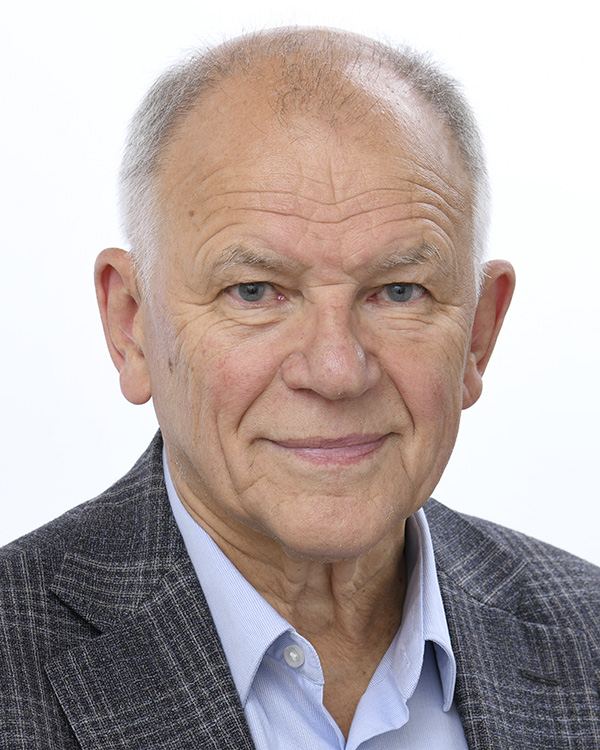
Vytenis Povilas Andriukaitis | Lithuania LTU | Progressive Alliance of Socialists and Democrats (S&D) | 227 |
All Contributions (42)
Presentation of the New European Internal Security Strategy (debate)
I praise a strategy that faces a problem that exists. The mistake would be for us to ignore a difficulty that is real and visible to everyone. I believe that the solution advocated by the Commissioner is a pragmatic solution and the pragmatism of the solution is the best way to encourage migration. Migration policies will be favoured, they will be protected if we defend legal channels. What is on the table is to regularise a process and regularisation will bring favourable results from the point of view of protecting the rights of migrants.
Presentation of the New European Internal Security Strategy (debate)
Mr President, Commissioner, the internal security of the European Union faces unprecedented challenges. Threats do not respect borders. That is why we urgently need a single, renewed, robust and coherent European internal security strategy. There are four clear priorities for the area of security: the protection of external borders, enhanced police and judicial cooperation, counter-terrorism and digital security. These four axes enable us to provide a comprehensive and multifaceted response to a rapidly changing threat. Strengthening cooperation between Member States is crucial. The external borders of the European Union must be protected efficiently by investing in technology and skilled human resources. Today, Europe must reaffirm itself as a peace project, guaranteeing the security of its citizens and protecting its values, but without giving in to the temptation to restrict fundamental freedoms. We are stronger together and now, more than ever, we need a true European security pact.
Conclusions of the European Council meeting of 20 March 2025 (debate)
The data, which are public and recent, show significant improvements in the Portuguese economy, not only from a macroeconomic point of view, but also, specifically, in terms of employability. Today, there is clearly an improvement in the economic situation in Portugal. This is due to consistent public policies, not only adopted at the domestic level, but also those that are adopted at the international level. We genuinely believe that what has been done in the context of the European Union, combined with what is happening in the national context, is the necessary combination so that every Portuguese citizen and every Portuguese company, particularly those you have mentioned, small and medium-sized enterprises, can benefit from a favourable economic climate.
Conclusions of the European Council meeting of 20 March 2025 (debate)
Madam President of Parliament, Mr President of the Council, the conclusions of the European Council of 20 March reflect important advances for the European Union, but leave us with clear challenges ahead. Enhancing competitiveness, focusing on greater energy autonomy and continued support for Ukraine are priorities that we fully agree with but require concrete action. As the Portuguese Prime Minister, Luís Montenegro, has rightly said, Europe must be quick to assert itself as a competitive and cohesive trading bloc. And I would add: competitiveness is not only economic, it is also synonymous with security. A competitive and resilient Europe will have a better capacity to support Ukraine at this historic moment and to respond to the challenge posed by the war. We need to simplify legislation and reduce the administrative burden, as decided in this Council. But I ask: How long will small and medium-sized enterprises have to wait to see these promises on the ground? Without them, Europe risks losing the basis of its economic and social strength. Another key issue is energy autonomy. Despite the consensus on the creation of a common energy market, the Iberian Peninsula remains limited in terms of interconnections. And I ask: How long will we be an energy island in Europe? Portugal is ready to be part of the solution. We need concrete commitments. Finally, I stress that supporting Ukraine is a strategic responsibility. Competitiveness in innovation, energy and defence is the best lever for the European Union to be a strong support pillar for those fighting for freedom and democracy. We cannot watch the challenges that are accumulating immobile and serene. The European Union needs to move forward.
Presentation of the proposal on a new common approach on returns (debate)
Madam President, Commissioner, returns are central to an effective migration policy. Where there is no capacity for effective return, the entry of migrants will be restricted. The best way to promote a positive migration policy is therefore with a genuine return strategy. We need a response that is European, swift, uniform and clear on returns, that secures the Schengen legacy, so we advocate the implementation of a regulation, as a legislative act, for returns. The Regulation to be established should be based on two key measures: first, the effective monitoring of the migrant, from his or her entry to the verification of the conditions for his or her stay. On the other hand, we must ensure that this screening process is brief, that it is carried out within the jurisdiction of the European Union and that it complies with rules that ensure that migrants are treated in a dignified manner, always with scrupulous respect for their fundamental rights. Let us be clear: we need measures to enable returns, but it is our fundamental duty to ensure that these measures are humane and proportionate.
Commission Work Programme 2025 (debate)
The clear commitment to supporting small and medium-sized enterprises is one of the most important signs from the point of view of the direct relationship between this programme and Portugal. Knowing that more than 90% of companies in Portugal are small and medium-sized, having a European program like this, so focused on supporting this entrepreneurial dimension is a very positive sign for companies in Portugal.
Commission Work Programme 2025 (debate)
Madam President, Commissioner, ladies and gentlemen, the Commission's work programme for 2025 gives us the tools to strengthen the European Union. The message has to be clear: It's time to invest and simplify. Invest in the decarbonisation of industry, with the Clean Industrial Deal, to modernise strategic sectors. To this end, it is essential to focus on cross-border energy connections, which guarantee greater energy integration and security in Europe. Invest in renewable energy, such as green hydrogen, to ensure a clean and sustainable energy future. Simplify business life by cutting red tape and encouraging innovation. We cannot let the engine of our economy, small and medium-sized enterprises, catch the flu. And we also need to support small and medium-sized capitalisations to keep pace with innovation and grow sustainably. We should invest in the elements of clean technologies such as semiconductors and artificial intelligence, ensuring the strategic autonomy of the European Union in global value chains; and simplifying access to funds and incentives, ensuring that no region, sector, company or person is left behind. But for all this to be possible, we need to invest in people, promote education and reskilling through the union of skills. Preparing our people will ensure a fair and competitive transition. This is the time to invest in the future and simplify the way.
US AI chip export restrictions: a challenge to European AI development and economic resilience (debate)
Madam President, Commissioner, the restrictions imposed by the United States of America show how technological competition is used as an instrument of power, a geopolitical weapon. These attacks on our technological sovereignty cannot be ignored. External dependence on semiconductors is a clear threat to European strategic sectors. The automotive ecosystem is a clear example. In Portugal, it employs more than 100 000 people and accounts for around 20 % of exports. But without semiconductors, the transition to electric and autonomous vehicles is at risk. The same applies to renewable energy. In Portugal, where we already produce 71% of our energy from renewable sources, semiconductors are essential for smart grids, for energy storage and efficient management. How can we accelerate decarbonisation without this foundation? Colleagues, this adversity can be our strength. The Chinese DeepSeek case, with all the reservations we should have, shows how restrictions can act as catalysts for disruptive innovation and technological independence. Let's take what we have and take action. As Draghi points out, we must strengthen domestic production and invest in our own technological capabilities. Resources and knowledge exist. So, I ask the European Commission, will we continue to tolerate others choosing the fate of our industries? If we want to be leaders, we have to be more ingenious and less naive.
Conclusions of the European Council meeting of 19 December 2024 (debate)
Madam President, the founding political agreement for stability in the leadership of the European institutions is based on three non-negotiable pillars: consolidating the European project, unequivocally supporting Ukraine and uncompromisingly upholding the rule of law. The new American administration shows how much we need strong transatlantic ties with the United States. More than ever, the dimensions of Europe’s sovereignty and strategic autonomy are crucial to ensure its independence and resilience in the face of global challenges. We want to build a Europe that is a partner and not dependent on partners, able to build internal understandings about the essentiality of policies such as reducing energy prices and unlocking investment across the single market as the foundation of our economic growth. Housing needs a dignified response to the complex phenomenon it has become, while the demographic crisis threatens our growth as a global power. We hope that the new leadership of the European Council will be a milestone in the construction of the European Union, cohesive and strong, united around its purposes and values, and that its President will mobilise the will and build compromises between all the governments of the European Union.
Preparation of the European Council of 19-20 December 2024 (debate)
Madam President, we want the European Council, which starts tomorrow, to be the beginning of a new time for the European Union. We are patriotically pleased to see António Costa chair the European Council, knowing how decisive his support for the Social Democratic Party in Portugal and the EPP in the European Union was. There are challenges that the European Council and its President should embrace: protecting democracy and state sovereignty by combating authoritarianism and interference; to ensure individual freedoms and the right of peoples to self-determination; protecting human rights; defending the Ukrainian people in the face of illegitimate Russian aggression; pay attention to conflicts in the Middle East; strengthening Community policies, which are essential for the protection of the weakest, in which we emphasise support for cohesion policies and housing; promoting economic, social and territorial convergence; tackling asymmetries between regions and ensuring a European-wide response to housing that makes it affordable.
Misinformation and disinformation on social media platforms, such as TikTok, and related risks to the integrity of elections in Europe (debate)
Mr President, ladies and gentlemen, I believe that we have lived through more than a fight against disinformation. We live in constant duality. On the one hand, we have the basic principles of democracy: freedom, transparency and the conscious participation of citizens. On the other, the growing bet on manipulation and control through social networks, to undermine trust in democratic processes and institutions. Recent interferences in democratic processes do not represent mere isolated cases. They are signs of a concerted strategy aimed at exporting authoritarian models, guided by control and repression, to our democracies. While TikTok bans political content in advertising, it is becoming an increasingly sought-after tool for attracting and manipulating younger voters. Europe must respond firmly and unequivocally. We need to equip our citizens with the tools to recognise and resist manipulation. We must demand more from communication platforms that often become complicit in these strategies, and demand accountability. The distortion of reality cannot reign, it cannot win. This is a debate about the future of our democracies. Today, we need to show our resilience.
Strengthening children’s rights in the EU - 35th anniversary of the adoption of the United Nations Convention on the Rights of the Child (debate)
Madam President, today we celebrated 35 years of the Convention on the Rights of the Child, a fundamental milestone in the defence of their rights. While we have robust legislation, we still face significant disparities. Access to quality education, health and adequate social services is not a reality for all children. These situations have serious and long-lasting consequences, compromising their physical, emotional and social development. With the Internet and social media, new dangers have emerged, such as harassment. online and sexual exploitation, which require rapid and effective responses. The European Union must take a leading role. It is urgent to move forward with a strong and clear strategy, focused on prevention, the training of professionals working with children and the strengthening of child protection systems. Member States need to work together to ensure that all children, regardless of their background, have access to a safe environment, quality education and essential services. Protecting your rights and ensuring your well-being is not only a moral duty, it is a bet on the future of all of us. We can't wait. It's time to act.
Presentation by the President-elect of the Commission of the College of Commissioners and its programme (debate)
Madam President, the budget is the basis for the future of the European Union. Without an ambitious budget, we cannot respond to the challenges we face, nor can we ensure sustainable and balanced growth among all Member States. We need a strong budget focused on competitiveness. A budget that preserves policies such as Cohesion Policy and the Common Agricultural Policy, which are key to strengthening regional convergence and European competitiveness. Europe's competitiveness must not be held hostage to limited budgets. We should explore new own resources and private investment should be encouraged. Moreover, competitiveness requires a clear commitment to innovation, technological advances and digital and green transformation. But we also need to fight the red tape that suffocates our small and medium-sized enterprises. The budget is more than numbers. It is the engine of European competitiveness. Without ambition, there is no cohesion and no global leadership. But with vision, there is a social model and a future for every citizen.
International Day for the Elimination of Violence against Women (debate)
Mr President, colleagues, 140: This is the number of women who, according to the United Nations, lose their lives every day at the hands of those closest to them. Ladies and gentlemen, this represents one death every ten minutes. In the European Union, one in three women is a victim of some form of physical or sexual violence at least once in her life. In addition, violence against women is no longer limited to physical space. The digital world has also become a stage for gender-based violence. The proliferation of groups online where everything is allowed, as we saw in the Telegram case in Portugal, where 30,000 people accessed intimate content shared without consent, requires a firm response. Domestic violence, sexual harassment, femicide persist as a shadow over the lives of many women and girls. We need to strengthen victim protection mechanisms, ensure access to justice and promote effective public policies that prevent and combat violence in all its forms. Violence against women is not only a crime, but a fundamental violation of human rights. In the Europe we want and will build, there is no room for violence. We won't tolerate her.
Managing migration in an effective and holistic way through fostering returns (debate)
Madam President, ladies and gentlemen, the migration crisis is one of the greatest challenges of our era. It is imperative that we approach this issue with humanity and dignity. In Portugal, under the leadership of the Government of the Democratic Alliance, we have implemented exemplary measures that reflect these fundamental values. The Action Plan on Migration of our Government promotes an effective system to welcome those who want to enter, but at the same time uncompromising in monitoring and combating abuses, by requiring a link to all migrants who want to deal with their regularization. This facilitates integration and reduces irregular immigration. We want to ensure that every migrant who arrives in our country is treated with respect and has access to decent living conditions while waiting for their asylum application to be examined. We have to look for innovative solutions that respect these principles. In addition to the legal changes introduced, the Portuguese Prime Minister recently announced the creation of reception centres for immigrants on Portuguese territory as a new option for integrated management. We are against using EU funds to build walls at our external borders. We advocate investment in the use of advanced technology, surveillance and cooperation between Member States. The effective management and strengthening of the external borders of the European Union are key elements for a Schengen area without internal border controls. We will only solve the migration crisis if we fight the...
Preparation of the European Council of 17-18 October 2024 (debate)
Mr President, Commissioner, ladies and gentlemen, the current geopolitical context challenges the values of freedom and democracy, calling into question the future way of life of the European peoples that we must take care of. We wholeheartedly support Ukraine and its rapid accession to the European Union, for which we must prepare as soon as possible from a financial and institutional point of view. This will strengthen our continent and send a clear message of solidarity against external threats. The situation in the Middle East requires immediate attention. We must seek solutions that promote peace and stability in the region. In Venezuela, it is imperative that the European Union lead the defence of human and democratic rights by promoting a solution that respects the will of the people. In the internal context, we need clear commitments from immigration policy, robust procedures for asylum applications and returns must be put in place, and we must combat irregular migration by improving security at the Union's borders. At the same time, it is crucial to promote legal pathways for migration by stimulating the inflow of human resources that strengthen our economy. In terms of competitiveness, we support Europe with the industrial and technological factor. Our small and medium-sized enterprises are crucial for innovation and economic and social growth. Access to finance and the reduction of barriers are essential if they are to compete internationally. We need to speed up the call. From Lab to Fab, ensuring a rapid transfer of knowledge so that innovation reaches the market quickly. Finally, we believe that competitiveness and social inclusion must go together. Economic growth policies must ensure that the benefits are shared by all.
Need to prevent security threats like the Solingen attack through addressing illegal migration and effective return (debate)
Mr President, Commissioner, the security threats are real and the European Union must continue to work on solutions that enhance coordination and the exchange of information, on faster asylum procedures and on uniform rules that guarantee greater legal certainty. But beware, we cannot treat what is different equally, nor make definitive what should be exceptional. Germany announced the introduction of temporary controls at all its land borders, citing the threat to internal security. We understand that this is an exceptional situation of threat, but, I repeat, an exception cannot become the rule. Moreover, border control must always be primarily at the borders of the Union and not at the borders between countries in the Schengen area. The response to these problems must therefore be joint and not individual countries. The Schengen area is one of the great achievements of our Europe. Movements of circulation underpin the dynamics of the economy of all countries. We cannot give up this legacy. It is therefore our duty to design stronger alternative policies based on humanistic values.