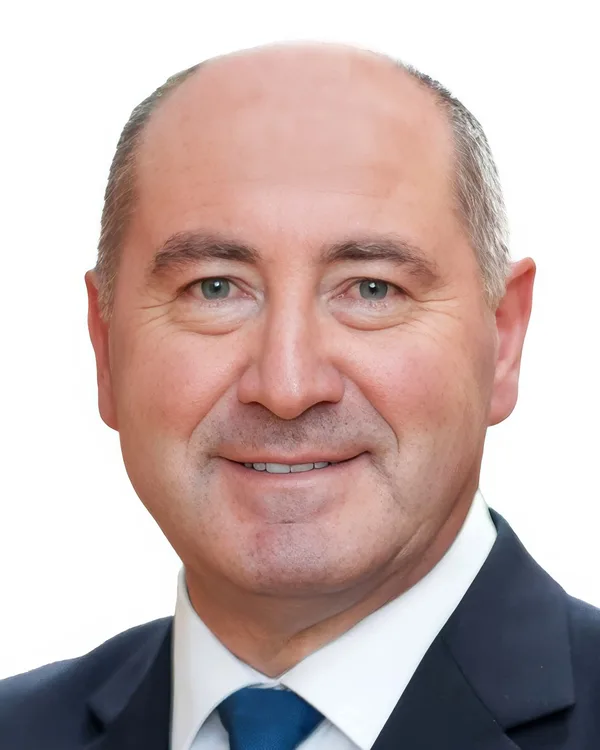

| Rank | Name | Country | Group | Speeches | |
|---|---|---|---|---|---|
| 1 |
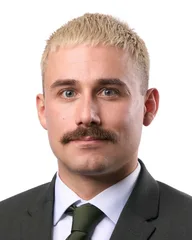
|
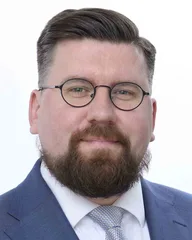
Lukas Sieper | Germany DEU | Non-attached Members (NI) | 390 |
| 2 |
|
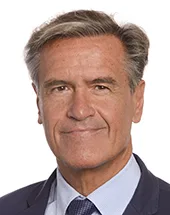
Juan Fernando López Aguilar | Spain ESP | Progressive Alliance of Socialists and Democrats (S&D) | 354 |
| 3 |
|
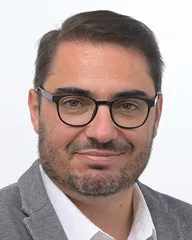
Sebastian Tynkkynen | Finland FIN | European Conservatives and Reformists (ECR) | 331 |
| 4 |
|
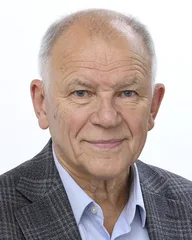
João Oliveira | Portugal PRT | The Left in the European Parliament (GUE/NGL) | 232 |
| 5 |
|
Vytenis Povilas Andriukaitis | Lithuania LTU | Progressive Alliance of Socialists and Democrats (S&D) | 227 |
All Contributions (64)
Tackling barriers to the single market for defence - Flagship European defence projects of common interest
Madam President, Commissioner, ladies and gentlemen, the war has returned both to our continent and to our neighbourhood. With it, we realised very late that supply chains are extremely vulnerable and external dependencies have clearly revealed ‑se a real risk to our security. Faced with this reality, one thing became ‑ evident: we cannot continue with the fragmented European defence market, where 27 Member States develop, purchase and produce in isolation, often duplicating capabilities and wasting resources. The report we are debating today is based precisely on this diagnosis. The goal is simple: identify and remove the administrative, regulatory and industrial barriers that still prevent Europe from fully exploiting the potential of its defence technological and industrial base. But this report also makes one key point clear: strengthening the European defence market does not mean depriving Member States of their competences. However, if Europe wants to take more responsibility for its own security, it needs a stronger, more integrated and more competitive defence industry. Although the national interest is fundamental, we alone are not able to defend ourselves. Let us also defend the European interest.
Guidelines for the 2027 budget - Section III (debate)
Mr President, Commissioner Serafin, in these challenging times, we must ensure that the European Union budget remains a real investment tool. In this context, education, culture and youth have a central role to play in leveraging the competitiveness of the European economy, promoting territorial cohesion, economic and social cohesion and safeguarding principles, rights, but above all European values. Erasmus+, Creative Europe, the European Solidarity Corps are flagship programmes with undeniable European added value. It is therefore necessary to ensure adequate funding to achieve its objectives. Despite current budgetary contingencies, we cannot accept cutting European programmes to finance the additional costs of NextGenerationEU. In conclusion, the budget must continue to respond to the needs of our citizens, fostering the Union’s cultural, social and democratic resilience.
International Day of Education, fighting inequalities in access to education (debate)
No text available
International Day of Education, fighting inequalities in access to education (debate)
Madam President, Commissioner, ladies and gentlemen, International Education Day reminds us that, in a time marked by disinformation and also polarisation, education is our first line of defence. That is why the European Union must contribute to breaking down the barriers that still fragment its educational space. In 1995, the Schengen area removed physical borders and made mobility a reality for millions of Europeans. But in education, higher education and technical-vocational education, those borders persist and continue to limit circulation and competence and also talent in the European Union. Today, an engineer trained in Romania still faces long and uncertain processes to have his qualifications recognised in Portugal or France or any Member State. This clearly hampers professional mobility and creates real barriers for companies that need skilled talent. The European degree will therefore change this paradigm by creating excellent training pathways based on common quality criteria, with automatic recognition across the Union. We will have less fragmentation and more quality in education. That is why, Commissioner, we must move quickly with the European diploma, because we want a more competitive, innovative and future-proof Europe.
One-minute speeches on matters of political importance
Mr President, Commissioner, recent reports indicate that Russian space vehicles have carried out repeated, I would say, dangerous manoeuvres to approach European geostationary satellites, and it is not excluded that they may even have intercepted some communications. In the context of the European Space Strategy for Security and Defence and the implementation of GOVSATCOM and also IRIS2, this raises urgent questions about resilience, user trust. So I ask the Commission, what is the Commission's assessment of these incidents and what mitigation measures is it promoting? What are the mandatory safety requirements that the Commission will impose on future systems supported by the European Union? And what concrete structure will the Commission put in place to ensure that Ministries of Defence and commercial users can rely on the space infrastructure of the European Union?
Drones and new systems of warfare – the EU’s need to adapt to be fit for today’s security challenges (debate)
Mr President, Commissioner, ladies and gentlemen, drones are today a turning point in European security and defence. In Ukraine, its use has already demonstrated a decisive impact on the battlefield and has dramatically accelerated innovation cycles. Europe needs to keep pace with industrial scale, clear rules and predictable investment. For smaller Member States, this means a realistic way to create clusters technology, skilled jobs and European value chains, always involving small and medium-sized enterprises; startups. And it is a clearly dual-use sector. Defence, yes, but also civil protection, firefighting, search and rescue, logistics, agriculture, maritime surveillance and borders. So investing well in drones is at the same time strengthening our security, our defence, our resilience, our competitiveness, but above all our sovereignty.
Presidential elections in Honduras, the non-recognition of the outcome by the incumbent administration and the attacks on opposition members of the National Assembly
No text available
Online piracy of sports and other live events: urgent need to address unsolved issues (debate)
Mr President, Commissioner, ladies and gentlemen, let us begin with the essentials: the fight against piracy online It is not an attack on the citizen trying to watch a football match, nor does it boil down to economic losses. It is clearly a matter of safety, consumer protection and public trust. Today, piracy online It is recognized as an intellectual property crime, increasingly linked to organized crime. We are talking about transnational structures that generate high profits, finance criminal activities and expose consumers to serious cybersecurity risks. Europol has already warned of the accelerated growth of pirated transmissions, often associated with fraud, data theft and cyber-attacks. The European Commission only issued a non-binding recommendation in 2023, the assessment of which finally published confirms an extremely low impact. In recent years, the European Union has regulated almost everything, but it continues to fail at such a widely reported and harmful problem, and so we want action. Now the Commission says it is ready to act, but we need concrete measures, Commissioner: a harmonised European approach, enhanced cooperation between authorities and a clear commitment to prevention. This is clearly a systemic problem, which requires an appropriate European response.
Grave political situation in Guinea-Bissau after the coup of 26 November
No text available
Incentivising defence-related investments in the EU budget to implement the ReArm Europe Plan (debate)
Mr President, Commissioner, ladies and gentlemen, this resolution deals with something very specific: how we adapt existing European programmes to a profoundly changed security and defence reality. Many in this house have already identified the problem: Europe needs to produce faster, Europe needs to innovate better, Europe needs to reduce its dependence on third countries and reduce its bureaucratic burden. For these reasons, the omnibus defence represents openness to the Armed Forces as beneficiaries of European programmes and funds; the use of cohesion funds to increase the capacity and resilience of Member States; the allusion to hybrid threats, for which dual-use equipment and infrastructure is increasingly requested; the priority that has now been given to civil protection as well; Ukraine’s access to European funds; and the inclusion of artificial intelligence in matters related to research and development and military industrial production. All these topics are topics that this resolution aims to introduce. So if we want all Member States to contribute, then we must ensure that all Member States participate, that small and medium-sized enterprises have access, that less industrialised regions are not left out and that universities genuinely contribute applied research and development. That is why we are talking about pragmatism, coherence and focus on the essentials. Mr President, it is Europe united around a common security and defence purpose.
Increasing the efficiency of the EU guarantee under the InvestEU Regulation and simplifying reporting requirements (debate)
Madam President, today I don't accept the blue card question because Mr Oliveira only publishes the questions and he never publishes the answers. And it's the third time. Dear Colleague, in English: That's not fair. I don't take it today.
Increasing the efficiency of the EU guarantee under the InvestEU Regulation and simplifying reporting requirements (debate)
Madam President, Commissioner, ladies and gentlemen, the regulation we are debating today reinforces one of the most effective instruments for promoting competitiveness, but above all, as has already been said, for leveraging the private investment that the European Union has at its disposal - we are talking about InvestEU. The simplification proposal will bring numerous benefits to businesses but also to beneficiaries: First, it reinforces, as has also been said, by EUR 2.9 billion, the guarantee system, with the reintroduction into the budget of this programme of funds not used so far, which allows to leverage an additional EUR 55 billion in private investment, without asking European taxpayers for more money. Secondly, it strengthens direct support for small and medium-sized enterprises, which are the backbone of our economy and innovation across Europe. Third, it unlocks European funding for new key sectors such as housing and defence. Fourth, it reduces the administrative burden, with beneficiaries expected to save around EUR 350 million – it is a lot of money. By leveraging public and private funds, InvestEU is thus a key pillar of the Union’s long-term growth strategy. In Portugal, the current government has done what it has so often failed to do in the past: use European instruments with strategic intelligence, such as the InvestEU guarantee lines of Banco de Fomento Português. InvestEU is thus a proven instrument, and Europe cannot afford to waste instruments that work, such as InvestEU.
2026 budgetary procedure: joint text (debate)
Mr President, Commissioner, Minister, ladies and gentlemen, in these difficult times, marked by uncertainty and instability, the adoption of the budget for 2026 is a very positive signal from the European Union for European markets and citizens. In the face of current fiscal constraints, this agreement safeguards the interests of European taxpayers, strengthens investments – particularly in research, competitiveness and also security – and ensures budgetary stability and predictability. I therefore welcome the rapporteurs, my colleagues Halicki and Nemec, for the good agreement they have reached, managing to reverse all the cuts proposed by the Council and securing additional funding of EUR 372 million, focusing on programmes and policies aimed at improving the lives of European citizens, increasing competitiveness and addressing security and defence challenges. I would like to highlight the increase in appropriations for programmes which are Parliament's priorities: Horizon Europe Programme, Connecting Europe Facility, Single Market Programme for Small and Medium-sized Enterprises, European Civil Protection Mechanism, Erasmus Plus, Creative Europe and Military Mobility, so important. I would also stress the increase in funding for measures to promote agricultural products and, in particular, the encouragement of young farmers. I will therefore end by saying that it is crucial that the Union budget continues to meet the aspirations of Europeans and our businesses, as well as being a tool that leverages public and private investment. Congratulations to everyone.
One-minute speeches on matters of political importance
No text available
Enhancing police cooperation in relation to the prevention, detection and investigation of migrant smuggling and trafficking in human beings; enhancing Europol’s support to preventing and combating such crimes (debate)
No text available
One-minute speeches on matters of political importance
Mr President, Commissioner, ladies and gentlemen, 25 years has been a long time to come to the EU-Mercosur Agreement, but every day that passes is an opportunity that is lost because it is time to move from words to deeds. Europe has woken up late to the issue, but it seems it is still dormant. A trade agreement with the Latin American bloc offers opportunities that the European Union cannot afford to ignore. The final text presented balanced interests, proposing trade openness, protection of the European agricultural sector and greater environmental demand in production chains. It is therefore guaranteed that this agreement protects most of the sensitivities of the European Union, particularly in the agricultural sector. Ladies and gentlemen, this is not just a matter of numbers and statistics. Above all, it is an opportunity to face the economic uncertainties and geopolitical challenges that Europe cannot afford to miss.
The new 2028-2034 Multiannual Financial Framework: architecture and governance (debate)
Mr President, Commissioner, ladies and gentlemen, the future prosperity of the European Union is directly linked to the internal competitiveness and cohesion of the regions. A modernised, regionally focused and properly funded cohesion policy remains essential and the recent Commission proposal to strengthen the role of local and regional authorities in the preparation of national and regional partnership plans is a step in the right direction, but this step is not enough. We also highlight increased funding for the Union’s new priorities, such as competitiveness and defence. However, a balance between Member States must be ensured in Horizon Europe and the European Competitiveness Fund. It is crucial that we ensure that the next budget boosts competitiveness, preserves agriculture and fisheries, the social model, ensures prosperity and territorial cohesion in all regions of our Union.
The EU’s post-2027 long-term budget: Parliament’s expectations ahead of the Commission’s proposal (debate)
Madam President, Commissioner, ladies and gentlemen, the many challenges facing the European Union clearly set the context for the negotiations on the next multiannual financial framework. To meet the aspirations of our fellow citizens, we must provide the European Union with adequate resources. The next multiannual financial framework should be sufficiently ambitious, ensuring both the stability and autonomy of current policies, including cohesion policy and the common agricultural policy, and addressing new challenges: defence, security, competitiveness and civil protection. In negotiating the next financial framework, it is crucial to adopt a comprehensive approach, and new own resources must be found, without overburdening our fellow citizens with more taxes. Finally, it is not possible to effectively address the challenges we face with public investment alone, so leveraging private investment is key.
2023 and 2024 reports on Bosnia and Herzegovina (debate)
Madam President, Commissioner, ladies and gentlemen, the European Union has a direct and strategic responsibility for the stability of Bosnia and Herzegovina. The appeal that comes to us is clear. This is a European problem that only Europe can and must solve. If it is not us, others will do it for us, with interests in destabilising the region, such as Russia or China. But words aren't enough and looking the other way and even ignoring reality can't be an option. Therefore, progress in the accession negotiations cannot continue to be a political weapon for those who continue with sectionalist temptations. There is no alternative but to promote a constitutional reform that unites rather than divides. It is in the presence of EUFOR Althea, in technical and financial support, in the fight against corruption and external interference that our credibility is tested on a daily basis. Without concrete action, we will lose credibility and, with it, we will lose Bosnia and Herzegovina. So we will never give up. We will continue to support Bosnia and Herzegovina.
Upcoming NATO summit on 24-26 June 2025 (debate)
Mr President, Madam High Representative, the threat of a European invasion is clearly no longer a hypothetical scenario; Today it is a concrete possibility. And it's not just on the border with Russia or Belarus. At every border in the European Union today we have serious threats. I therefore want to congratulate the European Commission on recent budgetary initiatives, notably the SAFE (Action for Europe) and the EDIP (European Defense Industry Program), with an amount of more than €150 billion to help Member States and their defence industries move in the right direction towards European sovereignty in terms of material production, security and defence. In addition to ensuring a more prepared armed forces, this investment will also be the engine of employment, innovation and enhancement of the national economic fabric, as well as alignment with the objectives of investment in NATO. I hope that, at the next NATO summit, the countries of the Union will reaffirm their commitment to the Alliance. But above all, it hopes that they will demonstrate that the European pillar of NATO can and must stand alone to defend our Union and our Europe.
Implementation report on the Recovery and Resilience Facility (debate)
Madam President, Commissioner, ladies and gentlemen, we are debating the evaluation of the implementation of the Recovery and Resilience Facility at a crucial moment, given the approaching completion of this instrument. The state of implementation of this programme is clearly below what is expected and desirable, not even reaching 50% of the implementation rates in some Member States. In this sense, it is crucial to ensure that the financial effort that is being made –– is being made by all of us –– in the RRF truly materialises in a transformation of Europe. We will not give up on the RRF. To do so, we need to ensure that the national recovery and resilience plans maintain or scale up the initial ambition. It is imperative to speed up the implementation of this instrument, giving confidence to the Member States, and for this it is essential that an extension of 18 months is granted, as it is in this report. The Recovery and Resilience Facility is clearly a unique opportunity that we must not miss.
One-minute speeches on matters of political importance
Mr President, Commissioner, ladies and gentlemen, on 12 June we marked four decades of Portugal's accession to the then European Economic Community, a fundamental milestone in the consolidation of our democracy and also in the modernisation of the country. European integration represented for Portugal an opportunity for economic development, the strengthening of the rule of law and international projection. Over these 40 years, we have benefited from structuring investments, broadened horizons for our businesses and citizens, and affirmed the values we have shared with the other Member States. Values of peace, values of freedom, values of solidarity and values of cohesion. Portugal is now a fully committed member of the European project. And it is with responsibility that we must continue to contribute to a Union that is stronger, more cohesive and closer to the citizens. Celebrating 40 years is, above all, renewing our commitment to the future of Europe.
Choose Europe for Science (debate)
Honourable Member, thank you very much for your question. You always see the glass half empty. I always see the glass half full and what I can tell you is this: Portugal is an example at European and global level when it comes to innovation and development. Portugal has centres of excellence for innovation and development. An example is the issue of health; the Champalimaud Foundation in particular is a good example of research and development with regard to cancer and the fight against cancer. I am sure that Portuguese researchers will, of course, also use this prerogative of choosing Europe for science to be able to improve and deepen their careers – and I hope that this will happen. It will be a fundamental step in the direction I have mentioned, linking research to the business world as well.
Choose Europe for Science (debate)
Madam President, Commissioner, ladies and gentlemen, we will only have a developed, prosperous and sovereign Europe if we put science and innovation at the heart of our common project. The Choose Europe for Science initiative is a crucial step in this direction. For the first time, researchers will have not only robust and direct funding from the European Union, but also the guarantee of extended contracts by the institutions and the necessary continuity of scientific career. Moreover, with the co-financing requirement that this initiative imposes, we must ensure that all institutions based in regions with fewer resources can actually participate without leaving anyone behind. But we need to dream bigger. We need to ensure that this initiative positions the European Union as a global leader in science and innovation, offering an open, well-funded, cohesive research environment with strong links to the business sector. It is very important that this happens.
A revamped long-term budget for the Union in a changing world (debate)
Mr President, Commissioner, we are facing a great challenge when we talk about the definition of the next multiannual financial framework. While, on the one hand, it is essential to safeguard the European Union's traditional policies, such as cohesion policy or the common agricultural policy, they should continue to be properly and autonomously financed in order to guarantee balance, autonomy and territorial competitiveness in all regions of our Union. On the other hand, it is essential to secure funding for new priorities such as competitiveness and innovation, crisis preparedness and response or security and defence. To achieve these objectives, it is time to define new own resources so that the budget increase is not made at the expense of more taxes for European taxpayers. In conclusion, we need to redefine the post-2027 multiannual financial framework so that no one is left behind – neither the European Union nor its citizens. Congratulations to the rapporteurs.