
| Rank | Name | Country | Group | Speeches | |
|---|---|---|---|---|---|
| 1 |
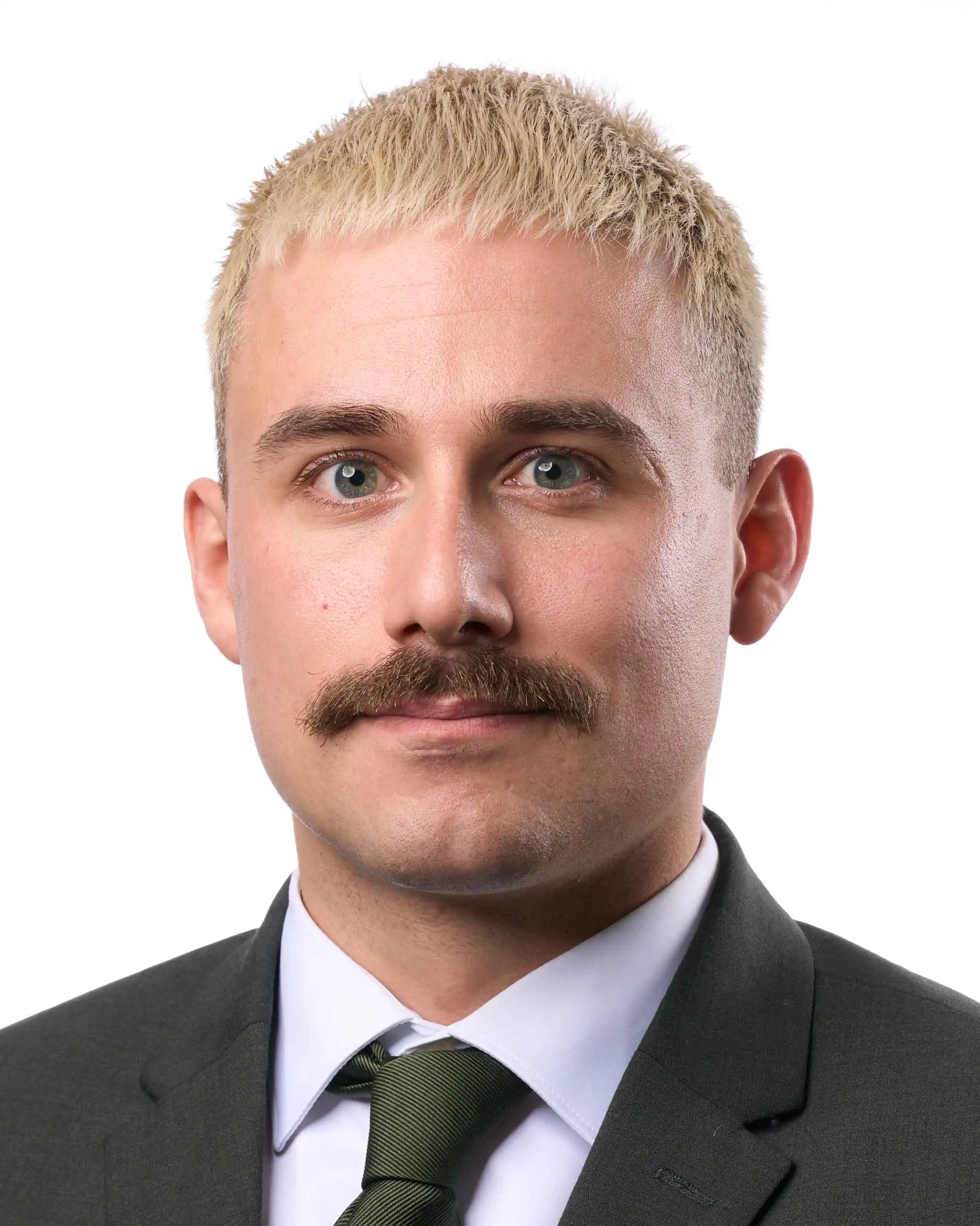
|
Lukas Sieper | Germany DE | Renew Europe (Renew) | 494 |
| 2 |
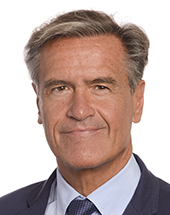
|
Juan Fernando López Aguilar | Spain ES | Progressive Alliance of Socialists and Democrats (S&D) | 463 |
| 3 |
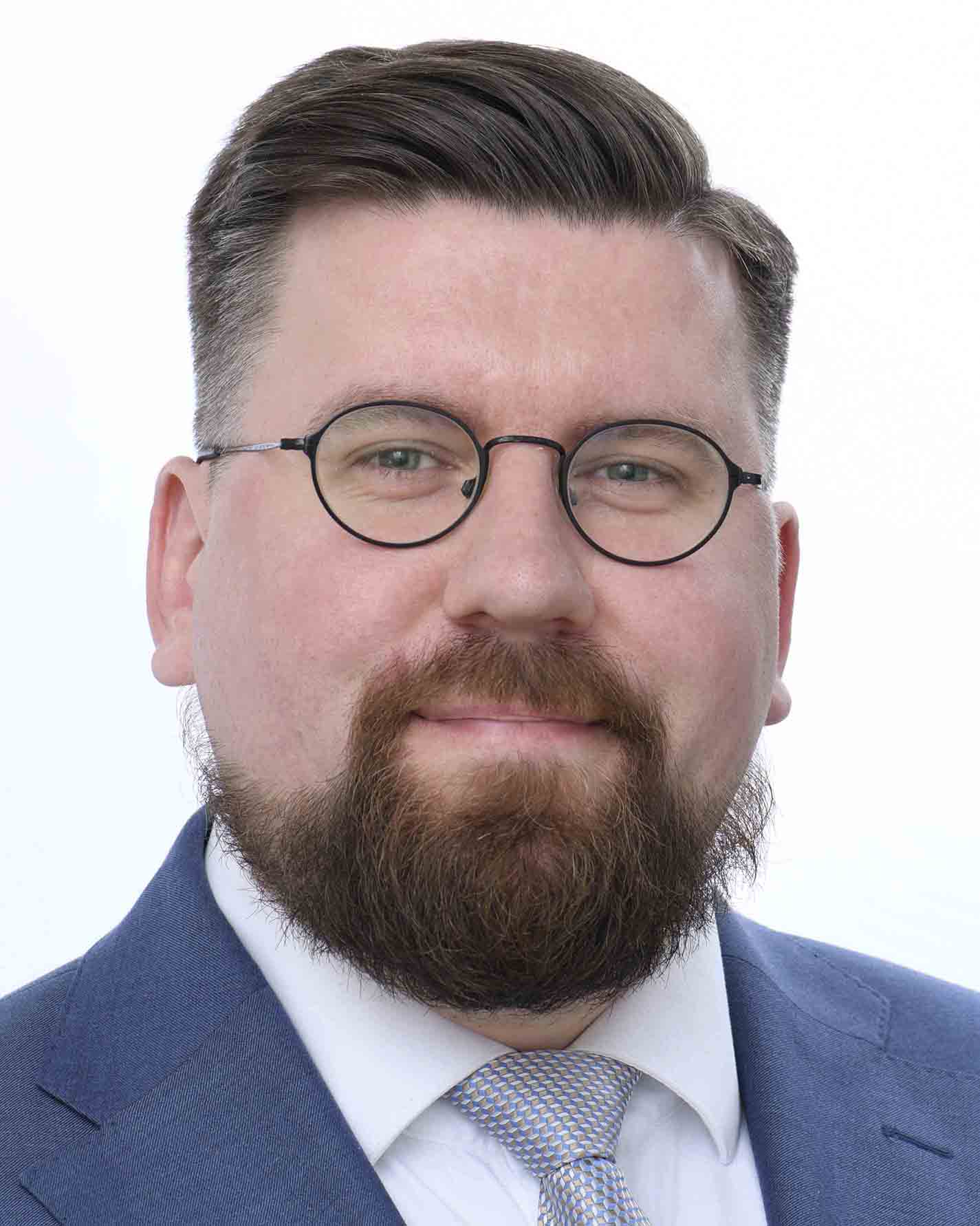
|
Sebastian Tynkkynen | Finland FI | European Conservatives and Reformists (ECR) | 460 |
| 4 |
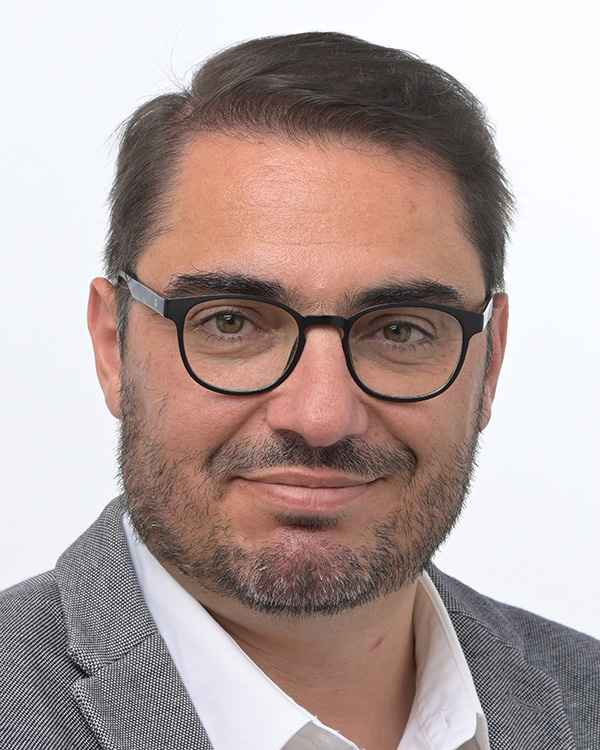
|
João Oliveira | Portugal PT | The Left in the European Parliament (GUE/NGL) | 288 |
| 5 |
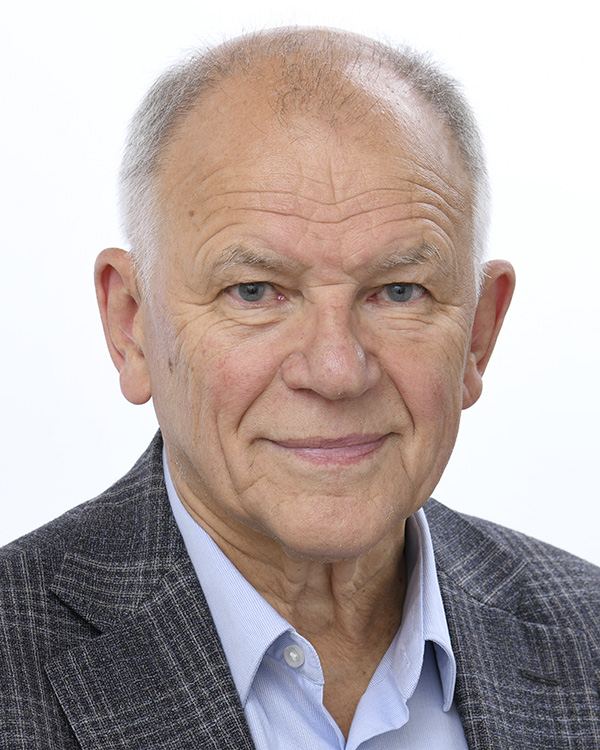
|
Vytenis Povilas Andriukaitis | Lithuania LT | Progressive Alliance of Socialists and Democrats (S&D) | 276 |
All Speeches (30)
Findings of the Committee on the Elimination of Discrimination against Women on Poland's abortion law (debate)
Date:
23.10.2024 16:26
| Language: PL
Speeches
Madam President, thank you very much. Last week marked a year since the election was won by a broad coalition led by Donald Tusk on 15 October. Removing PiS from power, those who inflicted hell on women, required the creation of a broad political agreement from right to left. The coalition has a consistent stance on the governance agenda and accountability of its predecessors, while there is no unified stance on abortion. But he's not idle. The situation of women in this area has improved a bit this year. The Minister of Health introduced a regulation extending the current conditions for legal abortion to the criterion of a woman's mental health. And she issued an ordinance that in hospitals where abortions are not performed, contracts will be terminated. Emergency contraception was introduced without a prescription. I understand that further solutions are very much expected by Polish women, especially in the field of decriminalization of abortion. However, all legislative solutions that could be carried out by the ruling coalition will be vetoed by the host of the Presidential Palace, by Andrzej Duda, who announced so. This situation may change only next year's presidential elections. My party, the Civic Platform, supported legal abortion. We promised the women that by the 12th week... We promised that in the election campaign. We voted in favour of these solutions in Parliament and we will deliver on this commitment.
U-turn on EU bureaucracy: the need to axe unnecessary burdens and reporting to unleash competitiveness and innovation (topical debate)
Date:
23.10.2024 14:09
| Language: PL
Speeches
Mr President, thank you very much. Commissioner, I'm sorry. Bureaucracy is a handbrake on which entrepreneurs ride, and with them the entire EU economy. This must change very quickly, because in the era of global challenges, new technologies that are changing almost exponentially, bureaucracy is a serious disease that hinders rapid and effective action. The EU economy is over-regulated. According to Eurostat data, as many as 70% of small and medium-sized enterprises indicate bureaucracy as the main reason for hampering their development. The time and money that the current bureaucracy consumes must be redirected towards innovation and development. I therefore call for an urgent revision of the law towards simplification, reduction or elimination of regulations, reports and reports. I firmly believe that a significant reduction in EU bureaucracy will increase our global competitiveness. Because now, as we know, we are losing this race and we know it not only from Draghi's report. This morning we discussed the metallurgical industry, but it is also not going well in many sectors. It's time to change that.
Tackling the steel crisis: boosting competitive and sustainable European steel and maintaining quality jobs (debate)
Date:
23.10.2024 11:54
| Language: PL
Speeches
Madam President, thank you very much. The crisis of the steel industry in Europe has been going on for a decade. We lost 20,000 jobs and a fifth of our production capacity in a decade. In 2023, we used only 65% of the production capacity. The steelworks in Częstochowa, Poland, was forced to declare bankruptcy in 2019 and cease production. There will be more and more such places on the map of Europe. High energy prices are deadly for energy-intensive industries, including the steel industry. Additional regulation of greenhouse gas emissions and rising raw material costs are exacerbating this crisis. Another major challenge is global competition - China and India. In the first half of 2024, China produced 614 million tons of steel, which is more than half of the world's demand. Mr. Commissioner, I would like to thank you. It's time for action. What are you going to do in this difficult situation?
A stronger Europe for safer products to better protect consumers and tackle unfair competition: boosting EU oversight in e-commerce and imports (debate)
Date:
21.10.2024 21:06
| Language: PL
Speeches
Mr President, thank you very much. Mr. Commissioner, I would like to thank you. In the face of an increasing number of online purchases and imports, the European Union needs to put in place more effective surveillance mechanisms for goods that often do not meet European standards, especially those imported from Asia. It is estimated that in 2023, the number of e-commerce shipments from Asia to Europe could exceed 1.8 billion packages. Better supervision will tackle unfair market practices that harm European businesses by promoting unequal competition. It is also important to raise consumer awareness of the risks associated with online shopping, the protection of personal data and to educate them on the identification of safe products. It is also necessary to strengthen the possibilities for enforcing consumer rights. The Consumer Protection Office should become an independent institution that cares only for the interests of consumers.
Mr President, thank you very much. Commissioner, I'm sorry. The Energy Union passed its test during the energy crisis that was triggered by the war in Ukraine. Then we showed that if we are together, we act in solidarity, we overcome even the greatest obstacles. However, this should not put our vigilance to sleep, because there are many further challenges ahead. On the one hand, the EU's climate goals, on the other, global competitiveness, especially in industry. Unfortunately, despite the fact that energy prices are more competitive than they were during the 2020 energy crisis, they are still very high. And we should take both EU and national measures to ensure that these prices are competitive. It is not only economic development and investment in industrial development that depend on energy prices, but above all the standard of living of citizens. Energy poverty remains a huge problem affecting vulnerable citizens in particular. Draghi's report shows that we have a 5% investment gap with an annual cost of €800 billion. To close this gap, we need to focus our thinking on using not only private capital but, above all, common EU funds. However, I ask that we do not forget the regions in Europe that are facing the greatest challenge of the energy transition. And I mean, first of all, the region that I represent, that is, the Silesian Voivodeship. In addition, due to flooding disasters, some regions in Central and Eastern Europe, including Poland, will have to rebuild their infrastructure, including energy, and re-ensure the supply of energy and heat as soon as possible. This is extremely important. And to meet these challenges we need cheap and clean energy, and without a strong and solidarity-based Energy Union we will not achieve this.