

| Rank | Name | Country | Group | Speeches | |
|---|---|---|---|---|---|
| 1 |
|
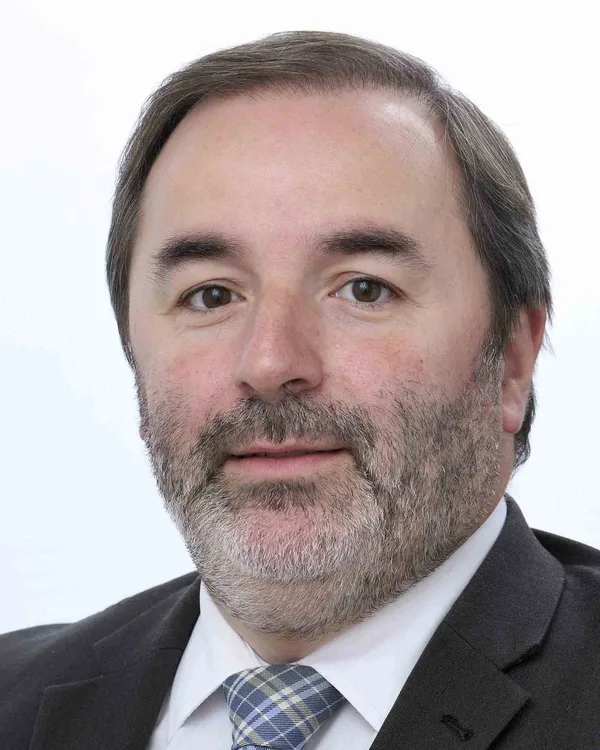
Lukas Sieper | Germany DEU | Non-attached Members (NI) | 390 |
| 2 |
|
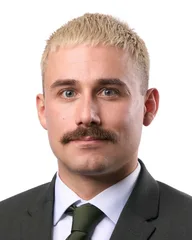
Juan Fernando López Aguilar | Spain ESP | Progressive Alliance of Socialists and Democrats (S&D) | 354 |
| 3 |
|
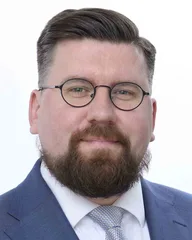
Sebastian Tynkkynen | Finland FIN | European Conservatives and Reformists (ECR) | 331 |
| 4 |
|
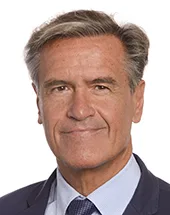
João Oliveira | Portugal PRT | The Left in the European Parliament (GUE/NGL) | 232 |
| 5 |
|
Vytenis Povilas Andriukaitis | Lithuania LTU | Progressive Alliance of Socialists and Democrats (S&D) | 227 |
All Contributions (51)
Gender pay and pension gap in the EU: state of play, challenges and the way forward, and developing guidelines for the better evaluation and fairer remuneration of work in female-dominated sectors (debate)
Mr President, what we are seeing in Portugal is exactly a profound reform of the labour market. New times, times of urgency, times of emergency, times of competitiveness, really require new rules. What you said was an initial proposal from the government which has already been reformulated and which is now in the context of social dialogue and which we hope can be improved. And here, we call on all actors, from the trade unions, the bosses, to really improve this proposal and ensure a more agile, more flexible and more competitive labour market in an economy that wants to be more modern.
Gender pay and pension gap in the EU: state of play, challenges and the way forward, and developing guidelines for the better evaluation and fairer remuneration of work in female-dominated sectors (debate)
Mr President, Commissioner, in the European Union, women work between 54 and 67 days of grace per year for men. They earn on average 12% less and the value increases in the highest positions and STEM areas. As a result, they receive about 25 % lower pensions and pensions. They continue to take on most unpaid care, which is still under-recognised, and also in health and education. And this is a clear example also in the outermost regions, where this disadvantage is even greater. Less than 10% of CEOs in large companies are women and even the most skilled continue to face difficulties in entering, remaining and progressing in the labour market. In 2026, in the European Union, this is unacceptable. The Gender Equality Strategy 2026-2030, now launched, strengthens the implementation of the Pay Transparency Directive, collaboration with the EIB to support women entrepreneurs, valorisation of the care sector and investment in supporting families. Improving gender equality in the European Union could increase GDP per capita by 9.6% and create more than 10.5 million jobs by 2050. This is competitiveness. The principles should be clear: equal opportunities, equal work, equal pay. We need a fairer, more equal and more competitive Europe. Happy Women's Day to all women.
Extreme weather events in particular in Portugal, southern Italy, Malta and Greece: European response in strengthening readiness, preparedness and solidarity mechanisms (debate)
No text available
Amending Regulations on agricultural products as regards market rules and sectoral support measures in the wine sector and for aromatised wine products (debate)
No text available
Preventing sexual harassment in public institutions: latest revelations and resignations in Spain and institutional responses (debate)
No text available
Amending certain CAP Regulations as regards the conditionality system, types of intervention in the form of direct payment, types of intervention in certain sectors and rural development and annual performance reports, data and interoperability governance, suspensions of payments annual performance clearance and controls and penalties (debate)
Madam President, Commissioner, I welcome all the dynamism that you have employed in the sector with excellent results. I would highlight, among others, the regulation on unfair cross-border commercial practices, the so-called 'wine package' and also this second simplification package. And, here, let me also thank you for all your support in transforming my proposal to be able, for the first time, to transfer funds from rural development to POSEI, into a concrete legal reality that will make it possible to support farmers in Madeira and the Azores. The path has to be this: simplify administrative procedures by giving farmers more time to do what we all need. Not for secretaries and offices, but in the countryside, producing quality and affordable products for Europeans. Simple procedures, technology and better yields are essential for ensuring food security in the European Union. The single fund for the future of the CAP is not ideal, but it is now possible here in the European Parliament to help protect the agricultural sector, and the rural target also improves the perception of the future of the CAP, with its two pillars. In addition to paying farmers, we also need to invest in rural areas. I would also add the need for the Competitiveness Fund to have a strong agricultural pillar for research and innovation, but also for energy, such as biomethane, biogas and agrovoltaics. With this, we will be diversifying farmers' sources of income and also ensuring their circularity. But we also need an agricultural reinsurance instrument to reduce the price of insurance in the sector. On simplification, I am pleased to see here the position of the EPP, the PSD, well reflected in the document. I shall end, Commissioner, with a regret: I am well aware of your concern and commitment to the ORs and to POSEI. In revising the proposal for the next financial framework, we managed to save the specificity of this programme, but I cannot accept moving from 100% funding, as it is at present, to 15% co-financing. Let's take care of this. We will continue to defend European, Portuguese and OR farmers to ensure the future of the project.
Development of an industry for sustainable aviation and maritime fuel in Europe (debate)
No text available
Fishing opportunities 2026: ensuring the sustainability of fish populations, marine ecosystems and coastal communities
No text available
Fishing opportunities 2026: ensuring the sustainability of fish populations, marine ecosystems and coastal communities
No text available
30th anniversary of the Barcelona Process and the new pact for the Mediterranean (debate)
No text available
30th anniversary of the Barcelona Process and the new pact for the Mediterranean (debate)
No text available
Gender Equality Strategy 2025 (debate)
Madam President, Commissioner, gender equality is not a privilege. It is a necessity for progress and for European democracy. Tackling gender-based violence remains urgent. One in three women in the European Union is a victim of this scourge, many in their homes, at work and increasingly online. Digital violence, which affects both young people and women, has led to a move away from public and political life, limiting the right to participate. This is a real attack on democracy and it is therefore crucial to ensure the implementation of the Anti-Violence against Women Directive, which includes the digital aspect. But gender equality is not limited to protection, it also requires economic empowerment and we need to tackle the disparities in the European Union of still 12% in wages and 26% in pensions. Valuing the sectors where there are predominantly more women, implementing the Pay Transparency Directive and supporting female entrepreneurship are steps we need to take now. In addition, women also continue to take on the role of carers in unpaid work, and it is essential to ensure that they are able to participate in the labour market, in compliance with the Directive. Work-Life Balance. Gender equality is, above all, equal opportunities and this begins in education. There are still many disparities in STEM, digital and artificial intelligence, with only one in six ICT specialists being women. We cannot waste talent, much less in strategic areas. Equality is not only a question of social justice, it is also a question of the competitiveness of the European economy. A more inclusive economy could increase European GDP by up to 10%. Ensuring quality healthcare for all women and integrating a gender perspective into scientific research is crucial. I end by noting that women in remote and outermost rural areas face more barriers to employment, health, education and connectivity and are therefore often the first to leave these territories, even though they represent pillars of innovation and vitality for these communities. We have to guarantee your right to stay. The path to gender equality is the path to a fairer, stronger and truly democratic Europe.
The new 2028-2034 Multiannual Financial Framework: architecture and governance (debate)
Mr President, Commissioner, I also congratulate Vice-President Fitto. In fact, after the initial storm of the Commission proposal which devalued the role of the European Parliament, destroyed two fundamental policies for the construction of the European project, which are the Common Agricultural Policy and also the Cohesion Policy, and also ended what is the Common Fisheries Policy, we now have a positive signal and we can start working. In fact, it is essential that we consider that the common agricultural policy is strengthened in this revised proposal, in which we have a second pillar that is beginning to appear. It's not ideal, but it allows us to work. Here too, we have the possibility of involving local and regional authorities more closely in the design and management of European projects and funds and regional policy. And we also have a good sign for the outermost regions. By creating a separation of POSEI here, it is outside the national envelope and opens the door for us to create a wider POSEI, also in the area of fisheries, transport, energy, and this is fundamental. We'll be ready to work.
The new 2028-2034 Multiannual Financial Framework: architecture and governance (debate)
Thank you very much, Honourable Member. In fact, the initial proposal of the European Commission was a step backwards in what were the competences of the European Parliament in respect of a common agricultural policy and a multi-level cohesion policy involving local and regional authorities in the design, management and implementation of European funds. But this revision proposed by the European Commission brings us some good news. Not what we really want, but in fact it goes in the right direction and now allows us to start working. And indeed, for the outermost regions, it meets our request to separate the POSEI envelope from the national envelope for the CAP and to create an autonomous envelope from what we have had so far. Do you or do you not consider this a good measure on the part of the European Commission?
Combating violence against women and girls, including the exploitation of motherhood (debate)
Madam President, motherhood should never be used as a form of violence against women. The impact of parenthood is still disproportionate for women economically and professionally. In 2023, in the European Union, the gender employment gap reached 17% for people with children, while for people without children it was only 4%. Disparities in pay, career development and greater precariousness create situations of economic dependence that reinforce cycles of vulnerability and make it more difficult to put an end to contexts of violence or discrimination. The right to motherhood must be protected, and mothers must be provided with all the necessary resources so that motherhood is not a vulnerability or a factor of inequality. We can only combat violence against women and girls if we understand it in all its dimensions and expressions, so that we also address other types of violence that affect so many of our girls, with truly dramatic impacts. Sharing of non-consented content and content generated by artificial intelligence, such as videos and photos deep fake on social platforms is unacceptable and must be a crime in all ‑ Member States. An identification card must be attached to each profile. Society as a whole must penalize those who share without consent and those who allow this sharing.
Common agricultural policy (joint debate)
Mr President, Commissioner, today is the day to congratulate you and our rapporteurs, Céline Imart and André Rodrigues, on having these two important proposals. We are strengthening the position of farmers in the food supply chain and making life easier for them. I take the view that predictability, a balance in negotiations for farmers and respect for the cooperative model are also guaranteed if commercial relations are based, as a matter of principle, on a written contract with the existing derogations. As we have done for the milk sector, meat-related designations must indeed be meat. Priority must be given to what is produced in the European Union and, where there is public procurement, priority must also be given to PDO and PGI products. On simplification, we do not accept taking money from farmers to finance crisis situations. We have increased support for small farmers to €5,000 per year, and their investments up to €75,000 now have a highly simplified scheme. We also make the management of permanent pasture more flexible, and farms of up to 50 hectares are exempt from the crop diversification rule. We have reduced red tape and controls for organic and partially organic farms and the Natura 2000 network. We have introduced flexibility between the EAFRD and POSEI for the Azores and Madeira, for the first time accepted – and I am grateful for the support of all colleagues for my proposal. This also reflects our commitment to European farmers: less red tape; less paperwork; more justice; more income; more time on the ground doing what they know best – producing quality, sustainable and affordable food for Europeans. More time in the field, less time in the offices and, I hope, firm positions of the European Parliament.
Post-2027 Common Agricultural Policy (debate)
Madam President, Commissioner, there is nothing more important for security and defence than putting food on the table of Europeans without relying on others, and it is our farmers, so often mistreated and unloved, who do so. That is why the Commissioner's positive message from agriculture and the rural world is so important. The CAP must return to its origins, with a focus on sustainable food production, and all other services that farmers provide should be remunerated by other means, with incentives rather than obligations. It has to maintain its structure with a robust budget and I recall that Member States only contribute 0.36% of their GDP to this larger goal and it has to stay out of any single fund. Attracting more people to the sector has to be a priority and we achieve this with research, innovation and digitalisation. It is important to have European insurance. And I will end with POSEI, for the outermost regions, which has already depreciated by more than 40% because it has not been updated for about 20 years. Its increase is to correct an injustice also towards the farmers of the Azores. We are counting on you, Commissioner.
EU-US trade negotiations (debate)
Mr President, Commissioner, 50 % yesterday, 10 % today and tomorrow what will it be? In the face of this instability, I must praise him for his democratic patience. But the successive postponements of the conclusion of trade negotiations with the United States are already having a significant impact on businesses and citizens on both sides of the Atlantic, as well as on the perception that both Europeans and Americans have of each other. Together, we account for almost 30% of global trade and 43% of global GDP. Instability and uncertainty are bad for business, but they are even worse for transatlantic relations that were once untouchable. But our history would not forgive us if we gave up our transatlantic relationship, for sharing the same values, but also for economic and strategic reasons, with the Atlantic that unites us and makes us the center of the world. This is a political necessity. We must not and cannot give in hastily or accept what we do not allow Europeans. We must maintain the three premises that have guided us: negotiate as much as is acceptable with the United States, diversify our trade partnerships with the rest of the world, regaining a place of influence that we have lost, and strengthen our internal market so as to increase our strategic autonomy.
European Ocean Pact (debate)
Mr Oliveira, I was indeed present at the United Nations Conference in Nice, and a EUR 1 billion package for the Blue Economy was announced by the President of the European Commission herself. The focus of his intervention was precisely on small-scale fishing – artisanal fishing and coastal fishing – which we must preserve, as it is a cultural heritage and so characteristic of our coasts. Let me also note that, in fact, our country, Portugal, and in particular the autonomous regions of the Azores and Madeira, have been essential in the defence of fishermen, but also in the creation of marine protected areas, which it is essential that we preserve today in order to have resources tomorrow. Thank you very much for your question, Honourable Member.
European Ocean Pact (debate)
Madam President, Commissioner, congratulations on what you have achieved. The Oceans Pact will mark a new era and reassume the European Union's leadership in protecting the ocean, in a unique ocean approach. The oceans are transatlantic relations. They unite us with other continents, peoples and cultures. And in times of geopolitical tension, the focus on the ocean that is common to us is essential to overcome the differences, so I advocate a new strategy for the Atlantic. The ocean is also a source of food and this Pact puts fishermen at its centre: resource sustainability, fair incomes, fleet renewal, multi-annual quota setting and consideration of the three pillars of environmental, social and economic sustainability. Given that we still import 70% of the fish consumed in the European Union, we must combat unfair competition from products outside our Union. It is fundamental to our food security and to our coastal communities and artisanal fishing, so characteristic of our culture and our coasts. It is also important to highlight the issue of marine protected areas, which, contrary to what some want to pass, can be allied with fishermen, increasing biomass and yields. However, in the transition, these should be compensated for any losses. Portugal is a good example of European leadership, taking into account that the Azores, Madeira and now the Bank of Gorringe at national level, five years on target, has already achieved exactly 20% of what was intended. This must be acknowledged. It is therefore also crucial in the outermost regions to restore POSEI Fisheries. The ocean is also security and defence, because we have to protect the undersea infrastructure, first and foremost the submarine cables that connect us to various continents. The ocean is science, research and observation; it is essential to coordinate and integrate research on the sea and the deep sea, which will be done at our European Deep Sea Observatory on the island of Faial in the Azores. Finally, I support the Compact presented by the United Nations Ocean Conference and welcome the European Commission's proposal to invest €1 billion in the sector...
Strengthening rural areas in the EU through cohesion policy (debate)
Madam President, Mr Vice-President, the European Union is much more than its capitals, and it is because we do not understand this that we are losing many defenders of the European project. Rural areas represent more than 80% of the territory of the European Union and are home to about 25% of Europeans and 33% of Portuguese. This indicates that the lack of conditions leads many of our young people to migrate to big cities, often staying on their peripheries without fulfilling their dreams. Depopulation, an ageing population, a lack of economic and social opportunities and significantly lower incomes than in urban areas undermine the cohesion of the Union. We therefore need a more robust, flexible, multilevel and simplified cohesion policy focused on promoting territorial equality and combating regional disparities. To fulfil the right to stay, it is essential to have the necessary infrastructure and connectivity, adequate accessibility – in the case of the outermost regions, through a POSEI Transport – and dignified access to education and healthcare. This is also why cohesion policy is an essential tool to address the specific challenges of these regions. And I thank you for your efforts, Mr Vice-President, to save her. There is no cohesion without a fully developed and territorially just Europe. And I'll finish: rural areas have to be recognised as de facto, i.e. strategic territories for food security, agricultural production, energy transition and environmental sustainability and central actors in the future in the European Union.
A revamped long-term budget for the Union in a changing world (debate)
Mr President, Commissioner, the next multiannual financial framework will decide the future of the European project and of the European Union itself. We need simplification, de-bureaucratisation and also flexibility not only for the final beneficiaries, but also for the administrations of the Member States. And I believe that the European Court of Auditors should be an integral part of the definition of the next framework, so that they are not just the overseers, but supporters of this implementation. In cohesion, I was pleased to see these national and regional partnership frameworks, which is crucial to have in this multi-level approach, ensuring the involvement of all – a robust budget, respecting the principle of subsidiarity and also partnership. In agriculture, we need to maintain the CAP budget in a robust way and ensure its two-pillar structure. The first pillar, direct payments, is fundamental to stabilising farmers' incomes, and also to ensuring what is the European Union's strategic autonomy in food, because it is also security and defence. And I will end with a reference to the outermost regions: we need to strengthen POSEI Agriculture here – I thank the rapporteurs and the more than 100 MEPs who have signed up to the amendment strengthening this role – and also a POSEI Fisheries and a POSEI Transport.
A unified EU response to unjustified US trade measures and global trade opportunities for the EU (debate)
Mr President, Commissioner, the European Union and the United States account for around 30% of global trade, so the imposition of tariffs has a direct impact on our businesses and, above all, on consumers, as they are reflected in final prices, which have already increased by around 12%. There are three premises that must be followed by the European Union. Negotiate, because we cannot give up our usual ally, and transatlantic relations are more than economy and trade balances and require commitments, because they are based on values, security and strategic and transatlantic cooperation, with special importance for the Atlantic axis, where Portugal and the Azores have a relevant role. Encourage new opportunities for diversification of trade partnerships, and I highlight the agreements with Mercosur, Mexico and South Africa. Every time Trump closes a door, the European Union has to open a window. Strengthening our internal market, as a recent study by the International Monetary Fund estimates that the costs of regulatory barriers within the European Union amount to tariffs of 44% on goods and up to 110% on services. Reducing these barriers will more than mitigate the impact of external tariffs. A strong and coordinated position of the Union in defending its interests, with strategic autonomy and a robust internal market, is the best guarantee against external threats, wherever they come from.
Ninth report on economic and social cohesion (debate)
No text available
Ninth report on economic and social cohesion (debate)
No text available