
| Rank | Name | Country | Group | Speeches | |
|---|---|---|---|---|---|
| 1 |
|
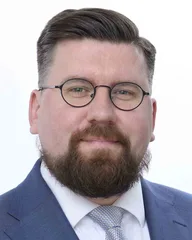
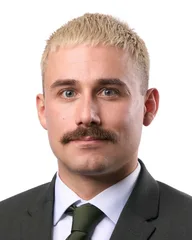
Lukas Sieper | Germany DEU | Non-attached Members (NI) | 390 |
| 2 |
|
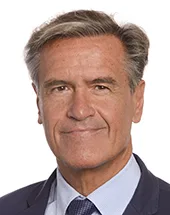
Juan Fernando López Aguilar | Spain ESP | Progressive Alliance of Socialists and Democrats (S&D) | 354 |
| 3 |
|
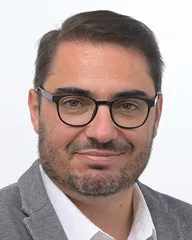
Sebastian Tynkkynen | Finland FIN | European Conservatives and Reformists (ECR) | 331 |
| 4 |
|
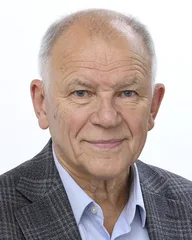
João Oliveira | Portugal PRT | The Left in the European Parliament (GUE/NGL) | 232 |
| 5 |
|
Vytenis Povilas Andriukaitis | Lithuania LTU | Progressive Alliance of Socialists and Democrats (S&D) | 227 |
All Contributions (42)
Activities of the European Ombudsman – annual report 2024 (debate)
Madam President, Commissioner, European Ombudsman, the Ombudsman's annual report should have been a consensus. We have negotiated at length to find compromises. Our S&D Group has played its full part in this effort to build a solid agreement between pro-European forces. But, at the decisive moment, the EPP chose another path, that of aligning itself with the extreme right. Two unacceptable amendments were supported. One attacks NGOs and their funding, while they play an essential role for democracy. The other spreads a dangerous untruth by insinuating that the lack of border control would be responsible for the deaths at sea. It is precisely this type of discourse that trivializes the theses of the extreme right in this Parliament. Let us be clear, if these amendments remain in the report, we will not be able to support them. We have sought compromise to the end. But when some choose to vote with the far right, they have to assume that they are losing the support of the Social Democrats. Our red lines are clear: defend civil society, defend the truth and reject the normalization of the far right in this Parliament.
The arbitrary detention of President Mohamed Bazoum by the junta in Niger
No text available
Situation of the rule of law in Greece, following the Court decision on Predator spyware (debate)
No text available
International Day of Education, fighting inequalities in access to education (debate)
Madam President, Commissioner, ladies and gentlemen, the number of school-deprived children in the world could soon reach 278 million. This is an alarming figure, as we know that education, and especially in emergencies, is often the only gateway for children to essential services such as health, protection and nutrition. I would like to take this opportunity to reiterate that education is a fundamental right, but also a major lever for development for individuals and societies alike. Yet millions of children are now out of school because of poverty, armed conflict or discrimination related to gender, disability or social origin. In many areas, girls are particularly affected. Even as actors such as the United States and France reduce their development aid, Europe must make a clear choice: sanctuarize funding for education, with priority given to the most vulnerable countries. Investing in education means investing in peace, stability and the future of our societies.
Spain’s large-scale regularisation policy and its impact on the Schengen Area and EU migration policy (debate)
No text available
Urgent need to address the humanitarian catastrophe in Sudan and to achieve a sustainable peace (debate)
Mr President, Commissioner, ladies and gentlemen, the siege of El Fasher by the Rapid Support Forces is a tragic symbol of the failure of the international community. What the refugees are saying is appalling: Targeted massacres of civilians, famine, sexual violence, daily bombing … Words are lacking to describe this unsustainable humanitarian disaster. Hundreds of thousands of people are displaced, children are starving, survivors have no access to care. There is no justification for this. Europe needs to get more involved. It is a question of international responsibility, but above all of human dignity. All means must be used to prevent future atrocities, protect civilians and ensure effective humanitarian access, as well as severely punish those responsible for these crimes and intensify pressure on third-party actors fuelling the war. Finally, internally displaced persons (IDPs) in Sudan and neighbouring countries, such as Chad, cannot be forgotten. Commissioner, the measures announced are positive. We must stand with Sudan and continue to support the people.
Case of Joseph Figueira Martin in the Central African Republic
Madam President, Commissioner, ladies and gentlemen, for over a year and a half, Joseph Figueira Martin, a Belgian-Portuguese aid worker, has been arbitrarily detained in the Central African Republic. He must be released. In May 2024, he was abducted by the Wagner Group. Since then, he has been tortured, threatened with death and kept in inhuman and degrading conditions. He did not have access to due process of law or to the urgent medical care that his state of health requires. This detention is illegal. It is a flagrant violation of its human rights and international law. Joseph Figueira Martin is unfortunately not an isolated case. In recent years, the number of humanitarian workers injured, killed or abducted has reached catastrophic levels around the world. Those who protect, care for and accompany civilian populations become targets themselves. We have a clear political responsibility: do not leave those who risk their lives alone to save others. The protection of European nationals and humanitarian workers must be a top priority of the European Union, in all circumstances, without ambiguity and without delay. That is why I call for the mobilisation of all available diplomatic, political and legal levers in order to obtain from the Central African authorities the immediate and unconditional release of Joseph Figueira Martin. And once he is released – as he must be – it will be equally essential to demand justice and accountability for the arbitrary detention, torture and inhuman treatment he has suffered. We can't look away. We simply cannot abandon Joseph Figueira Martin and his family, nor all those on the ground who continue to save lives.
Restoring control of migration: returns, visa policy and third-country cooperation (topical debate)
Mr President, Commissioner, ladies and gentlemen, here we are in this Chamber for yet another debate on migration. The title of this debate suggests that migration is out of control, which is a lie – a lie cleverly orchestrated by the right and far right. Currently, the number of irregular arrivals into the EU has never been lower since 2021. But this rhetoric keeps fear alive and justifies ever more restrictive public policies. They generate self-reliance and mistrust. This of course applies to our return policy for irregular migrants. If it is to be improved, it must be done with respect for human rights. We can never repeat it enough: Let us stop the stigmatization of migrants and their instrumentalization for purely political purposes. It is also understood in this Chamber that the conditioning of development aid must be linked to the cooperation of third countries on migration. It is to make it a tool of domestic policy, control and not solidarity, and it is always the most vulnerable people who pay the most.
Grave political situation in Guinea-Bissau after the coup of 26 November
No text available
Mass kidnapping of children in Nigeria, including from St Mary's Catholic school in Papiri
No text available
Organisational mismanagement of the European personnel selection office (EPSO) competitions (short presentation)
No text available
The situation of Christian communities and religious minorities in Nigeria and the Middle East, and Europe’s responsibility to protect them and guarantee freedom of conscience (topical debate)
No text available
Escalation of the war and the humanitarian catastrophe in Sudan (continuation of debate)
Madam President, Commissioner, ladies and gentlemen, the humanitarian disaster in Sudan is getting worse and worse. Every day, more atrocities are committed against civilians: murders, mass executions, sexual and gender-based violence, ethnic cleansing. We must clearly name the facts. This systematic violence is unsustainable. It is a war crime. All perpetrators must be held accountable and brought to justice, without exception. We know that these atrocities were facilitated by the continued support of the United Arab Emirates to the Rapid Support Forces. This support, but also the less visible intervention of other countries, widely documented, directly feeds the war. It perpetuates a cycle of endless violence. As long as foreign sponsors continue to arm the belligerents, no peace will be possible and violence will only increase. The European Union must be intransigent vis-à-vis these authors. Their quest for international legitimacy is an essential lever that the Union must use to end the war in Sudan.
Renewing the EU-Africa Partnership: building common priorities ahead of the Angola Summit (debate)
Mr President, Commissioner, ladies and gentlemen, the seventh European Union-African Union Summit is being held in Luanda, Angola, on 24 and 25 November. It marks the 25th ᵉ anniversary of the partnership between our two continents and comes at a pivotal moment. While the United States has suspended some of its aid to the populations of the most vulnerable African countries, the European Union must live up to it more than ever. It must be a reliable, supportive and predictable partner for all African countries. This partnership, which is a priority for European socialists, must be truly balanced, based on reciprocity and common values. Together, we must fight breaches of the rule of law and democracy, violence, inequalities and disparities in education. More than ever, strengthening our cooperation in key areas such as peace, health, the green and digital transition and human development is essential. I am convinced that together we can address global challenges and create shared opportunities for a more just and sustainable common future, without miserabilism, simply as equals in a changing world.
Humanitarian and security situation in Haiti, in particular the rising power of criminal gangs and the recent massacre in Cabaret
Madam President, Commissioner, ladies and gentlemen, there are appalling situations for which words are lacking, and Haiti is one of them. How can we describe the extreme violence that led to the Cabaret massacre? How can we describe the atrocious circumstances in which dozens of innocent people, including children, have died? But it is not because we lack words that we must remain silent and, above all, remain passive. The EU has the means to act. It can push to stop this cycle of violence, help a just transition and prosecute criminals to finally break impunity. I am delighted that Haiti is on the agenda of this plenary session and that our Parliament is adopting a resolution on the dramatic situation in that country. This is an important and expected signal, but this resolution must be up to par and followed by concrete action. The European Union must engage concretely with the Haitian people, because there is no inevitability, there are only political renunciations that I refuse to resolve.
Outcome of the Conference on the Financing for Development in Seville (debate)
Mr President, Commissioner, Minister, a few days ago the United States Federal Agency for International Assistance ceased to exist. According to a recent study, 14 million people could die of hunger and disease within five years due to lack of support. A startling number. And yet, while the urgency is obvious, some European Member States, including France, are also reducing their commitments. In this Chamber, the preparatory text for the Seville conference was rejected by a now well-established alliance between the right and the far right. Meanwhile, the climate, health and geopolitical crises are accumulating, famine is on the rise, the debt that is strangling the poorest countries is at a critical level, and the most vulnerable, women, children and refugees, are paying the high price. We have five years left to achieve the Sustainable Development Goals. So let us not sacrifice our historical responsibility and demand an ambitious, predictable and up-to-date European budget.
Rise in violence and the deepening humanitarian crisis in South Sudan (debate)
Madam President, Commissioner, ladies and gentlemen, South Sudan is once again in a critical situation. Imagine for a moment more than 165,000 displaced people in just three months. The 2018 peace agreement is faltering again. Violence is escalating and political tensions are escalating in the run-up to the elections. It's always the same people who pay the price, the civilians. People are suffering and we know the consequences: famines, epidemics, displacement, sexual violence. And where will the populations go in territories already in great difficulty? The European Union must rise to the occasion. We need to secure humanitarian corridors and protect civilians, especially women and children, who are often the first victims of violence. Finally, every effort must be made to achieve real and lasting peace. Commissioner, let us act now and with courage and compassion so that South Sudan is not engulfed in a new hell of violence and famine.
Delivering on the EU Roma Strategy and the fight against discrimination in the EU (debate)
Mr President, Commissioner, ladies and gentlemen, 16 September 2021, 7.59 a.m. Doesn't that date mean anything to you? For the mayor I was at the time, it was the date of the eviction from a Roma camp in my city. In three expressions: social distress, lack of humanity, indifference of the French state. That is why I am delighted that the European institutions are putting the situation of the Roma back on the agenda. In recent years, discrimination against them has been ignored, while in the past many initiatives have led to positive developments. One piece of data, in my opinion, illustrates the scale of the problem: 80% of Roma live below the poverty line. This is intolerable. The European Commission must be firm with those Member States that do not want to do anything or use fallacious arguments to evade their obligations in this area. The Commission has proposed minimum targets for 2030, i.e. tomorrow. There is urgency in all areas: education, housing, employment, health. Although it no longer seems very fashionable to support minorities, the EU must show that it is founded on values of solidarity towards all its citizens, without exception.
Severe political, humanitarian and human rights crisis in Sudan, in particular the sexual violence and child rape
Mr President, Commissioner, ladies and gentlemen, the debate that has just taken place this evening shows this: Sexual violence, including the use of rape as a weapon of war, must cease. The collective indifference around these acts is simply unacceptable. Moreover, since the Sudan War in 2023, more than a million people have fled the fighting to Chad, which, I recall, is one of the poorest countries in the world. At the end of February, I visited the Adré camp in eastern Chad, where a large number of Sudanese refugees live in precarious living conditions, despite the important work of NGOs. Humanitarian aid needs are immense and funding is either cut, like U.S. funding, insufficient, or at risk. We must live up to it and the European Union must help these millions of people, who need it most.
Presentation of the proposal on a new common approach on returns (debate)
Madam President, Commissioner, ladies and gentlemen, a directive that becomes a regulation does not always bode well, especially when it comes to fundamental rights. The Return Regulation is therefore launched, with its share of more than worrying, dubious and fiscally excessive measures, at a time when savings are being demanded in a fragile geopolitical context. We are being told about return hubs, forced departures and longer detention periods, even for minors, who can be detained for two years, even though they have not committed any crime. We are not fooled; all this has only one objective: increase expulsion rates. However, migrant inflows are declining. Our group expressed yesterday, as did the NGOs, its concerns and its categorical opposition to certain elements of this text. We want a comprehensive and coherent approach to migration policies, not unilateral decisions without a human objective.
US withdrawal from the Paris Climate Agreement, the World Health Organisation and the suspension of US development and humanitarian aid (debate)
Madam President, Commissioner, ladies and gentlemen, the tone is set. If we still had little hope that Donald Trump would care about the climate crisis we are experiencing, global health or development aid, his recent announcements and decisions leave no doubt about his will to the contrary. Every decision made by the American head of state takes us a step further away from the international collaboration in which we have collectively engaged for decades to confront global crises, but also to save lives. For him, health, health crises must no longer be managed by a globally recognized organization such as the WHO, even if it means endangering the health and lives of all citizens, American or not. And what about the freezing of international aid? This suspension has immediate and dramatic consequences for thousands of vulnerable people around the world. Commissioner, what will be the European Union's concrete response to this disaster?
Escalation of violence in the eastern Democratic Republic of the Congo (debate)
Mr President, Commissioner, Minister, ladies and gentlemen, will recalling the millions of deaths and hundreds of thousands of displaced people caused by the M23 have an impact here? I'm not sure. To affirm our unwavering support for the Congolese population nevertheless seems to me to be essential. The M23 must halt its advance and engage in peace negotiations. Each party involved in this conflict must make a definitive commitment to work for a way out of the crisis, otherwise we can continue here to deplore the appalling human toll, it will not change anything. In the meantime, there is an urgent need to ensure that humanitarian actors have safe access to civilians and that international law is respected. Every human life lost is a catastrophe and the situation has lasted too long. All actors in the conflict must move towards a peace process, as a matter of urgency. The European Union has the means to act and must act quickly.
The Universal Declaration of Human Rights: the need for the European Union to contribute to resolving the humanitarian crisis of persons missing in wars and conflicts (debate)
Mr President, Commissioner, ladies and gentlemen, in 2024, the International Committee of the Red Cross announced that, for the African continent alone, more than 71,000 people were missing as a result of armed conflicts, violence and migration, 75% more than in 2019. These disappearances are one of the most disastrous and lasting humanitarian consequences of conflicts. Let us remember that behind every missing person, many others suffer from uncertainty and this is inconceivable. If this were to happen in Europe, it would be unimaginable not to look for the missing, especially children. There is an urgent need to talk about these people, to recognise the suffering and despair of families and to draw the attention of the European Union, to prevent and resolve the disappearance of people, whatever the circumstances. Finally, I would like to recall that many migrants disappear during their journey, which is all too often perilous, to Europe, or once they arrive. It is essential that the European Union assesses the impact of its migration policies on the risk of migrants disappearing and facilitates rescue operations at sea in order to avoid tragedies, which too often make headlines in our newspapers.
Major interpellations (debate)
Mr President, Commissioner, ladies and gentlemen, 'physical border protection structures' is the title of this debate. It's actually just politically correct verbiage to talk about walls, barriers, barbed wire. This semantics reminds us of a very dark period in our history. The European Community was built on an ideal of peace, unity and openness. Our goal is not to erect walls, but to bring them down, as was the case on 9 November 1989 with the fall of the Berlin Wall. Financing such infrastructure would be an insult to European integration. Rather than building walls, we should dedicate our budget to defending democracy, which is threatened by populists and not migrants. As I said yesterday, right here, in the debate on the links between crime and migration: Only by taking on positive migration, putting in place legal pathways for migration and engaging in serious partnerships with other countries can we achieve this. No, it's not idiocy, it's common sense. Respect for fundamental rights is common sense.
Links between organised crime and smuggling of migrants in light of the recent UN reports (debate)
Madam President, Commissioner, ladies and gentlemen, studies show that: migrants are more victims of organised crime than perpetrators. We must stop distilling this kind of populist ideology, which only brings hatred and withdrawal. Maintaining the negative discourse on migration by putting this discussion on the agenda of our debates, as well as wanting to build walls at borders, is not the solution. Migrants do not leave their country with the aim of participating in organised crime. They leave their country because war, famine, poverty and other climatic events force them to do so. The fight against criminal groups and the establishment of legal channels of migration are needed in order to destroy the economic model of smugglers. Only by taking on positive migration and engaging in serious partnerships with other countries can we achieve this. I say it again: the fight against crime must be a priority and not an excuse for a strong European approach to migration.