

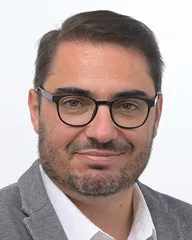
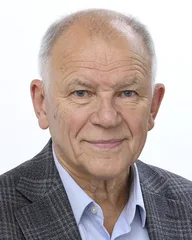
| Rank | Name | Country | Group | Speeches | |
|---|---|---|---|---|---|
| 1 |
|
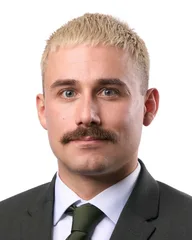
Lukas Sieper | Germany DE | Renew Europe (Renew) | 487 |
| 2 |
|
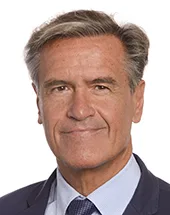
Juan Fernando López Aguilar | Spain ES | Progressive Alliance of Socialists and Democrats (S&D) | 454 |
| 3 |
|
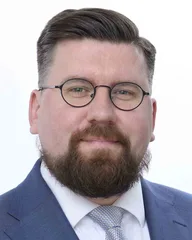
Sebastian Tynkkynen | Finland FI | European Conservatives and Reformists (ECR) | 451 |
| 4 |
|
João Oliveira | Portugal PT | The Left in the European Parliament (GUE/NGL) | 284 |
| 5 |
|
Vytenis Povilas Andriukaitis | Lithuania LT | Progressive Alliance of Socialists and Democrats (S&D) | 273 |
All Speeches (12)
Women’s entrepreneurship in rural and island areas and outermost regions (debate)
Date:
30.04.2026 11:10
| Language: FR
Speeches
Madam President, Commissioner, ladies and gentlemen, I would like to reiterate what should be obvious: Our overseas territories, like our rural or remote areas, cannot remain the poor parent of European policies. Their realities, their constraints, but also their formidable potentials must be fully taken into account. That is the whole point of this report, which I welcome. It has a clear ambition: improve women's access to funding, training, but also essential services, including childcare solutions, travel and support for caregivers. Because, without these levers, undertaking too often remains for women a course of obstacles. We will also have to vote on an important amendment to deny any vision that would reduce people with disabilities to a mere resource. I hope that this amendment, like this report, will bring together a large majority.
Importance of consent-based rape legislation in the EU (debate)
Date:
27.04.2026 19:18
| Language: FR
Speeches
Mr President, Commissioner, ladies and gentlemen, the lack of consent must finally be at the heart of the definition of rape throughout the European Union. To clearly define rape as any sexual act without consent is to protect all women, including victims of chemical submission, such as Gisèle Pelicot. CNN recently revealed a chilling reality, a veritable online rape industry. Thousands of videos of unconscious, drugged, assaulted women circulate freely on the internet. We exchange the best tips for drugs, for rape, for filming. These crimes become entertainment. The Commission and the Member States must take all necessary measures to track down and close down these sites, and to prosecute and punish not only authors but also consumers. Because to look is to be complicit.
Rail transport safety in the EU – lessons learnt from the Adamuz accident and three years after the Tempi tragedy (debate)
Date:
12.03.2026 11:24
| Language: FR
Speeches
Madam President, Commissioner, ladies and gentlemen, the railway accidents in Tempé and Adamuz have upset the Greeks, the Spaniards and, beyond that, all Europeans. After the time of mourning and recollection, it is now up to us to take the necessary measures to ensure that such tragedies never happen again in Europe. It is difficult to provide a single answer to two different situations because of their causes and characteristics. Nevertheless, the deployment of ERTMS is an essential step to enhance rail safety. The ageing of infrastructure is often the cause of accidents. This underlines the urgency of implementing a genuine investment policy in the modernisation of equipment. Finally, the maintenance of the network must be strengthened and must allow for faster interventions. Technological developments, particularly in the field of drones, could help to reduce the costs of these essential diagnostics. Taking the train should never pose a risk to passengers. Together, let us work to ensure that the disasters of Tempé and Adamuz are the last.
AccessibleEU and the strategy for the rights of persons with disabilities: state of play and the future of EU accessibility policy (debate)
Date:
11.03.2026 20:25
| Language: FR
Speeches
No text available
Gender pay and pension gap in the EU: state of play, challenges and the way forward, and developing guidelines for the better evaluation and fairer remuneration of work in female-dominated sectors (debate)
Date:
09.03.2026 20:44
| Language: FR
Speeches
Mr President, Commissioner, closing the gender pay gap is not only a social policy, it is also a competitiveness policy. Europe is facing a shortage of talent and a slowdown in productivity. At the same time, women remain underrepresented in strategic sectors, including science, technology and engineering. We cannot talk about European competitiveness while underutilizing half of our talent. To encourage women's participation in the labour market, we must ensure that women are paid equally to men for equal work. We must also facilitate work-life balance, improve access to childcare and promote a more balanced distribution of family responsibilities. Investing in equality means investing in growth, innovation and Europe's economic future.
Recommendation to the Council on EU priorities for the 70th session of the UN Commission on the Status of Women (debate)
Date:
12.02.2026 10:03
| Language: FR
Speeches
No text available
European Citizens’ Initiative ‘My voice, my choice: for safe and accessible abortion’ (debate)
Date:
16.12.2025 20:26
| Language: FR
Speeches
No text available
No text available
EU strategy for the rights of persons with disabilities post-2024 (debate)
Date:
26.11.2025 17:14
| Language: FR
Speeches
No text available
Declaration of principles for a gender-equal society (debate)
Date:
09.10.2025 09:30
| Language: FR
Speeches
Mr President, ladies and gentlemen, today's vote of approval does not mark the end of a process. On the contrary, it commits us to do more together to make concrete changes in women's lives and to oppose any setbacks or obstacles to the exercise of their rights, including the control of their bodies. I think of Gisèle Pelicot, back in court this week, and all the women victims of violence who dare to act so that shame changes sides. Their fight for justice must be reflected in our political decisions. I am also thinking of those who experience cross-discrimination, particularly women with disabilities. The next strategy for the rights of persons with disabilities will have to go hand in hand with this roadmap to ensure equal treatment. And I finally think of helping women who accompany a loved one by often putting their careers in parentheses. We expect an ambitious European care strategy that finally recognises their role and gives them the support they deserve. This roadmap sets a course. It is now up to us to make sure that it truly changes women's lives on a daily basis.
The importance of trans-European transport infrastructure in times of stalling economic growth and major threats to Europe’s security (debate)
Date:
02.04.2025 18:08
| Language: FR
Speeches
Mr President, Commissioner, ladies and gentlemen, our transport infrastructure is the backbone of our economy. Our ports, our rails, our bridges, our roads are concrete links between Europeans, but our network no longer meets the challenges of the century. Member States are insufficiently connected, which is an obstacle for the mobility of Europeans and goods, but also for the green transition of transport. The European added value is strong with the CEF. In the context of the forthcoming budgetary negotiations, we must ensure both that it is maintained and that its allocation is ambitious. This applies more than ever to military mobility: the ability to deploy troops and equipment quickly is an element of credibility for the Union at a time when we are facing unprecedented threats. Ladies and gentlemen, today we are deciding on Europe's place in the world of tomorrow. Let us rise to the occasion and invest in our future.
Prevention of drug-related crimes, their effect on European citizens and the need for an effective European response (debate)
Date:
09.10.2024 18:30
| Language: FR
Speeches
Madam President, Commissioner, the Mazan rape trial in France highlights the phenomenon of chemical submission. This scourge is not limited to GHB in nightclubs; it also includes the misuse of medicines. The aggressors are not always strangers; they are sometimes close people, or even very close. Faced with these attacks that too often leave victims, often women, in a state of deprivation, amnesia and loneliness, it is crucial to act. We need to share and deploy best practices to prevent these crimes and effectively support victims across Europe. This includes allowing access to toxicological analyses, without an immediate obligation to lodge a complaint, in order to preserve crucial evidence, as well as training all professionals concerned to detect signs of chemical submission and to quickly refer victims to medical experts. It is also imperative to maintain increased vigilance over online practices, as the Internet is often used to facilitate these crimes. We must provide a firm response to protect women, prevent these crimes and ensure that victims receive adequate follow-up.