
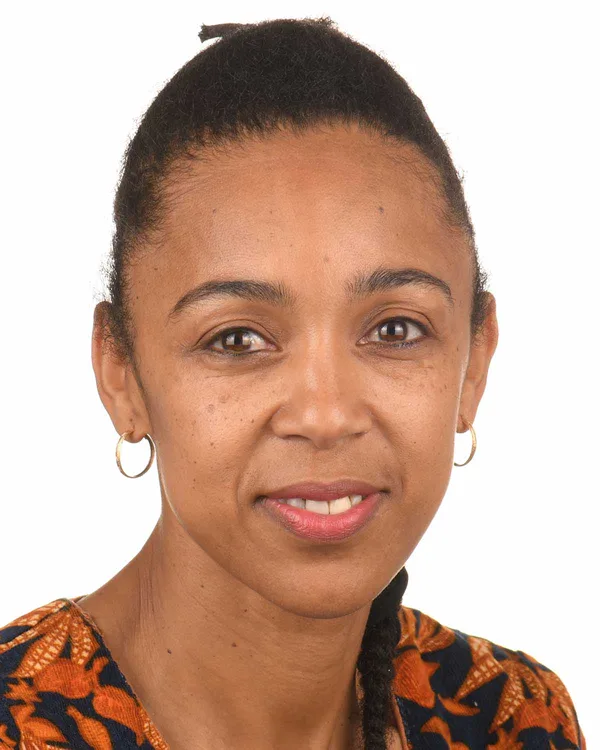

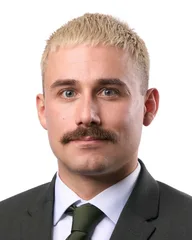
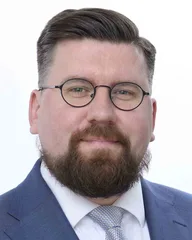
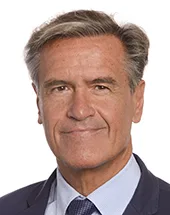
| Rank | Name | Country | Group | Speeches | |
|---|---|---|---|---|---|
| 1 |
|
Lukas Sieper | Germany DEU | Non-attached Members (NI) | 390 |
| 2 |
|
Juan Fernando López Aguilar | Spain ESP | Progressive Alliance of Socialists and Democrats (S&D) | 354 |
| 3 |
|
Sebastian Tynkkynen | Finland FIN | European Conservatives and Reformists (ECR) | 331 |
| 4 |
|
João Oliveira | Portugal PRT | The Left in the European Parliament (GUE/NGL) | 232 |
| 5 |
|
Vytenis Povilas Andriukaitis | Lithuania LTU | Progressive Alliance of Socialists and Democrats (S&D) | 227 |
All Contributions (3)
Amending Directive 2011/36/EU on preventing and combating trafficking in human beings and protecting its victims (debate)
Madam President, in 2024, human trafficking continues to affect thousands of people around the world. In 2021 alone, the European Union registered more than 7 000 victims. Between 2008 and 2022, Portugal recorded a 107 % increase in this type of crime. Unfortunately, in Alentejo, those who work the land are, for the most part, migrant citizens from countries such as Nepal, Bangladesh, Bulgaria, Romania, Moldova, Ukraine, India, Senegal, Pakistan, East Timor – and I could say others – drawn to Europe under false promises from criminal networks. On arrival, instead of decent work, they are manipulated by employers who seize their passports, keep them in remote locations, with unhealthy conditions and with more debt than salary. Of the 24.9 million people the ILO speaks of who are trapped in forced labour, 16 million are exploited in the private sector, such as domestic work, construction or agriculture. There is a political responsibility of the EU against trafficking, for better solidarity, investment in the capacity to welcome and integrate safe pathways for immigrants and refugees, rather than insisting on security measures that always leave them in the hands of these unscrupulous people without decent work.
Prohibiting products made with forced labour on the Union market (debate)
Madam President, 24 April 2024 marks 11 years since the collapse of Rana Plaza. It killed at least 1 132 workers in Bangladesh. They produced the same clothes that millions of people wear in Europe and around the world. This disaster has proven that the unregulated market, with forced labour conditions and unsafe infrastructure, can become a mass murderer. We have already heard here that, according to the International Labour Organization, about 27.6 million people have been victims of forced labour worldwide. This situation disproportionately affects poor and racialized people in the Global South. Two important legislations are voted this week that will help curb disproportionate greed and constitute a breakthrough in human rights: the due diligence and cooperative sustainability directive and the ban on products made with forced labour. It is up to this Parliament to fight for its proper implementation, including an ambitious policy of reparations for those who survive this scourge, and to return some justice to avoid the continued exploitation of the most vulnerable.
Madam President, as the King of Belgium said here today, 'we must have the courage to look at the stars that accompany the refugees'. On this ID day, with a war in Ukraine, a genocide in Palestine, this European Parliament proposes to further dramatise the lives of millions of people, inside and outside the European Union, who thought they had a safe haven in Europe. This continent of freedom and solidarity meant honouring the principles and voting against this pact.