
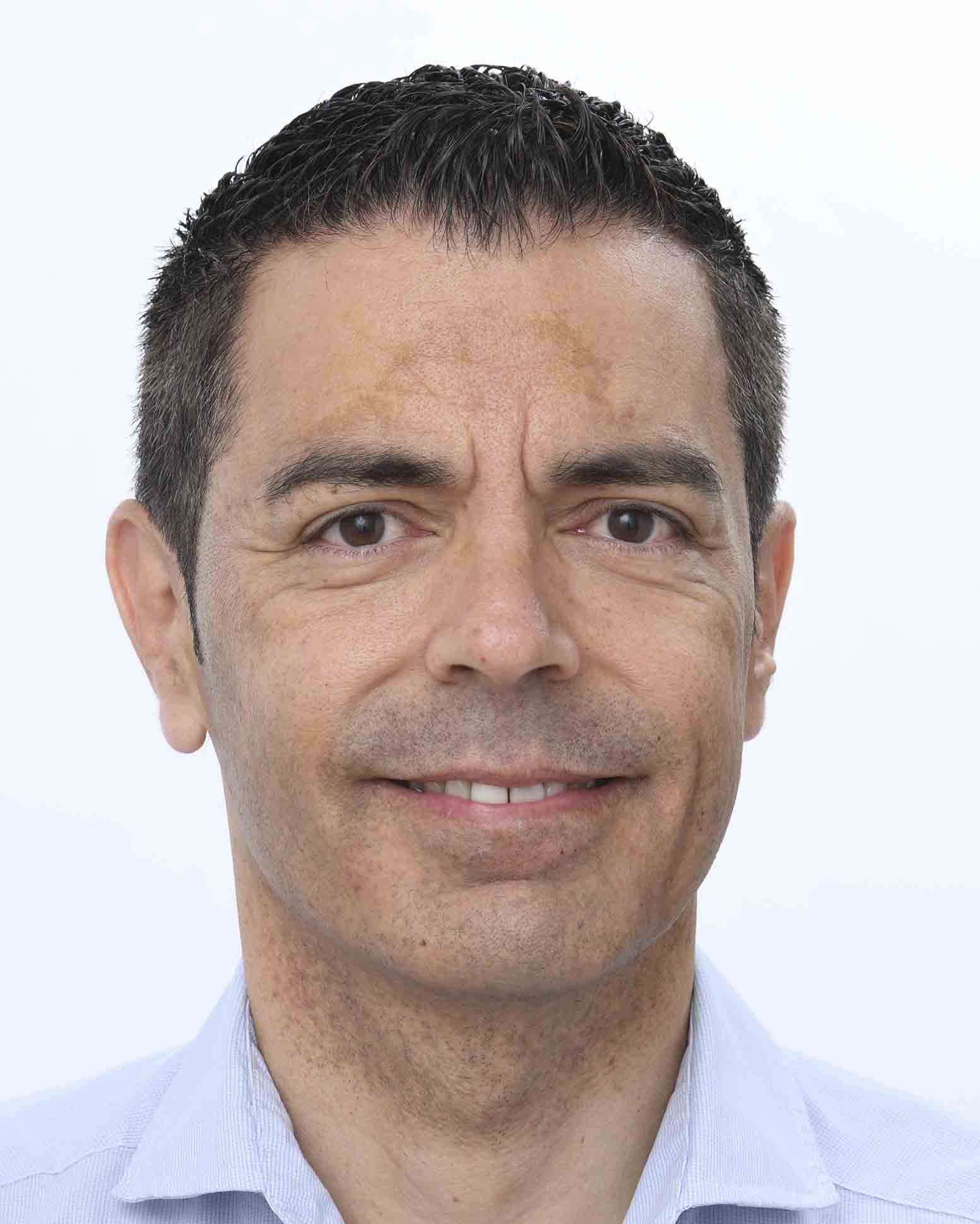


| Rank | Name | Country | Group | Speeches | |
|---|---|---|---|---|---|
| 1 |

|
Lukas Sieper | Germany DE | Renew Europe (Renew) | 487 |
| 2 |

|
Juan Fernando López Aguilar | Spain ES | Progressive Alliance of Socialists and Democrats (S&D) | 454 |
| 3 |

|
Sebastian Tynkkynen | Finland FI | European Conservatives and Reformists (ECR) | 451 |
| 4 |

|
João Oliveira | Portugal PT | The Left in the European Parliament (GUE/NGL) | 284 |
| 5 |

|
Vytenis Povilas Andriukaitis | Lithuania LT | Progressive Alliance of Socialists and Democrats (S&D) | 273 |
All Speeches (91)
Ensuring sustainable, decent and affordable housing in Europe - encouraging investment, private property and public housing programmes (debate)
Date:
09.10.2024 14:50
| Language: ES
Questions
Mr President, Commissioner, there is no welfare state without a place where we can be well. The pillar of our political system is shaken by the very serious housing crisis we are going through: a crisis suffered by all citizens, but especially the youngest, who cannot develop their life project. We must act. I am proud to say that, thanks to the work of the Socialist Group, we will have a housing commissioner and a commitment to a European housing plan. But we have to go further: we need to reform cohesion policy to help finance the construction of affordable housing and expand the public stock of rental housing. There is also a need to set up a dedicated European fund to invest in affordable public housing and allow state aid. But I am not talking about any housing, but housing that offers quality of life, solves energy poverty with energy efficiency and is affordable. That is, we must follow the principles of the New European Bauhaus. This problem is drowning citizens; We need to throw him a lifeline.
Facing fake news, populism and disinformation in the EU - the importance of public broadcasting, media pluralism and independent journalism (debate)
Date:
07.10.2024 21:43
| Language: ES
Speeches
Madam President, Commissioner, the window through which we look at the world has fogged glass. An international movement of extreme populisms with large economic powers that finance it is responsible. They have contaminated our glass with fake news, disinformation and hate messages. We can see the result in Austria, in Germany, in Italy and throughout Europe: far-right parties that go against the very essence of the European Union and achieve power by inoculating the virus of hatred of citizens with lies. We must fight it by defending quality journalism. That is why we need a swift and proper implementation of the European Media Freedom Regulation with sufficient funds. Reality is not how those who stain the window through which we look at the world with hatred pretend to show it. To preserve our democracy we must ensure the existence of free and independent media. Let's cleanse the glass of hate.
Droughts and extreme weather events as a threat to local communities and EU agriculture in times of climate change (debate)
Date:
19.09.2024 09:24
| Language: ES
Speeches
Mr President, Commissioner, there are almond trees drying out: In my land, the lack of rain is killing even the rain-fed trees. Farmers in the Region of Murcia are suffering more than ever the effects of drought: The effects of climate change are already here. We need long-term solutions and preventive measures, and the answer is European funds: the common agricultural policy and cohesion policy aligned with the Green Deal can mitigate the impact of these droughts, can promote sustainable agricultural practices and can ensure the adaptation of our communities to climate change. The Commission should adopt a water resilience strategy to provide a comprehensive and stable response: We cannot react impromptu to every drought. In my land, while the leaves of the almond and olive trees dry showing a desolate landscape, and the regional government does nothing to prevent it, only the Government of Spain approves aid. The European Union must also rise to the occasion.
Forging a sustainable future together: economic, social and territorial challenges for a competitive, cohesive and inclusive Europe (debate)
Date:
24.04.2024 19:12
| Language: ES
Speeches
Mr President, Commissioner, cohesion policy is a pillar of the European Union, a pillar that strengthens growth, equal opportunities and solidarity. A weapon to improve the development of all regions of the European Union. We are now in the moment to think about how we want to manage the structural funds in the next decade with an idea in mind: leave no one behind. Two regions with the same gross domestic product may have very different needs. We have to look beyond this indicator to distribute the funds, to worry about environmental or socio-economic issues, for example. The management of European funds cannot be an administrative maze. We must make access to resources easier, more flexible and involve municipalities and regions. In addition, it is necessary to think about the territory, not only the urban. And to do so, we must enhance the role of the Territorial Agenda of the European Union. Make plans thinking about regions, territories with common needs, address disparities within regions and fight against depopulation. And, of course, we can't get all this if there are no funds. The budget for cohesion policy needs to be strengthened in the next negotiation. In short, we must focus on ordinary citizens, think about all the people who have benefited from these funds for decades and improve them for the new generations. Design a cohesion policy that is the basis for equal opportunities between the different territories of the European Union so as not to leave anyone behind.
Cohesion policy 2014-2020 – implementation and outcomes in the Member States (debate)
Date:
13.03.2024 18:38
| Language: ES
Speeches
Madam President, Commissioner, we must look to the past to boost the future. Cohesion policy is a pillar of the European Union. It is based on the deepest pro-European values – equality, solidarity, balance between regions – and has made it possible to accelerate the development of territories that were in line and to incorporate all of us into a European train that is moving steadily and at a good pace. Now, this review of the previous period comes at a time when we are already working on what the cohesion policy of the future should be and we need to learn from the past in order to grow stronger. We need a cohesion policy that looks beyond gross domestic product to allocate and use resources; socio-economic and environmental aspects also need to be assessed. We must strengthen co-governance: the closest governments know better the needs of the territory. It also simplifies administrative procedures, streamlines processes and increases transparency. We need a cohesion policy that strengthens the green transition and the digital transition. A cohesion policy that contributes to a just transition in all regions. Cohesion funds should also combat depopulation in some regions of the European Union and enhance the role of the European territorial agenda, an integrated vision of the territory. A cohesion policy, too, with solid funding other than the piggy bank to turn to every time we have a crisis. In short, a cohesion policy focused on citizens. Thinking about those citizens who studied in schools, went to hospitals and have driven on roads financed with these funds and thinking about the new generations and how to improve this policy to reduce inequalities, balance territories and promote a more digital, greener and more sustainable European Union. In short, a cohesion policy to offer new generations more and better opportunities. To offer them a better life.
Mr President, Commissioner, the citizens are watching us. The climate crisis is already a reality. We went through a crossroads. The new generations will judge us by the decisions we make now in all areas and also in our buildings. Improving their energy efficiency will have a significant impact on the quality of life of citizens and will mean social, economic and environmental improvements. We must focus our actions on the areas that are vulnerable and linked to energy poverty, on those who need it most. Fossil fuel boilers should be phased out, energy rehabilitation promoted and insulation improved in our buildings. These are actions aimed at providing decent, profitable homes in line with climate demands. The adoption of the proposal for a directive on the energy performance of buildings is crucial for improving the buildings where we live and work, reducing energy poverty and polluting less. It is a necessary step to leave a decent world to the next generations.
Multiannual financial framework for the years 2021 to 2027 - Establishing the Ukraine Facility - Establishing the Strategic Technologies for Europe Platform (‘STEP’) (joint debate - multiannual financial framework revision)
Date:
27.02.2024 10:29
| Language: ES
Speeches
Mr President, today we are living through a key day, another step towards a genuine revision of the multiannual financial framework, a prerequisite for the creation of the Ukraine Facility, 50 billion in financial support by 2027, a fund for post-war reconstruction and modernisation needs. We need the reconstruction of Ukraine to be sustainable and inclusive and this fund will allow Ukraine to advance in regional policy and in coordination of structural instruments. In addition, with the green light to the establishment of the Strategic Technologies for Europe Platform (STEP) we will take a great first step towards the strategic autonomy that we demand so much for the European Union: a sovereign fund for the European Union that will foster synergies between existing European programmes of funds and promote complementarity between cohesion policy and other sources of European Union funding. We need a strong cohesion policy for the future, adapted to the consequences of future crises.
Mr President, Commissioner, quality education is the engine of the European Union, the engine of equal opportunities. It is an engine that only works by putting teachers in the place we deserve in society and offering decent working conditions. As a teacher, it is my duty to defend the rights of our collective. Future generations, and therefore the future of the European project, depend on us. We must ensure optimal working conditions and adequate remuneration for all teachers. Only if we increase the interest in teaching will we improve the quality and alleviate the shortage of teachers that affects some territories. One of the dimensions of the European Education Area focuses precisely on teachers, trainers and educational staff. It is a project that should provide more opportunities for them, but it will only do so if we get its real implementation in 2025. The date's coming up. Together with students, teachers and educators, we must be at the heart of education policies. The classroom should be the axis. The European Union is also built from the classroom, with teachers who defend and transmit European values, teachers who must have decent working conditions.
Mr President, Commissioner, being young should not be a reason for discrimination, nor should it mean having fewer opportunities or not being paid for your work. From the European Union we have been promoting quality education for years. But all this is of no use if then there is no transition to an honest and inclusive world of work that respects the rights of young people. We are talking about the problem of not receiving compensation for the time spent on the internships, but also about the expense that each young person incurs in doing them. A cost that they and their families must bear for the benefit of the companies that profit. We have come to celebrate the European Year of Youth and we need to look after its legacy. There would be no better legacy than to adopt at once a directive for quality practices as soon as possible. Traineeships must be remunerated. President von der Leyen should know that this directive does not stand any more excuses or delays. Young people are waiting.
The need for unwavering EU support for Ukraine, after two years of Russia’s war of aggression against Ukraine (debate)
Date:
06.02.2024 12:41
| Language: ES
Speeches
Mr President, next 24 February will mark two years of an unjust and cruel invasion, an invasion that has put Ukraine and the European Union under unprecedented pressure. But it has also demonstrated the solidarity and strength of our institutions. Today we see a new test: the major agreement reached through the Ukraine Facility, €50 billion of financial support by 2027. It is a fund for dealing more flexibly with post-war reconstruction and modernisation needs, a tool that must largely reach the regions and cities of Ukraine, the real ones responsible for reconstruction. It is now up to Ukraine to make progress in clarifying the role of local, regional and national administrations. We must provide Ukraine with the support it needs, but without neglecting the most important: that the funds reach those who really need it. The reconstruction of Ukraine must be sustainable and inclusive.
EU strategy to assist young people facing the housing and cost of living crisis (topical debate)
Date:
13.12.2023 15:04
| Language: ES
Speeches
Mr President, housing is a universal right, a right that is basic to the development of young people and should not depend on social status, sex or age. But it happens. In this legislature we are focused on improving the sustainability, design and accessibility of our buildings. Initiatives such as the Renovation Wave, the new Energy Performance of Buildings Directive or the New European Bauhaus are working to improve the quality of our neighbourhoods and homes. But the first step is to ensure access to quality and accessible housing for all young people, leaving no one behind. And without forgetting the dramatic situation experienced by many Erasmus students due to the lack of accommodation in their destinations. Even those who can afford it do not enjoy unhindered learning mobility. We have to act. We need a European strategy with measures and funding so that young workers and students can have a roof, a home, to develop as people.
Environmental consequences of the Russian aggression against Ukraine and the need for accountability (debate)
Date:
12.12.2023 20:43
| Language: ES
Speeches
Mr. President, we have war on our borders. The invasion of Ukraine still wreaks havoc on the country and continues to affect us. But we must send a very clear message. The European Parliament has not forgotten Ukraine. There is enormous human, material and environmental damage that the European Union is committing to alleviate. The costs of rebuilding Ukraine are estimated at more than €300 billion. We must take advantage of this disaster to articulate a sustainable reconstruction, guided by the values of the European Union: equality, transparency, co-governance of municipalities and regions. The New European Bauhaus is the project that best embodies these values. We must stop to achieve a sustainable, inclusive and beautiful future for Ukrainian society after the war. The Ukraine Facility has been a first step in its reconstruction. But the culprits – Russia – have to pay for this ecocide. Let's make it possible.
The new European strategy for a better internet for kids (BIK+) (debate)
Date:
05.10.2023 11:11
| Language: ES
Speeches
Madam President, Commissioner, our children are using technology more and more, and earlier, more intensively and at an earlier age. This creates opportunities, but also problems. Online sexual abuse and cyberbullying have increased exponentially and affect the health of young people. In this situation, prevention and education are key tools: with regard to online sexual abuse, to detect if they are in danger and to make networks a safer place for all; and, regarding cyberbullying, to raise awareness of this silent pandemic. A pandemic that has been aggravated by the widespread use of mobile phones and social networks. This resolution officially contains something that we have asked for on many occasions. We need a European strategy against bullying and cyberbullying in schools, a package of measures contained in the European Education Area, coordinated with the Better Internet for Children strategy. Thousands of students, facing a new school year with fear of being harassed, are waiting for solutions to this problem. We in the European institutions must act firmly.
Mr. President, this Sunday in my city we woke up devastated. Murcia suffered an event that has become a horrible tragedy. Thirteen people have died in a fire that has affected three clubs in the town. These are European citizens and residents who were enjoying a day of leisure. From here, I would like to ask for a tribute to all of them, as well as a recognition also to the firefighters, the health workers, the security forces and the authorities who ensured the well-being of all at that time. I would also like to call on us to continue working on implementing security technology and protocols that can prevent further tragedies. That is why I am going to ask this Parliament to observe a minute's silence in tribute to these victims.
Segregation and discrimination of Roma children in education (debate)
Date:
14.09.2023 15:14
| Language: ES
Speeches
Madam President, equality. Equality is one of the pillars on which our European project is based and we cannot allow this principle to be broken, less in an area as crucial as that of education. We will not tire of repeating it. Everyone has the right to quality education and training, regardless of origin, race, sex or any other trait. We cannot allow groups such as Roma children to suffer systemic discrimination in a space of personal development as important as the school environment. And yet it's still happening. We in the European Parliament must act firmly. Education is the best weapon to ensure equal opportunities and must be free from discrimination. The European Education Area is the initiative with which we can now improve quality, equity and inclusion in the classroom. And remember: we must achieve this by 2025. This project should lead us to a more equal, better quality and more mobile education that promotes European values and citizenship, the Green Deal and the fight against harassment and cyberbullying. Commissioner, let us take advantage of these education policies to build a fairer, more inclusive, more equal society. Let us act to avoid these situations of marginalization. Let's act to make sure we don't leave any boys or girls behind. We owe it to those who suffer discrimination every day.
Towards a more disaster-resilient EU - protecting people from extreme heatwaves, floods and forest fires (debate)
Date:
12.09.2023 09:43
| Language: ES
Speeches
Mr. President, heat waves, fires, torrential rains, floods... Extreme weather events are becoming more frequent; More and more people are paying dearly for its consequences across Europe. And it suffers more those who have less. This summer we have experienced the warmest month of August ever recorded. In Spain, we know this well: fires, heat waves lasting longer and floods like last week; the sea surface temperature continues to rise; heat waves are becoming more frequent, and we must act more firmly. The way forward is clear: European Green Deal, improving cohesion policy and the Solidarity Fund. The Member States and the European institutions must take part in this process as a matter of priority. We need preventive measures to prevent disasters in the face of extreme events, and, in addition, funding for the civil protection mechanism in order to strengthen the European response. What was a threat years ago now conditions the lives of millions of people. The consequences of climate change are here and we need commitment to tackle them.
Madam President, Commissioner, you are here. We have spent the last decades warning of the threat posed by climate change, but it has long been not a threat, but a reality. It is one of the two major problems that can end our environment. The drought that is ravaging Europe shows us the seriousness of the situation. But it's not just climate change. Human action is another big problem. Water uses and abuses across the European Union have caused great harm. In the Region of Murcia and other neighboring Spanish communities we know it well: Illegal extractions of overexploited and contaminated water and aquifers that end up causing the degradation of the Mar Menor, an environmental jewel of the European Union. We must act now, and do so in both areas: combat climate change and bring order to the management of water resources. Illegal exploitation and actions that pollute water, especially groundwater, must be stopped. These problems are already here and we have to deal with them as soon as possible.
Madam President, Commissioner, today we celebrate Europe Day. And today also kicks off the European Year of Skills, a way forward in the construction of the European project. Because one of the pillars on which the Union is based is education. And yes, we need a trained and educated population to face the digital and sustainable transitions. But we can only achieve this through strong and resilient public education systems. Public education systems that ensure quality education for all citizens. We come from the creation of the European Skills Agenda and the Pact for Skills and we are moving towards the creation of a European Education Area by 2025. The most ambitious European project since the creation of Erasmus. This is the way. Education and training are the foundation on which to build a better society. Let's take advantage of this year to implement effective actions that improve the skills of our students and workers.
Cohesion dimension of EU state aid and de minimis rules (debate)
Date:
20.04.2023 11:00
| Language: ES
Speeches
Madam President, Commissioner, the development of all European regions must be balanced. This is one of the foundations of our political project and the main objective of cohesion policy, a pillar that should always guide our political action. Cohesion policy is not just the balance between territories. Cohesion is a balance between the citizens of the territories, it is equal opportunities, it is inter-territorial solidarity; is, in short, the best way to ensure that the European Union is a territory of coexistence, peace and freedom. When we face temporary crisis situations, where cohesion policy does not reach, it is necessary for the States to help our companies, especially in those most disadvantaged regions, those that suffer the most, if possible, the onslaught of the repeated crises that we have experienced in recent years: less developed regions, transition regions, mountainous, island, depopulated or rural regions. State aid protects our productive sectors, protects our goods and services, but most importantly: support and protect our citizens. But misfocused aid can generate inequality between territories, especially among those who need it most. Our Treaties are clear: we must promote convergence between regions and correct existing imbalances. We need to prevent State aid from causing more imbalances. The revision of the Regulations that the Commission envisages should ensure that the principles of cohesion enshrined in our Treaties are taken into account and respected. We must ensure that businesses in the outermost regions, regions in transition, less-favoured, island and mountainous regions compete on an equal footing with others and that citizens living in those regions are not forced to leave their homes. State aid, yes; for crisis situations, yes. But always ensuring balance and solidarity between European regions; ensuring balance and solidarity among all citizens of the European Union.
Question Time (Commission) - Legacy of the European Year of Youth
Date:
18.04.2023 16:41
| Language: ES
Speeches
Mr President, Commissioner, the European Year of Youth ends exactly three weeks from now and I could repeat the same question I asked in this House a few months ago: How many young people have found out? As an observer of this Parliament that I have been for the development of the European Year of Youth, I have seen the interest that this European Year has aroused in many youth organisations, but the impact has been very limited and I believe that we have time to improve it, improve it to leave a good legacy to young people. I'd like to ask you two questions. First of all, we are experiencing a very delicate moment regarding the housing situation. I already asked him about the problem that some Erasmus students had in getting housing in their destinations and I want to know if the Commission has any plans to guarantee access to quality and affordable housing for young people, in general, and especially for those who make an Erasmus stay. And secondly, what are they going to do, in addition to ensuring that unpaid traineeships are prohibited, to improve the working conditions of our young people?
The need for a coherent strategy for EU-China Relations (debate)
Date:
18.04.2023 11:52
| Language: ES
Speeches
Mr President, Commissioner, High Representative, what lessons has this legislature taught us? We cannot forget the sad scenes we saw in the hardest part of the pandemic. What happened when we depended on sanitary material from China we are living now with the energy crisis we are going through. China accumulates and consumes fuels and causes price increases, while in Europe we struggle to increase our energy independence. The European Union must strengthen its role as a geopolitical actor with its own voice. To achieve this, we must reduce our dependence on the outside in terms of technology and production of certain materials. Let us learn from the hard lessons of this legislature. The European Union has the authority to be an autonomous geopolitical actor. This does not mean that we should eliminate trade relations with China, but balance them. This does not mean that each of the Member States does not have its role, but that we must speak with one voice, with coordination, as Mr Borrell said well today. Above all, we are aware that the European Union must remain the world reference for democracy and respect for human rights.
Madam President, you are fighting for the climate and defending the citizens. Parliament is once again setting an example of social ambition with this directive. Buildings are responsible for 40% of energy consumption and it is essential to reduce this figure to save the planet. But I am especially proud to focus our efforts on those who need it most. I am proud that energy poor areas and vulnerable neighbourhoods are taken into account to focus investments from European funds there. The reform of this Energy Performance of Buildings Directive is also in line with the New European Bauhaus: more energy savings on monthly bills, less pollution, higher quality of life and climate comfort in buildings and homes, all focusing efforts on those who have the least. The adoption of this Directive will contribute to a more climate-ambitious and socially just Europe.
Madam President, what is the value of a culture? Rural areas in the European Union cover more than 80% of the territory, but host only a third of its inhabitants. Thousands of peoples with diverse traditions and diverse ways of life are at risk of disappearing due to depopulation. The European institutions must ensure their survival. The European Union's cohesion policy should boost the development of these areas. The new mobility plans have to put an end to the isolation of our peoples, which is sometimes caused by the lack of infrastructure. We must ensure connectivity that enables teleworking and we must work to implement the Rural Pact. But we can also use the potential of cohesion policy to fix population to the territory. We can offer incentives to people who decide to live in the rural world; promoting sustainable tourism that raises awareness of their ways of life; value a sustainable way of life that is respectful of our planet. We cannot allow centuries-old traditions of our rural villages across Europe, which are at risk of depopulation, to be lost to institutional inaction. We have to get involved. We need involvement at all levels. And the European Union must lead this engagement, because the value of a culture is incalculable.
Madam President, Commissioner, youth is the most decisive period of a life, a moment of personal flourishing that is lived only once and, as such, must be taken advantage of. Hence the importance of this European Year of Youth in raising awareness. However, Commissioner, how many young people have known about the initiative? Unfortunately, not enough. We have failed to reach the general population. The reasons? This year's organization started late and has had little funding and little involvement. But we still need to make sure that this year's legacy goes further, that it helps young people overcome the effects of the pandemic, that it empowers them to be active and engaged citizens, that it informs them of all the opportunities offered by the European Union. Training is a central axis in the development of our young people and, without quality, inclusive and barrier-free education, they will have a much harder time achieving their goals. I end with a key moment for our young people, the difficult transition to the world of work. It is a democratic imperative that we ensure fair remuneration for all traineeships. It is a shame not to have had the support of the right to defend this very basic right. Because of their opposition, we have not been able to include it in the resolution that we are going to vote on, but young people can continue to count on the socialists to continue fighting for their rights.
Cultural solidarity with Ukraine and a joint emergency response mechanism for cultural recovery in Europe (debate)
Date:
20.10.2022 10:01
| Language: ES
Speeches
Madam President, war is a horror that leaves nothing but destruction in its wake. The most serious thing, without a doubt, is the destruction of human lives, of their homes, and the hunger that leaves behind them. But, in addition, war has a very serious impact on culture and heritage, which is our history, our memory as a species. Following the Russian invasion, Ukraine's heritage has become the most threatened on the continent. As of today, UNESCO has already recorded more than 200 cultural sites destroyed or damaged as a result of the attacks. An irreparable loss. The European institutions must take sides to stop this loss and take action for its conservation, recovery and reconstruction. We need to define the role that the European Union should play in rebuilding the destroyed heritage in Ukraine. We must put in place the necessary political will to prevent this loss. A month ago we adopted here the report on the New European Bauhaus, a text that contemplates that the New Bauhaus must contribute to the reconstruction of monuments and cities destroyed by the invasion. All this with the participation of the Ukrainian cultural and creative sectors, which have been so badly affected and which need our support. The New Bauhaus can and should adopt an external dimension to assist Ukraine in this task. Historical heritage is the sum of the traces that previous generations have left in the territory, it is the cultural memory of past generations. That is why we cannot let the Russian invasion laminate the history of the Ukrainians. We share history and past experiences with Ukraine and historical heritage should be used as a bridge to strengthen the ties of the Ukrainian people under attack with the European Union.