
| Rank | Name | Country | Group | Speeches | |
|---|---|---|---|---|---|
| 1 |
|
Lukas Sieper | Germany DE | Renew Europe (Renew) | 494 |
| 2 |
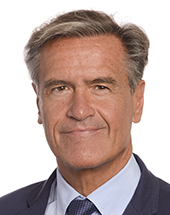
|
Juan Fernando López Aguilar | Spain ES | Progressive Alliance of Socialists and Democrats (S&D) | 463 |
| 3 |
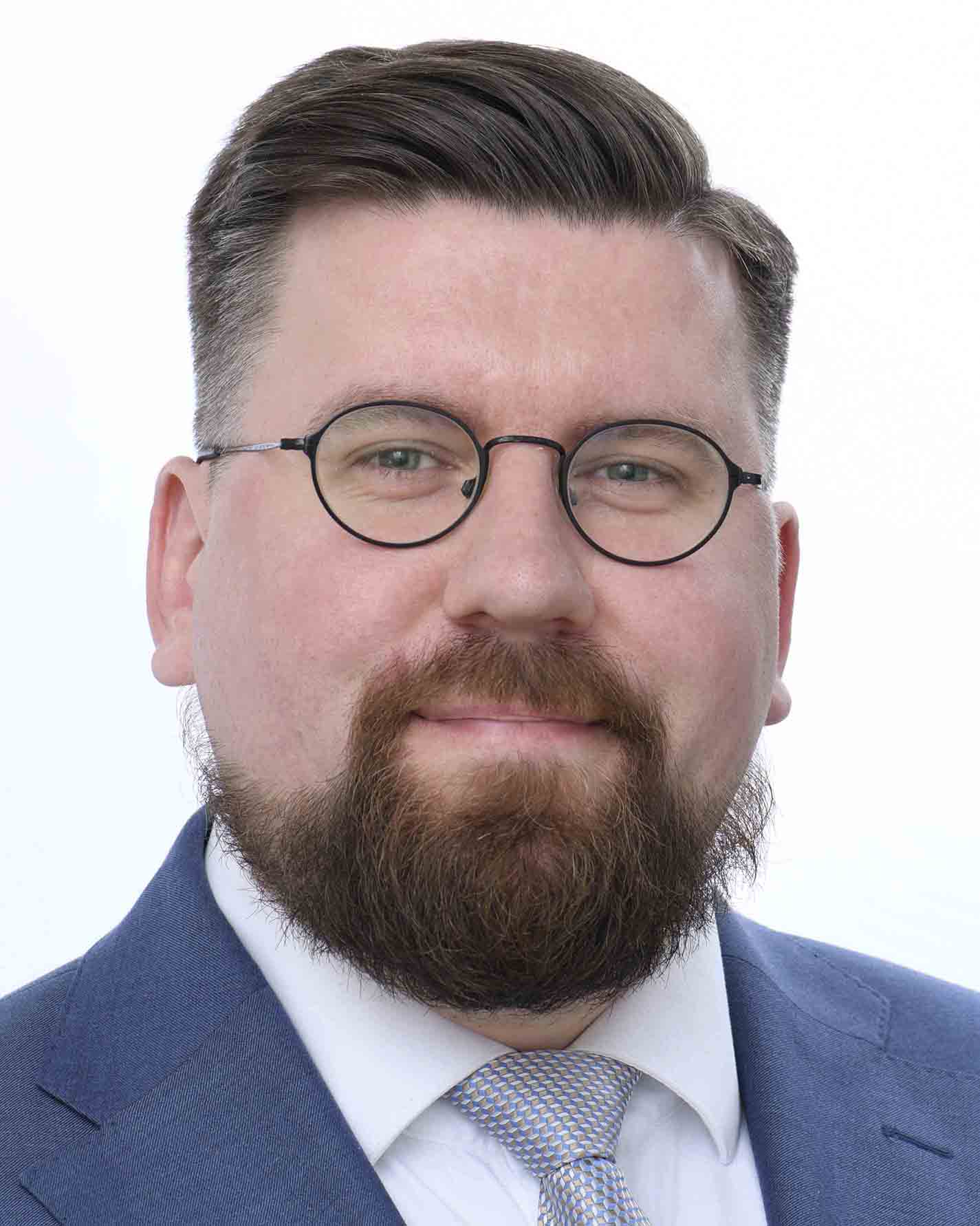
|
Sebastian Tynkkynen | Finland FI | European Conservatives and Reformists (ECR) | 460 |
| 4 |
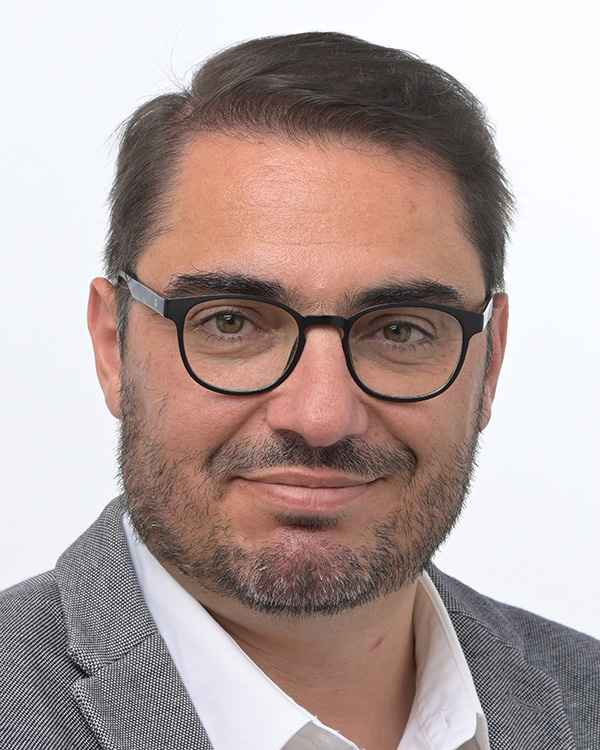
|
João Oliveira | Portugal PT | The Left in the European Parliament (GUE/NGL) | 288 |
| 5 |
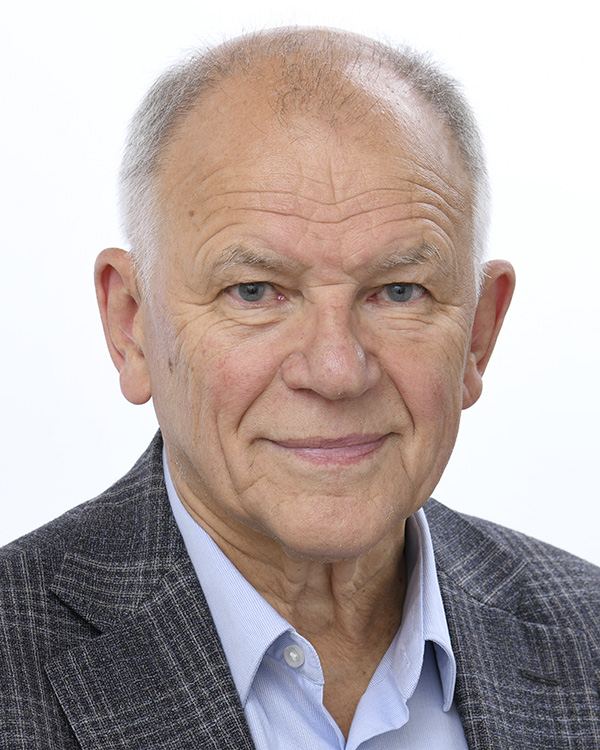
|
Vytenis Povilas Andriukaitis | Lithuania LT | Progressive Alliance of Socialists and Democrats (S&D) | 276 |
All Speeches (115)
Mr President, Mr Draghi said that investments are needed to pursue our existing ambitions and plans. It is not about new money. I think this is a very interesting message. We should not think that we can do it all on our own and that the Member States can only offer sufficient competition if we do not really work together. Dutch, Belgian and German companies deliver to many companies in Europe, and other European companies deliver to companies in the Netherlands, Belgium and Germany. Together we form one chain, which becomes stronger if we strengthen the entire chain. If we don't, we are as strong as the weakest link. To support Dutch, Belgian and German industry and make it future-proof, we need to implement a green industrial policy. This requires public investment and entrepreneurship. We need to show Europeans as governments the promising technologies we trust. These investments and innovations should ensure greening, create new, sustainable jobs and improve our productivity. This makes us more attractive and improves our competitiveness. No Member State can do this alone, including France or Germany. Only Member States cannot compete with investments and innovations from China. Either we do it together or we don't.
Framework of measures for strengthening Europe’s net-zero technology products manufacturing ecosystem (Net Zero Industry Act) (debate)
Date:
25.04.2024 11:18
| Language: NL
Speeches
Mr President, ladies and gentlemen, five years ago we started with a lot of ambitions, but today we have to realise that we have been overtaken by China and the United States. If we look at the proposal that is before us, we must honestly admit that it is a bit too broad and there is no money. Business chains do not end at the border. The approach taken by the Member States is not going to help us make a good industrial policy. We are like the Netherlands the foreland of Germany, or Germany is our hinterland. The same applies to Belgium or Poland or Spain. All companies are connected to each other. Investments here are good for that and investments there help our industry here. We must not leave our industrial policy to the Member States alone, because that puts the internal market at risk. We already see that with the skewed growth in state aid when you look at the different Member States: one is responsible for 50 %, the other for 25 % and all the other 25 Member States for only 25 %. Is this a response to what is going on in China and the US? It is a start, but it is not yet a complete answer. To achieve this, we need to work together towards a genuine European industrial policy. Prefer today than tomorrow.
The attack on climate and nature: far right and conservative attempts to destroy the Green Deal and prevent investment in our future (topical debate)
Date:
24.04.2024 13:34
| Language: NL
Speeches
Mr President, the radical right likes to proclaim with some sense of drama that we are on the verge of a radical green revolution. But we're already in the middle of it. Governments and businesses are investing heavily in wind and solar parks and in all kinds of green technologies to help green industry. I was in the Puertollano area last week and you just see the future there. You can see how Spanish and Dutch companies invest in green ammonia and green hydrogen, precisely to green the industry. Neither China nor the United States stands still. Where we were ambitious perhaps five years ago, we are now even lagging behind when it comes to green investments. The right can pick up its nose for the climate crisis, but a majority in the Netherlands and Europe take that crisis very seriously. And she has to. Ask the residents of La Roche, where there was a recent flood. Ask the inhabitants of Limburg, where a few years ago there was also a flood. Ask the farmers in the South of France, who have to deal with dry soil scorching away before their eyes. Ask the forest rangers in the Maasduinen in Limburg, who saw five hectares of land on fire in a few hours. Right-wing politicians can try to shred climate policy as much as they want, but they don't help anyone with that and certainly not their grandchildren. We must now lay the foundations for green industrial policy, coordinated with all Member States, to make a fist and future-proof our industry.
Preventing plastic pellet losses to reduce microplastic pollution (debate)
Date:
22.04.2024 17:59
| Language: NL
Speeches
Mr President, I see, I see what you do not see. And they're... microplastics. Invisible, but they're in your day cream, in our water and our food. The smaller the particle, the greater the risk. Now we're talking about microplastics, but we might as well talk about PFAs or pesticides. A toxic cocktail of chemicals that end up on our plate and in nature in all kinds of ways. Separately, they are already a danger, but the stacking effect is also very worrying. Unfortunately, for some parties in this Parliament, economic interests outweigh health risks, but the lobbying of the chemical industry is visible, unlike that of microplastics. You don't need a magnifying glass for that. For me, it's crystal clear: The interests of the market must never be placed above people and the environment. With this proposal from my colleague Albuquerque, I think we are going in the right direction to ensure that as few microplastics and plastic pellets as possible end up in nature.
Internal markets for renewable gas, natural gas and hydrogen (recast) - Common rules for the internal markets for renewable gas, natural gas and hydrogen (recast) - Union’s electricity market design: Regulation - Union’s electricity market design: Directive (joint debate – Reform of the energy and electricity markets)
Date:
11.04.2024 09:50
| Language: NL
Speeches
You have to choose between heating your home or feeding your children. While even more parents faced this difficult choice last winter, energy companies took off with record profits. They literally left people out in the cold. Energy is a basic need and we do not leave it to the whims of the market. No cold houses, but affordable warmth. This law must take care of that. In this way, we keep control over prices, protect households and offer stability in a market that can move in all directions. Houses can no longer be closed off from the grid. This prevents people from running out of power. Companies have long-term contracts. This prevents excessive costs in the event of a new energy crisis. We are working on a green energy market, good for the environment and good for our wallets. So that next winter no one has to choose between cooking or firing.
Type-approval of motor vehicles and engines with respect to their emissions and battery durability (Euro 7) (debate)
Date:
13.03.2024 16:28
| Language: NL
Speeches
Mr President, while we in Europe have spent all our money on small petrol and diesel cars in recent decades, China has focused on the technology of the future. Meanwhile, one Chinese company and one American company sell – separately – more electric cars than all European brands combined. In order to participate in this European, electric future, the European car industry must start leading again instead of following, because at this pace, people will no longer buy European cars. It seems that this global change has not been taken into account in the Euro 7 Regulation. Is this the level of ambition we need as a signal to the automotive industry? Is this how we are going to ensure that Europeans live in clean air again? Is this what we're going to catch up with? I fear that if we do not change course quickly, the answer to these questions will not be very positive.
EU climate risk assessment, taking urgent action to improve security and resilience in Europe (debate)
Date:
12.03.2024 17:13
| Language: NL
Speeches
Mr President, dear people, these are the risks associated with climate change, and they are not nothing. When I look around, sometimes I don't know where to start. One part here doesn't believe in climate change, another part it all has to be feasible and affordable. And others complain about the multitude of rules. If those parties and politicians are honest, they should also talk about the risks we expose Europeans to. It is not just about the failure of a harvest due to drought or an excess of rainfall. It's about something basic and crucial as access to drinking water. The report even warns of conflicts within Europe due to water shortages. It is about vulnerable people who succumb to the heat in our inner cities. I understand that it is not easy to convince people that the costs of non-intervention are ultimately much higher than those of intervention, of climate policy. But we politicians have been chosen to read such reports and we must take these risks seriously on the basis of facts. It's our duty to protect people, whether you're on the left or the right. This report is clear. I therefore do not understand that, if you are aware of these risks, you can still vote against the Nature Restoration Regulation with a clear conscience. And at the next climate disaster I see some already standing here, if, for example, there has been a deadly flood: “We should have done more to protect people. Where is the EU when you need it?" They always point the finger at the EU. Dear people, this is the time. This report is another wake-up call. How many more do we need?
We experienced a massive energy crisis last year. I saw households all around me that couldn't afford their energy bills. Nevertheless, people here are wondering whether this directive is not too ambitious and whether we do not want to go too fast. To that I have only one thing to say: Making homes more sustainable and low energy bills go hand in hand. We could have largely avoided the energy crisis if the homes were better insulated. Insulation is one of the most cost-effective ways to reduce energy consumption. Renovating a home is a blessing for many people. Because who doesn't want to live in a draught-free, fungal-free home? A home with a low energy bill. That's what today is all about. Vote in favour of the Energy Performance of Buildings Directive. Vote for a low energy bill. Give it to the people that they don't have to beg the next crisis to get help to pay their energy bills. That is what we are trying to lay a foundation for today.
Substantiation and communication of explicit environmental claims (Green Claims Directive) (debate)
Date:
11.03.2024 18:58
| Language: EN
Speeches
Mr President, on behalf of Mr Engerer thanks to all for this very good debate. We’ve heard many good points there. I want to emphasise one small element: this mechanism is voluntary, so I think complaining about administrative burden is not something that you should state, I think, in relation to this legislation. We shouldn’t create misinformation. We are not obliging companies to make those claims in the first place, but if you make them, make sure that those claims are supported. It’s all about protecting consumers from these false claims and enabling consumers, but also producers and businesses that do make efforts to improve when it comes to their climate footprint. And I think today, by supporting, hopefully tomorrow, this legislation, we will very clearly state under which conditions these claims can be made, and when consumers buy these products, for them it will be clear that those claims are also really true. And we already see small businesses across Europe making efforts to be more sustainable, but again, I’m telling you, we also see businesses that make these false claims and state that they are committed to the Green Deal, although we know that these claims cannot be underlined. So let’s support this legislation tomorrow, let’s protect consumers, let’s enable them to buy products that really support our strategic plans, like the Green Deal. And let’s make sure that false claims do not have any place in our single market.
Substantiation and communication of explicit environmental claims (Green Claims Directive) (debate)
Date:
11.03.2024 18:08
| Language: EN
Speeches
Mr President, let me make some opening remarks on behalf of our rapporteur, Cyrus Engerer. On behalf of the rapporteur, I would like to thank everyone in Parliament who has worked hard on this important directive. Passing the Green Claims Directive would be a victory for consumers, the environment and those businesses that truly are striving for sustainability. Consumer protection is crucial for our single market. Consumers have the right to be informed on the sustainability of a product. We already see small businesses across Europe making efforts to be more sustainable, but we also see some businesses making false claims about their commitment to the Green Deal. And I am happy that we are now establishing, with this directive, to stop these false claims. The presence of false claims among prominent companies like Delta, Ryanair, Shell and others prove the urgent need to address these practices in the market. So I’m counting on your support today to stop false claims and make sure consumers have access to correct information. I am going to switch to Dutch. De CO2-uitstoot met 50 % verminderen, zodat de planeet vrij kan ademhalen. Een slogan die je zou verwachten op een protestbord tijdens een klimaatmars. Maar deze tekst stond in de etalage van een kledingketen, Primark, met op de achtergrond een plaatje van een prachtig groen landschap, omringd door aangeklede paspoppen vol fast fashion. Een concreet en realistisch stappenplan om dat te bereiken, ontbrak in de etalage. Daar is Primark niet de enige in. Het ene merk beweert met ecovinkjes of groene hartjes nog ecovriendelijker, groener of duurzamer te zijn dan alle andere. Uit onderzoek blijkt dat deze claims vaak misleidend en ongefundeerd zijn en in veel gevallen wordt de beloofde vermindering in CO2-uitstoot überhaupt niet gehaald. Geld verdienen aan schijnduurzaamheid, daar gaat deze wet iets aan doen. Want deze groene beloftes zijn gouden business voor bedrijven die inspelen op de duurzame keuzes van consumenten, zonder dat die bedrijven ook daadwerkelijk iets doen aan vergroening. De consument heeft recht om te weten wie echt groen is. Wie beweert groen te zijn, moet groen doen. Wie groen doet, die verdient een ecovinkje of een groen hartje.
Empowering farmers and rural communities - a dialogue towards sustainable and fairly rewarded EU agriculture (debate)
Date:
07.02.2024 09:48
| Language: NL
Speeches
Mr President, dear friends, dear colleagues, without agricultural subsidies, many farmers suffer losses. We sometimes say: ‘milk is good for everyone’, but apparently not for farmers. This applies not only to milk, but also to onions, potatoes, leeks, and so on. This is the reality of our farmers. As the farmer toils, supermarkets, brokers, transporters, banks and other suppliers run away with the billions in profits. It is precisely these large companies that advocate the protection of their existing interests at the expense of farmers. They do not want a better income for farmers. The farmer has no business model, the farmer is a business model. That's a big problem I don't hear anyone about on the right side of this house. There, the blame is placed on climate policy, nitrogen or nature restoration. The Green Deal ensures future-proofing, healthy nature, healthy land. This is only good for our farmers. I am in favour of: Give farmers value for their product, so they don't have to scale up. Then the farmer has a liveable income on a pack of milk or a kilo of potatoes. That is where I miss the commitment of this Parliament.
Mr President, if you look at how much CO2 we want to reduce between 2020 and 2030 and – even more importantly – what we have already achieved in that period, if you look at the speed between 2020 and 2030, and if you extend that to 2040 – a lot of numbers – then you end up with 90%. Nothing less and nothing more. So let's not pretend that we are radiating a lot more ambition here. Colleagues who shout murder and fire should really stop doing so. It's cheap opjutterij. This ambition and speed will ensure predictability and stability, as the Commissioner points out. This is what the business community needs. We are on course and should not slow down. This removes efficiency. This is unnecessary and undesirable. If you are indeed running a marathon – and I have been allowed to run one – then you have to ensure a stable pace. If we look at what is happening now in China and in the US, we need to scale up. We need to make our greening strike faster. That means we have to make green investments. Because there is a gaping hole there. That's what today's discussion should be about, rather than a fictitious extra ambition, while we just stay on course and keep up the pace.
Recent ecological catastrophe involving plastic pellet losses and its impact on micro plastic pollution in the maritime and coastal habitats (debate)
Date:
18.01.2024 09:43
| Language: NL
Speeches
Mr President, it seems invisible, but it is a disaster. A disaster that only really becomes visible when you go through the sand with a sieve. What remains are innumerable small plastic pellets. That may not seem so dangerous, but once microplastics end up in the sea, these grains pose a huge threat to nature, the environment, but also the fish industry. We will not get there with well-intentioned clean-up actions. In order to prevent an ecological disaster, it is important that all parties involved in the chain are committed to preventing loss. That we will produce more locally and stimulate reuse. And if it does go wrong, the local government must be prepared. That does not seem to be the case here. However, we must also ask ourselves: Why do we get so much of this stuff? Why do we need so much of this stuff? We need to get our plastic addiction under control. Reducing the use of microplastics, for example in bottles and bags, is a necessary step in the right direction. Let us strive for a world where microplastics are no longer invisible and, above all, absent from our oceans and ecosystems.
Improving the socio-economic situation of farmers and rural areas, ensuring fair incomes, food security as well as a just transition (debate)
Date:
17.01.2024 15:02
| Language: NL
Speeches
Mr President, transition means change and everyone must contribute to it, including agriculture. Political parties that hang election posters of an angry farmer, including pitchfork, feed fear and normalize violence. "No", I say to farmers who turn road signs in protest, because you must not endanger others. "No", I say to farmers who want to storm a ferry on which a minister and his family are sitting, back from vacation. Decent politicians, chairman, speak out against this and do not legitimize it. We are told that we have to choose between nature and the farmer, choose between nitrogen policy or a living income. Those are false promises. Farmers' futures can be sustainable. Farmers can no longer be milked by the large agro-industry whose interests in this house are mainly represented. Farmers in Europe must be able to continue to farm. We need not less, but more farmers, within the limits that our nature and climate can handle and with perspective. So commit to our farmers and change the system. Continue to speak out against violence. One more brief comment. I'm saying it all the time now: Frans Timmermans is not here. Frans Timmermans was a representative of the European Commission. The plans come from the European Commission. So if there are any complaints, call Von der Leyen.
Outcome of the UN Climate Change Conference 2023 in Dubai, United Arab Emirates (COP28) (debate)
Date:
14.12.2023 09:13
| Language: NL
Speeches
Mr President, from sixteen-year-old Benjamin from Brussels to Vanessa Nakate from Uganda. Globally, young people are at the forefront of the fight against climate change. In fact, without them, the climate would never have been so high on the agenda. Last week at the climate summit in Dubai, I spoke a lot with young activists, including the ambitious members of the Young Climate Movement in the Netherlands. Their message to all MEPs was as follows: Climate action is vital for our generation. Their ability to fight inspires me every day, because when the warming of more than 1.5 degrees seems inevitable, it should not lead to pessimism. Without hope, there is no progress and ultimately no change. Young people are part of the solution with us. They hold a mirror in front of us, but we have to involve them. Because even at the climate summit, the gap between young people and decision-makers is large. And that while their future is at stake. Fortunately, the phasing out of fossil fuels is finally on paper. And I am also happy with the extra money for the damage and recovery fund. But these young people remind us that we, and especially them, cannot afford any more delay. As far as I am concerned, at the next climate summit, instead of the 2,400 fossil lobbyists, 2,400 young people from the areas most vulnerable to climate change will be walking around. Because then I am sure that they will make a better trade-off between existing and future interests. Then I'm sure the future will be fossil-free sooner. Let me finally thank the two main negotiators on behalf of the European Union that really made sure that the COP was a success – from the Council, the Spanish Presidency, of course, Teresa Ribera, and Wopke Hoekstra. It made sure that this COP did not fail and at the end was a success. I thank them wholeheartedly, and let’s make next year a much bigger success.
Framework for ensuring a secure and sustainable supply of critical raw materials (debate)
Date:
12.12.2023 09:19
| Language: NL
Speeches
Mr President, it is actually very simple: the more green electricity has to take the place of fossil fuels, the more the importance of metals such as lithium, graphite, cobalt and nickel increases. For the production of batteries, but also generators for windmills and cells for solar panels. The energy transition is a material transition and if we as Europe want to achieve that green ambition, we need more of those raw materials. This means that we in Europe also have to look at what options we have when it comes to mines. But how do we also deal smarter with the raw materials we already have? We need to establish strategic partnerships with other countries on critical raw materials, but this must be done on an equal footing so that all parties benefit. The energy transition is simply a material transition. And in the transition to a green Europe without fossil fuels, rare raw materials and in-house production of sustainable technologies are crucial. I congratulate the rapporteur, the Council and the Commission. A very good law. And run it now.
Sustainable use of plant protection products (debate)
Date:
21.11.2023 09:35
| Language: NL
Speeches
Mr President, poison in the ground, in the air and in our groundwater, that sounds absurd, but it is not. Due to the increasing use of chemical pesticides, our nature is becoming increasingly polluted and not without consequences. Biodiversity is being degraded and our health is also at stake. These substances can cause serious diseases. The pollution problem of pesticides is persistent. That is why we need to set clear targets for reducing the use of pesticides. Sustainable alternatives are available, but we need to ensure that more alternatives are available quickly, in particular in the form of biological pesticides. Authorization needs to be faster. We help our farmers with that. In addition to a 50% reduction target within the EU, it is also important to make integrated pest management mandatory. In many cases, integrated pest management also reduces cultivation costs, while yields are high and of good quality, with fewer pesticides on our food. Good for the environment, public health and the farmers themselves. Madam President, a small point of order. I think we have the tradition here not to drag people into discussions who cannot defend themselves in this room. I really do not understand the obsession some people have with Frans Timmermans. Commission comes with proposals. We have Ms. Kyriakides here or von der Leyen. Address them, please. Not someone who's not in the room.
Framework of measures for strengthening Europe’s net-zero technology products manufacturing ecosystem (Net Zero Industry Act) (debate)
Date:
20.11.2023 20:11
| Language: NL
Speeches
Mr President, this law must ensure that our industry in Europe is greened. On the one hand, so that green technology, cleantech, is produced within the EU and, on the other hand, by making these products available to green existing industry. But that starts with clear choices. Prioritizing everything doesn't really mean prioritizing anything, and I think it can be done better. There is a mentality difference within the European Parliament between those who see the Green Deal as a tool to achieve sustainability and the energy transition – thereby strengthening our competitiveness and that of our industry – and those who see the Green Deal primarily as a burden for our industry and business. They look away from green developments in the US and China. If we are not going to green ourselves in the EU, these sustainable components and products will soon mainly come from abroad. Then we remain dependent. We must clearly choose what we want to specialise in and set an example for the rest of the world. If we don't make those choices, we'll miss the boat.
UN Climate Change Conference 2023 in Dubai, United Arab Emirates (COP28) (debate)
Date:
20.11.2023 18:36
| Language: NL
Speeches
Mr President, today, new research by Oxfam shows that the richest 1% is responsible for more global CO2 emissions than the poorest 66%. Let that get through to you. A small group of super-rich have an extremely big impact on the destruction of our planet. Also in our cities, where the air is getting dirtier and nature is deteriorating. The luxury life of this polluting elite is causing suffering worldwide. This extreme pollution has terrible consequences for groups that are already vulnerable, such as people living in poverty. They are particularly exposed to extreme weather, as there is an increasing link between climate change and, for example, floods and heat waves. 91% of deaths related to extreme weather are back in developing countries. The climate crisis and global inequality are inextricably linked and feed each other. Climate justice has never been more crucial at the climate summit. Our message for COP28 is clear: countries must seize this moment to change course with the aim of keeping a limit on global warming to one and a half degrees within reach.
Madam President, sorry, it was really, really confusing.
The proposed extension of glyphosate in the EU (debate)
Date:
04.10.2023 15:42
| Language: NL
Speeches
Mr President, everyone knows the aerial photographs from the Netherlands. Vast green fields and fields surrounded by small ditches. But in the spring, something crazy happens to these fields. Although the rest of nature will bloom again, some of these fields turn orange-yellow. We no longer see healthy nature here, but fields sprayed with agricultural poison, glyphosate. This controversial weed fighter is widely used to clear agricultural land from weeds. But while this substance counteracts weeds, it poses a huge risk to people and the environment. More and more studies indicate the link between neurological disorders such as Parkinson's and the use of pesticides and insecticides. People working with this substance are not sufficiently protected against these risks, which makes farmers, farmers in particular, particularly vulnerable and poses a risk to local residents. In France, the regulations have already been tightened. Parkinson's disease has even been classified as an occupational disease for farmers and farmers who have been overexposed to glyphosate. In 2018, a court in the United States found it proven that a gardener's cancer diagnosis was due to the multiple use of glyphosate. A massive compensation for producer Monsanto was the result. It has become painful that important opinions and studies on health risks of glyphosate have not been taken into account in the opinion by the European Food Safety Authority. The interests of the industry seem to be the most important in this opinion, because only studies of the industry itself have been taken into account in the opinion. So on those orange-green fields there is a assassin. That is not only bad for the farmer himself, but also for biodiversity. This makes it harder for bees to find their way back to their nests and weakens their immunity to parasites. Also, glyphosate kills fields of nectar-rich wild flowers that feed bees. In addition, we need to move towards more and more resilient and sustainable agriculture. That is better for the climate, the environment and the farmers themselves. The extension of glyphosate for ten years is in direct opposition to this. It is time for an accelerated procedure for the authorisation of biological pesticides. To me, it's clear: Use the principle of caution. I expect Europe to do the same. It is irresponsible to wait until we are 100% sure that glyphosate is harmful before we abolish it. Let's turn it around. First we have to make sure that it is 100% harmless to people and the environment before we allow it again.
Framework for ensuring a secure and sustainable supply of critical raw materials (debate)
Date:
13.09.2023 16:54
| Language: NL
Speeches
Mr President, if you look at how this regulation came about, we should congratulate the European Commission, but certainly also our reporter, Mrs Beer, who acted quickly and came up with a good report in which she found the right balance, including between the groups. I believe that what lies ahead is a balanced report, which will be supported by industry, trade unions and NGOs, and I expect broad support for this report in this Parliament tomorrow. This regulation is essential, because without bauxite there are no windmills, without graphite there are no batteries and without silicon metal there are no solar panels, to name but a few examples. We finally realize that we need to define the long-term plans and investments to ensure the supply of these materials. And that is what we are doing with this regulation. Supply is one thing, but once we have these materials, we have to deal with them properly, efficiently and smartly. The demand for critical raw materials will increase in the coming years and therefore it is up to us to set as much ambition and objectives as possible in terms of efficiency, reuse and upcycling. I am proud that, as a Parliament, we have added more ambition to these objectives. The transition to a circular economy will be an essential link in the success and competitiveness of the industry and also in reducing our footprint. In addition, we cannot exclude potential reserves of critical materials in Europe. I know that's a very sensitive subject. We are not just digging unnecessarily in search of raw materials. This must be done with the utmost care, while respecting environmental and social conditions. I also think it is a good thing that we are going to develop those highest standards here in Europe and not only impose them on projects in Europe, but also that projects where we source raw materials outside Europe must meet the highest environmental and social conditions. And we have tried to strengthen that with this proposal. Critical raw materials, their supply and use, that is not only about the present, but also about our future. Now we are investing for later. That is why, tomorrow, we as Social Democrats can agree to an ambitious, future-proof Critical Raw Materials Act. I hope that, if we agree with the Council tomorrow, we can come to the conclusion of this report very quickly because it offers a lot of perspective and defines goals that the business community is asking for.
Towards a more disaster-resilient EU - protecting people from extreme heatwaves, floods and forest fires (debate)
Date:
12.09.2023 09:11
| Language: NL
Speeches
You can't ignore it this summer: extreme weather in Europe, from floods in Slovenia to giant hailstones in northern Italy and forest fires and heavy rainfall in Greece. Europe is facing a huge challenge to adapt to the increasingly common extreme weather, closer and faster than we ever expected. Climate change is no longer a far-from-my-bed show, it's here and now. We are faced with a world that is changing rapidly, with extreme weather causing more and more damage. And it's our responsibility to limit the damage. For the time being, aid and solidarity for affected areas are important, but we must also ensure that we are better prepared for what is to come. If we really want to reduce the impact of natural disasters, Europe must now get to work. Climate change is no longer Plan B.
Delivering on the Green Deal: risk of compromising the EU path to the green transition and its international commitments (debate)
Date:
12.07.2023 17:41
| Language: EN
Speeches
Mr President, where should I start? I really think there’s a difference in vision we have between how our industry looks, let’s say, in a decade or two. I think that’s the crucial difference between our political groups. I envision an industry that’s decarbonised, most efficient worldwide, leading production worldwide, and not an industry that needs heavy subsidies to survive. I see that globally we’re not leading in every sector; other sectors outside the EU produce with a smaller footprint. For that, we have the Critical Raw Materials Act, for that we have the Net—zero Industry Act. The train of decarbonisation is running, and the question is, are we going to catch it, or are we going to wait and hope that it comes back so we can step on it again? Let’s stick to the facts. Let’s cooperate. Let’s work on good compromises to strengthen our industry, to give a better future perspective for our farmers. Let’s sit at the table, work together in honouring Europe and helping Europe also for the green transition.
Mr President, nature restoration is a beautiful story. Nature is about our future, about healthy land on which we can produce sustainable food, and healthy land that is resistant to the effects of climate change. But unfortunately, the creation of this law has been hijacked by political self-interests. The Christian Democrats have turned it into a mudfight, regardless of its content. And the fact that the President and Vice-President responsible for this law are now holding a press conference during this debate is a contempt for Parliament. Shame on you! Because make no mistake, this nature restoration law is just as important for the biodiversity crisis as the climate law for the Paris Agreement. Climate and biodiversity are two sides of the same coin. And yet certain political parties began a symbolic struggle against this law. This is what you get if you don't bring parties around the middle together. Then you feed the extremes, something that has been going on in the Netherlands for a long time: polarizing viewpoints and creating false contradictions. This is now also happening in Europe. The CDA and a number of other parties are chasing the voices of the extreme right and climate deniers. And at the expense of what? At the expense of our nature, at the expense of our future. This is cynical politics. That's politics you should be ashamed of. In the end, it's simple what we'll be voting on tomorrow: Do we want to leave the world better than how we got it? For me, the answer is very simple. I hope that tomorrow we can all vote for the law, move forward, and as César said: “¡Adelante!”