

| Rank | Name | Country | Group | Speeches | |
|---|---|---|---|---|---|
| 1 |
|
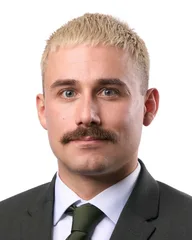
Lukas Sieper | Germany DE | Renew Europe (Renew) | 494 |
| 2 |
|
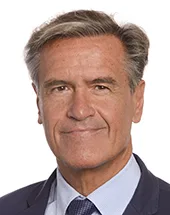
Juan Fernando López Aguilar | Spain ES | Progressive Alliance of Socialists and Democrats (S&D) | 463 |
| 3 |
|
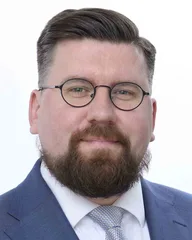
Sebastian Tynkkynen | Finland FI | European Conservatives and Reformists (ECR) | 460 |
| 4 |
|
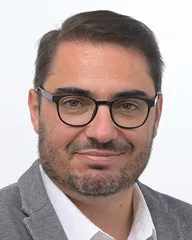
João Oliveira | Portugal PT | The Left in the European Parliament (GUE/NGL) | 288 |
| 5 |
|
Vytenis Povilas Andriukaitis | Lithuania LT | Progressive Alliance of Socialists and Democrats (S&D) | 276 |
All Speeches (52)
EU transparency in the development, purchase and distribution of COVID-19 vaccines (debate)
Date:
16.09.2021 14:42
| Language: ES
Speeches
Mr President, ladies and gentlemen, Europe is beginning to leave behind the hardest months of this pandemic, and this is happening, without any doubt, thanks to the extension of vaccination and the responsibility shown by the vast majority of citizens, European and European, who have turned with all their hopes to a vaccination process that is making history and that has managed to immunize more than 70% of the population of the European Union, as the Commissioner commented. I think it is important to start precisely by praising this magnificent level of immunisation and congratulating the health professionals and authorities of the Member States on the magnificent data. But celebrating this success is not at odds with the proper exercise of our political and institutional responsibilities and, in line with this, today we are debating the mistakes made - intentional or not - such as the lack of transparency and opacity in access to information on the process of acquiring and distributing vaccines, both by the European Commission and by pharmaceutical companies, because we cannot ignore that part of the miracle of these vaccines has been achieved thanks to the large investments of public money advanced by the European Union to companies that have hardly taken risks. Europeans therefore have the right to know the conditions under which their money has been spent. How can it be that at this point we still do not know how much the vaccines have cost us? How can it be that European citizens still do not know under what conditions contracts with pharmaceutical companies have been negotiated? It is difficult to respond to citizens who come to Parliament with requests for transparency in this regard, and we can only agree with them when they ask us for more information. This is especially serious, and more so knowing that, with everyone's money, some pharmaceutical companies defaulted on delivery commitments, causing vaccination delays, uncertainty and mistrust. I do not think that, at this stage, we have to reason about a right, which the Court of Justice of the European Union itself recognizes, which is the right to health protection, which prevails over other economic considerations. Nor do I think that, at this stage, this Parliament has to denounce the limitations to which we have been subjected in our control tasks in the management and implementation of the funds that have been allocated to vaccination. And it is also easy to draw another important conclusion in the absence of information and transparency: Fake news, disinformation have been rampant, and that, in the end, has an impact on the vaccination process. Even today, health authorities have to make an effort to make certain citizens understand that getting vaccinated is the best option to defeat the virus. Although the European average is good, this is achieved thanks to countries with excellent vaccination rates, such as Malta, Portugal or Spain, where, together with other countries, we far exceed the European average of the immunized population. But it is no less true that there are countries, such as Bulgaria or Romania, where, today, they only reach 18% or 27% respectively. These latest data show that many citizens of the Union choose not to get vaccinated and, in many cases, they do so because of that distrust that has been generated and to which I am mentioning. This could have been avoided if, since the start of negotiations with the pharmaceutical companies, as much transparency as possible had been offered. That is why we are asking for information on the conditions under which contracts with pharmaceutical companies have been concluded and what the implications are. It is information that not only citizens deserve to know, but also this House, in which we are debating this issue today. During this process, the European Commission has forgotten that the European Parliament is mandated by the Treaties to scrutinise the European budget, a role which has been severely hampered by a lack of data. The European Commission can no longer respond with opacity to a situation of this magnitude. It is necessary for this House to be a key part of future negotiation processes and for us not to be 'guests of stone', which is what we have been so far.
Brexit Adjustment Reserve - Draft amending budget No 1/2021: Brexit Adjustment Reserve (debate)
Date:
14.09.2021 22:49
| Language: ES
Speeches
Mr President, almost 600 days have passed since Brexit materialised and thousands of citizens are still suffering the consequences of the UK leaving the European Union. Some economic sectors are being more adversely affected than others, such as the fisheries sector, which is affected by a significant reduction in the fishing quota and significant losses. The Adaptation Reserve Facility Brexit, which is conceived with the intention of compensating the most affected sectors, started with a limited ambition. It had an improved allocation and a distribution that was unfair to some affected countries, such as Spain. The good news is that wanting is power and, in front of those who preferred nothing to change, we have prevailed those who considered it worth making an effort to help those most affected. The result? A more ambitious fund, more aid, but also a fairer distribution system. The parties should therefore be congratulated on their good work and willingness.