
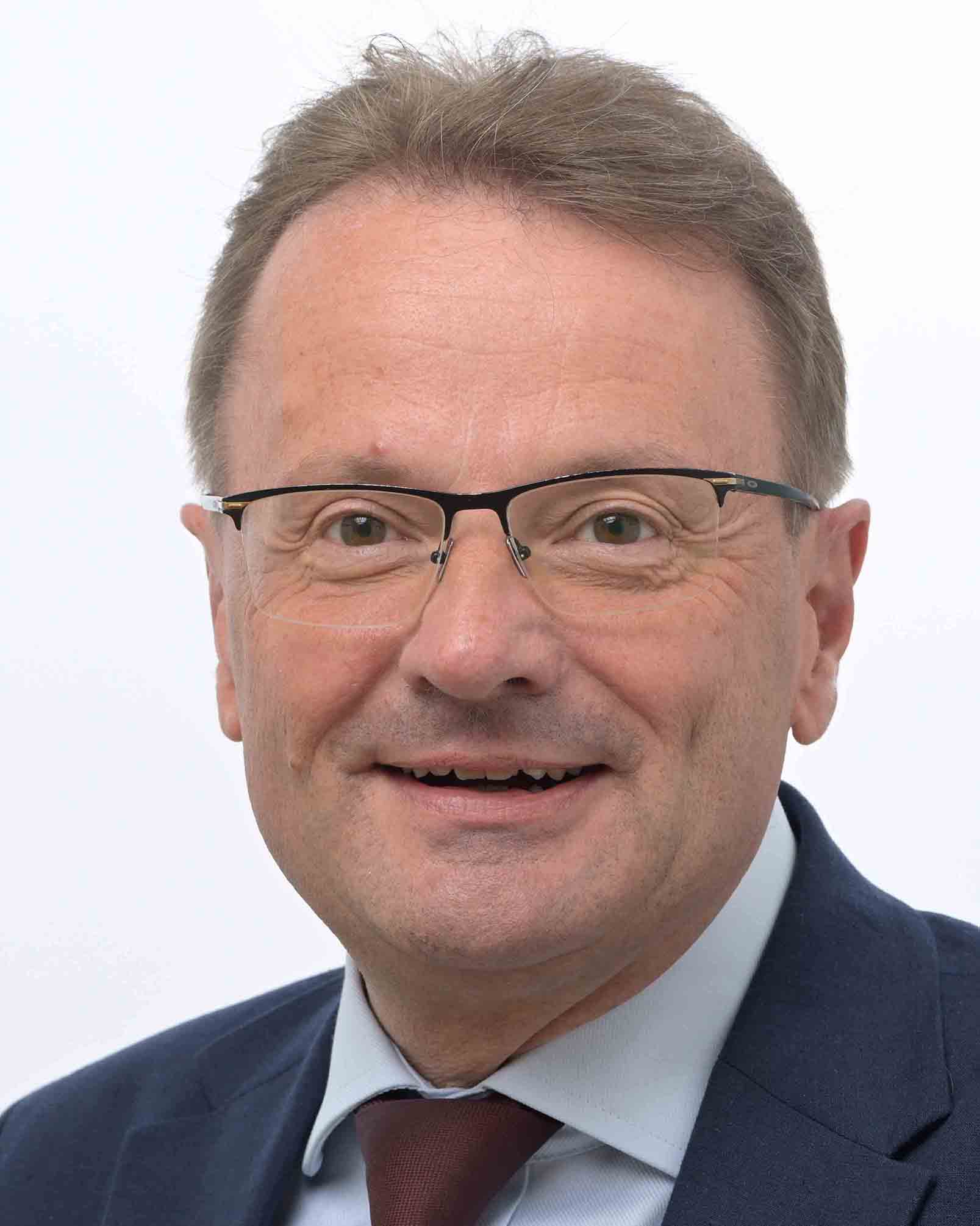


| Rank | Name | Country | Group | Speeches | |
|---|---|---|---|---|---|
| 1 |

|
Lukas Sieper | Germany DE | Renew Europe (Renew) | 487 |
| 2 |

|
Juan Fernando López Aguilar | Spain ES | Progressive Alliance of Socialists and Democrats (S&D) | 454 |
| 3 |

|
Sebastian Tynkkynen | Finland FI | European Conservatives and Reformists (ECR) | 451 |
| 4 |

|
João Oliveira | Portugal PT | The Left in the European Parliament (GUE/NGL) | 284 |
| 5 |

|
Vytenis Povilas Andriukaitis | Lithuania LT | Progressive Alliance of Socialists and Democrats (S&D) | 273 |
All Speeches (109)
Lack of actions taken by the Commission in the context of the duty of sincere and loyal cooperation (debate)
Date:
16.03.2023 11:25
| Language: DE
Speeches
Mr President, Commissioner! The Committee of Inquiry into the use of Pegasus and similar surveillance and spyware has been working in this House, in the European Parliament, for a year now. Our task was and is clearly defined, namely to determine the extent to which Member States and third countries use surveillance measures against citizens and thus violate the fundamental rights and freedoms enshrined in the Charter of Fundamental Rights and in legal norms. The deeper we penetrate into the matter, the more shockingly the dimension opens up in which way rule of law and democratic principles are threatened in Europe. Our colleague Nikos Androulakis was intercepted for months with Predator on the pretext that he was a threat to the national security of Greece. To this day, he is denied any information about the reasons for his interception. Only seven Member States responded directly to our Committee's questionnaire. I do not yet assess the quality of this information. A joint reply by the Czech Presidency in October 2022 does not address the specific issues of deployment, legislation and authorisation procedures. The summit, of course, is the justification for Hungarian Justice Minister Varga's refusal to speak and communicate with the committee: “We do not want to help with the performance of the Hungarian and European left financed by Soros dollars.” As long as there are such approaches as a parliamentary committee of inquiry should work, this is not acceptable. Measures must be taken, as the Commission is the guardian of the Treaties. There has to be a procedure. In response to the Commissioner's statement, I would once again like to ask for concrete measures, because the trust of European citizens in the rule of law and in the institutions is at stake.
The situation of human rights defenders in Eswatini, notably the murder of Thulani Maseko
Date:
15.02.2023 21:47
| Language: EN
Speeches
Madam President, Commissioner, the two pro-democracy members of the Eswatini Parliament, Mthandeni Dube and Bacede Mabuza, have been in jail since July 2021. They were detained after the pro-democracy protests in Eswatini in June and July, in which, according to different sources, between 46 and 79 people were killed. Their immediate release must be the primary objective of our resolution. The cases of state violence against the people of Eswatini continue to increase and have reached a sad peak with a murder of Thulani Maseko, witnessed by his family on 21 January this year. The country’s absolutist monarch is making clear threats and attacks by the security forces on political dissenters, human rights and democracy activists, trade unionists, students, and protesters are following. People are confronted with systematic intimidation, arbitrary arrests, kidnappings and alleged torture. The shutting down of the Internet and a ban of protests, impunity for the security forces involved and the discrimination against women and minorities complete this catastrophic situation. It is the duty of the European Union, as the largest donor to the country, to review the support programmes for Eswatini and suspend them if the use of funds is not in line with human rights, just as long as fundamental and human rights are respected and promoted in the country.
The erosion of the rule of law in Greece: the wiretapping scandal and media freedom (topical debate)
Date:
15.02.2023 16:54
| Language: DE
Speeches
Madam President, Commissioner, Minister! I will now give the answers that my previous speaker has asked for, namely: As early as September 2022, this Parliament’s PEGA Inquiry Committee dealt with espionage and wiretapping cases in Greece. I asked Greek journalists who had reported on the affair and provided information during this hearing: Is Greece on the road to autocracy in the face of these incidents? The answer: Not yet, but this depends on how the Greek government in particular handles the clarification, how transparent the committee of inquiry will work in the Greek Parliament, which respondents will be invited and what information will be given. In the debate in the House – here in September – we heard that Greece has nothing to hide. But developments in recent months are a cause for concern. There is evidence that the Greek government under Prime Minister Mitsotakis deliberately disregards the rule of law. Since 2019, when he took office, the National Intelligence Service has been under the direct control of the Prime Minister. A hearing with Greek government officials in this Parliament's committee of inquiry was a farce. The answers to MEPs' questions were simply inadequate. The questionnaire sent by the Committee to the Greek Government on the use of espionage software has remained unanswered to this day. There is no willingness on the part of the Greek authorities to cooperate with European institutions. The committee of inquiry into the illegal use of espionage software in the Greek Parliament ended after just one month without any significant findings. It is also particularly alarming that Greece is in free fall in the area of press and media freedom. After the World Press Freedom Index 2022 is the country of 70. Ranked 108th in 2022. Place slipped and thus the bottom light of the European Union. The murder of journalist Giorgos Karaivaz in 2021 has not yet been solved. Journalists are subject to intimidation and SLAPPs. And what justifies the fact that our colleague Nikos Androulakis was illegally intercepted for several months? What is the danger to national security posed by a Member who has worked here in the European Parliament for eight years? And why was an opposition politician deliberately spied on just a few months before national elections? I expect the Commission to take clear action to defend media freedom and the rule of law in Greece. We are alarmed and must ensure that democracy and the rule of law are not eroded from within – not in Greece, not in any country of the European Union.
Mr President, Commissioner! I was able to take with me from the last meeting of the Joint Parliamentary Assembly of the African, Caribbean and Pacific States and the EU that the European Union must regain confidence in these countries, mainly because it has not yet succeeded in signing the Post-Cotonou Agreement. And many of these countries are increasingly under the influence of China and Russia. African countries in particular are also heavily dependent on imports of wheat, cereals, fertilisers and cooking oil. Russia's attack on Ukraine has massively exacerbated the situation and demonstrated the need for direct European support for sustainable development. The issue of food security goes hand in hand with security, stability and respect for human rights. Many countries, especially in the sub-Saharan region, have faced terrorism and displacement for years, and the interests of the African, Caribbean and Pacific countries are largely in line with those of the European Union. The democratic and economic development of these regions has a direct impact on the countries of the European Union. And Global Gateway can and must make EU development policy more sustainable. The European Parliament in particular should play a key role in this. Unfortunately, a large majority in this House still does not know enough about it. And it was only through a press release that we learned that the Commission has given the green light to 40 programmes under Global Gateway. In any case, these programmes must ensure that people in their home countries have a sustainable perspective and future. Infrastructure projects are of course very important. Similarly, development cooperation programmes must also include Sustainable Development Goals (SDGs), democracy, the rule of law and the rule of law. good governancepromote freedom of the press and media and, above all, education. The fact that the European Parliament has so far only been given an observer role in the Global Gateway Committee is a mistake that needs to be corrected as soon as possible.
Protection of the EU’s financial interests - combating fraud - annual report 2021 (debate)
Date:
18.01.2023 16:01
| Language: DE
Speeches
Madam President, Commissioner! The consistent fight against crimes detrimental to the EU's financial interests is of paramount importance for the budget, but above all for citizens' trust in the European Union. The need to increase the financial and human resources of the Anti-Fraud Authority (OLAF) and the European Public Prosecutor’s Office (EPPO) is more than clear from current figures. While the number of cases of irregularities and fraud has remained roughly the same between 2020 and 2021, it has more than doubled to 3.2 billion euros. With a budget of 45 million euros alone, the European Public Prosecutor's Office has already approved the seizure of more than 250 million euros in its first year of work. All efforts to increase transparency and control against fraud and corruption strengthen credibility in the European Union and citizens' trust in the European institutions, especially now that it is so necessary.
Military Junta crackdown on peaceful demonstrations in Chad
Date:
14.12.2022 21:34
| Language: DE
Speeches
Madam President, Commissioner! One thing in advance: If we give a voice to the weak and disenfranchised here, it has to do with attitude and nothing else. Up to 150 people were killed in protests against the interim government in Chad. The number of injured remains unclear. More than 1,300 people have been arrested and tortured, and 200 are still missing. Most of the detainees are located 600 kilometers from the capital in the high-security prison Koro Toro under catastrophic conditions at temperatures of over 40 degrees in summer and zero degrees in winter. The announcement of his own candidacy and the extension of a transitional period of 18 months until elections by President Mahamat Déby, who succeeded his killed father, took people to the streets. The country is marked by serious fundamental and human rights violations and faces corruption, extreme poverty and an escalating famine. The EU must respond to the humanitarian situation in the country and strongly support the democratic transition. An investigation into the violent suppression of peaceful protests is absolutely necessary. And it would take a joint opinion from this House, the support of all Members - and especially the largest group here in this House - to send a clear message that supports these weak people, who also support these people accordingly in this situation.
Implementation of the New European Agenda for Culture and the EU Strategy for International Cultural Relations (debate)
Date:
13.12.2022 13:15
| Language: DE
Speeches
Mr President, Commissioner, Minister! 3.8% of all European employees work in the cultural and creative sectors and contribute a considerable 4.2% to European economic output. It is therefore high time to adapt the strategic framework of European cultural policy to the challenges and pursue ambitious goals. Culture as a driver of sustainable development and social justice must be an absolute priority in the Council Work Plan until 2026 in the face of high inflation, inflation, war and horrendous energy prices. The aftermath of the pandemic is already clearly felt and the full recovery will take years. The professionalisation of the cultural and creative sectors is a contribution to counteracting precarious working conditions. Let us implement a common legal framework for fair working conditions, common minimum standards for all Member States with adequate remuneration. The European Parliament has this European Status of the Artist demanded last year. So far, neither the Council nor the Commission have moved. But it is the culture that is worth fighting for.
Forced displacement of people as a result of escalating conflict in Eastern Democratic Republic of Congo (DRC)
Date:
23.11.2022 19:58
| Language: DE
Speeches
Mr President, Commissioner! Since the armed conflict between the army of the Democratic Republic of the Congo and the militia ‘23 March’ has once again escalated, more than 262 000 people have been displaced – by far the majority of whom are women and children. 2.4 million children suffer from acute malnutrition. 7.5 million people currently do not have access to clean drinking water and basic sanitation. The United Nations documents serious human rights violations, sexual violence against women and forced labour of children. The conditions in the refugee camps are dramatic. Violence is no coincidence – the eastern Congo region is rich in natural resources. The armed groups are also financed by illegal trade in minerals, which are important for the arms industry. Neighbouring countries, especially the government of Rwanda, are urged to stop the illegal mineral trade by their countries, to stop all funding of rebel groups. The European Commission must send clear messages with the EU Strategy for the African Great Lakes and provide humanitarian aid to people affected by the catastrophic circumstances in the Democratic Republic of Congo.
REPowerEU chapters in recovery and resilience plans (debate)
Date:
09.11.2022 18:58
| Language: DE
Speeches
Mr President, Commissioner! REPowerEU has to solve the urgent problem of our energy supply, to lead us out of dependence on energy imports, to guarantee affordable, secure and sustainable energy for Europe. Thus, one of the most important tools for Europe is to achieve the goal of climate neutrality, drive the digital transformation, boost growth and create jobs. Although REPowerEU is in line with many other programmes, including cohesion policy, in order to be successful, it must involve all affected levels nationally, regionally and locally and, above all, have a socially inclusive impact. REPowerEU must not be financed at the expense of people by underfunding and neglecting other EU programmes and projects. REPowerEU is neither an instrument of cohesion policy nor of environmental and climate protection. However, a departure from climate action is not an option – especially under the impression of the UN-COP-27 climate conference in Sharm-el-Sheikh.
Cultural solidarity with Ukraine and a joint emergency response mechanism for cultural recovery in Europe (debate)
Date:
20.10.2022 09:51
| Language: DE
Speeches
Madam President, Commissioner! Sigmund Freud wrote to Albert Einstein in a letter: Everything that promotes cultural development also works against war. The Russian war has attacked the culture of Ukraine. The consequences: Flight and expulsion, cancelled concerts and performances, destroyed museums, theatres, concert halls, cultural sites and cultural monuments. Nevertheless, culture plays a big role, we remember the impressive images of Ukrainian choirs and orchestras that have made music outdoors. They have impressively conveyed the incomprehensible importance of culture in the face of this war of aggression and its power. Putin's war is a cultural war directed against everything Ukrainian. From Melitopol, Russian troops have stolen 1,700 valuable artifacts, including a 1,500-year-old gem-studded gold diamond, one of the world's most valuable artifacts from the time of Hun King Attila. Since the beginning of the war alone, UNESCO has documented damage to around 200 buildings and monuments in twelve regions of Ukraine. Russian occupiers have shot the Ukrainian conductor Yuri Kerpatenko, who did not want to collaborate with them. And at the same time, Russia is sending its own cultural workers into this war. Putin's aggression is an attack on our European values, on democracy, cultural diversity and freedom, but also on Russian culture and Russian humanism. The war also poses massive problems for the cultural sector in the European Union. In addition to the aftermath of the pandemic, cultural workers are struggling with sharply rising inflation, associated inflation and a decline in purchasing power. The energy crisis will present the operators of cultural institutions with hardly manageable problems, especially this winter. Reductions in culture in the budget of the European Union must not take place and under no circumstances be justified by war. When asked to finance the war through cultural cuts, Winston Churchill said: Then what are we fighting for? We are fighting for European values.
Global food security as follow-up to the G20 Agriculture Ministers meeting (debate)
Date:
19.10.2022 21:18
| Language: DE
Speeches
Mr President, Commissioner, Minister! From 2019 to 2021, enough calories were produced to feed the world's population. There is even a 24% surplus. Nevertheless, the number of people suffering acute hunger is increasing rapidly and further. The latest data from the United Nations is alarming. Food insecurity has reached a 10-year high, driven by rising food and energy costs and also by the consequences of the war. But basically we have enough food in this world. The problem is access to it, its distribution. Hunger is the direct result of poverty. Three examples of the drastic impact of climate change, wars and inflation in already devastated ACP countries: In Sudan, food prices rose by almost 150% in one year, in Ethiopia by 50%, and in Solomon Islands, rice and milk prices tripled. Last week, the European Union acted swiftly by pledging a €100 million grant to the IMF's Poverty Reduction and Growth Trust Fund. This is a first step. However, additional funding, debt relief programmes and an effective fight against corruption are needed. That's because $50 billion is needed to end acute food insecurity in the next 12 months. No one should suffer from hunger, neither in Africa, nor in Europe, nor anywhere else in the world.
Madam President, Commissioner! The economic and social crisis in Tunisia has reached a dramatic peak in recent days. The state bankruptcy could be prevented on the weekend only by a 1.9 billion IMF loan. And the IMF is calling for unpopular reforms, such as freezing salaries in the bloated public sector and cutting subsidies for energy and food. It is precisely these austerity plans that will once again be painful for many Tunisians. For weeks now, staple foods such as rice and sugar have not been available at all, even bottled water was rationed temporarily, and fuel is scarce. In addition to the war in Ukraine, the government blames speculators who hoard food and then sell it expensively on the black market. Economists, on the other hand, see the blame for the poor fiscal policy. Of course, short-term loans alone do not secure a sustainable future. A Tunisian student summed up in an interview: If the money is not used for reforms, it will again only flow into the pockets of the elite, which is driving the youth out of the country with its policies. Many Tunisians are looking for a way to Europe. Only a few days ago, 18 young Tunisian refugees lost their lives after a boat accident. The European Union must do everything it can to give the people of the country a new perspective. Tunisia must return to democracy as soon as possible and thus to stability and optimism.
The situation of human rights in Haiti in particular related to gang violence
Date:
05.10.2022 19:05
| Language: DE
Speeches
Mr President, Commissioner! I never thought that, as an Austrian Member of Parliament, I would give a speech on the plight of the people of Haiti three times. However, it is absolutely necessary. In recent months, the already hopeless situation has risen to a dramatic climax. The Haitian authorities are powerless against the dimension of gang crime. This year alone, about 800 people were killed and 540 people abducted in the first half of the year. The head of a children's home in Port-au-Prince reports about 14-, 15-year-old boys who are ready to shoot anyone with machine guns around their necks. More than a third of the population suffers from food insecurity, around 220,000 children from acute malnutrition. The blockade of the capital's main oil terminal leads to fuel shortages, so that hospitals can no longer maintain basic medical care for pregnant women and children. The European Union must take effective action: equip the authorities with the means and know-how to support them also in the development of the rule of law, democracy and infrastructure.
The situation in Burkina Faso following the coup d'état (debate)
Date:
04.10.2022 20:44
| Language: DE
Speeches
Mr President, ladies and gentlemen, Putin's war on democracy, freedom and European values is taking place in Ukraine. However, another location can also be seen on the African continent. Russia is stretching its disinformation network across West Africa with the aim of denouncing the European presence, emphasizing and expanding Russia's supposedly positive influence. Military coup follows military coup, we regularly discuss here in the European Parliament the causes, consequences and consequences. Burkina Faso, translated: ‘the land of the upright’ has now shaken a military coup for the second time in eight months. The European Union must act and tackle the root causes of this development. Only then can the dramatic security and supply situation be managed. Only then can people be supported in their aspirations for democracy, peace, stability and the rule of law. What is unfortunately striking: Confidence in Europe has fallen sharply. The mass protests and violent riots that preceded the coup were directed against the interim government, but also against French institutions and companies. The protesters demanded the withdrawal of France and waved Russian flags. The new leader, Traoré, announced in a televised address that he wanted to reconsider his partnership with France and seek and find other partners who would help in the fight against terrorism. The head of the Wagner mercenary force, Prigozhin, assured his support in a statement. These events and these statements should be a wake-up call to the European Union. Russian interference and disinformation will only be ineffective if local people feel that Europe is a credible partner in the fight for a better life and prospects in their home countries. I thank you for all your efforts.
Economic, social and territorial cohesion in the EU: the 8th Cohesion Report - EU border regions: living labs of European integration (debate)
Date:
14.09.2022 21:00
| Language: DE
Speeches
Madam President, Commissioner! Cohesion is a fundamental idea of the European Union. Cohesion policy is at the heart of European policy and it must be successful, because the future of Europe is decided in rural areas and in those regions that feel left behind, that are de-industrialised. This is also clear from the fact that there is greater EU scepticism than in other regions, that nationalist ideas are more strongly pursued there – and Brexit was also decided not in urban centres, but precisely in these regions. Therefore, Europe must act there and accordingly also bring the programmes specifically to the people who live there. Regional policy is more than promoting agriculture, industry and the economy. It is about being socio-economically effective. It needs childcare, education, cultural services, health facilities, mobility, energy efficiency, including civil protection and prevention. I am allowed to go overboard because that is exactly what Constanze Krehl lived, and I would like to thank you, Constanze, very much for your work and also congratulate you on this report. All the best!
Violations of human rights in Uganda and Tanzania linked to the investments in fossil fuels projects
Date:
14.09.2022 18:54
| Language: EN
Speeches
Madam President, dear Commissioner, when huge oil fields were discovered on the shores of Lake Albert in Uganda in 2006, it was hoped that this would lead to a significant new source of foreign investment for economic uprising. But the hope is offset by the great potential danger of the plans, which have been marred by allegations of human rights violations, slow payments, disruption of children’s education, loss of traditional sources of livelihood, and unclear resettlement processes. The health, food security and water supply of hundreds of thousands of people would be threatened, and the expected oil spills would affect people’s livelihoods as well as the rich ecosystem, nature and climate. Journalists and activists who would report critically on the developments are intimidated and, in some cases, arrested. Ecologically diversity is threatened. Up to 140 oil wells are to be drilled in Murchison Falls National Park. We need to listen, inform and respond to communities concerned in Uganda and Tanzania. And we need to defend the human rights defenders and ensure human rights advocates, journalists and civil society groups are free to carry out the work in communities at risk.
Mr President, Commissioner! The New European Bauhaus is an opportunity and actually has potential, like its historical role model, to become a cultural movement and create new awareness. But it will only be successful if it reaches the people of Europe, if it does not become an elitist project, if Europeans can imagine something of it, if there is no contradiction between urban centres and rural areas, if access will be social, fair and inclusive. Especially in times of rising energy prices and the acute danger of the impoverishment of millions of households in Europe, the New Bauhaus can play a decisive role with a holistic approach. Above all, however, we need the necessary financial resources for this, and I am pleased to hear that a budget should be available as soon as possible. But the New Bauhaus must under no circumstances be financed from existing funds and programmes that have already reached their limits and which the Commission is constantly trying to shorten. If we are committed to creating the conditions for sustainable social and economic development, we will ensure an increase in the quality of life in the European Union.
The impact of COVID-19 closures of educational, cultural, youth and sports activities on children and young people in the EU (short presentation)
Date:
12.09.2022 21:23
| Language: DE
Speeches
Mr President, Commissioner, one of the most pressing concerns raised by young people in the Conference on the Future of Europe. It is therefore regrettable that there is no full debate here in the plenary of the European Parliament, that we are discussing this topic at a time when the visitors' gallery is empty and young people cannot hear and see when this Parliament is dealing with a topic so important to them. This year we have declared a European Year of Youth, also because young Europeans are among the most affected by the effects of COVID. The mental health situation among children and adolescents has reached an alarming peak. While some 10-20% of children and adolescents in the EU were affected by mental health problems before the pandemic, this figure has increased to 20-25% in the last two years. The suicide rate among young people has risen sharply. This sad development is a clear mandate for all policy makers to act. The adoption of this report in plenary should be a first step towards significant improvements for children and young people in Europe. Let's learn the lessons of this pandemic. COVID should be an opportunity to implement measures and investments in education that have been necessary for a long time and have been necessary before. The school is a place of interpersonal relationships and social contact. Schools should therefore be kept open in future crisis situations or pandemics. Early childhood education and care facilities are particularly important for the pedagogical and psychological development of children and their services should also be developed accordingly. We create better framework conditions in the learning environment through school psychologists and staff for special educational needs. We need more funding and a more inclusive approach to Erasmus+, Creative Europe and the European Solidarity Corps. Do we live up to the importance of international mobility and networking between teachers, cultural professionals and sports coaches? Let's finally achieve the goal of a European Education Area by 2025. A healthy learning environment prevents mental problems, especially by incorporating arts, culture, music and sports into curricula. Small local cultural initiatives, sports clubs and leisure facilities that do voluntary youth work need more support and funding. Enable easier access to education and digital infrastructure for all students, including from socially disadvantaged backgrounds and in rural areas. Let's implement measures to raise young people's awareness of the risks of digital technologies such as violence, cyberbullying and disinformation. There is also a need for efficient coordination between the European Union and the Member States, in particular with our cities and municipalities, with regional cultural, sporting and educational institutions. A gender-based approach, and in particular stronger support for girls affected by mental health problems, bullying and violence, is needed. A wide range of practitioners and researchers from the fields of culture, education, sport and adolescent psychology were involved in the preparation of the report. Recent studies on the impact of COVID-related closures of schools, cultural, sports and leisure facilities have also been taken into account and the authors of these studies have been consulted. I would like to thank the shadow rapporteurs for their constructive discussions and suggestions. I would like to thank you for the good, constructive and goal-oriented cooperation. It is now a matter of action and action, especially in the European Year of Youth. Let us show young people in Europe that they are the future of the European Union.
Surveillance and predator spyware systems in Greece (debate)
Date:
12.09.2022 19:47
| Language: DE
Speeches
Mr President, Commissioner, Minister! Where is Greece going? The handling of this eavesdropping affair will show it. And the Greek prime minister has to accept the question of whether Greece is heading towards autocracy. However, he has the power to answer and refute this question. Yes, if nothing is to be concealed, then I ask: Why is the Committee of Inquiry not public? If there is nothing to hide, why does Mr Androulakis not know why he was intercepted? And then I wonder why journalists in the European Parliament say they feel lonely. There can be something wrong, and that means for us that we are taking a very close look at this situation, how this country is developing and what steps are being taken now. And what steps are being taken, this question must also please the Commission, because land on land seems to classify itself. And a violation of the rule of law has apparently become a matter of course when it comes to the use of such espionage software.
Madam President, One Member of this House, one Member of the European Parliament, was spied on. Nikos Androulakis' phone was tapped. To this day he does not know – and to this day we do not know – why. It is therefore essential that we deal with these events here in plenary and that we give it the opportunity to talk about them. It is a question of democracy, of freedom and the rule of law when mobile phones are tapped by Members of this House, but also by journalists. This is what we have to talk about, and I therefore call for the agenda not to be changed.
Mr President, Commissioner, esteemed representative of the Council Presidency! The fact that the post-Cotonou agreement has not yet been signed is the legitimate cause of a massive loss of confidence in relations between the countries of Africa, the Caribbean and the Pacific and the European Union. This situation is to the detriment of the European Union and plays into the hands of Putin's Russia. And right away: It is not about unhindered immigration, but rather about offering a future and perspective to young people, to all people in these countries. It is also not about giving and taking, but about the implementation of common goals, about coexistence and also about being able to benefit from each other. Those responsible for delaying the entry into force of the agreement should be mentioned, as they harm the European Union and its citizens. A particularly important aspect for me: Education must be a top priority. It is key to employment, stability and a sustainable perspective for the lives of people in their home countries. Let us not leave the countries of Africa, the Caribbean and the Pacific to the influence of Putin and China. Let words follow deeds!
Madam President, the attack on the Catholic Church of St. Francis in the city of Owo during a Pentecost service left up to 100 people killed or severely injured. There were many attacks by jihadist groups on churches in the north of Nigeria before, but never before did an incident like this take place that far away from the field of action of Boko Haram. It happened in south-western Nigeria, where Christians and Muslims used to live together peacefully. With only 187 police officers responsible for 100 people, the security system is underdeveloped and, in some parts of the region, does not exist at all and is in no way able to tackle terrorism. There is lack of trust in the judicial system. The structure of state institutions cannot match the enormous population growth. The European Union is well-advised in its own interests to show initiative and contribute to create a perspective and stability, above all, with regard to the situation of other neighbouring West African countries. It is urgent that, post-Cotonou, the Joint Africa-EU Strategy and Global Gateway come into effect.
Threats to stability, security and democracy in Western and Sahelian Africa (debate)
Date:
04.05.2022 19:32
| Language: EN
Speeches
Mr President, dear Commissioner, threats to stability and security shall never be the justification to leave the path of democracy. Democracy, rule of law and human rights ensure freedom, stability and prosperity. Fortunately, many countries in Western and Sahelian Africa consequently stand by this principle. But they are threatened not only by a difficult economic situation and the consequences of climate change, but also by questionable developments in the region: armed conflicts, terrorist attacks, military coups, followed by the depletion of basic human rights, refugee movements, and the lack of basic social services, education and even food. Putin’s war against freedom and international law does not take place only in Ukraine. Western and Sahelian Africa has already become a battlefield of his aggression. The Russian Government so far denies any links to the Wagner Group, but confirmed operations in Mali and Libya, which resulted in serious human rights abuses. Indeed, we also have to answer the question what responsibility the European Union and the Member States have for this situation. The European Union is obliged to defend stable democracy and the rule of law in the region. It has to support the fight for security and stability and against human suffering and despair.
Use of the Pegasus Software by EU Member States against individuals including MEPs and the violation of fundamental rights (topical debate)
Date:
04.05.2022 15:17
| Language: DE
Speeches
Mr President, Commissioner! Pegasus has arrived in the heart of the European Union. In recent weeks and months, more and more revelations have emerged about the use of the Israeli private company's espionage software in several Member States. The establishment of a committee of inquiry is rather rare in the European Parliament, and this underlines the enormous importance of combating illegal wiretapping by citizens. It is about defending the fundamental rights of the European Union, its values of freedom, democracy and the rule of law. We have to restore confidence in the security of our citizens. The task of the Pegasus Committee of Inquiry is to investigate the purchase and use of espionage software by national governments. The allegations weigh heavily: Phones and devices of politicians, judges, prosecutors, journalists, opposition activists, human rights activists and diplomats are said to have been hacked, yes, have already been hacked. Huge amounts of data have been stolen, reaching far into the private sphere of the targeted individuals. In most cases, we do not know the identity of the persons who have unlawful access to this data. The dangers of directly influencing democratic processes are evident. Parliamentary elections have recently taken place in Hungary, and there are allegations that this spying software was used in the process. It is therefore necessary to clarify the extent to which the use of Pegasus has influenced election results in our Member States. The attack on media freedom through targeted wiretapping of critical journalists must also be investigated, precisely because the studies on yesterday's Freedom of the Press Day revealed appalling deteriorations in Member States. However, the Committee must not only focus on the Member States where national investigations are also underway, but must also involve the European institutions. And as the last few weeks have shown, we can all be the target of espionage attacks after monitoring not only Members of this House, the European Parliament, but also a Commissioner and EU officials and staff with espionage programmes. Our Committee of Inquiry, which was set up two weeks ago, is therefore facing an intensive work programme over the next twelve months. With hearings, studies and missions We will make every effort to fully clarify allegations, to carefully investigate all indications and indications. And with that, we want and will also end speculation. This discussion is a starting point. There's a lot at stake. We need a sustainable and clear strategy to combat the illegal use of espionage software in order to protect those affected and the fundamental values of Europe and to gain trust.
Role of culture, education, media and sport in the fight against racism (debate)
Date:
07.03.2022 21:05
| Language: DE
Speeches
Madam President, Commissioner! Sports fields and grandstands are places where racism can be addressed and overcome. But: Game termination due to racist insults of Nigerian goalkeeper Maduka Okoye in the Netherlands on Saturday, racist insults of Israeli football professional Josef Ganda by fans in the Austrian Bundesliga on Sunday. This weekend, too, there have been repeated racist incidents at sporting events in Europe, which relentlessly show us the urgency for a determined fight against all forms of discrimination. The media-documented cases from professional sports are only the tip of the iceberg. For many amateurs and young people in Europe, discriminatory experiences on the sports field are still a sad reality. Sport is one of the most important factors for social cohesion and an equal society. Nowhere can integration take place so easily. Sports clubs and federations play a key role in social inclusion and in communicating common European values. The rules of the sport apply on the playing field. Origin or social status do not matter here.