
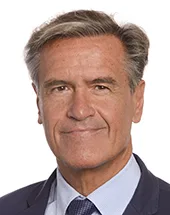
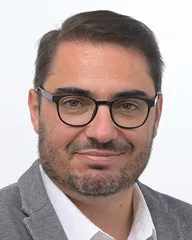
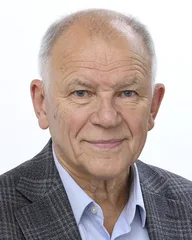
| Rank | Name | Country | Group | Speeches | |
|---|---|---|---|---|---|
| 1 |
|
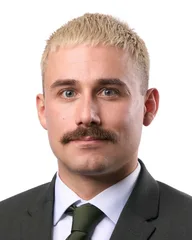
Lukas Sieper | Germany DEU | Non-attached Members (NI) | 390 |
| 2 |
|
Juan Fernando López Aguilar | Spain ESP | Progressive Alliance of Socialists and Democrats (S&D) | 354 |
| 3 |
|
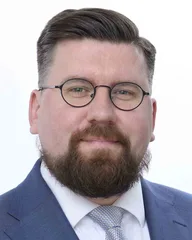
Sebastian Tynkkynen | Finland FIN | European Conservatives and Reformists (ECR) | 331 |
| 4 |
|
João Oliveira | Portugal PRT | The Left in the European Parliament (GUE/NGL) | 232 |
| 5 |
|
Vytenis Povilas Andriukaitis | Lithuania LTU | Progressive Alliance of Socialists and Democrats (S&D) | 227 |
All Contributions (24)
State of play of the implementation of the EU Digital COVID Certificate regulations (debate)
At the plenary session in Strasbourg on 5-9 July, during the debate on the state of play of the implementation of the EU Digital COVID Certificate legislation, the European Commission expressed its full satisfaction with the extremely swift process of agreeing on the Regulation, stressing that the Regulation entered into force on 1 July 2021 and that the Certificate itself will be valid in all EU Member States and is intended to help lift the existing pandemic restrictions in a coordinated manner. It is now too early to make an overall assessment of the operation of the EU COVID Certificate and only the next weeks/months will be a realistic measure of the actions taken. However, before preparing the initial assessment, it is worth asking whether the Commission has or is preparing an appropriate catalogue of indicators or criteria that it intends to take into account for assessing the impact of the introduction of the certificate, on which basis it will be possible to carry out an early ex-post evaluation of the measures introduced? How does the Commission intend to consult the Member States on the possible mentioned methodological set of indicators of the assessment criterion that can be taken into account in the preparation of the overall assessment of the certificate? How does the Commission intend to take into account the voice of Member States in the methodological design of the COVID Certificate assessment criterion and will the process of connecting technology and gateway also be assessed?
European Health Data Space (debate)
Madam President, I'm sorry. Dear Commissioner, When I read the original draft of the European Commission more than a year ago, I doubted whether this very comprehensive and innovative project had any chance of success and whether it interfered too much with our privacy or national health systems. However, I must admit that the joint ENVI and LIBE Committees have managed to work out a text that significantly improves the Commission's text. I thank the rapporteurs for their good cooperation. I particularly appreciate the expansion of patient control over data storage and sharing. Our text also strengthens the system of supervision and monitoring of the security of data collection, storage and sharing at the level of national supervisory authorities. Thus, we were able to seal the provisions of many articles of the Regulation in accordance with a principle that I often drew attention to: Firstly, the security of data processing. I also welcome the reasonable narrowing down of the scope of secondary use of data. The so-called opt-out should help build citizens' trust in the system. In the upcoming trilogue negotiations, I will support solutions that maximise the security of the processing of this data and minimise the purposes of this processing. I thank all the shadow rapporteurs once again for their good cooperation, especially the rapporteurs, and I hope that we have a good basis for negotiations with the Council and that the draft will receive the support of the majority tomorrow.
Medicine shortages and strategic healthcare autonomy in the EU (debate)
Mr President, thank you very much. Dear Commissioner, The problem of lack of medicines is not a new challenge, and the current debate is not the first attempt to exchange views to counteract this risky situation for patients. All Member States are experiencing problems related to shortages of medicines. There is a lack of cardiac drugs, drugs used in respiratory diseases, antibiotics and advanced drugs used in chemotherapy and monotherapy of oncological diseases. An additional problem is paediatric medicines, which I asked the Commission about already in August this year, long before the current debate was planned. I am convinced that the Commission, which is entitled to the initiative, must actively address the current problems, not simply putting their solutions to the current reform of the pharmaceutical law. Ad hoc and immediate action is needed, prepared in close consultation with Member States and their national experts, which would effectively integrate national programmes for finding solutions to the shortage of medicines into more coordinated and targeted action.
Protection of workers from asbestos (debate)
Mr President, thank you very much. Mr. Commissioner, I'm sorry. Despite the ban on the use of asbestos throughout the Union in 2005, it is still the leading cause of occupational cancer in the European Union and is responsible for tens of thousands of deaths per year. I support the agreement reached after the trilogue. New precautions, improved information on asbestos-containing materials, the creation of national registers of certified asbestos testers, and finally a reduced occupational exposure limit will move us one step closer to an asbestos-free Europe. At the same time, it must be said that the implementation of a much lower occupational exposure limit and measurement method using an optical microscope with a fairly short transition period will be a logistically difficult task and will require large financial outlays from European companies. However, this is necessary to strengthen the protection of European workers. It has been an honour for me to work on this project because of the extraordinary character of Mrs Veronique Trillet-Lenoir. Thank you for this opportunity.
Coordinated action to address antimicrobial resistance (debate)
Madam President, I'm sorry. Dear Commissioner, The misuse of antimicrobials has led to the growing problem of antimicrobial resistance over time, to the point that this threat has been identified as one of the top ten global public health challenges. Therefore, when I addressed interpellations to the Commission last year with regard to the criteria for the designation of antimicrobials, the response received revolved around the notion of solidarity and joint efforts by medical, veterinary, national authorities, EU agencies and academia experts to address this threat to public health. Today, the same is true of the voted resolution, which diagnoses the AMR problem precisely as a joint effort. Although the choice of certain measures may be controversial, it is nevertheless appropriate for me, as a person primarily associated with public health policy, to adopt a working methodology that will contribute to reducing the number of deaths before 2050. Otherwise, more than 10 million people will die each year, which is more than the projected total number of deaths from cancer and diabetes.
EU Global Health Strategy (debate)
Madam President, I'm sorry. Dear Commissioner, Recently, the global debate on public health has become a lively topic. On the one hand, I am unquestionably in favour of prioritising global health through appropriately selected programmes financed, inter alia, from the European Union budget, such as the EU4Health programme, Horizon Europe, the Neighbourhood and International Cooperation Instrument and the Instrument for Pre-Accession Assistance. On the other hand, I believe that we still need to do more to build a solid partnership in health policy between the Union and the rest of the world. It is necessary to rethink actions that will contribute to achieving greater synergies between the implemented programmes, so that the funds invested so far become even more effective. At the same time, the Union, while remaining the world’s largest donor of international aid with a contribution of €50 billion per year, still needs to actively address Member States’ internal public health concerns, especially when most EU economies are in deficit. I believe that the priorities of the strategy should be calibrated so that it supports non-EU but also intra-EU activities, as the effect of improving global health security and ensuring better health must be solidarity-based. In our actions, let us do everything, but wisely, that the proclaimed slogans about sustainable financing of the global health agenda make a real contribution to the protection and improvement of patients' health.
Surge of respiratory infections and the shortage of medication in Europe (debate)
Mr President, thank you very much. Dear Commissioner, Ladies and Gentlemen, Access to medicines is a matter of patient safety and the term ‘health security’ always opens up a serious discussion on all forms of an appropriate response to any public health emergency. The health security of the European Union has recently been put at risk by the sharp increase in cases of bacterial infections following the lifting of pandemic-related restrictions by countries, resulting in shortages of antibiotics and essential medicines. Although I am aware that the underlying causes of medicine shortages are complex and multifactorial, as they include manufacturing challenges, industry limits and economic elements, I still believe that the strategy to address the problem must be twofold. On the one hand, the exposure of manufacturers to supply shocks should be reduced, and on the other hand, solutions should be reconsidered that will result in improved market surveillance mechanisms and clear clarification of the catalogue of problems and precise data on which medicines are missing. I'm finishing up. Although the effect of restoring drug safety will still have to wait, today we must think about reorganising the European pharmaceutical manufacturing environment.
Prevention, management and better care of diabetes in the EU on the occasion of World Diabetes Day (debate)
Madam President, I'm sorry. Commissioner, I'm sorry. Ladies and Gentlemen, Diabetes is one of the most dangerous and most common chronic civilization diseases. In the European Union, as the Commissioner mentioned, more than 33 million people are suffering from it, and it is estimated that in less than eight years the number will rise to 38 million. Moreover, it is estimated that at some stage of the disease, up to 80% of patients will also struggle with other most common complications of diabetes. And while recent years have made it much easier for patients to access modern medicines and technologies to treat and prevent diabetes, much remains to be done in the context of a holistic approach to this multifactorial health challenge. Therefore, if we really want to work for the benefit of a diabetic patient, let's take steps to achieve greater synergy through existing programs that translate into better coordination of diagnostic and medical care. Let us make the best use of this knowledge that Member States already have by exchanging experience, jointly taking into account epidemiological data on disease incidence and availability of medical services, including the analysis, pathway and prognosis of the patient's treatment. The combination of existing programs and highly qualified medical assistance can make the treatment have the characteristics of a coherent action, in which the basic principle that the patient's well-being is the most important.
Mental health (debate)
Mr President, thank you very much. Dear Commissioner, Ladies and Gentlemen, This is a very important debate. The number of people affected by mental health problems is constantly increasing, and according to recent estimates, one in three people struggling with mental health problems do not have access to professional medical care. In addition, this has been aggravated by the COVID-19 pandemic. For this reason, proper reform of the mental health system must focus on developing the community model of psychiatric care and equalising access through the implementation of programmes in health centres and the creation of appropriate models of the mental health system for adults, children and adolescents. If we want to make a real and real contribution to improving the mental health of our citizens, here in the European Parliament let us not forget about cooperation with the Member States and international organisations, the exchange of information, good medical practices and contact with specialist medical staff. Let's actively create pilot programs of therapeutic interactions, addressed to people with trauma experience, addicted to new digital technologies, support programs to fight depression and anxiety disorders and thus help people with psychosocial problems build their own autonomy and greater independence in society. Let's listen to the needs of citizens, so that mental health centers are located close to the place of residence and offer the support of psychologists, psychotherapists and environmental therapists. Although the effects of the changes will still have to wait, today we must think about the organization, about the reorganization of psychiatric care, preparing and increasing qualified therapeutic teams.
COVID-19 – Sustaining EU preparedness and response: looking ahead (debate)
Mr President, thank you very much. In its conclusions of 27 April this year, the Commission notes that the COVID-19 pandemic will have wide-ranging effects on public health, an undisputed impact on health systems, a slowdown in economic processes and even the way of life to date. Member States are encouraged to develop key actions to protect public health, while maintaining the openness and resilience of society and economies. It is therefore necessary to develop a new , which in the coming months will present a new definition of the response to the pandemic, moving from a state of emergency to a more sustainable mode. In its opinion, and based on the lessons learnt from the COVID-19 pandemic, with which evaluation tools and instruments will the Commission seek to review the way in which it has operated so far, to review its security policy in response to the crisis, and to assess the plans launched and the procedures launched? How does the Food and Drug Administration (FDA) Health Emergency Preparedness and Response will be involved in the assessment process, and to what extent will medium and long-term actions be evaluated, so that learning lessons from the pandemic will help set an effective strategy for future work over the coming months?
European Centre for Disease Prevention and Control - Serious cross-border threats to health (debate)
Madam President, I'm sorry. Commissioner, I'm sorry. Ladies and Gentlemen, Thank you for all your comments and comments, for your joint, intensive and reliable work. I would also like to thank Commissioner Stella Kyriakides for the proposal for a regulation put forward by the Commission in the Health Union package. I would also like to thank you for your help with the Agency's budget records. I would also like to thank the then Slovenian Presidency for the negotiations and the numerous meetings at technical level. I also thank the Council for its openness and the necessary negotiating flexibility. Finally, once again to my fellow shadow rapporteurs for your approach to substantive and constructive cooperation. Once again, I congratulate the rapporteur on the regulation on cross-border health threats. The negotiated agreement offers an opportunity for synergies between EU and national measures while avoiding duplication of work. With regard to your comments, I would like to say that I agree that more could have been done. You can almost always do more. Benjamin Franklin once said that the best doctors give the least medicine. Therefore, guided by this principle, also as a doctor by training, I tried to find appropriate solutions for synergies between the ECDC, the Commission and countries, while at the same time choosing the appropriate means to our real possibilities. In my work on the ECDC Regulation, I have focused on the key aspects of strengthening preparedness, improving data reporting and sound risk analysis, which all of you have also strongly shared. I believe that the proposed changes significantly extend the mandate of the agency, making it operational to better ensure the safety of Europeans.
European Centre for Disease Prevention and Control - Serious cross-border threats to health (debate)
Madam President, I'm sorry. Commissioner, I'm sorry. Ladies and Gentlemen, After almost two years of legislative work on the European Health Union package, we now proceed to endorse two key elements of the European Health Union package – a strengthened mandate for the European Centre for Disease Prevention and Control (ECH) and a strengthened mandate for the European Health Union. Disease Prevention and Control and the Regulation on serious cross-border threats to health. Both regulations are complementary and have common objectives – to prepare us as best as possible for possible future health crises, ensuring coherence in prevention efforts. The strengthened mandate of the ECDC, which I had the honour to negotiate on behalf of Parliament, is an extremely important link in our collective health system, together with the Regulation on cross-border health threats, on which I worked as ECR shadow rapporteur. The COVID-19 pandemic has been a difficult but to some extent valuable experience for national health systems. It was an extreme lesson of dedication, solidarity and resourcefulness. First of all, the pandemic crisis has highlighted the importance of a rapid response at local level to the emergence of disease outbreaks and has shown the importance of adequately training Member States’ medical staff and administrations when developing a national action plan. Therefore, the European Union Task Force on Climate Change will play a special role in the ECDC's reinforced mandate. Health when developing, analysing and updating Member States’ preparedness plans. In addition, we have seen the importance of digitalisation in public health management. I hope that effective digital platforms for epidemiological surveillance will be created. The network of functional EU reference laboratories as well as microbiological safety networks will further strengthen epidemiological surveillance systems. The pandemic, and especially the first stages of its course, when we were still dealing with many uncertainties, revealed the need for close coordination between the European Union and the World Health Organization. I am therefore pleased that the negotiated mandate will help to better align and coordinate the recommendations and actions of the European Union with those of the WHO in order to ensure their coherence and complementarity. As Parliament’s rapporteur, I have also worked to ensure that the mandate and the ECDC support rather than replace national action in the field of public health protection. It is necessary to respect the principle of subsidiarity of action at European Union level in such a way that the Union supports and coordinates action by Member States where action at national level alone would be ineffective. I believe that the negotiated text expresses these proportions of competences well and that entrusting the Centre with additional tasks is in line with the requirements of our time. No country can tackle a cross-border public health crisis on its own. I therefore fully support the proposed increase in the ECDC's mandate to monitor epidemic threats in the European Union and recommend remedial actions as part of the regulation of cross-border health threats with regard to the comprehensive legal framework for Union action on preparedness and early warning. I would like to thank all the shadow rapporteurs working on the ECDC report for their excellent cooperation and many valuable comments in the negotiation process. Please support my report. At the same time, I would like to congratulate the rapporteur for the Regulation on Cross-Border Health Risks, Ms Véronique Trillet-Lenoir. Ladies and Gentlemen, I am convinced that we share the same intentions. We want better health for our citizens, more robust health systems and coherent and effective action in times of crisis.
Revision of the EU Emissions Trading System - Social Climate Fund - Carbon border adjustment mechanism - Revision of the EU Emissions Trading System for aviation - Notification under the Carbon Offsetting and Reduction Scheme for International Aviation (CORSIA) (joint debate – Fit for 55 (part 1))
Madam President, I'm sorry. Dear Commissioner, Achieving the 2030 target will be a particular challenge for the countries of Central and Eastern Europe. We want to carry out the climate and energy transition, but we must have adequate support for this. However, it is incomprehensible to us that, on the one hand, you are raising the targets, you want us to move away from all fossil fuels, and on the other hand, you are reducing the modernisation fund, which is crucial for our region. At the same time, we are dealing with an ever-increasing Innovation Fund, which, as experience so far shows, is used by companies from the richest Member States. Only those companies. It is therefore necessary to increase the resources that will realistically enable the energy transition across the European Union by increasing the Modernisation Fund or ensuring the participation of all Member States in the Innovation Fund.
Protection of workers from the risks relating to exposure to carcinogens, mutagens and reprotoxins at work (debate)
Mr President, thank you very much. Mr. Commissioner, I'm sorry. Dear Colleagues, Occupational cancer statistics are still alarming, and behind each of these statistics are people who lose their lives and health. More than half of work-related deaths are due to cancer, and many work-related cancers are preventable. It is therefore our duty to make every effort to ensure that the right tools are in place to fight occupational cancer so that it becomes more effective. The final text, which sets out the agreement duly reached, is just such a tool and another important step forward in the fight against cancer. Updating occupational exposure limit values or including hazardous medicinal products are key elements of the text that will set the tone for the fight against cancer in the coming years. These hazardous medicinal products pose a particular threat to healthcare professionals, who have been under unprecedented strain during the pandemic. Protecting them must be one of the priorities of the recovery and learning from the pandemic. At the same time, it must be borne in mind that European companies and industry will need the means and time to implement the ambitious new demands in an efficient, appropriate and sustainable way. I would therefore like to stress once again the crucial role of transitional periods in adapting to the new rules. I would like to thank the rapporteur and all the shadow rapporteurs for their very good work.
Strengthening Europe in the fight against cancer(debate)
Madam President, I'm sorry. Commissioner, I'm sorry. I support the report, which is a summary of the work of the Special Committee on Agriculture and Rural Development. Fighting Cancer. For 15 months here in the European Parliament, we have been trying to make sure that recommendations from hearings and conferences on cancer can take on real significance in the everyday struggles of patients, their loved ones and doctors and medical staff. And despite the fact that there are still real and sad data on terrifying statistics on new cases and cancer mortality, I believe that the report meets the real needs of patients. The report presents a number of good practices, and one idea in particular is very clear and its guiding principle: we want to ensure equal access to treatment, therapy and support for patients across Europe. This access can only be ensured through intensive action on the elimination of cancer risk factors, the extension of screening programmes and the synergy of activities of national cancer centres guaranteeing early diagnosis, effective treatment and professional patient care. The simplest medical definition divides cancers into benign and malignant. And as a doctor, I agree with this distinction, but not as a human being and as a patient. Cancer has many facets, both in medical and socio-psychological contexts. And although none of these views is mild, some of the solutions proposed in the report may certainly try to mitigate the effects of cancer by early prevention.
Health technology assessment (debate)
Madam President, I'm sorry. Honourable rapporteur, I share the view that harmonisation of tools, data sources and HTA methodology should be promoted, as well as unnecessary duplication of work should be reduced. I am in favour of an HTA where the results of the joint clinical assessment report are duly taken into account but are not an obligation. I would call the other initiatives on HTA better today. Nevertheless, a well-known proverb says that sometimes the better is the enemy of the good. Potential obstacles and obstacles to the organisation of the health systems of the Member States, in particular as regards decisions on the level of reimbursement of medicines, may constitute additional solutions, but may also lead to discrepancies between national and EU data. I believe that a compromise between better and current good solutions would be to find a common position in the context of the expected level of work and to set common standards for evaluation methods. The assessment should be left to the national level. Nevertheless, I appreciate the work of the rapporteur, thank you very much for it, and although we sometimes differ, I really respect your commitment.
A European Action Plan Against Rare Diseases (debate)
Madam President, I'm sorry. Commissioner, thank you very much. I support the revision of the European Union Action Plan on Rare Diseases, the overarching objective of which is to ensure that no patient affected by a rare disease is left unattended by 2030. It seems reasonable for the ERNs and existing national plans and strategies to gain new synergies, given that we do not have a comprehensively updated approach at European level to this problem. I therefore agree that it is necessary to achieve a secondary classification of the register of rare diseases and to rethink methods for the new implementation of the diagnosis of rare diseases through the continuous dissemination of screening and genetic testing, and in particular to rethink the functioning of the network of reference centre systems. Healthcare for patients with rare diseases must address both the increase in the availability of highly specialised medical care and the availability of drug therapies with the update of available technologies.
The EU's role in combating the COVID-19 pandemic: how to vaccinate the world (topical debate)
Madam President, I'm sorry. Commissioner, thank you very much. The term ‘global village’ has long become synonymous with the current reality. Nevertheless, the example of the pandemic shows that the functioning of this village also means facing significant inequalities. Given the COVID-19 vaccination rates, we can see extremely large disparities, especially in developing countries, with regard to our continent. The global pandemic requires global solutions. Therefore, in addition to continuing awareness-raising activities highlighting vaccine safety, we should strive for a strategy that ensures universal access to vaccines. It is important to ensure that countries deliver the promised doses of vaccines to the COVAX initiative and to implement mechanisms for equitable distribution of vaccines at global level, supported by the Commission’s guidance on voluntary licensing. We should encourage and support the willingness to share vaccines, as exemplified by my country, Poland, which has been carrying out concrete solidarity activities since August and which has already donated around 4 million vaccines. Only a solidarity-based approach will make it possible to achieve the objectives of the COVID-19 Summit, which ambitiously sets the goal of vaccinating 70% of the population of each country by September next year.
A pharmaceutical strategy for Europe (debate)
Madam President, I'm sorry. Commissioner, thank you very much. Ladies and Gentlemen, I support the adoption of the report on the Pharmaceutical Strategy for Europe, as I am in favour of efforts to ensure the availability and affordability of medicines for all patients. Long before the outbreak of the pandemic, I took initiatives to restore the independence of the production of medical substances and participated in Parliament’s work to ensure drug safety on our continent. In the context of the strategy, I believe that concrete measures should be taken to reduce inequalities in such a way that access to and availability of medicines can take place in the shortest possible time in all Member States. We must wisely support efforts to strengthen measures conducive to innovative solutions, but at the same time we should think about maintaining free access to generics and biosimilars with patient health at the forefront, creating a future-proof and crisis-proof pharmaceutical system. A well-known proverb says: ‘a wise man learns from his mistakes, a clever man learns from others’ mistakes’. In the current context, building on the lessons learned from the COVID-19 pandemic, Europe can still learn from its own failures to better respond to citizens’ medical needs, putting them at the heart of all policies supported by Member States.
Protecting workers from asbestos (debate)
Mr President, thank you very much. Mr. Commissioner, I'm sorry. Ladies and Gentlemen, Despite the general European ban on asbestos, it is still present in our constructions and remains a threat to public health. The tragic consequences of exposure to asbestos – in particular mesothelioma or lung cancer – are affecting many citizens and workers in the European Union, especially workers in the construction sector. Asbestos is one of the main carcinogens in the workplace, and due to the long incubation period, fighting is very difficult. We must make every effort to combat asbestos. I therefore welcome the adoption of Mr Villumsen's report. This report is a step in the right direction and puts forward the right initiatives for better diagnosis of diseases, better exchange of information, higher standards and better protection of workers. The presented solutions are firm, but also realistic. However, we must remember to set appropriate transition periods that will be necessary to meet the new standards and standards. Thank you very much for your work.
EU Health Emergency Preparedness and Response Authority: ensuring a coordinated EU approach for future health crises and the role of the European Parliament in this (debate)
Madam President, I'm sorry. Dear Commissioner, The establishment of a new health security architecture with specific tasks on critical medical countermeasures is set to become one of the pillars of health union security. The Office's activities are to become the main objective of strengthening the European Union's capacity and filling the gap in the EU's response and preparedness system in health emergencies. In line with the principle of ‘better is the enemy of the good’ and as Parliament’s rapporteur for extending the mandate of the ECDC, I am primarily interested in the synergies we can achieve with the involvement and operation of existing agencies. It is necessary to provide for a precise distribution of the Office's responsibilities so as to avoid duplication and overlap between the tasks performed by other agencies and structures, so that so-called "better solutions" do not compete with the good measures taken so far. In addition, in the very process of the Office's operational activities, we must have an explanation of how this synergy with the agencies will be further enhanced through the crisis management mechanisms already in place. I believe that, in order for the objectives of the new office to be achieved effectively, it is necessary to establish close partnership and cooperation between all the European institutions and the Member States by clarifying the tasks of the HERA Management Board, which will include representatives of all the Member States and representatives of the institutions responsible for its functioning.
European Medicines Agency (continuation of debate)
Madam President, I'm sorry. Commissioner, I'm sorry. Patient safety and access to medicines are two key words that open the discussion about crisis response and the right response to a public health emergency. I support those EU solutions that can make a real contribution to a higher level of human health protection by strengthening the Union's response capacity. This includes today's report on the European Medicines Agency. In addition to expanding the ECDC’s competences and updating the regulation on serious cross-border threats to health, the strengthening of the EMA’s mandate must take into account concrete efforts and the provision of real financial support, so that each component of the security system can meet the requirements of adapting to the new rules and is not overlooked. A real share of European Union funding should be foreseen in good time to ensure supportive measures, not exclusionary measures (read penalties) in the event of failure to meet ambitiously set standards in the European data space, the functionality of monitoring systems, the availability of medicinal products or, finally, the scope of advice on clinical trials. I thank the rapporteur and all my colleagues for their good cooperation on this report.