

| Rank | Name | Country | Group | Speeches | |
|---|---|---|---|---|---|
| 1 |
|
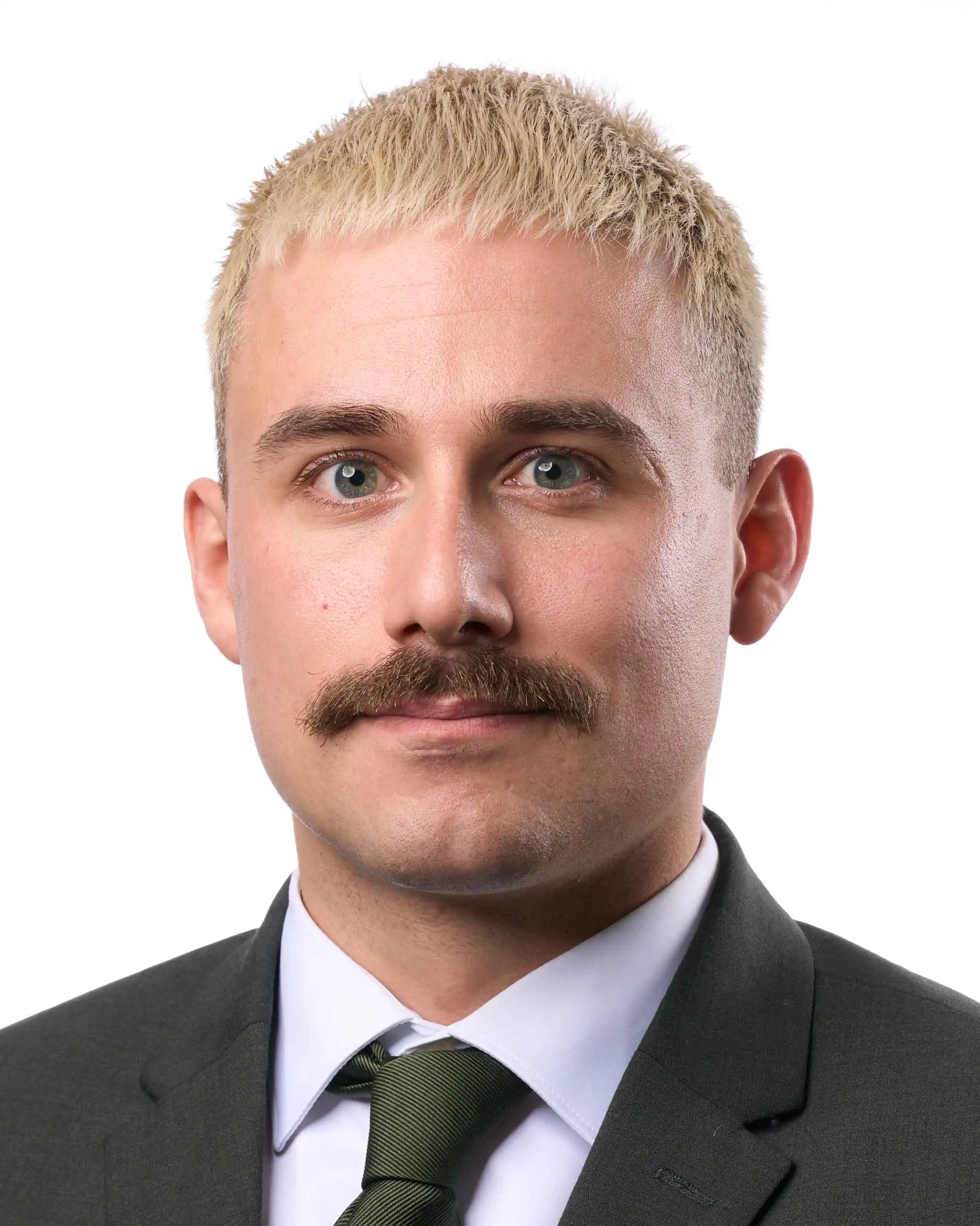
Lukas Sieper | Germany DE | Renew Europe (Renew) | 487 |
| 2 |
|
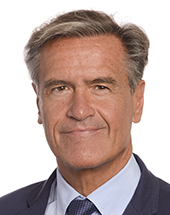
Juan Fernando López Aguilar | Spain ES | Progressive Alliance of Socialists and Democrats (S&D) | 454 |
| 3 |
|
Sebastian Tynkkynen | Finland FI | European Conservatives and Reformists (ECR) | 451 |
| 4 |
|
João Oliveira | Portugal PT | The Left in the European Parliament (GUE/NGL) | 284 |
| 5 |
|
Vytenis Povilas Andriukaitis | Lithuania LT | Progressive Alliance of Socialists and Democrats (S&D) | 273 |
All Speeches (79)
Madam President, ladies and gentlemen, Sudan is a country riddled with crises, dictatorships, uprisings and people fighting democracy. The Sudanese are willing to sacrifice an incredible amount to free themselves from the military dictatorship. With the peaceful protests, they take on a very heavily armed army. The country seems to be trapped in a cycle of never-ending military dictatorship, dirty politics. But the Sudanese have never stopped believing in democracy and fighting for it – brave people trying to resist the military. But Sudan's generals won't let up. Without hesitation, General Abdel Burhan has dissolved the transitional institutions he led himself, had the civilian government arrested and imposed a state of emergency. It is a military coup, even though Burhan has already been in power, but he wants even more power. The protests in 2019 to overthrow the long-term dictator Bashir were a stellar moment of the revolution. The protest movement was sure of victory. She thought, with the support of the world, that she could also take the last steps towards a new democratic Sudan. Unfortunately, she was wrong. The generals became more self-confident again after a period of shame, and now they are making the U-turn, a so-called rollback. And overall, the impression is rather pressing that Sudan's democracy movement stands here in parts damn alone. The courage of the protest movement is all the more impressive and deserves more than just verbal solidarity. And we in the European Parliament also call in our resolution for an immediate end to the use of force, independent investigations and the withdrawal of the current emergency regulation. There must be no immunity for the use of force and crime. Freedom of expression and assembly must be guaranteed. The EU and the Member States should apply the EU rulebook for human rights defenders and intervene everywhere: Prison visits, process monitoring, issuing emergency visas. Cooperation with Sudanese security agencies and border guards should be discontinued without delay, as there is a risk that they will be better equipped to cooperate with the EU and that they will use these capabilities to repress their own people. We have to prevent that.
European framework for employees' participation rights and the revision of the European Works Council Directive (debate)
Date:
14.12.2021 21:39
| Language: DE
Speeches
Mr President! Dear Commissioner, Dear Gabriele Bischoff and Mr Schmit, to clarify once again which persons are at stake here. Social justice is the putty that holds together a society, a company, a European Union. And if this doesn't exist, this putty shatters, then we have a democracy problem. Democracy means participation, democracy is co-determination. Then I understand processes, processes, decisions, so what are they doing up there in Brussels or in my local parliament? If processes are understandable, if I am involved from the beginning, whether as an apprentice or as a long-term employee, then I can be of benefit to my company, to society. Participation is an integral part. If we have diverse companies, people with diverse stories and biographies, then a society can not only become strong, be strong, but also be healthy. After all, life does not end with leaving the office, but there is also a life after office time or working hours. I am therefore very pleased – I come to the end – about this report. Thank you, dear Gabriele and dear shadow rapporteurs, for this important mark-up and we hope that it will be voted on by a large majority tomorrow.
Madam President, dear Commissioner, dear colleagues, the situation is too dramatic to be ignored. That is a shared consensus. All the reports of brutal sexual or gender—based violence, including gang rapes, sexualised torture and ethnically motivated sexual violence leave the world’s public and me, as a woman, shocked. This systematic use of violence, which leaves wounds for generations, must stop. My call to the head of government Abiy Ahmed, and all who are currently in charge or involved in this conflict: do not further manoeuvre yourself and the country into the international sidelines. Do not look for false new international friends. Serious human rights violations cannot be hidden from the eyes of the global public and the judiciary. In the long run, those responsible will certainly be held accountable. This is not a threat. How could I? But in other wars and conflicts and a reminder of what courts are increasingly prepared to do in the future in the context of universal jurisdiction. Therefore, let’s break the deep—seated pattern of human rights violations. Let’s end this war. Let’s improve the humanitarian situation.
The protection of persons with disabilities through petitions: lessons learnt (debate)
Date:
04.10.2021 20:27
| Language: DE
Speeches
Mr President, ladies and gentlemen, On Wednesday we will vote on the PETI report on the protection of persons with disabilities through petitions – title: . ? No, no! Otherwise, my colleague Stelios Kympouropoulos would not have to sit up there while we speak on this podium. The hall is still not barrier-free, wheelchair-accessible, and the podium is still not accessible to all people. And that's not a shame, that's a disgrace to this House! Only at the beginning. Following the EMPL opinion on the PETI report – many, many thanks, ladies and gentlemen – I was shocked to read how much is still at stake and what has not yet been done. The petitioners’ most frequent concerns here are access to information and the environment. Just a week before Ms Ursula von der Leyen's annual State of the Union address to the European Parliament, I was made aware that there was no interpretation into sign language. I immediately went to the translation service and asked for this interpreting service and asked for interpretation. Nothing came back there either. President Sassoli – thank you very much for your initiative – has campaigned for this, unfortunately without success. When this annual State of the Union address was prepared, no request for interpretation into international sign language was made. I ask: Why not? Why were 23 other languages automatically applied for, but not the international sign language? The State of the Union address is a means of informing people living in the EU about the state of play and plans. Should people with hearing impairments not be informed and participate in political processes? I ask you, ladies and gentlemen here in the House, in the Commission and in the Council, to stop always hiding behind these strategies, positions and political half-will. An inclusive European society must be a matter of course and not a formality. The presentation of female athletes in the European Parliament, that is perhaps good willBut it's not inclusion, that's a drop on the hot stone.