

| Rank | Name | Country | Group | Speeches | |
|---|---|---|---|---|---|
| 1 |
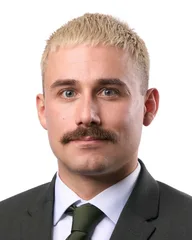
|
Lukas Sieper | Germany DEU | Non-attached Members (NI) | 390 |
| 2 |
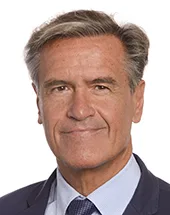
|
Juan Fernando López Aguilar | Spain ESP | Progressive Alliance of Socialists and Democrats (S&D) | 354 |
| 3 |
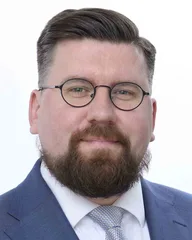
|
Sebastian Tynkkynen | Finland FIN | European Conservatives and Reformists (ECR) | 331 |
| 4 |
|
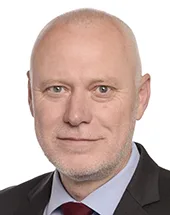
João Oliveira | Portugal PRT | The Left in the European Parliament (GUE/NGL) | 232 |
| 5 |
|
Vytenis Povilas Andriukaitis | Lithuania LTU | Progressive Alliance of Socialists and Democrats (S&D) | 227 |
All Contributions (90)
Medicine shortages and strategic healthcare autonomy in the EU (debate)
Mr President, honourable Commissioner, colleagues! Disruptions in the supply of medicines are worrying and are becoming commonplace in the European Union. Administrative barriers and problems in production and imports are mainly encountered in smaller markets, such as the Slovenian market, where there is a shortage of 300 medicines. Particularly problematic is the lack of basic antibiotics and drugs for the treatment of rare diseases and diseases of the youngest. As it is unacceptable for a market mechanism to dominate access to basic health services, I am in favour of supporting the production of medicines in the European Union and joint procurement of medicines for children, the elderly and the chronically ill. I believe that we have appropriate mechanisms at European Union level. For example, we have given additional powers to the European Medicines Agency and set up the European Health Emergency Preparedness and Response Authority. I therefore call on them, within their respective spheres of competence, to do their utmost to contribute to societal resilience and the strategic autonomy of health care in the European Union.
Rising precariousness in Europe including the need for aid to the most deprived (debate)
Mr President, honourable Commissioner, colleagues! Precarious work means precarious life. We must not allow the new normal of non-standard forms of employment, which are poorly paid, insecure, do not guarantee social security, adequate working conditions, health and safety at work. Precariousness increases the sequence of crises, the risk of new technologies and the return of strict fiscal frameworks after the pandemic. The affected groups, which are already the most discriminated against, such as young people and women, are particularly exposed. Increasing the assistance of the Fund for European Aid is only a minimum. We need to address the consequences and causes of precariousness, poverty and social exclusion at the same time. I therefore reiterate my call for the creation of quality jobs and the full implementation of labour rights for all workers. Combating precariousness also means combating its consequences for mental health. In order to prevent dependency on precarious forms of work, we need a European directive on a minimum income for a decent life, a European unemployment insurance scheme and a European care guarantee.
Segregation and discrimination of Roma children in education (debate)
Madam President! Thanks for the word. Dear Commissioner, colleagues. I welcome the political will of the Commission and Parliament to do more together to eradicate segregation and discrimination of Roma children in education, while ensuring real progress by using European funds for Roma inclusion in all Member States. Education, starting with early childhood education, is the main means by which Roma children can be guaranteed equal opportunities for decent employment at a later stage, a decent life and the realisation of their potential. Eradicating discrimination, and not just halving the extent of discrimination, as envisaged in the EU Strategic Framework for Roma Inclusion 2030, and promoting the inclusion of Roma children in education must go hand in hand with combating the spatial segregation of Roma and people with unworthy living conditions in marginalised Roma settlements. We must provide assistance and support to children and their families to break the nexus of intergenerational poverty and social exclusion and contribute to society with their potential. I therefore call on all Member States to fully implement the EU Roma strategic framework for equality, inclusion and participation, the National Roma Integration Strategies and, in particular, the Child Guarantee. The Commission needs to be even more vigilant about its implementation and ensure that Roma children have equal access to education and key services for them, otherwise both Roma and non-Roma children will be at a disadvantage because they do not socialise and socialise together.
Surface water and groundwater pollutants (A9-0238/2023 - Milan Brglez) (vote)
Madam President, I would not take long. Actually, substantially, I would like to thank you for the support, and procedurally, I would like to request referral of the file back to the committee in line with Rule 59(4).
Towards a more disaster-resilient EU - protecting people from extreme heatwaves, floods and forest fires (debate)
Mr President. In August, two-thirds of the Slovenian territory was affected by a terrible water storm, which caused multi-billion-dollar damage, destroyed many homes, damaged or destroyed infrastructure, and unfortunately also claimed human lives. The excellent system of Slovenian civil protection, government services, numerous volunteers and people's solidarity are to be thanked that the damage was not even greater. I would also like to thank the other Member States and non-EU countries, the European Union itself and international organisations for their response and solidarity. I am pleased with the response and engagement of both Commissioner Lenarčič and the President of the European Commission, who, among other things, promised financial support from the Solidarity Fund during her visit to Slovenia. However, as we see this summer, Slovenia is unfortunately not the only one, so the key role of the European Parliament will be both in ensuring a rapid response and long-term resilience, ensuring human security, sustainable development and adapting to all that is happening to us in the environment, also because of what we have caused ourselves. At the very least, the Solidarity Fund will need to be tested and the people of Europe will need to be made clear that they are not alone in the most difficult moments.
Surface water and groundwater pollutants (debate)
Madam President. I would like to thank all my colleagues and Commissioner Sinkevičius for their contributions to this debate. I believe that this sends a clear signal that water protection must be our common project and high on the political agenda of the European Union. I am convinced that this unity in the European Parliament can be finally confirmed by tomorrow's vote. The protection of water means the protection of human health, it means the protection of natural habitats and it is an indispensable means of ensuring food security, especially in the light of the water crisis resulting from climate change with severe and protracted periods of drought. Ahead of the United Nations Water Conference in New York this year, the Union has committed to achieving good status for all water bodies in the EU by 2027. Currently, only 40% of surface water bodies are in good chemical or ecological status. Since the deadline is practically around the corner, I would like us to be able, by the end of this European Parliament, to reach agreement with the Member States on further improvements to this legislative proposal and on the highest possible standards for the control of water pollution, which will make a significant contribution to ensuring human health and the natural environment. At the same time, I would like to see our common ambitions strengthened and common goals achieved, in the knowledge that good water management is important for the planet, for people and for economic, social and sustainable or sustainable development.
Surface water and groundwater pollutants (debate)
Madam President, thank you for the floor. Dear Commissioner Sinkevičius, colleagues, the increasing chemistry of the natural environment represents one of the most demanding consequences of the lives of modern societies and individuals, mainly related to industrial and agricultural production. Unfortunately, water has become a repository of artificial chemicals that threaten not only ecosystems and nature as a whole, but also our health and even life. Too often, we are not sufficiently aware of this at the level of the Member States and the European Union, because for the largest part of our society, clean and drinking water is almost self-evident. Over the last 20 years since the entry into force of the Water Framework Directive, the European Commission has done important work in its efforts to ensure the protection of water resources at Union level. The Zero Pollution Action Plan foresees additional and strengthened European Union commitments for a toxic-free environment. The ongoing revision of the water legislation is expected to contribute to the concrete realisation of this ambition. This is why we need a legislative framework that for the first time: ensure a timely response to the increasing incidence of new-age pollutants in the environment, which will, secondly, enhance cooperation and operational support at EU level, which will, thirdly, allow polluters to contribute their fair share in the prevention and enforcement of pollution control, and which, fourthly, will ensure access to justice in cases where national authorities fail to fulfil their obligations under the rules of the Water Framework Directive. I am pleased that the amendments to the legislative proposal enjoy the very broad support of the Committee on the Environment. We agree: a) that we can go a step further in addressing microplastic pollution and antimicrobial resistance agents, b) that we can control complex chemical mixtures and their effects on water quality as soon as possible, and c) that we can protect our residents from so-called perpetual chemicals (PFAS) as much as possible and further strengthen control of glyphosate concentrations. The latter is found in surface waters across Europe, and contamination by this herbicide poses a major threat to aquatic life and generates unnecessary costs. Increasing pressures on water resources are also a growing financial challenge for residents and for Member States, which already spend as much as €100 billion annually on water supply and sanitation. We therefore need to do more on preventive measures, and I am convinced that the current revision of the water legislation can be an excellent opportunity to do so. Finally, I would like to express my sincere thanks to all the rapporteurs and shadow rapporteurs for their excellent cooperation and to all the political advisers, all the colleagues and our assistants for their careful work in preparing the technical and substantive amendments to this report.
Delivering on the Green Deal: risk of compromising the EU path to the green transition and its international commitments (debate)
President-in-Office, thank you for the floor. Dear Commissioner, colleagues. The adoption of the European Green Deal confirmed the new European Social Contract. Tackling climate and environmental challenges. In order to achieve this, the central role of the economy will be to serve, for the first time or above all, the interests of society and the environment, and only then capital. Bringing together all stakeholders in all their diversity is a basic prerequisite for the transformation to a fair and inclusive society. This will enable sustainable and socially responsible economic development to protect human well-being and health. The health and energy crises have exacerbated the social hardship of the most vulnerable individuals and groups. We therefore need to do more towards sustainable or sustainable development. So now we need a sufficient degree of political sobriety, determination and boldness so that future generations are united not in scarcity, but in diversity.
Putting the European economy at the service of the middle class (debate)
President-in-Office, thank you for the floor. The consequences of far-reaching crises on people's daily lives prevent them from talking about taxing the richest as a taboo. We also need to improve the rules on working conditions of employment and the functioning of the economy, which is fairer and at the service of the people. The consequences of inflation and the rise in the cost of living after the pandemic and the war are felt by all people, with the exception of the few richest. But the hardest hit is the working class, which pays the highest price for crises and is most vulnerable to future crises. Humanitarian organisations in the European Union saw a 40% increase in requests for assistance last year. These include thousands of working poor who cannot afford, for themselves and their families, basic necessities of living, quality food, living conditions and key services such as education and early childhood education and long-term care. I am therefore critical of the European Union's budget by insisting on the salvage of economic growth instead of focusing on a sustainable and socially responsible European economy with decent minimum wages and working conditions and a reinforced Child Guarantee and a European Care Guarantee.
Quality traineeships in the EU (debate)
Madam President-in-Office. Dear Commissioner, colleagues. The debate on quality traineeships is part of our fight with young people against exploitation. It is one of the key ones, it should be one of the key ones at this session, not being put at the end of the agenda. It is important for the millions of young people to whom we can prove in the vote tonight and tomorrow that we listened carefully and heard them when they came to the floor. What we have achieved by banning unpaid traineeships in the European Parliament on the insistence of socialists and social democrats and President Sassoli, and in some countries, including Slovenia, may become a reality for all young people who undertake traineeships as part of the learning process and on the open labour market in the European Union. Young people need reassurance that we will act differently from what we did in the 2008 financial crisis, when countries prioritised market guarantees over guarantees for the future of young people. How? With a European legal framework for equal opportunities for learning, experience-gathering, fair remuneration and a decent life for all young people.
EU Day for the victims of the global climate crisis (debate)
Mr President-in-Office, honourable Commissioner, colleagues, colleagues! I support the proclamation of a European Union Day for the victims of the global climate crisis. Remembrance of those individuals and communities who have succumbed to devastating floods, large-scale fires, heavy rainfall, prolonged drought and sea level rise expresses our support for their persistence, resilience and sacrifice. It is also worth remembering the many people who, as a result, are forced to become refugees or are subject to conditions of statelessness. At the same time, it is worth thanking all those who help unselfishly – civil protection, firefighters, soldiers, police officers and other crumbs. Their noble work transcends the boundaries of work, and their humanity responds to the plight of the most vulnerable. We need to do more to raise European awareness of the high human tax we pay due to our political hesitancy and lack of ambition. The existence of this awareness is essential to hear calls for stronger climate action and better environmental care. They are no longer our choice, but our duty.
Roadmap on a Social Europe: two years after Porto (debate)
Mr President, honourable Commissioner, colleagues. The 2021 Porto Social Summit is a special milestone, as the COVID-19 pandemic is the first crisis where Member States put the social consequences of the crisis first. As two years after Porto, the social aspects of post-pandemic reconstruction are lagging behind economic, digital and environmental developments, and as we are entering a lasting crisis, we need a plan for a social Europe. The social consequences of the pandemic, the war in Ukraine, price increases come with a lag, but these are clear, negative effects. It is a deepening of poverty and social exclusion of the most disadvantaged, it eats into the middle classes, and a handful of the rich are rich at the expense of the crisis. All this leads to a Europe of inequality, the disintegration of European integration. It is therefore necessary to use the Porto meeting to implement and strengthen the Child Guarantee, the European minimum wages, the European Care Strategy and the SURE mechanism to mitigate the risk of unemployment. But we also need an ambitious legislative framework by 2030 and beyond for Europe as a place of social security and prosperity.
Keeping people healthy, water drinkable and soil liveable: getting rid of forever pollutants and strengthening EU chemical legislation now (topical debate)
Madam President, honourable and esteemed! Today's thematic debate has a message value. It is a debate before World Earth Day and after World Water Day, but it requires us to be part of the change we want to make. Although I agree with everything that has been said, I would like to set a broader context. As rapporteur for the revision of the directives on water protection, I know that we can protect the environment with more resources and with the private sector contributing in solidarity. We are now dealing with the consequences, environmental and health, of the fact that we have more than 20 000 chemicals registered and used daily in Europe, while there are more than 100 000 on the market. If we want to reduce the input of these chemicals into soil and water, we need to change our way of life and also put the industry into management solutions. So we need to prevent pollution at source and distribute the costs more fairly between the public purse and the private sector.
Revision of the EU Emissions Trading System - Monitoring, reporting and verification of greenhouse gas emissions from maritime transport - Carbon border adjustment mechanism - Social Climate Fund - Revision of the EU Emissions Trading System for aviation (debate)
Mr President-in-Office! Dear Colleagues, Colleagues! Dear Commissioner! The revised Aviation Emissions Trading Directive is an important part of reducing emissions into the atmosphere. Aviation is the second largest source of greenhouse gas emissions from the transport sector. At the same time, the fact that developed and accessible transport infrastructure is the foundation of our social and economic development. It is therefore essential to maintain and strengthen connectivity while making it environmentally and climate sustainable. With this directive, aviation will finally contribute its fair share to reducing emissions as well as to other climate challenges. The removal of free allowances from 2026, leading to increased revenues from aviation emissions trading to support measures that reduce the climate impacts of aviation, will be key in this regard. For the first time since aviation was included in the ETS, we will also take non-carbon emissions into account. They have at least the same negative impact as CO2 emissions. They also include condensation traces of airplanes, which have a greenhouse effect and are observed by practically everyone in the sky. Tomorrow, I expect broad support for the legislative proposal when we vote, because it means meeting the European Union's climate ambitions, preserving European air connectivity and mobility, and also offers incentives for the development of advanced technologies that are essential for decarbonising the aviation sector, and among them in particular sustainable aviation fuels.
European Citizens’ Initiative "Save bees and farmers! Towards a bee-friendly agriculture for a healthy environment" (debate)
Mr President, honourable Commissioner, colleagues! The small bee has brought together more than one million people, citizens of the European Union, who are aware of the importance of bees for biodiversity and our daily lives and health. It is clear that food security must not be used as an excuse to endanger people and natural ecosystems. Citizens demand a sustainable and sustainable future and protection from pesticides in air, soil and water. That is why we must end here and now with a lack of principle in reducing and eliminating the most dangerous pesticides, because we have a plethora of legislative proposals on the table. However, Member States must adopt the set of measures proposed by the Commission in the renewed Pollinator Protection Initiative. At the same time, I am glad that both citizens and politicians are already aware of the importance of bees. And here I have to commend Slovenia with its initiative for World Bee Day, which was successfully completed. Without bees, there is no sustainable agriculture and no healthy living environment.
Deterioration of democracy in Israel and consequences on the occupied territories (debate)
Mr. President! The far-right government has led to a deterioration in the state of democracy in Israel. This is demonstrated, on the one hand, by the clear subordination of the judicial branch to which the people are opposed and, on the other, by the escalation of the situation towards Palestine. The clear and unequivocal intentions of the government to expand illegal settlements and annex occupied territories have led to an increase in violence and attacks against Palestinians by both the Israeli army and illegal settlers. It should be noted that the unjustified, disproportionate use of force, aggression against the civilian population and the illegal appropriation of Palestinian territories constitute serious violations of international law. I therefore welcome the United Nations General Assembly resolution of December last year requesting an advisory opinion from the International Court of Justice on the legal status of Israel's protracted occupation and the legal consequences of Israeli abuse of Palestinians. At the same time, I call for the European Union to do everything possible, both on the threshold of multiculturalism and the revival of the two-state process.
Adequate minimum income ensuring active inclusion (debate)
Mr President, honourable Commissioner, colleagues! Protection against the risk of poverty is a cornerstone of the welfare state, human security and freedom of choice. During this mandate, we managed to take the first step by adopting a directive on adequate minimum wages. However, since political will rather than the legal basis was crucial, this political will was also crucial when Member States intervened during the pandemic and adapted their social minimum income schemes. The directive on adequate minimum income we are asking for is a logical response to the succession of crises and represents a permanent mechanism to a permanent crisis. It aims to guarantee a decent life for those on the lowest incomes, those absent from the labour market for long periods of time, the socially disadvantaged, young people, pensioners and others at risk of poverty or social exclusion. Tomorrow's vote, including the proposal for a directive, is therefore a test of our political will and of the seriousness of our promises that a truly social Europe is at the service of the people.
Preparation of the Special European Council meeting of February, in particular the need to develop sustainable solutions in the area of asylum and migration (debate)
Mr President. Children forced into refugee and migration are a particularly vulnerable category. They are exposed to degrading treatment, exploitation, human trafficking and sexual abuse. All this leads to devastating consequences for their mental health, which are exacerbated by the systemic illegal return of migrants or "push-backs", of which 5 700 were at European level in 2022, 12% were children. I therefore expect the EU asylum mechanism to respect human rights, ensure safe and legal pathways and accountability for irregularities at the borders, while eliminating double standards and also taking into account the rights of the child. But even today, countries can do a lot because we have the mechanisms of the European Child Guarantee and the European Strategy for the Rights of the Child. In their national plans, countries must give a special place to children with a migrant and refugee background.
Revision of the European Works Councils Directive (debate)
Mr President, honourable Commissioner, colleagues. Greater autonomy, information and involvement of workers is an integral part of European integration. The rules on the establishment of a European Works Council do not keep pace with the number and complexity of transnational business operations. Branches are reduced, abolished, business secrets are used as a convenient excuse not to consult workers. It is therefore necessary to revise the European Works Council Directive, which will give greater rights to members, allow better access to legal remedies, also allow for the support of trade union associations and make sense of sanctions for breaches of democracy in the workplace. The proposed amendments by my colleague Radtke and the shadow rapporteurs are for the benefit of both companies and employees. They are not an obstacle, but a comparative advantage for the competitiveness of companies, a source of information and knowledge for management and a link with the branches and the social environments in which they operate.
Surge of respiratory infections and the shortage of medication in Europe (debate)
Mr. President! The causes of medicine shortages in the European Union are reduced predictability of post-pandemic seasonal diseases, disruptions in supply chains, labour shortages, withdrawal of medicines by the pharmaceutical industry, where there are insufficient profits, especially from smaller markets. As a result, citizens face shortages of hundreds of medicines, and it is particularly unacceptable that children, especially those with rare diseases, are most affected by these shortages. Possible immediate measures in this area are support for production at European Union level, joint procurement, the reduction of administrative barriers to cross-border transmission and, of course, national stocks of key medicines. All these appropriate solutions are already contained in the Pharmaceutical Strategy for Europe, which must be fully taken into account when revising the general EU legislation on medicinal products. Strategic autonomy and societal resilience will only be empty promises if decision-makers fail to ensure the health of our citizens, and especially the youngest ones.
This is Europe - Debate with the Prime Minister of Slovenia, Robert Golob (debate)
Madam President-in-Office, thank you for the floor, President. And then they will accept the rule of law and democracy. This is Europe. I am pleased that Slovenia and the government of Dr Robert Golob with this debate and their participation in the European parquet prove that Slovenia is part of a core Europe and strives for a more cohesive and more solidarity-based European Union. For the European Union at the service of the people. A sincere commitment to these values is best demonstrated in times of great trials, in the aftermath of the pandemic, the war on our doorstep and the energy crisis. Slovenia has been actively involved in finding a common European way out of the energy crisis, where, as a small country, it understands very well that the solution can only be common, solidarity-based and European. Dear Prime Minister, I would like to encourage you from this point of view to continue these efforts and for Slovenia to join, at home and at European level, additional measures to reduce household costs and help small and medium-sized enterprises. Slovenia has been actively involved in finding a common European way out of the energy crisis, where, as a small country, it understands very well that the solution can only be common, solidarity-based and European. I am convinced that together we can, but also that we can show the countries waiting to join the Union that we are and how we are on their side. In the serious situation in the Balkans and the war in Ukraine, our message must be clear. Europe, and thus the European Union, is and will be the homeland of all those who want to live in it in democracy, freedom and peace?
Towards equal rights for persons with disabilities (debate)
(start of speech with microphone off) ... after the word. In all such discussions, I would like to begin by mentioning that the European Union is also a party to the United Nations Convention on the Rights of Persons with Disabilities. We must therefore commit ourselves, both legally and politically, to the highest standards. And to use this symbolic message, which we will adopt in the week following the International Day of Persons with Disabilities and Human Rights, to do just that. First of all, it is about European funds, which we really need to use to make the transition from institutional to independent and community-based living, where access to quality care and support is also a prerequisite. Secondly, it is about equal mobility, because I am proud that Slovenia is one of the pioneers of the European Disability Card, which must become a permanent European project, and at the same time, when the Commission introduces this card, it should also introduce a European disability status for the automatic mutual recognition of the status and rights of all persons with disabilities in Europe, because we are a party to this convention. Thank you.
Eliminating violence against Women (debate)
Madam President. This week, the European Parliament has also taken one good step towards gender equality and women's rights. I must therefore congratulate my colleagues Evelyn, Lari and others on the adoption of the directive on gender balance among non-executive directors of companies listed on stock exchanges. But that doesn't mean we've done everything we need to. And it is precisely the topic of zero tolerance in violence against women, children is something where everyone should come forward. All Members of Parliament must come forward, so that we also ratify the Istanbul Convention at the level of the European Union. To support the Commission in bringing European legislation into line with this Istanbul Convention. Above all, we need to speak up so that the victims know that they are not alone. And that we can help them. We are here to do everything we can. Thank you.
Adequate minimum wages in the European Union (debate)
Mr President. Dear Commissioner, Honourable Members. Rare are the moments when we can be proud and responsible for this speaker, when we are not in the ordinary service of the people, but our decisions can mean change for millions. A time of prevailing crises is a time for different answers. We cannot tell people that we will save them by cutting into wages or by laws on balancing public finances, but that we will save them by guaranteeing decent and adequate wages. It is unacceptable that in the EU the share of those who are poor is increasing among employees, and that among the recipients of minimum wages are also those who perform critical professions in care, health, trade, transport and logistics. It is time for countries to adopt as soon as possible a framework for minimum wages that are adequate and decent, to strengthen social dialogue and to capitalise on progress towards a European minimum income, because only this will mean that the European Union is stronger, both at the level of people and at the level of the whole.
Common European action on care (debate)
Mr President, Commissioner, dear colleagues, dear colleagues! First of all, I would like to thank you once again for this debate, in addition to all the work that has been done on the report. In fact, it is a real honour for me to be a co-rapporteur in this area. What somehow stemmed from everything we said was that care is a human right. First the human right of those in need, and then the human right of those who work. The working conditions of those who work – both in formal and informal care – are important for us. And within this, it is necessary to stimulate the process of deinstitutionalization, which, in fact, guarantees the independent life of everyone in a way that is adapted to him, of course. It is now about the inclusion of all, the human rights of all, and that is the difference between this report and the alternative report, which denies the human rights of all. Essentially, care is the foundation of the European way of life. Without this, there is no European way of life, so we need to evaluate the care sector itself in a different way and ensure gender equality and equality. Without women's work, this sector does not work. But it cannot continue to operate in a sustainable way, so it needs to be rescaled. Values – solidarity between generations is needed to lead a more sustainable way of life. Even in terms of resilience and sustainability, it is actually a matter of care. Without dedication to care, and in particular to public good and public investment, care will not be sustainable. And that is why I say that this area is so important, from childcare, which we are already paying attention to, long-term care, caring for those with special needs, to all forms of care that we actually need. Without it, Europe will stand or fall.