
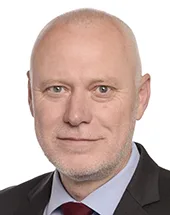

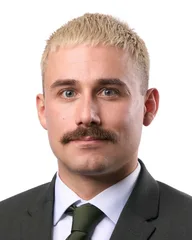
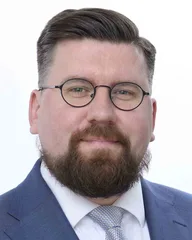
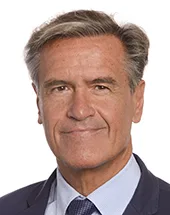
| Rank | Name | Country | Group | Speeches | |
|---|---|---|---|---|---|
| 1 |
|
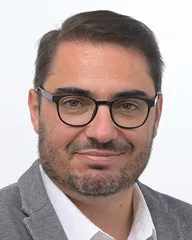
Lukas Sieper | Germany DEU | Non-attached Members (NI) | 390 |
| 2 |
|
Juan Fernando López Aguilar | Spain ESP | Progressive Alliance of Socialists and Democrats (S&D) | 354 |
| 3 |
|
Sebastian Tynkkynen | Finland FIN | European Conservatives and Reformists (ECR) | 331 |
| 4 |
|
João Oliveira | Portugal PRT | The Left in the European Parliament (GUE/NGL) | 232 |
| 5 |
|
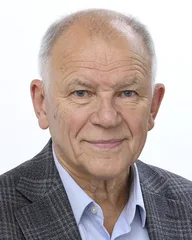
Vytenis Povilas Andriukaitis | Lithuania LTU | Progressive Alliance of Socialists and Democrats (S&D) | 227 |
All Contributions (90)
La Hulpe declaration on the future of social Europe (debate)
Mr President. We are facing a turning point and it is in the hands of citizens to decide where the European Union is going. The latest opinion poll, in which more than a third of people say that the EU must tackle poverty and social exclusion, confirms that the direction we socialists and democrats have taken is the right one. This is also recognised by the leaders of the Member States, who, together with other stakeholders, approved last week the Declaration on the Future of Social Europe. It confirmed the consensus that economic development is not without social progress and that the future of the Union must therefore be based on sustainable and inclusive development, in line with the principles of the European Pillar of Social Rights. The declaration is a concise, compulsory reading for anyone who participates in the European elections as a candidate or as a voter. Because it leaves no dilemma as to who to prioritize in investing over the next five years, people and work over markets and capital. We therefore expect a response from the Commission and the Council on how it will translate the declaration into a strategic agenda for the European Union and a European regulatory framework.
Surface water and groundwater pollutants (A9-0238/2023 - Milan Brglez) (vote)
Madam President. Unfortunately, water has become a repository of artificial chemicals that threaten not only ecosystems and nature as a whole, but also our health and even lives. We are too often or too little aware of this, because for the majority of our society, clean and drinking water is almost a matter of course. The report before you essentially updates the lists of substances and their limit values, which the Member States are obliged to control for assessing the pollution of our waters. The list of pollutants needs to be updated every six years, but it was last updated ten years ago. This means that it no longer reflects the real state of pollution in European waters, where critical and new modern pollutants are found, including toxic PFAS chemicals, pharmaceuticals, microplastics and a wide range of pesticides. In addition, the revision proposal significantly strengthens cross-border cooperation and the preparedness of Member States for a coordinated response to prevent major ecological disasters, as witnessed on the Oder River two years ago. The likelihood of such natural disasters will increase, not only due to pollution, but also due to the impact of climate change, and it is therefore necessary to strengthen the system of water protection in the European Union. In September last year, this House showed unequivocal broad support for the report, for which I thank the constructive joint work with my fellow shadow rapporteurs. I therefore invite you, dear colleagues, to reiterate our support for this report in order to seal off Parliament's position at first reading and ensure the continuity of our efforts in the next term of office.
EU’s response to the repeated killing of humanitarian aid workers, journalists and civilians by the Israel Defence Forces in the Gaza Strip (debate)
Dear President! The unscrupulous brutality of armed conflicts and the most serious international crimes in Gaza, which has lasted for more than six months, calls into question our collective humanity and the existence of international law. According to Save the Children, more than 200 humanitarian workers have lost their lives in the conflict, the highest number of humanitarian casualties in modern conflicts. There have been more deaths among children than in all conflicts on a global scale in the last four years. The European Union and its Member States are able and obliged to use all legal, political, diplomatic and economic levers to encourage Israel to comply with all relevant binding Security Council resolutions and to implement interim measures aimed at preventing the crime of genocide imposed on Israel by the International Court of Justice. I therefore believe that efforts to secure international recognition of Palestine as a state are an important step towards more equal relations and dialogue between Israel and Palestine. I also welcome the Security Council's motion for a resolution for full membership of Palestine in the United Nations, and I believe that, despite this US veto, it represents an important step towards ensuring lasting peace in the Middle East. Thank you very much.
European Disability Card and European Parking Card for persons with disabilities - European Disability Card and European Parking Card for persons with disabilities for third country nationals legally residing in a Member State (joint debate - Disability cards)
Dear President! Thanks for the word. Freedom of movement is one of the fundamental freedoms and the way of European life enshrined in the Treaties of the European Union. Unfortunately, for more than 101 million people with disabilities in the European Union, freedom of movement cannot be taken for granted, as they face additional obstacles in their daily lives when travelling to another country. The European Disability Card and the European Parking Card are the first, more than just a symbolic step towards their mobility. At least during a short stay, job or study exchange, people with disabilities will be able to feel more equal to other Union citizens thanks to the European Parliament’s persistent struggle. The European Union, also as a party to the United Nations Convention on the Rights of Persons with Disabilities, needs to do even more to enable all persons with disabilities to benefit fully from European citizenship by automatic recognition of their status, access to social security and assistance in other Member States. Because the real strength of the European Union lies in solidarity, equality and freedom for everyone. Thank you.
Healthy lifestyle and active ageing in the EU (debate)
Madam President. Dear Commissioner, colleagues. We in the European Parliament need to talk about ageing because no one can avoid it and because the European population we represent is getting older. We must make better use of the benefits of a long-lived society, while at the same time fighting the cult of eternal youth and age discrimination or ageism. Older people are not an obstacle to society, but equal members and members who must be respected, involved in political and social life and have exactly the same rights. Lifestyle is important for active and healthy ageing, but the market should not convince us that health and quality of life can be bought. Instead of the neoliberal dogma of health as an individual responsibility, states, with the support of the European Union, must ensure investment in public services that enable a decent and quality life and a decent and quality old age. The way we live in old age is influenced by accessible quality services from healthcare to long-term and palliative care, quality jobs, adequate housing, access to safe and healthy food, a clean environment and intergenerational solidarity. During this term, the Commission and Parliament have managed to come together on the importance of policies for a decent age and have started to speak a similar language on demographic change, but this is not enough. After June 2024, we need to take concrete steps to mainstream ageing and the rights of older people in all policies, leading by adopting a European strategy on age equality and renewing the Intergenerational Solidarity Intergroup.
The immediate risk of mass starvation in Gaza and the attacks on humanitarian aid deliveries
Mr President. Israeli attacks and humanitarian aid deliveries have been described by UN Special Rapporteurs and UN Human Rights Council experts as a massacre under the conditions of an imminent threat of starvation. The EU High Representative for Foreign Affairs and Security Policy rightly refers to Israel's use of hunger as a method of warfare. The long-lasting humanitarian situation of the Palestinian civilian population, especially women and children in the Gaza Strip, who, in addition to the immediate threats of armed conflict, are also subject to malnutrition, dehydration, hunger and infectious diseases, reaches a level at which we will unfortunately be obliged to compare it with the Holodomor as a form of genocide. Facilitating the flow of humanitarian aid is a minimum basic humanitarian obligation that Israel must provide unconditionally and must not use as a bargaining chip during the negotiations on the emergency ceasefire. Hamas must also release the hostages unconditionally. I therefore call here on the Israeli Government and Hamas, as well as on the countries of the European Union, to fully and unconditionally respect the fundamental common principles of international humanitarian law, in particular the principles of humanity, neutrality, impartiality and independence.
EU climate risk assessment, taking urgent action to improve security and resilience in Europe (debate)
Madam President. The European Environment Agency's report on climate risk assessment is an additional red signal to the forbearance policies of collective climate and environmental action, which are strongly advocated by the right side of this Parliament. Such irresponsible political behaviour already costs us nine billion euros annually due to the remediation of the damage of increasingly severe and protracted droughts. While more extensive flooding costs us 170 billion euros. In the longer term, however, there is even a risk that the lack of clean water in the European Union will lead to serious conflicts. The increase in water extremes is therefore a significant climate threat. Over the past twenty years, while we have succeeded in consolidating a wide range of rules at Union level to protect our waters, we must ensure that other sectoral policies also comply with these rules in the light of climate resilience. Against this backdrop and with worrying forecasts, I would therefore like to call on the Commission to adopt the Water Resilience Plan for the European Union as soon as possible.
The extradition and prosecution of Julian Assange and implications on freedom of the press (debate)
Madam President! Dear Commissioner, Colleagues! I welcome the plenary debate on the extradition and prosecution of Julian Assange. Despite her late hour, she needs to wake up the public, because she is important not only for him, but for the human rights of all of us. I hope that Assange's extradition, in accordance with the highest international legal standards, will be decided on the UK before the case is brought before the European Court of Human Rights, because waiting for his review after the extradition has been carried out could have irreparable consequences. From the inside, the European system of human rights protection would be wiped out and, as a result of the obvious double standards, our criticism of human rights violations around the world, here in the European Parliament, would lose its relevance. There is no state or democracy, either in Europe or in the world, where power is completely immune from the temptation to control the public and from abuses of human rights and the rule of law. Yesterday, we took an important step to limit this by endorsing the directive on protecting journalists and human rights defenders from manifestly unfounded or abusive court proceedings for the benefit of the human rights of the public and all Assanges defending its interests.
War in the Gaza Strip and the need to reach a ceasefire, including recent developments in the region (debate)
Madam President, honourable Commissioner, colleagues! Exactly a month ago, in the case of South Africa against Israel, the International Court of Justice ruled, among other things, that Israel should take immediate and effective measures to provide urgently needed humanitarian assistance to the civilian population in Gaza, and that it should prevent and punish any actions by its own forces that could lead to genocide against the Palestinians. Nevertheless, Israel seems to continue to carry out collective punishment against Palestinian civilians, children and women and is ready to carry out an offensive on Rafah, which, due to its disproportionality, can be understood as committing war crimes, crimes against humanity and genocide. Many of the countries that assist and support him are co-responsible for Israeli crimes. Many governments have been and will be co-responsible for suspending financial support to the United Nations Agency for Relief and Works for Palestine Refugees, thereby paralysing its humanitarian action. That is why we are at a turning point today. The European Union, as a project of peace, is not and will no longer be without full respect for international law and humanitarian aid to the Palestinians.
Need to overcome the Council deadlock on the platform workers directive (debate)
Mr. President! Digital platforms, which grew mainly during the pandemic, have reduced the time from provider to consumer, but often at the cost of losing all social and legal security for workers. Food distributors, taxi drivers, cleaners and other platform workers often work without employment contracts or are forced to open s.p.s. Instead of following the instructions of their superiors, they perform work according to the dictation of algorithms that determine their time, rhythm, location and working conditions. Technology, rather than helping at work, as a big brother, often serves to carry out unjustified controls. Parliament, the Council and the Commission managed to agree on a directive with a common framework of rules and rights for platform workers, which is now blocked by four Member States. Members of the European Parliament and the public must work together to put them, like Slovenia, on the right side, against exploitative platforms, on the side of common European rules and the rights of all workers.
Need to fight the increase of antisemitism and anti-Muslim hatred (debate)
Madam President! Dear Vice-President of the Commission, colleagues! The escalation of the armed conflict between Israel and Hamas is creating new hotspots in the region, while also posing a serious threat to social cohesion, democracy and human rights in Europe, with a rise in anti-Semitism and anti-Muslim hatred. In the EU strategy against antisemitism and in the EU anti-racism action plan, the European Commission promises to take decisive action against verbal and physical violence and all forms of incitement to hatred and violence against Jews and Muslims. But I share the concern of more than a hundred Israeli and international NGOs that relying on the definition of antisemitism of the International Holocaust Remembrance Alliance (IHRA) can shrink space for freedom of speech, activism, non-violent protests and criticism against Israel's official policy. In reply to a written question, the Vice-President of the Commission assured me that the use of this IHRA definition does not replace or interfere with existing legislation on hate speech or hate crime. However, the distinction between legitimate criticism of Israeli policy and its actions and antisemitism must be clear in order to tackle antisemitism and anti-Muslim hatred.
Quality traineeships in the EU (debate)
Mr. President! Dear Commissioner, Honourable Colleagues! In 2021, the President of the European Commission promised young people that next year would be theirs and that quality jobs and training opportunities would reward their sacrifices during the pandemic. 2022 has passed and the legacy of the Year of Youth in the field of traineeships is not something to brag about, even though Parliament has taken care of it. When I meet Slovenian young people, I am rightly getting questions about traineeships in other European institutions and the private sector, but I cannot afford to point my finger at the Commission. Not against young people who believe in the European Union and vigorously defend European values. Through the Quality Traineeships Directive, the Commission must convince young people that the European Union puts the right to work, which fulfills people and enables them to live in dignity, above profits. All internships must be paid decently. All young people deserve quality traineeships, not exploitation and precarious forms of employment without rights. This is why, in June 2023, Parliament adopted an excellent report that facilitates the Commission’s work. If only the President of the European Commission kept his promise three years ago.
Water crisis and droughts in the EU as a consequence of the global climate crisis and the need for a sustainable, resilient water strategy for Europe (debate)
Mr. President! Dear Commissioner, Honourable Colleagues! Parliament has repeatedly shown that water management is a political priority for it. This includes the adoption of strengthened rules to control pollution of rivers, lakes, groundwater and drinking water sources, which were approved by Parliament in its proposal for the revision of the Water Framework Directive in September last year. The Framework Directive is, so to speak, an overarching European act for the protection of our waters. That is why I would have liked the Member States, under the Belgian Presidency, to have made significant progress in adopting its amendments. However, I call on the Commission, when designing the Water Resilience Initiative expected in March, to pay particular attention to measures that will ensure the full implementation of this directive, including the strengthening of the Commission's remedies to deal with the backlog of pending complaints of non-compliance by Member States. In recent years, natural disasters related to water have only been multiplying and intensifying and endangering human security in all respects, as we experienced last year in Slovenia and many other countries in the European Union. There is no longer any time to delay. We simply need to do more in the area of water management to prevent casualties and damage caused by increasingly extreme weather events and increasing pollution.
Quality jobs in a competitive future-oriented social market economy (topical debate)
Mr. President! The European Union is an attractive place to live because of its values of well-being, working in a safe and healthy environment, a fair wage that allows workers and their families to live in dignity, and social security from birth to old age. Past crises, especially the misguided responses to the financial crisis, have perhaps only taught the right and liberal spectrum of European policy, which, with today's debate, recognises that sustainable competitiveness is not without a social dimension. However, one debate does not outweigh the entire missed mandate, when we were persuaded in this House that quality jobs are an abstract concept and opposed European directives on minimum wages, platform work, a European minimum income and the right to disconnect, the overhaul of European rules on social, green and sustainable aspects of public procurement, and the strengthening of trade unions and collective bargaining. Today, they are forward-looking, and even recently, they voted against sufficient resources to fight child poverty. Let us discuss, but the social market economy is built by fair measures, not nice words.
Humanitarian situation in Gaza, the need to reach a ceasefire and the risks of regional escalation (debate)
Dear President! I am on the side of international law. I believe that this should also be the European Union and the European Parliament. I therefore support South Africa's action against Israel before the International Court of Justice regarding the application of the Convention on the Prevention and Punishment of the Crime of Genocide in Gaza, the request by the United Nations General Assembly for an advisory opinion from the International Court of Justice on the legal consequences stemming from Israeli policies and practices in the occupied Palestinian territories, including East Jerusalem, and all ongoing proceedings before the International Criminal Court for Israeli and Hamas crimes. I have said many times that one crime cannot justify another and that we must prosecute and punish all criminals. South Africa is now legally defending the honor of humanity because the West allows Israel to disproportionately abuse self-defence. With the West, I mean, especially the United States of America, but unfortunately also the European Union. In any case, we must stand humanitarianly on the side of Palestinian victims and Israeli hostages, helping them and sanctioning criminals.
One-minute speeches on matters of political importance
Mr. President! It is not only my duty, but also my moral duty, to join my colleagues in drawing the attention of this plenum to the inadmissibility, disproportionality and absurdity of certain prescribed working conditions for our staff. Assistants in the offices of Members of the European Parliament are the pillar and driving force of our work and an irreplaceable support in realising our political ambitions. If for any reason, and in particular due to unforeseeable and extraordinary circumstances, such as death, we end our mandate, it is unacceptable for our staff to have their employment contract terminated immediately, on the last day of the current month. I will always stand firm in demanding fair working conditions, not only for my assistants, but also for my trainees, both in Brussels and at home. I therefore expect the competent services to address and remedy this systemic anomaly as soon as possible and to allow staff in Members’ offices to make a dignified and just transition upon leaving the service.
The role of social award criteria in public procurement in strengthening social rights, good working conditions and inclusive labour markets (debate)
Mr President, honourable Commissioner, colleagues! All individuals, and especially the state, which is the custodian of social policies and manages public money, can and must influence the behaviour of companies through their consumption. A socially oriented and socially responsible economy, with good working conditions, decent minimum and other wages, and the promotion of collective bargaining, will not be built on its own. As long as the only and main criterion in the award of public contracts is the lowest price possible, we will monitor the match to the bottom in terms of working conditions and the evaluation of work through the main suppliers and contractors down the supply chain. Strengthening social rights in the European single market requires a unified European approach and clear rules that countries will confidently apply to the social conditionality of all public procurement. One of the first tasks of the incoming Commission must therefore be to propose a revision of Directive 2014/24 on public procurement so that it finally reflects the demands of Europe's green, digital and, first and foremost, social transformation. It is therefore imperative that social and sustainability criteria are taken into account in all public procurement, both within the European Union and in the Member States and throughout the supply chain.
Outcome of the UN Climate Change Conference 2023 in Dubai, United Arab Emirates (COP28) (debate)
Dear President. From Dubai comes news about the success of climate multilateralism in light of the severity of the climate and environmental challenges we face. Despite the diversity among countries, world leaders have only managed to unite in a commitment to move away from fossil fuels, supporting a decision based on scientific knowledge. There are many reasons for optimism, but tomorrow is a new day. Political decision-makers must transpose the results of this conference into national law as soon as possible. The climate and energy commitments of world leaders need to be made legally binding, so that we can consolidate our path towards achieving the goals of the Paris Agreement. On this path of tackling the global climate crisis, I would like to see developed countries fulfil their moral and historical duty and effectively provide adequate financial resources to support developing countries and regions, as well as vulnerable groups, in their fair and just adaptation to climate change.
Need to release all hostages, to achieve a humanitarian ceasefire and prospect of the two-state solution (debate)
Mr. President! There is no justification for the crimes committed by Hamas and the Israeli army. But Hamas is not all Palestinians, and the Israeli army is not all Israelis. International law is clear – the rules of armed conflict, the rules of persecution and punishment of terrorism, the rules applicable to the occupying power and the rules applicable to crimes under international law are clear. Therefore, the European Union must condemn and prosecute and sanction all the most serious violations and violators of international law, or it will be complicit or co-responsible for what it does not do or lets violators do. It must also do everything in its power to secure the release of hostages, to stop international crimes and ceasefires, and, of course, to secure a diplomatic solution for the two countries. If the European Union is unable to do so, it must do so under the international law of the country. But I want to make it clear that the inaction of the European Union and the Member States is not on my behalf and is not on behalf of those citizens of the European Union that I represent.
Revised pollinators initiative - a new deal for pollinators (debate)
Madam President. Dear Presidency. Honourable Commissioner, Honourable Colleagues. Europe and the world are facing an alarming decline in the number of wild pollinators, on which 35% of global food production depends. This poses serious risks to food security, human health and quality of life, as well as to the functioning of natural ecosystem services. Four out of five crop species depend at least to some extent on pollination by wild and managed pollinators, which ultimately represents an essential input for agriculture and the economy at large. The direct contribution of pollinators to European agricultural production is estimated at around €15 billion. Against this backdrop, there are growing legitimate calls from scientists and civil society for decisive action to tackle the causes of the decline in pollinators. The small bee recently united in the European Citizens' Initiative of almost one million and 55,000 EU residents, which reminds us of the importance of pollinators for our daily lives and health and that we simply need to do more to protect them. Therefore, the question: how do Member States address the causes of pollinator decline, including light pollution? Since 2018, in order to tackle the decline of pollinators as a result of climate change, intensive agriculture, pesticide use and pollution and degradation of the natural environment and habitats in the most coordinated way at Union level, we have a general EU framework or a comprehensive set of policy tools collected in the so-called European Union Pollinators Initiative. This initiative has also recently been updated by the Commission in response to new insights and the apparent need for new and reinforced action at both Union, national and local levels to achieve the long-term goal of reversing pollinator decline by 2030. Better integration of measures to protect wild pollinators into EU agricultural policy, enhanced protection of wild pollinators from harmful chemicals, continued support for pollinator monitoring activities and other European research projects, capacity building in pollinator research and support for NGOs and citizen science or citizen science can make a significant contribution to achieving the objectives of the EU Pollinators Initiative. Therefore, in this light, I wonder how the Commission assesses the consistency of the CAP strategic plans with the objectives of the EU Pollinators Initiative. And whether the Council intends to establish closer cooperation between Member States in the framework of the Common Agricultural Policy strategic plans, thus also allowing for the exchange of good practices for the protection of wild pollinators. As regards the protection of pollinators from harmful chemicals, I would like to know whether, taking into account the limitations of the current authorisation procedure for pesticides and biocides, the Commission is ready to proceed with the transition to comprehensive, systemic environmental risk assessments for a wider range of insects, pollinators, and to mandate the relevant agencies for this purpose. If we want to make quality and informed policy decisions, we need to invest more in research that will further explain the complex world of pollinators. We also simply need to do more in terms of capacity building and training for the profession. In the EU, for example, we are facing a shortage of experts in the taxonomy of pollinators. Their role is crucial for the exchange of knowledge and best practices between Member States, which ultimately makes a significant contribution to the development of appropriate common policies. In this light, I would like to know whether Member States intend to provide support for the implementation of existing European Union pollinator monitoring initiatives. Will the Commission continue to implement projects such as Spring, Insignia, Sting and Amber in the long term? Finally, how do Member States and the Commission intend to strengthen the availability of taxonomy experts for more effective pollinator monitoring and data reporting? An updated European Union initiative on pollinators should be at the heart of the European Green Deal and as such a guiding reference for sectoral policy-making and bridging policy gaps addressing pollinator decline. I agree that there are still many challenges ahead, but with the range of tools and measures available and the political will, I believe that we are capable of overcoming them.
Children first - strengthening the Child Guarantee, two years on from its adoption - Reducing inequalities and promoting social inclusion in times of crisis for children and their families (joint debate – International Day of the Rights of the Child)
Madam President. Vsem otrokom, vse pravice. The theme of this year's International Day of the Rights of the Child is far from reality in the face of numerous conflicts and crises, including in Europe and its neighbourhood. We cannot go beyond the Russian aggression in Ukraine and the suffering of children as a result of the escalation of violence in Israel and Palestine, in particular in Gaza. Crises and conflicts are especially negatively reflected in children, because they threaten not only the quality of childhood, but also the chances of children realizing their potential. That is why our votes will resonate more than words. We have two resolutions on the table, with which we must reiterate the urgent call for at least 20 billion additional funds by 2027 for the European Child Guarantee and prevent Member States from tightening the belt at the expense of vulnerable groups of children in the coming period. In addition to targeted measures for the most vulnerable groups of children, in times of continuing new crises, it is essential to strengthen the resilience of children and their families by investing in quality public services accessible to all, child and family allowances and the development of quality jobs with adequate working conditions and standard contracts in favour of work-life balance. Adequate minimum wages and a guaranteed adequate minimum income represent a minimum guarantee of a decent life for all children, even in the event that parents or guardians lose their jobs or fall into the category of too many working poor. Children are not directly represented in the European Parliament, so we have an even greater responsibility that we are all the voice of all children and that their best interest guides our debates and decisions.
The despicable terrorist attacks by Hamas against Israel, Israel’s right to defend itself in line with humanitarian and international law and the humanitarian situation in Gaza (debate)
Mr. President! I unconditionally condemn the terrorist acts committed by Hamas against Israeli civilians. I condemn unconditionally Israel's crimes against Palestinian civilians in Gaza. There is no excuse for these crimes. Hamas terrorism cannot be justified by the long-standing Israeli occupation and the systematic repression of Palestinians. Israel's crimes against Palestinians cannot justify Hamas' terrorism and anti-Semitism. We must always stand on the side of international law. On the side of the victims of crime, not on the side of the criminals. All victims of crimes, without distinction of any kind, deserve our sympathy, help and solidarity. When we first prevent by all means the continuation of crimes and further crimes, it will be time for a diplomatic and political peace process, a two-state solution and the prosecution of criminals, including through the International Criminal Court, which the Member States of the European Union have proudly helped to establish.
Water scarcity and structural investments in access to water in the EU (debate)
Mr. President! I am pleased with today's debate because we are paying increasing attention to EU water policy and water security. However, I think that a central part of this debate should also be the issue of pollution of Europe's rivers, lakes and groundwaters, where, with the revision of the Water Framework Directive, we have the opportunity to strengthen EU regulations to control this pollution and to protect the health of people and ecosystems from modern-day pollutants such as microplastics and perpetual chemicals. Therefore, Member States will have to strengthen and adapt their control mechanisms, which will, of course, cost. I therefore expect that the planned earmarked funds within the European Structural and Investment Funds will also be dedicated to pollution control. Because any investment in pollution prevention significantly contributes to reducing the costs of wastewater treatment and health systems.
Urban wastewater treatment (debate)
Mr President, honourable Commissioner, colleagues! A common water management policy at Union level has shown good results over the last 30 years. Nevertheless, our work is only just getting off to a good start, as pressures on water resources are increasing and climate change is contributing to further tightening of the water supply situation. I therefore welcome the Commission's initiative to revise some key pieces of legislation in the area of water management in the European Union so that we, as a Union, are ready and able to respond to such challenges. I am convinced that the proposal for a new directive on urban wastewater treatment is a step in the right direction and an opportunity to act more ambitiously and decisively in the face of modern-day pollutants and to support more circular agriculture and the energy efficiency of wastewater treatment plants. Pressures on water resources also pose an increasing financial challenge for people and Member States. Therefore, legislation proposing measures must strictly respect the principle that the polluter pays and not impose additional burdens on residents.
The proposed extension of glyphosate in the EU (debate)
Mr President-in-Office! Dear Commissioner, Colleagues! The glyphosate controversy spiral is deepening. In a study recently published by the European Food Safety Authority on effects on human, animal and environmental health, there are simply too many data gaps regarding the toxicity of this herbicide. Why is it important to talk about glyphosate? Firstly, because it is one of the most commonly used herbicides in the European Union. Secondly, because of the frequency of its use, there is a wide exposure of the general population, including children. And third, because a large number of independent studies have shown negative health effects of glyphosate. So mainly hormone-related cancers, obesity, diabetes and infertility. In addition to all of the above, glyphosate contamination poses a serious risk to aquatic ecosystems in the European Union. Therefore, as rapporteur for water protection, I welcome the European Parliament's recent broad support for the proposal to amend the Water Directive, which sets higher standards for the control of permitted concentrations of glyphosate in the European Union's rivers, lakes and groundwaters. In the circumstances, I believe that there are too many red warnings about the use of glyphosate. For this reason, too, I intend to closely monitor further parliamentary scrutiny of the Commission’s procedures for its potential approval.