





| Rank | Name | Country | Group | Speeches | |
|---|---|---|---|---|---|
| 1 |
|
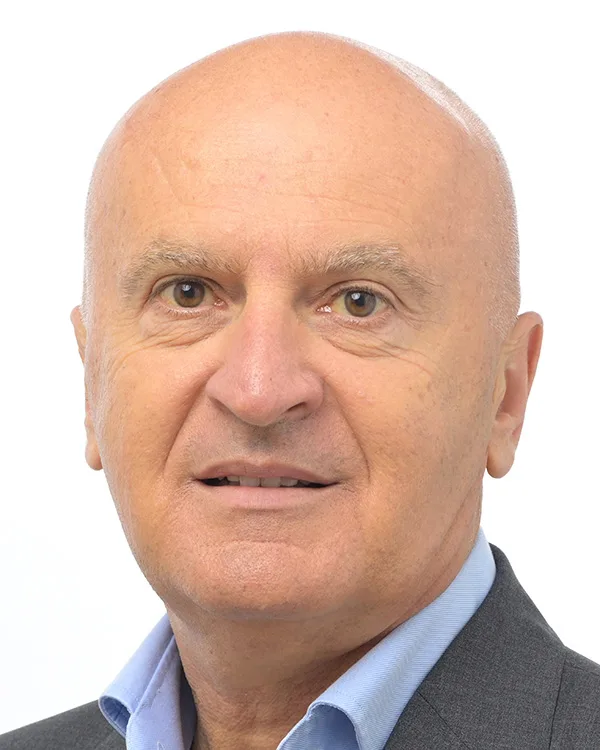
Lukas Sieper | Germany DEU | Non-attached Members (NI) | 390 |
| 2 |
|
Juan Fernando López Aguilar | Spain ESP | Progressive Alliance of Socialists and Democrats (S&D) | 354 |
| 3 |
|
Sebastian Tynkkynen | Finland FIN | European Conservatives and Reformists (ECR) | 331 |
| 4 |
|
João Oliveira | Portugal PRT | The Left in the European Parliament (GUE/NGL) | 232 |
| 5 |
|
Vytenis Povilas Andriukaitis | Lithuania LTU | Progressive Alliance of Socialists and Democrats (S&D) | 227 |
All Contributions (23)
Inclusion of the right to abortion in the EU Charter of Fundamental Rights (debate)
This is what we used to say that we live in some centuries that we passed long ago and live in the Middle Ages. We will not allow it, so you constantly reverse the situation and reverse the thesis. This is not about the rights of the child, this is about the right of a woman to a safe and legal abortion and there is no conversation about it, and there is no agreement on it.
Inclusion of the right to abortion in the EU Charter of Fundamental Rights (debate)
Dear Chair, Commissioner, every story about gender equality passes or falls on a woman's right to freely decide her body, because this is a fundamental question when we talk about a Europe of equality. We have spoken about this many times in this parliament and the position of the majority is very clear. Every woman must have the right to a safe and legal abortion. Of course, here we have a colleague who will continue to repeat his slogans and deny the century in which we live and the standards in human rights that we have won. But a bigger problem than these colleagues are Member States that continuously deny their responsibility in ensuring the right to abortion. At the same time, the Council and the Commission are constantly hiding behind the famous argument of national competences. That's why the time has come for us to say enough to all of them. The European Union must protect the right of every woman to bodily autonomy and enshrine the right to safe and legal abortion in the Charter of Fundamental Rights. And when that moment comes and will come, many women in Europe will not experience it precisely because they were killed by a flawed and misogynistic health system. We will continue to fight for all of them. (The speaker agreed to answer the question raised by raising the blue card)
Implementation of the Common Fisheries Policy and future perspectives (debate)
Dear Chairman, Commissioner. Fishermen cannot be expected to reduce their fishing effort or invest money in the transition to the use of sustainable fishing gears, while payments for the temporary cessation of fishing activities are delayed by several years. What makes people live? We are aware of the importance of sustainable fisheries for our economy, but we must recall the main socio-economic objective of the Common Fisheries Policy, which is a dignified standard of living. Socio-economic aspects and food security need to be an integral part of the CFP, but the balance between environmental, economic and social objectives needs to be maintained to ensure the sustainability of fishing communities. We are facing challenges, especially in the Mediterranean, where the recovery of fish stocks needs to be accelerated, for which the new Nature Restoration Regulation is currently the best solution. For years, nothing has been done and the fight against illegal fishing is not mutually exclusive with the restoration of marine areas. When nature is restored, fish stocks will also increase, ensuring the long-term supply of fish and the dignity of people living from fisheries.
International day for the elimination of violence against women (debate)
The International Day for the Elimination of Violence against Women gives us the opportunity to raise awareness of the black statistics and the dangers faced by girls and women around the world. An estimated 736 million women worldwide, nearly one in three, have been subjected to physical or sexual violence at least once in their lives. This year's global campaign on November 25 calls on governments around the world to showcase how they invest in the prevention of gender-based violence, and the campaign's slogan is: But excuse. Today, I will take the opportunity to address the Member States of the European Union, which are in the Council discussing our new directive on combating violence against women and refusing to include rape as an EU crime. Colleagues and colleagues from European governments, no apologies, i.e. but excuse. Sexual violence is one of the most common forms of violence and it is time to sanction it as such. I welcome the Commission's efforts and call on the Council to ensure that the European Union is free from violence, sexual assault and rape and that we finally send a clear message: Just that means yes!
Situation of Ukrainian women refugees, including access to SRHR support (debate)
As a war veteran, exile and former prisoner of the conclogator, I know very well what war means. In a situation where you have to flee your own country and arrive in a country that you think you will be safe, you will face violence, rape and a limited support and healthcare system. Refugee women from Ukraine who now live in the European Union are returning to their war-torn homeland to access healthcare and get contraception, to undergo pregnancy termination and reproductive health checks, and some have even returned to Ukraine to give birth. Experts and colleagues on the ground are constantly warning us about these horrors and the obstacles that Ukrainian women face. And every time the answer is the same: the competences of the Member State. If today the governments of the Member States, as well as the Commission and the Council, can sit still and listen to women refugees from Ukraine, because of their inability to exercise their fundamental human rights, return to war zones, destroyed cities and destroyed hospitals without doing anything, then we should ask ourselves what kind of life we offer in Europe. What kind of support do we provide and what do we guarantee to the most serious victims of war?
Fisheries control (debate)
Dear Chairman, Commissioner, after years of negotiations we can proudly point out that this proposal is not only a simple regulatory document for fisheries control, but also the foundation of sustainable resource management that will shape our future. This regulation sets modern and realistic standards for the conservation of biodiversity, providing a solid basis for the long-term survival of marine ecosystems. Sustainable fisheries management provides a long-term source of income for our fishermen and stability of fish supply over the coming decades. Modern and effective fisheries control is a key factor in our nature restoration policies, as it will protect the marine environment from destructive practices, including overfishing. Without effective control there will be no fish, and therefore no work for fishermen. We focus on strengthening the resilience of marine ecosystems to face the challenges of climate change. To achieve this, we need to ensure that fisheries in the European Union are responsible and adapted to the needs of future generations, and the new regulation is the right step in that regard. I also commend the reporter for her excellent report.
Nature restoration (debate)
Dear Chairman, Commissioner, although I have been involved in politics for a long time, I cannot reconcile with the fact that some colleagues have much more important votes in the next elections than the future of our children. I am incomprehensible salto mortale right-wing parties that until a few months ago had their mouths full on the importance of balancing sustainable development policies with the future of the fishing sector. For the hundredth time, I emphasize, no one wants to take bread from the fishermen's mouths or force them to tie their boats to the harbor and change their profession. Exactly the opposite. Restoration of nature is not a desire, it is an urgent need. This regulation gives member states sufficient time to prepare their national restoration plans and to start adopting adequate measures, and only in those areas that are most at risk. I say to all the manipulators, Article 5(1) works badly against you. In conclusion, the vote against nature restoration is a vote against common sense, against food security, against the preservation of natural beauties, against the existence of European fishermen, and is also the most primitive form of selfishness and politicisation.
Towards a strong and sustainable EU algae sector (debate)
The European Union is the world's largest importer of seaweed products. There is therefore clearly a high demand for such products in Europe and demand for algae and algae-based products is expected to increase in the coming years. It is time to fully exploit the potential of algae as a renewable resource in Europe. Global population growth, resource depletion, environmental pressures and climate change call for a different approach to food and economic systems. The war in Ukraine has further highlighted the vulnerability of the global food supply. Suspensions of grain exports from Ukraine and rising energy prices have spurred food price inflation around the world, with developing countries hitting much harder than others. In Europe, we still do not have concrete measures to use algae as an alternative source of protein for a sustainable food system and food security, but also for the production of alternative fuels. The usability of algae in Europe could become a frontrunner and a source of inspiration for other industries to become innovative and socially exemplary, creating thousands of jobs, especially in coastal communities. The seaweed industry in Europe is at its beginnings and is currently more focused on harvesting seaweed in the wild than on farming in aquaculture facilities such as Asia. So far it is known that they have nutritional, health and biotechnological benefits, but the possibilities of applying marine microorganisms are endless because they can provide solutions that could be of great socio-economic importance. In addition to everyday use, I would like to emphasize the importance of growing micro-algae, from which all forms of life in the water directly or indirectly receive their food. Phytoplankton are the basic energy units of the food chain, and research has shown that every year biomass of 1% of the total world quantity is regularly lost. This is very worrying given that they produce 50% of oxygen and store carbon dioxide from the atmosphere in the sea. The presence of micro-algae is a direct indicator of the health of the marine ecosystem and the future production of fish stocks. Climate change and water pollution must not be the cause of plankton loss, as increasing plankton weight has a direct impact on fish stock levels. Knowing the impact of phytoplankton on the entire ecosystem, special attention should be paid to the restoration and protection of the marine environment and all living beings within it. For many years, we have been discussing the loss of fish stocks and studying ways to reduce the impact of overfishing. In doing so, we do not pay attention to action plans that can increase the nutritional potential of our seas, and we do not have a coordinated plan for the protection or restoration of plankton. It is important to continue conducting scientific research. In this way, we will identify ways to reduce the loss of marine habitats, but also ways to increase the nutritional potential within our seas. All this leads to a natural reduction of carbon emissions in the air. While coping with the most common causes of plankton loss, primarily climate change and pollution, has proven to be a challenge, there are certain steps that can lead to an increase in plankton growth. In conclusion, we would like to hear how the Commission is considering further steps in implementing the appropriate regulatory framework for the algae sector in the European Union and how and through what budget the development of this sector will be financed. In the event that Member States do not take measures to exploit the potential of the algae sector in the European Union, are there alternative methods and a real political will to use this significant sector to its full potential?
Protecting and restoring marine ecosystems for sustainable and resilient fisheries - Agreement of the IGC on Marine Biodiversity of Areas Beyond National Jurisdiction (High Seas Treaty) (debate)
In a global context, one third of all fish are fished in an unsustainable way, and the most risky situation is in the Mediterranean, where almost all species show signs of overfishing. So far, we have never faced so much of the consequences of climate change, and marine habitats have not been as threatened as they are today. Illegal fishing has always existed and will never be completely eradicated. However, this is not the only problem and the cause of the declining number of fishers and the growing risk of food security. Nature restoration efforts are needed to minimise the harmful effects of climate change and illegal fishing, as an increase in vulnerable marine habitats reduces fish stocks and undermines the livelihoods of all fishers. The priority for the European Union must be to restore nature, through which we will ensure the long-term supply of seafood and prevent the loss of jobs in the fisheries sector. If there is no change, people living on the islands and on the coast will be the first to suffer the consequences of unsustainable fishing, and it is they who are most dependent on fishing. Now we have that opportunity and let's not let our children be ashamed of us.
European Citizens' Initiative "Stop Finning – Stop the trade" (debate)
Dear Chairman, Commissioner, the protection of sharks and our oceans is a matter of concern to many Europeans, and more than 100 million sharks are killed every year, mainly for their fins. Shark fins are most commonly imported and consumed in Hong Kong, Singapore and Taiwan. As many as 45% of them now come from the European Union, and this trend is on the rise. And not only do shark fins have no nutritional value, but they are tasteless and harmful to health, and there is a risk of large amounts of intake of mercury, arsenic and other toxic metals because the shark is at the top of the food chain. Therefore, it is exclusively about the profit of those who continue to implement this practice. The legal market for shark fins opens up space for the illegal fin market, as it is difficult to identify their origin. Separate shark fins can only be identified by long and expensive DNA tests. That is why this practice is rare, that is, unfeasible. Although there are many misunderstandings about the trade in fins and shark fishing, the more important fact is that the European Union, through its passivity and inaction, supports and participates in trade, which is the main cause of the global decline in the number of sharks. The commitments made by the European Union during the recent Ocean Conference in Panama have shown that there is a desire to take a leading role in the protection and recovery of the ocean, but so far this is just a dead letter on paper. The main question is how all these promises will turn into real and concrete actions. With the new Nature Restoration Regulation, we asked for marine habitats hosting the most endangered shark species to be restored. But in most political groups, such an idea did not come across fertile ground. In addition, unfortunately, the entire Nature Restoration Regulation has very little chance of being voted on at all. In Croatia, the proverb ‘It is a sin to kill a cow for a schnitzel’ is well-established, and this is precisely what we are talking about when we are cutting fins. One million signatories of this initiative strongly remind us of this problem. What else is needed to understand how the future of the fishing sector, food security and generational renewal depend on the comprehensive protection of endangered species and habitats? Today they are sharks, and who knows what we're going to discuss tomorrow.
Women activism – human rights defenders related to sexual and reproductive health and rights (SRHR) (debate)
Dear Chair, we are now witnessing a shocking and shameful ruling that can have far-reaching consequences for women's rights, democracy, the rule of law and the future of Europe. Justyna Wydrzyńska, a Polish activist who has fought tirelessly for women's rights for years, was convicted yesterday for helping women whose rights were denied, their dignity taken away and their safety threatened. The current callous government and Polish courts orchestrated a process in which those who stand on the defence of a free and equal Europe were condemned in the worst possible way, using the judiciary. I would like to say to all of you who in this room tirelessly defend such attacks, harassment and violence against women human rights defenders under the guise of the argument of national jurisdiction: Shame on you! Colleagues, it seems that it is not enough for women in Europe to die, but we are now prosecuting and condemning those who are trying to save them from death. And worst of all, Poland is not alone here, and Justyna is not the only one. I love the European Union, but I don't want to live in a Europe that I have to be ashamed of. Let's raise our voices and stop evil!
The European Year of Youth 2022 Legacy (debate)
Dear Chair, Commissioner, what have the European institutions done concretely for young people and what are the tangible long-lasting results this year? I have no answer to this question and I have not heard it from the Commission either. The text before us is relatively good, but the fact remains that the results will not be as we hoped. What has disappointed me the most is the fact that a large part of Europeans do not even now know that this year is exactly the year of young people and this speaks enough about the way of promoting and implementing activities that, unfortunately, have remained at the attempts of some member states, organizations and individuals, even some of us who have carried out projects in our countries ourselves. Concrete solutions and outcomes are most lacking throughout the process. I will repeat the words I said here almost a year ago. We must not sell young people floscules like you are our future, we trust you, on young people the world remains and so on. And that's exactly what we did. Although I've really done something concrete for young people this year, I'm ashamed and just feel like I've betrayed them. I don't know how those who didn't do anything feel, but I'm ashamed of them. Colleagues and colleagues, symbolism is beautiful, but this is not what young people want and I fear that we have greatly disappointed them.
Global threats to abortion rights: the possible overturn of abortion rights in the US by the Supreme Court (debate)
Thank you very much, Chairman. I didn't mean to answer and I don't mean to replicate my colleague, but I wanted to ask my colleagues on the right, listening to this story all day long. So, have you noticed that we on this left have never conditioned anything on you? If you give birth, you will not give birth. You want to have an abortion, you won't have an abortion. Will you go on vacation, will you go to winter? If you buy a car, you don't buy a car. But you have entered our homes, you have entered women's panties, and now by the latest you enter their bodies and wombs. And you like to say that you fight for life from conception to natural death. Well, let's say, in that holy fight of yours I would recommend to you, and it's the same fight for life, to go to Russia and tell Putin that he doesn't send any more young boys of 18 to death. It's the same fight for life, but I didn't notice you were going there.
Global threats to abortion rights: the possible overturn of abortion rights in the US by the Supreme Court (debate)
Vice-Presidents, Commissioners, Ministers, colleagues. Global threats to abortion rights are our reality. These threats didn't come yesterday, they won't go away tomorrow and they don't just deal with abortion. They are much wider, more dangerous and perfidious. Many of you will remember the tireless discussions we have been having in this institution for years, which do not seem to give any concrete results, but shock us even more with the years of new bans. We were also shocked by the draft opinion of the Supreme Court in the United States, which, if implemented, would mean a nightmare for many women across the country. More specifically, it would mean a situation in which 26 states would almost immediately or very quickly amend their laws and make abortion illegal and unavailable. It would force women and girls to seek their health care across the border, in some unprofessional individuals, would drive them into the sphere of unsafe abortions, which, I remind you, causes 23,000 women to die every year. For a country and community that talks about freedom as a fundamental value, it's time to ask our colleagues from the United States where freedom is to decide on one's own body, where freedom is to exercise bodily autonomy, and to manage one's own life and health independently. Is she reserved for all but women? And at the moment when we wrote this resolution and read this horrible draft opinion shockedly, our well-known colleagues from Poland reminded us that these threats are not and do not come only from the outside. In the European Union, we have a country that introduces a so-called pregnancy register. This register will serve as another tool to criminalise and prosecute women and girls, as well as all medical professionals involved in providing abortion care. The threat to the realization of human rights is strongest precisely when women's rights are talked about, especially when some rigid right-wing clerical and well-funded interest groups are involved in the discussion, which believe they can manage everything, including our bodies. It is time to make it clear to them that they do not belong on this topic, and to our partners from the United States to support them in resisting these efforts. Because there are no successful democracies without respect for basic human rights, and sexual and reproductive rights certainly are. Thank you very much.
Gender mainstreaming in the European Parliament – annual report 2020 (debate)
Dear Chair, congratulations to our rapporteurs Irene and Gwendolina who have done a great job, as well as to all other colleagues who participated in the drafting of this report. It is not a small job to look at all relevant topics within gender equality and give us a comprehensive overview of the position of our institution in this area, while at the same time giving a broader social context. What I can emphasize further, as the report shows, is a great deal of work ahead of us and we cannot be satisfied with the current situation. In particular, I underline the call for gender budgeting. None of what we want to achieve is possible without adequate allocation of resources. We cannot stand here from month to month condemning violence against women, complaining about lack of access to decision-making processes, or being angry about the lack of a mechanism to combat the gender pay gap, without providing the means to change all this as one of the basic preconditions. We must also not forget the consequences of the COVID-19 pandemic on gender equality, and this should always be emphasised. And it is unbelievable that, for example, the FEMM Committee’s requirement to have a gender equality chapter in each national recovery plan is not met. There is no recovery of society, the economy and the European community without the full implementation of the principle of gender equality. And as long as half of our society is considered second-hand, and we often hear that it is spoken for women, there is no European future for us.
Role of culture, education, media and sport in the fight against racism (debate)
Dear Chairman, Commissioner. Thank you to colleague Salima who was the rapporteur for this document, as well as to all shadow rapporteurs for the excellent work done. Unfortunately, the problem of racism in the European Union is not a question of individual incidents, but a structural problem that is woven into almost all pores of society. Some of the best channels to solve this problem are education, culture, media and sport. Education systems across the Union must include subjects and courses that address this issue and teach children and young people that there is no room for racism in our society, on the contrary it is a place where our differences unite, where we learn to express ourselves individually, where we create bonds that carry those core values of ours: openness, equality and tolerance. Although, unfortunately, racism is still present in all of these areas, and this report also speaks of, there is a great deal of work ahead of us to defeat it forever. And that is why, for those who encourage, promote and enforce racism, we demand the most severe penalties, without exception.
One youth, one Europe (topical debate)
The Honourable Chair, Commissioners, as the title of this debate suggests – One Youth, One Europe – this should be one of the main objectives of the European Year of Youth. Namely, this year we have to make concrete initiatives and decisions that will improve and equalize the position of young people because their potential is great and they have to have equal opportunities, regardless of whether they are in Paris, Pécs or Varaždin. According to statistics and trends, two things are clear. First, young people have been hit extremely hard by the pandemic and bold decisions are needed in the areas of employment, housing, public health policies and education, which would mitigate the negative consequences of the crisis to the maximum. Secondly, the situation of young people across Europe varies greatly and we see that some Member States are much more successful in implementing coherent youth policies. What is currently disappointing are us, the European institutions, and the Member States that unfortunately did not take noticeable steps in the field of creation and implementation in the first month of the European Year of Youth, which would ensure that this year is not full of promises and floss, and that young people after all remain frustrated, disheartened and discouraged.
Sexual and Reproductive Health and Rights in the European Union (continuation of debate)
Thank you, Vice-President Jourová, Secretary of State, colleague and colleagues. There is a debate in Poland today over another law that will have negative consequences for the realization of sexual and reproductive rights, aimed at denying access to sexual education. In contrast, there are brave Poles who, despite intimidation, violence and harassment, managed to gather more than 100,000 signatures for an initiative that would allow abortion by week 12. Unfortunately, Poland is not the only country that needs to be addressed. There are Malta, Slovakia, Hungary, and some other members. Although she is not there at the moment, I take this opportunity to give our president, regardless of what she represented before she was elected to this high office, I recall that it is still her obligation to defend every document that emerged from this house. It is of utmost importance to clearly and loudly defend precisely those who deal with sexual and reproductive health because these are fundamental human rights and because denying this access to health services in this area is gender-based violence. President Macron was also very clear and direct about this yesterday and we will pay close attention to his proposal to add the right to safe abortion to the Charter of Fundamental Rights.
European Year of Youth 2022 (debate)
Dear Chair, I am very pleased that today we have the opportunity to take a decision that is a good step towards making young people across the European Union a real political priority. First of all, let us not allow this year to be a floss of the type “You are our future”, “We believe in you” blah blah blah blah. Young people expect concrete projects, steps and actions that will spill over into the future this year. These include issues such as unpaid youth internships, lack of recognition of youth work, lack of recognition of qualifications, housing issues. Then we have to ensure that this year is equally successful for all, which means that youth representatives from all Member States must participate equally in the creation and implementation of the Youth Year activities, for example, young people from Croatia know very well what they need and how they should, and I believe that the same or similar problems have young people from other Member States. Finally, let us use this European Year of Youth as a concrete introduction to all the upcoming post-pandemic years. Recovery priorities as well as financial resources must reflect the fact that we are aware of the impact of the pandemic on young people and are ready to tackle it.
Equality between women and men in the European Union in 2018-2020 (debate)
First of all, we would like to thank our colleague Sandra Pereira for this report, which is clear, concise and calls for urgent action, but also full of data and information that should be of great concern to us. Without repeating some of the figures in the report, it suffices to say that there has been little progress on key gender equality issues between 2018 and 2020. On the contrary, the situation is even worse. Women continue to receive lower wages and pensions, are constantly exposed to violence and harassment, are denied sexual and reproductive rights, are systematically excluded from the decision-making process. This has been exacerbated by the pandemic, in which women have been affected multiple times. In order to overcome the negative consequences of the pandemic as effectively as possible, decisive and bolder action is needed in the coming period, both from the Commission and from the other European institutions. We expect to address the issue of minimum wages with a strong focus on the gender pay gap, the Gender-Based Violence Directive and a clear response and sanctions to all Member States that persistently trample on women’s rights and undermine the fight for gender equality. These are essential steps to ensure that the next biennial report contains less of the scary data I was talking about at the beginning.
The International Day of Elimination of Violence Against Women and the State of play on the ratification of the Istanbul Convention (continuation of debate)
On the International Day for the Elimination of Violence against Women, I would first regret the fact that there is no relevant and up-to-date statistics on this issue. This means that the numbers we have do not reflect a reality that is even worse today. And at the moment the statistics say: one in three women has been the victim of physical or sexual violence during their lifetime, one in four young women has been exposed to domestic violence and intimate partner violence. On average, two out of three women did not report violence to the police. From this we can conclude: The problem of violence against women with age does not diminish but, unfortunately, grows. Existing prevention and protection programmes are not delivering results. A small percentage of reports of violence speak of distrust of institutions. And most painfully, these figures show us very clearly that our key document, the Istanbul Convention, has not come to life the way we imagined it and that it is time to make bolder moves. It is our responsibility to monitor the implementation of the Istanbul Convention, and we look forward to the European Commission's new directive to combat violence against women, promised by the end of this year. I want to believe that the Commission will not leave women stranded.
The first anniversary of the de facto abortion ban in Poland (debate)
Dear Chair, Commissioner, colleague and colleague, I must honestly tell you that I am disappointed that we have to discuss this topic again in the European Parliament today, not because I am tired of repeating some things or because I think the topic is not important, but because I honestly, and obviously naively, believed that the shameful decision to ban abortion will change and that we will not explain again to Poland what human rights are and what the European Union is and on what it is based. Yesterday we had a meeting with Polish activists who told us about their experience and I was shocked because not only was their access to medical care almost completely denied, but they, who bravely took to the streets and rebelled against it, are now exposed to death threats, violence and abuse. I can tell Polish women that I admire their courage, perseverance and strength to fight the abortion ban, to speak, shout and stand in the street defending what we have long won and are now being taken. And I have to tell you, we are partly responsible for this in this house, as well as the European Commission, which boldly hides behind the arguments of national competences and constantly runs away from responsibility and sanctioning Poland and the rest of the community who think it is okay to take European money and spit all European values. Their winning formula is very primitive, but effective - the supremacy of the Polish government and the impotence of the European institutions. I therefore ask you all and the Commission: What are we finally going to do about it? And remember, if we don't act now and decisively, today it's Poland and tomorrow it's another Member State.
The situation of artists and the cultural recovery in the EU (debate)
Dear Chair, Commissioner, dear colleagues, I am very pleased that today we have the opportunity to discuss our report on the situation of artists and the cultural recovery in the European Union. Taking into account the situation of the cultural and creative sectors during the COVID crisis, this document was much needed and, frankly, needed to be adopted much earlier. The pandemic has caused a complete stalemate in the cultural and creative sectors, and consequently a deterioration of the already precarious status and problematic working conditions of artists and cultural and creative workers. Aware of this, in this text we have created a kind of map for the future and a list of concrete measures of revitalization of the sector. Let us remember that we are not only talking about the cultural and creative sector here, but we are talking about the more than eight million people across Europe who make up, build, develop and carry the sector. And we can no longer allow these people to work honestly and create, and receive either a miserable or no salary for their work, without having an adequate level of social security. In this regard, we expect and ask the Commission to adopt without delay a common framework for working conditions and minimum standards for all EU countries regarding contracts, social security, sickness and unemployment insurance, pension schemes, direct and indirect taxation. In the text, we regretted, and above all disappointed, that the request from this house to the Member States to dedicate two per cent of the budget for the recovery of culture was unfortunately not met in most countries. Therefore, we ask for an appropriate reaction. We want to see data on the amounts and purpose of the recovery and resilience plan from the European Commission without delay. I emphasized and I will not get tired of repeating: without the recovery of culture there is no recovery of society, and to achieve this, we need people who will be adequately paid and socially insured for their work, but also the means to achieve this. It is high time for the Commission and the Member States to do so!