
11
Feb
2025
Watch
Political crisis in Serbia (debate)
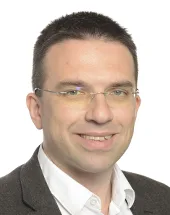
Dear Chairman, Commissioner, colleague and colleague, Serbia is an autocratic state in which Aleksandar Vučić and his party manage almost all segments of society. The media is under complete control of the government and political freedoms are extremely limited. Serbia's foreign policy relies on drawing concessions from both Russia and the West, i.e. sitting on two chairs. In parallel, Vučić is pursuing a hegemonic policy of aggressive expansion of Serbian influence in neighbouring countries. Of particular concern is the Serbian policy in Montenegro, which is now part of the government and is committed to bringing Montenegro into the 'Serbian world'. The targeted violation of relations with Croatia, the violation of the Constitution and the announcement of the adoption of a new law on citizenship, which would mean the end of Montenegro as an independent state, are part of this policy of Belgrade, with the strong participation of the Serbian Orthodox Church. Unfortunately, all this was culprited by the failed policy of a part of the Western actors, to whom Vucic had been a pet for years. The demonstrations we are witnessing represent a rebellion of various social groups that do not see any perspective in today's Serbia. The tragedy in Novi Sad was the cause of the rebellion, but the cause is much more. But it has to be realistic. The problems in Serbia are much deeper than Vucic and the SNS and are rooted in the fact that this country has never accepted responsibility for its own past failures. Only when all layers of Serbian society realize that there is nothing from some kind of Balkan hegemony and that the role of the regional power is an illusion, will we be able to talk about a serious European perspective for Serbia.