| Rank | Name | Country | Group | Speeches | |
|---|---|---|---|---|---|
| 1 |
|
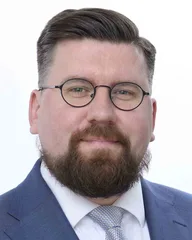
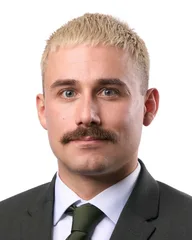
Lukas Sieper | Germany DEU | Non-attached Members (NI) | 390 |
| 2 |
|
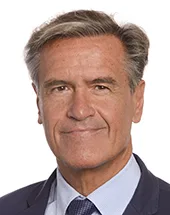
Juan Fernando López Aguilar | Spain ESP | Progressive Alliance of Socialists and Democrats (S&D) | 354 |
| 3 |
|
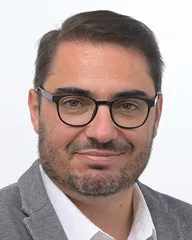
Sebastian Tynkkynen | Finland FIN | European Conservatives and Reformists (ECR) | 331 |
| 4 |
|
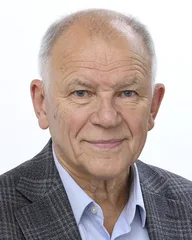
João Oliveira | Portugal PRT | The Left in the European Parliament (GUE/NGL) | 232 |
| 5 |
|
Vytenis Povilas Andriukaitis | Lithuania LTU | Progressive Alliance of Socialists and Democrats (S&D) | 227 |
All Contributions (285)
Prevention and treatment of obesity (debate)
Honourable Chair, Honourable Commissioner, Colleagues. Obesity is one of the most serious public health problems in the European Union. According to Eurostat, more than half of the adult population in the EU is overweight. Unfortunately, statistics show that Croatia, the country from which I come, is the country with the highest proportion of overweight people in the European Union. 65% of adults in Croatia are overweight, and the fact that around 35% of children face the same problem is particularly worrying. This means that we are facing this problem from an early age, which in the long run increases the risk of many health problems and puts an additional burden on health systems. Obesity is directly associated with a number of chronic diseases; from cardiovascular and neurological to certain types of cancer. In addition to health consequences, it carries significant social and economic costs as it increases health care costs and reduces quality of life. Therefore, we need to look at this topic in the context of European policies focused on heart health and the prevention of chronic diseases that we are actively working on. The key is to invest more in prevention. We need to promote a healthy and balanced diet more actively, such as a Mediterranean diet based on olive oil and quality and minimally processed foods. It is equally important to work on educating citizens, especially children and young people, in order to develop healthy eating habits from an early age. In this context, I also look forward to the European Commission's proposal for a mandatory and uniform front-of-pack nutrition label that will make it easier for consumers to identify and choose healthy products. Consumers must receive full information about the food they eat, which, unfortunately, is not the case today. In addition to proper nutrition, regular physical activity is equally important. By promoting a more active lifestyle and increasing the availability of sports content, we can significantly reduce the burden of obesity-related diseases and improve the quality of life of our citizens. Colleagues, it is time to address this topic more seriously, because investing in prevention means investing in a healthier, more resilient and stronger Europe.
Rise of political violence, notably by far-left organisations (debate)
No text available
EU enlargement strategy (debate)
The enlargement of the European Union to the countries of Southeast Europe is necessary, but not at all costs. Each candidate country should only be considered individually and admitted to membership once it fulfils all the conditions that the existing Member States had to fulfil. There is no collective entry into the EU, and especially there is no entry across the line. The report on the enlargement strategy commends Montenegro and Albania for the progress they have made on their European path. However, the report is insufficiently critical of Serbia, which remains the main factor of instability in Southeast Europe. The spread of Greater Serbian influence is particularly visible in Montenegro, where Belgrade, with the help of the Serbian Orthodox Church and the ruling coalition, has an increasingly strong influence. Pro-Serbian forces in power through recently passed laws on internal affairs and ANB are doing everything to take full control of the security apparatus in Montenegro. This is an extremely dangerous situation in which Serbia and its proxy Montenegro is becoming a major security threat to this part of Europe. I ask the European Commission to finally snap and stop this madness until it's too late.
Cooperation among enforcement authorities regarding unfair trading practices in the agri-food supply chain (debate)
No text available
Targeted expulsions of foreign journalists and foreign Christians in Türkiye under national security pretexts
Dear President, Commissioners, colleagues, targeted deportations of Christians to Turkey under the pretext of national security are another in a series of systematic attacks on Christians, who are today the most persecuted religious community in the world. While Nigeria kills thousands of Christians and destroys hundreds of churches every year, in other parts of the world they face different but equally serious forms of persecution: administrative bans, deportations, closure of churches and denial of legal protection. This is exactly what we see today in Turkey, where hundreds of foreign Christian pastors, missionaries and members of their families have been deported via N82 and G87 security markings without evidence, without trial and without a real possibility of appeal. Such practice constitutes a serious violation of freedom of religion and fundamental legal standards. The radical Islamization of society that has been carried out for years to the detriment of Christians has become a worrying trend that requires a clear and decisive political response. The European Union cannot speak of human rights and at the same time remain silent when Christians face violence in Africa or administrative persecution in our immediate neighbourhood. Our credibility is measured precisely by our willingness to consistently defend freedom of religion everywhere and without double standards. That's why I'm saying three clear things today. First, Turkey must immediately stop arbitrary deportations of Christians and abolish administrative security features used without transparent procedure and judicial oversight. Secondly, the European Union must work uncompromisingly in political dialogue with Turkey, but also globally, to protect Christians and freedom of religion. And third, it is time for the EU to finally appoint a Special Envoy for the Protection of Persecuted Christians in the World to systematically monitor the persecution of Christians, include international agreements and make the fight against it an integral part of our foreign policy. Colleagues, the European Union must not remain a passive observer because the day Europe stops defending persecuted Christians, it will cease to be the Europe we know.
Presentation of the action plan against cyberbullying (debate)
The protection of children and young people from cyberbullying is a very important task, Mr. Vice-President. Parents once knew where their children could get into trouble, so it was enough to take care not to find themselves in bad company or not to stay on the street at inappropriate times. Nowadays, with constant access to the Internet and widespread smartphones, a child can be abused while in our eyes, while we think it is safe and we control the situation. Because life no longer takes place only in physical, but also in virtual spaces. That is why the recommendations given to online platforms for dealing with the profiles of minors are certainly a step in the right direction. I welcome every effort to protect children and young people, but I stress that there must be a dose of caution, that the legislator does not endanger the rights and freedoms of full citizens who do not abuse anyone and do nothing wrong. Good intentions in the digital environment easily grow into censorship and discrimination, which we must pay particular attention to.
World Cancer Day (debate)
Dear Chairwoman, Colleagues, 4 February is World Cancer Day. In the European Union, about 2.7 million new cases of cancer occur every year, while more than 1.2 million citizens lose their lives as a result of this disease. These figures oblige us to take stronger and more decisive action. Today's debate on World Cancer Day is an opportunity to reaffirm the political will to fully implement Europe's Beating Cancer Plan. But plans without funding remain only good intentions. This is why the European Plan must be accompanied by ambitious and sufficient funding, with an increase in health spending and the establishment of a strong separate health programme in the next Multiannual Financial Framework being essential. If we are to successfully reduce the burden of cancer, we need to invest in prevention, early diagnosis, research and innovation, centres of excellence and sufficient medical staff. It is particularly important to ensure the equitable availability of innovative oncological medicines across the European Union. Today, unfortunately, of the 56 authorised oncology medicines authorised between 2020 and 2023, 54 are available in Germany, while only two are available in Malta. Such differences are not acceptable as there must be no first- and second-order patients in Europe. Inequalities are still visible in survival rates, where the chances of survival are higher in Western than in Eastern Europe and this is absolutely unacceptable. Cancer survivors must not be discriminated against when hiring, taking out insurance policies or accessing credit. That is why I am particularly pleased that in the Consumer Credit Directive, on which I have worked, we have been able to codify the right to be forgotten. We must now extend this right to other European laws. Colleagues and colleagues, the fight against cancer is not just a health policy. This is a matter of equality, solidarity, dignity for every European citizen and it is therefore our duty to make the fight against cancer and health in general truly European priorities.
CFSP and CSDP (Article 36 TEU) (joint debate)
No text available
Framework for strengthening the availability and security of supply of critical medicinal products as well as the availability of, and accessibility of, medicinal products of common interest (A10-0272/2025 - Tomislav Sokol) (vote)
Thank you very much, thank you for the very broad support for this file. On the basis of Rule 60(4), I would like to ask you to refer the file back to the Committee for Interinstitutional Negotiations.
Framework for strengthening the availability and security of supply of critical medicinal products as well as the availability of, and accessibility of, medicinal products of common interest (debate)
No text available
Framework for strengthening the availability and security of supply of critical medicinal products as well as the availability of, and accessibility of, medicinal products of common interest (debate)
No text available
2030 Consumer Agenda (debate)
The new consumer agenda for 2030 must be a strong response to the challenges that European consumers face on a daily basis. During my work in the European Parliament, I have taken part in a number of initiatives that have a clear direct objective of strengthening consumer protection in the European market. The common charger, new rules on honey labelling, stricter rules on consumer credit and the right to repair are just some of the initiatives we have worked on that bring better protection to citizens. While European consumers already enjoy one of the highest levels of protection in the world today, we cannot stop there. Our ambitions must remain great. I believe that there is significant scope for the consumer agenda to be more ambitious by 2030, especially when it comes to unfair commercial practices by large international companies. In a time of generated inflation, which directly reduces the purchasing power of citizens, we are witnessing increasing abuses of market power. Of particular concern is the practice of selling the same products in different Member States at substantially different prices. In some cases, including Croatia, prices are two to three times higher than in neighbouring Member States, in particular for food products. Such behaviour must be put to an end. That is why I call on the European Commission to address this issue clearly and decisively as part of the consumer agenda and to revise the Unfair Commercial Practices Directive as soon as possible. There must be no first- and second-class consumers in Europe.
European Citizens’ Initiative ‘My voice, my choice: for safe and accessible abortion’ (debate)
The “My Voice, My Choice” initiative is another example of imposing an ideological agenda while ignoring the fundamental rules on which the European Union is founded. Under intense emotional pressure, it is intended to create the impression that abortion is a common European value or even a human right. That's just not true. Abortion is not recognised as a human right in international conventions, including the European Convention for the Protection of Human Rights, nor is it enshrined in the EU Charter of Fundamental Rights. The European Court of Human Rights has clearly stated that states have the right to regulate this issue themselves, taking into account the different values in different parts of Europe. Abortion therefore does not constitute any common value of the European Union, nor does it fall within the competence of the EU, but is an issue that falls within the exclusive competence of the Member States. The EU must not fund abortion as a way of circumventing Member States' laws and impose an ideology that states do not want.
Presentation of the EU Cardiovascular Health Plan (debate)
No text available
Impact of the geopolitical situation on European patients and their access to medicines (debate)
Dear Chairman, Commissioner, colleague and colleague, the current international order is dead. The brutal geopolitical struggle for world domination is manifested in an increasingly intense global struggle to attract investment in the pharmaceutical sector. Medicines are Europe's most successful export product and the pharmaceutical industry is the sector with the highest added value and level of technological sophistication. However, the European Union is highly dependent on imports of active pharmaceutical ingredients. 80% of active ingredients for generic medicines are produced outside the European Union, mostly in China and India, making our supply vulnerable and directly jeopardising the availability of therapies for patients. Europe may not understand the importance of drug manufacturing and think only sometimes in the auto industry, but Trump understands the situation very well. While we're debating here, the U.S. government is signing contracts with individual big pharma companies about tens of billions of dollars of investments in the US, while Europe is on the margins. It is also pushing them to radically lower the prices of medicines for the US market, which can very well have an impact on prices in Europe. Today, in the Public Health Committee, we passed the Critical Medicines Act. Europe must put its interests first and the Critical Medicines Act does just that. Through the ‘buy European’ principle, we create a strong incentive for the pharmaceutical industry to invest and produce on European soil. Also, by defining strategic projects, we will enable faster and easier construction and modernization of production capacities in the European Union. It is the most concrete European response to the protectionist policy of Washington so far. Ultimately, there must be no first- and second-order patients in Europe. Access to medicines must be guaranteed for European citizens, no matter in which part of the European Union they live. This is why, through joint procurement, we will make it possible for patients from all interested EU countries to procure medicines earlier and at more favourable prices than before. Ladies and gentlemen, preserving our own production of medicines is one of the key issues for the survival of the European Union. So let's finally put our own interests first and stop acting like vassals of foreign interests.
Defence of Democracy package (joint debate)
No text available
Gender Equality Strategy 2025 (debate)
Dear Chair, when this report calls on the Commission to ensure universal access to gender-responsive healthcare, this opens the door to the possibility of enabling children to change their gender. When the report asks the Commission to apply sanctions against countries where there is limited access to abortion, it advocates abolishing the right to conscientious objection of doctors and other medical staff as a basic right that is protected by many Member States’ legal systems. When the report calls for the non-existent right to abortion to be included in the EU Charter of Fundamental Rights, it directly calls for a violation of European law. Colleagues, the issue of termination of pregnancy is not a competence of the European Union. This is the exclusive competence of the Member States, which decide on this matter themselves in accordance with their constitutions, traditions and values. The European Union does not have the power to impose views on states on abortion, nor should it do so. That is why I invite you to vote against this ideologically extreme report and show that life, not the culture of death, is being promoted in the European Parliament.
The new 2028-2034 Multiannual Financial Framework: architecture and governance (debate)
Dear Chairman, health is a sector of strategic importance for the European Union, as also stated in the Draghi report. Quality health systems mean a productive population and lead to GDP growth, and the pharmaceutical industry is the most important export segment of the European economy. A few years ago, the European Health Union was proclaimed with great publicity and then it seemed that health would indeed become one of the top priorities of the European institutions. Unfortunately, we see that this is not the case, and the best indicator is the proposal for a new seven-year budget. There is no longer a specific EU4Health programme and health is mixed with other priorities, so we do not know how much money will really be allocated to it and everything is left to the discretion of the Commission, which is unacceptable. Europe needs strong and ambitious, secured funding for health and biotechnology, including strategic projects provided for in the Critical Medicines Act. Lessons learned from the poor experience of reducing health spending during the MFF review, this time we have to act differently. Investing in health care is not a cost. It is an investment in our resilience, in our economy and in the very future of Europe.