

| Rank | Name | Country | Group | Speeches | |
|---|---|---|---|---|---|
| 1 |

|
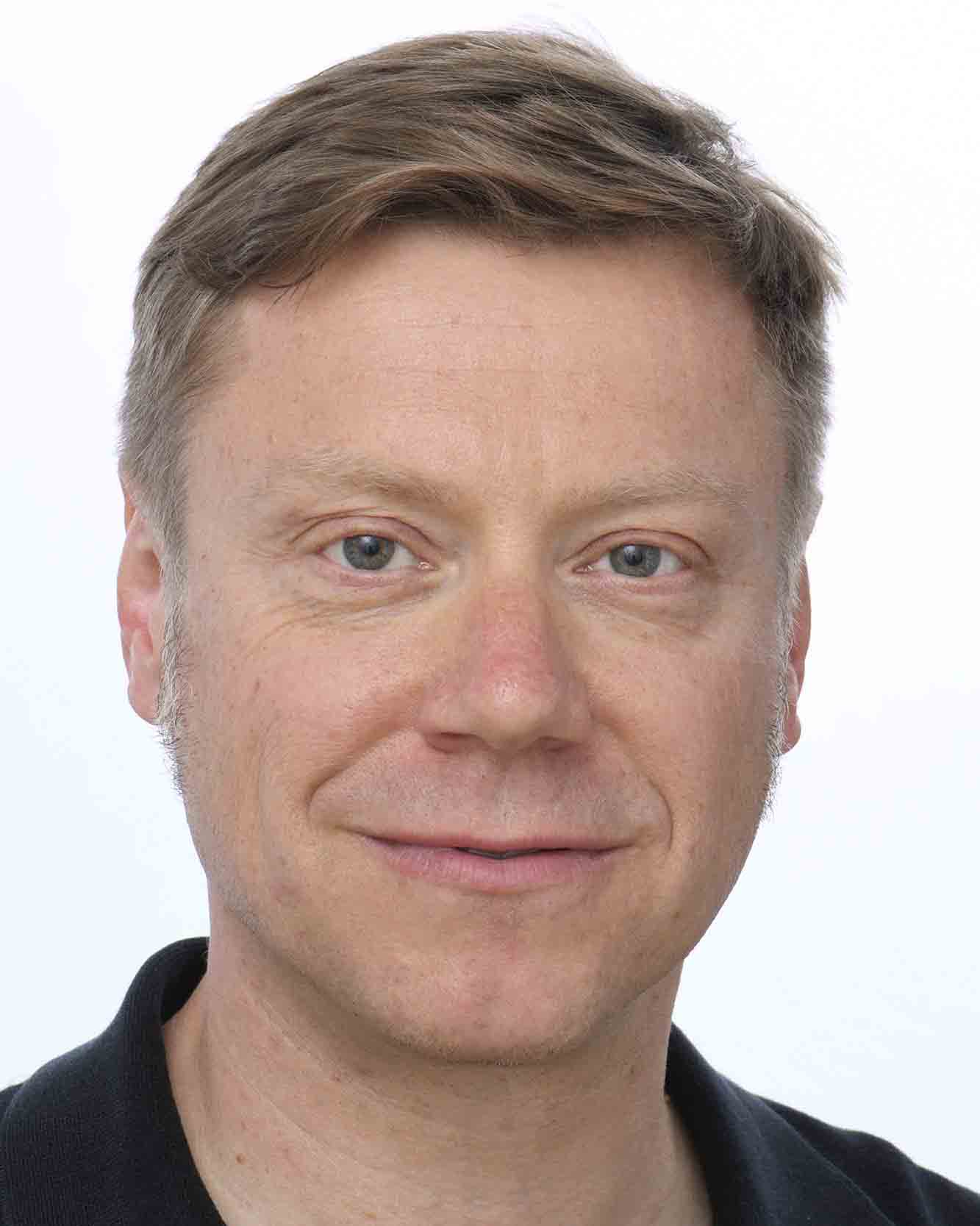
Lukas Sieper | Germany DE | Renew Europe (Renew) | 494 |
| 2 |

|
Juan Fernando López Aguilar | Spain ES | Progressive Alliance of Socialists and Democrats (S&D) | 463 |
| 3 |

|
Sebastian Tynkkynen | Finland FI | European Conservatives and Reformists (ECR) | 460 |
| 4 |

|
João Oliveira | Portugal PT | The Left in the European Parliament (GUE/NGL) | 288 |
| 5 |

|
Vytenis Povilas Andriukaitis | Lithuania LT | Progressive Alliance of Socialists and Democrats (S&D) | 276 |
All Speeches (82)
Madam President, What is currently happening on the European housing markets is nothing less than a social catastrophe for the tenants, especially because the large housing corporations with their uninhibited gold rush pull the last cent out of the tenants' pocket. For years, rents have been rising unchecked, while wages and incomes are lagging behind. In many cases, housing becomes unaffordable. Tenants are increasingly being displaced from their ancestral neighborhoods, not only in large cities, but now also in small and medium-sized cities. Increased energy costs, index leases, speculation in housing and short-term rentals have their further share. But housing is a fundamental right, housing must not be a speculative object. Behind listed housing companies like Vonovia are financial sharks like BlackRock. Today's rent increase is tomorrow's profit distribution. No return on rent therefore means, in very specific terms, that these housing companies, Commissioner, in the EU should be stripped of their licences and brought under public control. Socialisation is the magic word here – and Berlin shows how it can be done. There, the population defends itself against the rental sharks with the successful initiative ‘Deutsche Wohnen & Co. expropriate’ and takes matters into its own hands. Vacancy and speculative properties must be added to the rental. Thus, the supply is increased, and the rental prices fall. For example, if students and trainees move to the place of their studies or training, they would at least have the chance to find an affordable room in Frankfurt or Darmstadt, for example. We need a stop for rent increases and a rent cap – Spain and Portugal are already doing it. We need more social and non-profit housing – Vienna is already doing it. In order to do so, European state aid law must be amended accordingly. Investment in social housing and affordable housing must be possible everywhere. 900,000 homeless people in the EU are too many. There must be no more evictions. We need a binding Housing-first–Strategy to restore a safe roof over people’s heads – Finland is showing it off. Commissioner, despite the good examples and the proposals you have made here, I wonder: Why is there still no European strategy for affordable housing? There is no right to profit, but there is a right to housing.
Madam President, Political success is not measured in beautiful Sunday speeches, Mrs. von der Leyen, but in the reality of life of the majority of people. You always like to use big words in your speeches. Today, the reputation of history has been sought. Some time ago we talked about Man-on-the-Moon-Moment in climate protection, social justice, tax justice, animal welfare, respect and dignity. These are terms that you use again and again in your speeches. And then you feel like you're making 100,000 new initiatives that are being announced. Basically – in short – they promise Europeans the blue sky in every speech. But the reality is different. A simple worker in the EU has suffered a loss of around 4% of real wages in the last year alone. This worker can no longer afford the well-deserved holiday with his family, because electricity, heating and rent are becoming more and more expensive. He no longer understands the world if you do not speak here with a single word about the fact that the situation of the workers is getting harder and harder in the European Union. The single mother feels the talk of the competitiveness of the European economy, and we have to discuss this, but the single mother feels this talk as pure cynicism, because she struggles every day to buy the now 34% more expensive food to feed her children during her presidency. And you didn't do anything about the cost of living crisis. They didn't collect any price caps. You didn't stop the speculation, you didn't stop it. You have not put a stop to price driving and you have not introduced a sustainable excess profit tax. The current situation is that – the figures are the latest – 95 million people in the European Union are at risk of poverty. That's the balance sheet you need to be measured against. I met a pensioner in my constituency in East Germany. He receives a monthly pension of €660 after working hard all his life. That's too little to live and too much to die. And so it is for every fourth pensioner in the European Union who cannot spend his or her evening of life in dignity and who is as many light years away from an evening of life in dignity as this European Commission is from the reality of life of most people. The House of Europe, where everyone should have a home, has now become a broken house for many, and that is also your political responsibility, Mrs von der Leyen. Yours Man on the Moon Long ago, in free fall without a parachute, he falls to the hard ground of reality. And what do you do? You are upgrading – my group opposes this. And against all economic reason, you cling to the broken energy market and the European debt brake and maintain tax havens. But we are not talking here about guerrilla gardening, but about the fact that you want to continue a austerity and austerity policy again in the future and thus effectively prevent future investments, the strengthening of public services and also the fight against poverty, despite all the beautiful words you have lost here today. This is now bordering on political denial of reality. People are rightly angry, because at the same time as they are plagued by existential concerns, the big corporations, energy companies, food corporations, housing corporations and, above all, the defense industry continue to make their obscene profits. And I wonder, Mrs von der Leyen, how you can sometimes sleep at night – and you do not take it personally – at all? 11,000 people have died at the EU's external borders since 2020. Eight people died each day. And you're talking about your migration pact, about respect and dignity and about humanity. Frau von der Leyen, deportation camps, destroyed families, the militarization of the border police and deadly pushbacks have nothing to do with respect and dignity. So stop your Sunday speeches. Finally, make a policy for the majority of people. This commission lacks respect for the life situation of ordinary people. And anyone who wants a Europe that is socially just, democratic, ecological and peaceful must oppose the policy of this Commission and take it away from the rich and corporations.
Preparation of the European Council meeting of 29-30 June 2023, in particular in the light of recent steps towards concluding the Migration Pact (debate)
Date:
14.06.2023 09:38
| Language: DE
Speeches
Mr President! If you have to listen to the inhuman nonsense of the right here, then you can get pretty nauseous. But you only get really bad when you know that the European governments want to translate this contempt for people in need into politics and throw themselves in the dust before the extreme right and their xenophobia. It gets even worse when some of the governing parties - dear Terry, you too - stand here and then pretend that you have nothing at all to do with this attack on the right to asylum. Talking about solidarity, but pushing for de-solidarization - that's quite hypocrisy. After the terrible pictures from Moria, it was said here in this house still united: "Never again Moria." But now many new Morias are to be created at the EU's external borders. The Common European Asylum System effectively abolishes the right to asylum and is a frontal attack on the rule of law and human rights: Rapid trials under detention-like conditions, which should also apply to children - I can still remember exactly how big the outcry was in the European Union when Donald Trump caused children to be locked up and locked up in camps on the border between Mexico and the USA. Now what? Now the European Union is planning exactly the same thing, even with the approval of Germany. And the traffic light government - SPD, FDP and Greens - pursues exactly the same policy. It does not help to close one's eyes to the problem and to put one's head in the sand by simply deporting those seeking protection to other states such as Tunisia in the future and then, of course, also transferring a lot of money to them for solving the problems. These deals are dirty and make the EU blackmailable. Whoever has a true interest in helping the people puts an end to the wrong trade policy and the ongoing destruction of the climate, and does not allow armaments companies to earn princely money for their weapons to be used in crisis and war regions. At least with one statement was the responsible Commissioner Johansson, and thus also the Commission, yes honestly. It is all about reducing the number of asylum seekers. It is not about creating a solidarity-based asylum system, protecting human rights and relieving the burden on Member States and receptive municipalities. This asylum reform is the purest declaration of bankruptcy of European politics.
This is Europe - Debate with the Chancellor of Germany, Olaf Scholz (debate)
Date:
09.05.2023 11:30
| Language: DE
Speeches
Madam President, Chancellor Scholz! People are longing for answers because of the ever-increasing social injustice, and unfortunately you did not address this issue at all in your speech. Exploding food prices, rising rents, one in four children in the European Union is growing up in poverty, and 54 million people do not know how to pay their energy bills. On the other hand, wealth grows immensely. Every day during the pandemic, another person has become a billionaire at the expense of the work of others. The pharmaceutical industry, energy and food companies, now the defense industry, earn themselves stupid and stupid. These are the crisis and war winners of our time, while the majority of the population looks into the tube and is left alone by your politics. You could have announced here and now the exhaustion of the obscene excess profits of the corporations in order to put a stop to the greedy inflation of the super-rich once and for all and to advance the fight against poverty in the European Union, or - unlike your Minister for Economic Affairs Habeck - announce a climate protection policy that does not allow the rich to continue to pollute the climate with their private jets and yachts, while people with less money must be afraid that they can still turn up their heating. And, dear Terry, let me remind you: You are also involved in the government in Germany. No one will let you go through this spectacle of acting as an opposition here. The arms manufacturer Rheinmetall made record profits in 2022 – record profits – and Ms von der Leyen and the Commission think of nothing better than throwing millions of euros in public money into the arms industry's greedy throat with their new ammunition law. I am sure, Chancellor, that the predecessor in Willy Brandt's office, who you also mentioned, would have resolutely rejected this erroneous path of rearmament and militarisation of European foreign policy and would have campaigned for peace and disarmament right now. I also expect this commitment to a strategically independent peace power of the European Union from Germany, which I also expect from you, Chancellor of the Federal Republic of Germany. Your Finance Minister Lindner has already developed an almost pathological love for the investment brake. Even the Commission's completely inadequate proposal to reform the European debt rules is rejected by your government. But Europe really deserves better, Mr Scholz, than a Germany that is on the brakes with national egoism. The recipe for a common European development is not austerity, but solidarity. We need a solidarity pact for employment, investment and environmental protection. Your government is failing to accept and accommodate the refugees in Germany, whom you now want to turn into scapegoats for your domestic political failure, in the spirit of the right-wing over there, by the way. Your Minister of the Interior, Ms Faeser, is in favour of rapid deportation and fences at the EU's external borders, and this Commission, you have to imagine, even wants to enforce the prison-like placement of children here. Wow – the German government supports Ms von der Leyen’s insane plan to abolish the right to asylum and thus fundamental human rights! This is a political declaration of bankruptcy, Mr Scholz. But I say to you, Chancellor: Europe's future is not built on the backs of the poor, the weakest and the vulnerable. If you want Europe, you have to take it from the corporations and the super-rich. We need a new era for social justice.
Conclusions of the Special European Council meeting of 9 February and preparation of the European Council meeting of 23-24 March 2023 (debate)
Date:
15.03.2023 10:01
| Language: DE
Speeches
Madam President, Madam President of the Commission von der Leyen! I would like to address a topic that you have unfortunately not touched upon in your speech so far. Let's take a look at the latest figures on poverty: Over 20 million children in the European Union are affected by poverty. In front of the food outlets, record queues are forming all over Europe, while the major energy and food companies are distributing record dividends to their major shareholders. These companies generated EUR 323 billion in excess profits in the last year alone, of which EUR 238 billion was directly transferred to the well-filled bank accounts of their major shareholders. With this money, the poverty of the affected children and their families could be easily combated throughout the European Union and given better life chances. A European turnaround for justice is finally needed. It was not long ago – about a year ago – that the energy market was completely screwed up and consumers had to pay for this market failure in the form of increasingly extreme high prices for electricity and gas. Perhaps you remember, Mrs von der Leyen, about half a year ago, that was, I believe, in August 2022, when you announced that the Commission would present a proposal on energy market reform, in which the dysfunctional Merit orderThe principle is at least reconsidered, i.e. the principle that leads to the most expensive gas-fired power plants determining the price of electricity. Unfortunately, the Commission's proposal presented yesterday does not implement this announcement, and I can still tell you exactly why. The Commissioner responsible, Kadri Simson, has indicated that since you made the announcements, Madam President of the Commission, she has met with 57 representatives of energy companies and only once with a representative of a consumer organisation. The lobbying work of Big energy the Commission is once again fully functioning, so that the bank accounts of the major shareholders will continue to ring in the future, while the money is debited from the clammy accounts of consumers. Instead of fighting the market failure and finally putting the energy transition and energy supply from the head to the feet, a bit of the symptoms are dodged around without really addressing the causes. Energy poverty could be better combated, because then one rose out of the Merit orderAccording to the principle, the price of electricity would immediately become sustainably cheaper. 30 million people have already lived in energy poverty in the European Union before the outbreak of the cost of living crisis and the explosion of energy prices. If the Commission were to finally begin to act on its announcements instead of becoming the lobbyists' plaything, these 30 million people might no longer have to ask themselves at the end of the month whether they can turn on the lights or the TV or buy something to eat. Public control over the energy supply, massive expansion of renewable energies are further building blocks to protect the many in Europe from the greed of the few. Crisis management also means fighting poverty and not simply letting people stand in the rain.
A Green Deal Industrial Plan for the Net-Zero Age (debate)
Date:
15.02.2023 11:29
| Language: DE
Speeches
Madam President, This is a nightmare for all transatlantic Europeans. Joe Biden relies on protectionism and , and his IRA is an attack on the industrial base in the EU and thus the economic viability, because he actively relies on luring industrial production from Europe to the US via aggressive tax dumping. And all that comes to mind for the Conservatives – as is currently the case in the debate – is to call for more free trade, which is really big in this context. Instead, a radical rethinking of European industrial policy is now needed. The old investment brake – i.e. the old debt and deficit rules – must finally go away. We need a reform of state aid and competition law. Investments in the future and public services of general interest must not be forced to breathe again. Our people need public investment in good jobs, in an industry that is sustainable and clean. Our people want clean electricity and heat, want functioning, sustainable transport, and our people have a right to good education and health. In short: We need an industrial policy for the 99%. The Commission reacted almost panicked to the attack from the United States. But, Commissioner, what you are presenting here is not finished. Biden's IRA is a massive investment program whose financing is based on taxing multinationals and closing tax loopholes for businesses. Top-down redistribution to invest in a sustainable future is the way forward, including for the EU. And at the same time, the subsidies must be linked to social conditions such as adequate remuneration, the number of training places, the promotion of trade union organisation. The protection of our workers and climate protection are not contradictory; They go hand in hand.
Madam President, I have now listened very carefully to all the previous speakers. After all, it is a question of war and peace in Europe that we are discussing here, of life and death in our immediate neighbourhood. I must confess that I am quite appalled at how little in all the speeches made so far has played a role in the effort to return to peace in Ukraine as soon as possible. Of course, Russia has begun this terrible war of aggression against Ukraine. Of course, our solidarity belongs to Ukraine, and above all to the civilian population, who must suffer so terribly in this war, and Russia's attacks on civilian infrastructure in Ukraine are criminal. But all this does not allow us to fall into a purely military tunnel view and only talk about arms deliveries, military support and the training of soldiers. Quite the contrary! It is precisely this terrible war that places the responsibility on us, as Members of the European Parliament, to look for ways to achieve peace. Brazilian President Lula has made an offer to the international community to launch a peace initiative together with the power – China – which is likely to exert the most political pressure on Russia and Putin. I think that from this European summit, from the heads of state and government, there must be a signal to support it. And since no one seems to have come across it yet from European politics – so far: At the latest now is the time to get on the plane, Mrs. von der Leyen, Mr. President Macron, Mr. Chancellor Scholz, to make his way to Beijing, Brasilia, New York to the United Nations and to work seriously on such a peace initiative. Calling for diplomacy and negotiations to bring about a lasting end to this war is not partisanship for Putin. Our solidarity with Ukraine is diverse: We demand a debt cut, targeted sanctions against the oligarchs, humanitarian aid, financial support for reconstruction and yes, the EU accession perspective for Ukraine is also right. But the best help is and remains to make every effort to put an end to this wretched war as quickly as possible and to make real use of all the possibilities – including, in particular, the civil conflict resolution mechanisms, i.e. diplomacy and talks. In this sense, I hope that in this House, too, there will soon be more thoughtfulness and a logic of peace instead of the logic of war.
90 years after Holodomor: Recognising the mass killing through starvation as genocide (debate)
Date:
15.12.2022 10:15
| Language: DE
Speeches
Madam President, Holodomor is one of the most horrific crimes of Stalinism. It killed millions of people, mainly in Ukraine, but also in the North Caucasus, the Volga region, the Southern Urals, Western Siberia and Kazakhstan. This crime arose from the political decision of the then Soviet leadership under Stalin to enforce the industrialisation of the country and the collectivisation of agriculture also under coercion against its own population – a cruel crime against humanity, in any case and without any doubt, which culminated in mass starvation and millions of starvation. We pay homage to the victims from all over the former Soviet Union, our sympathy and respect belongs to the families, and today we pay homage here, especially to the Ukrainians who fell victim to Holodomor. Since 1948, a UN convention has legally defined genocide as a crime committed with the intention of destroying, directly or indirectly, a national, ethnic, racial or religious group as such, in whole or in part. However, the fact that the Soviet leadership under Stalin deliberately committed a policy of genocide against its own population and in particular the Ukrainians – i.e. brought on them hunger for ethnic and racist reasons – is at least controversial among scientists and historians. Industrialization, forced collectivization, deculacization affected many nationalities of the Soviet Union. My criticism of the present resolution, but also of this debate here, relates above all to the mingling of Stalinist history with the cruel presence of the Russian war of aggression. Thus, we do not live up to the historical responsibility that derives from the complex history of Europe in the 20th century, nor do we come closer to ending Russia's criminal war against Ukraine.
Preparation of the European Council meeting of 15 December 2022 (debate)
Date:
14.12.2022 09:51
| Language: DE
Speeches
Madam President, In the winter of 2020, over 35 million Europeans in the EU were unable to pay for their electricity or heating, and this winter it will be many million more people. Unfortunately, the heads of state and government are still arguing about how effective measures can be taken, what those can look like that can help people in this existential crisis for many over the month. There are still no clear decisions for a gas price cap that makes life easier for people, craftsmen and small and medium-sized enterprises and secures the future. Because in particular – and this is a criticism, especially directed at the German Federal Government – national governments have stood on the brakes for months and are living out one ego trip at a time. Many people face the question of whether they can heat, turn on the lights or buy food every day in the face of inflation and the associated lifestyle crisis. In this massive social crisis, European politics is once again showing itself to be too indecisive, too hesitant and not sufficiently capable of making decisions. That is why, at this point, Minister Bek, I would like to urge the Member States to take up the European Commission's proposal and to reflect on and adopt a large-scale joint European investment programme that could pave the way out of the crisis. We are looking forward to the end of the year, so we would like to praise you in your direction: Despite the political differences we always have, Mrs von der Leyen, I think the idea of a European Sovereignty Fund is right. I believe the time is ripe for this, especially in response to the Inflation Reduction Act The Biden administration. However, it does not help – and my praise ends there again – to stop halfway. Then we must also think about a thorough reform of the internal market. Then we have to think about how investments in public services will also be made possible, how the debt rules will then have to be reformed so that these investments are actually possible. And we need to think about how own resources are really generated, for example in the form of a European financial transaction tax. One of the reasons for the massive price increase is Russia's war of aggression against Ukraine. This war has been going on for ten months now. The civilian population suffers from the criminal attacks of the Russian army on civilian infrastructure. Cold, darkness, hunger become weapons, especially against children, the elderly and the sick. This miserable war must finally be ended, and this also requires a consistent diplomatic offensive by the European Union. Under supervision, in cooperation with the United Nations, there should be joint initiatives with China and India that bring Russia to the negotiating table. However, the withdrawal of Russian troops from Ukraine must be followed by the lifting of sanctions. Clever European politics is now seeking the way out of the military logic towards a peace logic, the aim of which must, of course, also be the expansion and construction of a sustainable European peace order. And no, dear colleagues, demanding peace talks and diplomacy is not partisanship for Putin and his criminal war of aggression. The corruption scandal has deeply shaken the European institutions. It is nothing less than a blow to the credibility of European politics. Now, Mr Bek, please ensure that the transparency rules of the European Council are strengthened, because they are even more opaque than those of the European Parliament. Dear colleagues! It is still a bit early to wish for relaxing holidays – at least from my Protestant communist ethics – but when that happens, I wish you relaxing holidays as well.
Suspicions of corruption from Qatar and the broader need for transparency and accountability in the European institutions (debate) (debate)
Date:
13.12.2022 16:33
| Language: DE
Speeches
Mr President! While many people are currently struggling to carry home the essentials of food in their bags, a greedy group of MPs and staff from this house are dragging suitcases full of bribes around the area. This is the picture that will remain of this shocking scandal. We cannot yet estimate the extent of this bribery scandal. But in order to prevent further damage from this institution, maximum information, cooperation with the authorities and the consistent implementation and control of this House's transparency rules are now needed. My group therefore calls for a committee to be set up to deal with this scandal politically. The only thing that applies here is the most brutal possible transparency. Because above all this, the question is currently floating in the room: Is it a common practice of states and corporations to buy influence over the policies of the European Union? This corruption scandal is nothing less than a blow to the credibility of European politics. Obviously, people bought political decisions in this house, and obviously there were MPs who let themselves be bought. This scandal did not arise because there are some rotten apples here, ladies and gentlemen, this scandal has arisen because we are dealing with a structural problem. How many lobbyists had access to the European Parliament last year, which Commissioner met when, which lobby association, and how many of the meetings of lobbyists and representatives of third countries with Council representatives have really been published? Today's debate can only be the beginning of a long educational work, which will lead to new rules for third countries, an independent ethics committee and maximum transparency in legislative work. Otherwise, this scandal will permanently damage the entire EU.
Preparation of the European Council meeting of 20-21 October 2022 (debate)
Date:
19.10.2022 09:49
| Language: DE
Speeches
Madam President, The problems we are talking about here have been the same for many months. People are groaning under the exploding energy and food prices. But instead of providing a quick remedy, the heads of government in the Council have been fighting fatally for months, and the Commission, too, has so far shone rather with hesitant action and inadequate proposals. This is especially fatal for those people who don't know how to pay their bills. This is fatal for small and medium-sized enterprises, which suffer from the high costs and do not know how to maintain their production, and which are at risk of insolvency. This is also fatal for the crafts, for the bakery, for the carpenter in the neighbourhood, because the prices of grain and wood have multiplied in recent months, and people simply do not know how to get their businesses through the crisis. The heads of government must now finally get into the pot and find the courage to tackle the energy market failure with courageous politics. Yes, Mrs von der Leyen, 15% joint gas purchasing, which I think is a step in the right direction. But the question is serious: Why not 100 percent? Why not a joint purchase that really fills the stores? Why not a European gas price cap that supplies and protects households, crafts and small and medium-sized enterprises with a low basic quota? For a fair distribution of the crisis burdens, the excess profits of the corporations and the assets of the super-rich must finally be used. Estimated Mr Weber, the five richest families in Germany have the same wealth as the lower half of the population. There is an inequality like in Kaiser Wilhelm's time. These are clearly symptoms of a society that is sick at this point. No, we don't need less, we need more socialism, and we definitely need less market ideology. In order to heal society, we must now shift towards social justice and climate protection. If we do not, authoritarian forces will eventually plunge Europe into a new fascism. European solidarity, on the other hand, is key. We now need a European effort to bring all the ailing states through the crisis. We need the targeted support of industry, small and medium-sized enterprises and craft enterprises. We also need the relaunch of the SURE short-time work programme in order to secure jobs in the energy crisis on a permanent basis. We now need investments in the future to protect the climate and quickly free our society from dependence on fossil fuels. This is also one of the measures, ladies and gentlemen, to let Putin's terrible war of aggression go out of the air and force him to the negotiating table, namely to make it clear to him that there is a clear, strong political answer to the blackmail on the gas tap, which means: We don't need your gas because we invest in the future and in the climate. We demand an immediate end to the Russian war of aggression and the withdrawal of Russian troops from Ukraine. We need to get out of the escalation spiral. The United Nations must be enabled to mediate lasting peace. Unfortunately, European foreign policy does not act as a mediator on this issue, because Brussels is always working on new packages of sanctions and arms deliveries, but never on a peace plan. Mrs von der Leyen, you are no longer the German Minister of Defence, you are the President of the European Commission. Please focus again on diplomacy to lead this continent into a secure future.
Russia’s escalation of its war of aggression against Ukraine (debate)
Date:
05.10.2022 09:52
| Language: DE
Speeches
. – Madam President! This war must be ended as soon as possible. Russia's illegal annexation of parts of Ukraine, partial mobilization and threats to use nuclear weapons have contributed to a massive escalation of the conflict. Putin ignites and plays with the fire in which many more innocent people will die if this damn war is not stopped as soon as possible. That is why we demand an end to the Russian war of aggression and the withdrawal of Russian troops from Ukraine. And yes, targeted sanctions against the power and military apparatus are correct and have an effect. But, Mrs. von der Leyen, I was in Sweden recently, met the people there, spoke to hundreds of people at a rally, and the people in this region are afraid. The people of this region are frustrated because political decisions have been made here – in this House and also in yours – which do not represent the future of industrial sites, which have not considered the future of the people in the region, but put these before completed facts and plunge them into existential hardships. Those who want the future and those who want peace must now also speak up for diplomacy. When you hear what has come to this House again today, including from the Commission, or what representatives of individual governments, including from Germany, are saying, I wonder whether anyone here is seriously interested in diplomacy and negotiations, that is, in an immediate end to this war at all. Apart from further arms deliveries, apart from further sanctions, no one seems to think of anything here. A few days ago, the Pope also called on the politicians in action to engage in dialogue and end this war. And it is also the duty of European politics not to continue turning on the spiral of escalation, but to finally contribute to ending this wretched war with strong peace initiatives. Of course, our solidarity is with Ukraine, and of course our solidarity is with the people in need. And as heavy as this attack, this Russian attack, weighs on the country, all diplomatic channels should still be kept open. Yes, Putin is a terrible warmonger. However, the Russian people cannot be imprisoned for this. Our solidarity must also apply to those Russians who oppose the war. The partial mobilisation has led to a mass exodus of young Russians, some of whom are now facing closed EU borders. The EU must not fall behind those people who are actively fighting against war and for peace. Open the borders for deserters and conscientious objectors!
Conclusions of the special European Council meeting of 30-31 May 2022 (debate)
Date:
08.06.2022 10:52
| Language: DE
Speeches
Madam President, The food price explosion is a serious problem, especially for lower-income households and families. The price of butter increased by 40% last year and the price of fruit and vegetables by 20%. The prices for bread go through the ceiling, and the doner around the corner now costs 6 euros. I do not want children to be sent to school at the end of the month without break bread, because the money is not enough in the families. That is why I call on the European governments – Mr Michel – firstly to ban food speculation so that not a few speculators specifically enrich themselves with the hunger of the many, secondly to reduce VAT on basic foodstuffs to zero, and thirdly to offer free kindergarten and school meals, as is already the case in some European countries. Because with an empty stomach, it doesn't learn well. On sanctions: It is right to reduce dependence on Russian gas and oil as soon as possible. You can't drive out the devil with the Beelzebub. Dependence on an authoritarian regime is not solved by dependence on other dictatorships. Rather, the solution lies in courageous and fastest possible investments in the energy transition. If the oil tap is to be turned off soon, then it now needs a clear development perspective for the dependent regions. It needs job guarantees for the employees, for example in Schwedt or in Leuna, so in East Germany, my home region. We can't leave people in the rain. But let's leave them in the rain, Mrs. von der Leyen, you can't create acceptance for the energy transition. People need to be able to turn on the lights at the end of the month, watch TV or cook something. And in order to stop the price explosion in the energy sector, we now need an energy price cap. At the current prices, at the price development, the major oil and gas companies worldwide will make an additional profit of up to one trillion euros this year alone – they are currently earning stupidly and stupidly. And if we want to help the common people, then we should ask the crisis winners to cash in. An over-profit tax is now needed everywhere in Europe, including in Germany.
The social and economic consequences for the EU of the Russian war in Ukraine - reinforcing the EU’s capacity to act (debate)
Date:
04.05.2022 09:16
| Language: DE
Speeches
Madam President, In the train stations across Europe, countless volunteers welcome millions of refugees from Ukraine – people seeking protection, but also housing, income, jobs, millions fleeing a brutal war and the destruction of their homeland. Millions of tons of grain are currently blocked in Ukraine. The harvest is threatened. In a supermarket near me around the corner there has been no sunflower oil for weeks. Butter prices increased by 44% last year and vegetable prices by up to 30%. Food prices in the EU are out of bounds. Because of the war and the disruption of supply chains, the United Nations is expecting a global food and hunger crisis. The war comes at a time when energy prices went through the roof even before the Russian invasion of Ukraine and 36 million people in the EU could not adequately heat up in 2020, that is your figures, Ms von der Leyen. The war, increased demand for the pandemic, speculation on electricity exchanges and the wrong energy market design in the EU are contributing to this energy price explosion. All of this is fueling inflation. Rental costs rise, food prices rise, energy prices continue to rise, inflation eats up wages and pensions. That is why we now need a Europe-wide energy price cap so that energy poverty can be effectively combated and does not get out of hand. We now need a European effort to protect Europe's lowest-income households from inflation, energy poverty and hunger. And this requires a crisis profit tax, which is levied on the additional profits of the energy companies, the defence companies – the share price of Rheinmetall has risen by 120% since March – and also the pandemic winner, i.e. the pharmaceutical companies and the Big techcorporations. As you know, Amazon and Google earned themselves stupidly and stupidly during the pandemic. These would be effective first steps to alleviate the grossest social hardship. And we would release funds that would help with meaningful economic production in agriculture and the integration of the war refugees. It is right to work on independence from Russian gas and oil. That's why I think pumping billions and billions into the arms sector is the wrong way to go, but these funds must flow into the socially just energy transition, which frees us from dependence on fossil fuels as quickly as possible. And this applies not only to Russian gas and oil, but to gas and oil, no matter where it comes from. And some of the sanctions imposed are unfortunately unsuitable in their current form: The houses, yachts, cars of the oligarchs are almost frozen, that is, they must be preserved in the same condition as they are found. And currently, European taxpayers are paying for the maintenance of frozen oligarchic possessions. I think that's absurd. The property must be expropriated and used for other purposes. Oligarch villas must be made available to refugee families whose yachts are used for local recreation. There is an urgent need for improvement here, Mrs von der Leyen!
This is Europe - Debate with the Prime Minister of Italy, Mario Draghi (debate)
Date:
03.05.2022 12:52
| Language: DE
Speeches
Madam President, Prime Minister Draghi! The Italian government is taking decisive action against Russian oligarchs and freezing their possessions and assets. However, in order for you not to remain seated on the maintenance costs for the frozen possessions, the goods must be confiscated, expropriated and used for other purposes. I want the oligarch villas to be made available to Ukrainian refugee children, whose yachts will be provided for recreation and the protégé cars for public transport. They impose a crisis profit tax on energy companies – Bravo! Crisis winners must be asked to cash in. However, if I were your finance minister, my advice to you would be that pandemic winners like BigTech and large pharmaceutical companies have to pay their excess profits to the state. And this also applies to the war winners, i.e. the arms industry. They call for a reform of the European debt brake, i.e. the Stability and Growth Pact – here too Bravo! But here, in particular, the German government is on the brakes, just as this federal government is reluctant to take action against Russian oligarchs and shy away from taxing crisis winners. However, Prime Minister Draghi, this debate is called "This is Europe“. Let us also look together at the political history of the recent financial and economic crisis, a history in which you played an outstanding leading role. Some called you Super Mario, others called you a Super Villain. You were the President of the ECB when the ECB in Greece turned off Alexis Tsipras's government because it resisted austerity and austerity policies. At that time, workers, pensioners, patients, recipients of social benefits paid for the banking crisis. Everything and everywhere was brutally cut. And when the Troika started its devastating activity in Greece, the Greek public debt was about 150% of gross domestic product. Today, however, the Italian public debt is close to 160%, as you know better than I am. And now imagine with me, just for a moment, that someone would come up with the absurd idea of subjecting Italy to the same brutal austerity course that happened with Greece at the time. They would rightly oppose it politically. And then Mrs. Lagarde, the ECB, turns the money tap on you overnight. Italy would be upside down. That was your big historical mistake. And you did a great deal of damage to European democracy at the time. Yours whatever it takes In the eyes of the population, it was only for the rescue of banks and large investors. However, Europe will have a good future if it whatever it takes that protects against exploding energy prices, rent prices, food prices, so that the crisis and inflation do not eat up wages and pensions, whatever it takesto protect the climate and democracy from the authoritarian right. In short: a whatever it takes for man and planet.
Question Time (Commission) - von der Leyen Commission: Two years on, implementation of the political priorities
Date:
05.04.2022 16:11
| Language: DE
Speeches
Yes, very gladly, because again I do not share these answers and at this point also consider them unsatisfactory, because the global minimum taxation is based on the tax rate of 15 percent and, for example, small and medium-sized enterprises in the European Union have an average tax rate of 23 percent. So multinational companies are better off here than the crafts, for example, or the companies that keep our societies alive. If one implemented a tax rate similar to that for small and medium-sized enterprises, then the tax revenue would be much higher. It is estimated at 460 billion. At 15 percent, the tax rate is only about 120 billion. Therefore, my question: What do you think of additional own income, such as crisis profit taxes, i.e. the taxation of excessive profits? What do you think about finally enforcing an active withholding tax, i.e. taxing where economic activity takes place? What do you think about finally closing the tax loopholes and finally denying European tax havens the flow of money?
Question Time (Commission) - von der Leyen Commission: Two years on, implementation of the political priorities
Date:
05.04.2022 16:08
| Language: DE
Speeches
Madam President, Madam President of the Commission! First of all, let me say that my group has been very supportive of this Question Time. For two reasons: Firstly, this gives you the opportunity to take stock of the political situation and, secondly, it gives us Members the opportunity to better exercise our democratic control over the Commission. I have a specific question for you relating to a statement you made at the beginning of your term of office. You have spoken out here in front of the House in favour of greater tax justice, and when I look at the balance sheet at this point, I must say: Very little has happened since then. Effective taxation of digital companies has given way to the rather vague idea of the global minimum taxation of multinational companies – a set of rules that presents itself as fragmented as a Swiss cheese. The FTT we discussed has not been introduced – no trace of it. This would provide us with 40 billion euros each year in additional own resources, including for the Green Deal. What also irritates me very much is that European tax havens continue to be left alone and that there are no political efforts at all to close these tax havens. Against the background of the current war, the war in Ukraine and our attempts to implement targeted sanctions also against the oligarchs who support this war, we can see how harmful this policy can be if the tax havens are not closed, how difficult it is for us to get the money of those who support this war. My question is: When will the Commission finally take action against this criminal money? When will the European tax havens finally be closed?
Debate with the Prime Minister of Estonia, Kaja Kallas - The EU's role in a changing world and the security situation of Europe following the Russian aggression and invasion of Ukraine (debate)
Date:
09.03.2022 11:39
| Language: DE
Speeches
Madam President, Welcome, Madam Prime Minister! The attack on Ukraine in violation of international law has deeply shaken many people. Many are currently afraid that this war could capture other countries and lead to an escalation between nuclear powers. We must do everything we can to ensure that this scenario does not occur and that this war in the heart of Europe is brought to an immediate end. The European peace order is being destroyed with every air strike, with every grenade, with every bullet fired, and the existing global security architecture is being shaken. Vladimir Putin is responsible for this – without any ifs or buts. I also want to say at this point that this cowardly attack calls into question my own political views and forces me to struggle for new answers. Where there can be no doubt, but only a clear answer, is our solidarity and sympathy with the Ukrainian people, who are living through a terrible tragedy. My thoughts are also with the courageous Russians, who take to the streets not only against the war, but also under great personal dangers against Putin's increasingly dictatorial rule. We need effective sanctions against Putin and his oligarchs. Only those who hit their power apparatus also attack their power base. Let's socialize their villas, the yachts, trace the dirty money and make these riches available for humanitarian purposes and the reconstruction of the destroyed cities in Ukraine. But for the targeted sanctions to really hurt, there must finally be an end to oligarchs parking their money in EU tax havens. We need tax transparency, EU-wide real estate registers and strict regulation for cryptocurrencies. In the future, the European Union will only be able to credibly implement its role in a new global security architecture if it supplies itself with energy independently. Renewable energy needs to be scaled up now, and sustainable European food sovereignty is needed, autonomy and public oversight of critical infrastructure – such as the semiconductor industry, healthcare, public services of general interest. Ladies and gentlemen, there will be a time after this terrible war. And even though many certainties are called into question these days, one conviction remains intact: The world will not become a safer place through armament and military force. If we want to guarantee our children a peaceful future, we need concrete disarmament steps, the strengthening of international organizations, an end to weapons of mass destruction. We will have to continue to work on a security architecture based on international law, in which conflicts are resolved peacefully through diplomacy and not through war.
EU-Russia relations, European security and Russia’s military threat against Ukraine (debate)
Date:
16.02.2022 10:08
| Language: DE
Speeches
Madam President, Europe is looking into the abyss of a war between Russia and Ukraine, the price of which would first have to be paid by the civilian population. From the outset, the key to overcoming this crisis, which challenges and threatens the entire European peace order, has been diplomacy, de-escalation and mutual verbal and military disarmament. This applies not only to the current efforts to secure peace, but also to recent years in which relations between the West and Russia have systematically deteriorated. The exclusion of Russia from the G8, the cessation of meetings of the NATO-Russia Council, the cessation of meetings in the Normandy format and the non-implementation of the Minsk Agreement are expressions of a mutual failure of diplomacy. A new cold war has been laid over Europe, threatening to become a hot war. And in a remarkable article, dear colleague Weber, a well-known German news magazine looked back in time, in which the Western powers negotiated with the then Soviet Union shortly before the self-dissolution of the Eastern bloc, and therefore detailed that several of the participants in the Soviet Union made verbal promises that NATO would not extend an inch to the East. We know the reality: Fourteen mainly Central and Eastern European countries have joined NATO since 1990. The geostrategic architecture of the world has changed over the last 30 years, and you can intervene however you like. All sides must work on a peace order that recognizes the multilateral nature of our world, that is based on international law and that takes into account the legitimate security interests of all actors. NATO is not the international power of order. This role is still played by international law and the United Nations. And I would have been very pleased, ladies and gentlemen, if this had been clearly expressed in this debate. The resolution of the current crisis requires an unconditional readiness on the part of all parties to preserve peace. Russia must guarantee the security of its neighbours as well as Ukraine is called upon to implement the Minsk Agreement. The absurd idea of a further eastward expansion of NATO demonstrably contributes not to security in Europe, but to destabilization. There will be peace in Europe not against, but only with Russia – to refer here also to the negotiations of the German Chancellor yesterday with Vladimir Putin. But to be clear: An attack by Russia on Ukraine would be contrary to international law. It would harm Russian interests in the long term as well as a new European peace order – and the Putin government must know that. But we know from bitter experience that successful détente policy cannot be based on the claims of intelligence agencies. Rumors are already part of the escalation, and if you haven't learned that yet, just listen to me: Facts are the basis of peace. We also know that US gas companies are experiencing a boom in the crisis. Profits are bubbling, and investors are celebrating at the expense of European security. The lesson to be drawn from this is that European security interests do not necessarily coincide with US interests. European interests must be determined by us here, without transatlantic obedience. Madam President of the Commission, European energy sovereignty is not based on Russian or US gas, but on the fastest possible expansion of renewable energies. Peace in Europe must be decided in these, in our European capitals – and not in Washington or NATO Headquarters.
Mr President! Years of inaction by lawmakers and the passivity of regulators have led to the development of digital surveillance capitalism, driven by the profit interests of Facebook, Google and Co. The Digital Services Act, which is exactly the law we are discussing here and now and today, is intended to put an end to this digital state of nature. Consumers must be protected, businesses must be given clear rules, compliance must be ensured, and transparency must be ensured. Unfortunately, however, the present draft falls far short of these expectations and requirements. Some progress has been made, such as the ban on so-called dark patterns – that is, those confusion tactics that trick users into consenting to data extraction. The obligation for large platforms to provide accessibility for people with disabilities is also good news, as is the proposal that companies must provide access to some of their data. Nevertheless, the draft has serious shortcomings. Instead of finally ending the unscrupulous business with our most personal data, the Digital Services Act unfortunately stops at this point after the first step. Of course, I welcome the ban on personalised advertising for minors. However, in order to protect users effectively, the extraction of highly sensitive data must be prohibited. The profits of Facebook and other Internet giants must not be based on our political or sexual orientations and our health data. The generous exemptions now foreseen for small and medium-sized enterprises create a bureaucratic monster. Instead, transparency rules should apply to all companies with more than ten employees. The whistleblower Frances Haugen had already pointed out to us here in the European Parliament in November that the loopholes for companies must be closed. We must not continue to allow platforms to hide behind the protection of trade secrets and to evade transparency rules. The hiding game of platforms like Airbnb behind the country of origin principle must be stopped. It is only through the legal strengthening of the Member States and improved cooperation between authorities and platforms that illegal content and breaches of rules can be tackled consistently, in the interest of tenants. In the run-up to the negotiations, I met and consulted with many NGOs and other civil society players. I do not know with whom others have met, but this text hardly reflects the wishes of civil society, but above all the positions and interests of companies.
Election of the President of Parliament (announcement of results)
Date:
18.01.2022 11:39
| Language: DE
Speeches
. – Madam President! Congratulations on your birthday! This is actually a nice coincidence that your birthday and your choice fall on one day. I suppose you're going to celebrate twice as hard today. Dear Roberta, you will also be accompanied very constructively by our group in your work, and I would like to congratulate you on the election on behalf of my group. The footsteps you follow, the lines of tradition you have to pick up, you have described yourself, and they are enormous: From the first president of this House, Simone Veil, a Holocaust survivor, to David Sassoli, whom we said goodbye to yesterday, your two predecessors and all predecessors have worked to strengthen European integration and democracy and prevent a relapse into destructive nationalism. And you have announced that you will continue on this path. We welcome this, and I am sure that you will succeed in setting your own accents and shaping your own political agenda. You said that the European Parliament should become an open place for the citizens of the European Union. We very much welcome that. They have said that open, democratic debates should take place, with all democratic voices in them. We also welcome this very much. And we also have an interest in strengthening this institution vis-à-vis the other European institutions, because this is the directly elected Parliament and the voice of the citizens must be heard here and must accordingly also be incorporated into politics. Nevertheless, today we have allowed ourselves to nominate a candidate of our own – Sira Rego, to whom I would like to thank very much for her willingness to also fight the democratic discourse today in the sense that we understand it, namely with an open focus, transparent and constructive. And we have made it clear what my group stands for here in the European Parliament: We are working to ensure that there is greater democratisation, a stronger social European Union, that ecological considerations are taken into account, that feminism is on the agenda of this Parliament and yes, also anti-fascism in the sense of the predecessors whose office you are taking up today. We look forward to constructive cooperation in this sense both in the Conference of Presidents and in the Bureau, as well as in other bodies of this House, and we are very pleased to be able to move things together.
– Madam President, dear family and loved ones of David, dear colleagues, let me start on a more personal note. The ceremony today is very moving because we are not only commemorating our President of the European Parliament, David Maria Sassoli, we are also commemorating a colleague and a friend whose optimism, openness and will for cooperation will be deeply missed. David’s entire work has been based on a deep-rooted, humane perspective on politics and society. As President of this Parliament, that many consider the beating heart of European democracy, David set out to strengthen democratic procedures and the rights of the European Parliament, and his political ambitions were always driven by the deepest respect for democracy. But he did not do that for the sake of his role or for the sake of this institution alone. He did it first and foremost for European citizens whose voice he wanted to be heard, whose aspirations and demands he wanted to see realised by and through this very Parliament. And from the very start of his Presidency, he reminded us relentlessly that democracy cannot be taken for granted. And that democracy is under attack every day and that it has to be defended every day. Already in his first speech as President, and we saw that earlier today, he expressed his conviction that European integration, European democracy have their roots also in the destruction, devastation of Europe caused by nationalism and fascism. European democracy and anti-fascism are two sides, and were two sides for David, of the same coin. This week, the European Parliament is about to elect its new leadership. Dear colleagues, the best way to commemorate David Sassoli is to follow his legacy and to ensure that all democratic voices are heard with the same respect in this institution now and in the future. Thank you and farewell David. (Applause)
Madam President, The Digital Single Market needs a structure that protects, on the one hand, innovative smaller companies and, on the other hand, users from the crushing dominance of monopolies. There is good news in this report: faster legal procedures in the event of non-compliance by the groups, appropriately high fines and the possibility of structural interventions in order to safeguard the market power of the companies. Big tech to be restricted. Consumers can also rejoice in the interoperability of messengers and social media, and they can be sure of surfing, not through so-called "switching". Dark patterns, i.e. unfair confusion tactics of being tricked into an unwanted data extraction. Nevertheless, I would like to point out two central criticisms at this point: The DMA I believe that everyone, not just a handful of monopolies, must be covered in the digital market. It does not matter for competitors or users whether an American, Chinese or European company takes advantage of its own market position. The fact remains that monopolies in the digital market have to be plugged in – unfortunately, the report falls short of our expectations. Secondly: There needs to be a ban on personalised advertising and an end to the Attention-seekingbusiness model. There must finally be an end to flushing more and more garbage, hate and violence into the timeline, so that users stay longer on the platform, so that their sensitive data can be reused commercially. Thank you for the cooperation and for your attention.
The 30th anniversary of the dissolution of the Soviet Union and its importance for the future of Russia and Europe (debate)
Date:
13.12.2021 17:31
| Language: DE
Speeches
Mr President! December marks the thirtieth anniversary of the end of the Soviet Union. And actually, it is time to take a differentiated look at European history and the lessons to be drawn from it for the present. Unfortunately, however, in the light of the debate so far, I have to say that some of my colleagues are not concerned with differentiation, but with unilateral partisanship. Once again, history is being exploited to discredit the pursuit of a society liberated from capitalism and fascism, and to further the confrontation with present-day Russia, or simply to tell nonsense, just like the colleague from the ID faction. Yes, in the Soviet Union, stemming from Stalinism, there was the absolute dominance of a state and party bureaucracy that had strayed far from the ideals of the workers' movement, suppressed any opposition and persecuted millions of people. Therefore, however, a movement that puts and places the liberation of man from exploitation and oppression at the centre of its politics, equating it with fascism, which was and is aimed at annihilation, inequality and unfreedom, as it has happened here again today, is simply absurd. Anyone who talks about the history of the Soviet Union must not remain silent about the defeat of European fascism by this same Soviet Union. And let's not forget the enormous blood toll, the 27 million lives paid by the peoples of the Soviet Union in World War II. And anyone who talks about European history must not remain silent about the Cold War. And it is all the more incomprehensible today that its errors are repeated even after the dissolution of the Warsaw Pact. The eastern extension of NATO to the western border of Russia, although excluded by the then German Foreign Minister Hans-Dietrich Genscher, has violated Russia's security interests. Further expansion can lead to another catastrophe. The constant saber-rattling of the warriors at NATO headquarters in Brussels, the repeated threats of sanctions by the Commission and the Council exacerbate this confrontation. There will be peace in Europe, ladies and gentlemen, not against Russia, but only with Russia. The criticism of the Putin government's policy justifies this, however wrong the actions of the Russian authorities against the human rights organization Memorial are: A new Cold War, fought on European soil, does not help anyone. Instead, a new European détente policy is needed. This applies to both sides. NATO must stop its provocations against Russia as well as Russia must guarantee the peaceful development of its neighbours. The means for this lie in diplomacy and dialogue. Let's use them.
Conclusions of the European Council meeting of 21-22 October 2021 (debate)
Date:
23.11.2021 16:00
| Language: DE
Speeches
Mr President, I'm glad you're back. Dear colleagues! About a month ago, the Commission President ruled out EU funds being invested in barbed wire and fences. And then you, Mr Michel, travel to Warsaw and announce, together with the Polish Prime Minister, that you can imagine, on the basis of a legal opinion drawn up in your house – i.e. the European Council – building barbed wire and fences precisely on behalf of the European Union, which are intended to prevent people from seeking protection in the EU. They thus adopt the language of the political right, which speaks of illegal migration when it comes to people in need, of an alleged threat to the stability of the European Union, which is to be triggered by 5,000 refugees, and want to use the so-called EU border protection agency Frontex, which is itself responsible for serious human rights violations such as illegal immigration. pushbacks is involved. But it is not these 5,000 people who are now fighting for their survival and against freezing in the Polish and Belarusian forests that threaten the EU. Mr Michel, it is politicians who voluntarily allow themselves to be drawn into the cart of authoritarian rights, thereby seriously harming democracy, existing international law and, indeed - and you must now bear this - also the anti-fascist founding consensus of the predecessor organisation of the European Union. Of course Lukashenka is a bad autocrat, and of course he uses refugees as a means of pressure. But that he can do it at all is due to the EU's permanent failure to implement a humane and solidarity-based migration policy based on international law. Anyone who fails to understand that this EU border management policy is a disgrace in the face of thousands of deaths at the EU’s external borders, of Libyan slave camps or of children who are now freezing to death in Polish forests cannot be helped. Instead of dreaming of barbed wire and walls, Mr Michel, you should work to ensure that the Member States finally get people out of there!