
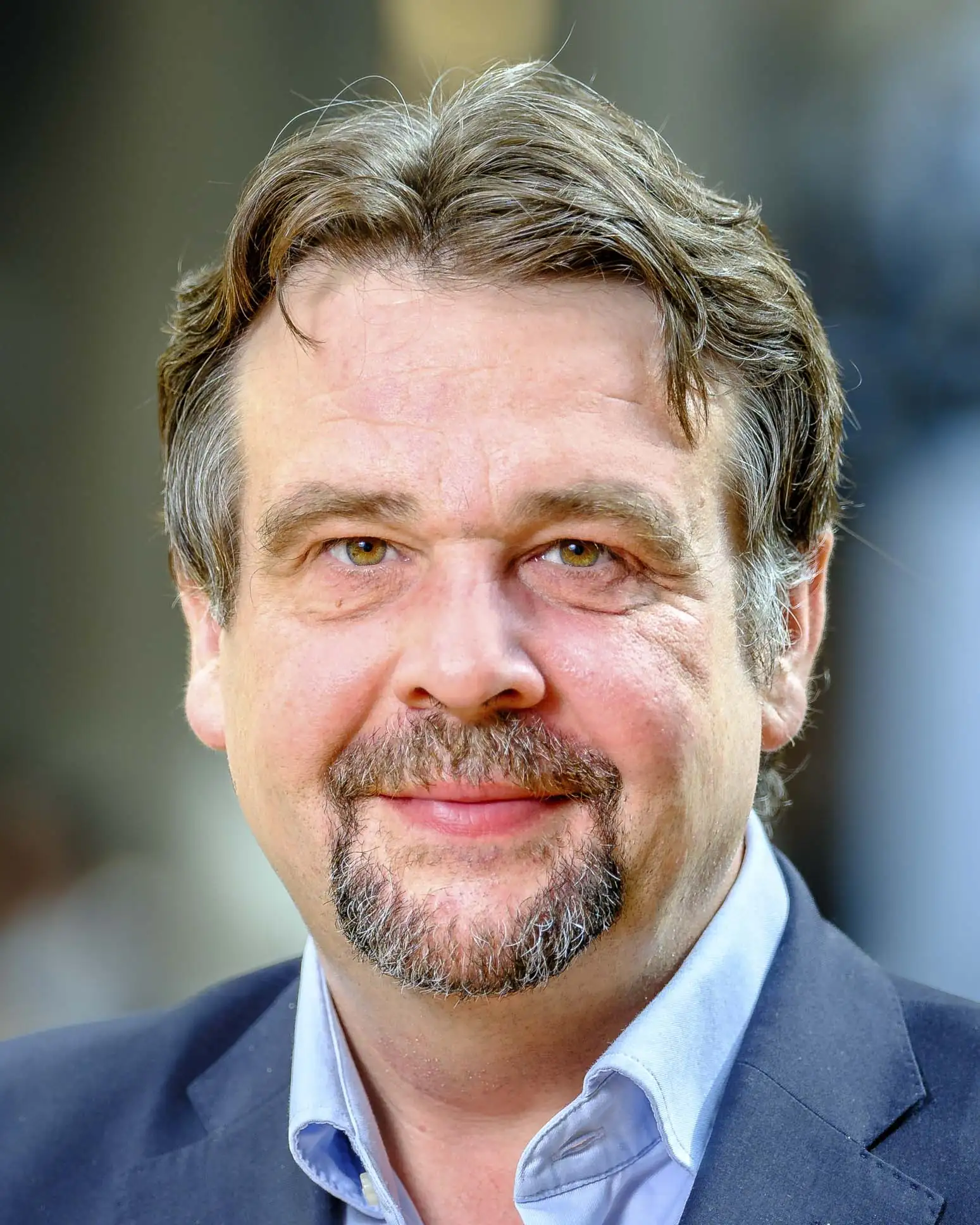

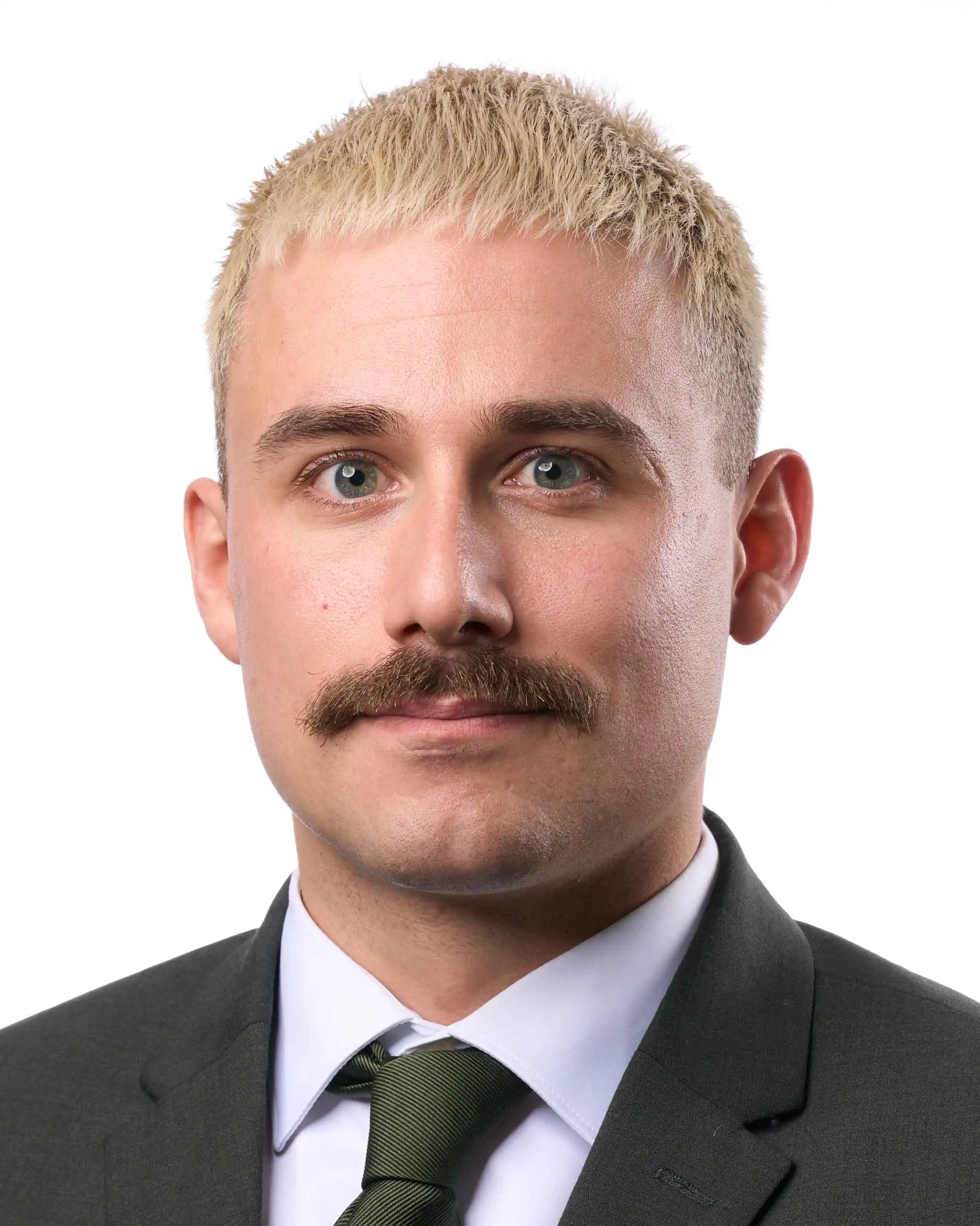
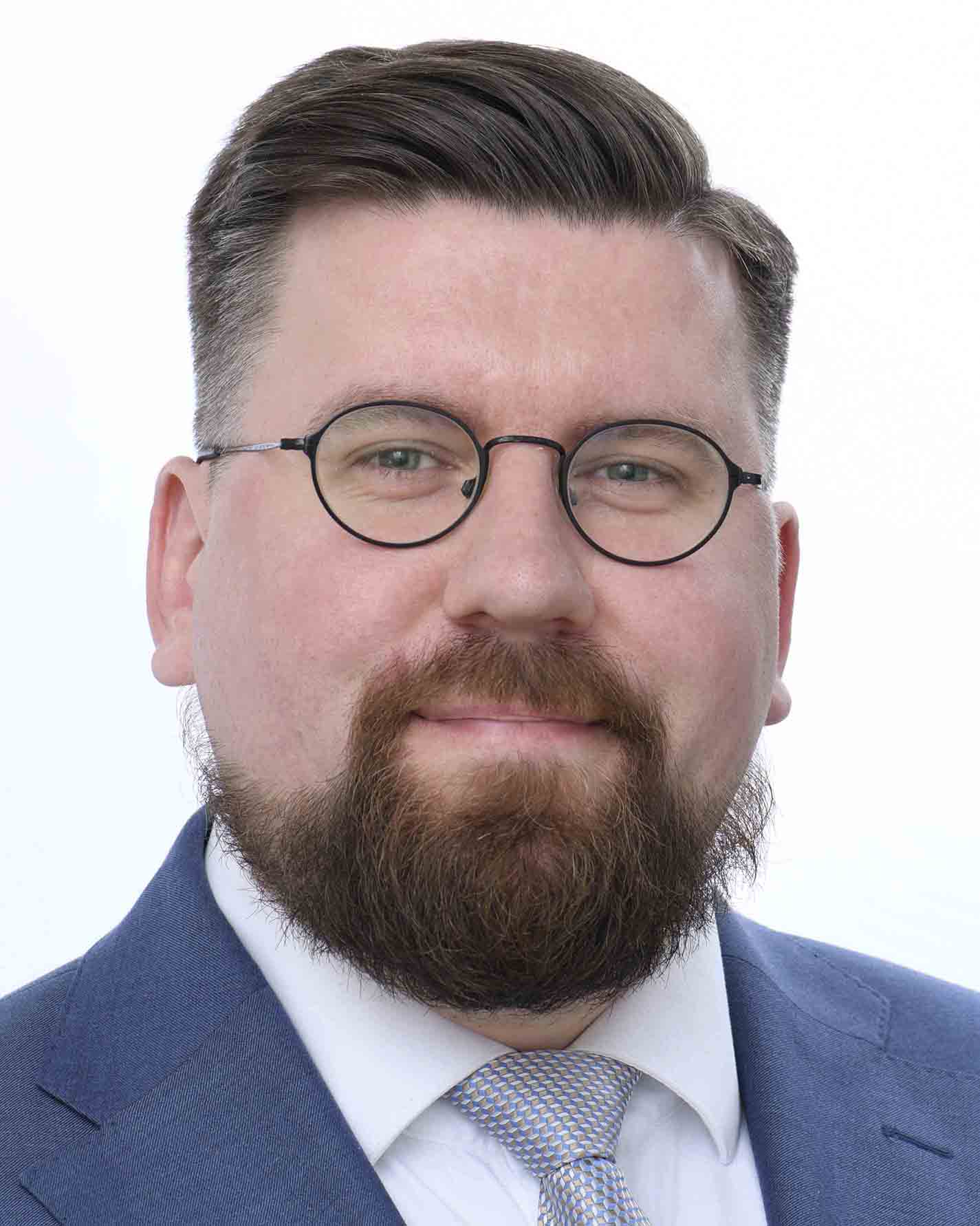
| Rank | Name | Country | Group | Speeches | |
|---|---|---|---|---|---|
| 1 |
|
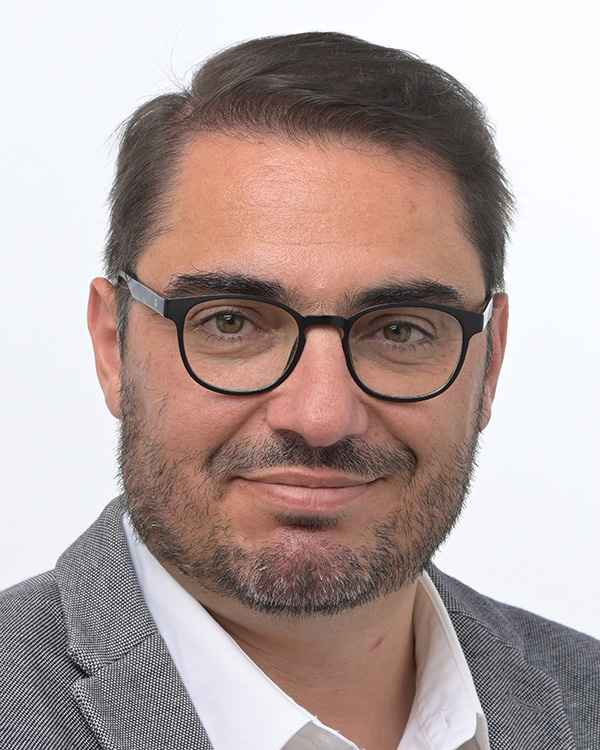
Lukas Sieper | Germany DEU | Non-attached Members (NI) | 390 |
| 2 |
|
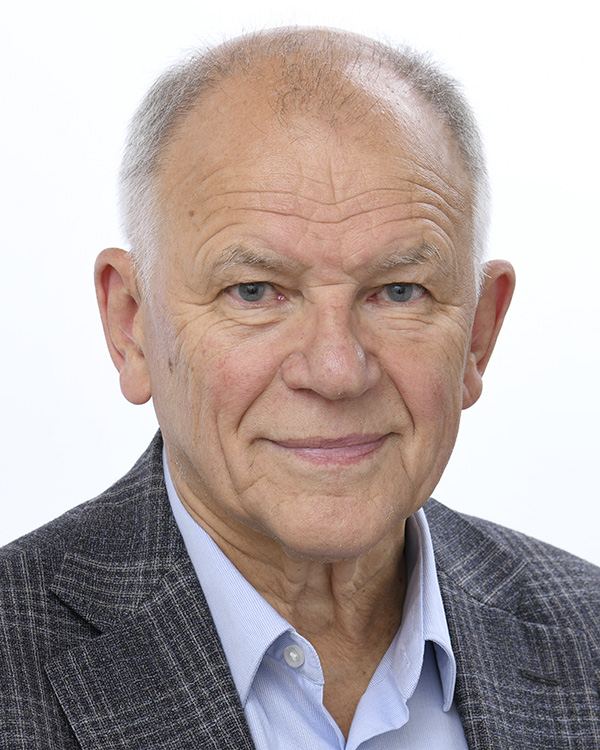
Juan Fernando López Aguilar | Spain ESP | Progressive Alliance of Socialists and Democrats (S&D) | 354 |
| 3 |
|
Sebastian Tynkkynen | Finland FIN | European Conservatives and Reformists (ECR) | 331 |
| 4 |
|
João Oliveira | Portugal PRT | The Left in the European Parliament (GUE/NGL) | 232 |
| 5 |
|
Vytenis Povilas Andriukaitis | Lithuania LTU | Progressive Alliance of Socialists and Democrats (S&D) | 227 |
All Contributions (59)
Revelations of Uber lobbying practices in the EU (debate)
Mr President, Commissioner, Minister, ladies and gentlemen! Lobbying – advocacy – is not a bad thing in itself. Companies and associations as well as churches and trade unions do this. This is part of the political work. But, ladies and gentlemen, we must say: At some point, the point is reached where lobbying loses any healthy measure as part of political work, where borders are simply crossed. I can only say: The About files have made it clear where these limits have been transgressed, but also the work of recent weeks on the Platform Directive. What I have witnessed here in the last weeks and months of lobbying – and it is synonymous with what is happening in this sector – has really lost all healthy proportions, ladies and gentlemen! It has nothing to do with lobbying anymore if we spread fake news here. What I've heard here in recent weeks about lies about working on the Platform Policy – that supposedly everyone who uses an email address is all at once a platform, that we are also pressing highly skilled self-employed workers into employment relationships, that self-employed commercial agents are covered by this policy and, and, and. One lie at a time, just to sabotage and destroy the work on this directive, to lobbyists standing in front of parliamentary meetings here in the corridors, cheering on MEPs to go in and bring down this directive. This is no longer my idea of parliamentarism. Therefore, it is right that we do not let ourselves be misled here, but that we show teeth at this point and that we make it clear: Business models that only work because employees are defrauded of their basic minimum protection rights such as access to minimum wage and social security – such business models must come to an end! As Parliament, we have done our homework. Please, Madam Minister, the Council is called upon to do yours, too!
A need for a dedicated budget to turn the Child Guarantee into reality - an urgency in times of energy and food crisis (debate)
Mr President, Commissioner, Minister, ladies and gentlemen! I think that this debate deserves more involvement, because the EU Child Guarantee, as we have it today, has its origins essentially here in this House. We were the driver of this important project. And in view of what you have said, I would also like to make it very clear that I expect the Member States to be more serious in implementing this important project. We discussed in committee the national action plans, national implementations and the state of play. Shockingly, not all Member States have yet submitted their plans, in a situation where we have to say: Actually, as of today, we would need an update. This is where the debate comes into play: It is also about the energy crisis, the food crisis, inflation and, of course, the challenges that the refugee flows bring. Nicolas Schmit pointed out the situation of Ukrainian children. The ones from the Balkan route are on top of it. Therefore: While some Member States are not making progress in national implementation, we really need an update. I simply urge the Council to build up the necessary pressure at this point. Because I can well remember how a few weeks ago our friend Elżbieta Rafalska described the situation of the many Ukrainian children in Poland. I also took a picture of the situation myself. One can only take a hat off what is being done in some places to support the Ukrainian children. But it is also clear: As a European Union, we must make a stronger contribution here than we have done so far. I would like to expressly call for this. Thank you very much!
Adequate minimum wages in the European Union (debate)
Madam President, Commissioner, ladies and gentlemen! Tomorrow is a very special day, because tomorrow we will open a new chapter in the history of European social policy. I know not everyone likes it, so you have to live with it. This is always the case when we legislate. This is not a particular problem of this House. I believe the same applies to every national parliament. Everyone can never be satisfied. But for me, as a co-rapporteur, I can say that I am proud of the outcome of what we are putting to the vote here tomorrow, and I also want to say very clearly that we have found broad support, not only in the vote in committee, but also on the part of the Council. Who would have thought this possible a year ago with a dossier that had already been discussed emotionally before Nicolas Schmit even put the proposal on the table. There was a lot of talk and a lot of wild ideas and debates about what could be in there. It would not have been possible for us to get so much support. All the more beautiful that it has succeeded. I would simply like to thank those involved once again, first and foremost, of course, my co-rapporteur, Agnes Jongerius. I don't think the two of us ever let ourselves be divided. Even at the points where we once disagreed, at least no one else noticed that we both disagreed. This has, of course, made a significant contribution, but also the constructive willingness of the other shadow rapporteurs to participate. The interaction with the Commission, with the Permanent Representative of France, was also wonderful and in the end contributed to or contributed to what will be voted on tomorrow. What will be voted on tomorrow is, in my view, a concrete contribution to finally bringing the social market economy, as the European Union's principle of order, to life. In my view, a target of 80% collective bargaining in every EU Member State is a real one, at least in many countries. gamechanger in the political debate, also with a view to the political debate in my own home country, where, unfortunately, the collective bargaining agreement of God is only 50%. That is why I believe that we will now launch an instrument, which will be helpful in this debate, which will also strengthen the spirit of social partnership in the European Union, because when you read the report, it runs like a thread through this dossier. We want to strengthen social partnership, we want greater involvement also of social partners in the debate on the level of minimum wages, on the adequacy of minimum wages, and I think that in some aspects, which may not be so much of a focus, we have succeeded in doing things, we have put in place stakes that are more than considerable. For the first time, we have actually succeeded in enshrining in a European set of rules a kind of, yes, protection of collective bargaining, of the right to conduct collective bargaining. This is the first time we have taken such a peg, where we also make it clear that the rights of trade unions to move forward on this important point are protected by trade union members and officials. I think it's about a topic like Union busting This is a very important aspect, which has not yet played a role in the public debate, but which I consider to be elementary. So I would like to take the opportunity to promote consent once again at this point. I believe that, also in view of the current crisis, this is the right signal coming from this House: Strengthening social partnership, including strengthening workers' rights towards fair and equitable pay. For that, once again: Please give your consent tomorrow.
EU initiatives to address the rising cost of living, including the implementation of the European Pillar of Social Rights (debate)
Mr President, Commissioner, ladies and gentlemen! We do not best address the current crisis by distributing dashing and old-fashioned advice to the ECB. We wanted a politically independent ECB, and now we should let it do its work, and we should focus on what we can. At this point, I would like to refer to the Social Climate Fund, which we have recently launched here in this House. I wonder why the German Chancellor - who is doing nothing in his own country to combat this crisis, who has launched a relief package that does not deserve the name that does not include pensioners and students - is campaigning for the Social Climate Fund, which has already been reduced in size compared to the Commission proposal, to be reduced again? We should see that we launch this fund as soon as possible. We must see that, as the European Union, we are making a contribution to increasing food production in order to remove the pressure of prices from the market. And thirdly, in order to ensure employment, we must see that we free the industry from additional burdens, such as the Chemicals Directive, and that what can be postponed is now postponed at this point. We should discuss this together at a major social summit, including with social partners. That's what I'm advocating for here.
Common European action on care (debate)
Mr President, Commissioner, ladies and gentlemen! It is, as always, when we discuss reports from the Committee: There is always great lamentation, Europe is exceeding its competences, an attack on national competences. Yes, of course, when it comes to health, when it comes to care, it is primarily a national responsibility. But we, as the European Union, cannot simply say on an issue that is deeply European and where we face the same challenges everywhere, or almost everywhere: Yeah, then take care, and we'll put our legs up in time. If you look at the European labour market, if you look at what is going on in the care market – there is hardly a second sector that is so highly mobile. Which German nursing home could actually exist if we only had German nurses there? That is why I think it is essential that we contribute to improving standards, to getting care out of the shadows, partly from illegality, from undeclared work and to making our contribution to improving standards and, above all, that we can effectively combat the shortage of skilled workers. We are making a contribution to this. I would like to thank the rapporteurs very much for this.
Revision of the EU Emissions Trading System - Social Climate Fund - Carbon border adjustment mechanism - Revision of the EU Emissions Trading System for aviation - Notification under the Carbon Offsetting and Reduction Scheme for International Aviation (CORSIA) (joint debate – Fit for 55 (part 1))
Mr President, ladies and gentlemen. First of all, thank you very much to my friend David Casa and to Esther de Lange for what they have submitted to the Social Climate Fund. I believe it is an extremely important contribution to support those who are most affected by change, by transformation, in this difficult phase. I believe that the fight against climate change is perhaps the greatest socio-economic challenge of our century; This is not disputed by anyone except a few Claqueurs who have not even taken part in the debate here. But it is precisely the current situation, the war in Ukraine, inflation that shows us in which direction the development is heading. And we must always keep in mind: We are still before the Green Deal, before transposition, before ‘Fit for 55“. We are witnessing an increase in prices, especially energy prices, which is simply threatening for many people. In Germany, model calculation: up to EUR 5000 extra burden for a family of four – these are dramatic developments. And that's why it's important: We cannot solve every problem here at European level, but we are making an important contribution to it.
One youth, one Europe (topical debate)
Mr President, Mr Vice-President, Mr Secretary of State, dear Margaritis, dear colleagues! As an EPP Group, we were very happy to support Dragoş Pîslaru's initiative to place this issue prominently in Parliament. And I expressly agree with the Commissioner: This debate, including the European Year of Youth, is of course a good opportunity to take stock and say: What have we achieved? A programme such as Erasmus+ is closely intertwined, an important part of the success story of this European Union, but of course the knock-on-the-shoulder must not be at the forefront of this debate and also this year, but must be at the forefront of addressing the concrete problems of youth in Europe. For example, the issue of unpaid traineeships is a very important issue. For us as the EPP Group, however, it has always been clear: If internships are necessary for school education, university education, then we do not insist on payment. But what we don't want is internships to supplant regular employment. And that is why it is important that we have clearly addressed this point here again. And I would like to mention one last point with regard to youth unemployment. It has already been pointed out: It remains threatening and existentially threatening in some Member States. And for us, the task must actually be: How can we, in dialogue with the Member States, ensure that in countries where we have extremely high levels of youth unemployment, we bring young people to countries such as Germany, where we have a shortage of skilled workers, where we have unfilled apprenticeships? This could be a win-win situation for both sides, at least for a period of several years. And I am sure that we as the EU, as Parliament, can once again make an important contribution to this.
Introduction of a European social security pass for improving the digital enforcement of social security rights and fair mobility (debate)
Mr President, Commissioner, ladies and gentlemen! The subject we are discussing tonight is not entirely new. Jean-Claude Juncker already spoke about this project in his State of the Union speech in 2017. It is the highest railway that we take a step forward. Because where employment biographies are becoming more and more European, we must also make contributions to how social insurance can keep pace. This project offers a lot of opportunities – on the one hand more transparency for employees and companies, on the other hand also effective fight against abuse. But what is particularly important to me: We see from the concrete implementation of projects such as RINA, dear Nicolas, that the devil is in many places in the detail and it is not enough to just push things. But my expectation then is that the Commission will also accompany them to the end, so that they will also be a corresponding success.
Fair working conditions, rights and social protection for platform workers - New forms of employment linked to digital development (debate)
Madam Vice-President, Commissioner, ladies and gentlemen! In recent years, there has been a lot of talk about the fundamental changes in the world of work that have taken place simply and poignantly through digitization and platform economy. This week, however, we have the opportunity not only to talk about these important changes, but also to set a real exclamation point and to make our expectations clear to the Commission. In the last few weeks and months, in the work on your report, dear Sylvie, we have found some good compromises in the middle of this House which, in my view, although the Commission is prepared to take them up in its proposal, are a real compromise. game changer They could be because, on the one hand, they lead to the fact that we do not stifle the dynamics in the platform economy, that especially the highly qualified, who are on the road as self-employed and also want to remain self-employed, are left out, so to speak, while, on the other hand, we finally, finally provide legal means for all those who have been literally squeezed into bogus self-employment, in order to give them the status and protection they deserve. Because what we can see in many areas has nothing to do with entrepreneurship. So where an algorithm, so to speak, determines the everyday work of people, one cannot speak of genuine independence and genuine entrepreneurship, but here it is simply a matter of passing on entrepreneurial risk to others. We cannot and will not tolerate such models. And also with regard to the algorithm, we want to have more transparency towards the employees. What we have presented here is a real slope for you, dear Nicolas, and that is why I am not only asking for approval, but also really asking for a clear signal. The Commission does not understand narrow majorities, but only clear majorities.