
| Rank | Name | Country | Group | Speeches | |
|---|---|---|---|---|---|
| 1 |
|
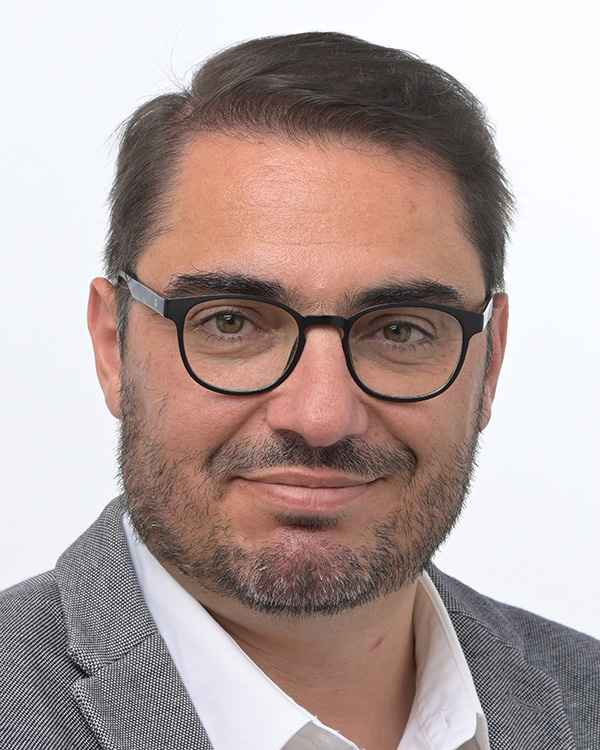
Lukas Sieper | Germany DEU | Non-attached Members (NI) | 390 |
| 2 |
|
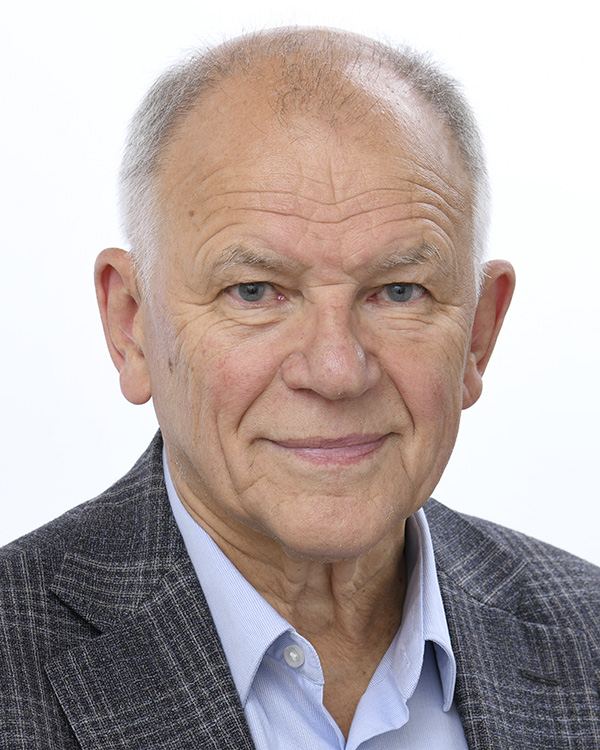
Juan Fernando López Aguilar | Spain ESP | Progressive Alliance of Socialists and Democrats (S&D) | 354 |
| 3 |
|
Sebastian Tynkkynen | Finland FIN | European Conservatives and Reformists (ECR) | 331 |
| 4 |
|
João Oliveira | Portugal PRT | The Left in the European Parliament (GUE/NGL) | 232 |
| 5 |
|
Vytenis Povilas Andriukaitis | Lithuania LTU | Progressive Alliance of Socialists and Democrats (S&D) | 227 |
All Contributions (88)
Plants obtained by certain new genomic techniques and their food and feed (debate)
Madam President, Commissioner, it is a pity that the Belgian Presidency is not present. Maybe he doesn't have much interest in this topic. I do. These new genomic techniques are innovative tools that will make it possible to more effectively develop improved plant varieties that can be climate-resilient and pest-resistant, which will require fewer fertilisers and pesticides and/or ensure higher yields. This proposal only concerns plants produced by targeted mutagenesis and cisgenesis and their food and feed products. In no case are they transgenic, although advertising wants to match them. With these production techniques, farmers will benefit from an increased availability of plants adapted to the needs of the sector in terms of climate resilience. Therefore, we need a new specific regulation that distinguishes these new genomic techniques. There are two proposed categories: category 1, equivalent to conventional production, and category 2, for which the Commission itself sets stricter requirements adapted to the specificity. On the application of organic production, I respect the decision of the majority represented in the organizations of the sector. I respect her, I don't share her, but I respect her. I therefore agree with the exclusion of organic production from this regulation. I agree with the Commission's prudent and conservative proposal and with most of the proposals of the Committee on the Environment, Public Health and Food Safety, with the exception of Amendment No 84, on which I invite you to vote against. I also agree with the proposals of the Committee on Agriculture and Rural Development. Innovation for sustainability at the disposal of our European farmers is therefore what we should all want, and it is what I want.
Amendments to the regulation on management, conservation and control measures applicable in the ICCAT Convention Area and the regulation on a multiannual management plan for bluefin tuna in the eastern Atlantic and the Mediterranean (A9-0301/2023 - Clara Aguilera) (vote)
Mr President, with this report we are transposing the recommendations of the International Commission for the Conservation of Atlantic Tunas, known as ICCAT, into European legislation, thanks to a great consensus with the Council and with all the groups in this Parliament. We have updated the rules as much as possible, so that the EU fishing fleet will have the same conditions and measures that apply to the fleet of third countries operating in this area. We have included, among others, new rules for improving data collection and restrictions and prohibitions for recreational fisheries, together with rules for the carry-over of bluefin tuna quotas. Ladies and gentlemen, the fisheries sector has been in a difficult situation since the pandemic, following the Russian invasion of Ukraine and now with the widespread rise in food prices in Europe. I would like to call for clear support for this sector, which is facing harsh conditions, as are farmers, in order to be able to make food of the highest quality available to us. Fish is also the animal protein with the lowest carbon footprint, which meets the highest standards of health and environmental protection. I want, from here, to recognize this hard profession, which brings so much to all of us and which is rarely given visibility. Thank you to all European fishermen for all your efforts on behalf of this Parliament.
Implementation of the Common Market Organisation (CMO) Regulation in fisheries and aquaculture - Regulation (EU) 1379/2013 (debate)
Mr President, Commissioner, this regulation on the common organisation of the markets (CMO) in fishery and aquaculture products introduced some fundamental changes in 2013, which were very important. I would like to congratulate Mrs Bilbao on the work that all the groups have been able to do with her and on the result obtained. What is the purpose of this report? This report aims to improve the implementation of some aspects of the 2013 Regulation; especially, for example, with a greater effort to ensure information to consumers. You said it, Commissioner, we need to improve that information, including traceability, which I hope the new Fisheries Control Regulation will help a lot, more transparency in the market and promotion campaigns. Finally, I would like to refer to the crisis reserve included in the proposal. You have said that we have already observed the crisis and I want you to observe it and have instruments - that is the proposal - to act in times of crisis. The CAP includes the crisis reserve. Study it for the future of this reform.
EU Action Plan: protecting and restoring marine ecosystems for sustainable and resilient fisheries (debate)
Mr President, Commissioner, I have to tell you that on this European Union Action Plan your whole presentation has been very unfortunate, and the sector has not understood the Plan. I do not say that it is a bad Plan, in general terms, although it has aspects that I do not like. I believe that, when an action plan is presented, since we are talking about a political document, not a normative one, which seeks some momentous changes, beyond the common fisheries policy, it must be explained very well and the sector has to understand it, because otherwise it will be very difficult to implement. An effort must therefore be made to explain these issues. This has become a pimpampum against trawling, which is bad. I am not against everything related to trawling, because not everything is the same, and those trawling systems are also being corrected. Therefore, it cannot be equalized and cannot be attacked with that belligerence. These are the regrettable aspects of this Action Plan, which I believe will remain in nothing because of the unfortunateness of its presentation and its transfer to the media and society.
Implementation of the Common Fisheries Policy and future perspectives (debate)
Mr President, I think this is a good report and I would like to congratulate Mr Mato, Mrs Avram and the other shadow rapporteurs on this, in order to reflect on the need for a reform of the common fisheries policy in some respects. For example, I think one of the aspects is that environmental policy and all environmental aspects, but not social and economic aspects, have developed significantly - and I agree - and we cannot leave them behind. The three pillars are fundamental; the fleet needs to be modernised, the energy transition needs to be addressed and the CFP also needs to be prepared for this. But I also believe that there is a need for a better definition of small-scale fishing. We are not right in our support for small-scale fishing; Among other things, because we need a more concrete and more effective definition than we have right now. Nor has it helped us to strengthen aquaculture. It is true that it falls within the competence of the Member States, but we can do more. I believe that this reform is necessary.
Recent ecological catastrophe involving plastic pellet losses and its impact on micro plastic pollution in the maritime and coastal habitats (debate)
Mr President, I want, above all, in these first words, to thank all civil society, especially Galician, for the effort it is making to collect and dispose of waste on the beaches of Galicia. Galician civil society is proving to be up to the task, well above even this debate. Ladies and gentlemen, let us leave the Galician fishing industry alone. It is a professional sector that does its job well. Let's not mix one thing with another. Let us hope, Commissioner, and you have said it well, that this new environmental disaster will serve to take effective European prevention measures to prevent further discharges and the environmental damage caused by these microplastics. Let us learn the lesson of this tremendous situation. But first of all we must act. And that is where the Galician Government is being measured, which is demonstrating great negligence. Environmental impact must be avoided. It is essential to take action and clean up and then seek responsibilities. And, ladies and gentlemen, let me say that it is unheard of that the Spanish, European PP and the extreme right, which has long since left, are concerned that we bring this debate here because there are elections. If they bring all the garbage they generate in Spain to do the debates here and criticize Pedro Sánchez... What a tough face. Gentlemen climate change deniers, the best example: the Spanish PP. They don't have credit.
Improving the socio-economic situation of farmers and rural areas, ensuring fair incomes, food security as well as a just transition (debate)
Mr President, first of all I wanted to highlight the important role of farmers in guaranteeing us all healthy and quality food. The European agricultural sector – that is why this debate is taking place – is considered to be undervalued and underprotected despite the CAP, which is constantly under review, is constantly questioned and has an increasingly low budget as inflation is not taken into account. So the agricultural sector is considered undervalued and sometimes attacked. Therefore, the CAP does not adequately or sufficiently protect, even if it is functioning. But it is, I say, in permanent review. In addition, there are imports from third countries, drought and all these issues... We see how food prices are getting higher, but they do not affect the price that farmers perceive. And we are not explaining our green policies well, we must make a consensus effort with farmers if we want to carry them out. They are essential in the fight against climate change, but not in front of farmers. And that neither the right nor the greens use them, who are using them strategically to attack them and use them in the next elections.
Packaging and packaging waste (debate)
Mr President, we are certainly in a very important debate. We all share the reduction targets. This is essential, and in this Europe must be at the forefront. But we must reconcile the ambition of very ambitious objectives with the reality of those European companies that, for years, have been investing in innovation and research, betting on recycling. This can't be a penalty now. That is, now the objectives are identified with reuse, but recycling in a high percentage must also be valued. Another important issue for the Committee on Agriculture and Rural Development: let us seek consensus and support some improvements that this report brings to the food chain – which are essential – through the amendments tabled. What are these amendments looking for? Reducing packaging waste while maintaining food safety; traceability of products by knowing their origin and provenance; and the prevention of food waste. Sometimes packaging helps us do this.
EU/New Zealand Free Trade Agreement (debate)
Madam President, Commissioner, trade policy undoubtedly had to change in the European Union, also because of the demands of the Farm to Fork Strategy. This agreement with New Zealand is a good example of how trade policy, which now requires compliance with social and environmental standards, is changing. New Zealand is a similar country with rules similar to those of the European Union. But I do not want to fail to mention - even if I support this agreement - very sensitive agricultural sectors, such as sheepmeat. Interestingly, there is an increase of 40 000 tonnes in sheepmeat when it is one of the most sensitive and endangered sectors in the European Union. In addition, it is an extensive livestock necessary for rural areas and to take care of the environment. Sometimes a sector is small and this is ignored. Even if we agree with the change in trade policy, let us not ignore small productions and sheepmeat farmers. I wanted to be your voice here today.
Sustainable use of plant protection products (debate)
Madam President, Commissioner, I would like to thank all the rapporteurs of the Committee on Agriculture and Rural Development and the technical teams for all the work done in our Committee. We have just heard from the ENVI rapporteur, Mrs Wiener, and I recognise that the report that has come to this plenary today is not the one that you presented, as it hardened and raised the European Commission's proposal. However, in my opinion, the proposal we are debating here today remains a problem for European agriculture – as the Committee on Agriculture and Rural Development has stated – if it were the one that received the majority support. I have said it repeatedly and I will repeat it for the equivocations: Of course I agree with the reduction of chemical plant protection products over time, but this step cannot be taken without offering agronomically effective alternatives and thus being able to combat pests and plant health, an essential element in food safety. That is why we have tabled Amendment 685, signed by Members from four political groups, which calls for 2035 to be set as the date of application, as time must be allowed for these new alternatives to arrive and be authorised. On the other hand, I would like to tell you that the Commission, in its proposal for calculating the reduction per Member State, raises many problems - and you know that. We therefore propose in Amendment No 686 to set a mandatory minimum rate of 35% per Member State. Of course, it is also very important to respect the use of phytosanitary products in sensitive areas, but it must be considered according to the area in question. Amendment 687 therefore divides these areas and, above all, says that, in Natura 2000 sites, where there are large agricultural areas in most Member States, categories one and two, organic farming and biocontrol, must be allowed. On the other hand, and I finish: funding. The CAP cannot do anything, especially after a drastic reform. It cannot be used as an instrument for all the regulations that come out. That is why we have removed Article 43 from the proposal. Finally, we have to guarantee the supply of food, and with this proposal it is not guaranteed. I encourage you to support this amendment.
Generational renewal in the EU farms of the future (debate)
Mr President, there is no doubt that the replacement and ageing of our farmers is a verifiable fact - we have analysed it on many occasions - and this has an obvious consequence in the depopulation of rural areas. Therefore, we must be concerned. The situation is not the same in all Member States. In my country it is worrying: there is no adequate generational renewal. But it is uneven across Member States. The demographic challenge is most pronounced in rural areas. We have before us a good report from the Committee on Agriculture, whose rapporteur, Isabel Carvalhais, has done a great job together with the other shadow rapporteurs. I think it is a great opportunity to take advantage of this report, together with the long-term vision of the Commission and the European Rural Pact, to address this closely linked issue, of course. The report recognizes the main barriers associated with access to agricultural activity. First, access to land. It is absolutely impossible and I know it well in my country for a young man to access land unless his father is already a farmer and has land, if not, it is absolutely impossible. So, here's a good chance. The initiative of a farmland observatory can become a great opportunity. Also, access to finance, much more difficult for young people. They must be given easier access to markets and also benefit from and promote cooperativism. Or access to information and fair remuneration in agriculture. We must recognize the complex nature of this very complex activity. It is not easy, you know, Commissioner - you said it - but we need to improve and the CAP has contributed in part. But aspects of the CAP need to be improved. Definitely. Farm-related subsidies are making us subsidise many people who are pensioners with the CAP. And, if pensions are low in some countries, this is not the window, that of agricultural policy. Therefore, important changes need to be made and we need political action so that young people, and especially women, can join agriculture. And it is not a sectoral policy, it is a horizontal policy.
European protein strategy (debate)
Madam President, Commissioner, Parliament has repeatedly called for a European strategy to promote the production of protein and legumes in the European Union. We are deficient in the production of vegetable protein, especially, and we have dragged for decades this deficit that forces us to import from third countries, probably even products that we do not want to import. I would like to congratulate the rapporteur for the report adopted by the Committee on Agriculture and Rural Development and all the shadow rapporteurs, in particular Maria Noichl, for the work that has been done. I think the report is good and complete. It is not exactly, perhaps, what I would like, but I do think it is a good report that we can adopt here today to address and take into account plant and animal proteins, which are important in my opinion, and thus recognize the complementary role of both origins: the vegetable and the animal. For me, both origins are important. In addition, as already announced, the Commission is planning a review. It was urgent. Well is what ends well. Probably, the debate will already take place in the next legislature, because in the next quarter it will not give us time, but, well, that's fine. For the development of plant proteins, the report also invites Member States to develop these specific regimes. We talk a lot about extensive livestock farming, but we don't support it enough. We therefore need greater support. Finally, we also need to amend the Regulation on feed additives. For me, it's important to have regulation for NGTs.
Water scarcity and structural investments in access to water in the EU (debate)
Mr President, Commissioner, Mr President-in-Office of the Council, I, who come from a country like Spain, and from an autonomous community like Andalusia, where drought cycles are not new - they are certainly much shorter now, of course, because climate change is no joke - know very well where there are some important mistakes that should be corrected. I think the Commission's rules are fine, but they are insufficient, Commissioner. We have to be braver. Of course, measures that are already in the European Green Deal need to be taken. But a European water strategy needs to be defined. It requires globality at European level, and Member States can do much more. Prioritizing investments in water is essential. We've done a lot of AVE, we've built schools, we've built a lot of public facilities. But we need to make more public contributions to water infrastructure. Not enough has been done there. Some changes need to be made. Now is the time.
Fisheries control (debate)
Madam President, today is World Food Day. It is an important day and - I think in everyone's spirit - I would like to emphasise that the fisheries and aquaculture sector is strategic for the European Union. On this day, I want to acknowledge on behalf of all your daily work and effort to offer us fresh and healthy fishery and aquaculture products. I repeat, I thank all the rapporteurs, because everyone, although it seems that some do not, has contributed at some point to improving this agreement. Without everyone's effort it would not have been possible. Of course, thanks also to the technical teams of the groups and to Parliament. But I have to recognize very especially two people who have worked directly with me: Rogério Ribeiro and Marisa Sevilla. Without his work, it wouldn't have been possible. I thank the Slovak, French, Czech and Swedish Presidencies for their work. And, of course, to the European Commission. And I want to say one thing: there are no ID representatives, who have been very critical – including Mr Pimenta – of cameras or remote surveillance systems. I mean that this will only be mandatory for the fleet of 18 metres in length or more, which in Italy – they are not present here – accounts for 3%. These systems will focus only on where fishing is extracted; They are not going to be, obviously, so that all the activity that is carried out on a boat can be monitored. Let us not deceive the sector, because if they hear this from MEPs - Italians, Swedish or Greeks - they would be worried. So let's not fool people. Thank you all very much. And, although some groups do not recognize it, of course we have shown a special sensitivity with artisanal fishing.
Fisheries control (debate)
Madam President, Commissioner Hahn, it took five years and more than 600 hours of interinstitutional negotiations to reach this fisheries control agreement, but I believe that we have reached the best possible agreement, an agreement that is balanced and that will succeed in meeting the objectives that this reform had set. The new system is simpler and more effective and ensures compliance with the rules of the Common Fisheries Policy in a harmonised way. I would like to thank all the shadow rapporteurs from all the political groups because they have all contributed positively to reaching these agreements. The reform of EU fisheries control amends six regulations. We start with five regulations: the Fisheries Control Regulation, the Regulation on the European Fisheries Control Agency, the Regulation on the Community system to eliminate illegal fishing, the Regulation on the multiannual plan for cod stocks in the Baltic Sea and the Regulation on management measures for the sustainable exploitation of fishery resources in the Mediterranean Sea. The Regulation on the sustainable management of fishing fleets has been added – six regulations in one. I would like to highlight some significant aspects of the agreements. With this regulation, the entire fishing sector will be incorporated into digitalization. All documentation related to fishery and aquaculture products must be available digitally. Another important agreement is that the fisheries sector will have four years from the entry into force to incorporate all the technological innovations that this reform will carry out. Some of these changes involve very important changes, but they are necessary. Traceability is a very essential element. In this area, I would like to recall and highlight in particular the work of Mrs Bilbao because, nevertheless, we have achieved, perhaps not immediacy, but traceability for all fishery and aquaculture products: fresh and frozen fish, and also processed fish. Although this has a period of five years for entry into force. The fight against illegal fishing is also a very important issue for the European Union. Improvements such as the harmonisation of import controls have been incorporated to reduce the possibilities of fraudulent imports, also alleviating the administrative burden. At least that is the will of the Member States. As for the cameras on board, it is, without a doubt, the most mediatic and probably the most controversial issue of this reform, the most collected in the media. I believe that the agreement reached is balanced. Initially, something much larger was proposed, but the obligation will affect only those vessels over 18 metres in length that may pose a high risk of non-compliance. These vessels shall have these on-board remote electronic surveillance systems, including closed-circuit television. Of course, the use of it is very limited and with all the safeguards that data protection requires. There will also be positive discrimination for small-scale or artisanal fisheries. More flexibility shall be given to vessels of less than 18 metres in length in each and every section. Such positive discrimination was in high demand from all groups. The margin of tolerance is in the total quantity recorded, not by species; It remains at 10%. The general character is maintained. There are some exceptions that I think are fair in pelagics, in industrial fishing or in tropical tuna, but they are exceptions. We have introduced, although not as much as we would like, recreational fishing, which will have an obligation to record and report catches. For the first time, the control of commercial fishing without a vessel is regulated at European level. All catches must be reported electronically. Although there will be an exception: the Galician exception, for which so much was fought too. I would also like to highlight and thank the work done by Francisco José Millán Mon and other Members. I insist that it is an agreement that has cost a lot, but I believe that it is fair, balanced and will be effective.
The proposed extension of glyphosate in the EU (debate)
Mr President, Commissioner, this is the glyphosate debate. I believe that no herbicide in the world has had so many hours of debate in this chamber or so many hours of study or been so scientifically endorsed. It is the most studied and the most debated in this House. Therefore, when I listen to some people, I see that this question is for them as a dogma, because they speak specifically of this herbicide and not of others. I do not believe in dogmas of faith: I believe in science and I believe in research. That's my basis for decision-making. And we see that the conclusions of the European Food Safety Agency - and we will go wrong if we do not trust it - have not identified critical areas of concern in the assessment of the risks of glyphosate, as an active substance, to human health, animals and the environment. But, as some previous respondents have said, there are also conclusions that indicate that there are some data gaps. Obviously, we are talking about a chemical with important effects. There are some data gaps, which according to the Commission and EFSA itself, can be addressed through risk mitigation measures. I have confidence in the European system of regulation of active phytosanitary substances. I think it is the most secure and strict system in the world and therefore I think the Commission's proposal - which we will see where it is - is reasonable. It is again an authorization, in this case for ten years, but it is reasonable and is protected, above all, in exhaustive studies and, of course, in detailed analysis (and hours of debate and we will not talk). It should also be noted that in sustainable farming systems, such as conservation or regenerative agriculture, the use of glyphosate is essential. But in any case, if there is sufficient scientific clarity, I have confidence in the European institutions and will have confidence in the Commission's proposal.
Reviewing the protection status of wolves and other large carnivores in the EU (topical debate)
Mr President, Commissioner McGuinness, I think that, obviously, after the resolution and the debate we already had last year, it is good that the European Commission is moving tab and is really worrying about the current situation. I think the protection of the wolf has been a success. There's strong growth and that's fine. Because of that protection there was a risk. But now some issues need to be corrected. You, the Commission, have asked the States for information on the situation of the wolf. But there are problems with larger carnivores: the bear problem in some parts of Spain and also in Romania. So, don't forget the rest of the other big predators. We are concerned about extensive livestock farming. The wolf undertakes and attacks, especially extensive livestock, which generates more biodiversity, that of small ruminants, sheep and goats. Therefore, something has to be done and it has to be continued. Well is what the Commission is promoting and the option is not to stand idly by. Good co-existence must be achieved, but taking into account the problem of farmers.
Ukrainian grain exports after Russia’s exit from the Black Sea Grain Initiative (debate)
Madam President, Commissioner, I would like to recall what we are talking about – I say this because of the speeches that have been heard here so far –: We are fighting and helping Ukraine against the Russian invasion. Question 1. And we give him guns. And, in addition, we need cereals and grain to reach the rest of the world and a part of Europe, including my country, Spain, which also needs that grain. And many other countries. So, let's not forget. I understand that you, in Poland, have elections on October 15. That's not my problem. I am also grateful for the Commissioner's position, which has been clear and transparent, and that is what I ask him to remain in a clear and transparent position. And the important thing is that grain and cereals leave Ukraine and we help them. I do not want to harm farmers, neither Poles, nor Romanians, nor of any kind. And that is why they are the aids and we must continue with the aids. But let's not forget the main purpose: that the grain must leave Ukraine. And we are on the side of the good, not the bad. If Poland has elections, debate it in Poland.
Multiannual management plan for bluefin tuna in the eastern Atlantic and the Mediterranean (A9-0243/2023 - Clara Aguilera) (vote)
Madam President, greetings to all. This legislation that we have just adopted definitively transposes into European Union law all those agreements of the Atlantic and Mediterranean Bluefin Tuna Commission. It has been paralysed for two years in this House, because, after the trilogue had approved it, Coreper reversed the proposal and the agreement it had reached with us. However, we considered that the sector already deserved this multiannual management plan for bluefin tuna in the eastern Atlantic and Mediterranean after 13 years of recovery. We have fought and we will continue to fight for bluefin tuna distribution quotas to take into account artisanal fishing once and for all. We have not managed to make it binding at this time, but we will continue to work to make it binding. Thank you very much to all the shadow rapporteurs for their work, thank you all. I believe that the sector is waiting for this regulation, but it will certainly continue to hope that we will continue to defend artisanal fishing and the right to have a significant quota in order to survive.
The water crisis in Europe (debate)
Madam President, we all agree. No one doubts that there is a great drought. I am Spanish and in my country we suffer from drought first hand. We've had big waves of drought. The last one, which is happening now, is the worst. We therefore need this limited and essential resource to be better managed. Better management by the Member States. I criticise the management of my country's watersheds. I don't think there's been proper management. The Commission can also do more. A European water strategy is needed because, as we have all said, water is a limited and essential resource, but one that we need first-hand. Concrete proposals for direct action are needed. Direct action. If not, we'll have a hard time. A culture of water saving among people needs to be fostered. How is it possible that we are not already saying, in my country and in others, that water must be saved and that the tap must be closed so as not to throw water? But agriculture, ladies and gentlemen, also needs water. If there is no water in agriculture, agriculture has no future. Let's give you better savings and future infrastructures.
Ensuring food security and the long-term resilience of EU agriculture (debate)
Mr President, Commissioner, we are debating a report on food safety in which a little bit of everything is discussed. What I would like to move from here is that I think it is a reasonable report. I support Mrs Mortler's report. I would also like to highlight the great work of my colleague Camilla Laureti. Is that quite the report I'd like? No, but I think it's a good report that works for us. I want to make it clear that I do not like the political or partisan use of agriculture. We have to achieve goals. I believe in the European Green Deal, but I also believe that some things have not been done well. This environmental sustainability must be explained to farmers and accompanied in this regard. The Commissioner has said one thing I would like to reiterate: This is the most important reform of the CAP. This is the first year and yet they are absorbing it. It also exists with a lack of generational renewal. Let's not use farmers. Let's explain things to them and they will surely agree with us.
Geographical Indications for wine, spirit drinks and agricultural products (debate)
Madam President, Commissioner, dear Paolo, I would like to congratulate our colleague, Paolo De Castro, on the work he has done, as well as the shadow rapporteurs. I think a great job has been done. It is true that this is a very important regulation. Most of the rules on geographical indications are unified here – not all of them, there is a part of the wine that remains in the single CMO. But I think the agreement is good, above all, because we are reinforcing a system that not only aims to reinforce a brand, it is not a commercial brand, we all know it: is culture, tradition, heritage, rural areas, our villages. This is what this Regulation means; It's very, very important. I am therefore proud of the work that has been done by everyone. I know that the Commissioner said that he did not like the place of the EUIPO. We believe that the EUIPO can help, but not play a leading role. DG AGRI has a role to play. That is the view of this Parliament and I think we should all congratulate ourselves. And finally, I would like to add that we have not only strengthened the system: This is the basis of the system and the basis of rural areas. Let us therefore continue to support these geographical indications which are clearly a mark of European quality.
Protecting and restoring marine ecosystems for sustainable and resilient fisheries - Agreement of the IGC on Marine Biodiversity of Areas Beyond National Jurisdiction (High Seas Treaty) (debate)
Mr President, first of all, I would like to show my solidarity with the European fishing industry and with the strike that happened on the 9th, Europe Day by chance. We need to understand what's going on. Commissioner, you said: We take responsibility for taking care of our seas and our oceans. Who can be against that? Obviously, we assume that responsibility. We have had a common fisheries policy since 2013 – for ten years – which has very important environmental and sustainability characteristics, and which has been mandatory throughout the European fisheries sector. I would therefore like to make one thing clear: This action plan is a political document, not a normative one. Let's not confuse the sector. It is a political document, of intentions, of the Commission. And I do not agree with that intention which is clearly manifested against dragging. Not all trawling is the same and artisanal trawling must be protected. Therefore, Commissioner, we will not agree on the measures to end drag now as a political compromise.
European Citizens' Initiative "Stop Finning – Stop the trade" (debate)
Mr President, Commissioner, first of all, I would like to congratulate those who have carried out this initiative. Any initiative means citizen participation and that is good for European democracy. Now, I think she's wrong in the shot. We are in a society, in Europe, where we have a regulation that prohibits the removal of shark fins. I therefore believe that the European Union is advanced in this respect. And I want to deny some things, because here a Member comes and says - and stays so fresh - that the practice of finning is taking place in the European Union. It is prohibited in the European Union. If it is done, it is done illegally, but it is prohibited. Or it is said that the shark is a species that is not consumed in the European Union. False. In my country the shark has always been eaten and the whole pieces are captured. Therefore, the fin trade cannot be prohibited when a whole species is caught. What could we do to prevent this practice of removal? For there the Commission can do something with which I agree: Why does it not defend in RFMOs that all other countries prohibit it? It's a good mechanism. And another mechanism: we carry out proper traceability of the products and we will put an end to this situation. Let's work on it and on the RFMOs. The European fleet does things well.
Ukrainian cereals on the European market (debate)
Madam President, Commissioner, Madam Minister, the unfortunate invasion of Ukraine - and it is the main objective of this whole House, of all of us, to put an end to it - has indeed brought side effects with these imports. There are five countries affected by the massive inflow of grain, but that is not why we must prevent traditional importers, such as my country, Spain, which usually already had an open market with Ukraine on cereals, from continuing to import. I have to tell you that in a year of drought the situation is even more serious, with 26% less production. Therefore, imports to the European market from Ukraine are important for Spain. I do want to finally express my support for the objective of ending the invasion of Ukraine. Yes to solidarity with the Member States concerned and not to unilateral measures taken by some countries, which must be withdrawn now, immediately.