

| Rank | Name | Country | Group | Speeches | |
|---|---|---|---|---|---|
| 1 |
|
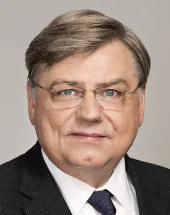
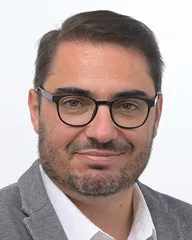
Lukas Sieper | Germany DEU | Non-attached Members (NI) | 390 |
| 2 |
|
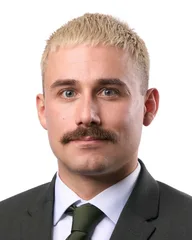
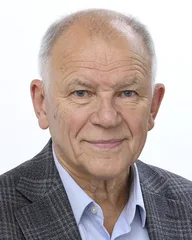
Juan Fernando López Aguilar | Spain ESP | Progressive Alliance of Socialists and Democrats (S&D) | 354 |
| 3 |
|
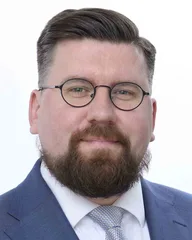
Sebastian Tynkkynen | Finland FIN | European Conservatives and Reformists (ECR) | 331 |
| 4 |
|
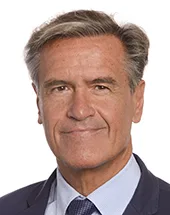
João Oliveira | Portugal PRT | The Left in the European Parliament (GUE/NGL) | 232 |
| 5 |
|
Vytenis Povilas Andriukaitis | Lithuania LTU | Progressive Alliance of Socialists and Democrats (S&D) | 227 |
All Contributions (96)
Better regulation: joining forces to make better laws (debate)
Mr President, thank you very much. Mr. Commissioner, I'm sorry. The call to improve the process of creating European law is most correct. Our procedures are opaque and completely incomprehensible to citizens. The lack of transparency in the decision-making process proves that the democratic deficit is one of the biggest drawbacks of the European Union. Unfortunately, this report in itself is an example of the fatal way in which documents are produced in our institution. Instead of clear suggestions and recommendations on how to make better laws, here we have a bunch of random and general statements, political declarations and ideological postulates. This is far too long, a long text that mixes important issues, completely irrelevant and absolutely unrelated to the creation of effective and understandable regulations. If this is how Parliament wants to convince someone that it knows how to make better laws, I am not fortune-telling.
Sustainable aviation fuels (ReFuelEU Aviation Initiative) (debate)
Dear Mr President, Air transport is an important and innovative part of the European economy, which is extremely sensitive to any market distortions. Recent years have shown how many jobs have disappeared due to the drastic reduction in the number of flights. The war in Ukraine, rising fuel and ticket prices, the crowd in European airspace are once again threatening the future of this industry. It is a mistake to try to impose additional and costly obligations on this sector at such a dramatic moment, which will affect the competitiveness of European airlines and the cost of air travel. We agree that innovative, environmentally friendly and sustainable fuels will help reduce emissions in air transport. We appreciate the rapporteur's openness to our arguments and the inclusion of many ECR Group proposals. We fully support the creation of a fund to invest in research into alternative fuels in aviation. The definition of sustainable aviation fuel in the transport committee is also a good compromise. However, the proposed calendar for airlines to increase the share of such fuels is, like the entire Fit for 55 package, detached from economic and social realities. We cannot therefore support this report.
Order of business
Madam President, I'm sorry. Two years ago, 340 million Christians lived in areas where they could be persecuted. Today it is 360 million. And not because people, Christians, move to areas where they are persecuted. Last year, 5,900 Christians were killed precisely because they professed the Christian religion. That's 20% more than a year ago. This is a serious problem. There was a massacre yesterday. At least 50 people were killed during a church service on Sunday. This is sufficient reason for the European Parliament to address this issue in the debate. This is why the ECR Group is asking for such a debate.
EU preparedness against cyber-attacks following Russia invasion on Ukraine (debate)
Mr President, thank you very much. Mr. Commissioner, I'm sorry. Ladies and Gentlemen, Russia has been waging a cyber war against the European Union for many years. The aggression against Ukraine was preceded by hacking attacks on public institutions, government officials and critical infrastructure in many Member States, including Poland. Building resilience to the online conflict is fundamental to our security. It is worth using the potential of advanced technologies, including artificial intelligence, for this purpose. We have European companies that can provide the right cybersecurity tools in both military and civilian contexts. But we have to create the right conditions for their development. The AI Act project we are currently working on is a great opportunity to do so and make it easier to conduct research and invest in measures to protect against cyberattacks.
Artificial intelligence in a digital age (debate)
Artificial intelligence ignites the imagination of both technology enthusiasts and opponents of accelerating automation in the economy and social life. Reconciling these two approaches and building a broad compromise is a difficult but possible task. Unfortunately, in our opinion, this report has not been entirely successful. We appreciate the effort and commitment of the rapporteur to the report, but as ECR we will abstain. There is no clear, coherent and strong message in the final text that Europe wants to seriously join the global technological race and be a place where innovation is not only consumed, but above all created. Artificial intelligence is a huge opportunity for our companies, including small and medium-sized ones, which can develop modern products and services if they receive the right support. That is why it is so important to invest in research and development and to work closely together on ethical, legal and technical standards with international partners who can and want to share their knowledge and experience in AI with us. We must not allow our strategy to develop artificial intelligence and the data economy to fall victim to long and idle discussions. Especially since we have to work on the regulation of the AI Act, which should above all create an innovation-friendly legal framework. I hope that we will seize this opportunity and not build another bureaucratic corset for companies, including European ones, operating in the new technologies sector.
Data Governance Act (debate)
Dear President, Commissioner, I'm sorry. Mr. Commissioner, I'm sorry. The development of the Digital Single Market is not possible without opening access to big data, which underpins the creation of innovative products and services. This is particularly important for small and medium-sized companies, which face the biggest barriers in this area. Administrations and public institutions have huge data sets that can be successfully used in the economy. Member States should open these files, of course respecting the principles of protection of sensitive and personal data. The actions and achievements of the Polish government in this area are an example that this can be done effectively and safely. In order to be competitive in the world, the European Union must share a real space for the free exchange of data. This is the only way we can harness our potential in the global technological race for the benefit of European consumers and businesses. I would also like to stress that I join all the congratulations and compliments to Mrs Niebler. It was a really good job.
The deterioration of the situation of refugees as a consequence of the Russian aggression against Ukraine (debate)
Mr President, thank you very much. There is a saying: "Who borders Russia? Answer: Russia borders with whomever it wants.” For two weeks now, Russia has been showing the whole world how much it does not want to border Ukraine. For two weeks, a Russian roller has been rolling through Ukraine, destroying military, civilian, industrial and agricultural infrastructure, destroying houses in cities, destroying houses in villages, killing people. Now is the time, ladies and gentlemen, for us to ask ourselves: Do we want to border Russia like that? It is clear from today's debate: No, we do not want to border such Russia. Ladies and Gentlemen, we have to be consistent. We must be very consistent and this war must end in our victory.
Tackling non-tariff and non-tax barriers in the single market (debate)
Mr President, thank you very much. Mr. Commissioner, I'm sorry. Dear Colleagues, The Single Market is the cornerstone of the European Union. The abolition of restrictions on the movement of goods and services has undoubtedly been a key factor in creating prosperity and economic growth in the Member States that joined the Community after 2004. However, despite clear evidence that free trade and the freedom to provide services have a clear positive impact on our economy, there are still many non-tariff barriers that hamper the potential of European companies, especially small and medium-sized enterprises, operating in a cross-border environment. This is particularly worrying in the services sector, which is over-regulated in many sectors, and is negatively affected by the lack of cooperation between administrations and by effective and rapid appeal tools at European level. We are constantly witnessing a growing wave of protectionism in the Member States, which has the effect of restricting access to national markets, including for posting companies. This approach threatens the idea of a single market that benefits businesses and consumers alike. It is also an obstacle to ambitious projects such as the Industrial Strategy for Europe or the Green Deal, which cannot succeed without a well-functioning Single Market. A particular example is the road transport sector, which is of strategic importance for the smooth functioning of the European economy. Carriers, especially from Central and Eastern European countries, are exposed to the risk of costly and unnecessary bureaucracy outside the country of registration, disproportionate financial penalties and often unjustified actions by national control authorities. The development of the Single Market for digital services also faces a number of non-tariff barriers that limit its potential and prevent consumers from accessing products and services offered in other Member States. Given the ongoing digital transformation of the European economy, removing barriers to the development of e-commerce seems to be one of the key challenges for the European Commission. Unfortunately, most of the initiatives taken to tackle the existing and most burdensome non-tariff barriers are ineffective or face strong political resistance in the legislative process, as evidenced by months of attempts to remove the absurd and environmentally harmful obligation for heavy goods vehicles to return to the country of registration every 8 weeks from the mobility package. The pandemic has clearly shown that, in a crisis situation, smooth trade and the free movement of services are extremely sensitive to disproportionate action by national authorities and a lack of harmonisation and cooperation between Member States. The disruption of supply chains in the Single Market has seriously jeopardised the stability of production and distribution, in particular in sectors critical to the fight against the health crisis. A Single Market free of unnecessary barriers is the best guarantee for a swift recovery of the European economy after the COVID-19 crisis. Through the efficient use of digital services and the widespread deployment of eGovernment tools at European and national level, we can eliminate a significant number of obstacles faced by businesses operating in more than one Member State. I thank all the shadow rapporteurs and our advisors and assistants for their substantive and unbiased cooperation on this very important report. We have managed to build a compromise that takes into account the demands of all groups. I hope that the Commission will use our recommendations and recommendations as part of the work of the SMET Single Market Enforcement Task Force. We see the goodwill of many Commission officials and their willingness to effectively tackle barriers to cross-border trade, the posting of workers or the free movement of services. Unfortunately, their commitment and initiatives are often suppressed and blocked by the political pressure of their superiors, including Commissioners. I would like this report to be an incentive to overcome such limitations in the decision-making process and to be an important argument in the discussions on the future of the European Union, which is above all a community of economic interests. I would be grateful if you could support this report and thus the barrier-free single market.
Digital Services Act (continuation of debate)
Mr President, thank you very much. Dear Commissioner, We cannot ignore digital market failures and their impact on our privacy, consumer rights, security or the freedom of public debate. Digital platforms have led to a situation in which, whether they like it or not, they create a reality, including a political one, without taking any responsibility for it. Complicated internal rules and unclear procedures for appealing decisions, such as removing content on social media, are examples of self-regulation that does not work. The Digital Services Act is needed to address the lack of control and transparency. However, we must remember that the Internet is not only digital giants, but also a huge number of small and medium-sized companies that, thanks to their online presence, can effectively reach customers. Their situation is specific and they should not be subject to excessive burden and regulation.
Barriers to the free movement of goods (debate)
Mr President, thank you very much. Ladies and Gentlemen! Today, all Member States are facing record levels of inflation, also driven by rising transport costs. The creation of restrictions on intra-Union trade therefore primarily affects consumers. Today, we already know that vaccination is the only effective way to fight the pandemic, and that restoring borders between Member States not only does not help to reduce the number of infections, but is also the cause of the deepening of the economic crisis. The Commission's failure to respond to the Austrian government's decisions, which increasingly hamper the provision of transport services in the Tyrol region and negatively affect supply chains and the environment, is a scandal. At the same time, the obligation to return trucks to the countries of registration every 8 weeks will come into force next year, which will result in a radical increase in emissions. The Commission is aware of this, but is still doing nothing to stop this threat to the climate. This provision should be amended as soon as possible. Good luck, Commissioner!
Continuous crackdown on civil society and human rights defenders in Russia: the case of human rights organisation Memorial
Madam President, I'm sorry. Mr. Commissioner, I'm sorry. Ladies and Gentlemen! History is not only an excellent teacher of life, but also an effective conscience of nations. The attempt to liquidate the Memorial is nothing more than an attempt to silence conscience, which reminds the Russian authorities of the crimes of the communist system. The Soviet Union was a barbaric state, built on terror, forced labour and mass deportations. They affected many ethnic and social groups who did not want to come to terms with Soviet slavery. However, the first victims of gulags and deportations were the Russians themselves. It was for them that Memorial was created to show the truth about communism to those who would never hear about it in school or in the media. It is impossible to build a partnership with Russia, in which the authorities are still proud of the evil that the Soviet Union has done to the countries of the Eastern Bloc. Memorial has been defending the right to truth since 1989. We should defend the Memorial.
Situation at the Ukrainian border and in Russian-occupied territories of Ukraine (debate)
Madam President, I'm sorry. The constant political and military pressure that Ukraine has been subjected to in recent months is also a test for the European Union and a test of the credibility of our supposedly firm policy towards Moscow. But how do you defend yourself without guns? Unfortunately, the decision to block arms purchases for the Ukrainian army by Germany and the Netherlands is proof that the mere threat of gas blackmail is enough to paralyze any effective action. And what will happen when Nord Stream 2 is ready, pumping millions of euros into the pockets of Russian oligarchs? Pro-Russianism is not measured by words, but by actions! Neglecting the threat to the security of Europe, especially Poland and the Baltic states, posed by Russia's aggressive policy is the same mistake of the West, repeated for years, which President Lech Kaczyński spoke about already in 2008 in Tbilisi.
Insurance of motor vehicles (debate)
Mr President, thank you very much. Road safety depends not only on modern infrastructure or drivers' skills, but also on the effectiveness of the motor insurance system. Harmonisation of rules in this area is necessary due to frequent travel and high mobility between Member States, both for professional and tourism purposes. The possibility of easy access to the entire history of our claims will facilitate the insurance of the vehicle in another country and will avoid discrimination against the owners of the vehicle on the basis of nationality or previous residence. In recent years, there have also been many new categories of vehicles that were not covered by compulsory insurance. Their users also cause accidents, so it was necessary to expand this list. At the same time, it welcomes the fact that Member States will be able, where justified, to provide for exceptions in this respect and to adopt rules that are more favourable to victims than the minimum laid down in this Directive.
European solutions to the rise of energy prices for businesses and consumers: the role of energy efficiency and renewable energy and the need to tackle energy poverty (debate)
Dear President, Commissioner, I'm sorry. Ladies and Gentlemen, The increase in energy prices, which today affects many citizens of the European Union, is proof that economic policy cannot be conducted on the basis of ideological assumptions and naive belief that Russia is a reliable partner. No one today has any doubts that the sudden increase in gas prices is the result of the manipulation of the supply of this raw material. Vladimir Putin himself speaks about it openly. All the fears presented for years by Poland and the Baltic states that such dependence gives Moscow an excellent tool for influencing political decisions and social moods in Europe are materializing. It is also not without fault that the climate policy pushed by the European Commission is unrealistic and detached from the social costs. Today's situation on the energy market is only a prelude to the problems caused by the energy transition carried out too quickly and in isolation from economic realities.
Disinformation and the role of social platforms (debate)
Madam President, I'm sorry. Mr. Commissioner, I'm sorry. Disinformation is not only a huge social and political challenge, but above all a weapon that targets Europeans on a daily basis. Any contact with social media means the risk of contact with fake news and manipulations concerning political issues in particular. Platforms, which today are the main source of information, do not want or cannot cope with this threat. This situation is eagerly exploited by the services of many countries that have included online disinformation in the arsenal of hybrid warfare against countries such as Poland. This is evident in the current migration crisis at the eastern border of the European Union. Does the Commission intend to take decisive action against these actors, especially online media, but also traditional media, which are mindlessly reproducing the thesis of Belarusian and Russian propaganda that is attacking the European Union?
Assessing the Union’s measures for the EU tourism sector as the end of the Summer season nears (debate)
Mr. Commissioner, I'm sorry. The tourism industry is an important but also very sensitive element of our economy. For many Member States, this is also a key area for job creation. Restoring tourism in the European Union was therefore an extremely important task, which was largely achieved thanks to the introduction of a system of mutual recognition of test results or EU vaccination certificates. Despite this, many Europeans have opted not to take a holiday abroad this year, opting for a holiday in their country of residence. Some of them made this choice consciously, but for many people the sanitary requirements, restrictions and bureaucracy related to the COVID-19 pandemic were the reason for not going to another Member State. How does the Commission intend to fill this still large information gap related to travelling in Europe during the pandemic? Entrepreneurs in the tourism industry cannot function, plan and invest in such a volatile reality in the long term, and more importantly, they cannot maintain stable employment levels. What support can the tourism industry expect from the European Commission before the next holiday season?
EU Road Safety Policy Framework 2021-2030 – Recommendations on next steps towards "Vision Zero" (debate)
Mr President, thank you very much. Mr. Commissioner, I'm sorry. The slowdown in the rate of improvement of road safety in the European Union observed in recent years is undoubtedly a signal that it is high time to revise the existing regulations. The Vision Zero objective is ambitious, so if we really want to achieve it, we need to act on many fronts. I am pleased that we have managed to produce a report in which the most important issues, such as zero tolerance for drink-driving, the need for changes in speed limits, the safety of vulnerable road users or care for the safety of infrastructure, have been complemented by a number of solutions needed, but less obvious. I am thinking of the introduction of incentives for the purchase of the safest cars proposed by the ECR Group, the creation of a platform for exchanging information with third countries on road traffic offences committed, the introduction of an obligation to form corridors of life in national road codes or the introduction of a more accurate system for reporting victims of accidents. I would particularly like to thank the rapporteur for including in the document our amendment on access to information on the safety parameters of systems for transporting children in road transport. Increasing public awareness is undoubtedly our ally in the fight to improve road safety, which is why we should not put any barriers to accessing such important data. Thank you again for your cooperation in this report and I hope that the solutions proposed in it will give an incentive to return to the path... (The President took the floor)
Decent working and employment conditions in the aviation sector - Impact of the COVID-19 crisis on aviation (debate)
Mr President, thank you very much. Commissioner, I'm sorry. The aviation industry has been hit by an unprecedented crisis, and in just a few weeks one of the most important sectors of our economy has practically ceased to function. There is no doubt that the dramatic consequences of the collapse of recent months will be felt by airlines and their staff for a very long time, as the Commissioner has said. Measures such as making the rules for allocating flights to take-off and landing more flexible or amending the rules for granting state aid were both appropriate and necessary. It is also worth appreciating the attitude of the airlines themselves, which tried to make it as easy as possible for passengers to change their bookings and very quickly introduced sanitary safety measures on board their aircraft. Putting additional pressure on the aviation industry in the form of new emission regulations or social rights is the worst possible choice at this difficult time. Competition from third countries will certainly take advantage of the increasing cost pressure and additional burden placed on our carriers. We cannot give up investment in modern aviation infrastructure such as the central communication port implemented by the Polish government. Modern and well-connected airports will certainly help to rebuild the trust of passengers, as well as contribute to the elimination of short connections.
State of play of the implementation of the EU Digital COVID Certificate regulations (debate)
Mr President, thank you very much. Digitalisation is a response to many challenges, including those related to COVID-19. The EU certificate gives hope that many Europeans will be able to safely go on holiday abroad this year, and that businesses operating in the tourism industry will be able to operate and recreate lost jobs. Unfortunately, the first days of this system brought chaos and queues at many airports. There are still differences in interpretation of the rules, which cause delays and unnecessary nerves for passengers. I hope that the Commission will actively contribute to the process of supporting Member States in the implementation of this tool and in addressing the problems. We must also do everything possible to make this system work well also for third-country nationals who want to come to Europe. Many of them do not know whether vaccination certificates issued outside the Union will be recognised by our health services or not. I am proud that Poland was one of the first Member States to issue and recognise EU digital certificates on vaccination or illness. This is another example of the huge progress that has been made in the area of digitalisation in public administration in my country in recent years.
EU global human rights sanctions regime (EU Magnitsky Act) (debate)
Dear President, Mr. Secretary of State! Ladies and Gentlemen! Only by acting together and taking decisions together as the European Union can we act with the right strength. That is why it is so important to maintain the unanimity rule, which guarantees the consistency of decisions taken by the Council. This principle is a guarantee of the success of the common foreign policy, not an obstacle that needs to be removed. The EU Magnitsky Act is needed because only severe sanctions against the richest and most influential representatives of Putin's or Lukashenko's regimes will be effective. The Global Sanctions Regime should address the most serious human rights violations or abuses that are manifest, widespread and systematic. Abuse of this instrument would weaken its importance. It is also worth considering extending the scope of the EU sanctions regime to include blatant examples of corruption in the future. We can see how willing were politicians who played important roles in European Christian Democrats or Social Democrats, accepting positions in Russian energy companies. Maybe, by the way, we'll be able to sort it out, too.
Connecting Europe Facility - Streamlining measures for the realisation of the TEN-T - Railway safety and signalling: Assessing the state of play of the ERTMS deployment (debate)
Mr President, thank you very much. Dear Commissioner, Completing the tranche of the European transport network is a task of civilizational importance, which will have a key impact on the development of Europe in the coming decades. Without a modern system of road, rail and inland waterway transport linking all Member States, an effective and efficient single market cannot be built. The Connecting Europe Facility will play a key role in this process. I hope that these measures will make full use of the potential of regions that have not yet been included in the core network. One of them is the Kuyavian-Pomeranian Voivodeship in Poland. Bydgoszcz is already ready to become an important transport hub within the Baltic-Adriatic corridor as part of the revision of the TEN-T network. Toruń also has all the advantages of an intermodal hub, such as a river port or proximity to key railways and roads, in order to play an important role in the Commission's work. I recommend these two cities.