
| Rank | Name | Country | Group | Speeches | |
|---|---|---|---|---|---|
| 1 |
|
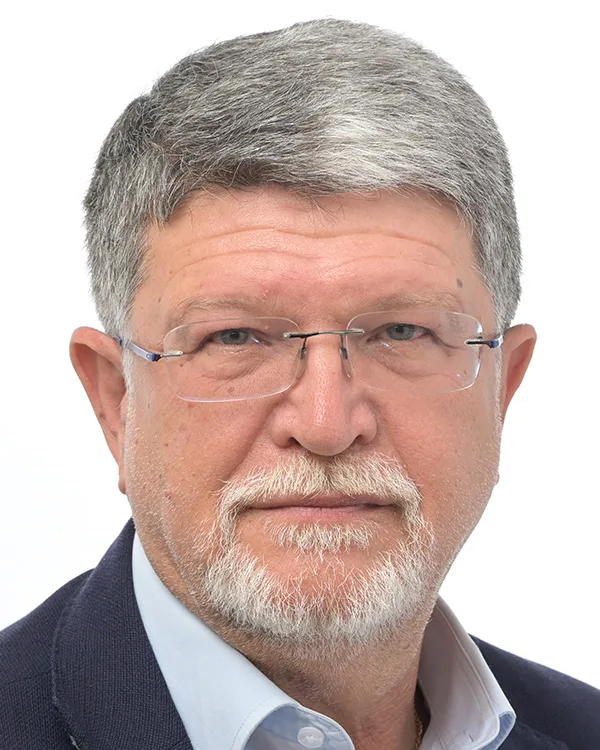
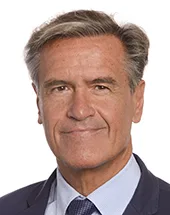
Lukas Sieper | Germany DEU | Non-attached Members (NI) | 390 |
| 2 |
|
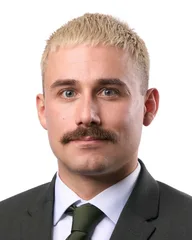
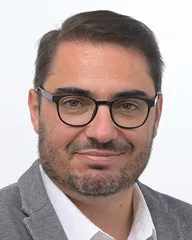
Juan Fernando López Aguilar | Spain ESP | Progressive Alliance of Socialists and Democrats (S&D) | 354 |
| 3 |
|
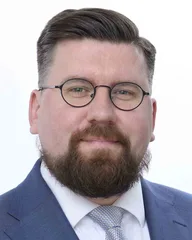
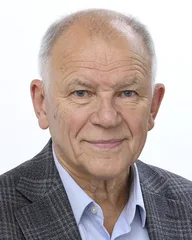
Sebastian Tynkkynen | Finland FIN | European Conservatives and Reformists (ECR) | 331 |
| 4 |
|
João Oliveira | Portugal PRT | The Left in the European Parliament (GUE/NGL) | 232 |
| 5 |
|
Vytenis Povilas Andriukaitis | Lithuania LTU | Progressive Alliance of Socialists and Democrats (S&D) | 227 |
All Contributions (177)
Question Time with the Vice-President of the Commission/High Representative of the Union for Foreign Affairs and Security Policy - Security and the EU's strategic compass
Thank you, Mr High Representative, for your answer. Now, I would like to focus more directly on Ukraine. The European Peace Facility is the most prominent instrument of our support to the Ukrainian armed forces. How do you envisage additional and continuous delivery on adequate military equipment to Ukraine? Does this open the way for equipping other third partner countries’ armed forces in the case of need?
Question Time with the Vice-President of the Commission/High Representative of the Union for Foreign Affairs and Security Policy - Security and the EU's strategic compass
Honourable High Representative, our security does not stop at our borders. That’s why we need to be proactive throughout our neighbourhood. I welcome that the document contains a goal to develop a tailored partnership with Western Balkan countries – moreover, to provide well-intentioned messages to foster stability and address political reality and constitutional obligations, particularly regarding Croats in Bosnia and Herzegovina. Nothing can be the same after 24 February. We need to push for a sustainable way to make Europe self-sufficient with food, energy and defence. Those needs should be a crucial part of our security agenda. That’s what our citizens are asking us to push for. In other words, we must walk the talk. That is also why I call for the strengthening of intelligence cooperation among our Member States in order to prevent situations such as the falling of a Soviet-era drone in Zagreb, which went through the airspace of the European Union and NATO member countries. That is absolutely unacceptable. Therefore, Mr High Representative, I would ask you the following: the Strategic Compass is based on the first ever EU threat analysis. That is the gathering of threat analyses from the civil and military intelligence services from the 27 Member States. Regular reviews on this threat analysis are foreseen. When will the next one take place, as our immediate security environment is unfortunately deteriorating rapidly? Has this exercise permitted to launch discussions on deeper EU intelligence cooperation?
Debate with the Prime Minister of Estonia, Kaja Kallas - The EU's role in a changing world and the security situation of Europe following the Russian aggression and invasion of Ukraine (debate)
Dear President, Madam Prime Minister, High Representative, Russia's President Putin's war against Ukraine is a turning point in recent European history. The Russian aggression has triggered tectonic changes in the European Union. This is the only positive outcome of the tragic events of the past two weeks. We see that the 27 members can unite positions, can act together as a geopolitical actor on the global stage. The common foreign and security policy must not remain the weakest link of European integration. European security cannot be negotiated without the European Union. The Union finally needs to take greater responsibility for its security and defence, but it also needs to be able to prevent new Vukovars and Srebrenicas on the continent. It is high time to reaffirm the strategic compass, increase investment in collective defence and strengthen strategic autonomy. Europe needs to be at the forefront of setting up a new multilateral agenda. Let's use this political momentum of togetherness and equate ambitions with concrete actions. The expectations of our citizens are clear. Strengthening common defence is a priority for them, and the European Parliament as their direct representative wants and should be involved on an equal footing as a partner.
The situation in Bosnia Herzegovina (debate)
The increasingly uncertain political situation in Bosnia and Herzegovina has become even more complicated by the Russian aggression against Ukraine. In a country where there is no consensus on fundamental social, economic and political issues, parts of which officially deny both genocide and Putin's aggression, there remains too much room for politicisation and the use of dysfunctional regulation for personal and group interests. Chronic blockages are the best indicator that progress in Bosnia and Herzegovina cannot be without consensus, however, consensus is built with trust, not with poor calculations. Especially not by attaching to policies that condemn and even increasingly sanction the civilized world. On the other hand, the outvoting of the will of one of the constituent peoples is a direct abuse of a system that obviously does not provide protection of constitutional rights for all. It is therefore not sustainable to call on Bosnia and Herzegovina to abide by judgments of European courts such as the Sejdić-Finci judgment without also seeking to abide by judgments of BiH courts. And it was the Constitutional Court of Bosnia and Herzegovina that ruled that the existing electoral practices deviate from the Constitution. Such selectivity serves as an argument for those who question the statehood and territorial integrity of the country. The views of citizens on the future are reflected in demographic statistics. In the past year alone, 170,000 citizens have left Bosnia and Herzegovina, and almost half a million since 2013. These are mostly people in the most productive periods of life. The requested accelerated candidate status also requires an accelerated engagement of Bosnia and Herzegovina to fulfil 14 clearly defined priorities. Bosnia and Herzegovina is certainly a place in the European Union. Every move on this path should be supported, but also respond to dangerous foreign routes.
The deterioration of the situation of refugees as a consequence of the Russian aggression against Ukraine (debate)
Madam President, each new day of the Russian invasion brings more suffering to Ukrainians. The humanitarian situation is deteriorating. Almost two million people, mostly women and children, have left the country, but expectations are even more grim. I would like, from the Croatian war experience, to point out that internally displaced people within Ukraine, who are not included in these statistics, also need protection and assistance. In less than two weeks, numerous attacks on civilian infrastructure, schools and hospitals took place, jeopardising the most vulnerable groups. Moreover, attempts to organise humanitarian corridors, where civilians seek a way out of the hell of war, have failed due to Russian shelling and blockades. But the suffering of Ukraine has caused a tsunami of solidarity in the EU. The activation of the Temporary Protection Directive hopefully can turn the tide. It may eventually create momentum to be used for the long—awaited adoption of the Pact on Migration and Asylum.
Foreign interference in all democratic processes in the EU (debate)
The Honourable Chairman, Madam Commissioner, currently connects about half of the world's population to the Internet. The internet has long been central to international communication and commerce. However, only 58% of European citizens have basic digital skills, although they are increasingly important for action in modern societies. 2017. fake news have been declared the term of the year. Two years later, the material damage caused by the direct and indirect consequences of disinformation amounted to nearly $80 billion. It also revealed that 67% of fake news came from Russia. The Russian aggression against Ukraine is therefore also a war by other means, especially disinformation campaigns. The Kremlin's narrative is as toxic as its military aggression, but we also follow the heroic resistance of Ukrainians on social media. The powerful messages of President Zelenskyy and the Ukrainian leadership are extremely effective in responding to Russian lies. That is why the Kremlin stops the same social networks that it previously used for its Gebels propaganda. In addition to the tragic situation in Ukraine, I also warn about our immediate neighbourhood. The Western Balkans must not become a platform for interference from geopolitical rivals who want to undo the core values of our Union. There is a clear political agenda disinformation and interference, manipulation of citizens, destabilisation of institutions and discrediting undesirable governments. Disinformation is used here. cyber attacks, fuel regional tensions and support radical political options. These tools undermine our partnership with neighbouring countries, influence public opinion and strengthen regimes with authoritarian tendencies. Our reaction must be continuous and decisive, because only in this way can we preserve the future of our democratic societies.
Russian aggression against Ukraine (debate)
Dear Chairman, yes, Russia's aggression against Ukraine can be a prelude to the twilight of humanity, but also to a new, fairer international order. The main reason for the war is the authoritarian nature of the regime under the absolutism of the Russian president. It is not known what is worse, Putin's military aggression or his narrative justifying bullying. Putin was counting on the passivity of Ukrainians and the division of the West. He overestimated his strength, underestimated the strength of Ukrainian resistance and the West's ability to unite. This war also evokes memories of the war of aggression against my country, Croatia, thirty years ago. Attacks on children's hospitals, civilian facilities, demolition of cities, many refugees. Putin, like Milosevic, must be held accountable for his actions before a war crimes tribunal. It will be very difficult for him to get out of this war. The Russian version of Majdan could happen to the Kremlin. History has shown that dictators can be defeated, but it is equally important to eliminate the circumstances that led to the emergence of dictators. Ukraine is bleeding, but Putin's regime will bleed out. Long live European Ukraine, glory to Ukraine!
Strengthening the system for protecting PDO and PGI denominations in the EU after the Prosecco/Prosek case (G-001003/2021 - B9-0004/2022)
Dear Chairman, colleague and colleague, I come from Dalmatia where prošek has been traditionally produced for centuries. This old name was used long before it was protected in the European Union. The reputation of prosecco derives primarily from the quality that is the result of a specific local production technique. There are important differences between Prosecco and Prosecca they are not and cannot be direct competitors. These two drinks are easy to distinguish by color, taste, grape variety, method and region of production, size and shape of the bottle, as well as by price. Prosecco it is produced in large quantities, while prošek is sold in small quantities, and mostly on the local market. A reasonably well-informed consumer, as the regulations state, cannot be confused. In the present case, incomplete and incorrect interpretations and accusations of abuse, imitation or evocation must be dismissed. Prošek is not a new product labelled as prošek just to evoke associations on prosecco. The similarities in the name stem from the rich historical and linguistic heritage that our two countries share. Legacy to be celebrated, not belittled and abused. Prosecco is an aperitif served at the beginning of the meal, while prošek, as a dessert wine, is served at the end. Accordingly, let every good dish begin proseccomAnd it ends in prosecco. I would like to thank the Commission for its work so far and for responding swiftly to my letter regarding unfounded attempts to obstruct the protection of the name ‘prošek’. I would point out that Commissioner Wojciechowski, in answer to a question put by a Member of Parliament, states that coexistence of products is possible, even in the case of two homonymous terms. The recognition of traditional prosecco cannot in any way weaken the existing system of protection, it can only strengthen it. This would also be an acknowledgement of the contribution of the indigenous products of the newer Member States, as the principle of being united in diversity needs to be respected. Croatia and its producers cannot and must not be discriminated against due to cases of linguistic similarities, even less due to the fact that Croatia is the newest member of the European Union. We fight for equality, fairness and impartiality. This is proven in practice in such cases. This is why the European Union must protect small traditional producers of indigenous products from large ones, who are trying to abuse their dominant market position. Without such equality, there is no common future.
EU-Russia relations, European security and Russia’s military threat against Ukraine (debate)
Mr President, Mr High Representative, Commissioner, our relations with Russia have been at a low point for a while. Most political challenges at our external borders have directly or indirectly Russia as a common denominator. The list of open issues is long: disinformation, hybrid threats, funding of anti-democratic forces in the EU, and foreign interference. But today, our primary focus should be Ukraine. After an eight-year war with 14 000 victims, situation in and around Ukraine evolved into a global threat. Russia is also actively undermining Ukraine’s democratic and socio-economic development for years through political and economic means, as well as through disinformation. So how can we best help Ukraine in this crisis? Despite the lack of progress, there is no alternative to continued talks. Diplomacy is still the only credible way to avoid doomsday scenarios. Meanwhile, the European Union has to continue supporting Ukraine, building deterrence, boosting Ukraine’s economy and defence, and supporting reform processes as well. We should also work to increase the potential costs of Russian aggressions by introducing sanctions against individuals, banks and companies involved in plans to attack Ukraine. Halting Nord Stream 2, in case of aggression, would increase our leverage while doing all of the above. Ukraine is a sovereign country with internationally recognised borders that has a full right to decide on its geopolitical orientation. The ongoing crisis has shown once again that any local crisis in Europe can turn into a global threat with possible deteriorating consequences. This should be an urgent call for the EU to enhance our own ability to respond quickly and in a unified way. While awaiting a much-needed comprehensive EU strategy towards Russia, we stand with Ukraine.
Implementation of the common foreign and security policy – annual report 2021 - Implementation of the common security and defence policy – annual report 2021 (debate)
Madam President, 2022 was declared by Charles Michel as the year of European defence. I hope that it will advance our geopolitical ambitions with the adoption of the EU’s Strategic Compass and making a new cyber defence policy a reality. Another great step forward would be considering qualified-majority decision making for some aspects of our common foreign and security policy. This cannot remain the weakest link of our integration, often misused by our global competitors with different values. I appreciate the particular focus on the Western Balkans in both reports. EU-related reforms and a clear enlargement perspective for these countries should be our foreign policy priority and not a side policy. To conclude, it’s time for the EU to use its economic and diplomatic leverage to move from soft to smart power. Only a strong and united EU can be a geopolitical actor for peace, human security, sustainable development, and lead by example globally.
Forced labour in the Linglong factory and environmental protests in Serbia
Dear Chairman, it is not often the case that we discuss a candidate country for membership of the European Union as a human rights emergency. However, the current situation with human and labour rights in Serbia fully justifies this precedent. In Serbia, there are no lone cases of external influences through dubious investments that are not in line with European standards and values. And such results in forced labour. And all this with the direct support of the ruling structures, which compare environmental protesters to fascists, while hooligans, with the protection of the police, defend murals of convicted war criminals. Yesterday, an intergovernmental conference was held to open a new cluster of negotiating chapters with Serbia. Ironically, a cluster for the environment is open. A few days after the mass protests in Serbia, it is against the government's legislative proposal that would dangerously endanger the environment and damage the health of citizens. Civil resistance managed to lead to the withdrawal of the contested law, but Brussels' resistance to such government policies, unfortunately, was absent. The message we send here is that only Serbia, a country that shows signs of backsliding in the area of the rule of law, is rewarded by opening new chapters. While Albania and North Macedonia, which have fulfilled all the conditions for the start of negotiations, are still in the waiting room, and the citizens of Kosovo still only need a visa for the European Union. Such decisions will not restore the credibility of the enlargement policy.
Cooperation on the fight against organised crime in the Western Balkans (continuation of debate)
Dear Chair, Mr Commissioner, I welcome this report as it addresses one of the key and most serious problems facing the Western Balkan countries on their path towards the European Union. The European Commission's recently presented reports explain in detail the importance of delivering tangible results in judicial reforms and the fight against organised crime, especially in those countries where there is no particular progress. Stopping organised crime and corruption is key to joining the European Union. Unfortunately, the pandemic has not slowed down organised crime either. On the contrary, we have brazen examples of corrupt actions in public procurements for medical equipment, such as the ventilator affair in Bosnia and Herzegovina. There is a lot of evidence that the organised crime virus knows no borders. Coupled with corruption, organised crime poses a huge threat in an already troubled region. It threatens security, social cohesion, and forces young people to leave these countries. It is good that the new Instrument for Pre-Accession Assistance IPA III, for which I was co-rapporteur of the European Parliament, contains guidelines on strengthening the judiciary and developing more effective tools in the service of countering organised crime. I stress that we from the European Parliament must constantly send strong messages of support to civil society organisations, investigative journalism, all the hardworking and courageous people who work hard and risk making their countries better. Let's stand by them while they fight organised crime. Let's encourage stronger police and judicial cooperation between the Western Balkan countries and Kosovo's membership of Interpol would be a good step in that direction.
Situation at the Ukrainian border and in Russian-occupied territories of Ukraine (debate)
Madam President, it’s with great concern that we follow the increased military presence of Russia at the Ukrainian border. We can speculate about its reasons, whether they are economic, political or both. Possible interpretations that link Russia’s actions with the Nord Stream 2 approval reflect how complex the relation we, as the EU, have with Russia since the interests of our Member States are not always aligned. We need to work together to coordinate our efforts concerning the Normandy Format cooperation with NATO in defence—related aspects. We have to address the economic dimension of our cooperation and foreign interference into our democratic processes, and lend once more our univocal support and commitment to Ukraine’s independence, sovereignty and territorial integrity within its internationally recognised borders. Ukraine has sovereign right to make its own foreign and security policy choices. As the Council will discuss this topic next week, we expect a swift agreement on further joint action, namely severe economic and financial sanctions that should be closely coordinated with our transatlantic partners. From Belarus and Ukraine to Republika Srpska, many of the challenges at our external borders have a common denominator in Moscow. This is why the Council meeting next week will be a good opportunity to discuss a long called for and much—needed comprehensive EU strategy towards Russia.
Situation in Bosnia-Herzegovina (debate)
Dear Chairman, the deep political crisis in Bosnia and Herzegovina is further aggravated by the increasingly provocative and openly separatist actions of Milorad Dodik. This time it threatens, among other things, the adoption of the budget and the appointment of ambassadors, even the donation of COVID vaccines. His direct violation of the Dayton Peace Treaty, the denial of genocide, the opening of a foundation of convicted war criminals and the threat of secession demand our clear condemnation and a more active role towards Bosnia and Herzegovina in general. The current phase of destabilization of Bosnia and Herzegovina, with the external support of Belgrade, Moscow, but also Budapest, can have serious consequences for the stability of the entire region. Unfortunately, the lack of vision and the stalemate of enlargement policy in the European Union is accompanied by a gradual loss of credibility, which further strengthens various anti-democratic political projects in the Western Balkans. Basically, there is a risk of merging many chronic crises in the 2022 election year. But as we seek respect and a possible upgrade of the Dayton Agreement, we must not ignore some of its key provisions. That is why it is of utmost importance to negotiate a new electoral law that should finally comply with the decisions of the Constitutional Court of Bosnia and Herzegovina itself.
Situation in Belarus and at its border with the EU and the security and humanitarian consequences (debate)
Madam President, it’s been 15 months that the Lukashenko and his regime has continued its systematic oppression towards their people. We must not lose sight of this fact while he’s extending illegal and anti—human matters to our borders. We should not fall into this trap by instrumentalising the precarious humanitarian situation there while addressing its security challenges. This crisis is yet another urgent reminder for the European Union to finally agree on the New Pact on Migration and Asylum and to strengthen our Common Foreign and Security Policy. We need determined and detrimental sanctions towards the Lukashenko regime, as our gradual approach does not yield the desired results. These two arguments would best signal solidarity between and towards Member States at the external borders, who are at the frontline of increasing challenges – solidarity that goes beyond the distribution of common funds, and also serves to respect laws and rights and to protect our democracies.
The outcome of the EU-US Trade and Technology Council (TTC) (debate)
Mr President, it has been an exciting couple of weeks for transatlantic relations. After a turbulent summer we are picking up on the positive momentum – from lifting the travel ban, joint environment commitments in Glasgow, meetings on the highest level, suspension of the aluminium and steel trade dispute, the Pittsburgh meeting – to name a few. In my capacity as a standing rapporteur for relations with the US, I fully recognise the importance of the TTC for our overall relations. It’s one of the key pillars. We want to see sustainable, ethical and inclusive digital and green transitions that benefit our citizens. I would like to underline the issue of transparency and parliamentary cooperation. Even though the TTC is not negotiating a new comprehensive trade agreement, we learned our lesson from the Transatlantic Trade and Investment Partnership. This is why I join calls to involve parliamentarians from both sides in your work. We are ready to contribute to this positive agenda.
The outcome of the Western Balkans summit (debate)
Mr President, we welcome that the Slovenian Presidency organised this summit as one of their priorities, but we cannot hide our dissatisfaction with the overall outcome. When there are no decisions on the dates for concrete actions and when even using the word ‘enlargement’ becomes an issue, we must react. It’s true that some significant steps were taken, such as adopting the IPA free pre-accession financial instrument and substantial financial commitment has been made throughout the region as well. Nevertheless, we need more political engagement and commitment. As a group we particularly insist that all countries in the region uphold fundamental rights and the rule of law, defend freedom of media, fight corruption, and we will not compromise on these issues. What worries us is that we are witnessing unrest across the region. Typical patterns of foreign interference and public support for the EU is falling. As a long-term solution and effective driver of reforms, we propose a credible and reachable European perspective for the Western Balkans countries. We must not shy away from calling out on all of the negative trends and backsliding. Still, we must deliver on our political commitments towards countries that did everything we asked for. The Western Balkans is a real test of the credibility of the European Union’s declared geopolitical ambitions. Therefore, the accession talks with North Macedonia and Albania, but also regarding the visa-free regime for Kosovo should be approved immediately.
Situation in Tunisia (debate)
Madam President, I welcome this debate as we all followed with great concern recent events when President Saied dismissed the prime minister and suspended the parliament in July. Even though he appointed a new prime minister and government, in practice his power abuse and subordination of the constitution should lead to political reaction from our side. Democracy, the rule of law and respect for human rights are fundamental in order to achieve sustainable and truly inclusive economic growth and prosperity in Tunisia. Tunisia urgently needs a stable government, legitimised by democratic accountability, in order to reinitiate talks with the International Monetary Fund over the disbursement of the much—needed loan, necessary to relaunch the economy of the country. In that sense, particular attention should be focused on the transparent use of EU assistance, also within the new investment package. Finally, as the geopolitical actor we believe we are, we should assist Tunisia to return to a democratic path.
The future of EU-US relations (debate)
Mr President, first of all, I would like to say that I am grateful to the shadow rapporteurs for their truly constructive cooperation. I also want to thank the Committee on International Trade (INTA) for their opinion work that complemented this report very much. I have just returned from a fact—finding mission to the United States, where I gathered the last information to prepare a report for the final vote tomorrow. The main finding from the visit is that the transatlantic relationship, as known for most of the post-Second World War period, needs reinvention. A combination of Building Back Better at home, a shift towards more foreign policy restraint, US unpredictability due to domestic polarisation, and reorientation to China and Asia confirm that the transatlantic relationship can no longer be taken for granted. We need to redefine and rebalance a relationship that still can, and should, contribute to shaping the world, along with a full—fledged democratic alliance. I have heard many concrete suggestions during the debate today. It’s clear that the US remains our most important strategic partner, but the time for nostalgia is shrinking. The sooner we accept the new reality, the better the chances are to reinvent this critical relationship on a more equal footing. We have to go beyond defence and trade cooperation and work together to reinforce the multilateral system, cooperate on climate change, the global response to the health crisis and the protection of democratic standards and fundamental rights. The European Union is a union of states, whereas the United States is the United States. My main take from today is that the internal cohesion of the European Union is of crucial importance for our position and perception in the multipolar world. Finally, throughout this mandate, we listen to the ambitions of this Commission to be a geopolitical Commission. The relationship with the US is perhaps the best test of that ambition, and we have no time to lose in fulfilling it.
The future of EU-US relations (debate)
Mr President, this debate could not be timelier. Last November, President Biden’s election provided much relief and optimism in the European Union. I firmly believe, then as well as today, that we need a renewed and strengthened transatlantic partnership to tackle common challenges. Some of them have been well known for decades, but some are part of the newer dynamics of the world. I appreciate the word ‛relations’. It covers all manners of virtues and sins, doesn’t it? My impression is that this has become a more self—aware relationship, with a lot of space for cooperation, and diverging challenges that remain – in trade, data protection and attitudes towards China for example. It is a relationship based on the US primarily doing what fits their national agenda, and sometimes not fully taking into account all those things that matter to the European Union. Take the long overdue lifting of the travel ban, for example. We may be a newer Union, but we are also proud of our national histories and identities. Our diversity unites us. Our democratic, social and human rights standards are the most developed ones. And we should be proud of our lead to fight climate change. It goes without saying that we should not lose the sentiment about the assistance from the United States to Europe’s development, prosperity and successful integration, nor all of the multilateral achievements. During the past 75 years, the transatlantic partnership has stood for freedom, democracy, human rights, the rule of law, trade, economic cooperation and security. The European Union and the US have the largest bilateral trade and investment relationship and enjoy the most integrated economic relationship in the world. We should also praise positive developments like the Trade and Technology Council that took place last week. But we must stress in parallel that the European Union’s strategic autonomy should be pursued, with improved implementation of European Union foreign and defence policy priorities and principles. Also, with the European Union’s ability to act autonomously, when needed, in pursuing its legitimate interests. Moreover, we need to explore areas of convergence and seek to enhance cooperation, better coordination and consultation between the US and the European Union to avoid transatlantic tensions such as those that followed the adoption of the trilateral AUKUS deal or the uncoordinated withdrawal from Afghanistan. These events should remind us that the EU needs to catch up with the new reality and redefine our relationship with the US on a more equal footing. This means standing up for our interests whenever needed, but also taking greater responsibility. We must reinforce both: the European Union’s autonomy of decision and its autonomy of action, from soft power to smart power. In concrete terms, together with the US, we should work to promote multilateral cooperation for a more equitable and healthier world, fight against inequalities, cooperate better in research and technology development, and promote ecological transformation and the peaceful resolution of conflicts. We have to enhance our parliamentary cooperation, rule-based connectivity strategies, protect and promote democracy and human rights, share best practice examples and better include our citizens in decision making. Having said that, without any doubt, the US remains the European Union’s closest and most important strategic partner, and I believe that a strategical autonomous Union would be the best partner for the United States!
State of the Union (continuation of debate)
The Honourable Chairman, the Honourable President, has developed life-saving vaccines since your address last year, an agreement has been reached on the Multiannual Financial Framework and the Recovery Fund, and we are also recording better economic indicators. Today I would like to mention three topics that I believe are important for Europe, but also for Croatia. Unfortunately, Croatia was hit by a strong earthquake last year. The damage is great and the restoration is slow. As a result, there are concerns that funds allocated from the Recovery Fund may remain unused, as this is the responsibility of national governments. You're saying we need to remove the barriers between us. So it's about Schengen. I call on you, in line with the previous conclusions of the Commission and the Parliament, to support Croatia’s entry into Schengen, which would make life much easier for our citizens and improve economic cooperation. I would also like to mention the enlargement policy. Too bad you didn't devote more space to the process. You said we shared the same history and the same fate with the Western Balkans. That's why we have to keep our promises, show credibility and remove harmful blockages.
Instrument for pre-accession assistance (IPA III) 2021–2027 (debate)
First of all, I would like to thank all those involved for their dedicated work over the past two and a half years. Today's discussion is the last formal step towards implementing a new, better financial instrument for pre-accession assistance IPA III. In short, the new generation of IPA will strengthen the democratic, normative and socio-economic transformation of candidate or potential candidate countries for membership of the European Union. It will provide more rational, better targeted, visible and sustainable support to partner countries on their path towards the European Union in addressing common challenges. Enlargement policy is inextricably linked to the convergence of the values of liberal democracy, respect for human rights and the rule of law, from which we as a Union must not depart. That is why it is good that the new IPA III will particularly insist on this. The new, upgraded instrument puts emphasis on strengthening conditionality related to democracy, human rights and the rule of law, even providing for the suspension of assistance in case of backsliding in these areas. IPA III will strengthen strategic communication, fight disinformation and contribute to cross-cutting climate, environmental, human rights and gender equality objectives. IPA III is a forward-looking instrument, taking into account European Union initiatives and objectives such as the Green Deal. The allocation of funds will be based on an effectiveness-based approach and the principle of fair distribution. This means that the aid will vary in scope and intensity according to the beneficiary’s performance, while applying the fair share principle to ensure that the scope and intensity of funding takes into account not only the beneficiary’s performance but also their actual needs and capacities. We want to avoid a disproportionately low level of help for only some. The progress of all users needs to be ensured. As a Parliament, I think we can be satisfied with what has been achieved, especially in the context of the thematic priorities as the institutional role of the European Parliament. During the negotiations, Parliament ensured improved governance of the instrument through an extended use of the delegated act procedure and an enhanced geopolitical dialogue with the European Commission. These mechanisms will enable Parliament to define the main strategic orientations and to responsibly examine the decisions taken under the instrument. Our goal was to apply the lessons learned from the previous IPA II instrument, and our motive was to provide assistance to those countries, i.e. their predominantly pro-European citizens. While the prospect of European Union membership has partly lost some of its power transformation, it is still the most effective stimulus for comprehensive political, economic and social reforms in the Western Balkans that the European Union has at its disposal. And for all those who are wondering why we allocate this much funding for preparation, I believe future members of the European Union, I would like to put forward a few arguments. Enlargement policy is important because it gives the Union the opportunity to promote and insist on important reforms in candidate countries. It is important because both sides benefit from this process. Data show that thanks to previous enlargements of the European Union, member states have also benefited in terms of economic growth and job creation. Enlargement policy promotes socio-economic cohesion already before accession, thus addressing some of the main concerns of European Union citizens regarding migration and social dumping. Similarly, enlargement guarantees a leading role for the European Union in the region. Currently, Russia, Turkey, Gulf countries as well as China are competing with each other and with the European Union for economic and political influence in the Western Balkans, too often with completely different interests from ours. It is important because it helps prevent and manage potential crises and conflicts, and perhaps the most important benefit is that it enhances the credibility of the European Union and sends a positive message for the prosperity and future of the Union itself. These days, the component of strengthening good neighbourly relations that we have highlighted in the Parliament as one of the priorities seems particularly important, for example recent events in Montenegro are the best indicator that slowing down reforms and, for example, politicising religious events with external support can have a negative effect on the division of society and the security situation in the country. What I want to emphasize is that we often record the highest support for the European Union in particularly polarized societies, since membership of the European Union as a common denominator can also have this cohesive factor. The IPA instrument is in fact financing the long-term interests and fundamental values of the Union. Our financial investments must match our ambitions to be geopolitically relevant in the Western Balkans and Turkey. Over €14 billion is a significant amount of economic aid. However, funding cannot fully replace a credible enlargement policy. I can replenish it, but I can't replace it. North Macedonia and Albania wait unjustifiably long for negotiations to begin, although they have done more than even some of the member states. Kosovo has also fulfilled all visa waiver criteria for a long time. It is time to finally verify their efforts with concrete decisions.
Direction of EU-Russia political relations (debate)
Mr President, it’s nothing new if we say that our relations with Russia are at a very low point, in short: energy over-dependence, divergent policies of the Member States’, direct interference in political processes and Russia’s very active role in disinformation campaigns. So we need to increase the resilience of the EU and its partners in the Eastern Neighbourhood against Russian disinformation and interference; ensure that Russia is implementing the Minsk Agreement; engage with Russian civil society more strategically, despite the regime’s evermore determined efforts to undermine any such engagement; besides carefully used selective engagement on urgent global challenges to generate progress on the other objectives. But we also must be realistic in our ambitions of democratising Russia as implied in this document. We should rather not keep falling into a political trap, further narrowing space for our political actions. Instead, we need a new, comprehensive, more strategic EU joint strategy towards Russia that will finally enable us for a more proactive approach.
Situation in Lebanon (debate)
Madam President, the catastrophic blast in the port of Beirut has only speeded up the deep and widespread crisis that has been crushing Lebanon’s political and economic life for years. During our visit last week, we witnessed dramatic images from across the country with thousands of people forced to live in dire conditions with shortages of fuel and energy supplies and terrible consequences for the national health care system. We need to reformulate the strategy and the recovery plan for Lebanon in the framework of the EU—Lebanon partnership priorities under the new Global Europe Instrument. We also still expect the new Government to address the macroeconomic and fiscal crisis and take credible anti-corruption actions for the immediate benefit of the Lebanese people. The measures implemented in recent years were not even close to matching the purpose. In this kind of social, economic and political meltdown, no one must be left behind, especially the most vulnerable in society.
Situation in Afghanistan (debate)
Madam President, the speedy collapse of the Afghan Government and seizure of power by the Taliban sent shockwaves throughout Europe. It prompted intense debates on the future of rules-based international order, transatlantic relations, European strategic autonomy and relations with adversarial states. Humanitarian assistance, human rights protection, especially of women and girls, assistance to NGOs on the ground, must be our absolute priority. This unfortunate situation should also be an impetus to finally agree on the new pact on migration and asylum. As the European Parliament, we should establish a formal mechanism in this House on the scrutiny of the EU policy on Afghanistan since 2001. The task at hand would be not just to establish what went wrong, but crucially to draw lessons for present and future EU missions. Following the recent events in Afghanistan, it became evident that EU strategic autonomy becomes a necessity, not a choice.