

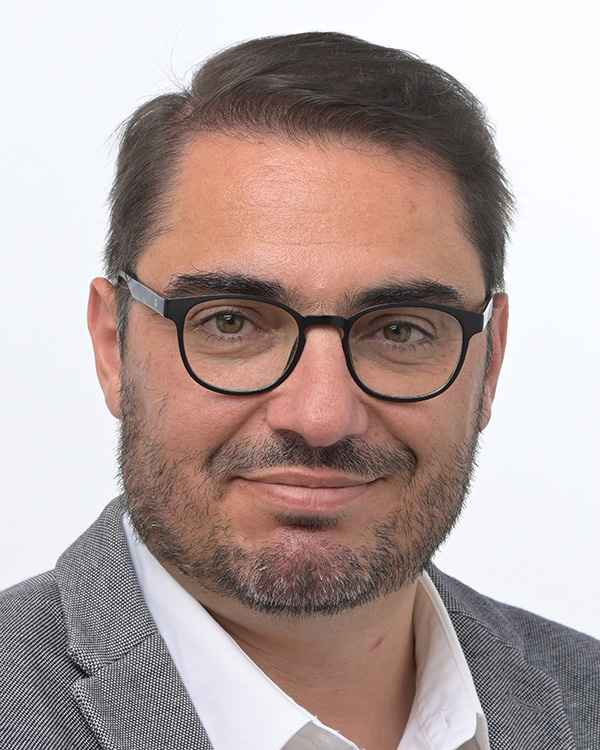
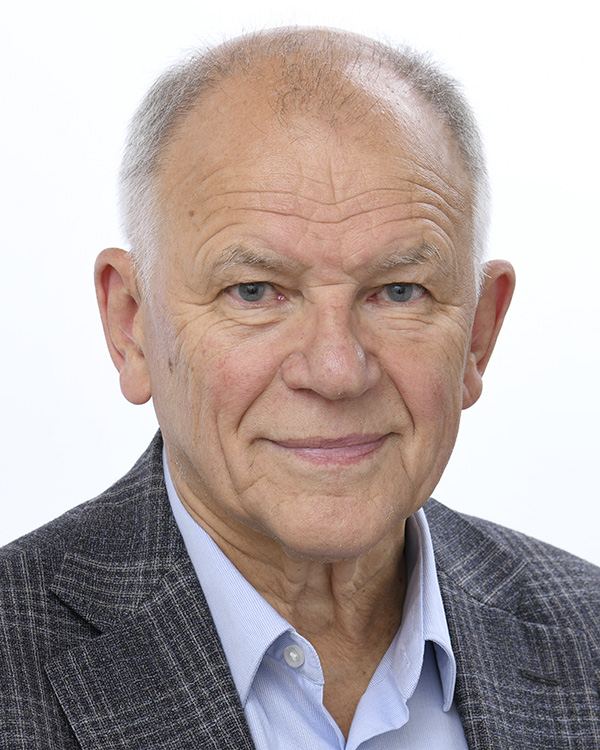
| Rank | Name | Country | Group | Speeches | |
|---|---|---|---|---|---|
| 1 |
|
Lukas Sieper | Germany DEU | Non-attached Members (NI) | 390 |
| 2 |
|
Juan Fernando López Aguilar | Spain ESP | Progressive Alliance of Socialists and Democrats (S&D) | 354 |
| 3 |
|
Sebastian Tynkkynen | Finland FIN | European Conservatives and Reformists (ECR) | 331 |
| 4 |
|
João Oliveira | Portugal PRT | The Left in the European Parliament (GUE/NGL) | 232 |
| 5 |
|
Vytenis Povilas Andriukaitis | Lithuania LTU | Progressive Alliance of Socialists and Democrats (S&D) | 227 |
All Contributions (34)
2022 Rule of Law Report - The rule of law situation in the European Union - Rule of law in Greece - Rule of law in Spain - Rule of law in Malta (debate)
Mr President, the rule of law is a fundamental principle of the European Union, so we must act when it is threatened. And as far as Malta is concerned - yes, it has been under threat. And the situation is getting worse. The institutions have been conquered to protect the people in power. To enable those who are supposed to be there to serve people to be sown on the back of the people – to be sown from the bog, to be sown from the workers, to be sown from the families. Daphne Caruana Galizia has been murdering her for more than five years. She was forced to close her mouth so that she could not continue to uncover the theft of the present government. Five years have passed, and do you know how many prosecutions have been made against the people in power for that corruption that has revealed? Zero! We recently had a confirmation from the Court of Malta that our biggest ever public contract was plagued by fraud. Contract where they sold the hospitals. And imagine reading this: Even those on the back of the sick are grubbed up. And what did our institutions do? Investigations that have never been completed. Prosecutions that cannot succeed due to bold incompetence. Let's say it as it is: intentional incompetence! This is so unless, of course, corruption is detected. There yes, they quickly complete the investigations, there they quickly take criminal proceedings against you. For example an author, who recently published evidence of bribery and abuse of power between a parliamentarian and the alleged murderer of Daphne Caruana Galizia, the police take action against the perpetrator and not against the corrupt. No. The magicians and the magicians deserve to be better. And they are asking, "where is Europe?", "what is Europe doing?". And so I call on the Commission to do its duty in accordance with the treaties and to ensure that the institutions protect the Maltese, not those who trade them, and that they seek the corrupt, not those who expose them.
Revision of the European Works Councils Directive (debate)
Mr President, Mr Commissioner, more than 10 years have passed since the last revision of this directive, and many things have changed since 2009. Different trends in the labour market, digitalisation and the green transition are naturally affecting workers in unprecedented ways. A review, then, is very necessary. We can no longer accept that consultations take place after decisions have been taken. We cannot, for example, further accept that information is retained on false claims. We can no longer ignore the fragmentation of access to legal systems and courts. And then, this report identifies these issues and paves the way forward. I want here to thank Dennis Radtke and the shadow rapporteurs for the work they have done and of course I believe we will have, I think, a good report by which we can pave the way forward. These are proposals that will benefit both workers and, I want to say, employers. Proposals that will also add value. Through this report we see how we can ensure, for example, the worker's right to be informed, that workers are involved in decisions that affect them directly and that we facilitate access to justice systems. With the best policy we are facilitating a constructive dialogue. And the advantages now seem to be enjoyed by everyone.
The Commission’s reports on the situation of journalists and the implications of the rule of law (debate)
In 2022, we welcomed new legislative proposals from the Commission – proposals dealing with press freedom, better protecting journalists and strengthening the situation and independence of journalism. These are proposals that I and my friends have been fighting for for years, and this year they have come. And I want to start, then, by thanking Commissioner Jourova for the immense work he has done so that we can have these proposals before us. Proposals to combat, for example, the use of abusive lawsuits, SLAPPs, better referred to as Daphne’s law. Thanks to the work of the Commission, we have a clear picture of what the situation is right now. Across Europe, freedom of the press is unfamiliar. To quote from the report on Malta, where the Commission therefore states that it notes the significant and direct influence in public broadcasting. This is not acceptable. It is unacceptable and continues to say that there is no willingness to improve the situation. Ms President, government interference in public broadcasting is a threat to democracy. And so to strengthen democracy, we must strengthen the independence of journalism in Europe. This Parliament recognised Daphne Caruana Galizia, recognised her work, recognised the values she believed in, and recognised that when journalists were abandoned, they could be killed. Five years have passed and too many journalists are still being killed in their work. I want to call on governments and colleagues to acknowledge this fact.
The Rule of Law in Malta, five years after the assassination of Daphne Caruana Galizia (debate)
Mr Presiden, I recall that yes, yesterday Malta commemorated five years of the assassination of Daphne Caruana Galizia. Daphne Caruana Galizia, alone, was able to reveal corruption at the highest levels. She was not afraid of anyone even when Castille’s political apparatus was mobilised to ridicule and isolate her. It is easy to forget that Daphne was above all a woman, and proudly that she was a Maltese woman. Daphne’s brave history reminds us of the risk faced by journalists when governments shake their feet and ignore journalism in the face of evidence of corruption and crime. This is when the risk to the safety of journalists is highest. Sir President, two days ago, the two brothers who exploded the bomb admitted their sins and will spend forty years in prison and this is an important step, but a small step. There is still a lack of justice for the crime that Daphne was killed in exposing her. And on this point we are far behind. Assassins were caught, now it is up to politicians and officials who played an important role to be caught up, as MEP Reuten said by the Socialists, now we need to focus on the mandrels, who planned the assassination. Daphne deserved better; The people were better off. And now we will continue to work hard to ensure full justice, because yes, Daphne was right, and yes, Daphne Maltese hero.
Social Climate Fund (A9-0157/2022 - David Casa, Esther de Lange) (vote)
Madam President, according to Rule 59(4) of the Rules of Procedure, I would like to request that this file be referred back to the Joint Employment and Environment Committee for interinstitutional negotiations according to Rules 60 and 74 of the Rules of Procedure. Once again, thank you, colleagues, now we finally have a Social Climate Fund. Thank you to all.
Revision of the EU Emissions Trading System - Social Climate Fund - Carbon border adjustment mechanism - Revision of the EU Emissions Trading System for aviation - Notification under the Carbon Offsetting and Reduction Scheme for International Aviation (CORSIA) (joint debate – Fit for 55 (part 1))
– Mr President, of course, climate change is having an impact on our environment and ecosystems, as already said. I followed some of the steps. Of course, I agree with many of the comments made on this report, for example, the package of market-based measures. It is not perfect, of course, but these measures will bring us closer to climate neutrality by 2050. What we have negotiated in the European Social Climate Fund is not perfect but, over the past months, I and other Members in this Parliament have done our best to ensure that the fund will work in the best way. We found the best compromises and were able to work and move forward. I hope that tomorrow, during the vote, the compromises we all agreed on together will keep with them because the balance we found seems to be a good balance. We have a good basis that we can, then, enter into negotiations together with the Council. Nappella lill-kollegi biex jagħtuna mandat b'saħħtu għaliex iktar ma jkollna mandat b'saħħtu, iktar ikollna riżultati pożittivi.
Revision of the EU Emissions Trading System - Social Climate Fund - Carbon border adjustment mechanism - Revision of the EU Emissions Trading System for aviation - Notification under the Carbon Offsetting and Reduction Scheme for International Aviation (CORSIA) (joint debate – Fit for 55 (part 1))
– Ms President, colleagues, with the Social Climate Fund, the European Union will ensure that it delivers billions of investments for citizens across Europe. We are doing this in response to the challenges posed by climate change. As we shift away from dirty energy, both polluting, of course, but also coming from Russia, we need to reduce the impact on our families and workers. With our work on this file, we are doing our best, and we have done our utmost, to make sure that funds are targeted mostly at those most in need. We introduced a definition for energy poverty and mobility poverty. This is to ensure that funds reach these people and we need to see how good data is collected that will make our policy more effective. From the very beginning of this process we wanted to support sustainable investments on other measures. And we did this because we reduce long-term dependence on energy suppliers and fossil fuels. Ultimately citizens are receiving the cheapest energy bills. The Social Climate Fund will work on the ground by financing investments in housing, commercial buildings, transport. We want to see more insulation, more solar panels, more efficient electronic equipment, more accessible and affordable public transport. Climate change brings serious challenges, which we can fight through measures that will finance this Fund. When we have more investments in energy efficiency, we reduce demand, and so reduce emissions. But we also reduce electricity bills for our citizens, who are already locked by inflation. And we will do this through the Social Climate Fund because, Ms President, the transition to climate neutrality needs to be social. We therefore stress that local and regional authorities should play a crucial role throughout the process. To have greater impact, we want measures to be created with the contribution of both government organisations, but also civil society. But we want local authorities to also be involved in the implementation and evaluation stage of the measures that this Fund will come to finance. We are experiencing very difficult times. The cost of living is rising sharply. We are seeing the impact it is having on our citizens. When implementing climate policy we must ensure that no one is left behind. The most vulnerable are protected. This is what we tried to do with this Fund, both I and my colleague Esther, but also the shadow rapporteurs coming from all political groups. I enjoyed working with you all. Thank you very much, we were a very good team, and I think we managed to send a balanced report when it comes to the Social Climate Fund.
Citizenship and residence by investment schemes (debate)
Mr President, in Malta, Daphne Caruana Galizia was the first journalist to investigate the Individual Investment Programme scheme. It was a non-transparent scheme that was not expected by a serious government. Only one thing was clear from the very beginning: That was a bad idea. This House has already proclaimed itself against the sale of European Union citizenship, and there are very good reasons. As Commission President von der Leyen had explained: "European values are not for sale", as the Commissioner has reiterated today. There are Member States that seem ready to ignore these risks, even when Europe as a whole is being affected; and in the fight against money laundering and corruption, the sale of passports is a tool in the hands of the worst aggressors. On the day Putin invaded Ukraine, the European Union introduced unprecedented sanctions, as already said, against Russian oligarchs closest to Putin. However, years of passport sales have opened up a wound in the armour of the European Union. So, I say, what will be done now by the rich Russians who have already gone through this window and are now in Europe? I fully agree, Mr President, with the words of President Metsola, who had told us that the time has come for European countries to close this shameful chapter once and for all.
Pandora Papers: implications on the efforts to combat money laundering, tax evasion and avoidance (debate)
It's shameful that we're here. Five years ago we were talking about the Panama Papers and, today, we are here discussing the same topic: theft, hiding, money laundering and this time again, these investigations were carried out by journalists. Yes, I believe that journalists are doing our job and that's not right! I want to recall that four years ago, next week, Daphne Caruana Galizia is four years old since she was killed because she was fighting money laundering. Politicians should not be elected to hide their money. But to invest in young people, families, workers, the elderly, SMEs and people. My appeal is clear: Together - for all institutions - we need to ensure that we make laws and that they are followed. Those who hid their money should not find any clause that would leave them free. And we can only do this if we work together. And we have where we can work together. We will soon start talking about how we will fight, this entire Parliament, money laundering on the proposals put forward by the Commission. Let us unite, let us be a united Parliament because together we must ensure that justice is done and that it must appear to be done. We politicians must fight wherever money is laundered, even if they are politicians coming from our countries.