
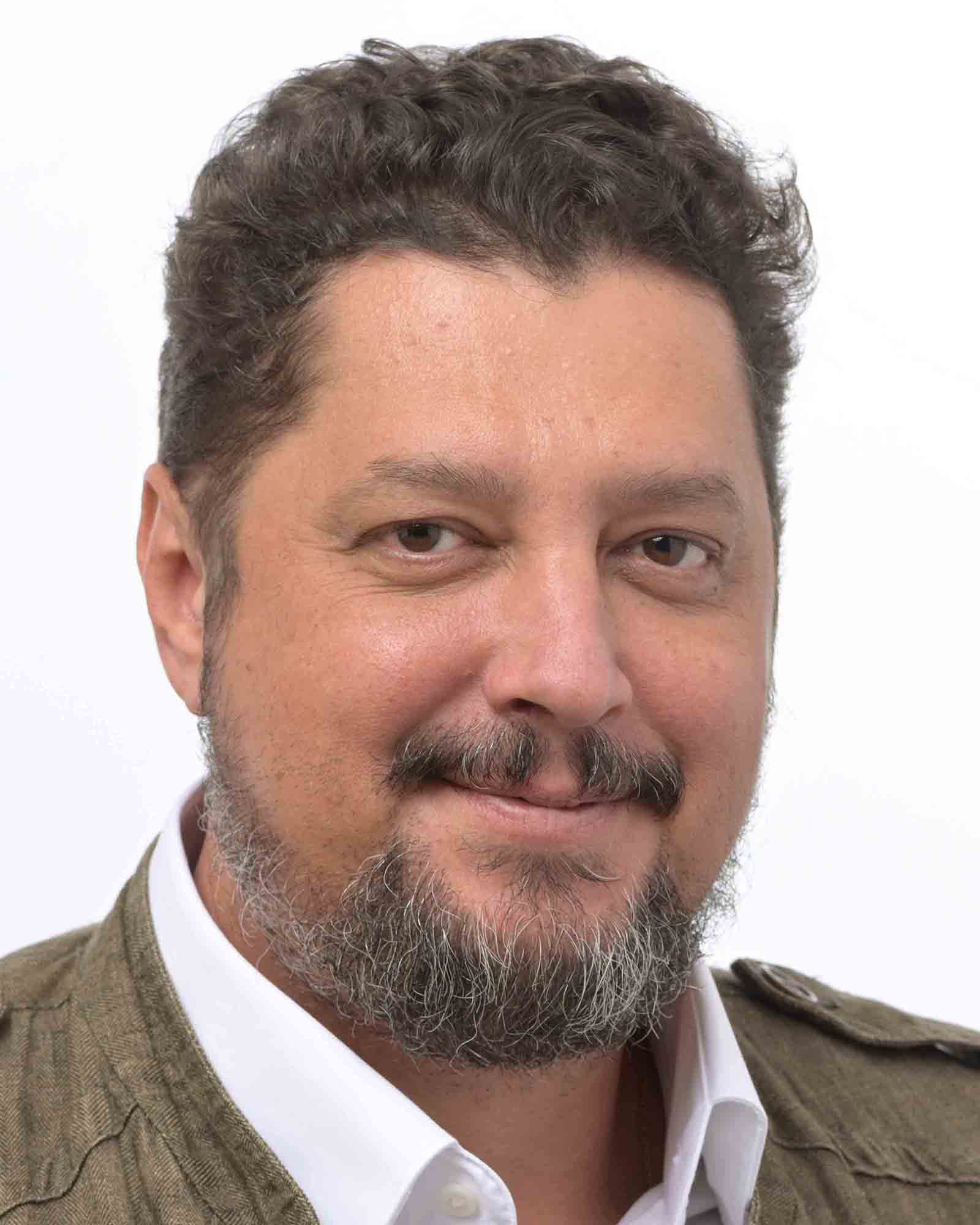

| Rank | Name | Country | Group | Speeches | |
|---|---|---|---|---|---|
| 1 |

|
Lukas Sieper | Germany DEU | Non-attached Members (NI) | 390 |
| 2 |

|
Juan Fernando López Aguilar | Spain ESP | Progressive Alliance of Socialists and Democrats (S&D) | 354 |
| 3 |

|
Sebastian Tynkkynen | Finland FIN | European Conservatives and Reformists (ECR) | 331 |
| 4 |

|
João Oliveira | Portugal PRT | The Left in the European Parliament (GUE/NGL) | 232 |
| 5 |

|
Vytenis Povilas Andriukaitis | Lithuania LTU | Progressive Alliance of Socialists and Democrats (S&D) | 227 |
All Contributions (53)
State of the Energy union (debate)
Mr President, in Romania over the last five years, due to forced commitments by the European Commission, electricity generation capacities amounting to 5 500 megawatts have been arbitrarily shut down. Basically, this sector has been amputated. Nothing similar has been put in place. Last week, the European Commission asked Romania to increase the share of green energy in total energy consumption from 36% to 41% by 2030. The decision of the Romanian Government, which will not delay, will still be taken arbitrarily, in the absence of a national energy strategy and this will mean a limitation of access to our own natural resources of gas, oil and coal that we have in abundance. The results are visible. Romania pays the highest price for energy at European level. In the long run, the country's development, which has to catch up anyway, will be negatively affected by high energy prices. The solution is the rational use of all available resources, in accordance with the environment and in order to increase the standard of living of the population and economic development, so that Romania prospers, not sinks into poverty. A European Energy Union must also take into account Romania's interest.
One-minute speeches on matters of political importance
Mr President, one of the most important challenges for the current term of office of the European Parliament is to reduce the development gaps between the countries of the Union. There can be no question of a coherent strategy for building the European project, given that the tasks and obligations of states are imperative, but opportunities and opportunities remain the privilege of advanced economies. We have draconian environmental policies, but no government is forced by similar legal instruments to fight drought and soil desertification. We live in a united Europe, but freedom of movement is selectively regulated through a mechanism called the ‘Schengen area’. Romania has agreed to close coal mines and thermal power plants in recent years, which could provide electricity at a bearable price, in the middle of the crisis, and today pays the most expensive energy price in the European Union. And then I wonder, how many categories of citizens does the Union have and, above all, where is the ideal that underpinned the European construction: reducing the development gap between Member States?
Outcome of the Strategic Dialogue on the Future of EU Agriculture (debate)
Mr President, ladies and gentlemen, how much longer can you tolerate the nagging wooden language, the chimeras and the lack of solutions anchored in reality? How do you think it helps hard-pressed farmers to hear that their future means ‘sustainability’ and ‘resilience’, ‘innovation and ‘competitiveness’? That is, empty words and zero effectiveness. It is not on the climate that we should blame when the responsibility lies with politicians and bureaucrats, who too often have knowingly underestimated or neglected this vital sector. Agriculture is not done in front of the laptop, manipulating figures, or from ministerial chairs, promising ridiculous compensation. I draw attention to the fact that no representative of Romania was invited to the table of this strategic dialogue. Romania, the fifth country in the European Union, with 13.5 million hectares dedicated to agriculture, the country with the most farmers, one of the largest producers of cereals, honey and sunflower seeds, the country that registered the second highest growth last year.