
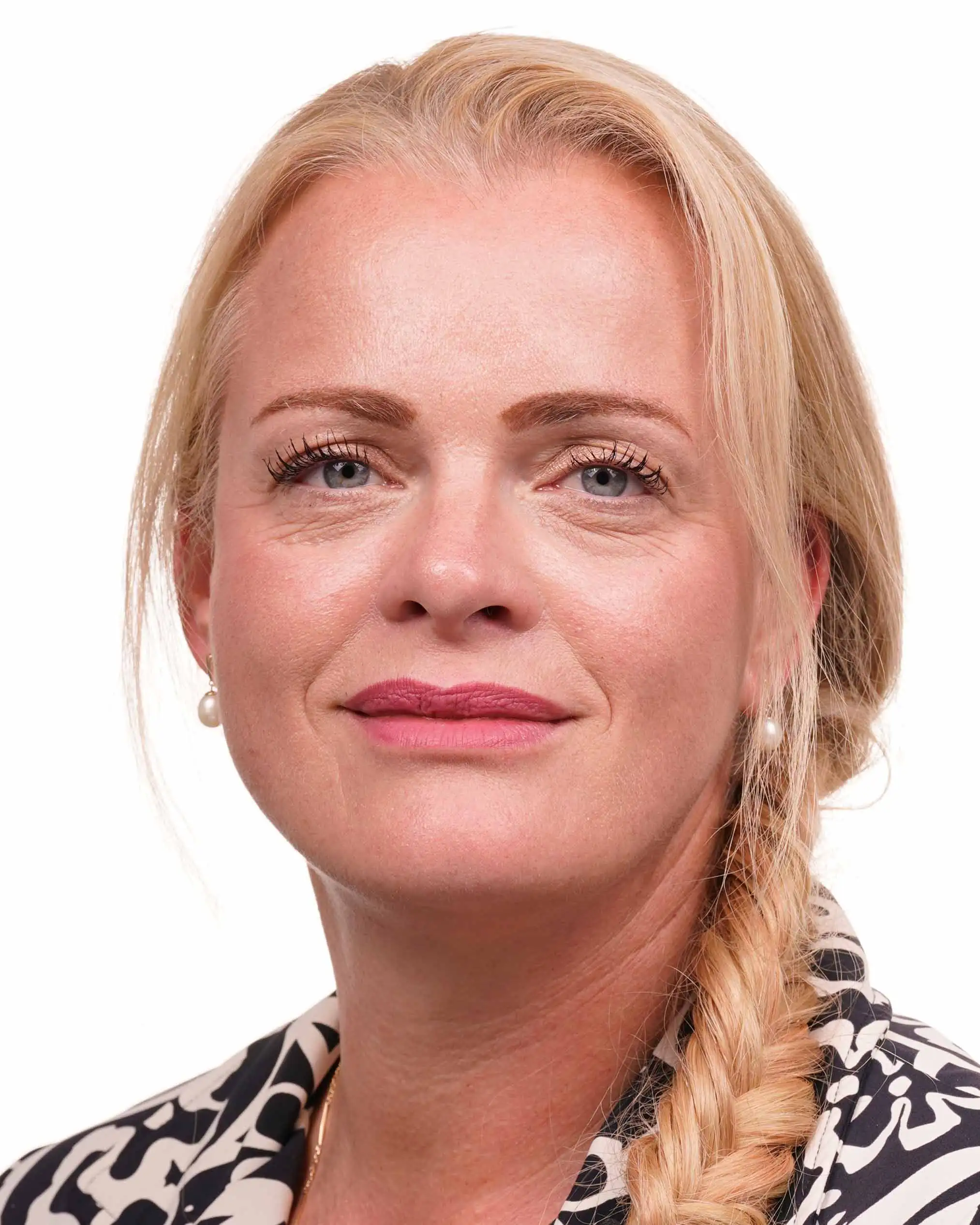





| Rank | Name | Country | Group | Speeches | |
|---|---|---|---|---|---|
| 1 |
|
Lukas Sieper | Germany DE | Renew Europe (Renew) | 494 |
| 2 |
|
Juan Fernando López Aguilar | Spain ES | Progressive Alliance of Socialists and Democrats (S&D) | 463 |
| 3 |
|
Sebastian Tynkkynen | Finland FI | European Conservatives and Reformists (ECR) | 460 |
| 4 |
|
João Oliveira | Portugal PT | The Left in the European Parliament (GUE/NGL) | 288 |
| 5 |
|
Vytenis Povilas Andriukaitis | Lithuania LT | Progressive Alliance of Socialists and Democrats (S&D) | 276 |
All Speeches (29)
Question Time with Commissioners – Situation of animal health in Europe: how to prevent and prepare for future sanitary crises in agriculture
Date:
22.10.2024 16:07
| Language: NL
Speeches
Mr President, today's debate is about preventing crises with animal diseases in agriculture. Animal welfare standards are often devised that achieve the opposite. The disappearance of cages, which has just been mentioned a number of times, has in many cases resulted in a deterioration of the sanitary status, so these calls today do not add anything to the discussion we have here about how to prevent animal disease crises in Europe. However, what is a major problem is that we do not have European harmonisation in the field of management measures and biosecurity, which makes it very difficult to prevent the spread of animal diseases between Member States. I would therefore ask the Commission to urgently focus on the uniformity of management measures and to create an EU ‑-wide standard for biosafety. This will also require funding and investment in the setting up of diagnostic infrastructure to enable rapid and effective diagnosis in each Member State. Only if we act uniformly across the EU can we really talk about a One Health approach.
Droughts and extreme weather events as a threat to local communities and EU agriculture in times of climate change (debate)
Date:
19.09.2024 10:02
| Language: NL
Speeches
Mr President, do you know the story of Hansje Brinker who saved the Netherlands from a flood by sticking his thumb in a dike? Of course, that did not really happen, but it does mark the long battle of the Netherlands against the water. As regards the impact of extreme weather on agriculture, two issues are crucial: calendar agriculture and water management. For the nitrates directive, we have made agreements on so-called calendar agriculture, but it is madness that Brussels decides when a farmer can sow, harvest and spread manure without taking into account the weather conditions. Thanks to the extremely wet spring, several crops were planted or sown much later than usual, but our farmers are obliged to harvest before 1 October. Good water management includes: retaining water in dry times and draining water as quickly as possible in wet times. In recent years, many dams and flood defences have been removed in Europe to let nature take its course. Fortunately, our water boards in the Netherlands are a lot more cautious. After all, we know from experience that if you remove flood defences, you increase the risk of wet feet. Despite the record precipitation in 2023, we managed to lead that in good channels in the Netherlands. According to experts, weather conditions will only become more unpredictable in the coming years. So let's make the right choices now. In my opinion, when dealing with water responsibly, safety takes precedence over wishful thinking. The same goes for calendar farming, where our farmers deserve the confidence to be able to adapt their production calendar to the unpredictable weather conditions.
Outcome of the Strategic Dialogue on the Future of EU Agriculture (debate)
Date:
16.09.2024 19:11
| Language: EN
Answers
I didn't say all of Europe rejected the Green Deal. I said that this report uses feed to enforce unrealistic Green Deal policy upon us. That's what I said.
Outcome of the Strategic Dialogue on the Future of EU Agriculture (debate)
Date:
16.09.2024 19:08
| Language: NL
Speeches
Mr President, everyone was able to eat something today thanks to a farmer. Food is the bridge between farmers and consumers. This morning I drove through the agricultural lands of the East Netherlands, Germany and France: the most efficient agricultural area in the world. Nowhere else is so much food produced with so little input and pollution. It is therefore a missed opportunity for the report to use food to push European citizens down the throats of the unrealistic ideas of the Green Deal. Meat, fish, dairy and eggs from Europe are and remain a healthy source of protein. Give our farmers the opportunity to continue producing animal protein for Europe and the growing world population. The report shows appreciation for food security, young farmers and innovation, but this will not solve the displacement of family farms in rural areas. We can only tackle the current crisis with a centre-right change of course in Europe, in which common sense reigns, unbridled green idealism.