
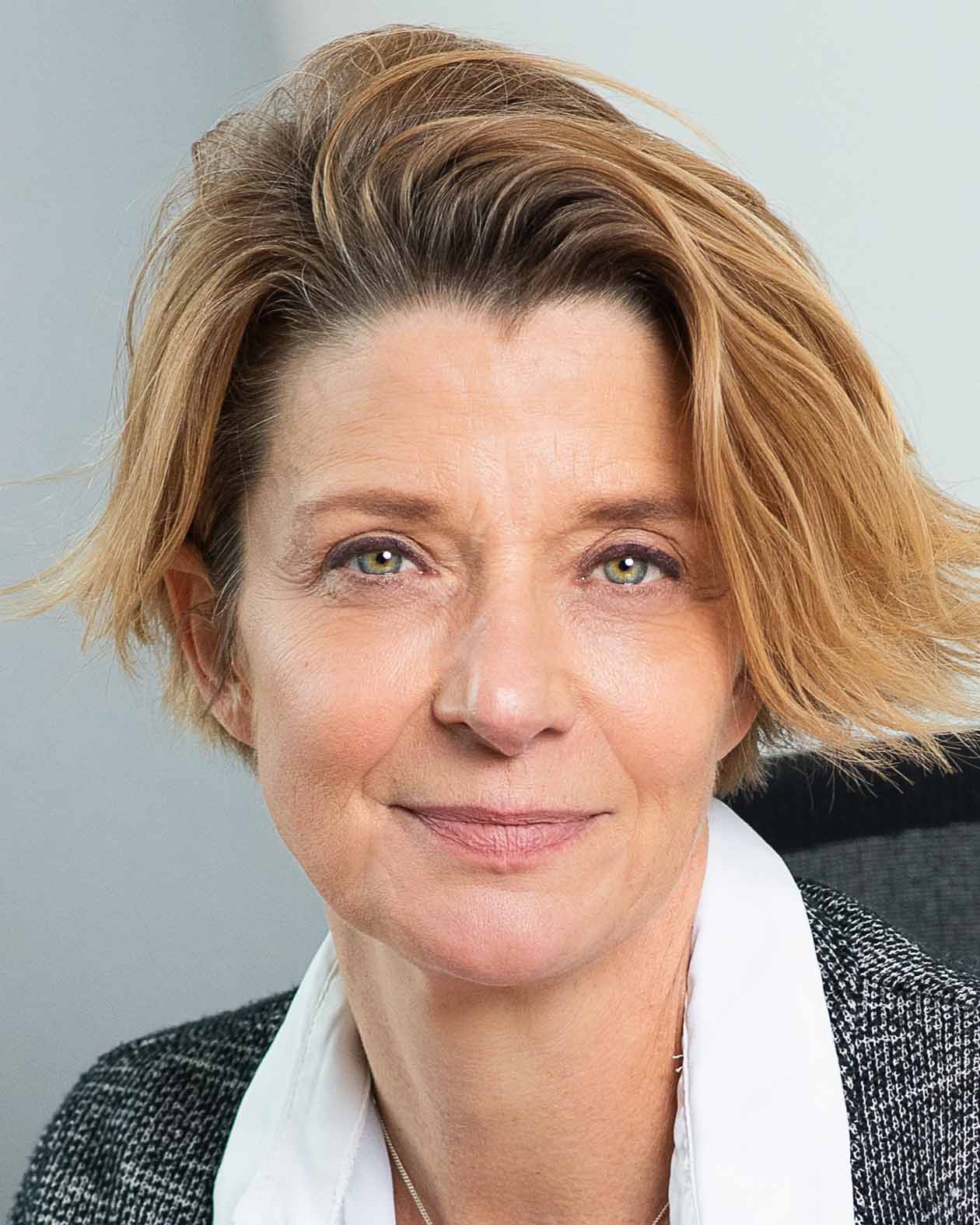






| Rank | Name | Country | Group | Speeches | |
|---|---|---|---|---|---|
| 1 |
|
Lukas Sieper | Germany DEU | Non-attached Members (NI) | 390 |
| 2 |
|
Juan Fernando López Aguilar | Spain ESP | Progressive Alliance of Socialists and Democrats (S&D) | 354 |
| 3 |
|
Sebastian Tynkkynen | Finland FIN | European Conservatives and Reformists (ECR) | 331 |
| 4 |
|
João Oliveira | Portugal PRT | The Left in the European Parliament (GUE/NGL) | 232 |
| 5 |
|
Vytenis Povilas Andriukaitis | Lithuania LTU | Progressive Alliance of Socialists and Democrats (S&D) | 227 |
All Contributions (41)
Collaboration between conservatives and far right as a threat for competitiveness in the EU (topical debate)
Mr. Speaker, is collaboration between the Conservative parties and the far right a threat to competitiveness? Yes, of course. But above all, this collaboration is a danger to our democracies and our fundamental values. It is therefore essential to maintain the cordon sanitaire. If the extreme right today tries to be frequentable, its DNA has not changed. It remains fundamentally racist, sexist and authoritarian. These parties deceive their voters, exacerbating the anxiety of those who, in a world that has become complex, fear social, economic or cultural downgrading. But they never, but never, provide any answer to these legitimate fears, quite the contrary. These parties feed on the hatred of the other, of the foreigner. But beware, as history and current events show us, we are all potentially this other and this stranger. Collaborating with them is therefore an unacceptable compromise, just as it is dangerous to follow in the footsteps of their speeches and ideas, as unfortunately we have still heard today, because we always prefer the original to the copy. It is our responsibility to provide concrete answers to citizens' concerns, in particular on...
The need to address urgent labour shortages and ensure quality jobs in the health care sector (debate)
Mr President, Commissioner, five years ago Europe and the world were facing the worst health crisis since the end of the Second World War. During this time, we have all experienced intimately how much health is our most precious asset and how essential our health systems are not only for society as a whole, but also economically. Workers in this sector, who are mostly female workers, were then recognized as essential and applauded. Despite years of massive divestment, they have allowed our countries to hold on, in defiance of their own security. We all said then: "Never again." But our memory is short-term. Today, although Europe is facing other geopolitical, economic and demographic challenges, there can be no question of forgetting health-related emergencies, one of the first challenges of which is the shortage of staff. Some regions or cities are even becoming medical deserts. There is an urgent need to invest in health services, not only in terms of medical treatments and techniques, but especially in staff. The working conditions of this staff must be improved by ensuring that they are adequate, which is also the first condition for the well-being of patients, but also by adopting a directive on the prevention of psychosocial risks in order to improve overall mental health at work. In health too, human imperatives must take precedence over economic and budgetary issues. It's our responsibility. Otherwise, we will be held accountable when the next health crisis occurs.
Need to update the European strategy for the rights of persons with disabilities (debate)
Madam President, Commissioner, ladies and gentlemen, in 2023, almost 30% of adults in Europe, or more than 100 million people, had some form of disability. It is essential to recall that, like all Europeans, these people with disabilities have the right to participate in all areas of life and to be autonomous. And the right to have a job, for those who have the opportunity, is obviously essential in this access to autonomy. At present, only one in two people with disabilities has a job in Europe. Thus, one in two, including a majority of women, does not have one. And for those lucky enough to have access to employment, many are unfortunately paid less than able-bodied workers, or even do not receive a salary, and many have only a short-term job, fail to reach a position of responsibility or face discrimination in the workplace. This is unacceptable in today's Europe! The factors that hinder access to employment for people with disabilities are numerous and known: unsuitable places or workstations, obstacles to mobility, or even a lack of suitable mobility, as well as stigma and resistance to working with a person with a disability. The Commission has adopted a Disability Strategy for 2021-2030, including an Access to Employment Package. But unfortunately, this strategy is struggling to produce its effects. That is why today we are making a strong call on the Commission to strengthen this strategy. We ourselves, in the Committee on Employment, are going to do this because it is important, in particular, to provide the necessary budgets to allow for the adaptation of workstations, but also for adapted mobility. Moreover, it is essential to ensure real diversity in all employment and it may be necessary to consider clear and quantified commitments in relation to recruitment, not only in administrations, private companies and the social economy, but also, why not, within our own European institutions, because guaranteeing fair, full and complete access to employment is a matter of dignity that concerns us all.
Tackling abusive subcontracting and labour market intermediaries (debate)
Mr President, Mrs Mînzatu, ladies and gentlemen, in 2024, in Italy, an Indian agricultural worker, an undocumented worker, died with his arm severed as a result of an accident at work. In 2023, in Sweden, five workers died in the fall of an elevator on a construction site under construction. Four days after the accident, the contractor still could not say whether they were his employees. In 2022, in Antwerp, Belgium, 174 victims of human trafficking were discovered on a construction site. Unfortunately, this funeral list is not exhaustive. The use of subcontracting is not a problem per se, and it is a widespread phenomenon in many labour-intensive sectors, such as construction, transport, cleaning and agriculture. But where this practice is problematic is when it is aimed solely at reducing costs to the detriment of workers’ working, income and safety conditions. Not to mention the cases where subcontracting chains conceal fraud, exploitation and trafficking in human beings. Given the complexity of certain arrangements, even the most efficient inspection services are in difficulty. This reality is unworthy of the European Union. This Parliament and the Commission must put in place legislation to limit subcontracting chains to a maximum of two or three levels, to impose joint and several liability throughout the subcontracting chain, to regulate intermediaries and to strengthen the capacity of inspection services and sanctions. If positive examples have been set up in some Member States in response to dramatic or scandalous situations, this must be possible throughout the European Union.
Promoting social dialogue and collective bargaining and the right to strike in the EU (debate)
Mr President, Commissioner, ladies and gentlemen, as the President of Georgia reminded us again this morning, the repression of social movements is the prerogative of authoritarian regimes, and trade union and democratic rights at work are no exception. However, the rights of association, information, consultation and strike are fundamental rights, enshrined at international and European level. This is in principle because, in practice, there are more and more attacks on trade union freedoms or the right to strike – in Finland, for example, where the right to strike has just been extremely limited, or in Belgium, where criminal provisions, including the ‘bad obstacle to movement’, are applied to sentence trade unionists to prison sentences. However, workers and trade unionists use the right to strike or demonstrate only when necessary, in particular if collective bargaining is not respected or when multinational companies such as Tesla or Amazon attack workers’ rights and resort to anti-union practices. However, collective bargaining is essential. It is even in the interest of businesses, as it ensures not only a serene social climate, but also productivity gains, as well as better health and safety at work. The EU must continue to defend and promote democracy at work, building on the Minimum Wage Directive, which sets clear targets for collective bargaining coverage. The Commission must ensure that this Directive is transposed as soon as possible in all Member States. For the future, there is an urgent need for a Just Transition Directive, which ensures the involvement of social partners and a policy of anticipating change and protecting jobs.
Regional Emergency Support: RESTORE (debate)
Madam President, the impact of natural disasters is increasingly dramatic in Europe and around the world: recently in Spain, in the Valencia region, now in Mayotte, but also in 2021 in my country, Belgium. More and more, too many deaths, lives destroyed and terrible devastation caused by extreme weather events are to be deplored. These dramatic situations require urgent responses in terms of material and food aid, social and health support and reconstruction of destroyed infrastructure and equipment. This requires a reactive European solidarity mechanism to intervene urgently and help affected regions and populations. That is why we will support the new Restore scheme, which will be voted on here in this Parliament. But – there is also a ‘but’ – it will be necessary in the future to have permanent and specific means to deal with these crises, instead of going to the Structural Funds. It will also be necessary to pursue truly ambitious policies to combat climate change, despite the repeated sceptical and denier statements of the far right, even today.
Strengthening children’s rights in the EU - 35th anniversary of the adoption of the United Nations Convention on the Rights of the Child (debate)
Madam President, 35 years ago, the Convention on the Rights of the Child was the first international instrument to recognise children as individuals with fundamental rights. Yet today in Europe, one in four children or young people live in poverty or social exclusion and the mental health problems of young people are more worrying than ever. Three years ago, the European Union adopted a European Child Guarantee, the aim of which is to guarantee children in need effective access to rights, such as free childcare, free schooling – including a healthy meal per school day – but also to guarantee them free healthcare, healthy food and adequate housing. While these commitments are clear, the road to achieving them unfortunately still seems long. This is not acceptable in a society like ours. The new youth commissioner will therefore have a lot of work to do, but he can count on us, because every child counts and has the right to live a dignified and happy childhood and to build a future for himself, far from the ideologies, sexism and racism that we have heard today on the benches of the far right.
Rise of energy prices and fighting energy poverty (debate)
Madam President, in 2023, more than 10% of Europeans said they were unable to heat their homes sufficiently. And this energy poverty is increasing, which is unacceptable, because energy is an essential good whose access must be guaranteed. The causes of this precariousness are diverse, but this should not prevent us from being willing and ambitious to act on these different causes. First, by ensuring sufficient funding from the Social Climate Fund, whose means must be easily accessible to low- and middle-income households to enable them to isolate their homes. Secondly, by radically changing the framework for setting energy prices, especially in the current context of geopolitical uncertainties and price volatility. As advocated in the Draghi report, it is time to decouple gas and renewable energy prices, while putting in place specific pricing policies for the most vulnerable. Finally, there is an urgent need for the new Commission to propose an anti-poverty plan that includes a specific strand and concrete actions to end energy poverty.
Urgent need to tackle the gender pay gap (debate)
No text available
Closing the EU skills gap: supporting people in the digital and green transitions to ensure inclusive growth and competitiveness in line with the Draghi report (debate)
Mr President, it is clear that strong commitments need to be made to improve skills and training, which are key components to address the challenges of the climate and digital transitions, but also to address the challenge of job shortages in certain sectors, such as care, healthcare and education. But it is important to stress that this issue is mainly linked to the quality of employment in these so-called shortage sectors. First, wages are often too low. We must therefore ensure that they are raised. But working conditions are also problematic. It is therefore necessary to work together to better address topics such as psychosocial risks, overwork, teleworking and the right to disconnect. Finally, there remains the question of reconciling private and professional life. This is crucial for better integrating women into the labour market, and it is also crucial for young people. Moreover, it is essential to recognise the role of the social partners, who are the only ones who really know the needs of workers and the realities of the world of work, and therefore can respond to these training challenges.
Tackling the steel crisis: boosting competitive and sustainable European steel and maintaining quality jobs (debate)
Madam President, Commissioner, ladies and gentlemen, the European steel sector is experiencing a new crisis, which is likely to be even more tragic than the previous ones. In one year, steel production in the European Union fell by 30 million tonnes. Thousands of workers are temporarily unemployed, and since 2008 almost 100 000 direct jobs – and arguably as many indirect jobs – have disappeared in this sector. The threat of losing 50% of our production capacity is real, while global overcapacity continues to explode. Indeed, while Europe is closing its sites, China and India are increasing their production with state aid, to the detriment of social and environmental conditions. There is therefore an urgent need for a European action plan to produce greener steel here in Europe, as steel will be strategic for a just climate transition. We must protect quality industrial jobs and ensure that steel companies respect their workers. The steel production we are losing in Europe today will not come back. We must act now to save European steel.
Empowering the Single Market to deliver a sustainable future and prosperity for all EU citizens (debate)
Madam President, Mr Letta, Commissioners, ladies and gentlemen, it is also worth recalling that Mr Letta's report will be -me von der Leyen herself said so – one of the red threads of the next Commission. So it was really important that you came and presented it to us and that we could discuss it today. Thank you, Mr Letta, for taking up the words of Jacques Delors, architect of the single market, who tells us that the market is not an end in itself: it is there to improve the lives of citizens, who are not just consumers. The single market has indeed helped to develop prosperity and competitiveness, but it has also increased disparities and poverty – as was said in the previous debate, which reminds us that, unfortunately, 1 in 5 Europeans faces a risk of poverty. Thank you, therefore, Mr Letta, for reminding us that the market can only function on the basis of strong social policies, and also for reminding us that, under this legislature, we must invest in both transitions, so that they are fair. I would also like to recall that we expect the next Commission to engage, as Mr Nicolas Schmit did, on important social issues.
World Mental Health Day - need for a comprehensive EU strategy on mental health (debate)
Colleague, on the issue of decriminalization, I think that would require much more in-depth debate than we need to discuss. What is indeed essential for us is to consider that addiction problems, whatever they may be - we can talk about tobacco, alcohol or other forms of hard or soft drugs - are above all a mental health problem, which must be treated like other mental health problems.
World Mental Health Day - need for a comprehensive EU strategy on mental health (debate)
Mr President, ladies and gentlemen of the Commission, 10 October is World Mental Health Day. However, the mental health situation in Europe is very worrying, especially – but not only – among young people. This situation stems in particular from the consequences of the COVID-19 crisis, eco-anxiety or the global geopolitical situation, but also from the increase in precariousness for many citizens and workers who have more and more problems with housing, healthcare and even food. This generally anxiety-provoking climate and the impact of social determinants are causing more and more mental disorders, addiction problems and even suicides, which unfortunately remain the highest cause of death among young people. In the workplace, there is an explosion of work disabilities related to burnout phenomena that arise from pressure at work. Unfortunately, mental health remains a taboo subject and those affected often continue to face misunderstanding and even judgment, sometimes fearing treatment and therefore delaying their care. It is therefore urgent to take action and that is why we call for workers to adopt a directive on the prevention and management of psychosocial risks at work and on the prevention of burnout syndrome, but also the right to disconnect and a genuine comprehensive strategy focusing on the prevention and consideration of the social determinants that influence mental health. This strategy must be accompanied by a specific budgetary programme and concrete commitments by the Member States.
The crisis facing the EU’s automotive industry, potential plant closures and the need to enhance competitiveness and maintain jobs in Europe (debate)
Madam President, ladies and gentlemen, Commissioners, there is, of course, no need to go back on the importance of the automotive sector at European Union level. Mention was made of the 14 million direct or indirect jobs, as well as the significant manufacturing value added that this sector represents. If today the export balance remains positive, there are alarming signs that raise fears for this sector, the driving force of European industry and economy. While the Green Deal is ambitious, and must remain so, on the objectives of decarbonising mobility, it is regrettable that the sector has not sufficiently anticipated the shift towards electrification and is still experiencing delays and technological mismatches. Europe is therefore at a moment of truth, particularly with regard to our commitments to reindustrialisation and support for key sectors of the European economy. Last week, the S&D Group sent a delegation to the Audi Brussels site to meet with management and workers' representatives. As a reminder, on this Audi Brussels site, workers were confronted with a brutal announcement of the relocation of Q8 e-tron production to Mexico, and therefore with an announcement of the closure of the site, which will remove 3,000 direct jobs, or even as many indirect jobs. Unfortunately, today the fear is that this is only the first in a long series of social and economic disasters that are looming in other countries of the European Union. This visit attracted our particular attention, because the Audi Brussels site is not a dilapidated production site, but on the contrary a zero emission site and a production site with high added technological value, where qualified and trained employees work in these new technologies. So it will simply be a total mess if this closure happens in Europe. It is really time, today, for Europe to take responsibility for workers and for this sector, if we do not want to lose it forever.
The future of European competitiveness (debate)
Madam President, ladies and gentlemen, the release of Mr Draghi's report commissioned by the European Commission, just as the European portfolios and the mission letters of the European Commissioners are being distributed, is probably no coincidence. We can also see that the information we have received today on the appointment of these Commissioners is largely inspired by Mr Draghi's proposals. And while we can indeed share many of Mr Draghi's observations, which are set out in his report, we have many more problems with regard to the solutions put forward. Indeed, the conclusions of the report on competition in Europe raise several major concerns and in particular the lack of a social dimension. Essential aspects such as working conditions, social protection and welfare systems are totally ignored in this report. This omission creates an unbalanced, biased and even dangerous view of competitiveness in Europe. Moreover, the announced closure of Audi in Brussels illustrates these flaws. Finally, ladies and gentlemen, there will be no reindustrialisation or strategic autonomy of Europe, no climate and digital transition worthy of the name without workers...