
| Rank | Name | Country | Group | Speeches | |
|---|---|---|---|---|---|
| 1 |
|
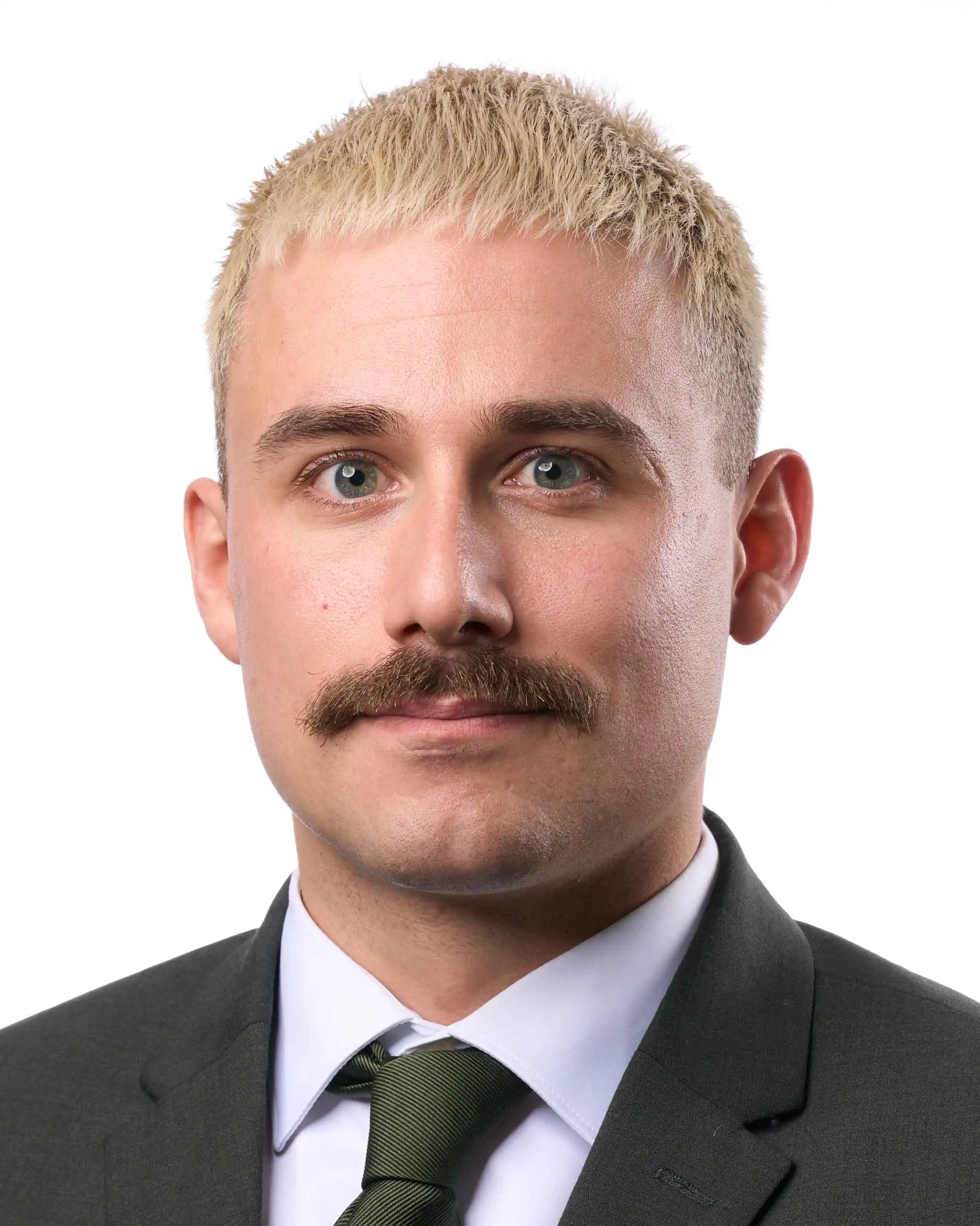
Lukas Sieper | Germany DEU | Non-attached Members (NI) | 390 |
| 2 |
|
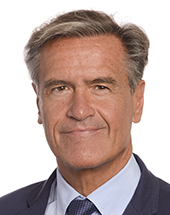
Juan Fernando López Aguilar | Spain ESP | Progressive Alliance of Socialists and Democrats (S&D) | 354 |
| 3 |
|
Sebastian Tynkkynen | Finland FIN | European Conservatives and Reformists (ECR) | 331 |
| 4 |
|
João Oliveira | Portugal PRT | The Left in the European Parliament (GUE/NGL) | 232 |
| 5 |
|
Vytenis Povilas Andriukaitis | Lithuania LTU | Progressive Alliance of Socialists and Democrats (S&D) | 227 |
All Contributions (29)
Restoring the EU’s competitive edge – the need for an impact assessment on the Green Deal policies (topical debate)
Mr President, Commissioner, ladies and gentlemen, the European Green Deal is an ambitious project that has had the potential to bring about many positive changes. Instead, this transformation in the way it is implemented has stifled our industry and we have lost competitiveness. I think Mario Draghi's report contains a sufficient number of facts. And although all the measures to the project Green Deal, adopted by the previous political establishment, are not yet in force, the figures and predictions show very clearly the implications. The absurd thing about all this is that Europe is sinking, no one is responsible for it, and the same politicians who caused this situation continue to rule us and still pretend that everything is fine, that we will implement it, promise us more news and promise us more plans. Let me give you a few facts. World emissions production has been increasing in recent years, no matter what we do here, by 1.3% year-on-year since 2022. Before the COVID-19 pandemic, this was only 0.8%. Oh, oh, oh, oh! European emissions are falling by 7.5% per year over the same period. As a result of this trend, Europe today fell to 6% of total global emissions production in 2023. That's great! Oh, oh, oh, oh! China's share has risen to 30% and continues to grow. What are we playing at here? After all, we are moving production and emissions to third countries, from where we import green electric cars, green batteries, green technologies, but also our clothes and toys and play we are green. This is what I think we really didn't want. More intellect and less ideology!
Need to strengthen rail travel and the railway sector in Europe (debate)
Mr President, ladies and gentlemen, the single market will never be truly unified without a common transport system. What the European Commission is presenting as progress is a small step forward, but since the common transport policy has been talked about for almost seventy years, I would not see it so positively. Yes, what is stated in the September 2024 report will please. That is, as a result of liberalisation, prices have fallen and the number of rail passengers has increased. But what the report does not talk about and what is an integral part of the picture, if we want to improve the rail market, is naming the real obstacles, of which there are several, and offering proposals for viable solutions. At the moment, I consider it an absolute priority to address the limited availability of railway capacity, without which further development is not possible, both by investing in additional transport infrastructure, of course, but also by accelerating the introduction of modern technologies for securing and operating the railway, because the current ones fail too often and have already cost us too many lives. The railway is a super conservative lady and she doesn't like change. But without these changes, we will not build a truly common transport market.
Taxing the super-rich to end poverty and reduce inequalities: EU support to the G20 Presidency’s proposal (topical debate)
Mr President, Commissioner, dear colleagues, taxing the super rich is a hot topic and you can see it was already mentioned also in the US presidential elections. Yet tax evasion is a major problem. The reality is that getting super rich often means paying super less in taxes. In a global market with varying conditions, capital can easily exploit differences to its advantage, seeking opportunities to multiply and avoid unnecessary charges. Studies and reality also show that stricter taxing rules have often failed to deliver the expected benefits to the state or to the public. Such was the case of the windfall tax applied in the Czech Republic. Therefore, as legislators, we should and must address the roots of this issue, which means the presence of a different level playing field in different countries which are part of the global market. Taxation is only the end of the story, but altogether all those issues have a direct impact on EU competitiveness. Therefore, solving this issue is key to promoting peace and equality, and to supporting global economic stability.
The historic CJEU ruling on the Apple state aid case and its consequences (debate)
Mr President, dear Commissioner, dear colleagues, as a convinced democrat I respect the conclusion of the appeal court in Luxembourg, and I would like to congratulate the Commission for the big win. I also support the idea that paying taxes is normal and that if the EU wants to be competitive we need a level playing field all across the Europe. Otherwise, businesses in Europe will be racing for state aid among the Member States. But the current situation reminds me a little bit of the saying that 'the road to hell is paved with good intentions'. Therefore, let me express my concerns about the implication of the Apple tax judgment in two important areas. First, one can argue that this judgement represents a major shift in power, giving the EU greater influence over national tax policies. But if fiscal issues are to be touched, then only Member States should decide. Second, it sends a signal to investors, whether from the EU or abroad, that doing business in the EU is like shooting at moving targets that move in an unknown direction. Is this the message we want to send to investors? I don't think so. Moreover, we are sending this message in a time of intensive discussions about the urgent need to increase EU competitiveness in the global world. At the same time, we all know very well that there are issues we cannot or don't want to deal with because we would have to compromise our social or environmental standards, and this is something we don't want to do. What we can and should do is to create a stable and attractive regulatory environment.