
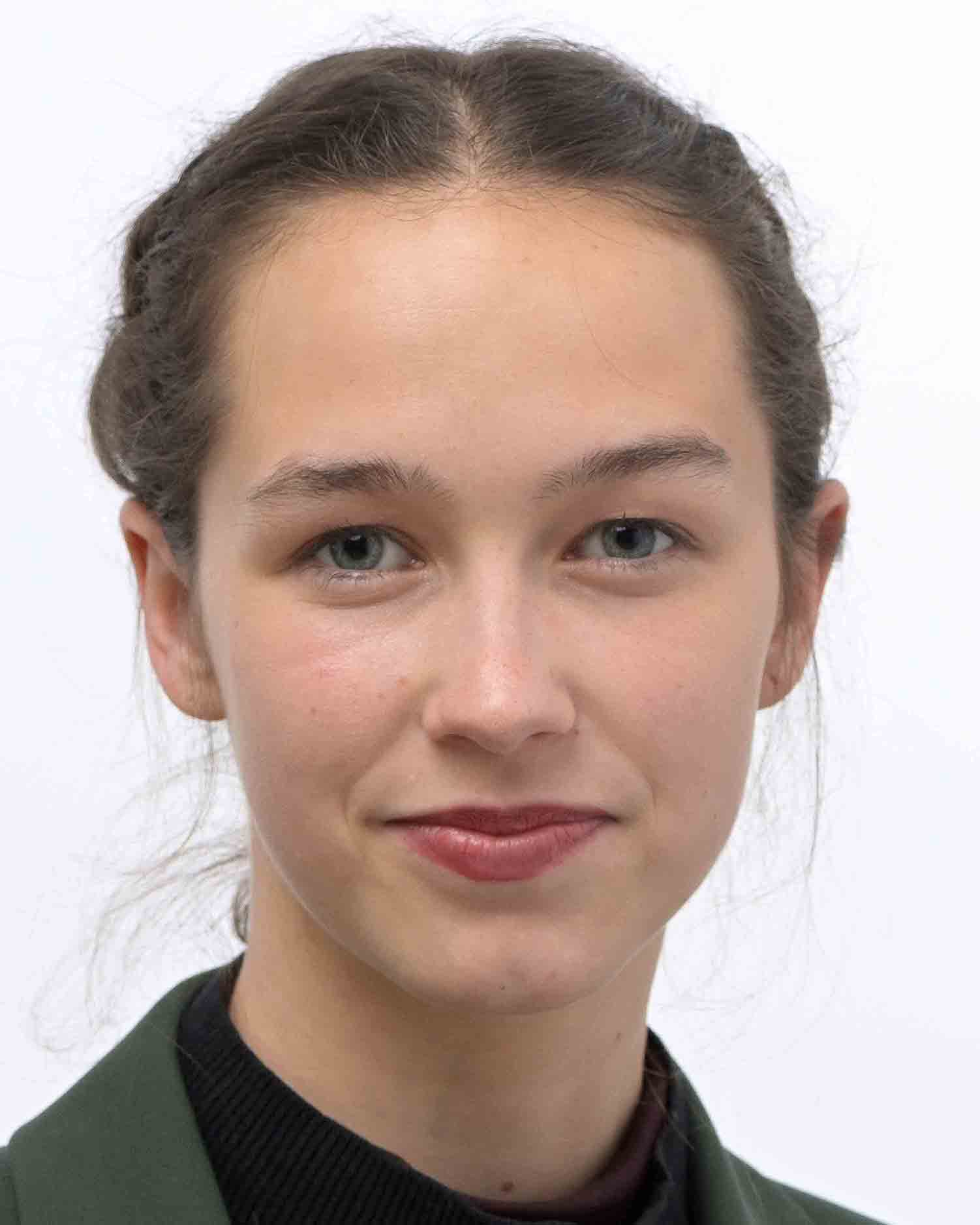


| Rank | Name | Country | Group | Speeches | |
|---|---|---|---|---|---|
| 1 |

|
Lukas Sieper | Germany DE | Renew Europe (Renew) | 487 |
| 2 |

|
Juan Fernando López Aguilar | Spain ES | Progressive Alliance of Socialists and Democrats (S&D) | 454 |
| 3 |

|
Sebastian Tynkkynen | Finland FI | European Conservatives and Reformists (ECR) | 451 |
| 4 |

|
João Oliveira | Portugal PT | The Left in the European Parliament (GUE/NGL) | 284 |
| 5 |

|
Vytenis Povilas Andriukaitis | Lithuania LT | Progressive Alliance of Socialists and Democrats (S&D) | 273 |
All Speeches (34)
The need for targeted criminal provisions and platforms’ responsibility to effectively address cyberbullying and online harassment (debate)
Date:
29.04.2026 16:15
| Language: DE
Speeches
No text available
Cutting red tape to enable a competitive and clean transition – the urgent need to shorten and simplify permitting (debate)
Date:
10.03.2026 20:38
| Language: EN
Speeches
Mr President, dear colleagues, Europe is being told a very convenient story right now about how cutting red tape, simplification and speeding up permitting will solve all our problems. But let's be honest: what is presented is not about simplification. In reality, it is about deregulation. Leaders like Merz and Meloni are pushing for it and the European Commission is increasingly following. So, let's be clear: this is not a technical discussion about efficiency. It is a political choice, a deliberate decision to weaken protections in the name of competitiveness. Take – you just mentioned it – the proposed environmental omnibus. It sets extremely tight deadlines for environmental impact assessments, sometimes just 90 days for already understaffed local authorities. This is not a simplification. This is an overload. Or look at the changes to the industrial emissions rule. If companies are no longer required to publish which substances they use, how can citizens defend their health? How can victims of chemical pollution even prove the harm that has been done to them? Also in the digital field – I could go on and on, as you see – the digital omnibus claims to save companies millions, but the biggest winners are not the small European companies. It will be big tech. Deregulation is like removing the brakes from a car to make it go faster. Yes, you might gain some speed for the moment, but you are heading straight for a crash. So yes, we need faster permitting – I am with you there – but you do not solve traffic jams by removing the traffic lights.
Extreme weather events in particular in Portugal, southern Italy, Malta and Greece: European response in strengthening readiness, preparedness and solidarity mechanisms (debate)
Date:
10.02.2026 10:21
| Language: DE
Answers
No text available
Extreme weather events in particular in Portugal, southern Italy, Malta and Greece: European response in strengthening readiness, preparedness and solidarity mechanisms (debate)
Date:
10.02.2026 10:19
| Language: DE
Speeches
No text available
Mr President! Dear colleagues, When I stand in front of you today, I think of a moment. I am thinking of the moment when I stood in the courtroom in Georgia. Where I stood in the courtroom and looked Msia Amaghlobeli in the face, how she sat behind a glass cage and quite, very many journalists accompanied this process. If I stand in front of you today, I'll do it for Msia. Then I do this for all the people in Georgia who are not being heard right now, who cannot be heard right now because they are being silenced, because they are being arrested, because they are being imprisoned. And this is not an isolated case. What we see here in Georgia is classic Russian Playbook. We need to clearly name it. It is what happens in a regime when democratic forces lose. When pro-Russian regimes come to power, women journalists are imprisoned. I talked to them, to Msia's family, to her friends. And one thing is clearer than ever – they will not give up. These Georgian people who take to the streets, who are loud, who are strong, will not be defeated. My colleague just said it. And we're debating here in the house, we're going out and then we're going on Business as usual. These people in Georgia live in a regime. In a regime where they are threatened and yet – and still – they do not give up. And that is why, as the European Union, we have a responsibility – a responsibility towards these courageous people, to be just as courageous, to impose sanctions, to enforce them, those who really hurt, those who hurt those who deserve it, those who oppress people. When I stand here today, I want to say to the people of Georgia: Hey, we stand by your side until you are part of this European Union. A friend of Msia's, who spoke here two days ago, said that this flag could tolerate another star. And I agree with her. But a lot needs to change for all these brave people. And that's what Msia did at her last trial. She held up a note, although she is now in prison for two years, which read: A slap for the regime. And that's what Msia Amaghlobeli does and we do.
Outcome of the UN Climate Change Conference - Belém (COP30) (debate)
Date:
27.11.2025 10:45
| Language: EN
Speeches
Mr President, dear Commissioner, colleagues, here we are again having yet another debate about the lack of climate ambition – the climate ambition we would need so desperately. And yes, there were small steps forward, but it is far from any 1.5‑degree path. We are standing here with a lukewarm result 10 years after the Paris Agreement; after floods destroyed the homes and the lives of people, also in Europe; after wildfires; after droughts; after heatwaves that really and severely endangered European citizens. Dear colleagues, it would be very easy to get cynical now, to declare here the failure of COP30 and the failure of climate ambition in this world. But you know what? I refuse to do that. We cannot afford to lose hope. We cannot afford to bail any step down. If fossil autocracies are becoming louder, bolder and more coordinated than ever, we have to do the same. We have to be prepared. We have to be stronger and more united. There cannot be any mistakes by anyone at this point. The democratic forces of this world need to stand together more than ever. Our children can't afford to lose that fight. So if I ask you today, 'Is COP broken? Are climate conferences working?', the only answer to that can be that we have to fix them. We have to keep fighting. As Ursula von der Leyen once said, we owe it to our children.
Development of an industry for sustainable aviation and maritime fuel in Europe (debate)
Date:
27.11.2025 09:17
| Language: EN
Speeches
Mr President, colleagues, Commissioner, I think it's very good that we have this debate, but let me set this straight before even starting my speech: actions need to follow. The transport sector is not only the largest source of greenhouse gas emissions in the European Union, but also it is a hard-to-abate sector, like you said. So we need to help the industry. We need this transformation to tackle our climate goals, and if we take that seriously, transport is one of the key cornerstones. I welcome the fact that the Commission acknowledged the need for a stronger enabling framework for renewable fuels and proposes a double‑sided auction system to help scale up e‑fuels. But let me be very clear: the plan as it stands falls short on the ambition Europe needs. Instead of focusing on a truly renewable future‑proof solutions that actually deliver decarbonisation. The STIP gives space to so-called low‑carbon fuels, to biofuels with questionable sustainability, to biomethane. Europe deserves a transport investment strategy that is aligned with our climate goals.
Framework for achieving climate neutrality (A10-0223/2025 - Ondřej Knotek) (vote)
Date:
13.11.2025 10:53
| Language: EN
Speeches
Madam President, dear colleagues, there are two sides in this Parliament: those who work for Europe, for democracy, for transparency, and those who hide behind secret roads and a lack of transparency. To those colleagues: you are not even brave enough to show what you stand for. We in this House are elected to represent European citizens who have a right to know what we are doing and where we stand. Citizens demand transparency and we owe it to them. Your game of hide and seek, when it comes to decisions about the future of Europe, is unacceptable.
Mr President, dear colleagues, tomorrow we have a decision to make about Europe's future. We can agree on a compromise that is giving stability and a clear direction to Europe, or side with the far‑right climate deniers who are trying to destroy Europe. We have the choice, and we should make a clever one. By setting a 2040 climate target of 90 % we could have sent a very strong signal to the world: we still care about the future and we keep our promises; we have a 90 % target on the table, but let's be honest, it is not good enough. It is full of loopholes. The international credits, the so-called flexibilities, will cost us up to EUR 100 billion by 2040. That is EUR 100 billion leaving Europe. Instead of investing in our own people, we will be paying others to do what we could have done ourselves. But we have a deal. We have a compromise. It's the best we could have got in this House. We have an agreement that is following climate neutrality. So to my colleagues here: this is not the time for hesitation. The far right denies reality and responsibility, but we, the democratic majority of this House, can do better and we have to do better. We know that climate leadership is also an economic challenge and a promise to every generation that follows us. You often speak about competitiveness, but honestly, this law could be one of our biggest drivers. So only if we keep this path of fighting for a future together with an economic chance, we can make it. So it's your time to choose between the far right and actually a future for Europe.
UN Climate Change Conference 2025 in Belém, Brazil (COP30) (debate)
Date:
22.10.2025 20:08
| Language: EN
Speeches
Madam President, dear colleagues, once upon a time, we had climate ambition. But it's not 'once upon a time': ten years ago, the leaders promised with the Paris Agreement to care about the future of the next generations, the future of the children of Europe. And today, we are having this debate. We know the forests are on fire, harvests are failing, and people are dying of heat in our cities. And we in this House, what are we doing? Are we showing this leadership that we like to talk about? I would say no. We are standing there with empty hands, with nothing more than a letter of intent for our own climate targets. We don't have a 2040 target in place, and it would be so clear. It would be so clear – the science is clear, what we need to do. There is a letter signed by 2 000 scientists saying that we need 90 % decarbonisation in 2040. But it's also clear what we need to do for our climate targets. And I'm standing here as a person who marched with thousands – thousands and even millions around the world – of young people demanding climate ambition. My generation doesn't need any excuses. We need courage. We need truth. We need us to fucking act.
Situation in Afghanistan: supporting women and communities affected by the recent earthquakes (debate)
Date:
07.10.2025 19:07
| Language: DE
Speeches
Mr President, ladies and gentlemen. An earthquake: Thousands of people who died and were injured – daughters, mothers, fathers, brothers – destroyed houses. A catastrophe in the crisis, in the crisis of a regime that oppresses women and girls. And as in any crisis, we see one thing: It happens again and again – women and girls being oppressed. When this happens, they are the main victims. There is no smart medical care, there is no one to take care of them properly. And above all, there is no help. And here and now we must get out of this debate and do what is necessary, and finally take responsibility for these girls and young women and women who are being oppressed here. That can't be the end of mourning that people have died, and I do. But this must be the beginning of the fact that we as the EU are sending a very, very, very clear signal. And above all, that in no case do we meet with regimes like the Taliban regime. Not in Australia and nowhere else. This needs to be made clear here and now.
Summer of heatwaves in the EU: addressing the causes and providing adequate housing and health policies to address record-breaking temperatures (debate)
Date:
11.09.2025 09:36
| Language: DE
Speeches
Mr President, ladies and gentlemen. Let's imagine for a moment how an elderly lady lies in a hospital and struggles for every single breath. The window is open, but the thin, stuffy air doesn't mix with the hot, stuffy air from outside. Heatwaves are something we can all feel. The climate crisis has been around for a long time, and it has an impact. We sit with this elderly lady at her hospital bed and watch. We watch as she tries to take a breath, and we wonder: What can we do? Yes, and now we are all standing here in this Parliament, discussing heat waves and pretending to be a singular fate, but that's just not the case! Either we take responsibility, get our ass up and finally take the climate crisis seriously for what it is, namely a health risk that does not affect everyone equally – or not. Either we decide to set climate targets here and do what is expected of us here, to take seriously what concerns people today. And now let's imagine her daughter sitting at this hospital bed hoping someone will do something; Hopefully we can somehow manage this. Now we are the ones who will and can do it. Yes, this is where we see how the climate crisis is a social issue. We see that it is getting harder and harder for those who can do the least: the elderly, the sick, but above all also those who live in poorly insulated apartments, especially those who cannot afford to renovate their apartment. Let's take the climate crisis seriously. It's a social issue, it's a health issue; Let's stand together at the hospital bed of this old lady!
Madam President, dear colleagues, we need this urgency for the people that are already suffering under the heatwaves in Europe, for the people that lost their lives, their beloved ones and their homes to the floods – we have seen the pictures and had the discussions in this House – and for the farmers you pretend to defend while their livelihood is on the line. Yesterday, you let the far right take the driver's seat on the EU 2040 climate target. Today we are offering you – us collectively, Renew, S&D and the Greens – the chance to redeem yourselves and make sure our future and the future of your children does not remain in the hands of climate deniers. What you will do today will have consequences for you, for the European citizens, but also for all of us and your children and the future generations. Everyone who votes against this urgency betrays the promise we gave European citizens to really care. So please, dear colleagues, I'm asking you as a young woman, act up here and now.
Madam President, dear colleagues, we need this urgency for the people that are already suffering under the heatwaves in Europe, for the people that lost their lives, their beloved ones and their homes to the floods – we have seen the pictures and had the discussions in this House – and for the farmers you pretend to defend while their livelihood is on the line. Yesterday, you let the far right take the driver's seat on the EU 2040 climate target. Today we are offering you – us collectively, Renew, S&D and the Greens – the chance to redeem yourselves and make sure our future and the future of your children does not remain in the hands of climate deniers. What you will do today will have consequences for you, for the European citizens, but also for all of us and your children and the future generations. Everyone who votes against this urgency betrays the promise we gave European citizens to really care. So please, dear colleagues, I'm asking you as a young woman, act up here and now.
Madam President, dear colleagues, I also need to start with this House. The 2040 climate now is in the hands of the far right – the people that deny the climate crisis – that has to be the final wake up call for this Parliament. We have tabled an urgency procedure tomorrow, and it's time for everybody here to really take responsibility. If we want to save the 2040 target, we need this urgency procedure now. And maybe you remember, six years ago, this House stood up and declared a climate emergency. The European Parliament made a promise to the people, to the European citizens, and now we must ask ourselves, are we acting like this is an emergency? Ask yourself for a moment. And honestly, the science could not be clearer; it's so obvious what we have to do. We need to cut our emissions by at least 90 % in 2030, and stay on track for climate neutrality in 2050. We don't need 85 %, not 87 %, minimum 90 %. And yet, what do we see? Instead of urgency, we see delay. Instead of clarity, we see loopholes. Instead of actions, we see games. Colleagues, every so-called 'flexibility' you put into this law is not just a footnote; it's a gamble with the lives of the future generations. A percentage point less may sound harmless in this room, but outside those emissions are the flooded homes, the dead soil, and the collapsing ecosystems our children will inherit. Dear colleagues, I'm not just speaking here as a Member of the European Parliament, I'm also speaking as a 24-year-old woman who dares you to act. And I'm not the only one. I think many of your children are honestly my age. If you don't do it for me, do it for them. Do it for the children that need to grow up in the next years, for the future generations. We declared a climate emergency. Now, let's act on it. A woman said a few years ago, we owe it to our children. These children are still here.
Media freedom in Georgia, particularly the case of Mzia Amaglobeli
Date:
18.06.2025 19:37
| Language: EN
Speeches
Mr President, dear colleagues, Mzia Amaghlobeli is Georgia's first and only journalist imprisoned as a political detainee. Her arrest is clearly political and based on fabricated charges. I was in Georgia and I attended one of her trials. And I can tell you something: her case is a direct attack on press freedom. Mzia symbolises a movement that, despite repression and intimidation, continues to fight for democracy and a European future. She is targeted because she stands for truth and refuses to be silenced. Today, hundreds of political prisoners, opposition leaders, activists and artists are jailed for opposing a system dismantling democracy and enforcing Russian control. The people of Georgia are fighting for the very values this Parliament stands for: freedom, human rights and the rule of law. Supporting Mzia means standing for a free, democratic and European Georgia, and we need to step up here to support her and all the people in Georgia.
EU framework conditions for competitive, efficient and sustainable public transport services at all levels (debate)
Date:
17.06.2025 18:46
| Language: DE
Speeches
Mr President, Commissioner, ladies and gentlemen, I would like to start personally, because the question of traffic is a deeply personal one. As a child, my mom took me to kindergarten by tram. I got on the bus to go to school and on the subway to get to university. I'm still going to my grandparents' country today. Well-developed, affordable, reliable public transport means freedom. Freedom to move around in public space without having to afford a car. In order for this freedom to exist, we must work together with the regions at the local level, but we must also see it as our responsibility. And yes, for this we will also have to take money into our hands – this applies to the MFF and the Cohesion Fund. We need to think about how urban plans can look like they're made for people. We have to make sure that the transport sector is one in which many people can also work. It has to be social. Lastly, I would like to agree with my colleague: We need to make traffic easier. We need to make it easier for people to get from A to B, and also single ticketing tackle. All in all: Public transport is a matter of freedom, and we have to take it very seriously.
Madam President, Commissioner, ladies and gentlemen, ladies and gentlemen! When I stand here today, I think of the images of flooded villages, flooded houses and destroyed existences. And yes, that's why it's exactly the right time to talk about this strategy, about a strategy to tackle these crises together in Europe, because yes, natural disasters do not stop at national borders. And at the same time, being prepared also means estimating risks. There are things we can prevent. This is, for example, to combat the worst excesses of the climate crisis. This means, for example, that we can already say today: If we do not reach 1.5 degrees and go far beyond that, then we will see more natural disasters, then we will see more destroyed houses, and more people will be affected. You said: the children. The children are a vulnerable group, especially in times of crises, including natural disasters. So let's take this as an incentive to work on a strategy for today on the one hand, but also for a strategy for tomorrow on the other.
Accelerating the phase-out of Russian gas and other Russian energy commodities in the EU (debate)
Date:
12.03.2025 20:11
| Language: DE
Speeches
Mr President, ladies and gentlemen. First of all, I would like to congratulate all of us on (Tone off) leaving this Parliament. Now on to the matter. Yes, we are rightly discussing our security. We are rightly discussing how we support Ukraine and rightly discussing sanctions against Russia – but then we have to be consistent. And to be consistent means no longer making us economically dependent on Russia, Putin and also not on gas and oil exports from other autocrats; then we have to be consistent and, three years after Putin's brutal war of aggression, realize that maybe we're a little late. The day before yesterday would have been the best time to get out of fossils and end this dependency. But today? Today is perhaps the second best moment to do so and not bend over. Because it is geopolitically correct, because it is climate-politically correct, and because it is the only decision we can make if we believe in a European, common, strong, solidary future.
That's a good question. I believe in the first place that we remain credible, that this zigzag course must stop, that we can not promise something once and can disassemble everything the next day, but that the things we negotiate here, which we decide here, which arise in a long process, that they also hold at the end of the day, because otherwise no one can really rely on it anymore. The Paris Agreement is a commitment, not something we do voluntarily. The question of how we talk about our future, we have to lead anyway. Not only can we say climate crisis every time it comes to a flood, but we must finally think long-term: We owe this to the citizens and, above all, to the young people in Europe.
Madam President, ladies and gentlemen, This Clean industrial deal It must be a promise: A promise to the future. A promise that we think the transformation of the economy in industry together with climate protection, that we recognize that there are planetary boundaries. And a promise that we will stop asking whether Green Deal or competitiveness. The truth is: We need both, and we can and must work on that. For this it needs commitment and courage. We need a climate target of at least 90% reduction in greenhouse gas emissions by 2040. We can build a Europe where no one is left behind, where people wake up in a warm home because it is no longer heated by expensive fossil fuels, but by affordable, clean energy. We can work to ensure that people go to work in the morning and are not afraid that their job will be transferred to another continent because they feel, yes, this change is coming, this transformation is coming. But we all take people with us, we do it together, and for that we have to do something extraordinary – but I think we can too.
US withdrawal from the Paris Climate Agreement, the World Health Organisation and the suspension of US development and humanitarian aid (debate)
Date:
12.02.2025 17:49
| Language: EN
Speeches
Madam President, dear colleagues, I am honestly sick and tired of discussing old white men destroying our future. In times where nature catastrophes, wildfires and droughts destroy the livelihoods of hundreds of thousands of people, still denying the climate crisis is just irresponsible and not forgivable. Young people all around the world rightfully demanded a liveable future, and we do that right now. Today, I stand here and demand from the European Union: we cannot give up this fight. The Paris Agreement is an obligation, and it's our responsibility. Ursula von der Leyen said we owe it to our children, and therefore we need to stick to the Green Deal, we need to phase out fossil fuels and decrease the emissions at least 90 % in 2040. We need to keep our promises. This is something we owe our children today and every day, and we should have these debates in this House thinking about what's at stake right now, looking at the floods and the pictures not just when it happens, but always.
EU financing through the LIFE programme of entities lobbying EU institutions and the need for transparency (debate)
Date:
22.01.2025 19:07
| Language: DE
Answers
I must say that you, Mr Bernhuber of all people, are now campaigning for renaturation. Of course, it is about working with NGOs and civil society. And that also means that we will not be influenced, but I assume that we – all Members here in the House – can deal with the fact that we meet with different people, talk, form our opinion. We are paid for it here, we are elected for it and above all for representing our rights here. Coming from civil society, I have to tell you: You know how much good work people do in civil society, how valuable it is, and I would think it over again.
EU financing through the LIFE programme of entities lobbying EU institutions and the need for transparency (debate)
Date:
22.01.2025 19:05
| Language: EN
Speeches
Madam President, dear colleagues, what just happened here? We have seen NGOs being attacked, such ones that work for women's health and abortion rights as an example, just a few minutes ago. We are seeing multinational corporations with very strong interests spending hundreds of millions of euros lobbying, and the voices of civil society and NGOs are being questioned in this debate. And this is happening at a time when our democracy, our human rights and the future of our planet are already under attack from all different sides. These brave voices in the civil society, environmental activists, human rights defenders, NGOs fight also for us, for our rights. And it's almost a joke that we are having this debate today where we have so many real problems and struggles. We are talking about 0.006 % of the EU budget a tiny bit, but it makes a difference between democracies and corporate greed. Commissioner, I thought the Commission's guidelines say to step up and use engagement with civil society, not to step down. Please do that.
Continued repression of civil society and independent media in Azerbaijan and the cases of Dr Gubad Ibadoghlu, Anar Mammadli, Kamran Mammadli, Rufat Safarov and Meydan TV
Date:
18.12.2024 20:46
| Language: EN
Speeches
Mr President, yesterday we celebrated the European prize for human rights. And today, dear colleagues, we must continue to fight for them. The brave voices in Azerbaijan are being silenced – 13 people have been arrested just since the climate conference. Activists, journalists and anyone who dares to speak out; they get intimidated, imprisoned or have to move into exile. We as the EU need to take action. We cannot keep signing energy deals that fund fossil autocrats and keep us locked into oil and gas dependency. We cannot close our eyes to the destruction and suffering it causes every day. If diplomacy is failing, we need to impose sanctions on those responsible, support people fighting for freedom and, finally, cut our dependency from fossil fuel dictators, for Gubad Ibadoghlu, Anar Mammadli, Nargiz Absalamova and Aziz Orujov, and for every single brave person imprisoned because they dared to speak up. We will do it for you right now until you can again.