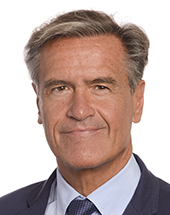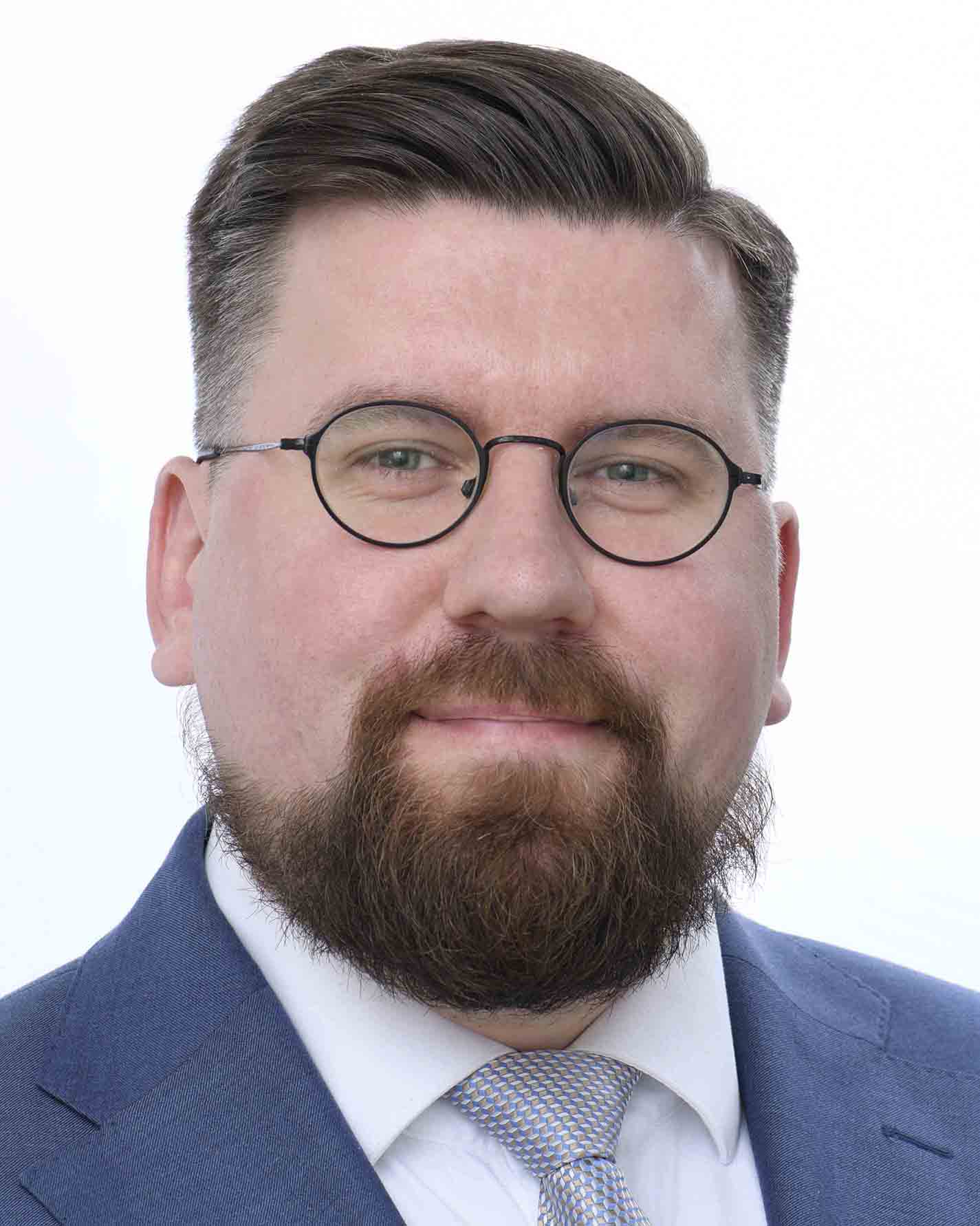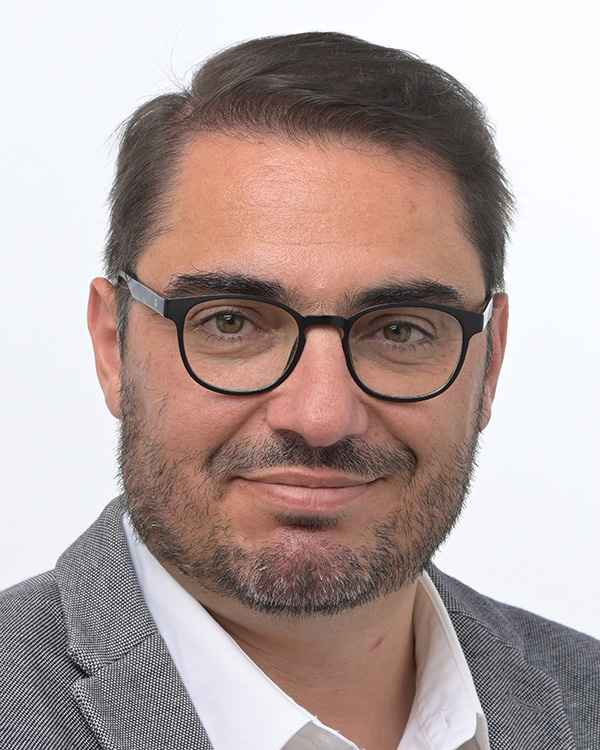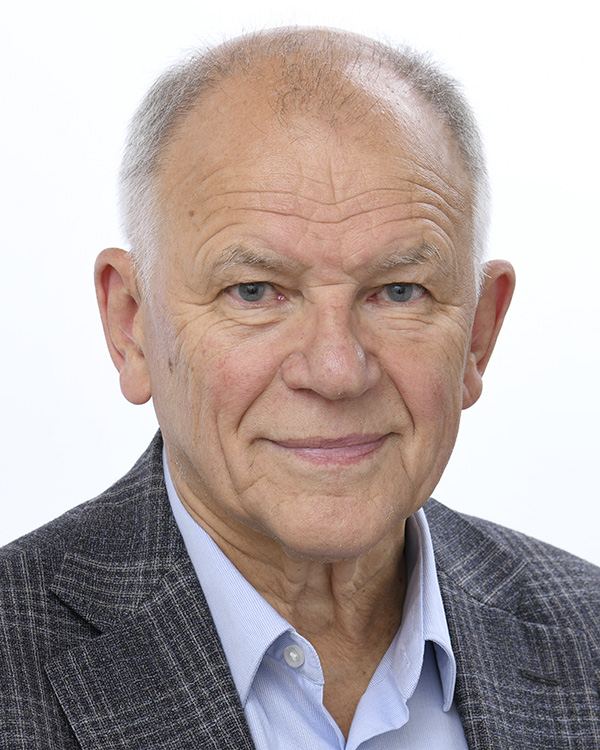

| Rank | Name | Country | Group | Speeches | |
|---|---|---|---|---|---|
| 1 |
|
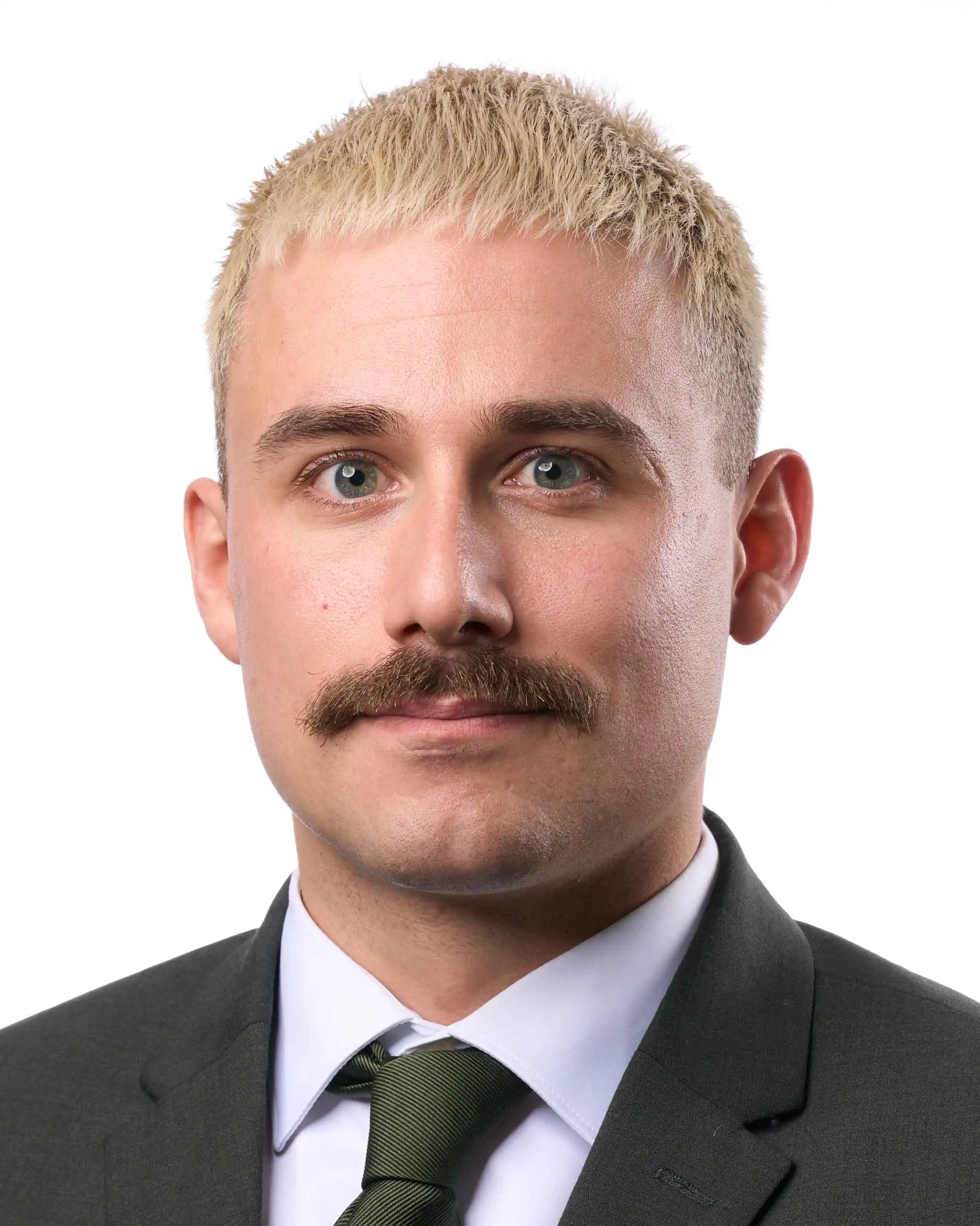
Lukas Sieper | Germany DEU | Non-attached Members (NI) | 390 |
| 2 |
|
Juan Fernando López Aguilar | Spain ESP | Progressive Alliance of Socialists and Democrats (S&D) | 354 |
| 3 |
|
Sebastian Tynkkynen | Finland FIN | European Conservatives and Reformists (ECR) | 331 |
| 4 |
|
João Oliveira | Portugal PRT | The Left in the European Parliament (GUE/NGL) | 232 |
| 5 |
|
Vytenis Povilas Andriukaitis | Lithuania LTU | Progressive Alliance of Socialists and Democrats (S&D) | 227 |
All Contributions (34)
Planned dissolution of key anti-corruption structures in Slovakia and its implications on the Rule of Law (continuation of debate)
Commissioner, you have ignored breaches of the rule of law in Slovakia for three and a half years. You ignored 30 decisions of the Constitutional Court of the Slovak Republic. You ignored five decisions of the European Court of Human Rights. You and I are well aware that the dismantling of the Special Prosecutor's Office is not contrary to the rule of law. Because it was not even a condition of our membership of the European Union. And you are well aware that the other things you mentioned in your report are also at odds with respect for the rule of law. So don't mislead and politicize. And now listen to me, you panoptico of Slovak politicians. You walked in here with absolutely meaningless accusations, which you are ashamed of in front of Slovak journalists, to whom you said it was the Commission that wanted this debate. You are not even responsible for pushing the EPP and Renew to open this debate. And to you, Mrs. in 't Veld. If you don't mind that the investigator, the woman, Santus, those you're defending here wanted to dig up, I don't know where, put a bomb in her car, and call it signs I won't even say in this plenary, then don't talk about protecting rights. All Slovak parliamentarians who speak out against Slovakia should be ashamed of themselves. (The speaker rejected the question raised by Martin Hojsík by raising the blue card)
EU strategy to assist young people facing the housing and cost of living crisis (topical debate)
Mr President, because of high inflation and the corresponding costs of meeting the basic necessities of life, families are left with less and less disposable income. Mortgage payments have reached unsustainable levels, and a large number of families are in an existential struggle when they are unable to pay high interest rates without resorting to their savings or lowering their quality of life. Despite one crisis after another, banks have historically made huge profits at the expense of the citizens of the European Union. I therefore welcome the proposal to tax banks' above-average profits, which the Government of the Slovak Republic has adopted and has also gone in the direction of reimbursing part of the cost of mortgage loans. Just for your information, colleagues, here in Slovakia a citizen, a young family, needs to earn for an apartment of 75 square meters for almost 24 years. You can imagine what it must be like for young families to start their lives with such a huge deficit. I would therefore ask the Commission to look in general terms for ways to deal with this disastrous situation, but also in relation to banks.
Medicine shortages and strategic healthcare autonomy in the EU (debate)
Commissioner, I consider unrestricted access to affordable medicines for our citizens to be a priority for the end of this legislative term. It's a pity that we've only been doing this in the last few months. Access to medicines is an existential issue for the citizens of the Member States of the European Union and, as rapporteur for the revision of the general rules on medicines, I want to do everything possible to put in place, once and for all, long-term solutions to prevent shortages of medicines. Unfortunately, Slovakia has long been on the tail of the European Union in the length of the introduction of innovative medicines on the Slovak market. Slovak citizens have to wait an average of 2 years for an already approved medicine that is safe and effective. The European Union can and must do more, in cooperation with national institutions, to ensure that Member States such as Slovakia have access to innovative medicines for children, cancer patients or patients with rare diseases, including generic medicines. I also call on the pharmaceutical industry and the Union institutions and national authorities to intervene in the uncontrolled re-export of medicines. Because inaction leads to price increases, but mainly to the spread of shortages, whether in the Member States of the European Union, others, or also in Slovakia. I say that as a mom. We lack medicines for children, so we have to do something about it. Medications should not be for business. They are meant to serve the people of the European Union.
Putting the European economy at the service of the middle class (debate)
Mr President, for many years it has been true that the middle class has a position in the European Union as a very vital part of society. But all this has changed. It has changed rapidly and is influenced by a number of factors. The most famous are high inflation, which directly pushes prices, which pushes people to not have the ability to pay mortgages, to pay leases, and these are all factors that are actually gradually eliminating our vital middle class. A special part of the middle class, if you allow, or a special position in the middle class are women. I will talk not only about women in my country, Slovakia, but generally about women in the Member States of the European Union, because women are a very strong pillar of our society. Women are even more affected because they often work in professions such as teachers, nurses or clerks. And it is these professions that are very fundamentally affected by the lack of finances, they are underfunded, and therefore these women, despite waiting for them at home, as they say, additional work, caring for the family and for children, do not have opportunities for better development. So I would ask the Commission, when laying down the rules for the middle class, to think in this sense, in particular, of women, who are a very important part.
The water crisis in Europe (debate)
Madam President, water is the most important thing we have. We all need it. The land needs it, the animals need it, the birds need it, we humans need it. According to available research, although it has rained in recent weeks, groundwater levels across the continent have remained low since at least 2018. Everywhere is the drought in which we find ourselves, and this drought may be the strongest in recorded history. Countries in the south of the European Union are the most affected, but also parts of my country, Slovakia, especially during last year, have been severely affected by water scarcity. We need to think about our citizens and our agriculture. I appeal to the representatives of the European Commission to find funding and investment in civilian water infrastructure, such as wells and water reservoirs in the most affected areas. The Commission and the European Council should also propose concrete actions and solutions, including of a preventive nature, and start preparing the European Union for the worst-case scenarios in water management without delay. Because we only win when we're well prepared. From this place, I would like to appeal, but also to the current Slovak official government, to significantly strengthen the chapter in the recovery plan towards the sustainable management of water resources.
A need for a dedicated budget to turn the Child Guarantee into reality - an urgency in times of energy and food crisis (debate)
Mr President, the ambitious goal of lifting at least 5 million children in the European Union out of poverty or social exclusion is a good start to the European Child Guarantee. But the work on this tool does not end. Unless basic living conditions are guaranteed for all children in the European Union, we cannot talk about success. Social exclusion is a complex and multidimensional phenomenon. Its key factors are insufficient resources and poverty, but also unequal access to services due to various forms of disadvantage. The proposal for a European Child Guarantee is particularly important in the context of the socio-economic consequences of the COVID-19 pandemic and also of the economic crisis under which we still live today. The solutions gradually and late presented by Member States need to be integrated into a broader policy framework to address the multidimensional nature of social exclusion. Today, it is clear that this problem has long been underestimated, as only one single Member State has submitted a national action plan for the Child Guarantee by the agreed transfer deadline of 15 March 2022. We need more commitment from Member State governments and, above all, the release of adequate funding to achieve a multidimensional systemic solution for the future of our children.
Resumption of the sitting
Madam President, I know that we all want to vote quickly, but I am sorry. I want to defend myself very strongly against the recent speech by Hungarian Prime Minister Viktor Orbán. And I would like to ask my colleagues from Fidesz, whom I respect, to tell their Prime Minister that Slovakia, Romania and other countries are sovereign states. On the occasion of today's anniversary, I would like to ask that Hungary respects the territorial integrity of Romania and Slovakia.
Growing hate crimes against LGBTIQ people across Europe in light of the recent homophobic murder in Slovakia (debate)
Mr President, like my previous speakers, those who will speak after me, I would also like to express my deep complicity for what happened in Bratislava. And I must say that it was such a pleasant surprise for me that all relevant political parties and movements in Slovakia condemned this shameful act. It was a very important message to the public that even political parties and movements that adhere to more conservative politics or conservatism said no, this is not the way. The question now is how to deal with what happened. We cannot say that Slovak society would be different from other European companies. We are no more homophobic or more racist, or anything more than other European nations. We're exactly the same. I went to support the rainbow. pride at a time when most of today's European Parliament politicians were still in kindergarten or school. I've been here for 20 years and I remember how Kinga Gál and I prepared fundamental rights report after the adoption of the Treaty of Lisbon, as we have sought every word for the protection of minority rights, but also for social rights. So my final word, Mr President, would be that we seek common ground, that we seek common solutions, that we do not use the plenary for what divides us, but for what can bring us together, how can we improve the situation ...
New EU Forest Strategy for 2030 – Sustainable Forest Management in Europe (debate)
Mr President, Commissioner, talking about any measures to combat climate change without talking about a very good forestry strategy is essentially reprehensible. And the situation in the forestry sector is very dramatic and deteriorating. Not only because the prices of wood as a commodity continue to rise and continue to rise due to ever-increasing demand, but forests are decimating huge droughts in the summer seasons. At the same time, they are decimated by fires. Climate change is having a negative impact not only on the resilience of forests to the fires themselves, but also on the prospects for wood production in the coming years. This is why we have long been reminded that forest ecosystem management needs to be improved and adapted to modern challenges. The European Forest Strategy must build on existing foundations and include the protection and restoration of biodiversity and forest ecosystems, based on the principles of sustainable forestry and underpinned by clear indicators and indicators. It is equally important that the new Forest Strategy is in line with the Biodiversity Strategy for 2030. In my opinion, this requires an unconditional commitment to the strict protection of our most valuable old-growth and old-growth forests. And as part of these efforts, we should also explore how to incentivise and increase funding for the sector, as well as how to make sustainable use of adequate services within the ecosystem.