



| Rank | Name | Country | Group | Speeches | |
|---|---|---|---|---|---|
| 1 |
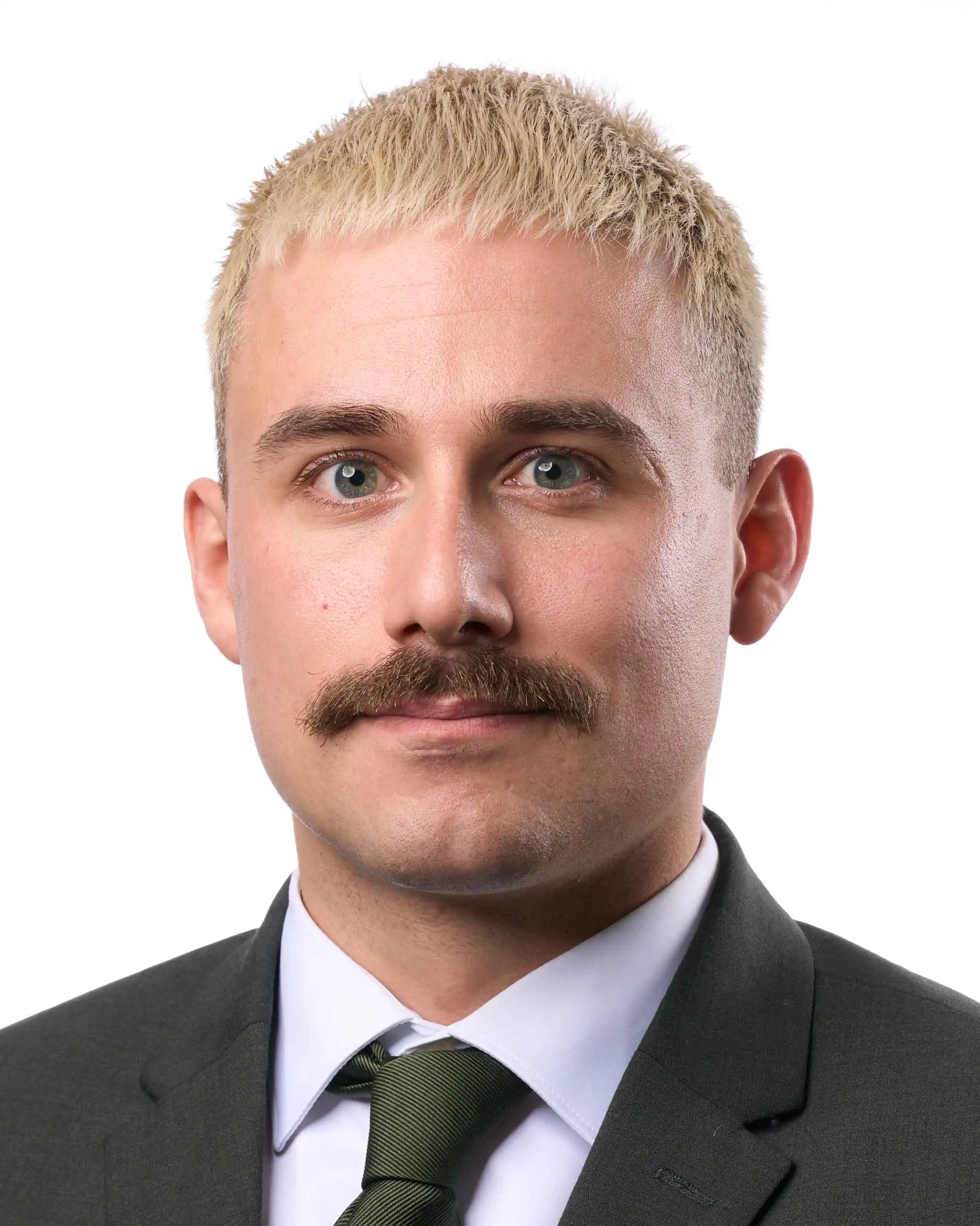
|
Lukas Sieper | Germany DE | Renew Europe (Renew) | 494 |
| 2 |
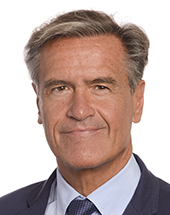
|
Juan Fernando López Aguilar | Spain ES | Progressive Alliance of Socialists and Democrats (S&D) | 463 |
| 3 |
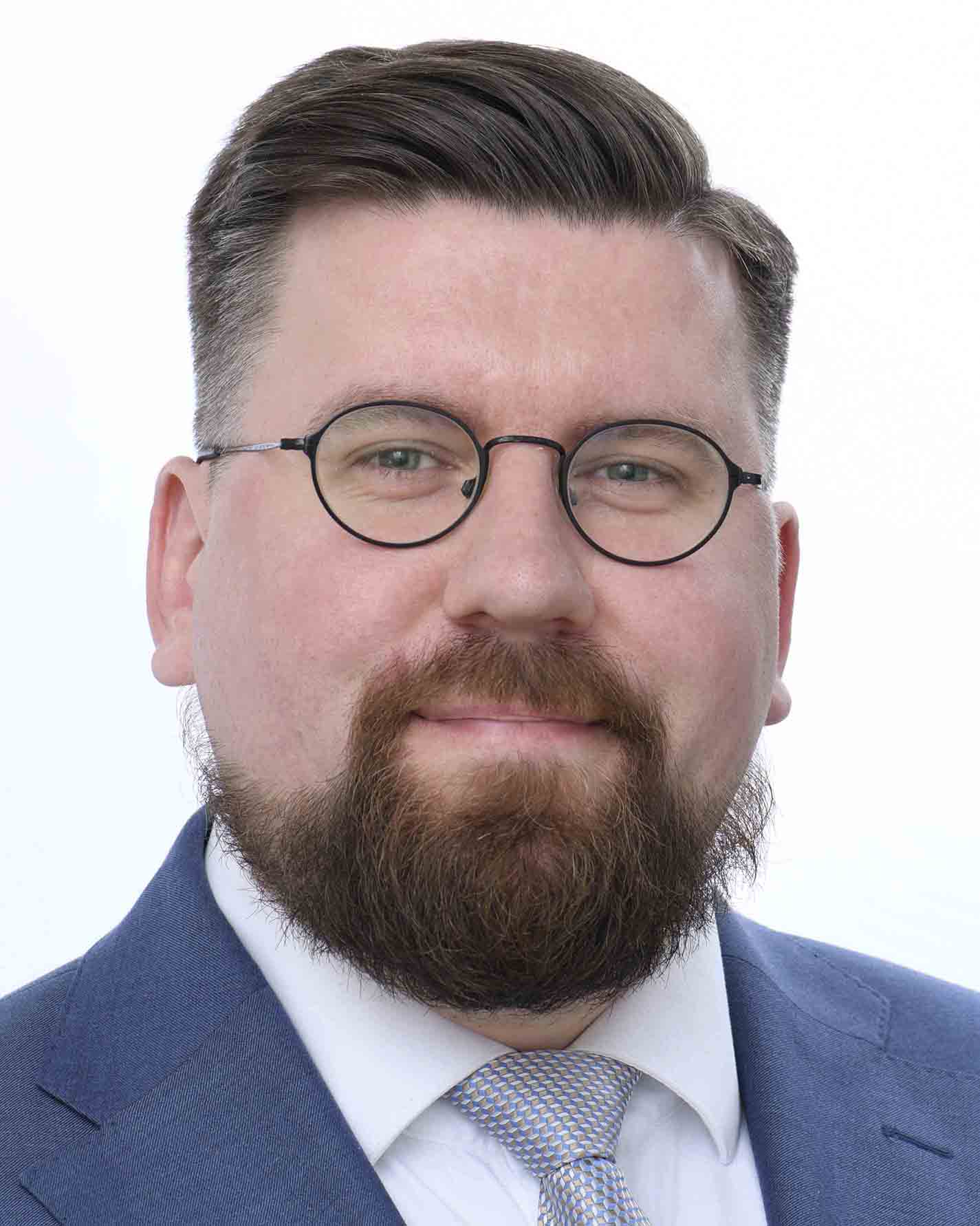
|
Sebastian Tynkkynen | Finland FI | European Conservatives and Reformists (ECR) | 460 |
| 4 |
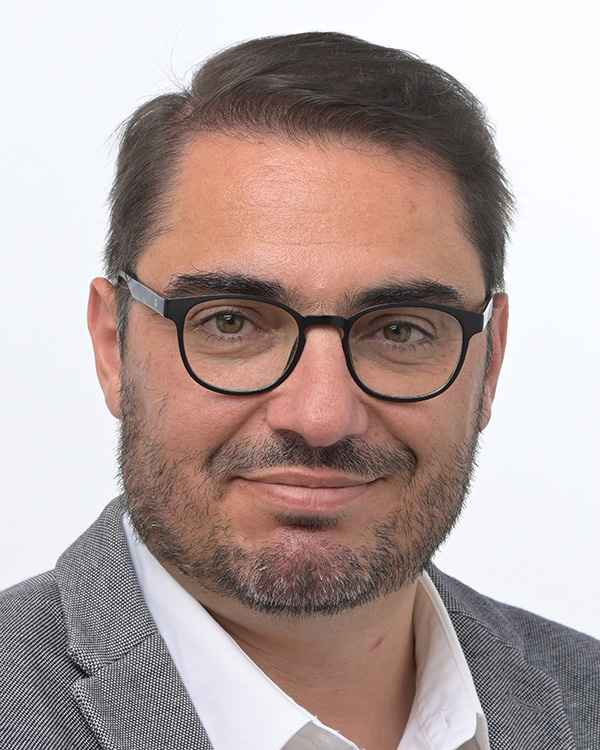
|
João Oliveira | Portugal PT | The Left in the European Parliament (GUE/NGL) | 288 |
| 5 |
|
Vytenis Povilas Andriukaitis | Lithuania LT | Progressive Alliance of Socialists and Democrats (S&D) | 276 |
All Speeches (30)
General budget of the European Union for the financial year 2022 - all sections (debate)
Date:
19.10.2021 16:47
| Language: PL
Speeches
Madam President, I'm sorry. At the start of the implementation of the new financial framework, we have two amending budgets for 2021, the usual amending letter for 2022 with a serious amount of over EUR 1 200 000 000. The need to adapt the new financial framework to the new Social Climate Fund initiative and, arguably, to seriously revise this newly agreed financial framework, so the implementation of this new financial framework is marked by new challenges, new needs requiring a serious financial response and flexibility. Some of these new challenges are unpredictable, others are as predictable as possible. This includes the need to extend aid to Syrian refugees. It was known in December last year, but it did not find expression in the new financial framework. I am saying this because the EU trust funds I have dealt with are coming to an end and I am counting on better cooperation with the European Commission in implementing the new generation of EU foreign policy instruments.
The Rule of law crisis in Poland and the primacy of EU law (continuation of debate)
Date:
19.10.2021 13:01
| Language: PL
Speeches
Mr President, thank you very much. Today another hour of shame for the rulers in a place where there were so many reasons to be proud of Poland. Prime Minister Morawiecki, present in Strasbourg, is only the executor of the will of Deputy Prime Minister Kaczyński. It's bizarre, but it's real. The real boss, Kaczyński, in Warsaw, said that nothing would convince him that white was white and black was black. It was in this spirit that Prime Minister Morawiecki’s homily in Strasbourg was maintained. The whole democratic Europe is wrong, everything is fine in Poland. They more and more resemble a crazy driver who goes against the current on the highway, but it is he who accuses everyone else of having the wrong directions. The EU is not wrong: standing up for such principles that secure civil liberties against abuses of power, stands on the side of Polish citizens. However, our task is to bring back a democratic and law-abiding Poland.
Implementation report on the EU Trust Funds and the Facility for Refugees in Turkey (continuation of debate)
Date:
05.10.2021 17:39
| Language: PL
Speeches
Madam President, I'm sorry. Commissioner, I'm sorry. Thank you for all the votes. And I wrote down the words that were most often said during this debate, apart from Erdogan, of course, or . The three most common are: , and . And I am pleased that these are the strong points and conclusions of our report, and I believe that the Commission will take this into account when shaping the model of relations with the European Parliament in the future.
Implementation report on the EU Trust Funds and the Facility for Refugees in Turkey (debate)
Date:
05.10.2021 16:27
| Language: PL
Speeches
Madam President, I'm sorry. The report we are talking about today is a joint venture between three parliamentary committees: AFET, DEVE and budget. Each of them is entitled to its own view of such important foreign policy instruments as the four trust funds and . Thanks to the excellent cooperation with the co-rapporteurs György Hölvényi, Milan Zver, whom I thank. Thank you also . Thank you to our advisors. A common language was found and this report was therefore voted by a large majority in the joint committees. This report is more than a look into the past. It contains very important tips for the future. We appreciate the role of trust funds as a tool for rapid response in emergencies and humanitarian emergencies. They enable blending – they make it possible to combine funds from the European budget with funds from Member States and other donors, and they have also fulfilled their mission. That is why, among other things, their lifespan has been extended until the end of this year to allow for a smooth transition to the new N instrument.eighbourhood Development International Cooperation Instrument. The consent was conditional, namely that it does not entail additional contributions from the European Union budget this year. While appreciating the role of trust funds, the European Parliament has repeatedly criticised the way in which they are set up, prolonged and, above all, committed, often without consulting the European Parliament, often last minute, although they had serious implications for the budget of the European Union. A perfect illustration could be the new aid package for Syria. The European Commission knew very well in December last year, at the time of the so-called budgetary conceleration, that Syria, refugees from Syria are still in need of assistance, but this was not reflected in the 2021 annual budget, nor in the 2021-27 multiannual financial framework, nor even in this new NDICI instrument, which is the main conclusion of our report: a new generation of programmes, new instruments must be mobilised with the involvement of the European Parliament from the outset. We are closing today, we are about to close the distribution of trust funds in the European Union, but we all know that there may be extraordinary circumstances that will require extraordinary countermeasures, perhaps also in the form of new trust funds.
The creation of guidelines for the application of the general regime of conditionality for the protection of the Union budget (continuation of debate)
Date:
06.07.2021 13:22
| Language: PL
Speeches
Mr President, thank you very much. The European Union was built and enlarged on the assumption that member countries that meet the criteria for membership would later improve their democracy skills. Unfortunately, it turned out that a democratic mandate can be used to destroy democracy. The European Union was not prepared for an authoritarian turn in the Member States, it is only learning how to deal with this problem. The result is two programmes, one "Rights and Values" aimed at civil society, strengthening civil society, and the other binding on the rule of law and European funds. I appreciate the efforts of our rapporteurs, who have done everything to ensure that this is not a dead letter. No guidelines are needed for this. What is needed is an implementation that targets the perpetrators of evil, but protects the beneficiaries of funds and, of course, defends itself before the Court of Justice of the European Union.