

| Rank | Name | Country | Group | Speeches | |
|---|---|---|---|---|---|
| 1 |
|
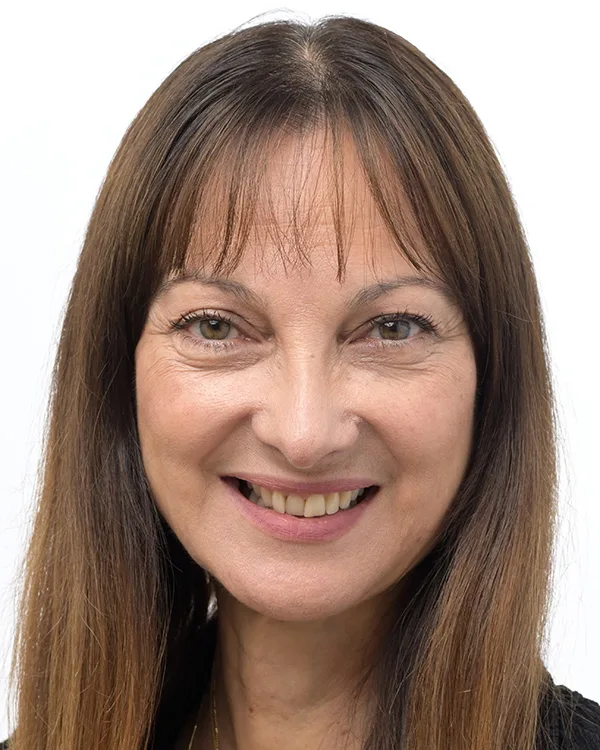
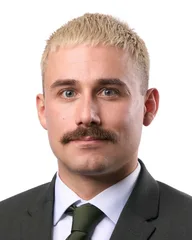
Lukas Sieper | Germany DEU | Non-attached Members (NI) | 390 |
| 2 |
|
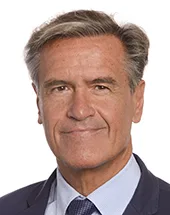
Juan Fernando López Aguilar | Spain ESP | Progressive Alliance of Socialists and Democrats (S&D) | 354 |
| 3 |
|
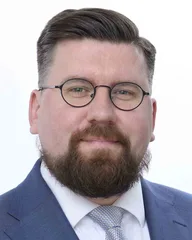
Sebastian Tynkkynen | Finland FIN | European Conservatives and Reformists (ECR) | 331 |
| 4 |
|
João Oliveira | Portugal PRT | The Left in the European Parliament (GUE/NGL) | 232 |
| 5 |
|
Vytenis Povilas Andriukaitis | Lithuania LTU | Progressive Alliance of Socialists and Democrats (S&D) | 227 |
All Contributions (110)
Combating violence against women and domestic violence (debate)
Mr President, one in three women has experienced the nightmare of gender-based violence and one in twenty has been raped, often without vindication, support and protection from the state. In Greece alone last year, 10,000 women reported violence and 15 femicides were committed. Today is a historic day for the protection of women and children. The directive is not perfect, but it is the first step. We would have liked her to be much more ambitious. But it is the first European directive that we are voting on to combat violence against women and domestic violence, and we are criminalising horizontally in all Member States forms of violence, such as female genital mutilation, forced child marriage and gender-based cyberviolence. We strengthen prevention, protection of victims and their access to justice, health services and specialised support. And I am very proud to have contributed with my interventions and with my report, together with all the progressive forces of the European Parliament, and we have achieved this historic development.
Amending Directive 2011/36/EU on preventing and combating trafficking in human beings and protecting its victims (debate)
–Madam President, ladies and gentlemen, every year more than 7 000 people are victims of criminal trafficking networks in Europe and the majority of victims are women and girls trafficked for sexual exploitation. One in four registered victims are citizens of the same country. This crime is increasingly developing online, and the new Anti-Trafficking Directive strengthens victims’ rights, strengthens prevention measures and equips Member States with the necessary framework to tackle criminal trafficking networks, and support victims. It provides for tougher penalties in matters of forced marriage, surrogacy and illegal adoption. For the first time, we have protective measures for children in institutions and people with disabilities. It obliges EU countries to impose sanctions on people who knowingly use services provided by victims of trafficking in human beings. Now it is the responsibility of the states of the European Union to implement it immediately.
Driving licences (debate)
Madam President, Commissioner, about 400 of our fellow citizens are killed every week. Almost every home, every family experiences a tragedy because of an asphalt accident. In this revision of the directive it will be disastrous for seventeen-year-old children to drive huge trucks, even 40 tonnes, nineteen-year-old children to drive buses full of people, women, babies, the elderly. Evidence from countries where the minimum age was set at 18 clearly shows that young truck drivers are much more likely to cause road accidents and accidents. We have a responsibility to legislate to reduce the deaths and very serious injuries that happen every day on the roads of the European Union. How, then, can we allow driving licences to be issued without any medical opinion, not even a visual examination? Should there be no more frequent retests to confirm the ability to drive from a certain age onwards, especially when there are serious underlying diseases? How can we allow driving licences to be issued for motorcycles without any practical training on them? I am afraid that we cannot serve the European Union's vision, Vision Zero, of zero road deaths by 2050. Ladies and gentlemen, once again I call on you to vote in favour of my amendments, to reject these proposals which serve interests and make our roads more dangerous. I urge you to vote to save human lives.
One-minute speeches on matters of political importance
Mr President, ladies and gentlemen, the uncontrollable precision, the decline in the purchasing power of citizens, the energy and housing crises, the desperation of farmers and small and medium-sized enterprises for their survival are constantly growing. Cartels and profiteering thrive under the responsibility of some governments. In Greece, in January, food prices rose by 8.3%, when in the European Union the rate of increase was 4.8%. 40% of household income goes to housing costs, while 85% of young people up to 29 years old stay at their parents' house. Super-profits in electricity and refineries, combined with indirect taxes imposed by the government, exhaust Greek society. Many Greek products, such as oil, yoghurt, feta and halva, are sold abroad at lower prices compared to their prices on Greek shelves. In order to cope with soaring food and energy prices, immediate, horizontal and bold European measures are needed.
Tackling the inflation in food prices and its social consequences and root causes (debate)
Mr President, Commissioner, the cost of living in Europe has increased, but in my country precision and profiteering are sweeping through Greek society. In Greece, the purchasing power of households has decreased by 50%. Food inflation is 5.5 points higher than the European average. Wages and pensions are up to three times lower than in other European countries, while products and services are up to three times more expensive. Small and medium-sized enterprises are suffocating, society is impoverished, farmers are struggling for their survival and thousands of citizens are losing their properties. Commissioner, I am sounding the alarm. Take horizontal measures to counter oligopolies and cartels that indulge in inflation of greed and profiteering with the tolerance of certain governments. Cap the profit factor for wholesale electricity at 5% for electricity generation; cap the refining margin; tax super-profits and take immediate action on bank lending rates.
Union-wide effect of certain driving disqualifications (debate)
Mr President, if a driver today commits an offence in a country other than the one that issued his driving licence and that licence is withdrawn, the penalty will, in the vast majority of cases, apply only in the country where the offence was committed and does not entail restrictions in the other Member States of the European Union. This driver will therefore be able to continue to drive normally in the other 26 Member States, even though his licence has been withdrawn. This situation undermines road transport safety in all Member States, but especially in countries that are important tourist destinations and welcome many foreign drivers. This directive thus fills the gap that exists and leads to impunity and includes serious road traffic offences, such as speeding, driving under the influence of alcohol or drugs and incidents resulting in death or serious bodily injury as a result of a traffic offence. Colleagues, every year more than 20,000 of our fellow citizens die on European roads. This price is unacceptable, but not inevitable. This directive will be instrumental both in improving road safety on Europe's roads and in reducing the number of road accident victims.
Gender aspects of the rising cost of living and the impact of the energy crisis (debate)
Madam President, millions of households across Europe are struggling to cope with the ever-increasing cost of living and energy prices. Women face more challenges and higher levels of poverty than men. 20 million more women than men live below the poverty line in the European Union. Colleagues, ensuring a socially fair green transition is an absolute prerequisite for achieving gender equality. We should take urgent action to tackle poverty and inequalities. Access to energy should be considered a right. Address structural income inequalities and integrate a gender perspective in all activities of the European Union. Ensure affordable utilities and food for low-income households and, finally, strengthen access programmes to affordable and energy-efficient housing and ensure equal access to care and health services.
Extending the list of EU crimes to hate speech and hate crime (debate)
Madam President, Commissioner, I would like to address the Presidency of the Council, which unfortunately is not here today and is unacceptable. Hate speech and hate crime have been increasing alarmingly across Europe in recent years, especially online and on social media, threatening vulnerable groups, women, people with disabilities, minorities and particularly LGBTIQ people. Since 2022, we in the European Parliament have repeatedly called on the Council to immediately extend the list of European Union crimes to hate speech and hate crime. Establish minimum rules on the definition of these criminal offences and the necessary sanctions, as proposed by the Commission two years ago. Only in this way will we ensure that hatred is criminalised in the same way everywhere in Europe. Only in this way will we safeguard the fundamental values of the European Union. We therefore call on the Council to proceed immediately with the criminalisation of hate speech and hate crime.
Jurisdiction, applicable law, recognition of decisions and acceptance of authentic instruments in matters of parenthood and creation of a European Certificate of Parenthood (debate)
Mr President, in international law, in Union law and in the law of the Member States, all children must have the same rights without discrimination. In practice, however, when a family is in a cross-border situation, because it moves from one Member State to another either to travel or to reside, it risks losing the recognition of parenthood established in a Member State. It is inconceivable that a parent in one Member State should not be recognised as a parent in another Member State. This unacceptable reality, which mainly affects LGBTIQ families, can have a negative impact on two million children in the European Union. It must be ensured that no child is discriminated against because of the way in which he or she was born or the type of family in which he or she was born and raised. If you are a parent in one European country, you are a parent in all European countries. I am very proud that through my report on the impact of intimate partner violence and custody rights on women and children, I pushed for this regulation and the European Certificate of Parenthood that protect the fundamental rights of the child to come.
Parliament’s call for the right to disconnect - three years on (debate)
Mr President, Commissioner, teleworkers are six times more likely to work in their free time and twice as likely to work 48 hours or more per week. Their additional workload and long stay in front of the computer screen puts a significant burden on their physical and mental health. As the European Parliament, we have called since January 2021 for the right to disconnect to be enshrined in EU law. It was wrong that you were delayed for three whole years. The social dialogue of the European social partners launched in June 2020 was wrecked under the responsibility of European employers’ organisations, as was to be expected, and we simply lost time. As a result of the delay, teleworking has not been regulated at EU level to date, workers continue to be treated differently in the Member States and are unprotected against uncontrolled exploitation by employers. We urge you to propose immediately, before the end of this legislative term, a directive establishing the right of workers to disconnect ... (The President took the floor from the speaker)
International day for the elimination of violence against women (debate)
Mr President, gender-based violence is the most extreme form of inequality against women and a violation of their fundamental rights. Official figures in the European Union are shocking. One in three women has been the victim of physical or sexual violence, in many cases by their partner or ex-partner. However, two out of three do not file a complaint. This harsh reality has its roots in the patriarchal mentality, but also in the anachronistic and dangerous perceptions that the woman is inferior to the man and is his property. We therefore need to provide immediate answers that correct distortions and loopholes in European legislation. Ensure that the Directive on violence against women is ambitious, provides effective protection and support to victims and women, but also to children, prevents such crimes and prioritises prevention. And finally, to ensure that it defines the crime of rape on the basis of consent, to make it clear to everyone that no means no.
Ensuring European transportation works for women (debate)
Madam President, the development of the transport system in Europe is almost entirely based on fossil fuels and is designed to serve mainly the needs of working men, disregarding the mobility needs of women in their daily lives, who have multifaceted roles in the economy, society and, of course, the family. This is clearly demonstrated by the statistics. European roads kill twice as many women on foot as men every year. In order to ensure high-quality, accessible and affordable public transport for all, a gender-equal approach to transport policy and urban planning policies is therefore essential. It is essential for women workers in the transport sector to improve working conditions, establish equal treatment and work-life balance, provide access to adequate sanitary facilities and finally ensure safety in every workplace to put an end to violence and sexual harassment.
Global Convergence on Generative AI (debate)
Mr President, ladies and gentlemen, artificial intelligence is evolving very rapidly and its growth potential makes it extremely difficult for European legislation to regulate it. The case of artificial intelligence production systems is typical. Their emergence, after the negotiations on the Artificial Intelligence Act had started, resulted in the adoption of limited obligations relating mainly to transparency and mitigating the risks of discrimination and the creation of illegal content. There is no doubt that efforts towards global convergence, as in the case of the development of the Code of Conduct, are in the right direction, but they are not enough. The development of these systems must be carried out through ethics by design (principles, tools and procedures), ensure the protection of the copyright of the material used to train these systems and ensure that these systems do not deceive, manipulate or harm consumers and users.
Greening transport package (debate)
Madam President, thank you very much, Commissioner, for your presentation. To meet our climate targets, we need to increase rail transport by 50% by 2030 and double it by 2050. These objectives are really difficult to achieve, bearing in mind that the Commission has been trying for decades to achieve an increase in rail transport, while the evidence shows that, contrary to intentions, rail transport has lost ground to road transport. After four legislative packages, the rail market has not delivered the results promised by the Commission and demanded by the fight against climate change. To be consistent with our climate obligations, therefore, we will need bold and radical policies aimed at safety, quality and affordability, and large public investments in track-based instruments, commensurate with the challenges and at the opposite end of privatisation and abandonment of infrastructure. In light of this, we will evaluate today's proposals in the coming days.
Industrial Emissions Directive - Industrial Emissions Portal - Deployment of alternative fuels infrastructure - Sustainable maritime fuels (FuelEU Maritime Initiative) - Energy efficiency (recast) (joint debate - Fit for 55 and Industrial Emissions)
Madam President, I would like to thank the rapporteur and the shadow rapporteurs, with whom we have worked intensively in recent months on the regulation on alternative fuels. We have significantly improved the Commission's initial proposal and have succeeded in setting ambitious but fully realistic targets for the development of infrastructure, alternative fuels and especially electricity on Europe's roads, ports and airports. We have also created the tools for states to ensure the necessary transparency in prices and the protection of consumer rights, which are crucial factors in the transition to this new reality to avoid profiteering and citizens' trust in electromobility. It is now the responsibility of states to implement the regulation and ensure that the transition is fair for all. Citizens as well as transport professionals need to continue to move seamlessly and at an affordable cost. Adequate European and national funding must be provided for infrastructure and to meet inclusive travel needs for all.
Council of Europe Convention on preventing and combating violence against women and domestic violence – EU accession: institutions and public administration of the Union - Council of Europe Convention on preventing and combating violence against women and domestic violence - EU accession: judicial cooperation in criminal matters, asylum and non-refoulement (debate)
Κυρία Πρόεδρε, κύριοι συνάδελφοι, μετά από έξι χρόνια καθυστερήσεων, η Ευρωπαϊκή Ένωση κυρώνει τη Σύμβαση της Κωνσταντινούπολης, το πρώτο νομικά δεσμευτικό διεθνές μέσο για την πρόληψη και την καταπολέμηση της βίας κατά των γυναικών και των κοριτσιών. It is a historic day in the fight against gender-based and domestic violence. Ratification of the Convention is a crucial step in protecting the rights of women and victims of violence across the European Union. It strengthens the protection of all victims, the prevention and prosecution of these horrific crimes in a comprehensive manner in all Member States of the European Union. I am very proud to have been instrumental in my report on the impact of domestic violence, to have had the honour of being rapporteur for the European Parliament, and to have achieved this historic development under the pressure of the whole Parliament. The ratification of the Convention by the European Union is a great victory for progressive political forces over maintenance and backsliding, and the six Member States which have not yet done so must ratify the Convention without delay.
Data Act (debate)
Madam President, ladies and gentlemen, the volume of data produced by humans and machines is growing exponentially every year. Industrial data can be a key factor in the growth, innovation and transformation of all sectors of the European economy. Unfortunately, today their full value remains untapped or concentrated in the hands of a few large companies. To change this, adequate responses should be given to the long-standing issues of data access, fairness, interoperability and data reuse. There is no doubt that the ITRE position clarifies and improves several points of the original Commission proposal. It ensures the protection of personal data, that access to data and data sharing will be free of charge for consumers, the use of non-personal private sector data by public bodies of B2G Member States in the event of a public emergency or for the fulfilment of a specific task in the public interest, the promotion of consumers' ability to better understand the technical details and their rights regarding the data they generate, the right to judicial redress, etc. At the same time, however, there are still some elements that can undermine the objectives of the Regulation and should be improved in the upcoming trilogues. While, for example, the need to protect trade secrets is undeniable, the risk of its unjustified use to undermine users’ access rights should be addressed.
Developing an EU cycling strategy (debate)
Mr President, in the European Parliament today we are taking a very important step that will improve the daily lives of citizens. We call for a European cycling strategy to double the number of kilometres cycled in Europe by 2030. We live in cities that are dangerous to our health, the environment and the climate. Bicycles and e-bikes should become a key pillar of urban mobility in all European cities because they bring significant benefits. Better health, reduced congestion and noise pollution, improved air quality, economic growth, as well as other environmental and social benefits. Cities need to invest in appropriate infrastructure and revise spatial planning so that citizens can switch to cycling, conventional or electric, and move safely and easily through the urban fabric. Our goal is achievable if there is strategic and strong political will.
Council of Europe Convention on preventing and combating violence against women and domestic violence: EU accession (continuation of debate)
Madam President, progress in the fight against violence against women is insufficient, while gender-based violence remains a global plague with explosive dimensions that is often concealed and its true magnitude is not reflected. We mourn victims of crimes that could have been prevented in time and this is a failure for all of us. Incidents of abuse are growing and the sad list of femicides is constantly growing. The Istanbul Convention is the most essential, powerful and comprehensive tool to prevent the fight against gender-based violence against women and domestic violence. Its ratification has been dramatically delayed. Commissioner, there is a need for political will from the Council, because the Court of Justice of the European Union has ruled that, even without its ratification by all Member States, the European Union can ratify the Istanbul Convention and must do so immediately. Thus, all Member States will have to fully implement all the measures deriving from the Convention in their national laws and policies.
Revelations of Uber lobbying practices in the EU (debate)
Mr President, in many countries, Uber's practices of forcibly and illegally expanding its activities through opaque relations with power have harmed the interests of legitimate taxi drivers and passengers. Few governments, such as the 2018 government of Alexis Tsipras in Greece, have managed to resist lobbying and interest pressures and put an end to these unacceptable practices. However, even today, the Commission refuses to acknowledge the risks of market deregulation and, in the new urban mobility context, calls for further market opening with the obvious aim of infiltrating Uber-type services. The Commission should therefore, instead of undermining the role and rights of legitimate taxi drivers, explore how it can defend their interests and the interests of passengers against powerful tech giants, for example through the development of European public applications for the benefit of the industry and passengers.
Addressing persistent challenges in the aviation sector and the impacts on passengers, workers, capacity and safety (debate)
Madam President, millions of European citizens will fly for Christmas and New Year's Eve. The inconvenience and scenes of shame that we have seen at many airports in the summer, with delays and cancellations of flights that have also hit tourism, must not be repeated either now or, of course, in the future. There is an urgent need to ensure that groundhandling services at airports are adequately staffed and to improve working conditions and salaries for all air transport staff, as this concerns not only labour rights but is also a major safety issue. Also, air connectivity is a critical issue for remote and isolated regions and insularity. Particularly at Europe's external borders, reliable, adequate and affordable air connections are needed. Also the green transition of the sector must be fair and leave no one behind.
Eliminating violence against Women (debate)
Madam President, gender-based violence against women and girls is a global scourge. It's a moral insult to all women. It is a sign of shame and failure for all societies and a major obstacle to the development of the European Union. One in three women has experienced the nightmare of gender-based violence and one in twenty has been raped, often without vindication, support or protection. At its core, gender-based violence is the manifestation of a lack of respect, denigration, disdain and undermining of women by men who do not recognize their inherent equality and believe that women's lives do not have the same value as their own. It reflects and reproduces patriarchal patterns and stereotypes that still prevail in Europe today and must be eliminated. We must include gender-based violence as a crime in Article 83 of the Treaty and we must strike it at its roots as a top political and social priority. Women and men, yes, are different, but they are equal. The directive to be adopted should be holistic and ambitious.
Gender balance among non-executive directors of companies listed on stock exchanges (debate)
Madam President, ten years after the Commission's initial proposal, the European Union is moving forward with the adoption of the Women on Boards Directive, taking an essential step to put an end to the under-representation of women on the boards of major European companies. We are proud of the result we have achieved in the negotiations with the Council and the European Commission. I would like to congratulate my fellow European Parliament rapporteurs and I am proud to have been able to contribute to the European Parliament's negotiating team to reach this agreement. Although official European data show that European companies that ensure a high representation of both genders on their boards perform better, women are still a clear minority today, representing only 34% of non-executive board members in the European Union. Women deserve equal opportunities for leadership in companies. There is a need to stop this unacceptable waste of opportunity and talent at the expense of women. It is not only a question of social justice, but it is a precondition for the European Union to secure the economic growth it so desperately needs. We expect the new directive to overturn these structural inequalities by bringing more women into decision-making centres for the benefit not only of European businesses, but of society and the economy as a whole.
Fighting sexualised violence - The importance of the Istanbul Convention and a comprehensive proposal for a directive against gender-based violence (debate)
Madam President, ladies and gentlemen, in Europe, one in three women has experienced physical sexual violence and one in twenty women has been raped. In Greece alone, in the last eight months, 300 children have been sexually abused and 19 femicides have taken place. These figures are shocking, while the facts are much more, as women, either out of fear, shame or lack of trust in the authorities, do not report what nightmares they experience. Abusers, rapists and pedophiles find ground in the gaps in parental and social care, poverty, inequalities and patriarchal notions that still prevail in Europe today. We therefore need to ensure that the Gender-Based Violence Directive is ambitious and takes up the recommendations of the resolution on the impact of domestic violence and custody rights on women and children. Commissioner, the Court of Justice of the European Union in October 2021 ruled that even if not all Member States have ratified the Istanbul Convention, the European Union can ratify it and must do so immediately.
Sustainable maritime fuels (FuelEU Maritime Initiative) - Deployment of alternative fuels infrastructure (debate)
Mr President, Commissioner, the European Green Deal provides for a reduction in emissions of at least 90% by 2050 for the transport sector. The transition to electrification and sustainability has multiple benefits for the climate, the environment and people's health. A key condition for this reduction and for citizens to continue to move seamlessly is the availability of charging stations where they need to in their daily lives: on public roads, in business premises, supermarkets and shopping malls. It is also important to have access to charging stations and taxis in the places they wait for passengers, because they do tens of thousands of kilometers every day. Finally, I would like to stress that for the green transition to succeed it must be fair. Provide adequate European and national funding for infrastructure, make vehicles affordable and – above all – remember that the main pillar of the transition will be public transport, which unfortunately has not been given the attention it deserves so far.