

| Rank | Name | Country | Group | Speeches | |
|---|---|---|---|---|---|
| 1 |
|
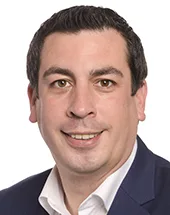
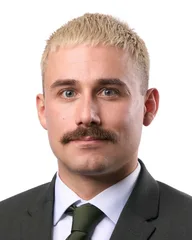
Lukas Sieper | Germany DEU | Non-attached Members (NI) | 390 |
| 2 |
|
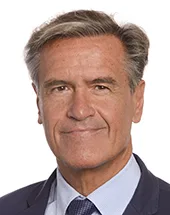
Juan Fernando López Aguilar | Spain ESP | Progressive Alliance of Socialists and Democrats (S&D) | 354 |
| 3 |
|
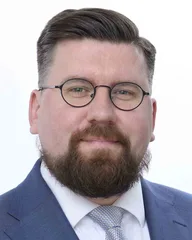
Sebastian Tynkkynen | Finland FIN | European Conservatives and Reformists (ECR) | 331 |
| 4 |
|
João Oliveira | Portugal PRT | The Left in the European Parliament (GUE/NGL) | 232 |
| 5 |
|
Vytenis Povilas Andriukaitis | Lithuania LTU | Progressive Alliance of Socialists and Democrats (S&D) | 227 |
All Contributions (48)
Right to clean drinking water in the EU (debate)
Madam President, Commissioner! Access to clean drinking water is a human right – we have agreed on this here in the European Parliament in recent years. But this is not self-evident. This also means that we have to deal more intensively with which pollutants find their way into our water supply. We need a new approach to the topic of microplastics. We need to pay more attention to the ever more frequently detected eternity chemicals, the PFAS. It is also important to keep an eye on pesticides and their reduction. Here, as in the past five years, I am calling for a European research initiative for real and effective ecological alternatives to the pesticides used so far. When financing all these steps for our water quality, the focus must be on the polluter pays principle. We must not allow it to be constantly softened.
Outcome of the UN Biodiversity Conference 2024 in Cali, Colombia (COP16) (debate)
Madam President, Mr Vice-President, ladies and gentlemen. In the meantime, it should be clear to everyone that our natural resources are not well-ordered. This applies to our climate, this applies to the health of our soils and waters, and this applies to the stock of species. That's why COP 16 in Colombia should have been a real milestone to finally stop this negative trend. Once again, however, the funding issue has remained unresolved. As long as subsidies or trade agreements do not first pay attention to environmental protection, nothing will change. This is precisely where our common Europe must lead and also face global responsibility. We don't have to save the world and we won't save the world if we declare ourselves environmental champions and world champions here in Europe, but close our eyes to what causes our policies in other parts of the world.
Promised revision of the EU animal welfare legislation and the animal welfare-related European citizens’ initiatives (debate)
Madam President, esteemed Commissioner! The European Union currently has to deal with enormous challenges, which cover an incredible number of areas. Against this background, however, I have the impression that animal welfare is deliberately pushed backwards. This is often argued with the security of supply in food production, in addition to resistance from interest groups. However, I think that the focus should be on those people who take a closer look at animal welfare and who also demand a change in the way we handle our food production. If we want to be credible as a European policy, we must not listen to those who say: "This is not possible", but must be the initiator of changes and changes. There is no doubt that we also need to protect our domestic and European standards, which are eroded by imports. A topic that reaches me very often at the moment is also questionable and unfortunately lucrative business models with pet animals, which were supposedly rescued from killing stations. This requires a much more determined look at the Member States and also at the Commission.
Plants obtained by certain new genomic techniques and their food and feed (debate)
Madam President, ladies and gentlemen, The debate on new genetic engineering is not about yes or no; For me, it is about three central aspects of consumer and health protection. Firstly: A risk assessment is required in advance for approvals. As a policy, we must not abandon this instrument of weighing up risks for humans, animals and nature. Capturing misdevelopments retrospectively is an immensely difficult path. Secondly: Clear labelling is needed to ensure that consumers have freedom of choice. It is insane that there are applications that are intended to prohibit any markings. This is a massive cut in consumer information. And thirdly: no new genetic engineering in bioproducts, either through deliberately tolerated contaminants or through decisions taken away from the public, based on subsequent evaluations.
Ozone depleting substances - Fluorinated gases regulation (joint debate - Gas emissions)
Dear Mr President, dear Commissioner, ladies and gentlemen, F-gases are used in a variety of everyday products such as refrigerators, air conditioners, heat pumps, asthma sprays, fire extinguishers, to name a few. Refrigerants also play an important role in the construction industry or in switchgear systems of our power supply systems. These synthetic refrigerants, the so-called F-gases, have an alarmingly high global warming potential, which is up to 25,000 times more harmful to the climate than CO2. Therefore, these substances must be drastically reduced and replaced with natural refrigerants if we are to seriously combat climate change. The Ozone Ordinance is also closely linked to the F-gas dossier. Especially in the case of ozone, we have seen in the past that excellent results can be achieved with clear, binding regulations. With the successful conclusion of the interinstitutional negotiations, we are strengthening the Green Deal. In my role as shadow rapporteur on the revision of the F-gas Regulation, I am therefore pleased to report today that we have successfully tackled this important paradigm shift. A big thank you to all colleagues for the really good and constructive cooperation, especially to the rapporteur Bas Eickhout. Both production and consumption are gradually reduced according to a strict schedule with decreasing quota allocations. As far as quota allocation for consumption is concerned, it will even be phased out completely by 2050. The text before the vote is an important contribution to climate protection and to achieving the goals of the Paris Agreement. In addition, the revised regulation strengthens the leading role of European companies in global markets for climate-friendly technologies and makes us independent of F-gases produced mainly in the US and Asia. We are strengthening Europe as an industrial location and securing tomorrow's jobs today. According to calculations, around 80% of F-gas emissions in 2050 would come from stationary and mobile refrigeration and air conditioning systems. These emissions are avoidable as they can and will be replaced by climate-friendly natural refrigerants. The stricter regulation of the F-gas regulation and the ozone regulation, which is also in consultation, will save a total of 500 million tonnes of CO2 by 2050. A really great success!
Sustainable use of plant protection products (debate)
There is already an incredible trend in Wachau that you can get away from pesticides here, so to speak. This is also a trend in viticulture that can no longer be stopped. As for the Wachau: This is certainly an extremely sensitive topic. I am sure that the proposal as a whole also takes this into account.
Sustainable use of plant protection products (debate)
Dear Madam President, dear Commissioner, We all know that everything we put into nature ends up on our plates and also in our bodies, and environmental toxins have lost absolutely nothing. In my view, this report would be a decisive step towards bringing the Green Deal back to the ground and onward. A clear stance is needed – beautiful headlines are not enough. We are in a situation where the four largest seed companies also control over two-thirds of the pesticide market. This is about the question of our livelihood, and we must not leave it to a few corporations. We must finally reduce our dependencies and create alternatives to environmental toxins such as glyphosate and co. This requires a joint European effort for a research initiative, for ecological and effective alternatives to the pesticides used so far. This is also crucial for European agriculture and our security of supply. (The speaker agreed to answer a question on the blue card procedure.)
European Citizens' Initiative 'Fur Free Europe' (debate)
Madam President, ladies and gentlemen, Fur farming is cruel and therefore over 1.5 million people have also supported the European Citizens’ Initiative ‘Felt-Free Europe’. Worldwide, an unimaginable number of animals are killed for their fur, including not only mink, but also foxes, rabbits or raccoons. The conditions of animals on fur farms are intolerable. Far too small cages make it impossible for animals to move freely and exercise their natural behavior. Such conditions lead to self-mutilation, infected wounds, missing limbs and cannibalism. Killing fur animals to make fashion and luxury items is no longer necessary in 2023. We need laws that prohibit fur farms and the marketing of furs in Europe. This is where Europe must take the first step, together with the Member States.
Water scarcity and structural investments in access to water in the EU (debate)
Mr President, ladies and gentlemen, In view of the current climate problems, increasing pollution, the threat of dehydration of our ecosystems, we cannot regard water as a self-evident and unlimited resource. We need to focus on the long-term benefits of investing in this natural resource, not on quick solutions to the water crisis. It's about rethinking the value of water. Our communities, cities and regions cannot overcome this great challenge alone. Agriculture, industry and we consumers must also make a significant contribution. I am concerned about the increasing blockage in this Parliament in terms of nature and climate protection. This is not a question of detail, but essentially a total refusal. Apparently, it is still not clear enough in our minds that every penny we invest in protecting the environment, climate and our water is always a positive investment in our health, our quality of life, our society and our economy.
Establishing the Strategic Technologies for Europe Platform (‘STEP’) (debate)
Madam President, Commissioner! More green investments in Europe in global competition: This also requires the STEP strategic technology platform. It is about strengthening our EU industrial location, and that means more in the end. The goal must be re-industrialization without smoking chimneys, with competitive technologies and industries. I firmly believe that: At the end of the Green Deal, there will be more jobs, more innovation in Europe and more quality of life. It's up to us what we make of it. With the additional new funds of 13 billion euros, it is also possible to invest more in structurally weak regions. Our decisions here in the European Parliament, and especially here in this vote, are about two things, especially in these challenging times. Firstly: How do we strengthen the industry in the green and digital transformation? And secondly: How do we create a positive future for the people of Europe?
Urban wastewater treatment (debate)
Mr President, ladies and gentlemen, The pollution of our freshwater resources by industrial, chemical, pharmaceutical, cosmetic and agricultural inputs is worrying. Municipal wastewater is one of these sources, with micropollutants from residues of pharmaceuticals and cosmetics being a major problem. The revision of the 30-year-old directive is overdue. New goals need to be defined and challenges adapted to our time. If we now adopt a position of Parliament, it is also important to emphasise that it cannot be that some Member States are still reluctant to comply with the old requirements. I welcome the extended producer responsibility, which could and should be even stricter. This would create a necessary incentive to be more careful with our resources and raw materials and to avoid contamination.
The proposed extension of glyphosate in the EU (debate)
Mr President, ladies and gentlemen, The current discussion about the prolongation of glyphosate justifiably heats up the minds once again. The citizens’ initiative ‘Stop glyphosate’ managed to collect over 1.3 million signatures from the then 28 Member States in less than five months in 2017. The EFSA website states that the assessment of the effects of glyphosate on human, animal and environmental health identified ‘no critical areas of concern’. The EU Environment Agency published that 20% of cancers in Europe are caused by environmental toxins - a number that is worrying, a number that for me cannot be defined as ‘no critical problem areas’. Taking into account the existing data on the precautionary principle, the many voices of European citizens' initiatives for sustainable agriculture, which have been very successful, and our common European objectives - "Farm to Fork", The Commission's Biodiversity Strategy and Pesticide Reduction Target clearly reject prolongation of glyphosate. People want healthy food without residues of disease-causing pesticides. In any case, more funding is needed for research into effective, sustainable and ecological pesticide alternatives. We lose far too much time in which nothing or clearly too little happens here. The point is that we can offer meaningful alternatives to agriculture. This requires a joint effort.
Surface water and groundwater pollutants (debate)
Madam President, Commissioner! The increasing challenges of climate change and pollution from industrial, chemical, pharmaceutical and agricultural activities are truly worrying. I assume that you will agree with me that both our groundwater and surface waters need to be better protected, and this report is also tackling this. The report before the vote supports these challenges and also supports the Commission's objective of the Zero Pollution Action Plan. I very much welcome the fact that we are also addressing the large group of so-called perpetual chemicals, the PFAS. In doing so, we are also sending an important signal regarding the upcoming revision of the REACH Regulation. I am also very satisfied that we are tightening limit values for certain pollutants, such as glyphosate, in view of the upcoming discussion on glyphosate extension in this House. In the coming months, it is also an important sign that we are setting clear and strict standards. In any case, we need a European research strategy for real, effective, ecological and sustainable alternatives to the environmental toxins used so far.
Revision of the EU Emissions Trading System - Monitoring, reporting and verification of greenhouse gas emissions from maritime transport - Carbon border adjustment mechanism - Social Climate Fund - Revision of the EU Emissions Trading System for aviation (debate)
Mr President, Commissioner! The results of the negotiations on the Fit-for-55 dossiers, which are due to be voted on this week, bring us a bit closer to a climate-neutral Europe by 2050. We can be satisfied with the outcome of the negotiations, even if I personally would have liked a more progressive outcome on one point or another. In the reform of emissions trading, we have achieved the inclusion of additional sectors and the gradual dismantling of the supply of free allowances. We create the necessary incentives for companies to invest in climate-friendly technologies. Because practice has shown us in the past that the deletion of such free certificates invests more in innovation and research and that the idea of savings and sustainability also drive the necessary implementation better and faster in industry. After all, it is also about a strong and competitive European industry and real and very efficient climate protection with common sense.
Fluorinated Gases Regulation - Ozone-depleting substances (debate)
Mr President! The now banned CFC is certainly still a term for many. It has been banned in the EU since 1995. Here, the ban has shown very impressively that this is the most effective way to advance research and innovation for real alternatives. F-gases can be found in air conditioning systems, heat pumps, switchgear or as propellant in asthma sprays. But they have a particularly high global warming potential. At the same time, they can be avoided relatively well in almost all fields of application. The EU has therefore already taken an important step in 2014 with the F-gas Regulation. And it is now a matter of reinforcing the present report and bringing our claims to the level of time. I understand that any change leads to uncertainty at first. However, we rely on European know-how and we want to strengthen research and innovation here. Our main concern is to promote and support European companies, which is why we need a sense of proportion and planning certainty. This is certainly the case here in this report. As a result, we have also collected some safety nets. What we certainly do not want are expensive interim solutions that can be used for a short time and the greater use of other chemically toxic substances - we certainly do not want that.
European Citizens’ Initiative "Save bees and farmers! Towards a bee-friendly agriculture for a healthy environment" (debate)
Mr President, ladies and gentlemen, Pesticides are partly responsible for the decline in biodiversity and thus also for bee mortality. This is more than scientifically proven. Unfortunately, when it comes to a real reduction of conventional environmental toxins, many leave the courage, and it often remains only in symbolic politics. However, this is clearly not enough in view of the dramatic situation. The title of the highly successful citizens' initiative is: "Save bees and farmers". This is precisely why we need real, effective and ecological alternatives to the pesticides used so far. This requires a research strategy at all levels in the Member States and in Europe. Agriculture relies on the best sustainable alternatives to ensure the security of supply of our food production and biodiversity across Europe. This requires a bold policy and the massive acceleration of research for real ecological pesticide alternatives.
Protection of livestock farming and large carnivores in Europe (debate)
Dear Mr President, Commissioner! We are once again experiencing a very emotional debate about the return of the wolf to our habitat. What I really criticize, however, is the way in which a debate has been raised by some political forces in recent years, which has acted and worked in the first place with fears, detached from facts and without concrete proposals for action and solutions. In the end, it just hangs: The wolf is a great danger for humans and animals. As a Member of Parliament, I have already criticised this in relation to a regional Parliament, and I am doing so here today. And yes, if there are problem animals, then one must also proceed consistently. It is perfectly clear that we must support grazing and alms farming in this great challenge – for our landscape, for our ecosystem – and that freedom of movement in nature must continue to exist. Agriculture needs all forms of support, including financial support. We have enough funds and programs to make this possible and even to distribute additional funds. This resolution, supported by six political groups, is a good example of a factual and good resolution, and I therefore ask that it be supported and that any further amendments be rejected.
The urgent need for an EU strategy on fertilisers to ensure food security in Europe (debate)
Mr President, Commissioner! The biggest problem for our prosperity and cohesion in Europe is dependence on imports. We see this in many areas: energy supply, the problems of global supply chains, but also in the agricultural sector. Russia, which has already been mentioned, is the world’s largest exporter of fertilisers. Up to 60% of fertilisers used in the EU come from Russia or Belarus. We all know about the burdens on farms. The price of keeping the problem of products does not stop there either. And it must be a joint effort of all of us that we intervene here in support. After all, it is about supplying citizens with food, but also about the existence of many businesses. So far as the current situation is concerned, and I think we all agree here. On the other hand, it is a fact that the reckless use of pesticides and fertilisers entails a massive pollution of our soils, our water and our air. And as shadow rapporteur in the Environment Committee on the regulation on the reduction of methane gas emissions, it should be mentioned that the unnecessary use of synthetic fertilisers and mineral fertilisers also leads to an increase in methane emissions. We can, of course, continue as before, but it's really about changing things here. We need to move forward faster with the self-imposed goals we have, 50% fewer pesticides and 20% fewer fertilisers. It has been proven that pesticide use and over-fertilisation cause problems here in the soil in the area of nutrient supply and also in soil fertility. Therefore, a profound change is needed. We have certainly missed an opportunity in the common agricultural policy. Because that we have given up the obligation to grow legumes in crop rotation, we can certainly call it a mistake today. That's why we use this challenge as an opportunity to drive change!
European Centre for Disease Prevention and Control - Serious cross-border threats to health (debate)
Madam President, Commissioner! The coronavirus pandemic has shown that nation states are completely irresponsible in such a situation. They do not make sense in normal times, but a common crisis requires more solidarity and cooperation. However, it has also been shown that the European Union clearly has too few competences in this area. People have looked to Brussels for answers and solutions, but Europe has had too little room for action, and we need to change that. We will now take steps with these regulations to better prepare for and respond to future pandemics. We will also invest in research and development, reduce our dependencies and facilitate joint procurement. And one thing is very, very important to me personally, and that is where we must also get there, namely to strong public health systems in Europe. They are the central anchor for people in times of crisis, and this must also be linked to a real precautionary thinking in the health sector.
General Union Environment Action Programme to 2030 (debate)
Madam President, Commissioner! For more than 40 years, the Environmental Action Programmes have defined European environmental and climate policy. The proposal for the now-negotiated Eighth Environmental Action Programme was presented by the Commission in 2020, a year in which we were in the midst of the pandemic. The current vote now strikes us at a time of great geopolitical crisis. We have war in Europe, and security of supply in some areas of our lives no longer seems to be 100% guaranteed. This leads to sharp price increases in the energy sector, in other products for daily use and in food. As at the beginning of the pandemic, there are voices again that we have to sacrifice ecological focus in the current situation. The argument is that this is the only way to ensure the economic viability and survival of our industry. But if the livelihoods of millions of people are destroyed, for example by rising sea levels and devastating droughts, social conflicts and migratory flows will be the result. Climate change also poses security problems. Reducing reliance on fossil fuels and promoting and greening industry and sustainable food production must be at the heart of our joint policy action. Ladies and gentlemen, we are on the right track.
Batteries and waste batteries (debate)
Madam President, Commissioner, ladies and gentlemen. Batteries are a key technology for the energy transition in Europe. They are essential for sustainable mobility and for the storage of energy from renewable sources and are also an integral part of our daily lives. It is estimated that the total volume of industrial batteries, including those for e-bikes and electric vehicles, will increase from the current 0.7 million tonnes to almost 4.4 million tonnes in 2035. I am very pleased with this report, as many important issues have been re-regulated along the entire life cycle of batteries, and not just along the supply chain, but along the entire value chain. We are setting new standards for clean batteries. For the first time, batteries must meet minimum requirements for sustainable and socially responsible extraction of raw materials. Consumer rights are also being massively strengthened. Products with everyday relevance should also be covered by the new regulations. These include, in particular, products with built-in batteries such as mobile phones or tablets. These batteries must be replaceable in the future to extend the life of products. In this sense, I trust in your support so that this report is not diluted in the vote.
Common agricultural policy - support for strategic plans to be drawn up by Member States and financed by the EAGF and by the EAFRD - Common agricultural policy: financing, management and monitoring - Common agricultural policy – amendment of the CMO and other regulations (debate)
Dear Mr President, The objectives of the new common agricultural policy would have been very, very important for all of us, as the largest budget item of the European Union, to ensure that the CAP makes a decisive contribution to combating climate change and ensures greater sustainability and biodiversity, that we in Europe become more independent from food imports and that regional development and regionality are strengthened. We would have needed a systemic change in our food production, with more organic production and far less pesticide use, as well as more animal welfare. Unfortunately, this common agricultural policy is a collection of opportunities. The Parliament's draft, which could have been more ambitious anyway, has been consistently softened and watered down by the Member States. Too bad, because you could have really shifted a lot in a positive direction here.
General Union Environment Action Programme to 2030 (debate)
Mr President, dear Commissioner! The loss of biodiversity and climate change are unfortunately clearly documented, as well as the constant contamination of our water and soils by environmental toxins such as pesticides. As European leaders, we must consistently reduce the risks to our health and our ecosystems. We also received this mandate from so many voters in the last European elections. Unfortunately, in the current negotiations on agricultural policy, we have seen that certain areas do not want to contribute – a thinking of the past that I think is wrong. However, this Parliament is still ambitious and progressive, and I therefore welcome this Eighth Environment Action Programme, which aims to: Green Deal build up. And I also welcome the fact that we rely on measurability and comprehensibility. Because we can't improve what we can't measure and what we can't constantly measure and check. This is the honest way for the future, and it will pay off.