

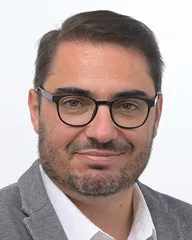
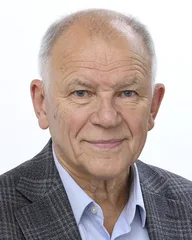
| Rank | Name | Country | Group | Speeches | |
|---|---|---|---|---|---|
| 1 |
|
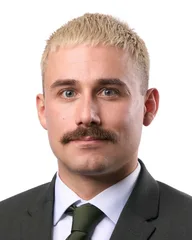
Lukas Sieper | Germany DE | Renew Europe (Renew) | 487 |
| 2 |
|
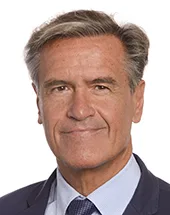
Juan Fernando López Aguilar | Spain ES | Progressive Alliance of Socialists and Democrats (S&D) | 454 |
| 3 |
|
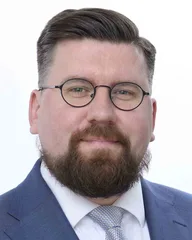
Sebastian Tynkkynen | Finland FI | European Conservatives and Reformists (ECR) | 451 |
| 4 |
|
João Oliveira | Portugal PT | The Left in the European Parliament (GUE/NGL) | 284 |
| 5 |
|
Vytenis Povilas Andriukaitis | Lithuania LT | Progressive Alliance of Socialists and Democrats (S&D) | 273 |
All Speeches (73)
Mr President, Commissioner, the drought in the European Union affects more than a third of the continent and today the picture is dramatic. For example, in Portugal, according to the Portuguese Institute of the Sea and Atmosphere, 66% of the territory is in extreme drought and 33% in severe drought. So more needs to be done. You have to bet on: monitoring and prevention strategies, supported by entities such as the European Drought Observatory; territorial assessment plans, which should identify the groups most vulnerable to these extreme climatic events and include appropriate adaptation measures; and also measures to mitigate the risk of drought and heat waves. Unfortunately, it is no longer enough to try to reverse the impact of climate change. We will have to learn to live with them, but continue to work to mitigate them and thus ensure the health of our planet and those who live on it.
Binding annual greenhouse gas emission reductions by Member States (Effort Sharing Regulation) - Land use, land use change and forestry (LULUCF) - CO2 emission standards for cars and vans (joint debate – Fit for 55 (part 2))
Date:
07.06.2022 15:39
| Language: PT
Speeches
Mr President, Mr Vice-President, Minister, the current situation is dramatic. Transport accounts for around 25% of total emissions in the European Union and does not show a downward trend. CO2 emission performance standards in cars and vans have been a crucial element in limiting emissions from cars on our roads, but they are insufficient to respond to the climate emergency. And the review that the Commission has proposed to respond to the calls of citizens, science and the commitments made in the Climate Law is a good starting point, improved in this Parliament, in the report that we will be voting on tomorrow. It is extremely worrying, however, the lack of ambition shown by this house, which ignores the needs of the population, industry and our planet. We need to steer the sector towards decarbonisation to increase the supply of zero-emission technologies, reduce prices and quickly create a second- and third-hand market for zero-emission light-duty vehicles. While it is true that the transition will have impacts, it is also true that there are support mechanisms to mitigate them, and we ask the Commission to come forward with further support measures if necessary. I would remind you that this is a sector that already has technologically and economically viable solutions. We cannot therefore continue to allow them to become unaccountable. I call on colleagues here in this Parliament to support the end date for internal combustion engines in 2035 and that, from then on, we only have new zero-emission cars on our roads.
Revision of the EU Emissions Trading System - Social Climate Fund - Carbon border adjustment mechanism - Revision of the EU Emissions Trading System for aviation - Notification under the Carbon Offsetting and Reduction Scheme for International Aviation (CORSIA) (joint debate – Fit for 55 (part 1))
Date:
07.06.2022 13:11
| Language: PT
Speeches
Mr President, Mr Vice-President, Minister, in strengthening this system we must not forget the outermost regions which are exclusively dependent on air and sea connections for the transport of people and goods. If this is the case, a carbon tax will lead to higher shelf prices and the general cost of living in regions that are already among the poorest in the EU. In this sense, it could also jeopardise their economic development and the level of employment in these regions, and hence the importance of ensuring special derogations allowing for full adaptation and a sustainable transition. I therefore call on everyone to take into account the specificities of the outermost regions, as is safeguarded in Article 349 of the Treaties, in particular and specifically, when travelling between their Member State, other Member States, but also between islands, such as the Azores and Madeira archipelagos in Portugal. Only in this way will we ensure effective territorial cohesion and a genuine just transition that leaves no one behind.
Mr President, one of the main and increasingly frequent challenges on EU islands is the extreme natural phenomena and frequent alluvial events caused by climate change, which are devastating due to the lack of sustainable management and conservation of agricultural and forest soils. In this sense, the European Union Solidarity Fund needs to be improved to deal more realistically with the consequences, as this same report acknowledges. We need a specific support mechanism that allows greater eligibility for the outermost regions of the European Union, with the possibility of this fund being mobilised to finance emergency operations and recovery in the event of damage of less than 1% of GDP, when allocated to a small area, taking into account and considering their specific location and resources.
One-minute speeches on matters of political importance
Date:
18.05.2022 21:57
| Language: PT
Speeches
Madam President, the outermost regions face permanent constraints on their development, as recognised in Article 349 of the Treaty on the Functioning of the European Union. I therefore welcome the renewed strategy for the outermost regions presented by the European Commission on 3 May. A strategy that puts people first and addresses the specific challenges faced by these regions, such as Madeira and the Azores, in Portugal, such as employment rates below the EU average, especially among young people, the high level of people at risk of poverty and population decline. I therefore call on my colleagues to take immediate action for the outermost regions to promote effective social and territorial cohesion, through air and maritime connectivity, employment and access to training, and derogations in the environmental transition, enabling the outermost regions to fully adapt.
Impact of Russian illegal war of aggression against Ukraine on the EU transport and tourism sectors (debate)
Date:
03.05.2022 21:12
| Language: PT
Speeches
Mr President, Commissioner, colleagues, transport and tourism are two sectors already highly impacted over the last two years by the pandemic and now by this war in Ukraine. As if that were not enough, disruptions in supply chains and the exponential rise in fuel prices particularly affect the most vulnerable, and also jeopardise the connectivity of the European Union, especially connections with more remote regions, such as the outermost regions, which are also more dependent on transport and tourism for their socio-economic development. I therefore call on the Commission to present measures to be implemented to mitigate all these negative impacts, including a mechanism to make the tourism sector more resilient to future shocks and crises.
One-minute speeches on matters of political importance
Date:
02.05.2022 22:26
| Language: PT
Speeches
Mr President, the role that the sustainable blue economy can play in the prosperity of the outermost regions of the European Union which, because of their insularity, are particularly dependent on certain activities, such as maritime transport and tourism, is undeniable. The protection of the oceans and their marine resources should also be ensured, recognising the biodiversity potential in the outermost regions. Thus, the climate and energy transition will entail the decarbonisation of these sectors through the identification of synergies and best practices, such as the implementation of pilot projects in the area of renewable energy in the outermost regions and also through greater coordination in the transition at different levels, local, regional and national. Decarbonisation also means new opportunities, job creation and new ways of attracting tourism, with the aim of ensuring territorial, social and economic cohesion.
Mr President, Madam Vice-President, colleagues, in the European Union, mental health problems affect more than 80 million people and suicide is the second leading cause of death among young people aged 15 to 29. Mental health is then a problem of the present that irreversibly undermines the future of the Union. While the data show some improvements in the update of mental health legislation in the different Member States, implementation levels still leave much to be desired. It is therefore necessary today to improve access to mental health services in the community and to invest in the development of multisectoral policies that recognise the multifactorial nature of mental illness. We need standardised data collections, health services that address mental health issues, and policies based on the best scientific evidence. It is also, above all, essential to combat the stigma and social and labour exclusion of all those suffering from mental illness. And Covid-19 has brought even more urgency to this topic, we know. And, as my colleague mentioned earlier, the overall prevalence of anxiety and depression increased by 25% relative to pre-pandemic data. During the pandemic, services were interrupted, telemedicine in some cases accentuated pre-existing digital inequalities and hampered accessibility to health. There is an urgent need to reduce these inequities. President, I'm done. It has been more than 40 seconds since I started the intervention and one person has already died by suicide and 20 have tried it. These are the statistics. We urgently need to do more. We urgently need to do better.
One-minute speeches on matters of political importance
Date:
04.04.2022 20:41
| Language: PT
Speeches
Mr President, I come here to talk about the outermost regions, which represent 80% of the potential of biodiversity in the European Union. Addressing climate and biodiversity emergencies requires a holistic approach that values and protects our natural resources. Protecting and restoring our ecosystems will bring benefits to our planet, but also, in particular, to some sectors, such as agriculture, fisheries, forests, among others. I see, therefore, with some disappointment, that the proposed Nature Recovery Law, planned to be presented at the end of March, has been postponed. I call for this proposal to be presented as soon as possible with ambitious targets and with special consideration for the specificities of the outermost regions. Only in this way will we ensure sustainable development and a decent future for all generations.
Sixth Assessment Report of the United Nations Intergovernmental Panel on Climate Change (IPCC) (debate)
Date:
04.04.2022 18:00
| Language: PT
Speeches
Madam President, the latest IPCC report confirms the climate emergency we are going through. It also confirms that, without the dramatic reduction in emissions, we will quickly reach points of no return. It also confirms the inadequacy of our current mitigation measures and that adaptation measures are needed to address the risks and damage already caused by climate change. Proof of this was the intense drought we went through in Portugal at the beginning of the year, which affected our agriculture, biodiversity and water supply. So we need more. We need to strengthen our climate efforts. We need more ambition, especially in the Fit for 55 legislative package. We also need more funding. Because we all have the right to a sustainable environment and we must fight for it. Protecting our and future generations must be part of this plan.
A new EU strategic framework on health and safety at work post 2020 (continuation of debate)
Date:
09.03.2022 19:50
| Language: PT
Speeches
Mr President, given the high level of health protection that we aim to achieve in all Union policies and actions, it is essential that we focus on extending Vision Zero to also cover the active prevention of work-related accidents and diseases, including by taking into account psychosocial risks and mental health, adapting to the digital, environmental and demographic transitions, minimising negative impacts and enhancing the positive effects on health literacy and its role in recognising modifiable risks and risk factors, including those linked to cancer, which are still today the main cause of work-related death. This is therefore a realistic and progressive report calling for better working conditions and safety for workers and it is our duty to ensure that it will be consistent.
General Union Environment Action Programme to 2030 (debate)
Date:
09.03.2022 18:00
| Language: PT
Speeches
Madam President, this eighth environmental action programme is an essential instrument to guide the European Union in its environmental and climate objectives for the coming years with 2050 in sight. Our response to climate and biodiversity emergencies requires the implementation of a holistic approach, paying attention to mitigation and adaptation measures, the circular economy, the protection and restoration of biodiversity and the zero pollution objective. This approach will also have to take into account the specificities of European regions and that they have different starting points. Here, I draw attention to the outermost regions such as Madeira and the Azores. It is also crucial to include the local level in the decision-making process, which will help contribute to territorial cohesion in the EU. Now, more than ever, we have all the signs that we should decrease our dependence on fossil fuels and end investments in them as soon as possible. The answer and the only way to save the planet for future generations is the transition to a sustainable and well-being economy.
Strengthening Europe in the fight against cancer(debate)
Date:
15.02.2022 09:40
| Language: PT
Speeches
Madam President, Commissioner, ladies and gentlemen, hundreds of thousands of citizens are looking forward to the outcome of this report: patients, whose access to timely diagnosis and appropriate treatment is crucial for their survival, whether they are in Strasbourg, Brussels or Madeira, an outermost region; colleagues in healthcare, who want to provide patients with the best possible care; Researchers, who are waiting for better data to promote more and better studies and find the necessary answers; Families and carers, who struggle every day to ensure the quality of life of their children; Survivors, who want to move forward with a normal life, without any economic or social conditioning, guaranteed by the right to be forgotten; And finally, citizens, all citizens, from the oldest to the youngest, including their organisations, count on us, their representatives, to help us improve and save lives. This is the purpose of this report: with our vote and our action to prevent cancer from continuing to be a fatality. Thank you to everyone who contributed to a robust report, in particular the rapporteurs and shadow rapporteurs, based on the best scientific evidence.
Madam President, every day the pandemic reveals the importance of having innovative health technologies accessible to all capable of supporting health protection and promotion, as well as disease prevention. Enhanced cooperation in health technology assessment should contribute to addressing the needs of patients, ensuring the protection of health data at all levels, of health professionals, reducing red tape and administrative work through the automation of health systems, through the standardisation of data collection and the interoperability of information systems and institutions, allowing for greater transparency in technical assessment and policy-making processes and promoting greater dialogue with the organisations involved. We therefore need to improve the prevention, diagnosis and treatment tools that we have at our disposal, and this is what this regulation will contribute to. Congratulations to the rapporteur and to everyone involved for the excellent work achieved.
A European Action Plan Against Rare Diseases (debate)
Date:
24.11.2021 20:55
| Language: PT
Speeches
Madam President, Commissioner, ladies and gentlemen, according to new developments in research, science and technology, current European policies on rare diseases are outdated. Despite their low prevalence, rare diseases affect around 30 million Europeans. There are 30 million unmet people with unmet health needs. We therefore need a new European Rare Disease Action Plan. This new action plan should be based on well-designed objectives and targets and follow the latest recommendations. It should bring together national, regional and local policies and initiatives on rare diseases in one framework. It should also take greater advantage of the digital age, from health data to more information, better research, more diagnostic tools and better treatments. A new cross-cutting European Rare Disease Action Plan to make us more competitive in innovation and research, new therapies and technologies, and to respond adequately to current needs, such as the most appropriate early diagnoses and therapies. In line with the recent UN resolution, we need a European strategy that goes beyond the provision of healthcare, that looks at health in its entirety, including social and economic components, and thus responds to the many challenges experienced by those with rare diseases in the European Union. It must be a new action plan that leaves no citizen behind. There are 30 million reasons multiplied by their relatives and caregivers.
The EU's role in combating the COVID-19 pandemic: how to vaccinate the world (continuation of debate)
Date:
24.11.2021 16:52
| Language: PT
Speeches
Madam President, colleagues, Minister, the European Union has taken a decisive role in the fight against the pandemic, in particular through the vaccination process. But the pandemic is not over yet and it has shown us that the weapons we have will always be insufficient if they do not reach everyone. While in several countries we have already vaccinated with a third dose, there are many who are still waiting for a first one. We cannot accept this inequality. If the moral argument is not enough, let us remember that as long as we are not all protected, no one will be. We therefore need concrete solutions. We need a more ambitious global vaccination strategy that increases our contributions to COVAX, that Member States donate excess vaccines and avoid unnecessary accumulations, and also that the intellectual property rights of vaccines are temporarily lifted so that public health always comes first and, finally, the Pandemic Treaty is implemented.
Madam President, Commissioner, Minister, the right to a healthy environment has recently been recognised by the UN Human Rights Council, but here in the European Union we have to do more. This right must be enshrined in the Charter of Fundamental Rights. The link between the environment and human and animal health has long been recognised from the perspective of a single health for which we have worked so hard to be included transversally in European policies. The influence of the environment on our health is undeniable, whether through local determinants such as air and water quality, as well as exposure to harmful agents, or due to climate change, natural disasters, which particularly affect communities in the most vulnerable territories, such as the outermost regions. Only by holistically protecting our health and our environment will we be able to ensure the survival of our planet and our biodiversity.
Assessing the Union’s measures for the EU tourism sector as the end of the Summer season nears (debate)
Date:
05.10.2021 21:28
| Language: PT
Speeches
Madam President, Commissioner, the pandemic has caused an unprecedented economic and social crisis, strongly affecting the tourism sector, particularly in the regions that depend most on it, such as the Autonomous Region of Madeira, an outermost region. The workers who directly and indirectly contribute to the functioning of this sector have suffered the most. With vaccination reaching around 80% coverage across the European Union and the Digital Certificate in place, there is an urgent need to boost a recovery focused on the digital and green transitions. The recovery of tourism this summer was positive, but not enough to recover what was lost. We therefore need a European tourism strategy and a specific heading in the EU's long-term budget that gives stability and sustainability to the sector and that jobs are safeguarded and the specific challenges of businesses, in particular micro, small and medium-sized enterprises, are overcome.
EU Health Emergency Preparedness and Response Authority: ensuring a coordinated EU approach for future health crises and the role of the European Parliament in this (debate)
Date:
05.10.2021 15:41
| Language: PT
Speeches
Madam President, Commissioner, Mr President-in-Office of the Council, the pandemic has led the European Union to embark on an unprecedented effort for a genuine European Union for Health. This includes the creation of HERA – the European Health Emergency Preparedness and Response Authority, which strengthens our prevention, detection and response capacity. The goals we have all set ourselves can only be achieved if we are all equally involved and committed to achieving them. The Commission cannot therefore exclude the European Parliament from this procedure, because, in addition to the unacceptable legislative precedent, we want to be involved in improving the proposal presented. We need: a genuine agency and not a structure within the Commission; clear governance, of which the European Parliament is an integral part, not as an observer, but as a full member; robust, clearly defined and non-absorbing financing of most of the EU4Health; transparency in its relationship with the private sector; openness in their relationship with patient organisations and their representatives; and closeness to our citizens. The European Parliament cannot simply adopt budgets or wait until 2025 to take stock. After all that has been achieved, we now need to complete the construction of the European Union for health in the same spirit of initial collaboration. Europeans will not accept it any other way.
The role of development policy in the response to biodiversity loss in developing countries, in the context of the achievement of the 2030 Agenda (debate)
Date:
04.10.2021 17:33
| Language: PT
Speeches
Mr President, alongside the climate change crisis, our planet is plagued by an unprecedented crisis of biodiversity loss. Now is the time to step up our efforts against this crisis and thus achieve the goals of sustainable development. Biodiversity protection should be mainstreamed in EU foreign policy, including in relations with low- and middle-income countries. Financing and technical assistance should be made available to these countries, avoiding the loss of more biodiversity that affects all. The EU should therefore be an example to the rest of the world. Special attention should also be paid to our outermost regions and overseas territories, which account for around 80% of biodiversity in the European Union and are vulnerable to both human and natural influences. By protecting our nature, our biodiversity, we are also ensuring the best use of our planet's resources and a decent future for generations to come.
Presentation of the Fit for 55 package after the publication of the IPCC report (debate)
Date:
14.09.2021 10:46
| Language: PT
Speeches
Mr President, Mr Vice-President, Minister, science tells us that if we do not act now, we will not be able to limit the increase in the temperature of this planet to the limits of the Paris Agreement. Fit for 55 will ensure the climate transition and the achievement of the objectives of the Climate Law. This transition will be cross-cutting and will affect all sectors. Today, I would like to highlight the transport sector. The legislative proposal on CO2 performance standards for new light-duty vehicles will be key for the decarbonisation of this sector. However, we need more action to ensure that the sector does its part to achieve the 2030 target. We will switch to zero-emission cars, but on the way we must not forget to ensure accessibility for our citizens and for all regions, including the most remote ones such as the outermost regions. Only with everyone on board will we be able to move towards more sustainable mobility.
European Centre for Disease Prevention and Control - Serious cross-border threats to health (debate)
Date:
13.09.2021 18:15
| Language: PT
Speeches
Mr President, Commissioner, Presidency of the Council, today the European Parliament is taking another step towards protecting the health of Europeans. COVID-19 has shown us many things and the main thing is that micro-organisms know no borders between countries. Coordinated work within and outside the European Union between Member States and international agencies such as the World Health Organisation is therefore urgent. This report is also another step towards reducing social inequalities and ensuring the equitable distribution of medicines, vaccines, medical devices and protective equipment during health crises. This pandemic was also a real test of stress to our health systems. What we want with this legislation is for these tests to be done in a controlled way to identify the flaws and correct them in a timely manner. The key to being prepared for future threats also lies in training health professionals and social services, as well as in strengthening citizens' health literacy, for citizens, so that they better understand the indications of health authorities. We also need robust information systems, from data collection to data analysis and interpretation, making the most of the new digital era to reduce administrative burden and duplication of resources in this very time-consuming process. Strengthening the ECDC, its competence and its rapid risk analysis capacity will result in an increased capacity to mitigate the consequences of future health crises. I want to end by reminding you that health is not just limited to health systems. Health has an impact on all sectors of our society and requires coordinated work among all for health promotion, disease prevention and crisis preparedness. This is achieved only with a true health-in-all-policies and one-health approach.
Madam President, Commissioner, today the European Parliament is taking another step towards making the real European Health Union a reality. I thank the rapporteur, Nicolás, and the whole team for having a strong and resilient mandate from the European Medicines Agency that delivers the response the European Union needs. By defining the list of critical medicines and medical devices we will be better prepared for future health crises. The new European database on the supply of medicines will improve accessibility and prevent disruptions in supply and distribution chains that compromise the health of our citizens. Finally, I would like to stress the importance of a strong focus on clinical trials, which will provide better responses to the real health needs of European citizens.