

| Rank | Name | Country | Group | Speeches | |
|---|---|---|---|---|---|
| 1 |
|
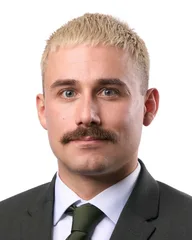
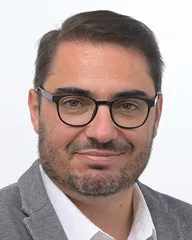
Lukas Sieper | Germany DEU | Non-attached Members (NI) | 390 |
| 2 |
|
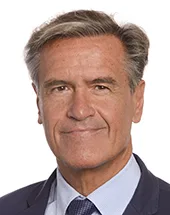
Juan Fernando López Aguilar | Spain ESP | Progressive Alliance of Socialists and Democrats (S&D) | 354 |
| 3 |
|
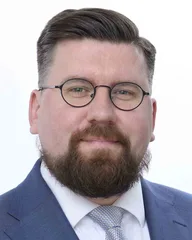
Sebastian Tynkkynen | Finland FIN | European Conservatives and Reformists (ECR) | 331 |
| 4 |
|
João Oliveira | Portugal PRT | The Left in the European Parliament (GUE/NGL) | 232 |
| 5 |
|
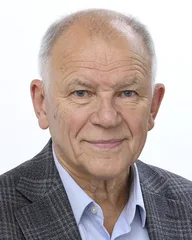
Vytenis Povilas Andriukaitis | Lithuania LTU | Progressive Alliance of Socialists and Democrats (S&D) | 227 |
All Contributions (66)
Medicine shortages and strategic healthcare autonomy in the EU (debate)
Between 2017 and 2019 there has been a 60% increase in shortage notifications for essential medicines and active pharmaceutical ingredients in our Union, with the situation only having gotten worse in 2022. What is clear for all to see is that medicines shortages are a real threat to the wellbeing of our citizens, with a disproportionate impact on the most vulnerable among us. For this reason, the status quo is simply intolerable. We need to foster effective strategic healthcare autonomy. For this reason we must not only focus on mitigating drug shortages, but also on implementing a preventive strategy and increasing production and innovation with the EU. I urge the Commission to work towards a coherent and robust support policy, which aims to bolster our resilience in the face of possible health crises, boost the European pharmaceutical industrial ecosystem, make healthcare systems sustainable and increase access to treatments for patients. One does not choose to get sick, but it is indeed our common political choice and responsibility to address medicines shortages, and ultimately ensure accessible and affordable cures for all Europeans.
Managed security services (A9-0307/2023 - Josianne Cutajar) (vote)
Madam President, today we are voting on a targeted amendment to the Cybersecurity Act. We are introducing a cyber certification scheme for managed security services. This is a crucial step towards preventing market fragmentation and establishing the EU Cybersecurity Reserve. I’d like to first thank all the shadow rapporteurs and their respective teams for the collaboration. As the lead negotiator in this file, I understood well the pivotal role of MSS companies in supporting SMEs and local authorities, which often lack in-house expertise and resources. As Parliament, we succeeded with a new provision that acknowledges the importance of providing solid financial and technical support, such as through the Digital Europe Programme. Through this Act, which champions skilling, transparency, accountability to the European Parliament and all stakeholders in the preparation and implementation of the certification scheme, as well as offering more legal clarity in the definition. Over the past five years, I made it my mission to forge a digital policy that prioritises the needs of the most vulnerable. Let us not forget that a chain is only as strong as its weakest link. In this era of digitalisation, coupled with geopolitical turbulence, this Parliament’s commitment to a comprehensive, safe and inclusive digital transition for all citizens and businesses alike, irrespective of where they live, must remain a priority. Thus, whilst I urge you to vote in favour, may I conclude in my mother tongue, Maltese. Nagħlaq bil-lingwa Maltija billi nirringrazzja lil dawk il-kollegi kollha illi ħdimt magħhom matul dawn il-ħames snin, mhux biss il-Membri Parlamentari Ewropej imma anke l-ħaddiema kollha f’dan il-Parlament u lit-tim tiegħi. Jien mhux ħa nkun qed nerġa’ nikkontesta l-elezzjonijiet li ġejjin, imma minn qalbi nawgura lil dawk kollha li ħa jkunu rieletti jew eletti biex ikomplu bil-ħidma pożittiva, ħidma sfiqa ta’ Unjoni Ewropea iktar soċjali, iktar reżiljenti u iktar sostenibbli. Grazzi.
Association agreements for the participation of third countries in Union programmes (debate)
– Mr President, despite representing only 7% of the world’s population, the EU accounts for 20% of global research expenditure. 32% of high impact publications and 25% of patent applications. Thus, cooperation agreements between the EU and third countries with similar values and common priorities, such as the EU and New Zealand one, which strengthen ties and advance scientific frontiers are essential. The European Parliament should continue to play a key role to foster cross-border partnerships, exchange ideas and create a more resilient and interconnected research landscape, while strengthening and assisting to strengthen the EU’s role as a global leader in R&I. To ensure this, however, we demand that a safeguard is given when it comes to the European Parliament’s competence over association agreements with third countries, an aspect fundamentally tied to upholding EU democracy. As representatives entrusted with the interests of our constituents, we bear the responsibility of robust oversight and we demand adequate guarantee of our competence. Any erosion of the EP’s scrutiny powers not only undermines effective representation, but also contravenes the principles laid out in our Treaty and rules.
The fight against hate speech and disinformation: responsibility of social platforms within the Digital Services Act (topical debate)
President, Commissioner and colleagues, it is important to talk about today's debate. Let us not underestimate the effects of hate language and disinformation online. They threaten the security of democracy and the mental health of our citizens. They create deep and dangerous divisions in society. Hate rhetoric, often derived from discrimination, racism, homophobia and misogyny, also affects the well-being of citizens, while disinformation undermines their ability to make informed and fact-based decisions. We need to utilise all available tools and rules to hold social platforms accountable. The Digital Services Act, in which we secured rules on content moderation on platforms, must be applied rigorously. Therefore, I welcome the efforts of the European Commission to enforce the DSA also through formal procedures against renowned social platforms. I close by calling on all Member States to finalise the implementation process on time. Because after all, this is an obligation towards our citizens.
Measures for a high level of public sector interoperability across the Union (Interoperable Europe Act) (debate)
President, colleagues, proud of the results we will achieve through this Act, which will create the conditions for Member States' public services to become truly digitally interoperable. In an increasingly interconnected world, the ability of systems and organisations to work together has become very important for European citizens and businesses. One of the primary benefits of interoperability is improving efficiency and productivity leading to lower costs and allocating resources more strategically. From provisions to reduce administrative burdens to others aimed at strengthening equal access for all, as well as public sector workers, in terms of their skills, this Act will ensure that European citizens, SMEs and our businesses can rely more on online public services across the European Union. Digitalisation and efficiency must go hand in hand to ensure quality public services. This law also aims to achieve the target of converting all key public services online by 2030. An important target of the Digital Decade programme you have also worked on as a negotiator on behalf of the Socialists. I am proud that, he insisted that I did, reference was also made to the importance of maintaining the offline accessibility of public services, in the interest of those who do not have the necessary digital skills. Also the inclusive reference ensuring special attention to disadvantaged regions such as islands. Let us continue to work towards a more competitive, innovative and inclusive digital Europe.
New European innovation agenda (debate)
Mr President, a competitive, sustainable and resilient European economy is one which not only cares for its smallest sectors – its SMEs – but one which also embraces and nurtures new blood in the form of scaleups and startups. For this reason, we need a New European Innovation Agenda that focuses on investments, incentives and fostering skills successfully. That would free the European Union from its dependencies, not only when it comes to deep tech scaleups, but also in relation to other essential sectors like health and agriculture. The emphasis on regional innovation valleys, which aim to support regions lagging behind, is essential, but we also need to make sure that disadvantaged and underrepresented cohorts in our societies will be able to make the most of this initiative. I therefore ask the Commission on how it intends to implement better these aspects effectively, and also how it intends to integrate also islands, which could also be a laboratory for innovation.
Rule of Law in Malta: 6 years after the assassination of Daphne Caruana Galizia and the need to protect journalists (debate)
We greet the memory of Daphne Caruana Galizia. We condemn this brutal assassination as we condemn the murder of any journalist for his work. Such barbaric acts are unacceptable, therefore it is important to do justice, so the ongoing proceedings and convictions before the Maltese courts of those who have been or may have been involved in this murder are important. The protection of journalists relates to the protection of European values and our democratic way of life. Essential is the position we have taken in the European Parliament on the European Media Freedom Act. What I cannot accept, however, is another round of speculation and inaccuracies for the political points in this resolution. They are all aware that Malta still has to do just as other countries run by different governments have to do. But let us also recognise what has been done, what has been recognised by the European Commission itself in the annual rule of law report and also by Commissioner Věra Jourová at the moment. Let us put all the facts as they are, otherwise we can never have an objective and fair discussion in this area.
State of the SME Union (debate)
Mr President, ninety-nine percent of European businesses are small and medium-sized businesses, a figure that reminds us that SMEs are really an integral part of our economy. In my work as the negotiator of the Socialists on the report on the European SME strategy as well as on islands, I have pushed hard to help and recognise that our SMEs must struggle and fight the regulatory burden and need help in terms of lack of access and awareness of funding opportunities. We must also help them to acquire the right skills also in view of the environmental and digital goals. In the same way as cohesion policy functions, likewise, our SME Union should take a differentiated approach vis-à-vis those based on periphery and islands. This is to ensure that they also have equitable access to the single market. It is therefore essential that the European Commission accelerates the delivery of the announced package of aid measures to ensure that we have a competitive, inclusive and resilient SME Union.
Artificial Intelligence Act (debate)
Mr President, Madam Commissioner, colleagues, rapporteurs, it was a pleasure working with you from the transport side of things. Today’s vote places Europe at the forefront of becoming a global hub for cutting—edge innovation, channelling the potential of fair, accessible, transparent and trustworthy AI for our citizens. The act strives to achieve an important balance, encouraging investment, digitalisation and technological progress whilst regulating via a risk—based approach, respecting our European values and fundamental rights. Our strides in this field must continuously seek to improve our quality of life, relying on human—centric models, keeping people in the driver’s seat while also ensuring that AI serves as an enabler for inclusive mobility and transport. All this can only be achieved if we ensure that our workforce is sufficiently skilled and our SMEs are kept on board. Fostering ethical AI built on responsibility and clear liability will create a culture of trust for consumers and investors alike, incentivising the uptake of technologies that can improve the lives of European citizens and the resilience of critical infrastructure, whether it is in the health or transport fields.
Council of Europe Convention on preventing and combating violence against women and domestic violence – EU accession: institutions and public administration of the Union - Council of Europe Convention on preventing and combating violence against women and domestic violence - EU accession: judicial cooperation in criminal matters, asylum and non-refoulement (debate)
Ms President, dear Commissioner, it is time for the European Union to join the Istanbul Convention as soon as possible and to do so, the vote ahead is essential to move forward effectively. This step is important. It is important for the protection of that girl who is experiencing violence against her own mother, in a space that should be safe, about even the young man who harassed her on her way to school. Even for the beaten woman struggling to find adequate shelter: it is also this that the European Union joins this Convention on the criminalisation of various acts of violence, on mandatory investment in education, in training for experts, in specific programmes for aggressors, in appropriate support services that should first and foremost seek to prevent violence. In the meantime, support should begin in our schools, in teaching our children to recognise the signs of the warning of violence itself, so that they know where to seek help. Let us continue to fight, let us take all measures to ensure that violence against women, which is a clear violation of human rights, is never tolerated.
Cohesion dimension of EU state aid and de minimis rules (debate)
Mr President, Mr Commissioner, colleagues, equality is not equity; equality treats all regions equally. While equity recognises that each region has different circumstances and allocates the necessary resources and opportunities to achieve an equal outcome. Additional assistance to regions suffering from severe and permanent handicaps is needed to meet renewable energy targets, a successful switch to clean technologies, as well as to address the increased impact of the pandemic, the energy crisis and inflation. It should also take into account labour market constraints, extra costs for importing raw materials and consumer products; the realities facing our islands and peripheral regions. Any revision of state aid rules and de minimis, they should fully incorporate the ‘do no harm to cohesion’ principle. They should pay specific attention to our citizens, SMEs and businesses coming from islands, who continuously face higher prices and insularity constraints. This prevents them from falling behind. My question is therefore, ‘How will the Commission achieve a truly equal outcome by embracing fairness?’
Availability of fertilisers in the EU (debate)
Mrs President, agriculture is the largest, one of our most vital industries. However, to ensure that it is sustainable, we must make sure that our farmers are well assisted. Farmers in Europe are not only not paid enough, but are also struggling to make ends meet and produce the much-needed harvest. In our discussion on strategic autonomy we must not ignore our dependency on third countries with regard to fertilisers, the scarcity of which is creating extra costs for our farmers and could jeopardise the food supply in Europe. European farmers expect the transformation we are pushing to be accompanied by investments, assistance, clear answers and flexibility in the use of organic fertilisers such as RENURE, which can and should have accompanied the path towards a more circular economy and less dependence in this area. Agriculture is becoming more sustainable and digital through the use of innovation. However we must do much more to support our farmers, in particular those facing increasingly high costs and scarcity, including farmers coming from islands and regions such as Malta and Gozo.
Access to strategic critical raw materials (debate)
The past has shown that the success of environmental and digital hearts depends on the efficiency of our supply chains. While we are working for more energy and clean tech, let's not forget that critical raw materials are an essential commodity for the Union's economy and resilience. We have seen that the US, Japan, South Korea invest in reducing their dependence on the same raw material extraction. The European Union's industrial strategy should be a sign of our autonomy to define a full, affordable and sustainable plan for supply chains, their diversification, reuse and recycling. However, European policy cannot only prioritise the safety of raw materials such as those used in batteries and electric machines, but must go further. Therefore this act and our policy should also look at other strategic matters in all areas such as those of food supply and medicine that directly affect us, which affect our societies as well.
Establishing the Digital Decade Policy Programme 2030 (debate)
Madam President, the EU is finally taking a tangible commitment towards digitalisation through important trajectories and targets. The digital decade we’ve negotiated with the Council gives Member States enough flexibility to pursue digitalisation whilst taking into account their different starting points. Yet digitalisation is not an end in itself, but a means to broader societal outcomes. We have committed to achieving reliable, fast and secure connectivity for everywhere in the Union, including in rural and remote areas such as islands. By 2030, 80% of those aged 16 to 74 should have basic digital skills. There are targets for our SMEs and targets when it comes to big data and AI. A fast and steady creation of digital skills is essential if we want to also address cybersecurity concerns. In this regard, it’s very important that we continue working together. Until then, however, let’s keep in mind the disadvantaged, our elderly who cannot access the internet and let’s maintain offline accessibility of public services whilst we transit. Whilst the new measures will encourage social inclusion, democratisation of digital skills, narrowing the gender gap, our fight towards a just digital market should continue and our strive towards this. And in this regard, we should agree and work towards stronger digital rights, including access to the internet as a fundamental right. Let’s ensure that the Europe of 2030 will be digitally ready, fully connected, leading ahead whilst leaving no one behind.
The Rule of Law in Malta, five years after the assassination of Daphne Caruana Galizia (debate)
Mr President, many of the conclusions of the public inquiry into the murder of Daphne Caruana Galizia have been made or are in the process of being made. The level of perceived judicial independence in Malta remains high. The Maltese Government has reacted by implementing a number of reforms to address shortcomings in the democratic system and the rule of law. These words are not being said by Josianne Cutajar, a proud Maltese member of a Labour party in government. Von Der Leyen told Prime Minister Robert Abela. the European Commission in its latest report on the rule of law. The speech was delivered by the Council of Europe. More people have been found and convicted for the murder that left a stain on our country. And we have a Government that continues to change, which believes that what it has achieved so far is not the arrival. Progress being made in countries is recognised by those with impartial and objective optics. It should not be this parliament that once again tries to paint a picture otherwise. I conclude by recalling that the protection of journalists and the rule of law must be protected and strengthened everywhere and in every Member State.
EU islands and cohesion policy (debate)
President, Mr Commissioner, also the rapporteur, colleagues we have worked together. The challenges facing European islands on a daily basis have been overlooked for years. I come from the island of Gozo to experience directly the geographical disadvantage and its effects. The same is true for other citizens who struggle with the lack of adequate and affordable transport. And our businesses that are bearing the extra costs related to insularity, even those related to the pandemic and the war. This situation needs to be addressed. The permanent handicaps faced by our islands require permanent solutions. This is why we are urging the European Commission to enter into a pact with the European islands. Tangible actions are needed to help these islands. This is also to ensure a more level playing field with the more central areas. With continued flexibility regarding State aid, to support small businesses, by strengthening connectivity for sustainable tourism; all these are concrete examples of how we can help our islands not to fall behind in the digital core and, especially, in the environmental core we want to do. This week we will vote on the "Fit for 55" environmental package, a package with essential targets and ambitions but which does not yet adequately take into account the realities faced by our islands. We remember that we rely on sea and air transport, and we should have specific help with regard to it. The inclusion of islands on the political agenda of the European Union is therefore the only way forward to address this reality. A path that strengthens the economic, social and territorial cohesion of the peripheral regions of the Union. This is, after all, a question of free movement and social justice with our islands, with Maltese, Gozitans and citizens coming from all European islands. Thank you and I encourage you to join us for this report and for this work.
Global approach to research and innovation: Europe’s strategy for international cooperation in a changing world (debate) (debate)
Madam President, Commissioner, colleagues, the discussion on the European global approach to research and innovation comes during a historical period where the enhancement of cooperation in the scientific field can contribute to making the power of reason and knowledge prevail over weapons. A strong Europe that is a point of reference on research and innovation does not, however, happen overnight. It requires a long-term vision that aims not only to achieve strategic autonomy, which is very much urgent, but is also based on the assumption that global societal challenges such as climate change and health emergencies have no borders. Building bridges with the scientific communities of our partners and an extensive multilateral cooperation grounded in reciprocity are key to make our European R and I system as open as possible, as closed as necessary, and to support our values from academic freedom to gender equality. This is the reason why I urge the European Commission to develop an ambitious science diplomacy agenda that promotes European soft power of research and innovation.
Data Governance Act (debate)
Ms President, data is one of the most valuable commodities of our time, with wide applications from environment to health, from transport to tourism. Despite this, Europe did not have a clear framework that would allow the use of such a crucial element in the digital society. Harmonising data management in the European Union, which facilitates operability across all sectors, is crucial. The data governance act is therefore one of the first concrete steps to factually support the shift in the digital sector. All parties concerned must be involved in this process with special attention to small and medium-sized businesses. I am very confident that this law will make life easier for small and new businesses wishing to fully exploit their potential in the field of data, even under more favourable conditions. Now, we must continue to work towards making the digital decade more inclusive, also to create a reassuring environment where data is used to address the world's most imminent challenges right now.
Rising energy prices and market manipulation on the gas market (debate)
Mr President, Commissioner, colleagues, the unprecedented crisis we’re facing on our eastern borders exacerbates the already difficult situation with energy prices being on the rise since 2021. Such a scenario not only means higher electricity and gas bills for citizens and businesses, but also negative impacts on our value chains and higher prices even on very basic items, breads, pasta, biscuits, coffee to mention just a few. Who is going to bear the costs? Consumers and small businesses. We should not forget that security of supply is an essential pillar of our energy union. Renewables are the solution in the long-term, yet for the time being, we need to be realistic, diversifying sources provision and supporting the most vulnerable, especially those in small and peripheral Member States that depend on imports. Therefore, it’s important that we monitor the situation and act to make sure that we really leave no one behind.
Implementation of the 2021-2027 cohesion policy (debate)
Madam President, cohesion policy represents one of the most successful examples of European integration, which can help us reduce inequalities among European regions, especially the most peripheral ones. While the eighth report on cohesion has shown us that there are still significant gaps that we need to bridge, a swift implementation for the programming period 2021-2027 would mean to give concrete answers to citizens and small businesses in such difficult and uncertain times. Ahead of International Women’s Day, I’d like to reiterate the call of the report on cohesion policy and gender dimension, a dossier on which I worked last year for the application of gender budgeting in all stages of the evaluation, implementation and monitoring of the European structural and investment funds. Let me conclude by stressing the importance of ensuring gender-sensitive partnership agreements that can also contribute towards reducing inequalities between men and women, fighting the feminisation of poverty, combating women’s exclusion from many economic opportunities and preventing gender-based violence and all forms of discrimination.
Harmonised EU approach to travel measures (debate)
Mr President, the new rules on coordinating travel were much needed. The tourism sector cannot sustain the halt of travel any longer. The ecosystem is suffering and, whilst we celebrate this positive step forward, we must keep in mind that coordinating travel will not necessarily translate into higher volumes on its own. In fact, we must continue working on other elements to the puzzle, for example, the aviation sector anticipating higher costs for travellers, especially considering the sharp rise in fuel prices, and travel anxiety, which remains in case travellers test positive whilst abroad and are caught up in quarantine with the ancillary costs involved. We must continue addressing these issues at EU and national level. Jump-starting a sector that contributes 10% to EU GDP will require a continuous concentrated effort. The EU has been active through the introduction of the digital certificate, the Re-open EU app, the safe relaxation of state-aid rules, but we want a continuation of this effort, as well as greater effort by all Member States. A key word must be stated here: resilience. In the process of defining the EU’s strategy for tourism, we must gather lessons learnt and prepare contingency plans in the eventuality of future disruptions. Resilience, in my opinion, is not adequately mentioned and emphasised in the transition path to a conclusion, and must be at the heart of our recovery if we want to avoid new interruption of travel in the short and long term. Tourism cannot stop again.
MeToo and harassment – the consequences for the EU institutions (continuation of debate)
Mr President, sexual harassment exists, as colleagues have stated, everywhere. When I came to this Parliament, the MeToo movement had already named the elephant in the room. Yes, harassment is also present in this house. It’s present on the streets, at workplaces, on public transportation, day and night alike, everywhere, and everyone could be affected, including politicians and workers across the board. Why is it present? Because some abuse their position of power and feel entitled to, because they have not been punished for their acts, or have not been addressed in a way that helps them, via training, to avoid this in the future. Victims are often too afraid and uncomfortable to speak up and proceed. Yes, even in this house to this day. Thank you to the Socialists, Evelyn Regner and the Committee on Women’s Rights and Gender Equality (FEMM) for promoting this. It’s not enough to raise awareness; we need concrete measures and actions. Compulsory training for MEPs is not a violation of their freedom, as some have claimed. Being abused and made to fear for one’s integrity or job security, and having one’s mental health at stake is. I do welcome the progress made thanks to the MeToo movement advocacy. However, there are institutional changes which need to be effected: an independent, timely and fair process to ensure victims of harassment will be given adequate and effective protection, uprooting sexism and gender stereotypes. We need a radical change of mentality to confine sexual harassment to the pages of history books, pages that we do not want to open again. Here we need education. As the European Parliament, we should lead by example, raising awareness and promoting a truly zero—harassment policy to make sure victims are protected, not victimised. Let us effectively unite and act against any form of harassment and discrimination.
EU response to the transport poverty (debate)
Mr President, transport poverty is a reality in the European Union. It exists in urban areas, our villages, coastal regions and islands. The problem has an impact on low-income families across Europe, and also on people with disabilities who do not have sufficient access. For this reason we must design mobility plans and investments in a targeted and specific way, also for different regions. We must be realistic, we must make sure that the poor and vulnerable are not the ones who pay the highest price in the environmental transition. What happens when old cars are stopped? Prices increase. This is why we want to make sure that compensation mechanisms are designed and that just transition policies accompany the green deal. But not only. Better use of data, free public transport, as being implemented in countries, Malta, and promotions of alternative solutions such as car pooling must become a reality. Let’s embrace our values of inclusiveness and free movement by tackling transport poverty with facts.
State of the Energy Union (debate)
Mr President, the scenario that Europe is experiencing this year, with rising energy prices and still slightly high dependency on third countries, shows us that there is still some way to go to achieve the goals of the Energy Union. How can we get to that? By working, truly effective market integration, improving security of supply through appropriate infrastructure so that no country is left behind, regardless of its dimension or geographical location. The continued deployment of renewables also confirms that the future is progressing and that research and innovation in clean technologies are crucial if we are to see renewables more used and affordable. The success of all dimensions of the Energy Union will further contribute to building a cleaner Europe which should also be amicable for both consumers and businesses.
European Partnership on Metrology (debate)
I welcome the Agreement of the Parliament and the Council on the European Partnership on Metrology and would like to thank the Rapporteur for this result that we have all achieved together and of its work. While metrology, measurement science, is not yet well known, it represents one of the oldest scientific fields of study. I wanted to say that the ancient Egyptians and those living in Babylon already used uniform measurement standards. Metrology is important in our daily lives, from health to manufacturing, from trade to connectivity, the quality of measurement has a cross-cutting impact on our Union’s priorities. And more generally on the green and digital transition we want to make. Research results in this area are more tangible than we can imagine. Let's think for example about monitoring CO2 emissions and air pollution in general, health diagnostics and even smart networks. These are all concrete examples of how reliable measurement standards can concretely address societal challenges. The new metrology partnership will represent a way forward to give this science the visibility it deserves while also ensuring the inclusiveness of research infrastructure and a more restrictive participation of our scientists and SMEs. The agreement between Parliament and the Council will also contribute to closing the persistent investment gap in terms of metrological capacities and to keeping pace with other global actors that financially support this sector to have a much stronger sector also from the European Union. As a European Parliament we must be vigilant in ensuring that this partnership achieves its objectives while increasing scientific exchanges among national metrology institutes.