


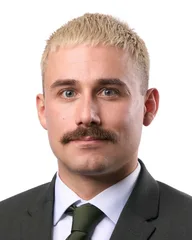
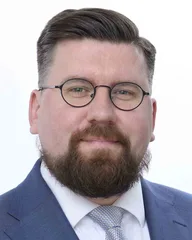
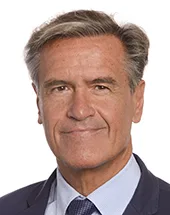
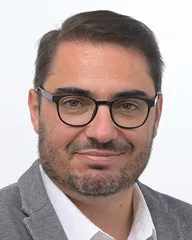
| Rank | Name | Country | Group | Speeches | |
|---|---|---|---|---|---|
| 1 |
|
Lukas Sieper | Germany DE | Renew Europe (Renew) | 487 |
| 2 |
|
Juan Fernando López Aguilar | Spain ES | Progressive Alliance of Socialists and Democrats (S&D) | 454 |
| 3 |
|
Sebastian Tynkkynen | Finland FI | European Conservatives and Reformists (ECR) | 451 |
| 4 |
|
João Oliveira | Portugal PT | The Left in the European Parliament (GUE/NGL) | 284 |
| 5 |
|
Vytenis Povilas Andriukaitis | Lithuania LT | Progressive Alliance of Socialists and Democrats (S&D) | 273 |
All Speeches (27)
The European Education Area: a shared holistic approach (debate)
Date:
10.11.2021 21:16
| Language: HU
Speeches
Dear Mr President, Education and culture are Europe's most important resource and key to its competitiveness. It is therefore important that Member States provide quality and sustainable education and training that is accessible to all, and the European Education Area Programme is an important aid to this end. Everyone has the right to education. This is the basis for social cohesion Spending on education is an investment in our future and should therefore be a priority for Member States. The European Education Area can provide more opportunities, mobility and international experience, while respecting the competences of the Member States in the field of education policy. The EEA is important for vocational education and training in higher education, university cooperation, recognition of diplomas and qualifications. The change of the Hungarian higher education model, which aims to improve the competitiveness of universities and increase their funding, can serve as a good example, as it strives to create a more predictable operating environment and to provide higher quality education for students. It is a priority for universities to play a central role in research and development and innovation, and to increase the level of knowledge of foreign languages. In the context of the EEA, it is essential to pay attention to education in national minority and regional languages, as this is also part of equal opportunities.
The situation of artists and the cultural recovery in the EU (debate)
Date:
18.10.2021 21:43
| Language: HU
Speeches
Dear Mr President, COVID-19 has had an impact on the cultural and creative sectors and directly on artists. The cultural and creative sectors are an important part of the economy and, despite the digital solutions to the challenge, the industry needs strong support. In order to reduce the negative effects of the pandemic and to relaunch the sector, the Hungarian government has established priority sector-specific grants in the form of grants to support service providers and artists. In Hungary, SMEs in the cultural and creative sector have received significant assistance to help maintain jobs. The government has provided more than HUF 14 billion to help the cultural sector and significant regulations have been put in place to preserve jobs. It is important that the EU also expands funding opportunities for the cultural and audiovisual sectors through programmes such as Creative Europe and Erasmus+. We also call on the Commission to support individual Member States in their efforts to find the most efficient way of resolving aid at national level. It is not a question of de-competence, but of supporting the recovery of Member States.